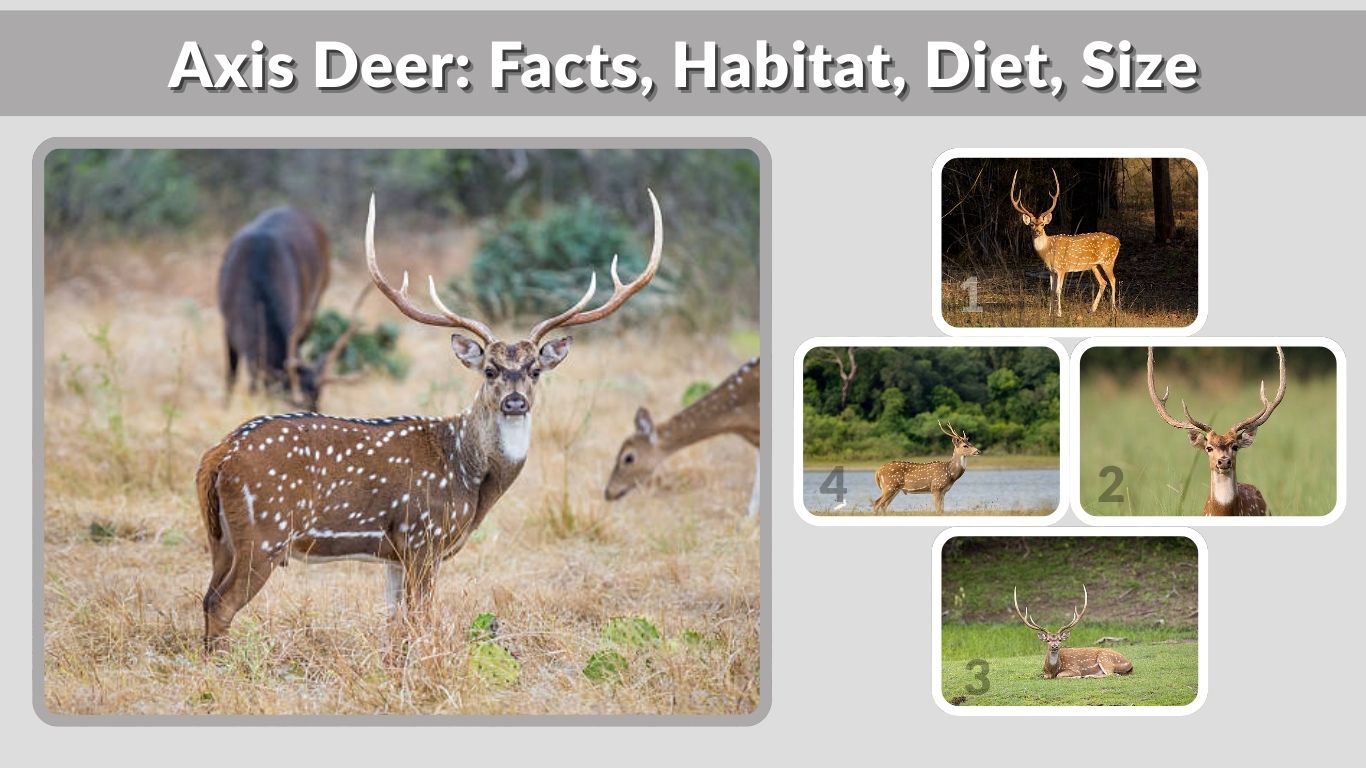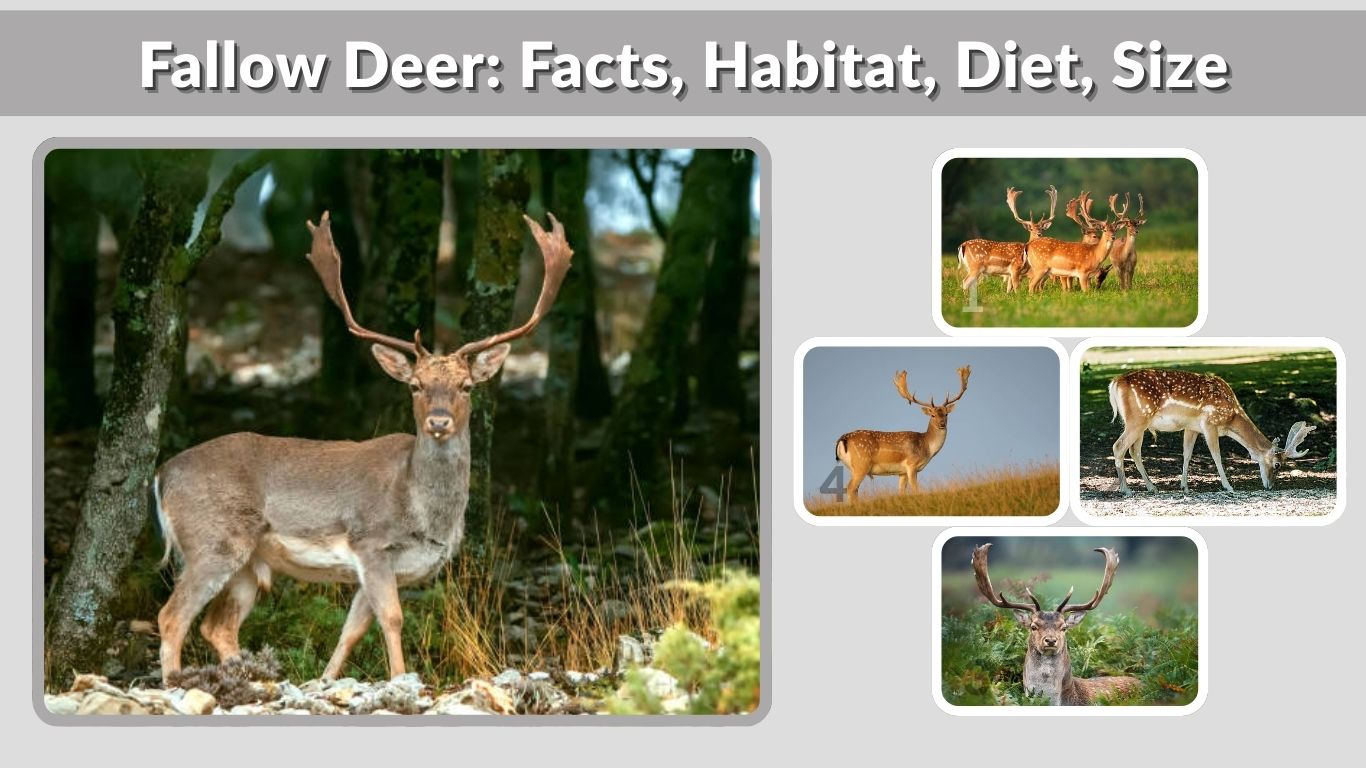





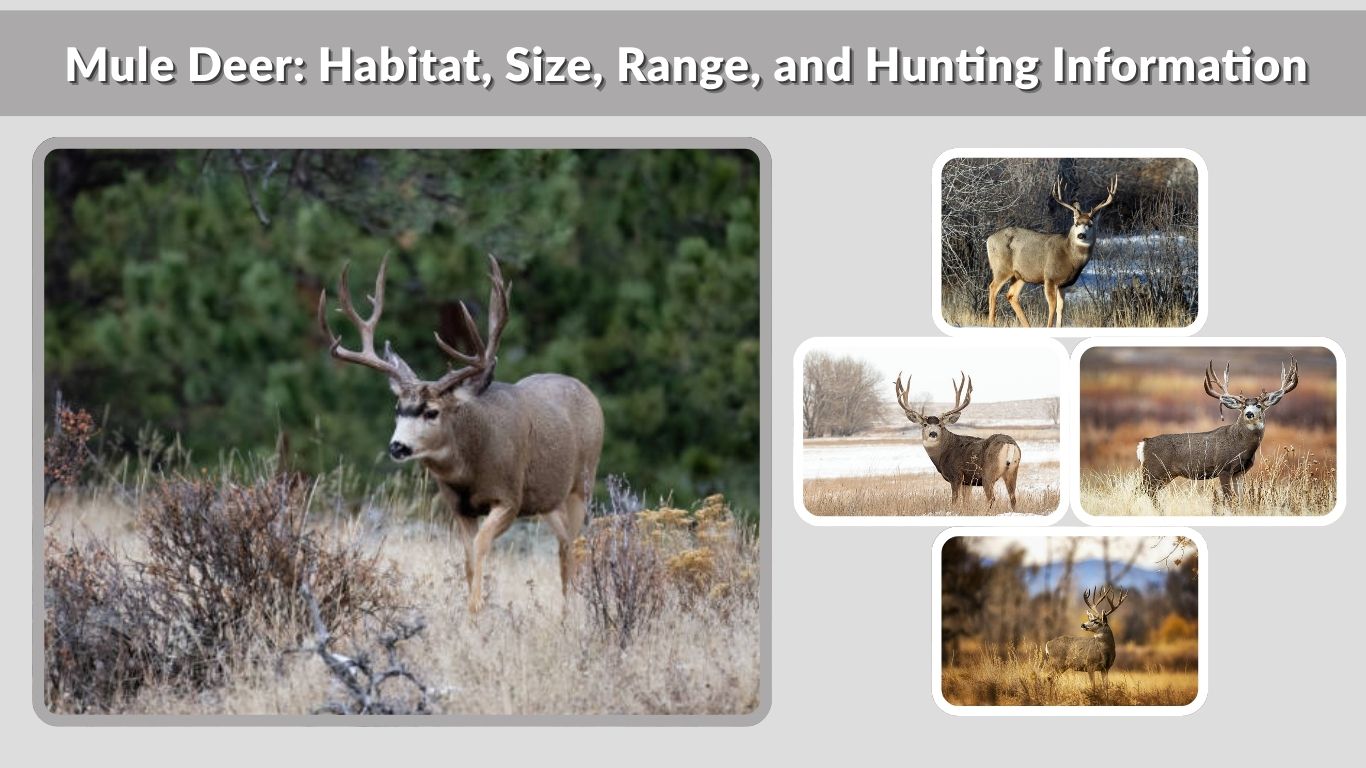
The mule deer (Odocoileus hemionus) is one of the most iconic deer species in western North America. Known for its large ears, black-tipped tail, and distinctive bounding gait, the mule deer is well adapted to rugged terrain and arid environments. This species plays an important role in many ecosystems and is also highly valued by hunters. Understanding what a mule deer is, along with its physical traits, size, habitat, and range, provides a strong foundation for learning about its behavior and management.
What Is a Mule Deer?
If you’re wondering what is a mule deer, it is a large deer species named for its oversized ears, which resemble those of a mule. Mule deer are closely related to white-tailed deer but differ in appearance, behavior, and habitat preferences. They are best known for their stiff-legged “stotting” or bounding movement, which helps them navigate rocky and uneven landscapes.
Mule deer are generally more cautious and less tolerant of human disturbance than whitetail deer. They tend to occupy open terrain and higher elevations, where their keen eyesight and hearing provide protection from predators.
Mule Deer Scientific Name and Classification
The mule deer scientific name is Odocoileus hemionus. This species belongs to the family Cervidae and shares the same genus as the white-tailed deer. Several subspecies of mule deer exist, including the Rocky Mountain mule deer and the desert mule deer.
Taxonomic classification:
- Kingdom: Animalia
- Phylum: Chordata
- Class: Mammalia
- Order: Artiodactyla
- Family: Cervidae
- Genus: Odocoileus
- Species: Odocoileus hemionus
These subspecies vary slightly in size, coloration, and range, depending on environmental conditions.
Mule Deer Physical Characteristics
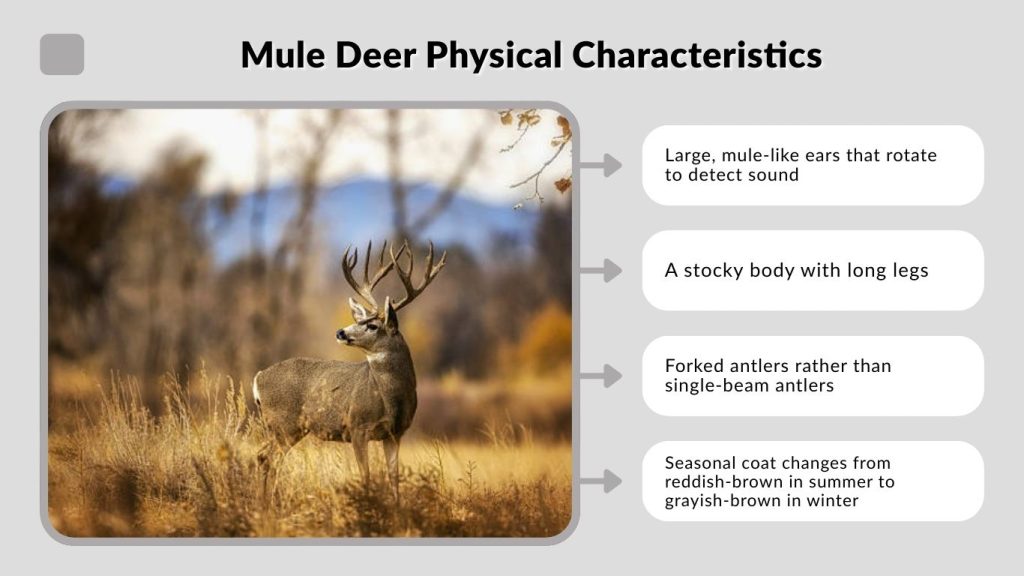
Mule deer have several defining features that make them easy to identify. One of the most noticeable traits is the mule deer tail, which is narrow and ends in a distinct black tip. Unlike white-tailed deer, mule deer do not raise their tails when alarmed.
Other important physical characteristics include:
- Large, mule-like ears that rotate to detect sound
- A stocky body with long legs
- Forked antlers rather than single-beam antlers
- Seasonal coat changes from reddish-brown in summer to grayish-brown in winter
These traits help mule deer blend into their surroundings and survive in harsh environments.
Mule Deer Size and Life Span
Mule deer size varies based on location, age, and sex. Bucks are generally larger and heavier than does, especially in northern regions where food availability is greater.
On average:
- Adult mule deer stand 3 to 3.5 feet tall at the shoulder
- Body length ranges from 4.5 to 7 feet
Weight typically ranges from:
- 95 to 200 pounds for females
- 150 to 330 pounds for males
The typical mule deer life span in the wild is 7 to 11 years, although many do not reach this age due to predation, hunting, disease, and environmental stressors.
Mule Deer Habitat
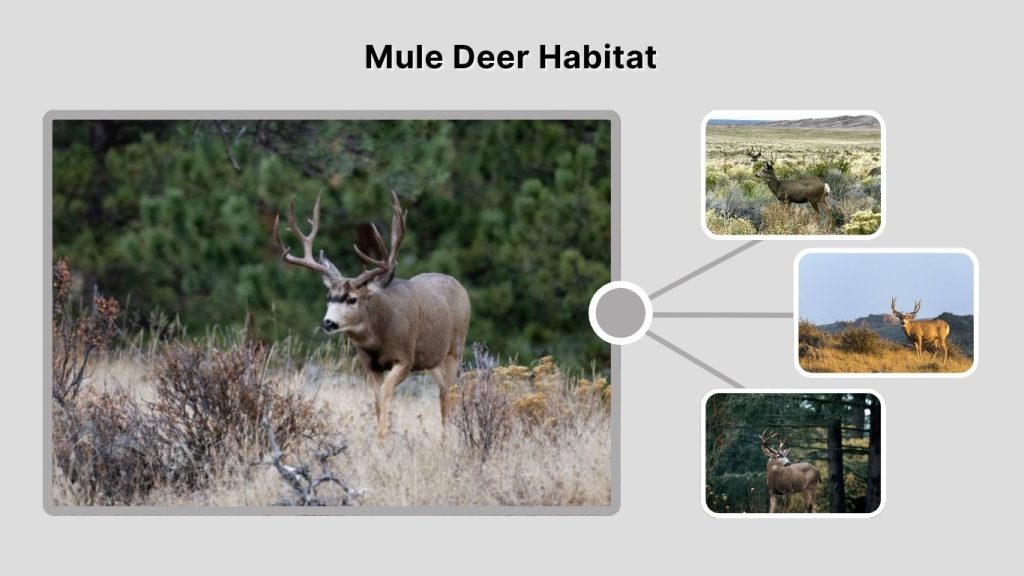
The mule deer habitat includes a wide range of environments, but this species is most commonly associated with open and rugged terrain. Mule deer prefer areas that provide both cover and open feeding grounds.
Common habitats include:
- Deserts and shrublands
- Mountain foothills and high elevations
- Open forests and woodland edges
- Sagebrush plains
Mule deer are known for seasonal migration. Many populations move to higher elevations in summer to access fresh vegetation and descend to lower elevations in winter to avoid deep snow.
Mule Deer Range and Distribution
The mule deer range covers much of western North America. They are found from southern Canada through the western United States and into northern Mexico. Their distribution is strongly tied to arid and semi-arid landscapes.
Mule deer populations are especially well known in:
- Mule deer Arizona, where desert and plateau habitats support large herds
- Mule deer California, particularly in mountainous and chaparral regions
- Mule deer New Mexico, where migration patterns are common
While less common than whitetails, mule deer in Texas are found primarily in the western part of the state, where terrain and climate are suitable.
Mule Deer vs Whitetail Deer
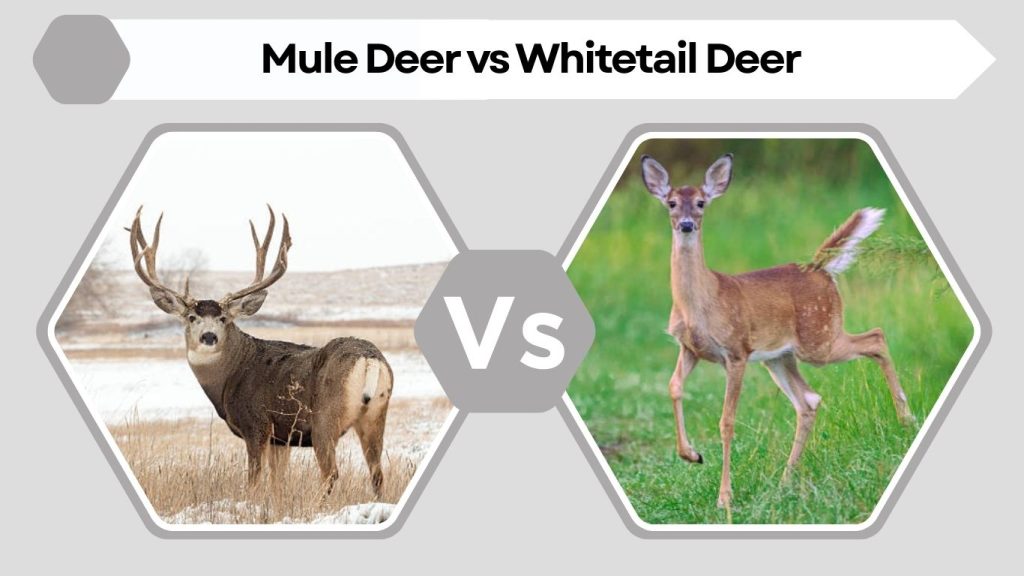
The comparison of mule deer vs whitetail deer highlights several important differences in appearance, behavior, and habitat. Mule deer have larger ears, a black-tipped tail, and forked antlers, while white-tailed deer have smaller ears, a long white tail, and antlers that branch from a single main beam.
Behaviorally, mule deer rely on a stiff-legged bounding gait to escape predators, whereas whitetails use speed and sharp turns. Mule deer prefer open, rugged landscapes and higher elevations, while whitetails thrive in forests and agricultural areas. These distinctions help hunters and wildlife enthusiasts identify each species accurately.
Mule Deer Hunting Overview
Mule deer hunting is popular across the western United States due to the species’ size, challenge, and scenic habitats. Many hunters value mule deer for the difficulty involved in spotting and stalking them in open terrain. Hunting seasons and regulations vary by state and are designed to ensure sustainable populations.
General mule deer hunts often occur in fall and are divided into archery, muzzleloader, and rifle seasons. Ethical hunting practices focus on fair chase, accurate shot placement, and respect for wildlife and habitat.
Mule Deer Hunting by Location
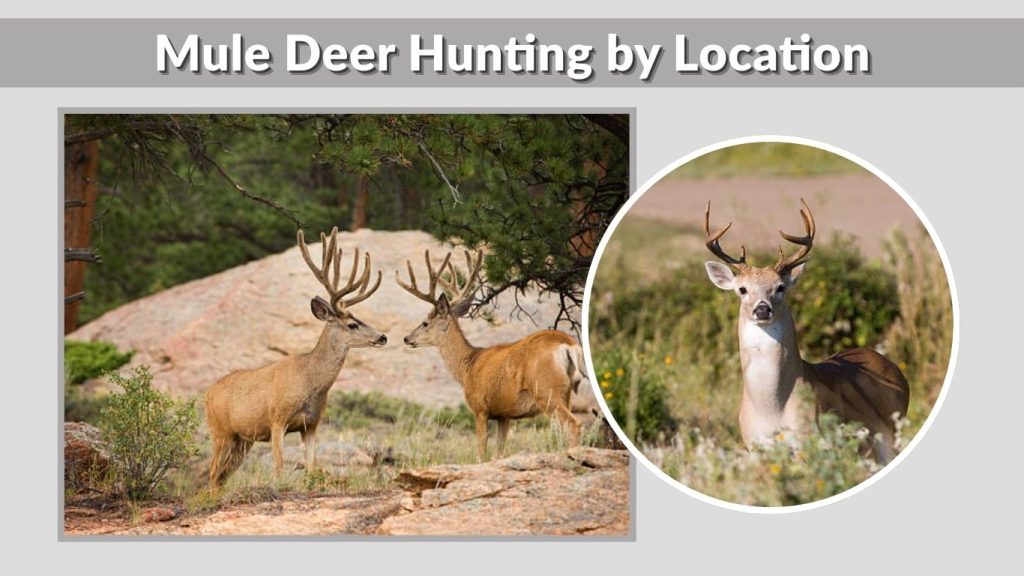
Montana Mule Deer Hunting
Montana mule deer hunting is well known for producing large-bodied deer and impressive antlers. The state offers a mix of public and private land, with opportunities in plains, foothills, and mountainous regions. Hunters often encounter long-distance glassing and spot-and-stalk conditions.
Mule Deer Hunting in Texas
Although mule deer are less widespread than whitetails, mule deer hunting in Texas is possible in the western regions of the state. Mule deer hunts in Texas typically focus on arid landscapes and open terrain, requiring patience and careful observation.
Mule Deer Hunting Outfitters
Many hunters choose guided experiences through mule deer hunting outfitters. Outfitters provide local expertise, access to quality hunting areas, and logistical support such as lodging and transportation.
A well-known name in the outfitting community is Gary mule deer, often associated with guided mule deer hunts and hunting media. Reputable outfitters emphasize ethical hunting practices and compliance with state regulations.
Mule Deer Euro Mount Explained
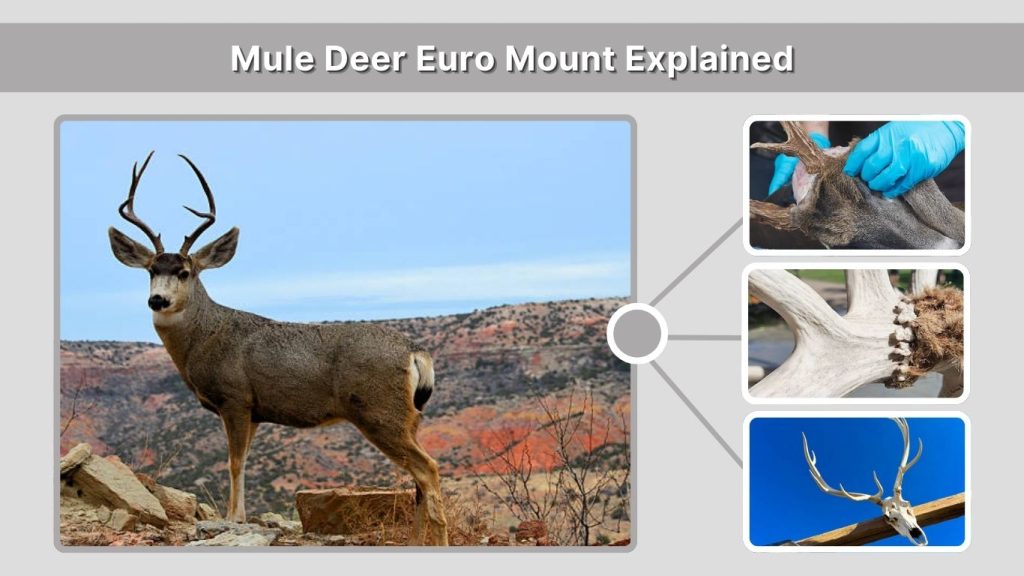
A mule deer euro mount is a popular way to display a harvested deer’s skull without the hide. This style highlights the antlers and provides a clean, minimalist appearance that many hunters prefer.
The process typically involves:
- Removing all tissue from the skull
- Whitening the bone
- Preserving the antlers in their natural color
Euro mounts are space-efficient and showcase antler structure clearly, making them a common choice for mule deer trophies.
Mule Deer Conservation and Management
Mule deer populations have faced challenges in recent decades due to habitat loss, drought, disease, and increased human development. Wildlife agencies monitor herds closely and adjust hunting regulations as needed.
Conservation efforts focus on:
- Protecting migration corridors
- Managing predator-prey balance
- Restoring habitat
- Regulating hunting pressure
Responsible management helps ensure healthy mule deer populations for future generations.
FAQs
What is a mule deer?
A mule deer is a large deer species native to western North America, recognized by its large ears, black-tipped tail, and bounding running style. It belongs to the deer family Cervidae and is closely related to the white-tailed deer but differs in habitat, behavior, and appearance.
What is the scientific name of the mule deer?
The scientific name of the mule deer is Odocoileus hemionus. It shares the same genus as the white-tailed deer and includes several subspecies, such as the Rocky Mountain mule deer and desert mule deer, each adapted to specific environments.
Where do mule deer live?
Mule deer live primarily in western North America, including the western United States, southern Canada, and northern Mexico. They inhabit deserts, shrublands, open forests, and mountainous regions, often migrating seasonally between high- and low-elevation habitats.
How big do mule deer get?
Mule deer size varies by region and sex. Adult males typically weigh between 150 and 330 pounds, while females weigh 95 to 200 pounds. They usually stand about 3 to 3.5 feet tall at the shoulder and can reach up to 7 feet in length.
What is the difference between mule deer and white-tailed deer?
The main difference between mule deer and white-tailed deer is their appearance and behavior. Mule deer have larger ears, black-tipped tails, and forked antlers, while white-tailed deer have white tails, smaller ears, and antlers that branch from a single beam.