




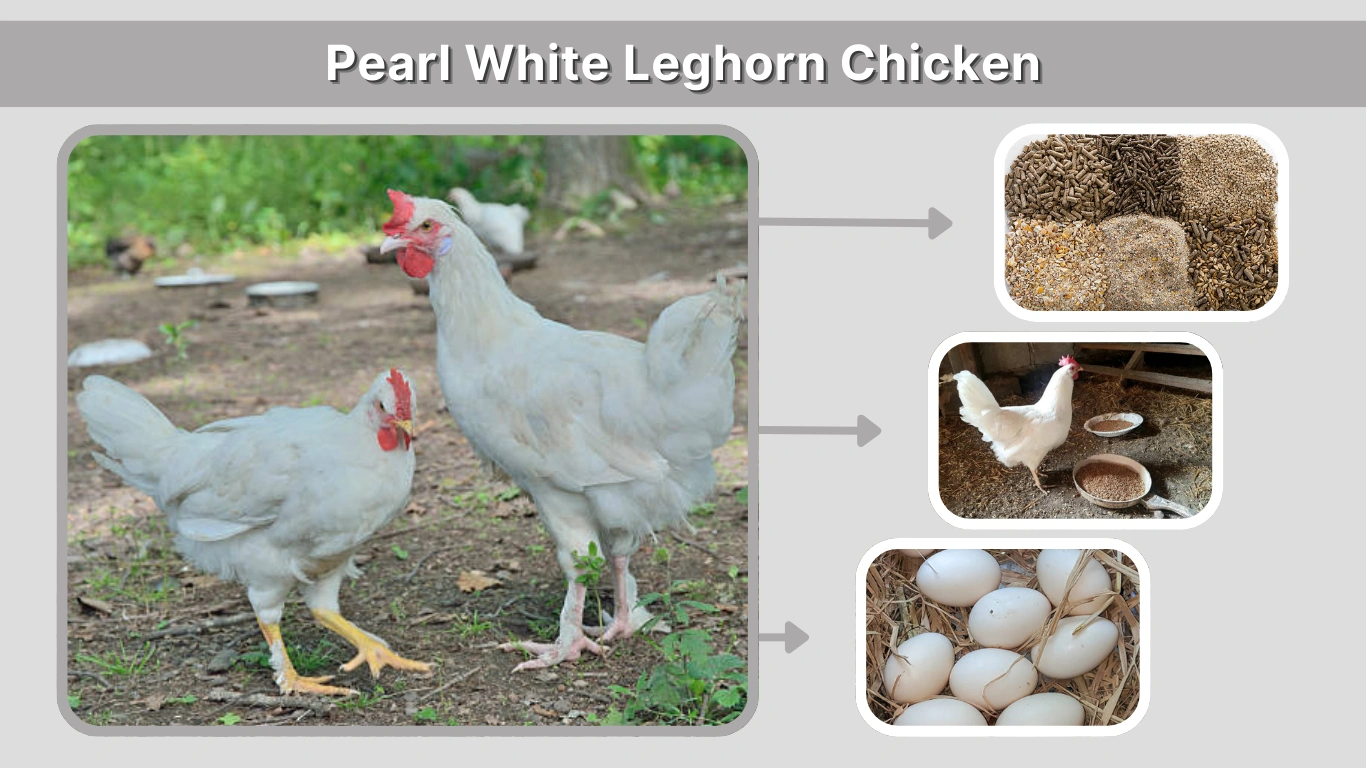
Pearl White Leghorn chickens are one of the most efficient and recognizable egg-laying breeds in the world. Famous for their bright white plumage, slim Mediterranean body type, and outstanding laying ability, they are widely used in both backyard flocks and commercial egg farms. This variety is valued for its early maturity, excellent feed-to-egg conversion, and ability to produce large numbers of clean white eggs. Understanding their traits, care needs, and behavior helps keepers decide if this active breed fits their goals.
Origin and Breed Background
The Pearl White Leghorn traces its roots to the Mediterranean region, specifically Italy, where early Leghorn chickens were developed and later exported to other parts of Europe and the United States. These birds became popular in the 1800s due to their unmatched egg-laying performance and low maintenance costs.
Over time, selective breeding refined the White Leghorn into several strains, including commercial and exhibition lines. The term “pearl white” is often used to describe especially bright, clean white birds with smooth feather texture and strong egg-laying genetics. Today, Pearl White Leghorns form the backbone of the global white-egg industry and are also kept by backyard poultry enthusiasts who prioritize egg production over meat.
Their global spread is largely due to their adaptability, early sexual maturity, and ability to thrive in both small flocks and large-scale farming systems.
Physical Appearance and Size
Pearl White Leghorns have a classic Mediterranean look. Their bodies are slim, angular, and lightweight, built for activity rather than bulk. This streamlined structure supports their energetic behavior and efficient metabolism.
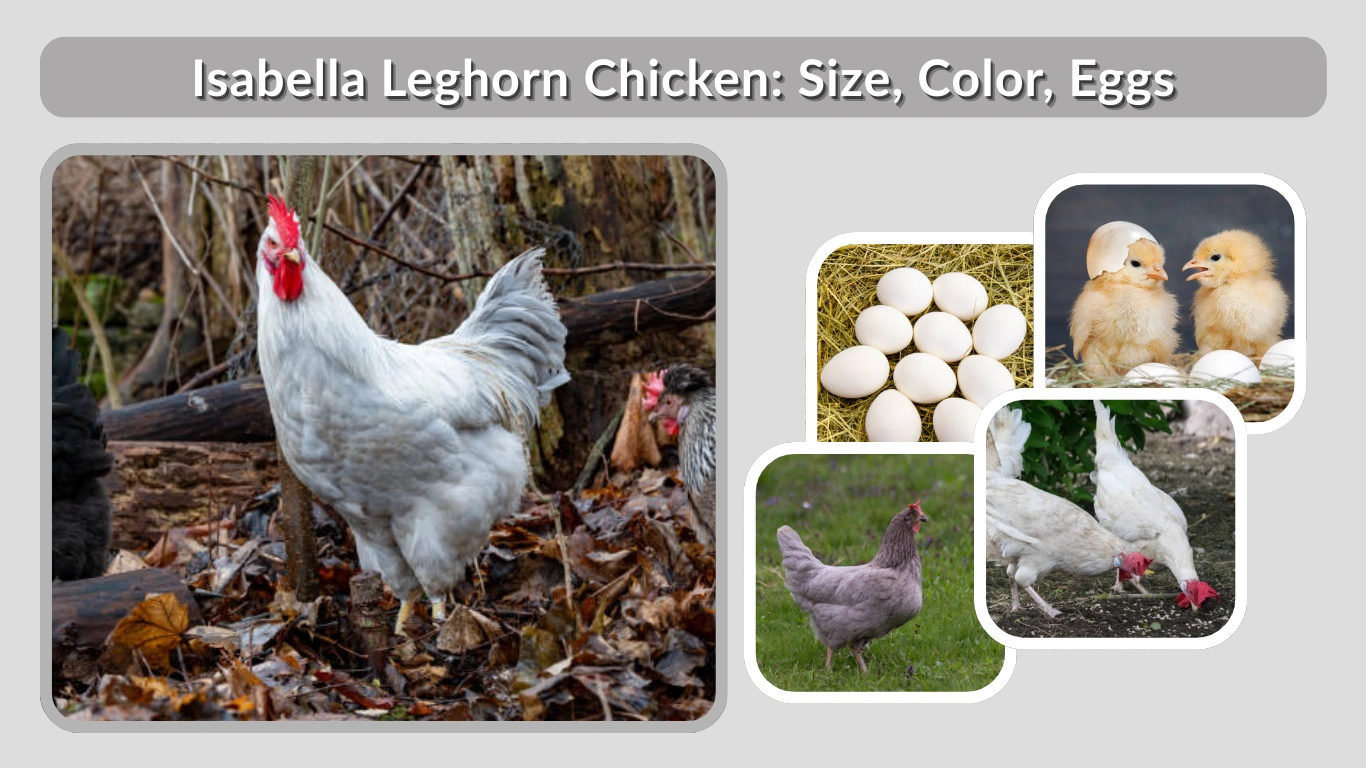
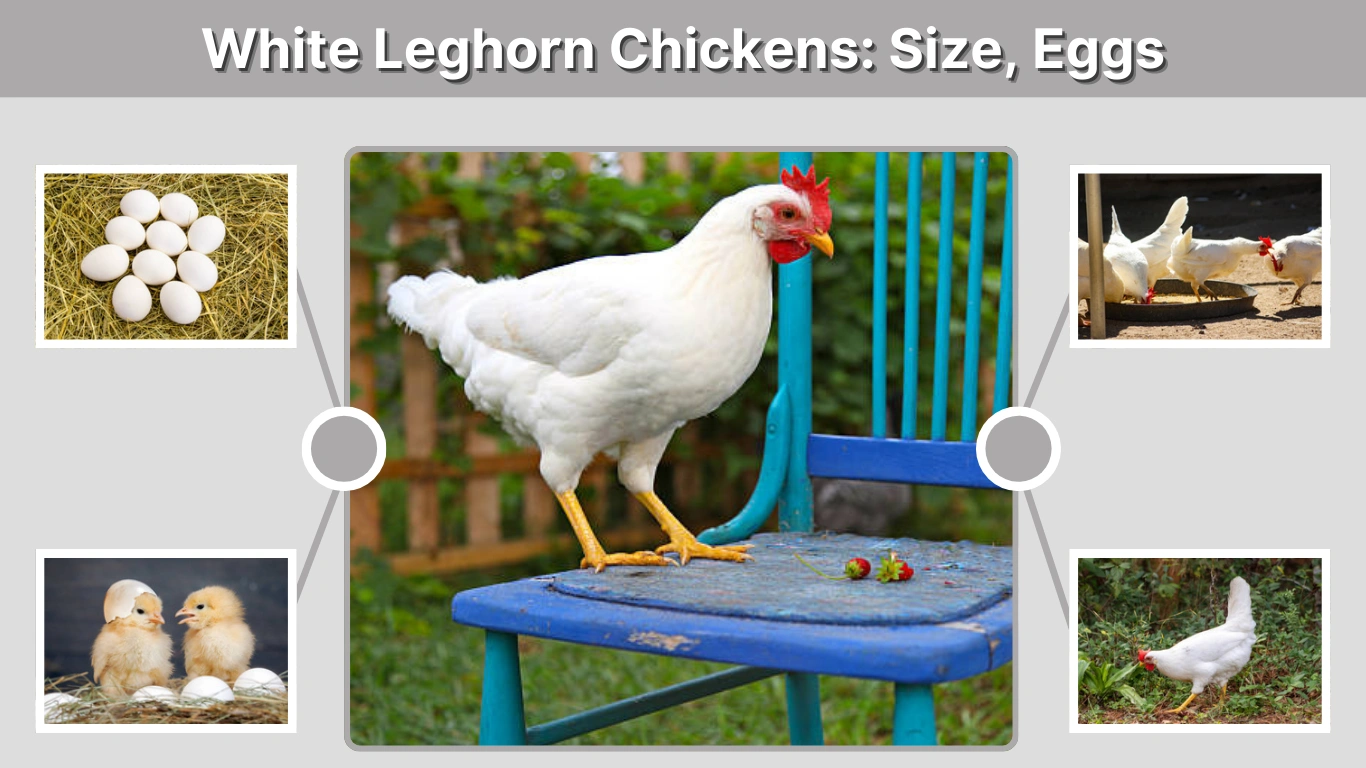
Their plumage is a bright, solid white that often appears glossy in sunlight. The feathers lie close to the body, giving them a neat, refined appearance. The skin is typically yellow, matching their legs and beak. One of their most noticeable features is their large single comb, which stands upright in roosters and often flops gracefully to one side in hens.
Adult hens usually weigh around 1.6–2 kg (3.5–4.5 lb), while roosters range from 2.3–2.7 kg (5–6 lb). Despite their lighter weight, they are strong, alert birds with excellent endurance and flight ability.
Identification Features

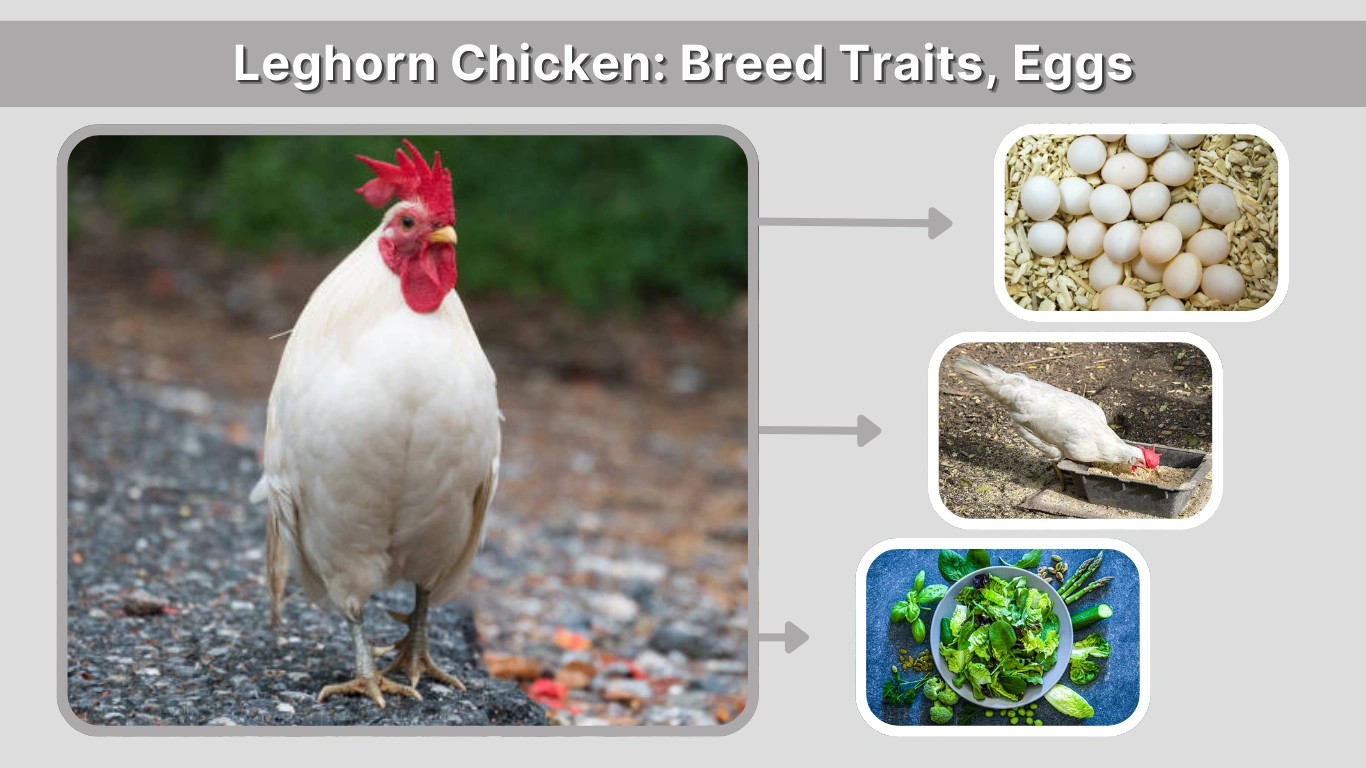
Pearl White Leghorns are easy to recognize once their key traits are understood. Their clean coloring and distinct head features separate them from heavier white breeds.
- Bright pearl-white plumage with no markings
- Large, single red comb
- Smooth red wattles
- White earlobes (a strong indicator of white egg layers)
- Yellow legs and beak
- Slim, upright Mediterranean body shape
- Active, alert stance with long tail feathers
These features together make Pearl White Leghorns one of the most visually distinctive egg breeds in poultry keeping.
Egg Production and Egg Color
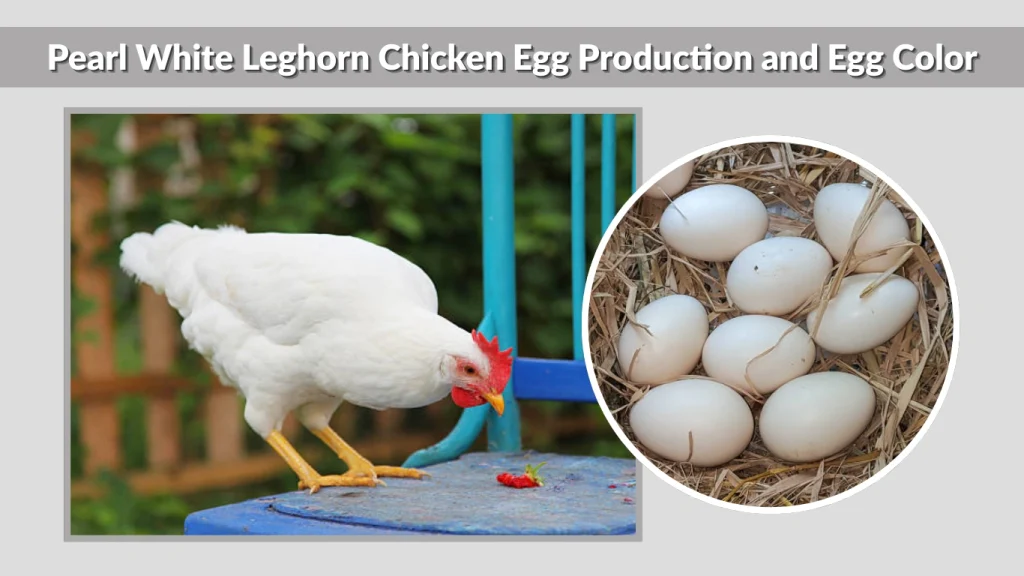
Egg production is the main reason Pearl White Leghorns are so widely kept. A healthy hen can lay around 280–320 eggs per year, and some high-production lines exceed this under ideal conditions. They often begin laying earlier than many dual-purpose breeds, sometimes as early as 16–18 weeks of age.
The eggs are medium to large in size with bright white shells. Shell quality is usually strong, especially when birds receive adequate calcium and balanced nutrition. Pearl White Leghorns are also known for consistency. They tend to continue laying well even during hot weather, a major advantage in warm and tropical climates.
Because they efficiently convert feed into eggs, they are considered one of the most economical laying breeds in the world. This is why most commercial white eggs sold globally come from Leghorn-type chickens.
Temperament and Behavior
Pearl White Leghorns are highly active and alert birds. Unlike heavier backyard breeds, they prefer to stay busy, constantly foraging, running, and exploring their surroundings. This makes them excellent free-range chickens but sometimes challenging in confined spaces.
They are generally not aggressive, but they are flighty and cautious, especially around humans. Many are not lap chickens and may avoid handling unless raised gently from a young age. In flocks, they tend to be independent rather than cuddly, often choosing movement over social interaction.
Broodiness is rare in this breed. Most Pearl White Leghorn hens focus their energy on laying rather than sitting on eggs, which is another reason they dominate commercial egg systems. Their alert nature also makes them good at spotting predators, though secure housing is still essential.
Diet and Feeding Guide

Pearl White Leghorns thrive when their high energy output is matched with proper nutrition. Because they lay frequently, their bodies require consistent protein, minerals, and clean water.
- High-quality commercial layer feed
- Protein levels around 16–18%
- Crushed oyster shell or limestone for calcium
- Access to grit for digestion
- Free-range foraging when possible
- Occasional greens, grains, and insects as treats
A well-managed diet not only improves egg numbers but also supports shell strength, feather quality, and long-term health.
Housing and Climate Tolerance
Space and coop requirements
Pearl White Leghorns are extremely active, so they perform best when given more space than heavier, calmer breeds. Overcrowding can increase stress and reduce egg production. A well-ventilated coop with at least 3–4 square feet per bird indoors and generous outdoor run space helps keep them healthy. High roosts suit them well because they naturally prefer elevated resting spots.
Heat and cold tolerance
This breed is especially valued for its heat tolerance. Their large combs help release body heat, making them excellent layers in warm and tropical regions. However, those same combs are vulnerable to frostbite in very cold climates. In winter areas, drafts should be blocked, bedding kept dry, and petroleum jelly or comb protection used during extreme cold.
Roosting and nesting needs
Because they are light and agile, sturdy roosts placed higher than average work well. Nesting boxes should be in quiet, dim areas to reduce stress. Although they are not prone to broodiness, comfortable nesting spaces help maintain consistent laying and reduce egg breakage.
Health, Lifespan, and Common Issues

Pearl White Leghorns are generally hardy chickens with good disease resistance when kept in clean, dry conditions. Their average lifespan ranges from 5 to 8 years, though peak egg production occurs in the first two to three years.
Common issues include external parasites, respiratory infections in poorly ventilated coops, and comb injuries from pecking or freezing. Because of their active nature, they can also be prone to minor leg or wing injuries if space is limited. Regular health checks, clean water, balanced feed, and biosecurity practices greatly reduce problems.
Their light build makes them less prone to obesity and many metabolic disorders seen in heavier breeds, which contributes to their long-term laying efficiency.
Pearl White Leghorn vs Other Leghorns
While all Leghorns share Mediterranean ancestry, Pearl White Leghorns are especially valued for industrial egg production and bright, uniform coloration.
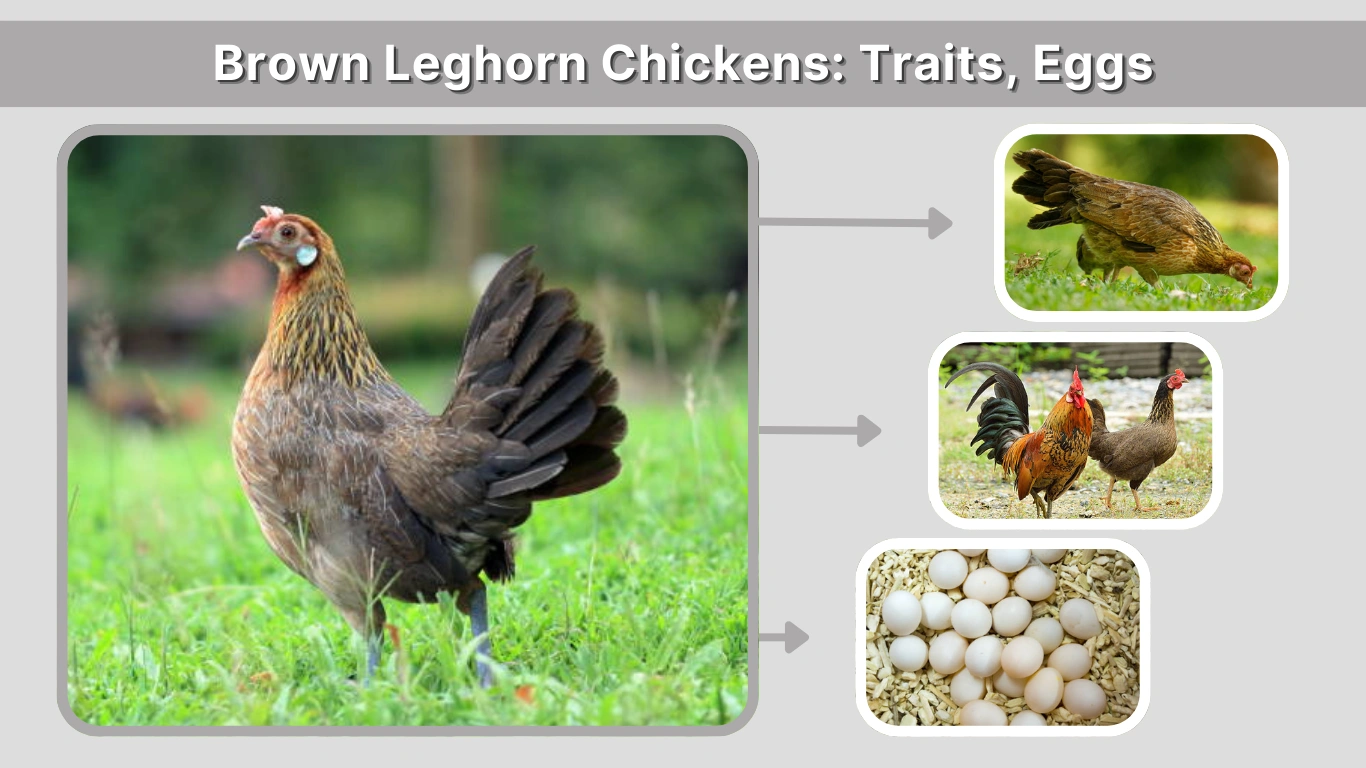
- Compared to Brown Leghorns, they are more common in commercial farms and lay cleaner white eggs
- Compared to Buff Leghorns, they are slimmer, more active, and higher producers
- Compared to exhibition White Leghorns, they are often bred more for productivity than show traits
- Egg output is usually higher than most colored Leghorn varieties
- Appearance is more standardized, with pure white feathers and yellow skin
These differences make Pearl White Leghorns the preferred choice when egg quantity and feed efficiency are the main goals.
Uses in Backyard and Commercial Farming
Backyard flock benefits
For backyard keepers focused on eggs, Pearl White Leghorns offer excellent value. They require less feed per egg, tolerate heat well, and remain productive for several seasons. Their active foraging reduces feed costs, and their white eggs are popular for home use and small-scale selling.
Commercial egg farming role
Nearly all large-scale white egg production relies on Leghorn-based strains. Pearl White Leghorns mature early, lay consistently, and adapt well to controlled systems. Their genetics form the foundation of many hybrid commercial layers used worldwide.
Breeding and hatchery value
They are also important in breeding programs, where they are crossed to improve egg numbers, shell quality, and feed efficiency. Hatcheries value them for predictable growth, uniform appearance, and strong laying performance.
FAQs
Are Pearl White Leghorns good egg layers?
Pearl White Leghorns are among the best egg-laying chickens in the world. A healthy hen can produce around 280–320 white eggs per year. They mature early, lay consistently, and convert feed into eggs very efficiently, making them a top choice for both backyard keepers and commercial farms.
What color eggs do Pearl White Leghorns lay?
They lay bright white eggs. The white shell color is linked to their white earlobes, a typical Mediterranean breed trait. Their eggs are usually medium to large in size, with strong shells when the birds receive enough calcium and balanced nutrition.
Are Pearl White Leghorns friendly chickens?
They are not aggressive, but they are more independent and flighty than many backyard breeds. Pearl White Leghorns prefer activity over handling and may avoid being picked up. With early, gentle interaction, they can become calmer, but they are rarely lap chickens.
How big do Pearl White Leghorns get?
Pearl White Leghorns are lightweight chickens. Hens usually weigh about 1.6–2 kg (3.5–4.5 lb), while roosters reach around 2.3–2.7 kg (5–6 lb). Their slim bodies support agility, endurance, and high egg production rather than meat yield.
Are Pearl White Leghorns good for beginners?
They can be good for beginners whose main goal is egg production. They are hardy, economical to feed, and excellent layers. However, new keepers should know they are active and flighty, so secure fencing, predator protection, and enough space are important for success.