




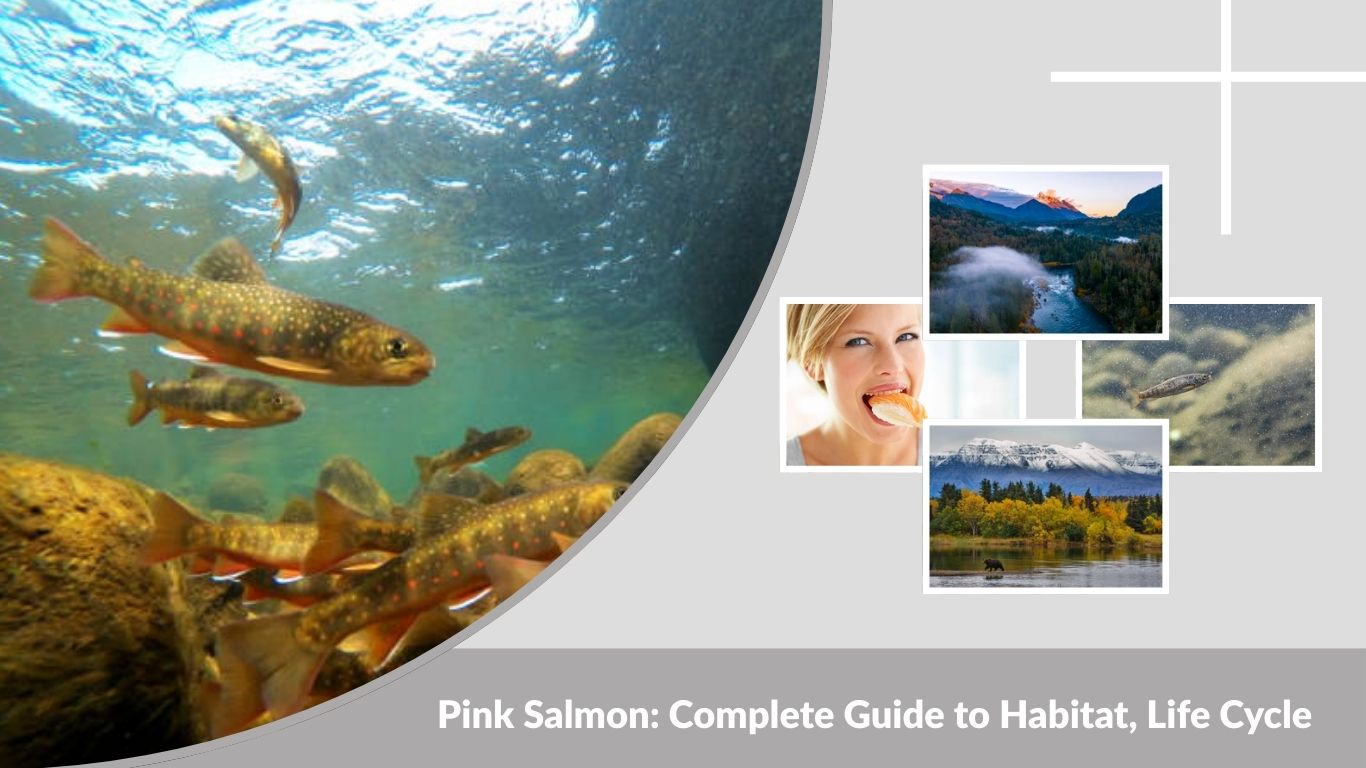
Pink salmon (Oncorhynchus gorbuscha) is the smallest and most abundant species of Pacific salmon. Known for its light pink flesh and mild flavor, this fish plays an important role in marine ecosystems and commercial fisheries. Pink salmon are widely found in the North Pacific Ocean and surrounding rivers in Alaska, Canada, Russia, and parts of the United States. In this guide, we’ll explore pink salmon habitat, size, life cycle, diet, and key facts that make this unique salmon species important to both nature and seafood industries.
What Is Pink Salmon?
Pink salmon is a species of Pacific salmon recognized for its relatively small size and distinctive appearance during spawning. It is often called “humpback salmon” because males develop a noticeable hump on their backs during the spawning season.
While in the ocean, pink salmon typically have a bright silver body with small black spots on their tail and back. This coloring helps them blend into the marine environment and avoid predators. However, when they return to freshwater rivers to spawn, their bodies change color dramatically, becoming darker with a pronounced hump.
Pink salmon are highly adaptable fish that thrive in both freshwater and marine environments. Their short life cycle and high reproduction rates contribute to their large population numbers.
Pink Salmon Size
Compared to other Pacific salmon species, pink salmon are relatively small. Most adult pink salmon measure between 18 and 25 inches in length and usually weigh between 3 and 6 pounds.
Despite their smaller size, pink salmon are strong swimmers capable of traveling long distances during migration. Their streamlined bodies allow them to move efficiently through both ocean waters and freshwater rivers.
Because of their size and abundance, pink salmon are widely used in commercial fishing and are commonly processed into canned salmon products.
Pink Salmon Habitat and Range
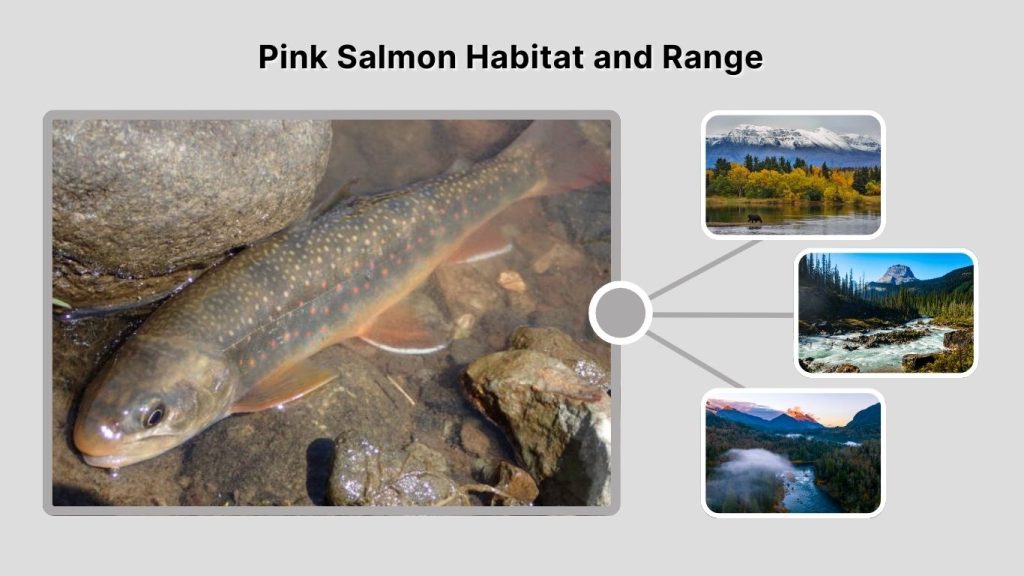
Pink Salmon Habitat
Pink salmon require both freshwater and saltwater environments to complete their life cycle. They begin their lives in freshwater rivers and streams, where eggs are laid and young fish hatch.
These rivers typically have clean, cold, and oxygen-rich water with gravel beds, which provide ideal conditions for egg development. The gravel protects the eggs from predators and strong currents.
Unlike some other salmon species, juvenile pink salmon spend very little time in freshwater. Soon after hatching, they migrate quickly downstream toward the ocean.
Once they reach marine environments, pink salmon spend most of their lives in coastal ocean waters, where food is plentiful and conditions support rapid growth.
Pink Salmon Range
Pink salmon are widely distributed across the North Pacific Ocean and nearby coastal regions. Their range includes several important fishing areas, such as:
- Alaska
- British Columbia
- Washington State
- Russia
- Northern Japan
Alaska hosts some of the largest pink salmon populations in the world, producing millions of fish during peak migration seasons. These populations support major commercial fisheries and are essential to local ecosystems.
Pink Salmon Life Cycle
The pink salmon life cycle is unique compared to other salmon species because it typically lasts only two years. This short and predictable cycle results in strong population runs every other year.
Spawning Stage
Adult pink salmon return from the ocean to freshwater streams where they were born. This migration occurs during late summer or early fall and is known as the salmon run.
Female pink salmon create nests in the gravel called redds by using their tails to move stones and form shallow depressions. These nests provide a safe environment for eggs to develop.
After the nest is prepared, the female lays thousands of eggs while the male fertilizes them.
Pink Salmon Eggs
Pink salmon eggs are small, round, and bright orange in color. Once fertilized, the eggs remain buried in the gravel where they are protected from predators and environmental disturbances.
The eggs usually hatch during the winter months, depending on water temperature and environmental conditions.
Juvenile Development
After hatching, the young fish are called alevins. At this stage they still carry a yolk sac, which provides nutrients while they continue developing.
Once the yolk sac is absorbed, the young salmon become fry and begin swimming freely. Unlike many other salmon species, pink salmon fry quickly migrate downstream to the ocean soon after emerging from the gravel.
Pink Salmon Run
One of the most impressive natural events involving this species is the pink salmon run. During these migrations, millions of salmon travel upstream from the ocean to spawn.
These runs provide food for many wildlife species, including bears, eagles, seals, and other animals that depend on salmon for survival.
The migration also brings important nutrients from the ocean into freshwater ecosystems, helping support river and forest environments.
Pink Salmon Diet
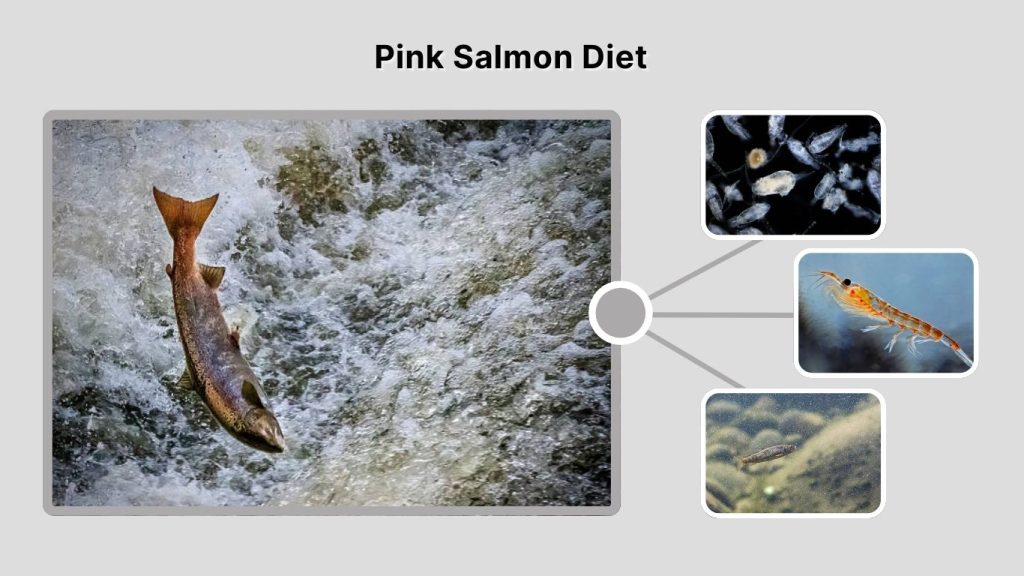
The pink salmon diet changes as the fish grows and moves between freshwater and ocean environments. During the early stages of life in rivers and streams, young pink salmon feed on small aquatic organisms such as insect larvae and tiny crustaceans. These food sources provide the nutrients necessary for rapid growth before the fish migrate to the ocean.
Once pink salmon reach marine waters, their diet becomes more diverse. In the ocean, they mainly consume:
- Zooplankton
- Krill
- Small crustaceans
- Marine insects
- Small fish
Krill and plankton are especially important because they contain natural pigments called carotenoids, which contribute to the light pink color of the salmon’s flesh. The availability of these food sources helps pink salmon grow quickly during their ocean phase.
Because pink salmon feed lower on the food chain than many other fish species, they often accumulate fewer environmental contaminants, which can make them a healthy seafood option.
Pink Salmon Nutrition
Pink salmon is widely considered a nutritious and healthy seafood choice. It contains a balanced combination of protein, healthy fats, vitamins, and minerals that support many aspects of human health.
Pink Salmon Nutrition Facts
A typical 100-gram serving of pink salmon provides approximately:
- Calories: 150–180
- Protein: 20–22 grams
- Total Fat: 6–8 grams
- Omega-3 Fatty Acids: about 1.5–2 grams
- Vitamin B12: over 100% of daily recommended intake
- Vitamin D: around 60–70% of daily needs
- Selenium: about 50% of daily value
- Potassium: about 350–400 mg
Pink salmon is particularly valued for its omega-3 fatty acids, which are essential fats that support heart and brain health. These fats help reduce inflammation and may lower the risk of several chronic diseases.
In addition to omega-3s, pink salmon also contains antioxidants such as astaxanthin, which contributes to the fish’s color and offers potential health benefits.
Health Benefits of Pink Salmon
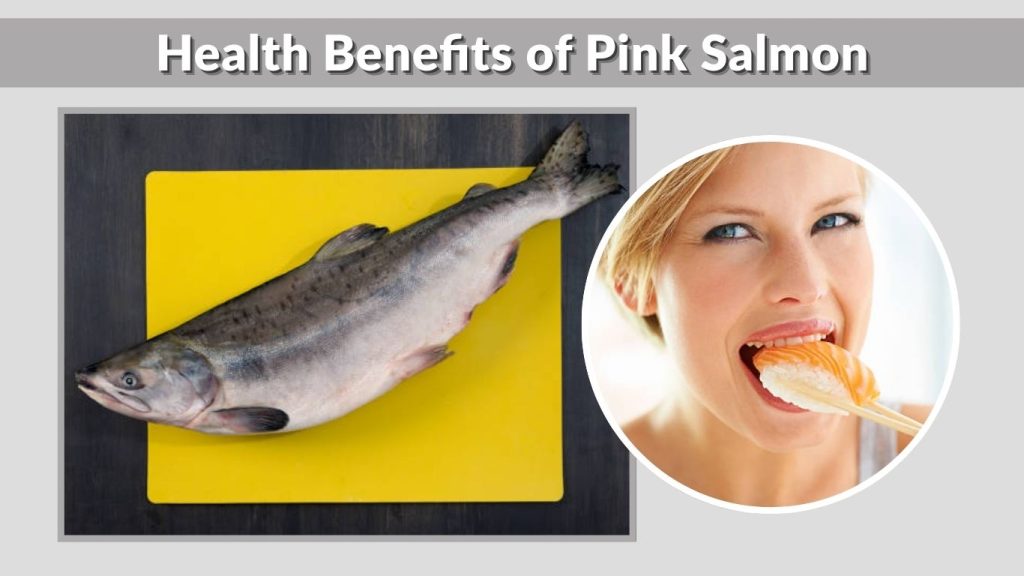
Eating pink salmon regularly can provide several health advantages because of its nutrient-rich composition.
Supports Heart Health
One of the most important pink salmon health benefits is its positive impact on cardiovascular health. Omega-3 fatty acids help reduce triglyceride levels, improve cholesterol balance, and support healthy blood circulation.
Regular consumption of omega-3-rich fish may help reduce the risk of heart disease.
Supports Brain Function
Pink salmon contains DHA and EPA, two important omega-3 fatty acids that support brain health. These nutrients play an important role in cognitive performance, memory, and nervous system function.
Including salmon in a balanced diet may help support long-term brain health.
Helps Build and Maintain Muscle
With more than 20 grams of high-quality protein per serving, pink salmon is an excellent source of protein. Protein is essential for building muscle, repairing tissues, and supporting overall body function.
Athletes and active individuals often include salmon in their diets for this reason.
Strengthens the Immune System
Pink salmon also provides important vitamins and minerals such as vitamin D, selenium, and vitamin B12. These nutrients help support immune function and maintain healthy cells throughout the body.
Pink Salmon vs Other Salmon Species
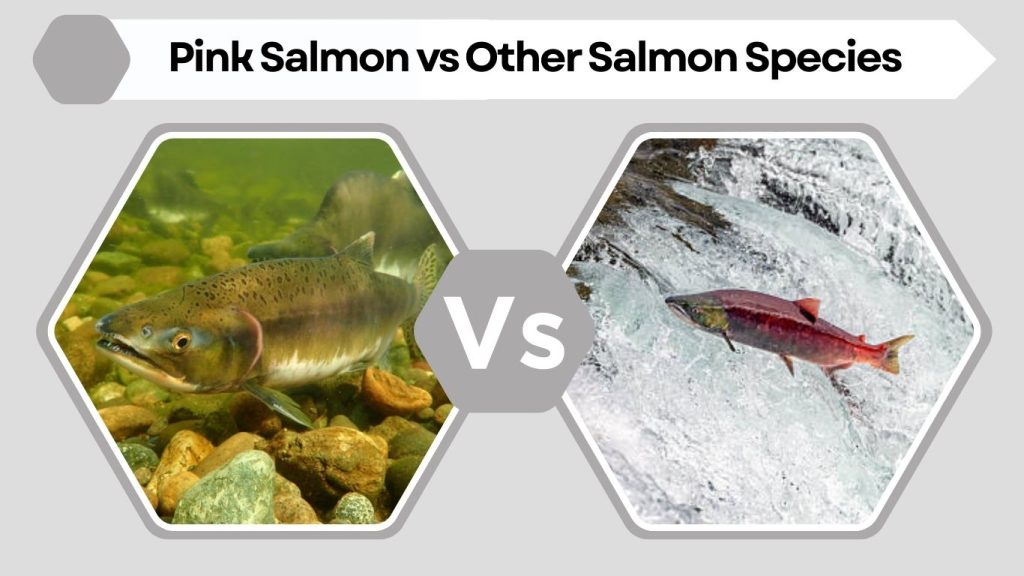
Pink salmon is often compared with other types of salmon because each species has slightly different characteristics.
Pink Salmon vs Sockeye Salmon
Sockeye salmon is known for its deep red flesh and stronger flavor, while pink salmon has a milder taste and lighter color. Sockeye salmon is generally larger and slightly richer in fat and omega-3 fatty acids.
However, pink salmon is often more affordable and widely available, especially in canned form.
Pink Salmon vs Atlantic Salmon
Atlantic salmon sold in markets is usually farmed, while pink salmon is typically wild-caught. Farmed Atlantic salmon often contains more fat, giving it a softer texture.
Pink salmon, on the other hand, tends to be leaner with a lighter flavor, making it a versatile ingredient for many dishes.
Both types of salmon provide valuable nutrients and can be part of a healthy diet.
Interesting Pink Salmon Facts
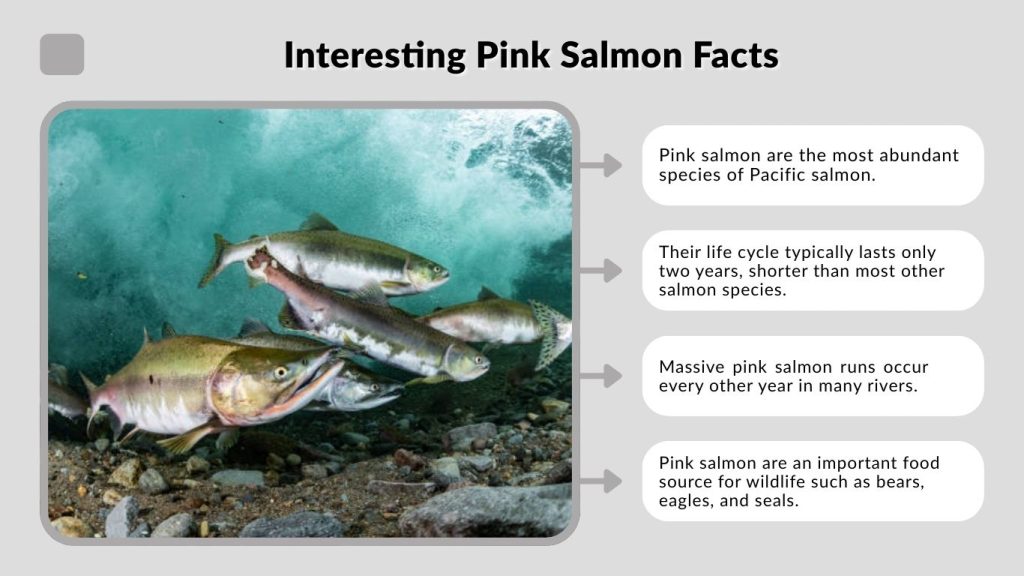
Pink salmon have several fascinating characteristics that make them unique among salmon species.
Here are some interesting pink salmon facts:
- Pink salmon are the most abundant species of Pacific salmon.
- Their life cycle typically lasts only two years, shorter than most other salmon species.
- Male pink salmon develop a noticeable hump on their backs during spawning season, which is why they are sometimes called humpback salmon.
- Massive pink salmon runs occur every other year in many rivers.
- Pink salmon are an important food source for wildlife such as bears, eagles, and seals.
Because of their abundance, pink salmon also play a major role in commercial fisheries and the canned salmon industry.
FAQs
What is pink salmon?
Pink salmon is a species of Pacific salmon known for its small size, light pink flesh, and mild flavor. It is the most abundant salmon species in the North Pacific Ocean.
Is pink salmon healthy to eat?
Yes, pink salmon is a healthy seafood choice. It contains high-quality protein, omega-3 fatty acids, and important nutrients such as vitamin D, vitamin B12, and selenium.
Where are pink salmon found?
Pink salmon are found throughout the North Pacific Ocean, including coastal waters and rivers in Alaska, Canada, Russia, and northern parts of the United States.
Why do pink salmon have a hump?
Male pink salmon develop a large hump on their backs during the spawning season. This physical change helps them compete with other males during reproduction.
What do pink salmon eat?
Pink salmon primarily eat zooplankton, krill, small crustaceans, and small fish in ocean environments. Their diet contributes to both their nutritional value and the color of their flesh.