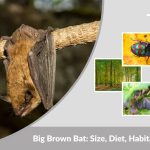



Rainbow trout are one of the most popular freshwater fish in the world. Known for their vibrant colors and adaptability, this rainbow trout fish is prized by anglers, fish farmers, and seafood lovers alike. Native to North America, rainbow trout have been introduced to many countries, including Australia and parts of Florida. In this guide, you’ll learn essential rainbow trout facts, including their habitat, size, diet, and why they are valued both in the wild and in aquaculture.
What Is a Rainbow Trout?
Rainbow trout (Oncorhynchus mykiss) is a freshwater species belonging to the salmon family. Although closely related to salmon, it is typically found in rivers, lakes, and cold-water streams.
Identifying Features
Rainbow trout are easily recognized by the pink or reddish stripe running along their sides. Their body displays a distinct rainbow trout pattern of small black spots covering the back, sides, and fins.
The rainbow trout head is slightly pointed with a medium-sized mouth suited for catching insects and small fish. The rainbow trout tail is broad and lightly forked, helping the fish swim efficiently in fast-moving water.
When observing rainbow trout in water, you’ll notice their streamlined body allows them to move smoothly through currents. Their silvery underside helps them blend into their environment, protecting them from predators.
Rainbow Trout Habitat
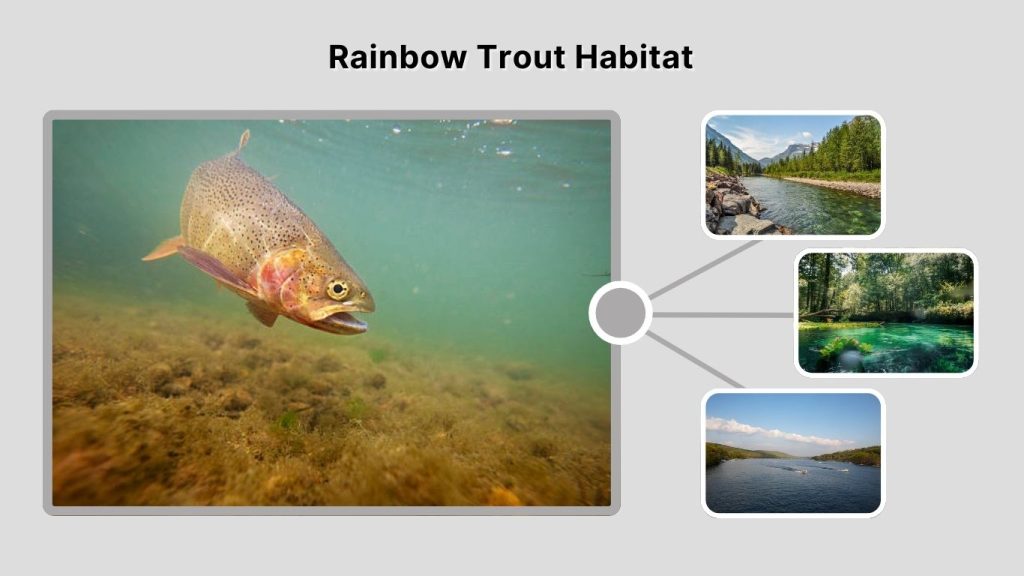
The natural rainbow trout habitat consists of cold, clear freshwater environments. They thrive in rivers, lakes, and streams with high oxygen levels.
Natural Habitat Conditions
Rainbow trout prefer water temperatures between 50°F and 60°F (10°C–15°C). They are commonly found in:
- Mountain streams
- Spring-fed rivers
- Deep lakes
Clean water with steady flow is crucial for their survival. They are sensitive to pollution and require well-oxygenated environments.
Global Distribution
Although native to North America, rainbow trout have been introduced worldwide.
- Rainbow trout Australia: Widely stocked in southern regions such as Tasmania and Victoria for recreational fishing.
- Rainbow trout Florida: Found in managed waters, particularly in cooler northern parts of the state during winter stocking programs.
Their adaptability has allowed them to survive in various climates, as long as water conditions remain suitable.
Rainbow Trout Size and Weight
Rainbow trout size varies depending on habitat, food availability, and whether they are wild or farm-raised.
Rainbow Trout Average Size
The rainbow trout average size in freshwater streams is typically:
- Length: 12–20 inches
- Weight: 1–4 pounds
In lakes or ideal farm conditions, they may grow larger.
Maximum Size
Under optimal conditions, rainbow trout weight can exceed 20 pounds. Some record specimens have reached over 40 pounds, though this is rare. Growth is influenced by diet, genetics, and water quality.
Farm-raised trout are often harvested at 1–3 pounds, which is considered ideal for consumption.
What Do Rainbow Trout Eat?
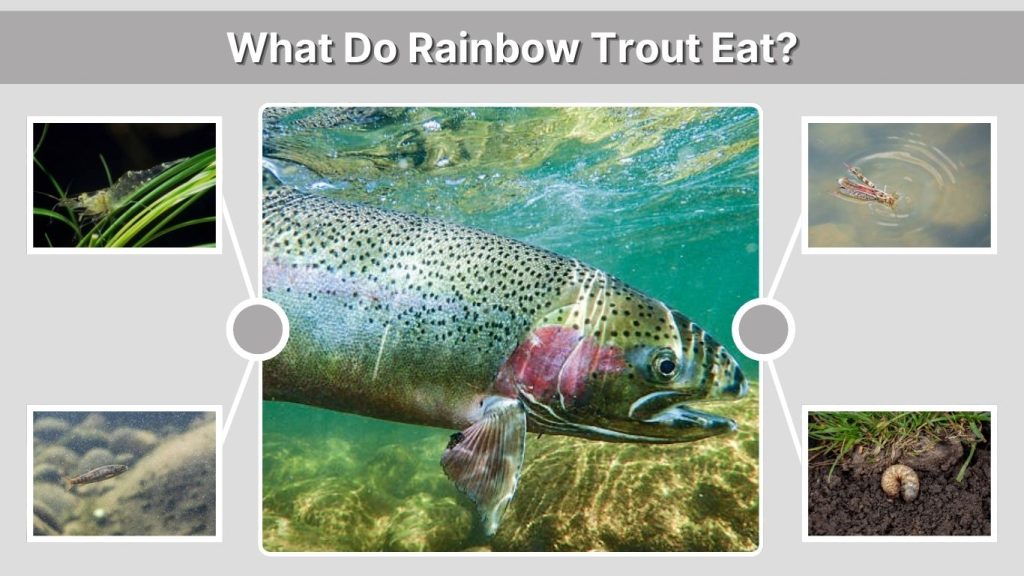
If you’re wondering, what do rainbow trout eat? Their diet changes as they grow and depending on their environment.
Natural Diet
In the wild, rainbow trout feed on:
- Aquatic insects
- Insect larvae
- Small crustaceans
- Small fish
- Fish eggs
Young rainbow trout baby fish (called fry) initially feed on tiny plankton and microorganisms before progressing to larger prey.
Rainbow trout are opportunistic feeders. They often rise to the surface to capture insects, especially during hatches in spring and summer.
Farm Diet
In a rainbow trout farm, fish are fed specially formulated pellets. These feeds are rich in protein, vitamins, and essential fats to promote healthy growth. Commercial feed ensures consistent rainbow trout nutrition and supports efficient production.
Rainbow Trout Nutrition and Health Benefits
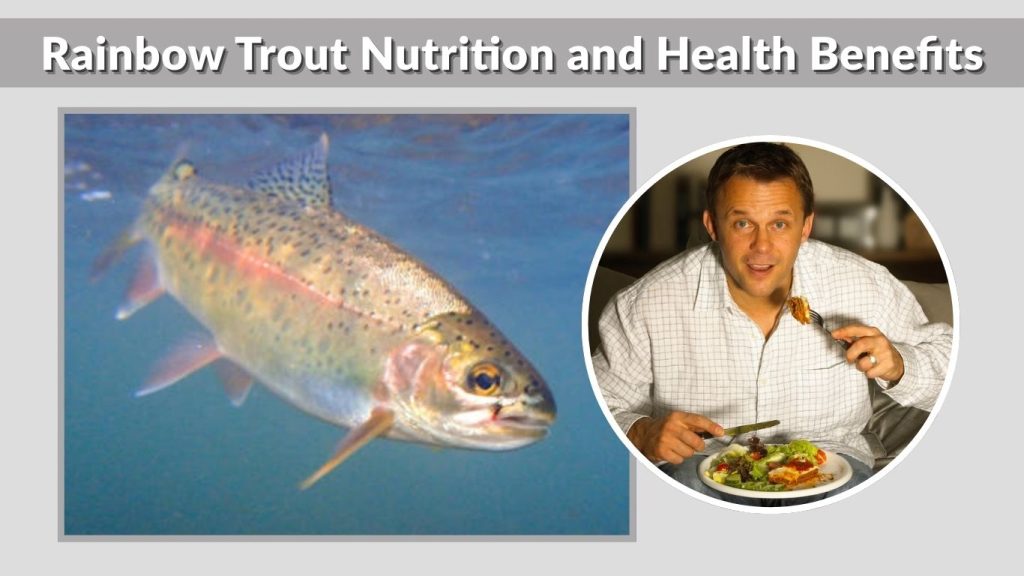
Rainbow trout is not only popular for sport fishing but also valued for its impressive nutritional profile.
Rainbow Trout Nutrition
Rainbow trout is rich in:
- High-quality protein
- Omega-3 fatty acids
- Vitamin B12
- Vitamin D
- Selenium and phosphorus
These nutrients support overall health and wellness.
Rainbow Trout Benefits
Some key rainbow trout benefits include:
- Supporting heart health through omega-3 fatty acids
- Promoting brain function
- Helping muscle growth and repair
- Providing essential nutrients with relatively low mercury levels
Compared to larger predatory fish, rainbow trout generally contains less mercury, making it a safer choice for regular consumption.
Rainbow Trout Lifespan and Life Cycle
Understanding the rainbow trout lifespan helps explain how this species survives in both wild and farm environments.
Rainbow Trout Lifespan
In the wild, rainbow trout typically live between 4 and 6 years. However, some individuals can survive up to 10 or 11 years under ideal conditions. Factors such as water quality, food availability, predators, and disease greatly influence longevity.
In a rainbow trout farm, their lifespan is usually shorter because they are harvested once they reach market size, often within 12–24 months.
Reproduction and Rainbow Trout Eggs
Rainbow trout reproduce through spawning, usually in spring when water temperatures rise. Females lay thousands of rainbow trout eggs in shallow gravel nests called “redds.”
After laying eggs, the male fertilizes them externally. The eggs remain protected in the gravel, where fresh, oxygen-rich water flows over them. Depending on temperature, eggs hatch within 4–7 weeks.
Rainbow Trout Baby (Fry Stage)
A rainbow trout baby, known as a fry, emerges from the egg with a yolk sac attached. This sac provides nutrients during the early days of life. Once absorbed, the fry begins feeding on tiny organisms.
As they grow, juvenile trout develop the characteristic rainbow trout pattern and gradually transition into adult feeding habits.
Rainbow Trout Farm and Aquaculture
Rainbow trout farming plays a major role in global seafood production. It is one of the most widely farmed freshwater fish species.
How a Rainbow Trout Farm Works
A rainbow trout farm typically includes:
- Hatcheries for egg incubation
- Nursery tanks for fry
- Large raceways or ponds for growing fish
Farmers carefully control water temperature, oxygen levels, and feeding schedules to promote healthy growth. Clean, flowing water is essential for maintaining fish health.
Farmed vs Wild Trout
There are some differences between wild and farmed trout:
- Taste: Wild trout may have a slightly stronger flavor due to a varied natural diet.
- Texture: Farmed trout often have a milder taste and softer texture.
- Nutrition: Both provide excellent rainbow trout nutrition, though farm diets are formulated to maintain consistent omega-3 levels.
Aquaculture helps meet demand while reducing pressure on wild populations.
Rainbow Trout vs Salmon
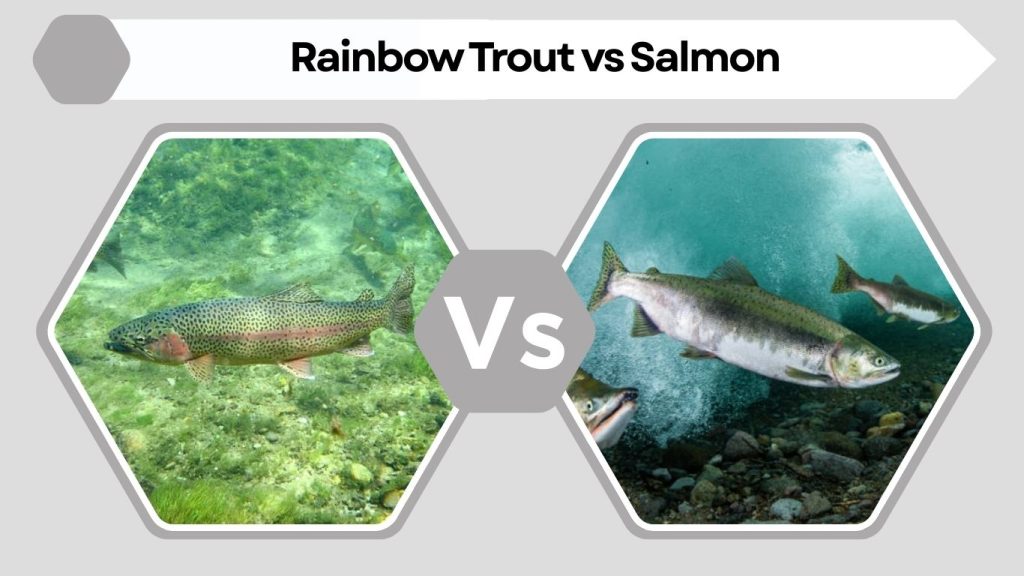
Because rainbow trout belong to the salmon family, many people compare rainbow trout vs salmon when choosing seafood.
Physical Differences
- Size: Salmon are generally larger than rainbow trout.
- Color: Salmon flesh is often deeper orange, while trout flesh ranges from light pink to orange.
- Body Shape: Rainbow trout are slimmer and smaller overall.
Interestingly, some rainbow trout migrate to the ocean and return to freshwater to spawn. These are known as steelhead and can resemble salmon in size and behavior.
Taste and Nutrition Comparison
Both fish are rich in omega-3 fatty acids and high-quality protein. Salmon usually contains slightly more fat, giving it a richer taste. Rainbow trout is often milder and lighter in flavor, making it appealing to those who prefer less oily fish.
Nutritionally, both are excellent choices for heart and brain health.
Interesting Rainbow Trout Facts
Here are some fascinating rainbow trout facts:
- They can adapt to both freshwater and saltwater (steelhead form).
- They are strong swimmers, capable of navigating fast currents.
- Their spotted rainbow trout pattern helps camouflage them from predators.
- They are highly sensitive to water pollution.
- Rainbow trout are one of the most popular sport fish worldwide.
Their adaptability has helped them thrive far beyond their native range.
Rainbow Trout Vector and Artistic Use
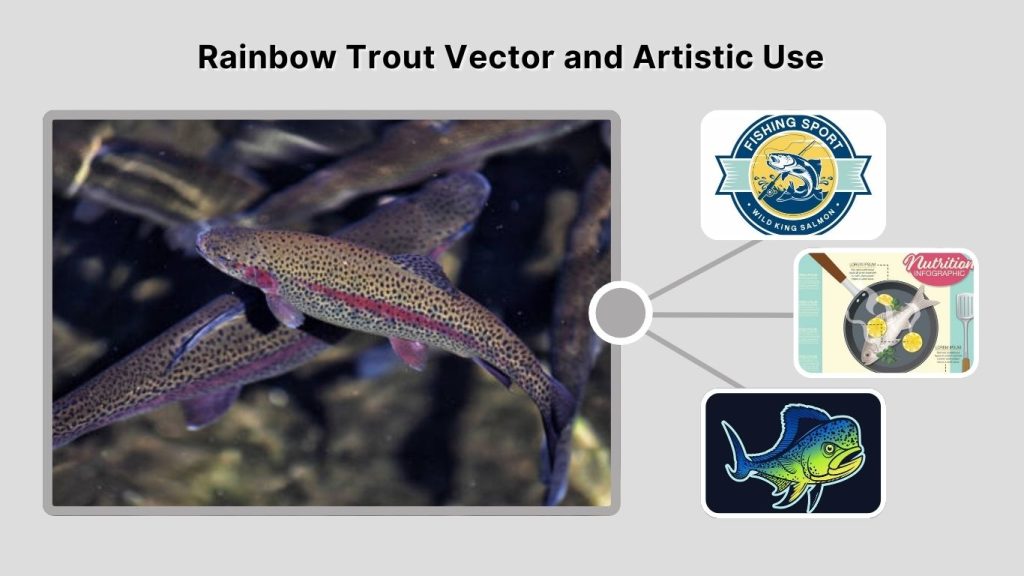
Beyond fishing and food, rainbow trout are also popular in design and branding.
Rainbow Trout Vector Illustrations
A rainbow trout vector graphic is commonly used in:
- Fishing logos
- Outdoor brand designs
- Educational diagrams
- Apparel prints
Vector illustrations highlight key features such as the rainbow trout head shape, spotted body, and forked tail.
Rainbow Trout Pattern in Art
Artists often replicate the natural rainbow trout pattern of black speckles and pink side stripes to create realistic depictions. The distinct coloration makes the species visually appealing in digital and print formats.
Rainbow Trout in Australia and Florida
Rainbow trout have established populations outside their native range.
Rainbow Trout Australia
In Australia, rainbow trout were introduced in the 19th century. They are now common in cooler southeastern regions, especially Tasmania, Victoria, and New South Wales. They support recreational fishing industries and local tourism.
Rainbow Trout Florida
Rainbow trout Florida populations are generally maintained through seasonal stocking programs. Because Florida’s climate is warmer, trout are typically introduced during cooler months in northern areas where water temperatures are suitable.
FAQs
What is the average size of a rainbow trout?
The rainbow trout average size typically ranges from 12 to 20 inches in length and weighs between 1 and 4 pounds. However, size can vary depending on habitat, diet, and whether the fish is wild or farm-raised. In lakes or ideal conditions, some trout grow much larger.
How long is the rainbow trout lifespan?
The rainbow trout lifespan in the wild is usually 4 to 6 years, though some can live up to 10 years in optimal conditions. In aquaculture, trout are often harvested within 1 to 2 years once they reach market size.
What do rainbow trout eat in the wild?
If you’re wondering what do rainbow trout eat, their natural diet includes aquatic insects, insect larvae, crustaceans, small fish, and fish eggs. Young rainbow trout baby fry feed on plankton and tiny organisms before transitioning to larger prey.
Where do rainbow trout live?
The natural rainbow trout habitat includes cold, clear rivers, streams, and lakes with high oxygen levels. They are native to North America but have been introduced to many regions, including rainbow trout Australia fisheries and seasonal rainbow trout Florida waters.
Are rainbow trout healthy to eat?
Yes, rainbow trout nutrition is highly beneficial. They are rich in protein, omega-3 fatty acids, vitamin B12, vitamin D, and selenium. Rainbow trout benefits include supporting heart health, brain function, and muscle growth, while typically containing lower mercury levels than larger fish.