




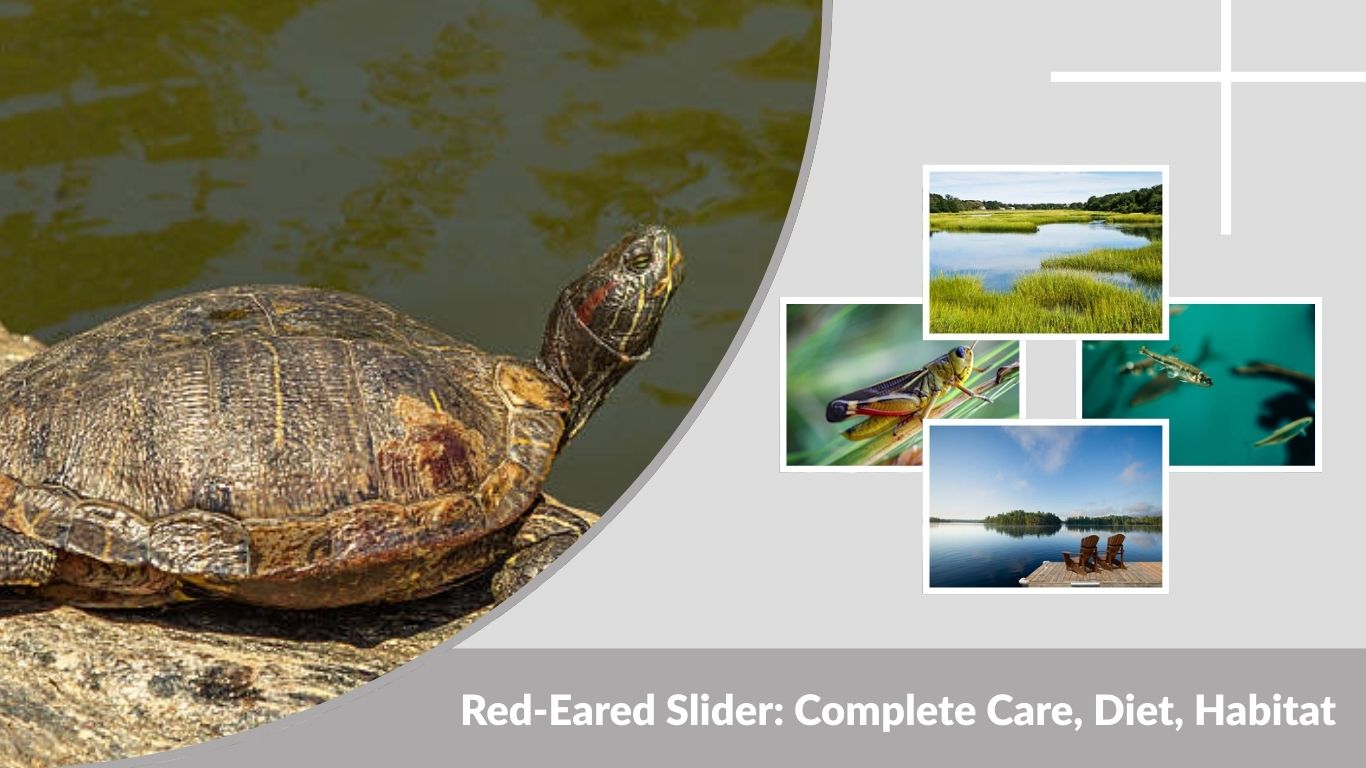
The red-eared slider (Trachemys scripta elegans) is one of the most popular pet turtles in the world. Recognized by the bright red stripe behind each eye, this freshwater species is known for its hardy nature and active personality. Native to the southern United States and northern Mexico, red-eared sliders adapt well to captivity when given proper care. However, they are not low-maintenance pets. With lifespans that can exceed 30 years, owning one requires long-term commitment, proper tank setup, and a balanced diet.
Red-Eared Slider Overview (Quick Facts)
Red-eared sliders are medium to large aquatic turtles. Adult females typically grow larger than males, reaching 10–12 inches in shell length, while males average 7–9 inches. In captivity, they often live 20–40 years with proper care. They are semi-aquatic, meaning they need both water for swimming and a dry basking area. Although hardy and adaptable, they are best suited for owners prepared to maintain clean water, strong filtration, and proper lighting.
Natural Habitat and Behavior
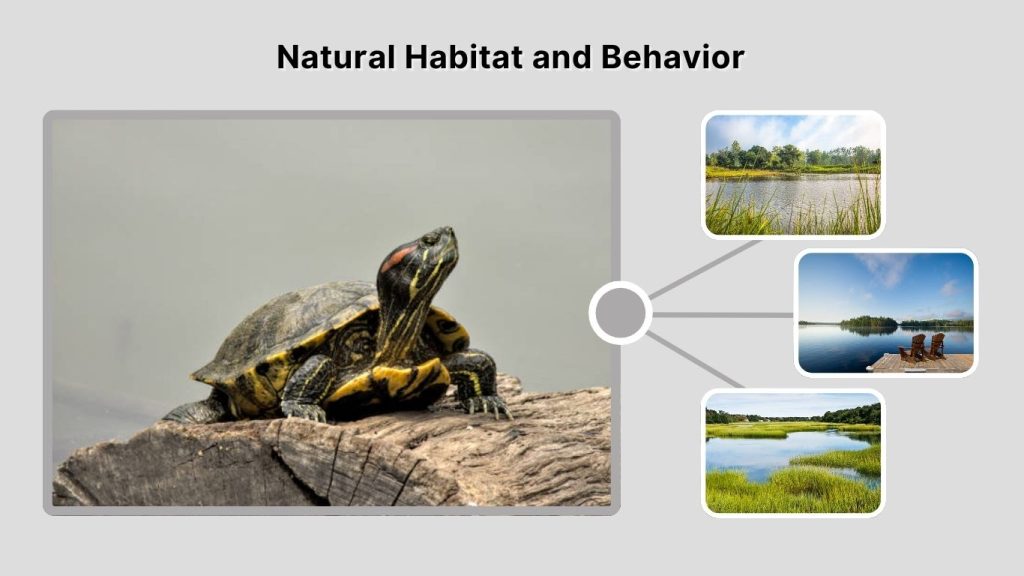
In the wild, red-eared sliders inhabit slow-moving freshwater environments such as ponds, lakes, marshes, and rivers. They prefer areas with abundant vegetation, soft mud bottoms, and plenty of logs or rocks for basking. Basking is a critical part of their daily routine, helping them regulate body temperature and absorb ultraviolet light from the sun.
These turtles are active swimmers and spend most of their time in water. When startled, they quickly slide off logs or rocks into the water—hence the name “slider.” During colder months, wild red-eared sliders may enter a state called brumation, slowing down their metabolism and becoming less active.
Red-Eared Slider Size and Lifespan
How Big Do Red-Eared Sliders Get?
Hatchlings are very small, usually measuring about 1–1.5 inches in shell length. However, they grow quickly during their first few years. Growth rate depends on diet, tank size, and overall care.
Adult males typically reach 7–9 inches, while females grow significantly larger, often reaching 10–12 inches. Proper nutrition and adequate space are essential for healthy growth. Small tanks can stunt development and lead to health problems.
How Long Do Red-Eared Sliders Live?
Red-eared sliders are long-lived reptiles. In captivity, they commonly live between 20 and 40 years when cared for properly. In the wild, their lifespan may be shorter due to predators and environmental threats.
Several factors influence longevity, including water quality, diet, UVB exposure, and veterinary care. Clean water, a balanced diet, and correct basking temperatures greatly increase their chances of living a full and healthy life.
Red-Eared Slider Tank Setup
Creating the right habitat is one of the most important aspects of red-eared slider care. Because they are aquatic turtles, their enclosure must include both swimming space and a dry basking area.
Tank Size Requirements
A common rule is to provide at least 10 gallons of water per inch of shell length. This means a fully grown adult may require a 75–120 gallon tank. Many new owners underestimate how quickly these turtles grow and start with tanks that are too small.
Larger tanks are easier to maintain because they dilute waste more effectively and provide adequate swimming space.
Water and Filtration
Red-eared sliders produce a significant amount of waste, so strong filtration is essential. A high-quality canister filter designed for tanks larger than your setup is highly recommended. Water should be deep enough for comfortable swimming—generally at least twice the turtle’s shell length.
The ideal water temperature ranges between 75–80°F (24–27°C). Using a submersible aquarium heater helps maintain consistent temperatures. Always treat tap water with a dechlorinator before adding it to the tank.
Basking Area and Lighting
A sturdy basking dock should allow the turtle to climb completely out of the water and dry off. The basking spot temperature should be around 90–95°F (32–35°C). A heat lamp positioned above the dock helps achieve this temperature.
UVB lighting is critical for shell and bone health. Without proper UVB exposure, red-eared sliders can develop metabolic bone disease. Lights should be on for 10–12 hours daily and replaced every 6–12 months, even if they still produce visible light.
Red-Eared Slider Diet
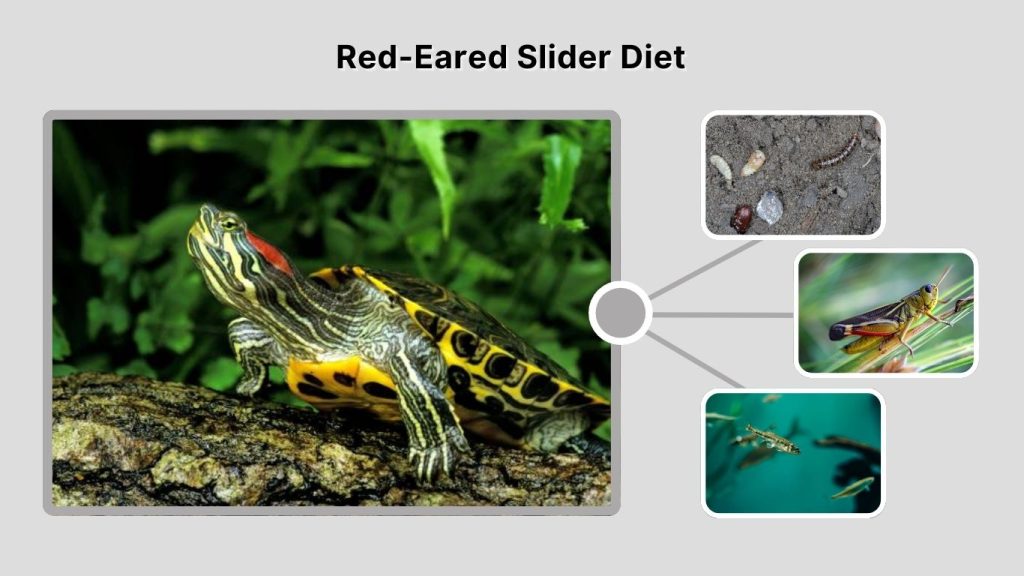
A proper diet is essential for keeping a red-eared slider healthy and supporting strong shell and bone development. These turtles are omnivores, meaning they eat both animal protein and plant matter. However, their dietary needs change as they grow.
What Do Red-Eared Sliders Eat?
High-quality commercial turtle pellets should form the foundation of their diet, as they are formulated with balanced nutrients. In addition, offer leafy greens such as romaine lettuce, dandelion greens, collard greens, and mustard greens. Vegetables like shredded carrots and squash can also be included.
Protein sources—such as mealworms, crickets, earthworms, or small feeder fish—can be given occasionally. Younger turtles require more protein to support growth, while adults should eat a more plant-based diet. Avoid processed foods, dairy products, and iceberg lettuce, which offers little nutritional value.
Feeding Schedule
Baby red-eared sliders should be fed once daily, offering as much as they can eat within 10–15 minutes. Adults can be fed every other day. Leafy greens can be offered more frequently in small amounts.
Overfeeding is a common mistake and can lead to obesity and poor water quality. Removing uneaten food promptly helps maintain cleaner water conditions.
Common Health Problems
Red-eared sliders are hardy, but improper care can lead to health issues.
Shell rot is a common condition caused by dirty water or injuries. It may appear as soft spots, discoloration, or foul-smelling patches on the shell. Maintaining clean water and a proper basking area helps prevent it.
Respiratory infections can develop if water or basking temperatures are too low. Signs include wheezing, mucus around the nose, and lethargy. Immediate veterinary care is recommended if symptoms appear.
Vitamin deficiencies, particularly lack of calcium or UVB exposure, can cause metabolic bone disease. Providing a balanced diet and proper lighting significantly reduces this risk.
Male vs Female Red-Eared Slider
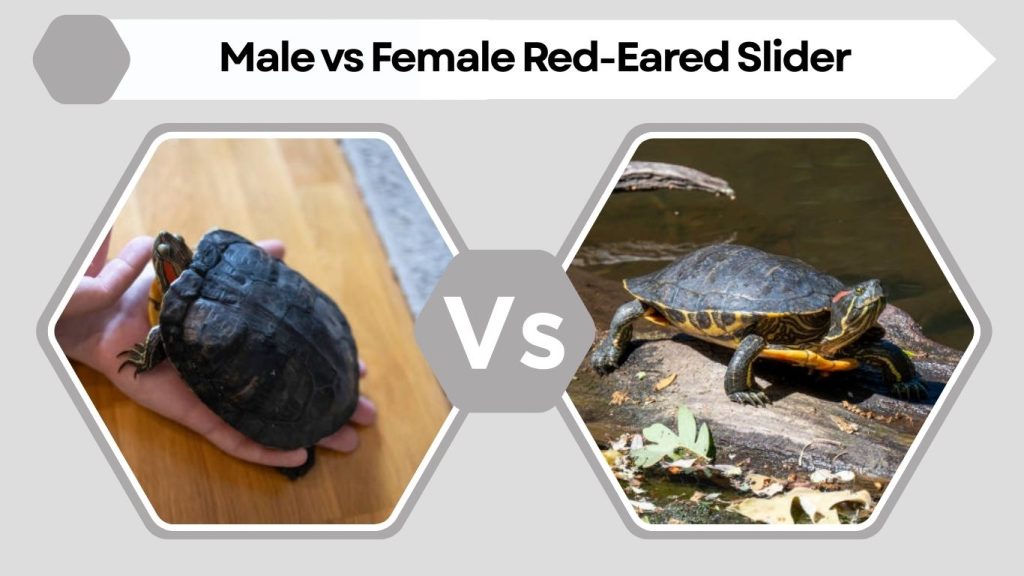
Telling males and females apart becomes easier as they mature. Females are typically larger than males, often growing several inches longer in shell length.
Males have longer front claws, which they use during courtship displays. They also have thicker, longer tails, with the cloaca positioned farther from the shell. Females have shorter claws and thinner tails. Understanding these differences is helpful for owners keeping more than one turtle.
Are Red-Eared Sliders Good Pets?

Red-eared sliders can make rewarding pets for committed owners. They are active, interesting to observe, and relatively hardy when proper care is provided.
However, they require large tanks, powerful filtration systems, and regular maintenance. They are also long-lived, meaning owners must be prepared for decades of responsibility. These turtles are best suited for individuals or families who understand the time, space, and financial commitment involved.
Cost of Owning a Red-Eared Slider
While the turtle itself may be inexpensive to purchase, the setup can be costly. A properly sized tank, filtration system, heat lamp, UVB lighting, basking dock, and heater can add up quickly.
Ongoing costs include electricity, food, water treatments, replacement bulbs, and occasional veterinary visits. Planning ahead ensures you can provide proper care throughout the turtle’s lifespan.
FAQs
How long do red-eared sliders live?
Red-eared sliders typically live 20–40 years in captivity when provided with proper care. Clean water, a balanced diet, correct basking temperatures, and UVB lighting all contribute to a long, healthy life. Without proper care, their lifespan can be significantly reduced.
How big do red-eared sliders get?
Adult males usually reach 7–9 inches in shell length, while females grow larger, often reaching 10–12 inches. Growth depends on diet, tank size, and overall care. Providing adequate space and proper nutrition ensures healthy development.
What do red-eared sliders eat daily?
Their daily diet should include high-quality turtle pellets and fresh leafy greens. Younger turtles need more protein, while adults should consume more plant matter. Occasional insects or worms can be offered as treats but should not replace a balanced diet.
Do red-eared sliders need UVB light?
Yes, UVB lighting is essential. It helps turtles metabolize calcium properly and prevents metabolic bone disease. Without UVB exposure, shell and bone health can deteriorate over time, even if their diet is adequate.
How often should I clean a red-eared slider tank?
Partial water changes should be done weekly, and filters should be cleaned regularly according to manufacturer instructions. A full tank cleaning may be required monthly, depending on tank size and filtration strength.
Final Thoughts
Red-eared sliders are fascinating and resilient turtles that can thrive in captivity with proper care. They require spacious tanks, clean water, balanced nutrition, and correct lighting to stay healthy. Because they can live for several decades, owning one is a serious long-term commitment. With responsible care and preparation, a red-eared slider can be a rewarding and engaging companion for many years.