




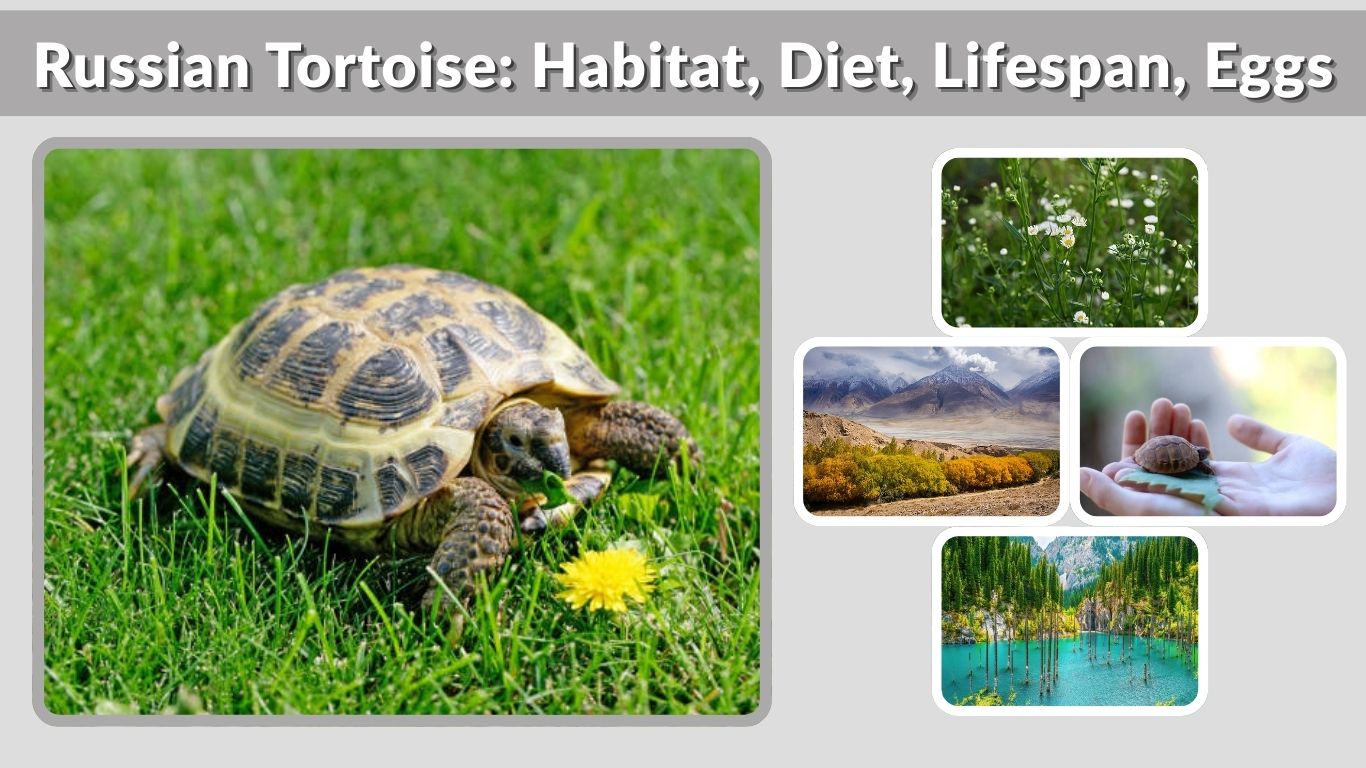
The Russian tortoise is a small but hardy land tortoise that has become one of the most popular tortoise species kept as a pet. Scientifically known as Testudo horsfieldii, this tortoise is native to the dry grasslands and desert regions of Central Asia. Russian tortoises are well known for their ability to adapt to harsh climates and their long lifespan. Despite their relatively small size, they are strong diggers and active explorers. Understanding their natural habitat, diet, and behavior is essential for anyone interested in learning about or caring for this fascinating reptile.
What Is a Russian Tortoise?
The Russian tortoise, also called the Central Asian tortoise or Horsfield’s tortoise, is a species of land tortoise found mainly in Central Asia. Unlike many larger tortoise species, Russian tortoises remain relatively small, which makes them easier to care for compared to giant tortoises.
These tortoises are known for their strong legs, rounded shells, and ability to dig deep burrows. In the wild, they spend much of their time underground to escape extreme temperatures. Their hardy nature allows them to survive in environments that experience both very hot summers and cold winters.
Scientific Classification
The Russian tortoise belongs to the family Testudinidae, which includes all true tortoises. These reptiles are adapted to life entirely on land and have strong legs rather than the webbed feet seen in aquatic turtles.
The scientific classification of the Russian tortoise is as follows:
- Kingdom: Animalia
- Phylum: Chordata
- Class: Reptilia
- Order: Testudines
- Family: Testudinidae
- Genus: Testudo
- Species: Testudo horsfieldii
This classification helps scientists understand how the Russian tortoise is related to other tortoise species around the world.
Overview of the Species
Russian tortoises are known for their hardiness and adaptability. They can live in areas where temperatures fluctuate dramatically throughout the year. Their ability to dig burrows helps them regulate body temperature and avoid extreme weather conditions.
These tortoises are also quite active compared to many other tortoise species. When given enough space, they enjoy exploring their surroundings and digging in loose soil. Because of these traits, they are often considered one of the best tortoise species for beginner reptile keepers.
Russian Tortoise Physical Characteristics
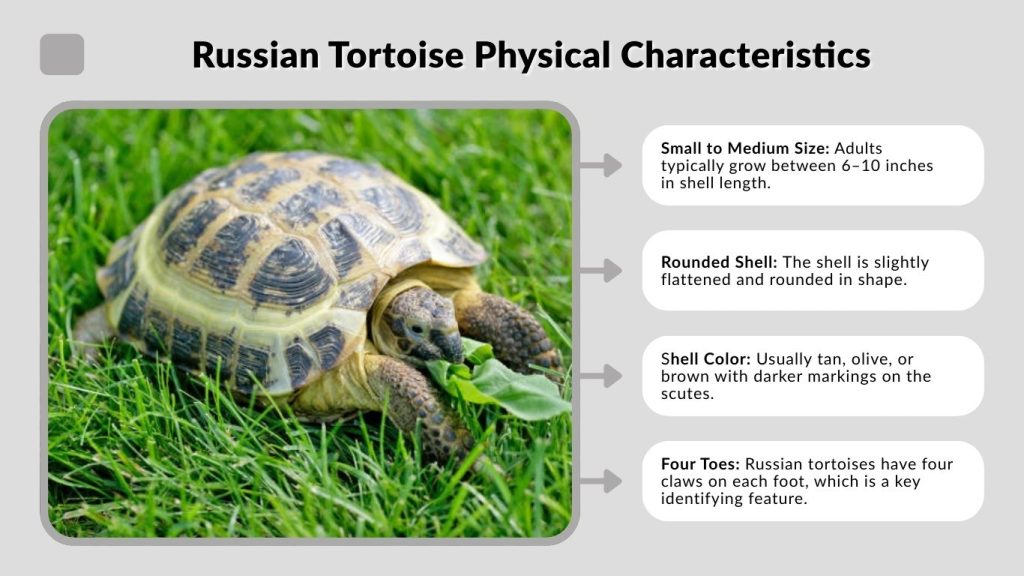
The Russian tortoise is a small but sturdy land tortoise with several distinctive physical features that help it survive in dry and harsh environments. Its compact body, protective shell, and strong legs make it well adapted for burrowing and traveling across rough terrain. Compared to many other tortoise species, the Russian tortoise is relatively small, but it is still strong and resilient. Below are some of the key physical characteristics that define this species.
- Small to Medium Size: Adults typically grow between 6–10 inches in shell length.
- Rounded Shell: The shell is slightly flattened and rounded in shape.
- Shell Color: Usually tan, olive, or brown with darker markings on the scutes.
- Four Toes: Russian tortoises have four claws on each foot, which is a key identifying feature.
- Strong Legs: Thick, powerful legs designed for digging burrows.
- Rough, Scaly Skin: Helps protect the body and reduce moisture loss.
- Short Tail: Small tail that is usually tucked beneath the shell.
- Hard Protective Shell: The shell provides strong protection from predators and environmental hazards.
These physical adaptations allow the Russian tortoise to thrive in dry grasslands and desert environments while supporting its active and burrowing lifestyle.
Russian Tortoise Habitat
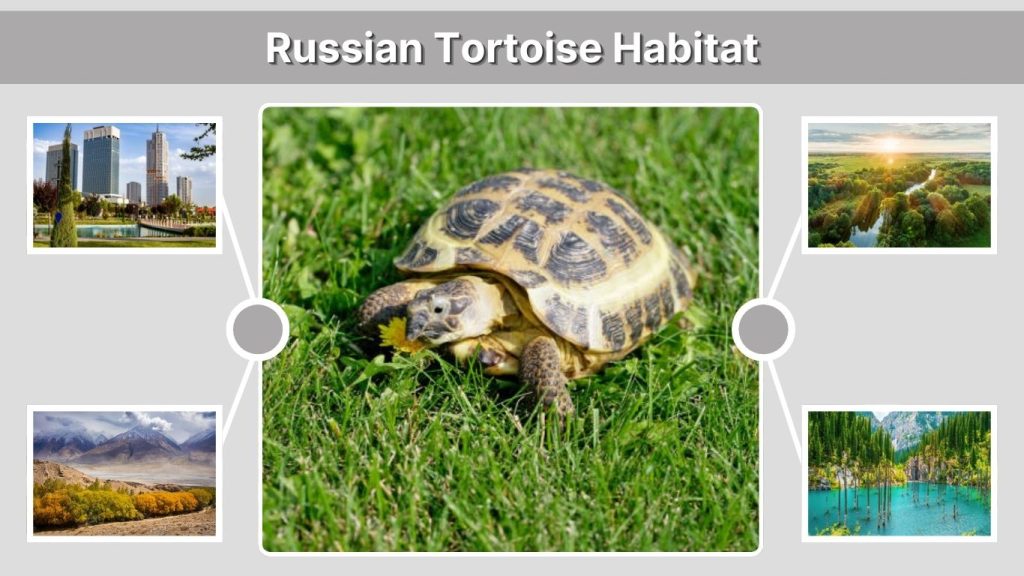
The Russian tortoise naturally lives in the arid and semi-arid regions of Central Asia. These environments include dry grasslands, deserts, and rocky hillsides where vegetation is sparse.
Because these areas experience extreme seasonal changes, Russian tortoises have developed behaviors that help them survive both hot summers and cold winters.
Natural Habitat in the Wild
In the wild, Russian tortoises are found across several countries in Central Asia. Their natural range includes regions of:
- Russia
- Kazakhstan
- Uzbekistan
- Afghanistan
- Pakistan
These regions are known for their dry climate, open landscapes, and limited rainfall. Despite these harsh conditions, Russian tortoises are well adapted to survive there.
Preferred Environment
Russian tortoises prefer environments that provide both food and suitable soil for digging. Their preferred habitats often include:
- Dry grasslands
- Semi-desert regions
- Rocky slopes and hillsides
- Areas with loose soil for burrowing
Loose soil is especially important because these tortoises rely on digging burrows to regulate their body temperature and protect themselves from predators.
Burrowing Behavior
Burrowing is a key survival strategy for Russian tortoises. They use their strong legs and claws to dig tunnels that can reach several feet underground.
These burrows serve several purposes:
- Protect the tortoise from extreme heat
- Provide shelter during cold weather
- Offer protection from predators
Russian tortoises may spend long periods inside their burrows during very hot or very cold seasons, emerging only when environmental conditions are more favorable.
Russian Tortoise Diet
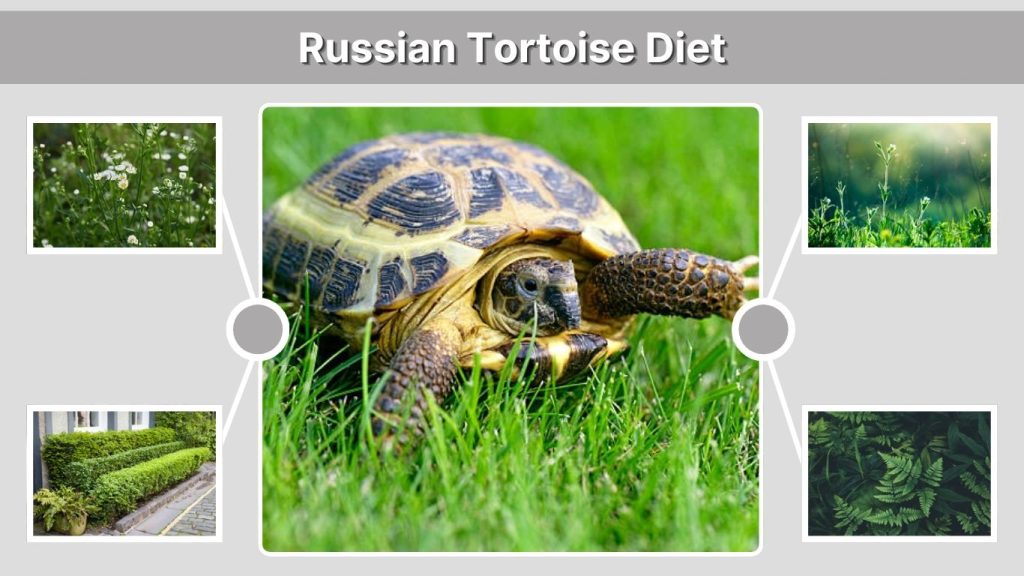
The Russian tortoise is a strict herbivore, meaning its diet consists almost entirely of plant material. In the wild, these tortoises feed on a wide variety of grasses, weeds, and leafy plants that grow in their natural habitat. Their digestive system is specially adapted to process high-fiber vegetation, which provides the nutrients needed for healthy growth and shell development.
Because food in their native habitat can sometimes be scarce, Russian tortoises have evolved to eat tough plants that other animals may ignore. Their strong beaks allow them to chew fibrous leaves and stems efficiently.
What Do Russian Tortoises Eat in the Wild?
In the wild, Russian tortoises mainly eat low-growing plants and natural vegetation. These foods are rich in fiber and contain the minerals needed for healthy bones and shells.
Common foods in their natural diet include:
- Wild grasses
- Leaves and weeds
- Flowering plants
- Small shrubs
These plants also provide small amounts of moisture, which is helpful in dry environments where water sources may be limited.
Russian Tortoise Diet List
When kept as pets, Russian tortoises should be fed a diet that closely resembles their natural food sources. A healthy diet should consist mainly of leafy greens and weeds that are high in fiber and low in sugar.
A typical Russian tortoise diet list may include:
- Dandelion greens
- Collard greens
- Mustard greens
- Turnip greens
- Clover
- Plantain leaves
- Grasses and hay
Providing a variety of greens helps ensure the tortoise receives the nutrients it needs.
Foods to Avoid
Certain foods can be harmful to Russian tortoises and should be avoided. These foods may cause digestive problems or unhealthy shell growth.
Foods that should not be fed regularly include:
- High-protein foods
- Animal products
- Excess fruit
- Processed human foods
Maintaining a high-fiber, plant-based diet is essential for keeping a Russian tortoise healthy.
Russian Tortoise Lifespan
One of the most remarkable traits of the Russian tortoise is its long lifespan. These tortoises can live for several decades, making them a long-term responsibility for pet owners.
How Long Do Russian Tortoises Live?
On average, Russian tortoises live 40 to 50 years. In some cases, individuals have been known to live more than 60 years when provided with proper care and a healthy environment.
Because of their longevity, many Russian tortoises remain with their owners for most of their lives.
Factors That Affect Lifespan
Several factors can influence how long a Russian tortoise lives. Proper care and a suitable environment are key to ensuring a long and healthy life.
Important factors include:
- A balanced diet rich in fiber
- Adequate exposure to sunlight or UVB lighting
- A spacious and safe habitat
- Regular health monitoring
Tortoises that receive proper care are much more likely to live long and healthy lives.
Russian Tortoise Reproduction
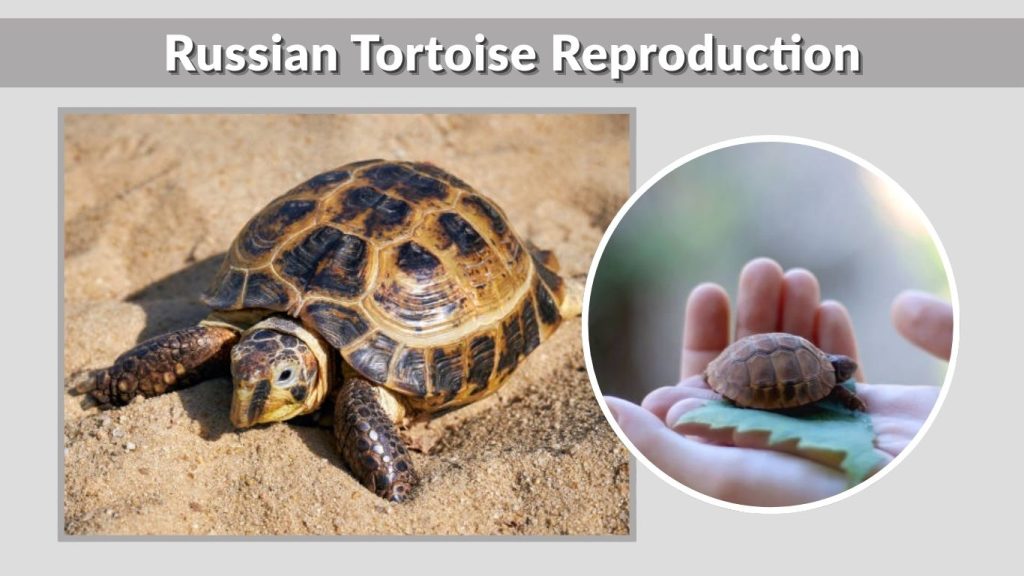
Russian tortoises reproduce through egg laying, which is typical for most tortoise species. In the wild, mating usually occurs during the warmer months when food is abundant.
Russian Tortoise Eggs
After mating, the female Russian tortoise digs a small nest in loose soil where she lays her eggs. A typical clutch contains 1 to 5 eggs, although some females may lay several clutches in one year.
The eggs are usually oval-shaped and have a firm shell that protects the developing embryo.
Incubation Period
The incubation period for Russian tortoise eggs usually lasts 60 to 90 days, depending on environmental conditions such as temperature and humidity.
Warmer temperatures can sometimes shorten the incubation period, while cooler conditions may extend it.
Russian Tortoise Hatchling
When the eggs hatch, the young tortoises emerge as tiny hatchlings that are fully independent from birth. They must immediately begin searching for food and shelter on their own.
Hatchling Appearance
Russian tortoise hatchlings are very small compared to adults. Most hatchlings measure about 1 to 2 inches in length.
Their shells are softer than those of adult tortoises, which makes them more vulnerable to predators during the early stages of life.
Hatchling Care
If hatchlings are raised in captivity, they require proper care to ensure healthy development.
Basic hatchling care includes:
- A warm and safe enclosure
- UVB lighting for proper shell growth
- A diet of finely chopped leafy greens
- Access to fresh water for hydration
Providing the right environment during the early stages of life helps young tortoises grow strong and healthy.
Russian Tortoise Facts
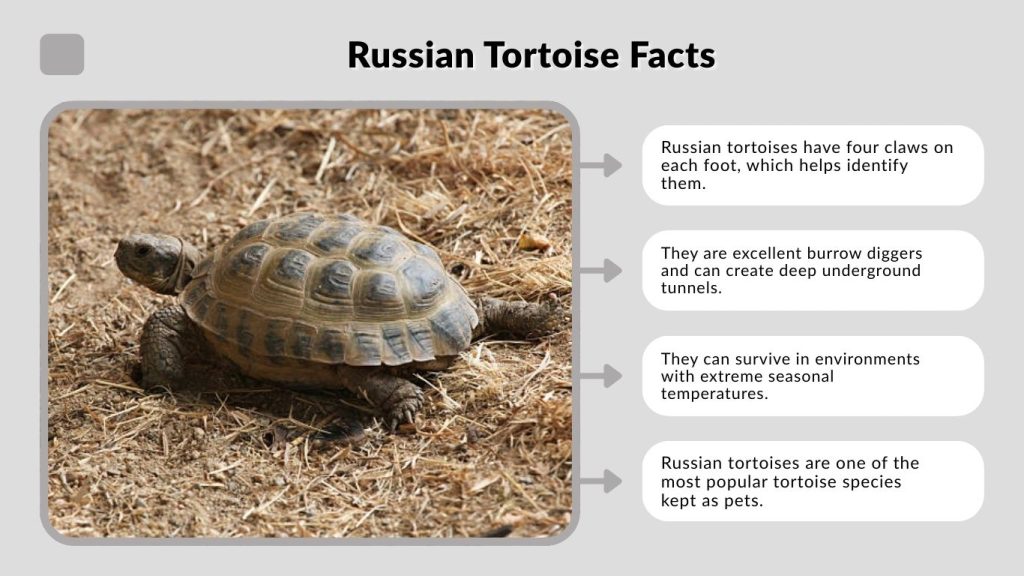
The Russian tortoise is a fascinating reptile with many unique characteristics that make it stand out among tortoise species.
Here are some interesting Russian tortoise facts:
- Russian tortoises have four claws on each foot, which helps identify them.
- They are excellent burrow diggers and can create deep underground tunnels.
- They can survive in environments with extreme seasonal temperatures.
- Russian tortoises are one of the most popular tortoise species kept as pets.
Conclusion
The Russian tortoise is a remarkable reptile known for its adaptability, long lifespan, and unique physical characteristics. Native to the dry regions of Central Asia, this tortoise has evolved to survive in challenging environments through its burrowing behavior and plant-based diet. Its relatively small size and hardy nature have made it a popular pet among reptile enthusiasts. However, proper care, a balanced diet, and a suitable habitat are essential for maintaining its health. By understanding the habitat, diet, lifespan, and reproduction of the Russian tortoise, people can better appreciate and care for this fascinating species.