




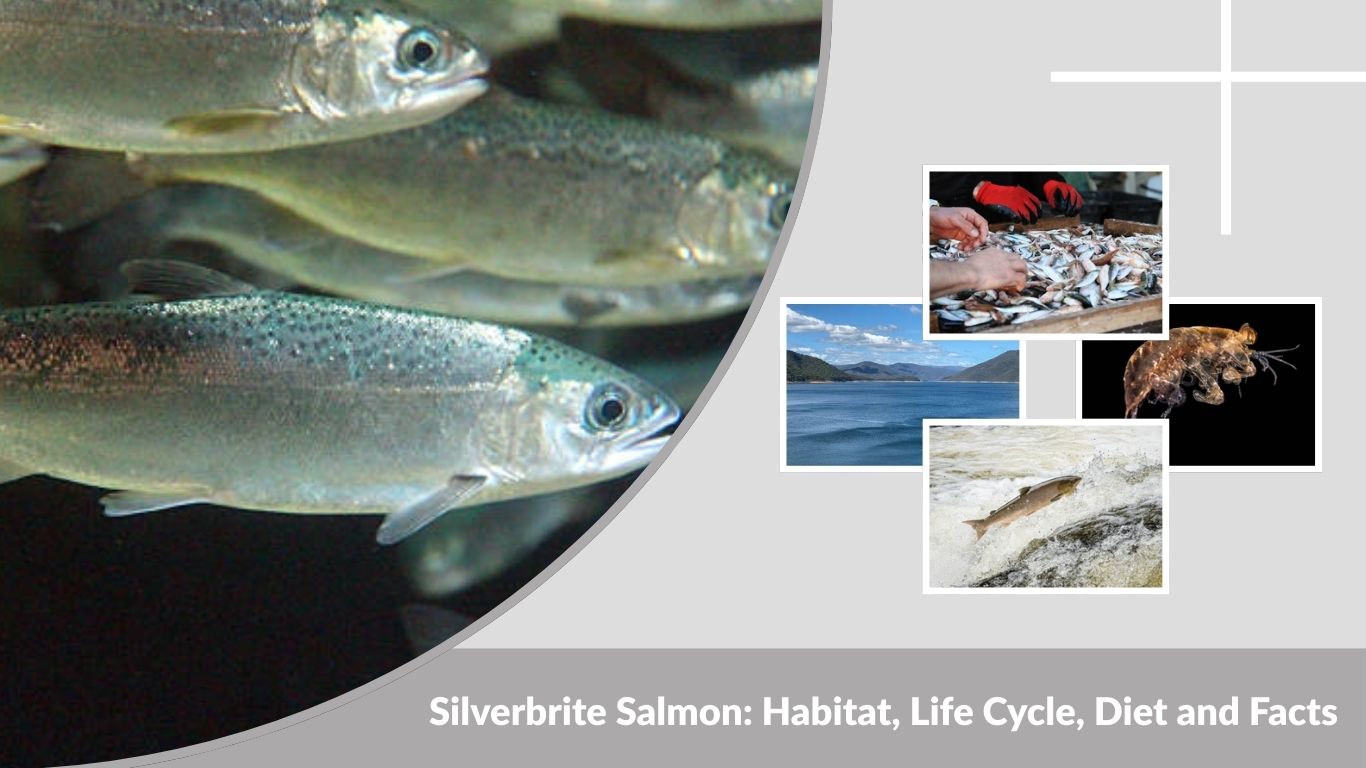
Silverbrite salmon is a well-known strain of landlocked Atlantic salmon that lives entirely in freshwater environments. It is closely related to Atlantic salmon and is often associated with Sebago salmon, another landlocked form of the same species. The name “Silverbrite” refers to the fish’s bright, shiny silver appearance, which makes it easy to recognize in lakes and rivers. This strain was developed to improve growth and survival in freshwater fisheries. Today, Silverbrite salmon are commonly stocked in lakes and reservoirs and are highly valued for recreational fishing and freshwater ecosystem management.
What Is Silverbrite Salmon?
Silverbrite salmon is a hatchery-developed strain of landlocked Atlantic salmon belonging to the species Salmo salar. Unlike ocean-migrating Atlantic salmon, this type of salmon completes its entire life cycle in freshwater lakes and rivers.
The Silverbrite strain was developed to enhance certain traits such as growth rate, adaptability, and survival in freshwater environments. Fisheries programs created this strain to improve sport fishing opportunities and maintain healthy salmon populations in lakes.
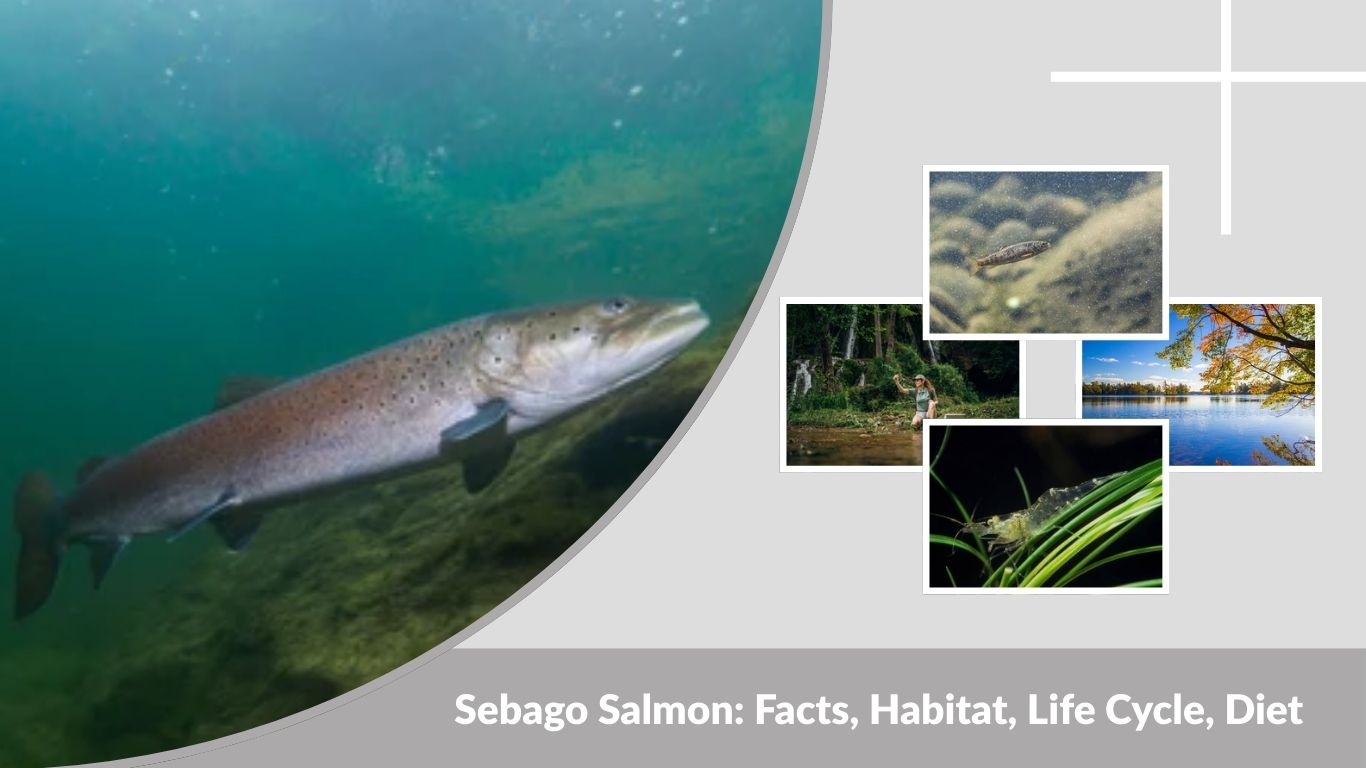
Silverbrite salmon are closely related to Sebago salmon, which originated from landlocked Atlantic salmon populations in Lake Sebago, Maine. Over time, fisheries managers selected specific fish with desirable traits and bred them to create improved strains like Silverbrite.
Because of these improvements, Silverbrite salmon are often used in stocking programs for lakes and reservoirs. These programs help support recreational fishing while maintaining ecological balance in freshwater systems.
Although they share many characteristics with Atlantic salmon, Silverbrite salmon are specially adapted for life in lakes rather than the ocean.
Physical Characteristics of Silverbrite Salmon
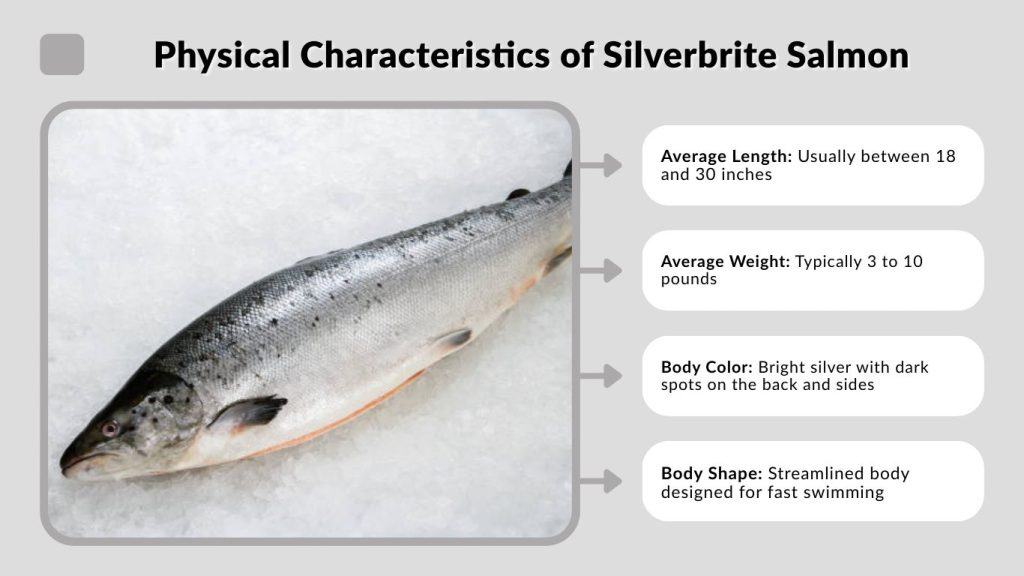
Silverbrite salmon are known for their bright silver coloration and streamlined body shape, which helps them move quickly through freshwater lakes and rivers.
Their body is typically silver with small dark spots scattered along the upper sides and back. These spots may also appear on the dorsal fin and near the head.
Like other salmon species, Silverbrite salmon have a long, streamlined body that allows them to swim efficiently in open water.
During the spawning season, their coloration may darken slightly as they migrate from lakes into rivers or streams to reproduce.
Key physical characteristics of Silverbrite salmon include:
- Average Length: Usually between 18 and 30 inches
- Average Weight: Typically 3 to 10 pounds
- Body Color: Bright silver with dark spots on the back and sides
- Body Shape: Streamlined body designed for fast swimming
- Fins: Strong fins that provide stability in water
- Head: Slightly pointed head with a wide mouth for catching prey
These features allow Silverbrite salmon to thrive in freshwater lake environments and compete effectively for food.
Habitat and Distribution
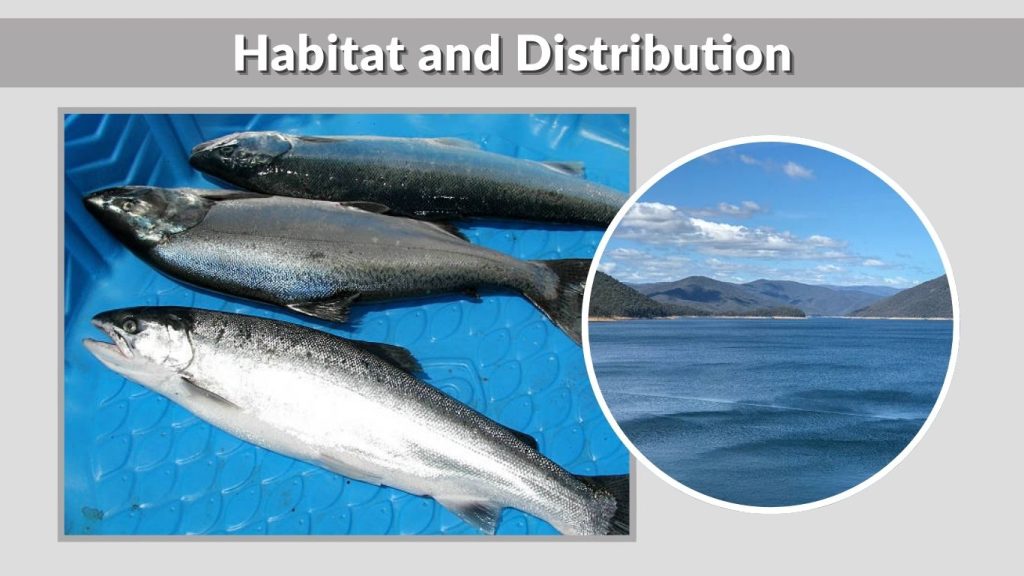
Silverbrite salmon are primarily found in freshwater lakes and reservoirs where they are stocked for recreational fishing. These fish prefer cold, clear water with high oxygen levels.
Because they are a hatchery strain, Silverbrite salmon do not have a single natural geographic range. Instead, they are introduced into lakes that provide suitable environmental conditions.
Ideal habitats for Silverbrite salmon include deep freshwater lakes, reservoirs, and connected river systems with stable water temperatures.
These environments provide the necessary food sources and spawning areas required for healthy salmon populations.
When the spawning season arrives, Silverbrite salmon may migrate from lakes into nearby rivers or streams, where they lay their eggs in gravel riverbeds.
Maintaining clean water and suitable habitats is essential for supporting Silverbrite salmon populations in stocked lakes.
Life Cycle of Silverbrite Salmon
The life cycle of Silverbrite salmon takes place entirely in freshwater environments.
Adult fish usually spawn during the fall season, when they move from lakes into nearby rivers or streams.
Female salmon create nests in gravel beds known as redds, where they deposit their eggs. Male salmon then fertilize the eggs.
After several weeks, the eggs hatch into small fish called alevins. These young fish remain in the gravel while feeding on nutrients from their yolk sacs.
As they grow, they emerge from the gravel as fry and begin swimming freely in the river. At this stage, they feed on small aquatic insects and other organisms.
Eventually, juvenile Silverbrite salmon move into larger lakes or reservoirs, where they grow and develop into adults before returning to spawning areas.
Diet and Feeding Habits
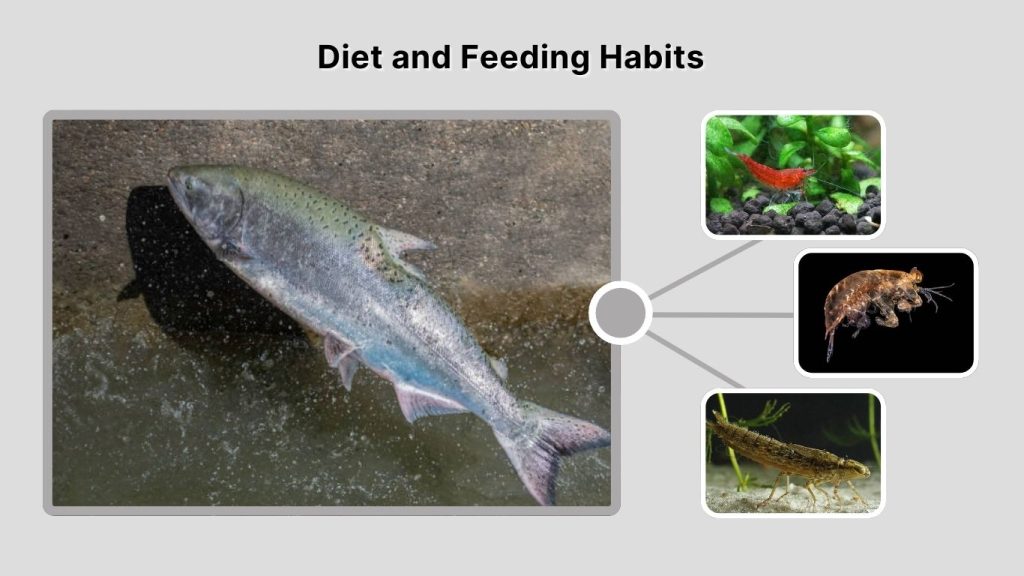
Silverbrite salmon are active predators that feed on a variety of small aquatic organisms. Their diet changes as they grow and move between rivers and lakes.
Young Silverbrite salmon living in streams and rivers mainly eat aquatic insects, insect larvae, and small crustaceans. These food sources provide the nutrients needed for early growth.
When the fish move into lakes, their diet becomes more diverse. Adult Silverbrite salmon commonly feed on small fish, shrimp, and other aquatic invertebrates. These foods provide the energy needed for growth and reproduction.
Silverbrite salmon also play an important role in freshwater ecosystems. By feeding on smaller fish and aquatic organisms, they help maintain balance within lake habitats.
Nutritional Value of Silverbrite Salmon
Silverbrite salmon, like other salmon species, is considered a nutritious and healthy fish. It contains many essential nutrients that support overall health.
One of the main nutritional benefits of Silverbrite salmon is its high-quality protein, which helps build and repair body tissues and supports muscle health.
The fish also contains omega-3 fatty acids, which are beneficial for heart health and brain function. These healthy fats can help reduce inflammation and support cardiovascular wellness.
In addition, Silverbrite salmon provides several important vitamins and minerals, including:
- Vitamin B12
- Vitamin D
- Selenium
- Phosphorus
These nutrients contribute to strong bones, improved immune function, and healthy metabolism.
Because of its nutritional value, Silverbrite salmon can be a healthy addition to a balanced diet.
Taste and Culinary Uses
Silverbrite salmon is known for its mild flavor and firm texture, similar to other types of Atlantic salmon. Its meat is usually light orange to pink and is suitable for many cooking methods.
Popular ways to prepare Silverbrite salmon include:
- Grilling
- Baking
- Pan-searing
- Smoking
Because of its delicate flavor, it is often prepared with simple seasonings that highlight the natural taste of the fish.
In areas where Silverbrite salmon are stocked in lakes, anglers often enjoy cooking freshly caught fish using traditional outdoor cooking methods.
Silverbrite Salmon vs Other Salmon Types
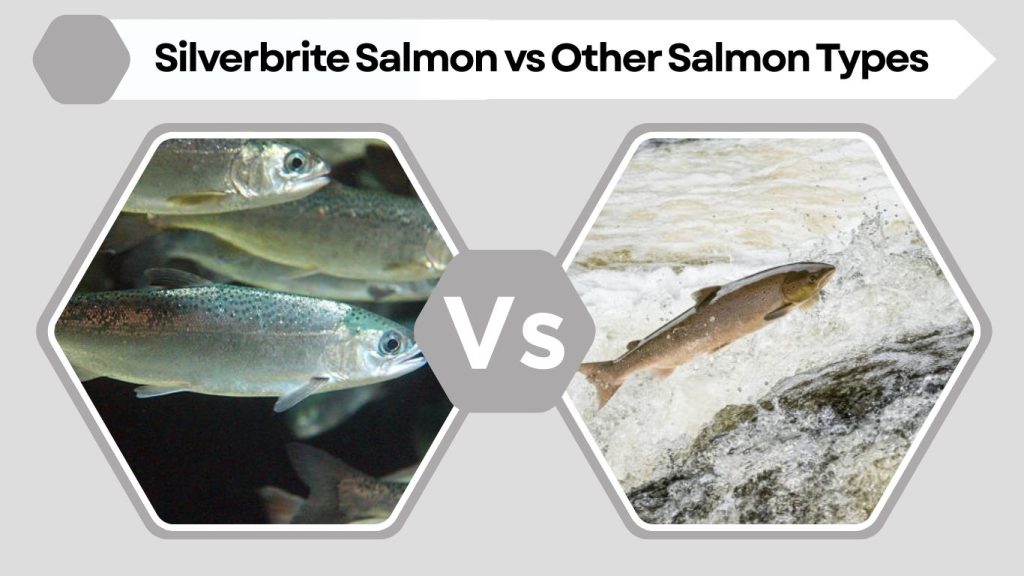
Silverbrite salmon is closely related to Atlantic salmon and Sebago salmon, but there are some differences.
Atlantic salmon normally migrate between rivers and the ocean, while Silverbrite salmon remain entirely in freshwater lakes and reservoirs.
Compared to ocean-migrating Atlantic salmon, Silverbrite salmon are usually smaller in size because freshwater environments provide fewer food resources.
Silverbrite salmon are also often associated with hatchery and stocking programs, while Atlantic salmon populations may exist naturally in rivers and oceans.
Despite these differences, all of these fish belong to the same salmon family and share many biological traits.
Fishing and Recreational Importance
Silverbrite salmon are popular among freshwater anglers because of their strong swimming ability and challenging fight when caught.
Many lakes and reservoirs stock Silverbrite salmon to provide recreational fishing opportunities. These stocking programs help maintain stable fish populations and support sport fishing activities.
Anglers often target Silverbrite salmon using techniques such as trolling, casting, and fly fishing.
Fishing for these salmon also contributes to local tourism and outdoor recreation industries, especially in areas where freshwater fishing is a major activity.
Conservation and Management
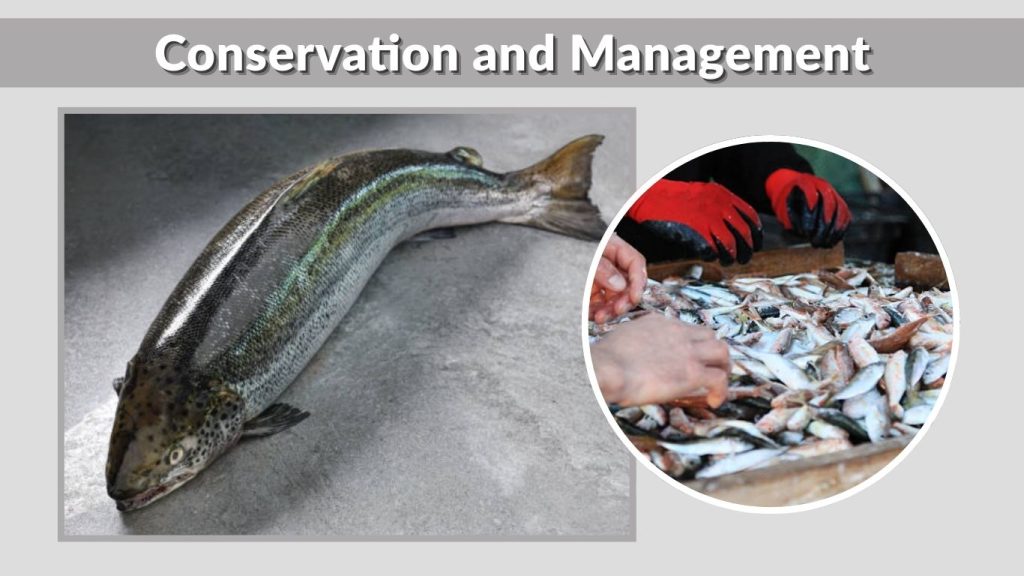
Silverbrite salmon populations are often maintained through fisheries management and stocking programs. Because they are typically hatchery-raised, careful management helps ensure healthy populations.
Protecting freshwater habitats is also important for supporting these fish. Clean water, suitable spawning areas, and stable lake ecosystems all contribute to successful salmon populations.
Wildlife agencies often monitor fish populations and regulate fishing seasons to promote sustainable fishing practices.
These management efforts help ensure that Silverbrite salmon continue to provide recreational fishing opportunities in many lakes.
Interesting Facts About Silverbrite Salmon
Silverbrite salmon have several interesting characteristics that make them unique among salmon strains.
One notable feature is their bright silver appearance, which inspired the name “Silverbrite.”
The strain was developed through selective breeding to improve growth, adaptability, and survival in freshwater environments.
Silverbrite salmon are also widely used in stocking programs for recreational fisheries, making them an important species for anglers.
Because of their adaptability, they can thrive in many freshwater lakes and reservoirs.
FAQs
What is Silverbrite salmon?
Silverbrite salmon is a hatchery-developed strain of landlocked Atlantic salmon that lives entirely in freshwater lakes and reservoirs.
Where are Silverbrite salmon found?
Silverbrite salmon are commonly found in freshwater lakes and reservoirs where they are stocked for recreational fishing.
Is Silverbrite salmon the same as Atlantic salmon?
Silverbrite salmon belongs to the same species as Atlantic salmon, but it is adapted to live entirely in freshwater rather than migrating to the ocean.
How big do Silverbrite salmon grow?
Silverbrite salmon usually grow between 18 and 30 inches long and typically weigh 3 to 10 pounds.
What do Silverbrite salmon eat?
Silverbrite salmon feed on aquatic insects, crustaceans, and small fish found in freshwater lakes and rivers.