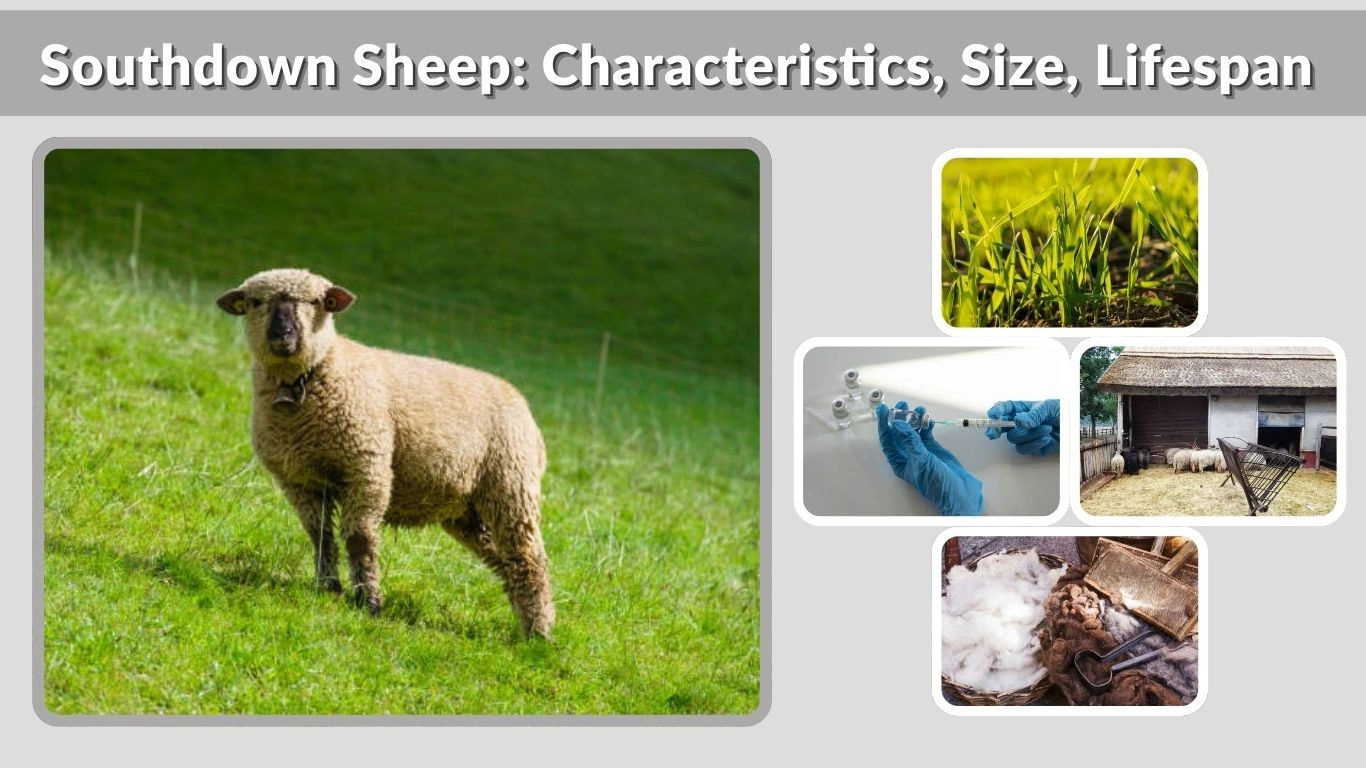
Southdown sheep are one of the oldest and most influential sheep breeds in the world. Originating from the South Downs region of England, this breed has played an important role in the development of many modern sheep breeds. Southdown sheep are widely recognized for their compact body structure, excellent meat quality, and calm temperament. Farmers value them for their efficient growth and adaptability to different farming systems. In this guide, we will explore Southdown sheep characteristics, size, lifespan, and interesting facts about this historic breed.
What is Southdown Sheep?
Southdown sheep are a traditional British sheep breed that has been raised for centuries for both meat and wool production. They are especially famous for producing high-quality lamb meat and for their influence on other sheep breeds.
Origin and History
Southdown sheep originated in the South Downs region of England, a range of chalk hills located along the southern coast. Farmers in this region developed the breed several hundred years ago by selecting sheep that performed well in the local environment.
The breed gained significant recognition in the 18th century, largely due to the work of agricultural reformer John Ellman, who improved the breed by selecting animals with better meat production and body conformation.
Over time, Southdown sheep became one of the most important breeds in sheep farming. They were also used to create several other well-known breeds, including:
- Hampshire Down
- Oxford Down
- Shropshire sheep
Because of this influence, Southdown sheep are considered one of the foundation breeds of modern meat sheep.
Why Southdown Sheep is Popular
Southdown sheep are widely appreciated by farmers for their strong production qualities and manageable nature.
Some of the main reasons for their popularity include:
- High-quality lamb meat
- Compact and muscular body
- Calm and docile temperament
- Good adaptability to different farming systems
- Efficient feed conversion
These qualities make Southdown sheep suitable for both small farms and commercial livestock operations.
Southdown Sheep Characteristics
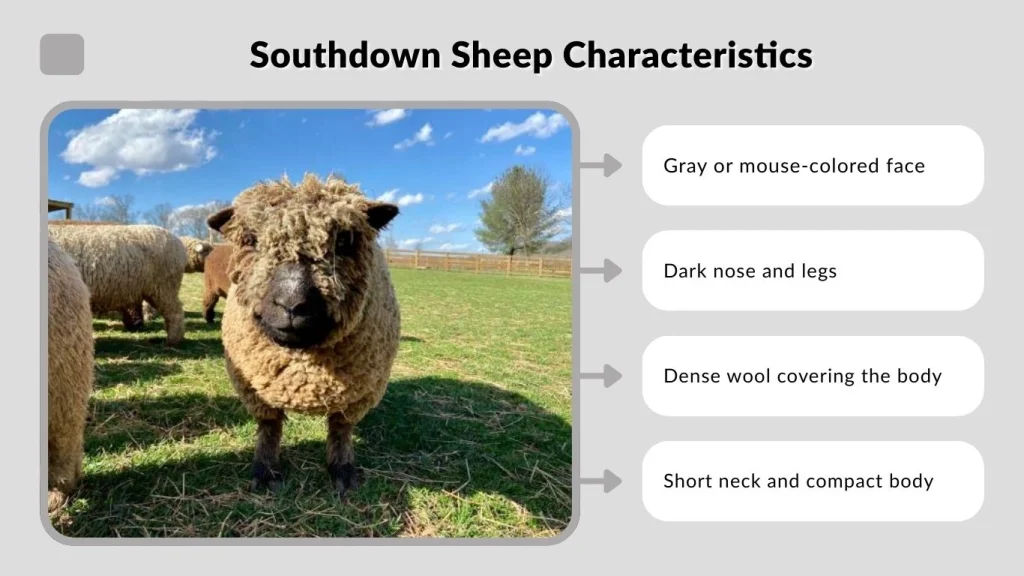
Southdown sheep have several distinctive characteristics that make them easy to recognize. Their compact body and dense wool coat give them a unique appearance compared with many other sheep breeds.
Physical Appearance
One of the most recognizable features of Southdown sheep is their mouse-colored face and legs. Their body is covered with dense wool, while their face and legs are free from wool.
Common physical characteristics include:
- Gray or mouse-colored face
- Dark nose and legs
- Dense wool covering the body
- Short neck and compact body
- Medium-length ears
Their unique facial color and compact build make them easy to identify among other sheep breeds.
Body Structure
Southdown sheep have a compact and muscular body structure, which contributes to their excellent meat production ability.
Important structural features include:
- Broad and deep chest
- Short but strong legs
- Thick muscles throughout the body
- Balanced body proportions
This body structure allows Southdown sheep to produce high-quality lamb carcasses with good meat yield.
Temperament
Southdown sheep are known for their calm and docile temperament. Their gentle nature makes them easy to manage, even for farmers with limited experience.
Typical temperament traits include:
- Calm behavior
- Easy handling and management
- Good adaptation to pasture systems
Because of their manageable temperament, Southdown sheep are often recommended for beginner farmers.
Southdown Sheep Size
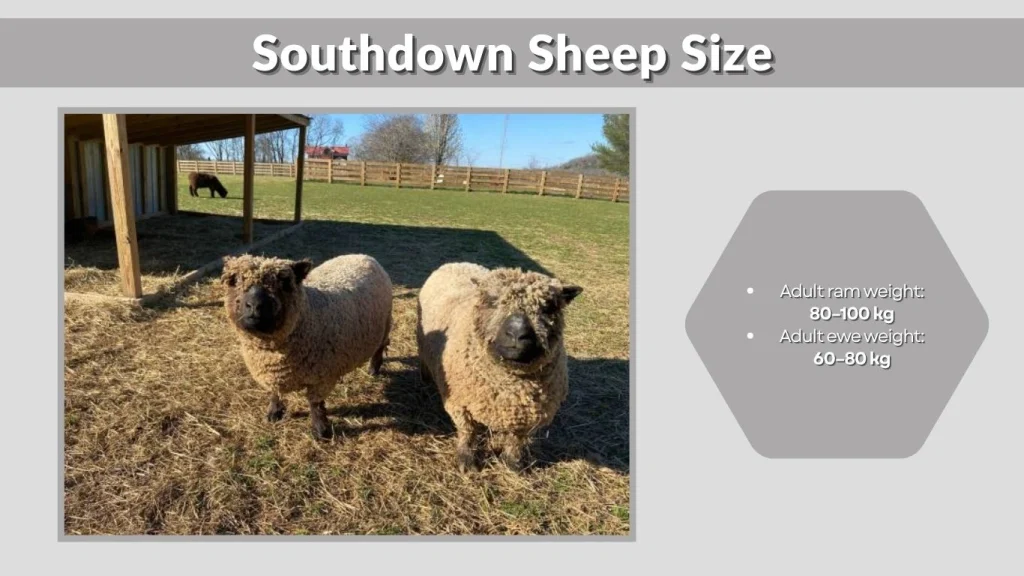
Southdown sheep are considered a medium-sized breed, but their compact body gives them a strong and muscular appearance.
Adult Body Weight
The body weight of Southdown sheep depends on factors such as feeding, genetics, and farm management.
Typical body weights include:
- Adult ram weight: 80–100 kg
- Adult ewe weight: 60–80 kg
With proper nutrition and good pasture conditions, some animals may reach even higher weights.
Growth Rate
Southdown lambs have a good growth rate, making them suitable for meat production systems. Although they may not grow as rapidly as some larger breeds, they are known for producing high-quality lamb meat.
Key growth advantages include:
- Efficient feed utilization
- Good muscle development
- Reliable lamb growth performance
Because of these qualities, Southdown sheep remain popular among farmers focused on meat production.
Body Frame
Southdown sheep have a compact but powerful body frame. Their short legs and muscular body help them produce excellent carcass quality.
Important body frame features include:
- Short and sturdy legs
- Thick muscle distribution
- Balanced and compact structure
These characteristics allow Southdown sheep to produce tender, high-quality lamb meat, which is highly valued in many markets.
Southdown Sheep Lifespan
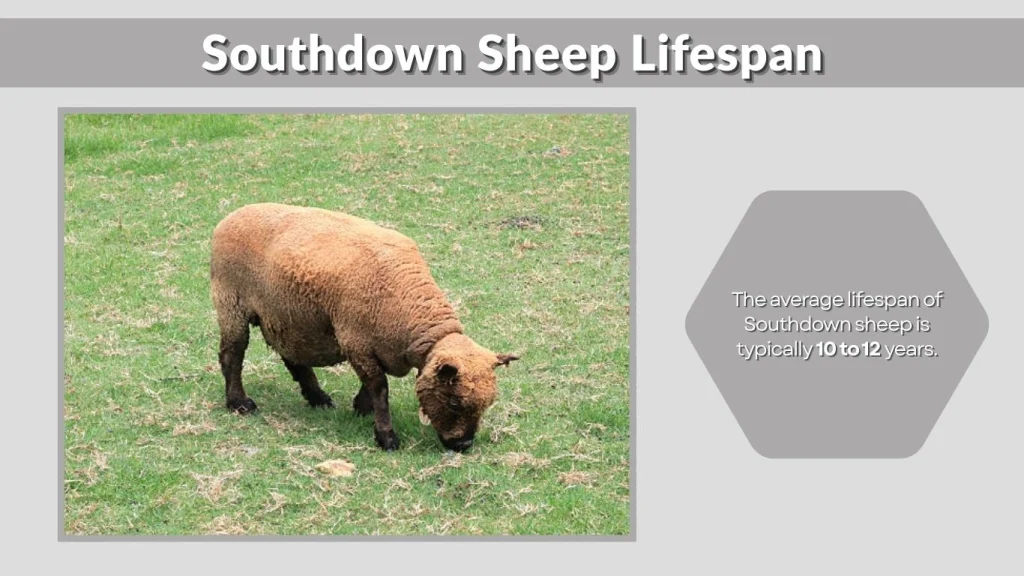
Southdown sheep generally have a lifespan similar to many other sheep breeds, but with proper care they can remain productive for several years.
Average Lifespan
The average lifespan of Southdown sheep is typically 10 to 12 years. Some sheep may live even longer if they receive proper nutrition and veterinary care.
During their lifetime, Southdown sheep can produce multiple lamb crops and provide annual wool production.
Productive Years
Although Southdown sheep may live for over a decade, their most productive period usually occurs during the first 6 to 8 years of life. During this time, ewes produce healthy lambs and maintain good reproductive performance.
Proper feeding, pasture management, and veterinary care can help maximize the productive lifespan of the flock.
Southdown Sheep Facts
Southdown sheep have several interesting features that make them one of the most historically important sheep breeds. Their influence on modern sheep farming and their excellent meat quality have made them valuable for centuries.
One of the Oldest Sheep Breeds
One fascinating fact about Southdown sheep is that they are one of the oldest sheep breeds in the world. Their history dates back hundreds of years in the South Downs region of England.
Because of their long history, Southdown sheep played a major role in the development of several other modern sheep breeds. Their genetics helped improve meat quality and body structure in many breeds used today.
Known for Excellent Meat Quality
Southdown sheep are famous for producing high-quality lamb meat. Their meat is known for being tender, flavorful, and well-marbled.
Important meat qualities include:
- Tender and juicy lamb
- Good carcass yield
- Well-developed muscle structure
Because of these qualities, Southdown lamb is often considered premium meat in many markets.
Influenced Many Modern Breeds
Another important fact about Southdown sheep is their influence on other sheep breeds. Many modern meat sheep breeds were developed using Southdown genetics.
Some breeds influenced by Southdown sheep include:
- Hampshire Down
- Oxford Down
- Shropshire sheep
This influence highlights the breed’s importance in modern sheep farming.
Good Mothering Ability
Southdown ewes are known for their strong maternal instincts. They take good care of their lambs and usually produce enough milk to support healthy lamb growth.
Benefits of their maternal ability include:
- High lamb survival rates
- Good milk production
- Strong bonding between ewe and lamb
These traits make Southdown sheep reliable for lamb production.
Southdown Sheep Wool
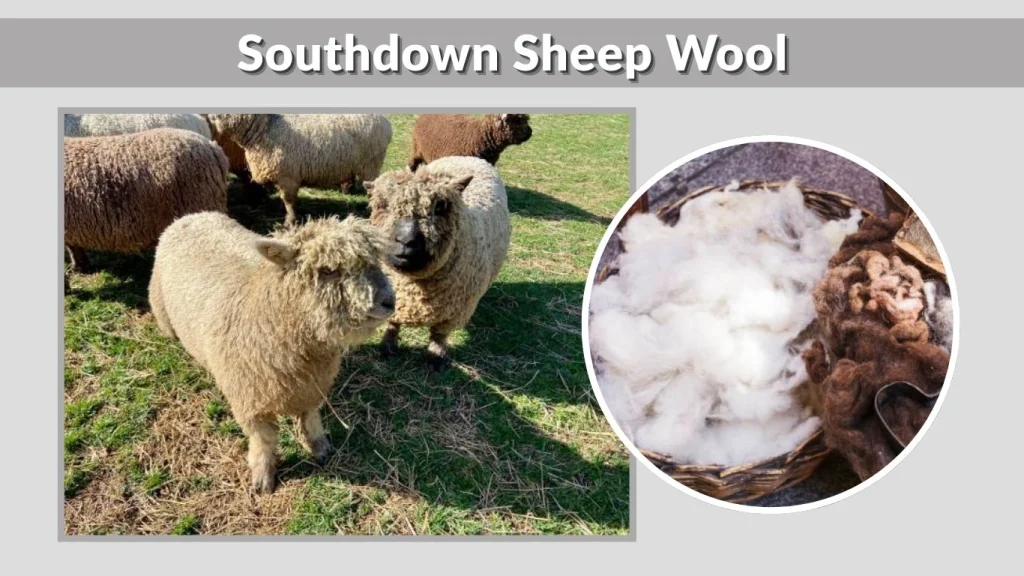
Although Southdown sheep are mainly raised for meat, they also produce useful wool that can be used in textile production.
Wool Quality
Southdown wool is considered fine and dense wool, which makes it suitable for various wool products.
Important wool characteristics include:
- Soft and springy fibers
- Fine wool texture
- Naturally dense fleece
These qualities make Southdown wool suitable for durable fabrics and yarn.
Wool Production
Southdown sheep produce a moderate amount of wool each year. The amount of fleece depends on factors such as feeding, age, and overall health.
Typical wool production includes:
- Average fleece weight: 2–3 kilograms per year
- Annual shearing required
- Dense fleece coverage across the body
Southdown wool is often used for making:
- Wool yarn
- Blankets
- Knitwear and fabrics
Southdown Sheep Farming Guide
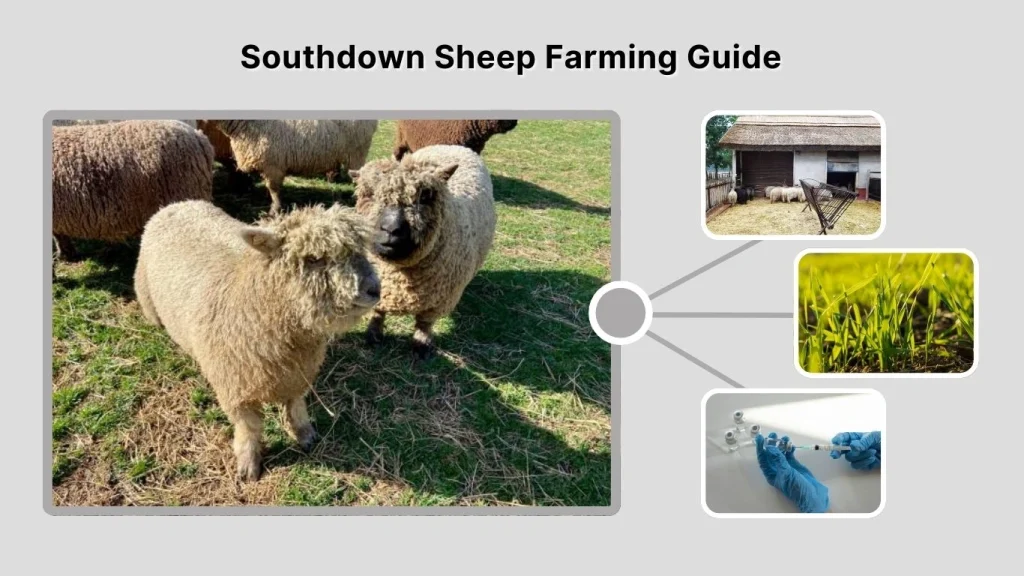
Raising Southdown sheep can be productive when farmers follow proper management practices.
Housing Requirements
Southdown sheep are adaptable animals, but they still require adequate shelter to protect them from harsh weather.
Important housing features include:
- Clean and dry shelter
- Good ventilation
- Protection from rain and strong winds
- Enough space for movement
Providing proper housing helps reduce disease and improve productivity.
Feeding Management
Southdown sheep obtain most of their nutrition from pasture grazing. However, additional feed may be required during winter or when pasture quality is poor.
Common feed sources include:
- Natural grasses
- Clover and legume plants
- Hay and silage
- Grain supplements
Providing fresh drinking water and mineral supplements is also essential for maintaining healthy sheep.
Health Management
Good health care is important for maintaining a productive flock.
Basic health management practices include:
- Regular vaccinations
- Deworming to control parasites
- Clean housing conditions
- Monitoring sheep for signs of illness
Early treatment of health problems helps farmers prevent serious losses.
Advantages of Raising Southdown Sheep
Southdown sheep offer several advantages that make them attractive to livestock farmers.
High-Quality Meat Production
Southdown sheep are widely recognized for producing excellent lamb meat with good flavor and tenderness.
Calm Temperament
Their gentle nature makes them easy to manage, especially for beginner farmers.
Efficient Growth
Southdown lambs grow efficiently and convert feed into muscle effectively.
Good Adaptability
Southdown sheep can adapt well to different farming systems and pasture environments.
Southdown Sheep vs Other Sheep Breeds
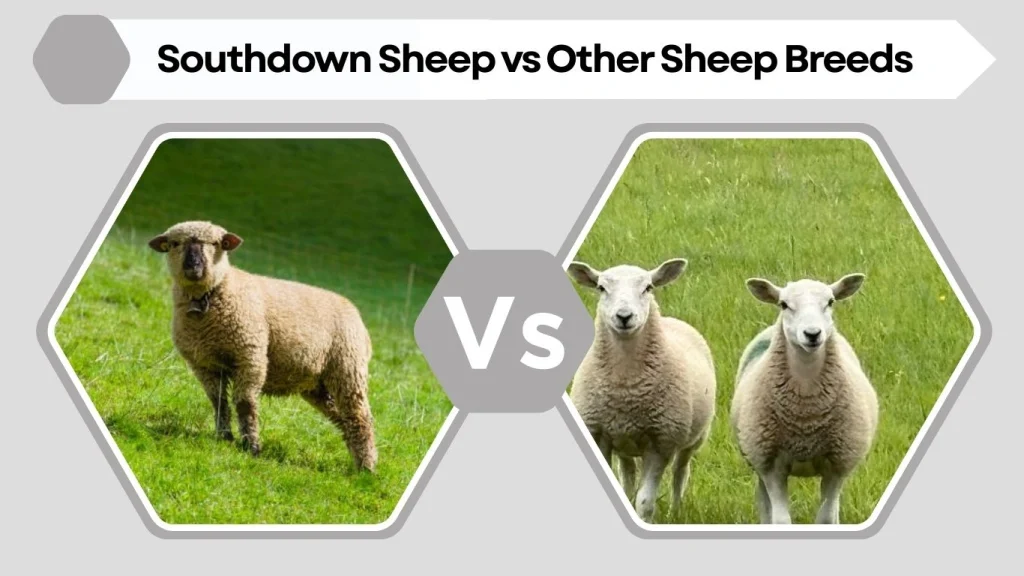
Farmers often compare Southdown sheep with other breeds when selecting animals for their farms.
Southdown vs Suffolk
Suffolk sheep are larger and grow very quickly, making them popular for commercial meat production. Southdown sheep, however, are known for producing exceptionally tender lamb meat.
Southdown vs Dorset
Dorset sheep are famous for their ability to breed throughout the year, while Southdown sheep are mainly valued for their meat quality and historical importance.
Differences in Size and Production
Different sheep breeds specialize in different traits. Southdown sheep are valued for their balanced production of meat, wool, and adaptability.
Conclusion
Southdown sheep are one of the most historically significant sheep breeds in the world. Their compact body structure, excellent meat quality, and calm temperament make them a valuable breed for many farmers. In addition to their role in modern sheep breeding, they continue to be raised for both meat and wool production. With proper feeding, housing, and health management, Southdown sheep can provide reliable productivity and long-term benefits for livestock farmers.