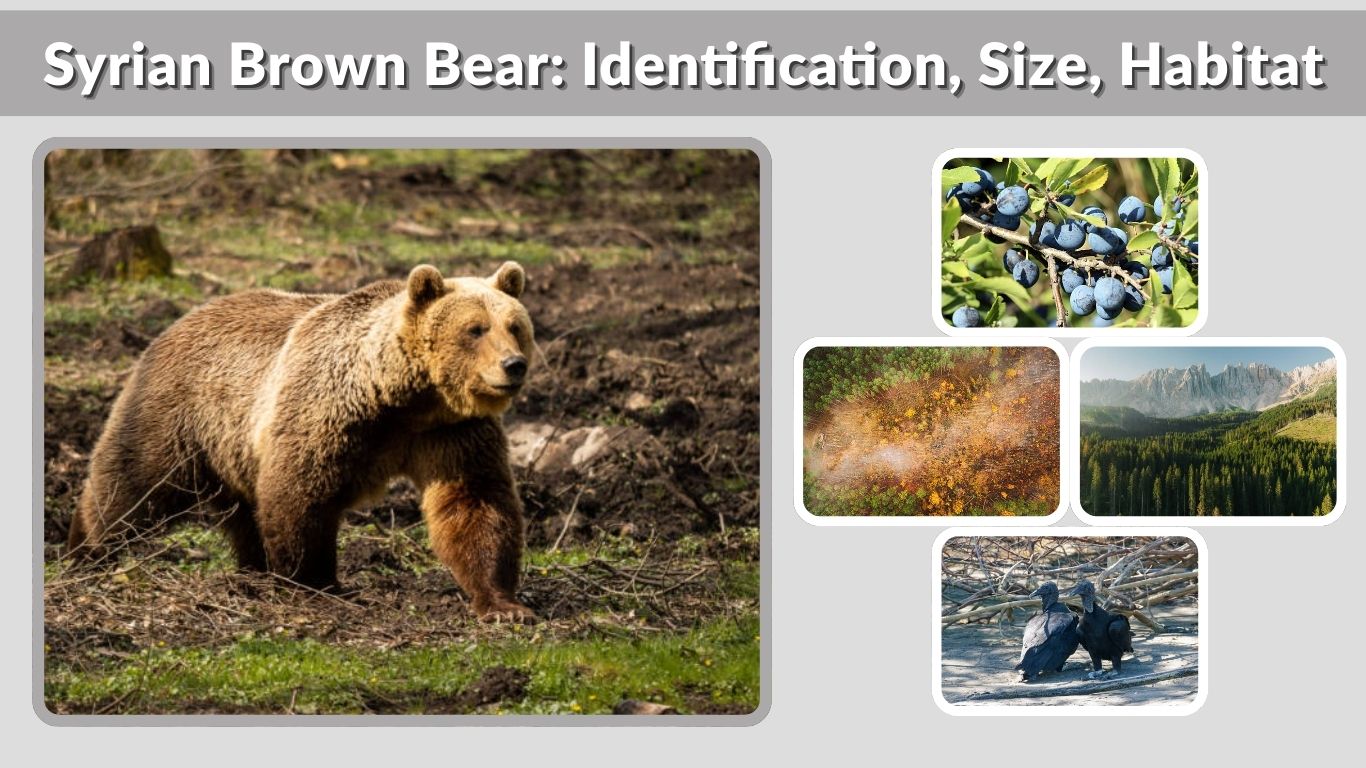
The Syrian brown bear (Ursus arctos syriacus) is a rare and distinctive subspecies of the brown bear native to the Middle East. Known for its relatively small size and lighter-colored fur, this bear has adapted to warmer and drier environments compared to its northern relatives. Once widespread across parts of Western Asia, its range has declined due to habitat loss and human activity. Despite these challenges, the Syrian brown bear remains an important predator and ecological contributor within its mountainous and forested habitats.
What Is the Syrian Brown Bear?
The Syrian brown bear is a subspecies of the widespread brown bear species (Ursus arctos). While brown bears are found across North America, Europe, and Asia, this particular subspecies occupies a unique position in the Middle East.
Scientific Classification
- Kingdom: Animalia
- Phylum: Chordata
- Class: Mammalia
- Order: Carnivora
- Family: Ursidae
- Genus: Ursus
- Species: Ursus arctos
- Subspecies: Ursus arctos syriacus
This classification places it alongside other brown bear subspecies such as the grizzly bear, Ussuri brown bear, and Kodiak bear.
Geographic Background
Historically, the Syrian brown bear had a broader range across the Middle East. Today, it is mainly found in parts of:
- Eastern Turkey
- Northern and western Iran
- Iraq
- The Caucasus region
Its distribution has become fragmented due to habitat destruction, hunting, and expanding human settlements.
Why It Is Unique
The Syrian brown bear stands out because of:
- Its smaller body size compared to many other brown bears
- A lighter, often sandy or pale brown coat
- Adaptations suited to warmer climates and semi-arid regions
These traits distinguish it from larger and darker subspecies found in colder parts of Eurasia.
Syrian Brown Bear Identification
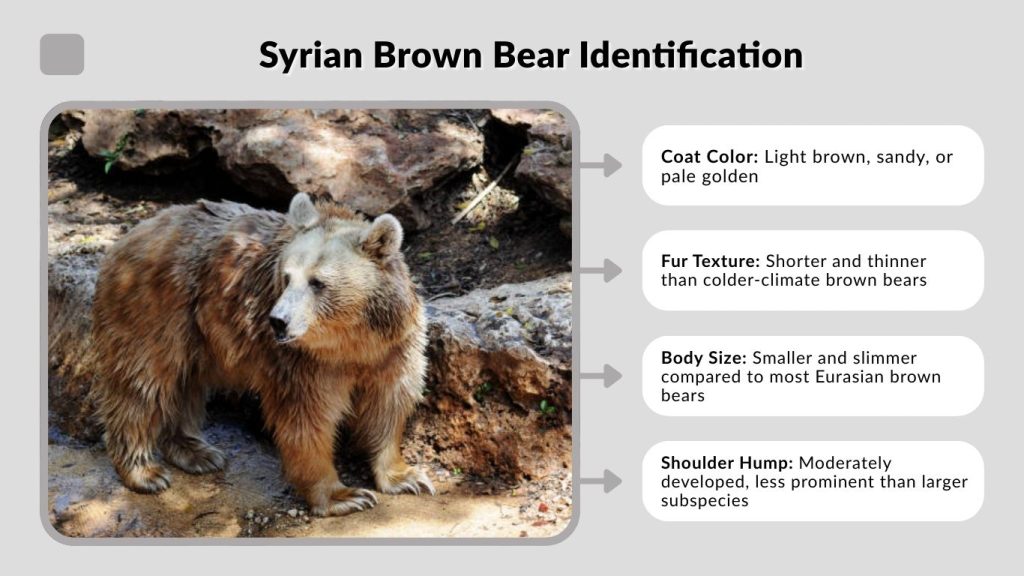
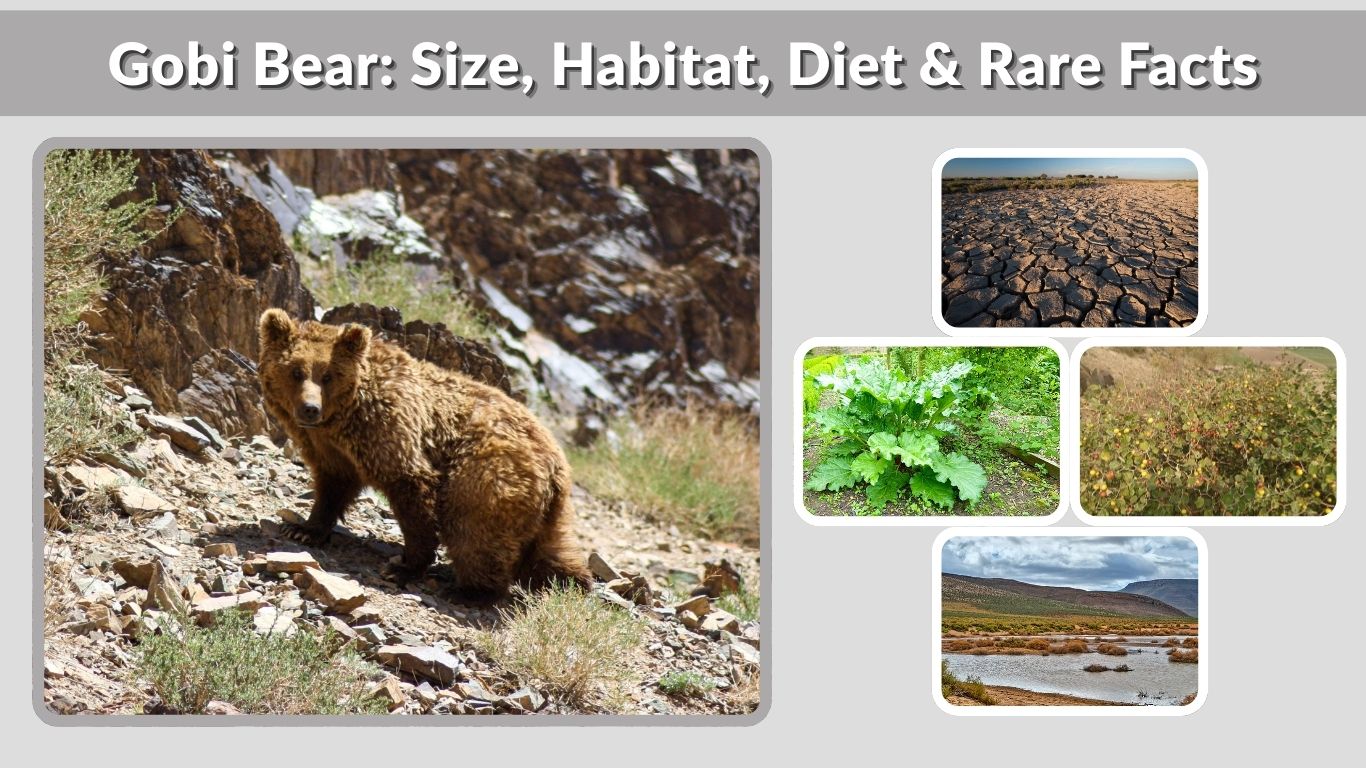
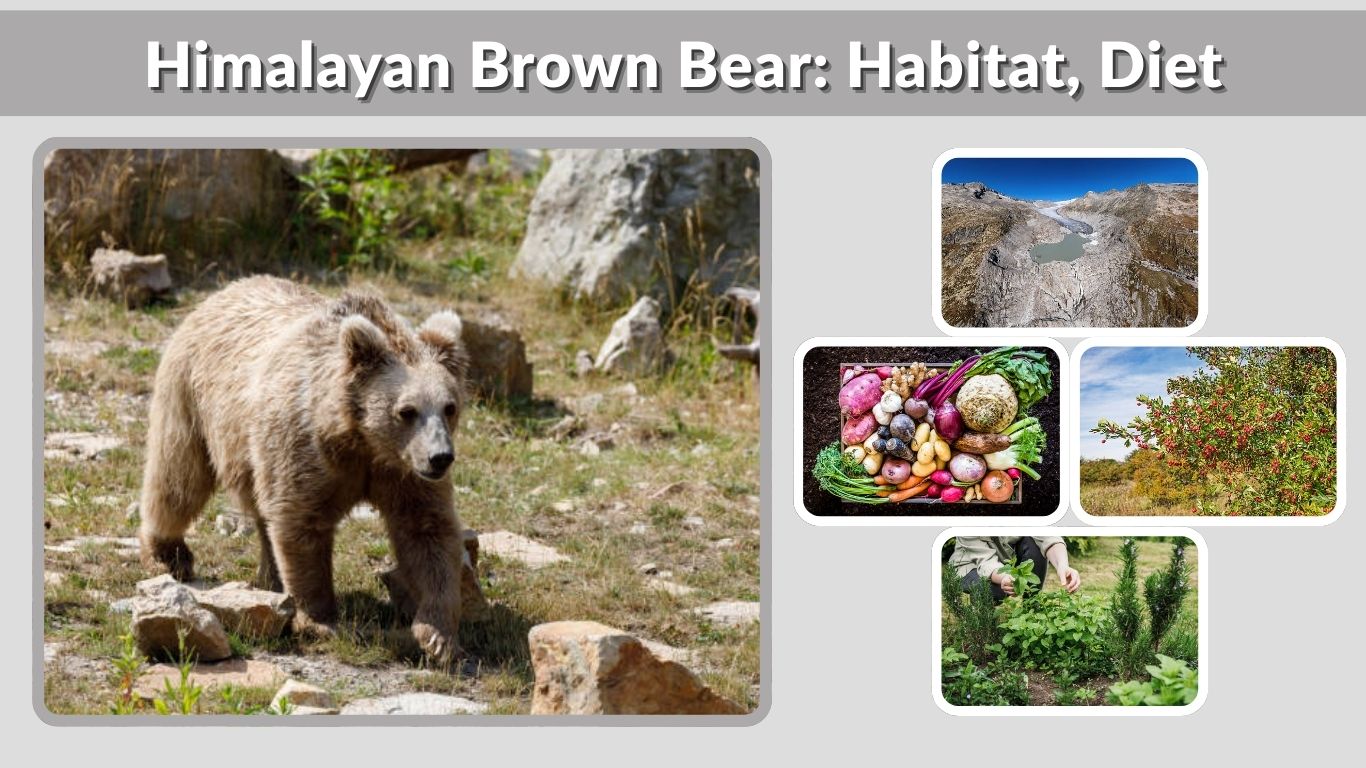
The Syrian brown bear can be identified by its smaller size, lighter coat color, and adaptation to warmer, mountainous regions of the Middle East. Compared to northern brown bear subspecies, it appears more compact and less bulky, with features suited to semi-arid and rocky landscapes. Below is a quick identification overview.
Quick Identification Features
- Coat Color: Light brown, sandy, or pale golden
- Fur Texture: Shorter and thinner than colder-climate brown bears
- Body Size: Smaller and slimmer compared to most Eurasian brown bears
- Shoulder Hump: Moderately developed, less prominent than larger subspecies
- Head Shape: Broad head with strong jaw structure
- Paws and Claws: Large paws with curved claws for digging
- Habitat Clue: Found mainly in mountainous forests and rocky areas of Turkey, Iran, and nearby regions
These physical traits, combined with its geographic location, help distinguish the Syrian brown bear from other brown bear subspecies.
Syrian Brown Bear Size
The Syrian brown bear is considered one of the smaller subspecies of brown bear, though it remains a powerful and formidable animal.
Average Weight
- Adult males: Typically weigh between 135 to 250 kilograms (300–550 pounds).
- Adult females: Usually weigh between 90 to 150 kilograms (200–330 pounds).
Males are noticeably larger and heavier than females, demonstrating clear sexual dimorphism.
Height and Body Length
- Shoulder height: Approximately 90 to 120 centimeters (3–4 feet).
- Standing height (upright): Around 2 meters (6–7 feet).
- Body length: Roughly 1.5 to 2 meters (5–6.5 feet).
Although smaller than northern brown bears, these dimensions still make the Syrian brown bear one of the largest land mammals in its region.
Size Comparison With Other Brown Bears
When compared to other subspecies:
- It is smaller than the Ussuri brown bear.
- It is significantly smaller than the Kodiak bear.
- It ranks among the smallest brown bear subspecies in Eurasia.
Its smaller size is believed to be influenced by environmental conditions, food availability, and adaptation to warmer climates.
Syrian Brown Bear Habitat
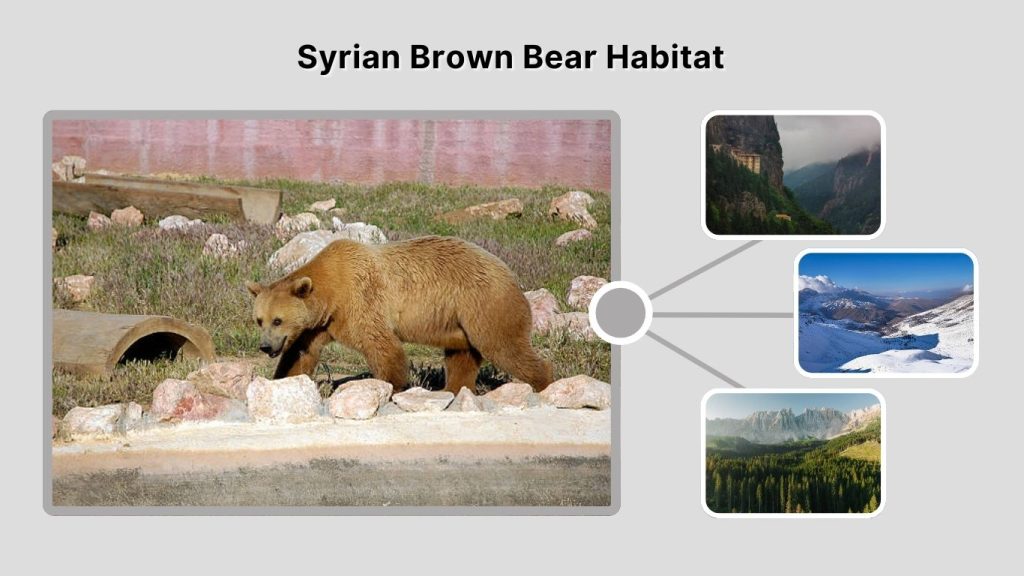
The Syrian brown bear inhabits rugged and diverse landscapes across the Middle East.
Current Geographic Range
Today, populations are primarily found in:
- Eastern and northeastern Turkey
- Mountainous regions of Iran
- Parts of Iraq
- Areas within the Caucasus Mountains
These regions provide remote environments with reduced human disturbance.
Preferred Habitat Types
The Syrian brown bear prefers habitats such as:
- Mountain forests
- Rocky hills and slopes
- Open woodlands
- Semi-arid regions with scattered vegetation
Access to water sources, such as rivers or seasonal streams, is an important factor in habitat selection.
Climate Adaptations
Unlike many northern brown bears that endure long, freezing winters, the Syrian brown bear lives in comparatively warmer climates. It has adapted to:
- Survive in semi-arid and mountainous regions
- Travel long distances in search of seasonal food
- Use caves, rock shelters, or dug-out dens for winter shelter
In colder mountainous areas, it may still enter a period of hibernation, though the duration is often shorter than that of bears in harsher northern environments. Food availability and local climate largely determine its denning behavior.
Syrian Brown Bear Lifespan
The lifespan of the Syrian brown bear varies depending on environmental conditions and human impact.
Lifespan in the Wild
In the wild, Syrian brown bears typically live between 20 to 25 years. However, survival depends on several factors, including food availability, disease, and human-related threats.
Young cubs face the highest mortality rates due to predation, starvation, or environmental challenges. Adults that successfully avoid conflict and maintain access to food can reach the upper range of their lifespan.
Lifespan in Captivity
In captivity, where food is consistent and veterinary care is available, Syrian brown bears may live over 30 years. The absence of hunting pressure and habitat stress contributes to longer life expectancy.
Factors Affecting Longevity
Several key factors influence how long a Syrian brown bear lives:
- Habitat loss and fragmentation
- Poaching or illegal hunting
- Human-wildlife conflict
- Climate conditions and food supply
Human activity remains one of the most significant challenges to long-term survival.
Diet and Feeding Behavior
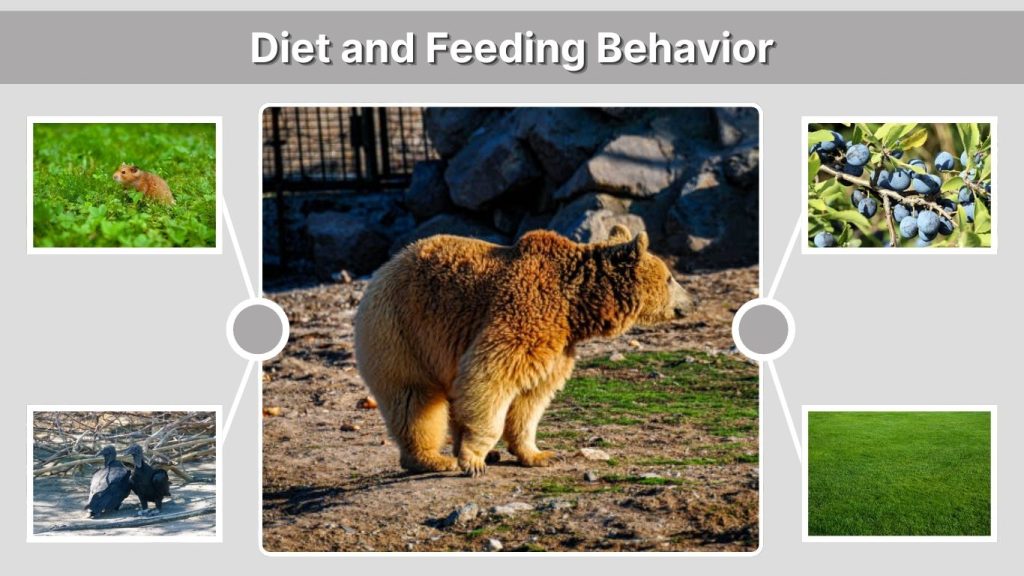
The Syrian brown bear is omnivorous, meaning it consumes both plant and animal matter. Its flexible diet helps it survive in environments where food sources vary by season.
Omnivorous Diet
Its diet commonly includes:
- Fruits and wild berries
- Roots, grasses, and other vegetation
- Insects such as ants and beetles
- Small mammals
- Carrion
- Occasionally livestock, when natural prey is scarce
Plant-based foods make up a significant portion of its diet, especially during warmer months.
Seasonal Feeding Patterns
During spring and summer, the bear consumes vegetation and insects to regain strength after winter. In late summer and autumn, it increases its food intake to build fat reserves.
This period of intense feeding is essential for survival during winter months, particularly in higher elevations where food becomes scarce.
Behavior and Reproduction
Like most brown bears, the Syrian brown bear is primarily solitary.
Social Structure
- Adults typically live alone.
- Males occupy larger territories than females.
- Home ranges may overlap, but direct interaction is limited.
Encounters between bears usually occur during mating season or when food resources are concentrated in one area.
Reproduction and Cubs
The mating season usually occurs in late spring to early summer. Similar to other brown bears, the Syrian brown bear exhibits delayed implantation, allowing cubs to be born during winter denning.
Females generally give birth to one to three cubs. Cubs are born blind and helpless, relying entirely on their mother for warmth, protection, and milk. They typically remain with their mother for up to two years, learning survival skills before becoming independent.
Hibernation
In colder parts of its range, the Syrian brown bear may hibernate during winter. In milder regions, hibernation may be shorter or less pronounced.
Dens are often located in caves, under tree roots, or in sheltered rocky areas. During this period, the bear survives on stored body fat until spring.
Conservation Status and Threats
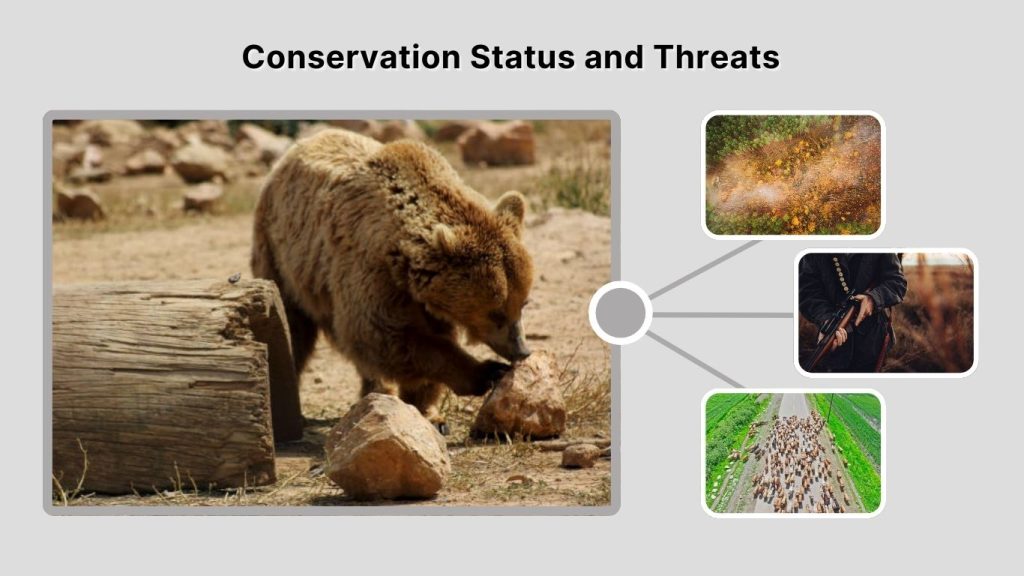
The Syrian brown bear faces several conservation challenges across its limited range.
Population Trends
Populations are fragmented and vary by country. In some regions, numbers have declined significantly due to habitat destruction and hunting. In others, conservation efforts have helped stabilize local populations.
Accurate population estimates are difficult due to the bear’s remote habitat and elusive behavior.
Major Threats
Key threats include:
- Habitat fragmentation from urban expansion and agriculture
- Illegal hunting and poaching
- Conflict with farmers over livestock
- Reduction of natural food sources
Human encroachment into bear habitats increases the likelihood of conflict.
Conservation Efforts
Several countries within the bear’s range have implemented legal protections. Protected areas and wildlife reserves play an important role in safeguarding habitat.
Public awareness programs and wildlife management strategies aim to reduce human-bear conflict while promoting coexistence.
Key Syrian Brown Bear Facts
- Scientific name: Ursus arctos syriacus
- Native to the Middle East
- One of the smallest brown bear subspecies
- Light sandy or pale brown coat
- Omnivorous diet
- Lifespan up to 25 years in the wild
- Faces habitat and human-related threats
FAQs
How big is the Syrian brown bear?
Adult males typically weigh between 135 and 250 kilograms, while females are smaller. Although smaller than many other brown bear subspecies, they remain strong and powerful animals within their ecosystem.
Where does the Syrian brown bear live?
The Syrian brown bear lives mainly in eastern Turkey, Iran, Iraq, and parts of the Caucasus region. It prefers mountainous forests, rocky slopes, and semi-arid environments.
What does the Syrian brown bear eat?
It is an omnivore that eats fruits, vegetation, insects, small mammals, carrion, and occasionally livestock. Its diet changes seasonally depending on food availability.
How long does a Syrian brown bear live?
In the wild, it typically lives 20 to 25 years. In captivity, it may survive over 30 years due to consistent food and medical care.
Is the Syrian brown bear endangered?
While not globally extinct, it faces regional population declines due to habitat loss, poaching, and human conflict. Conservation measures are in place in several countries to protect remaining populations.
Conclusion
The Syrian brown bear is a unique and smaller subspecies of brown bear adapted to the rugged and diverse landscapes of the Middle East. With its pale coat, compact build, and flexible diet, it has survived in challenging environments for centuries. However, habitat loss and human conflict continue to threaten its future. Strengthening conservation efforts and promoting coexistence are essential steps to ensuring that this remarkable bear remains part of the region’s wildlife heritage.