



The Tibetan fox is a unique fox species known for its unusual square-shaped face and thick fur. Native to the high-altitude regions of the Tibetan Plateau, this fox has adapted to survive in cold, windy, and rugged mountain environments. It plays an important role in the ecosystem by controlling populations of small mammals, especially pikas. With its distinctive appearance and specialized hunting habits, the Tibetan fox is one of the most recognizable fox species living in mountainous regions of Asia.
What is a Tibetan Fox?
The Tibetan fox (Vulpes ferrilata) is a medium-sized fox species that belongs to the Canidae family, which includes wolves, dogs, and other foxes. It is mainly found in the Tibetan Plateau and surrounding Himalayan regions.
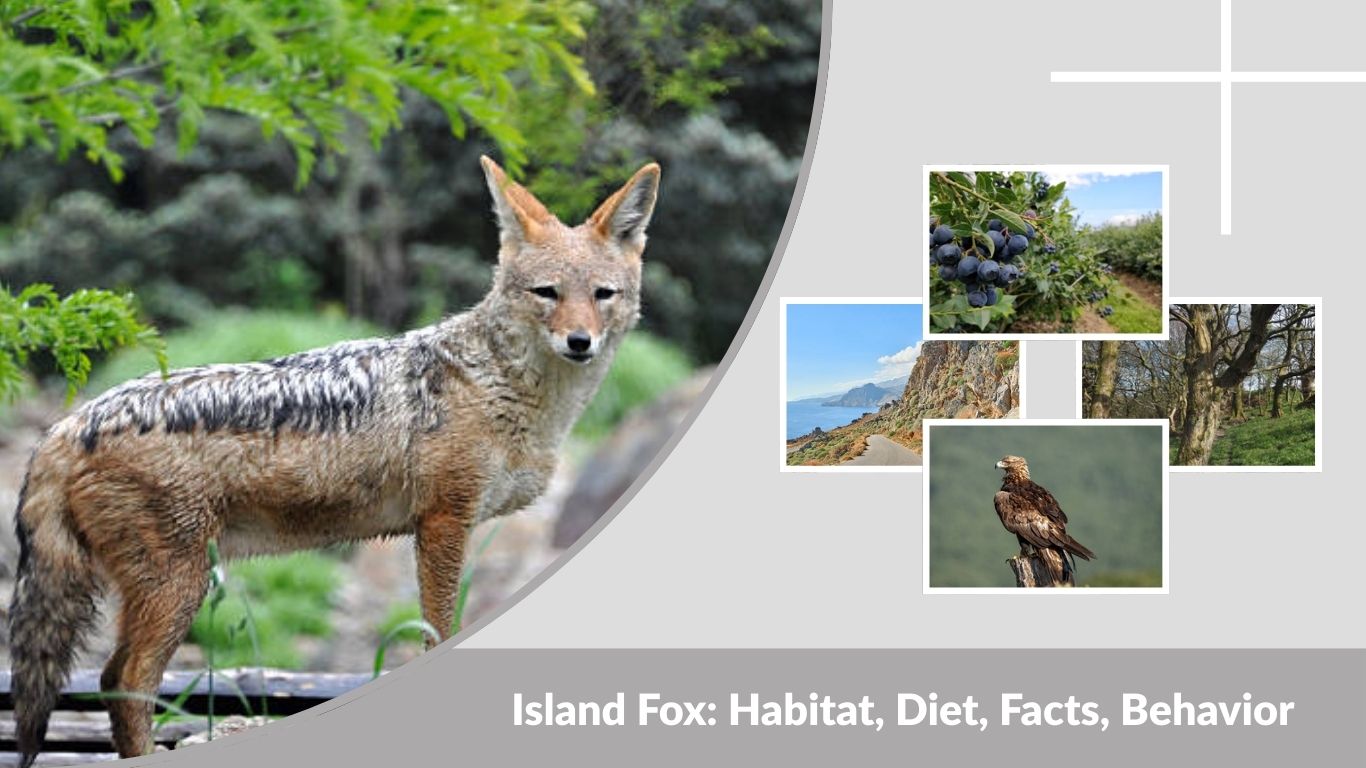
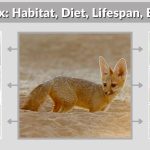
One of the most striking features of the Tibetan fox is its square-shaped face, which makes it easily distinguishable from other fox species. Its thick fur helps it stay warm in the extremely cold temperatures found at high elevations.
Tibetan foxes are highly adapted to life in mountainous grasslands. They often live in open areas where they can easily spot prey and potential predators.
Unlike many fox species that are mostly nocturnal, Tibetan foxes are often active during the daytime, especially when searching for food.
Tibetan Fox Identification
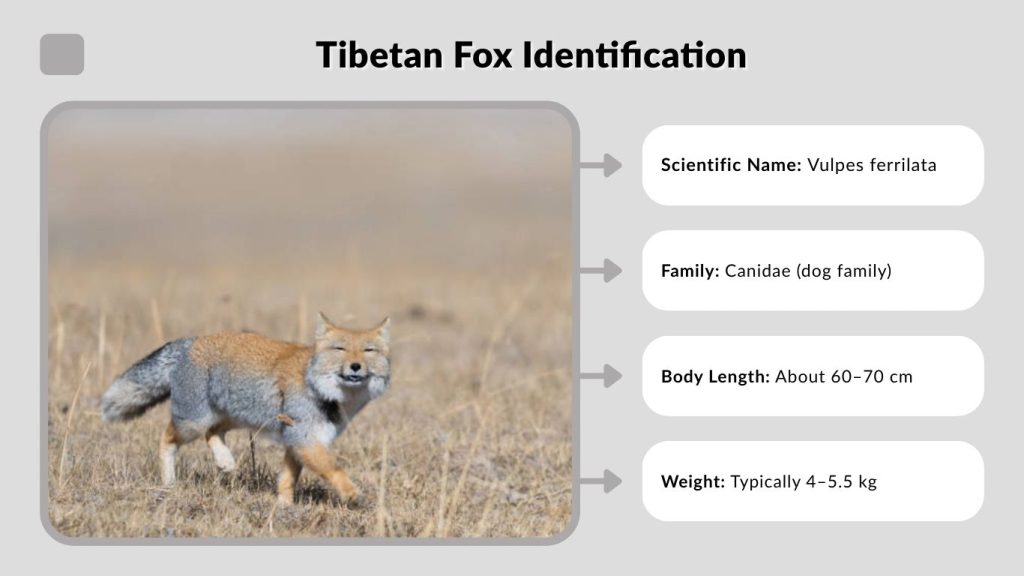
The Tibetan fox (Vulpes ferrilata) is a medium-sized fox species native to the high-altitude regions of the Tibetan Plateau. It is easily recognized by its distinctive square-shaped face, narrow eyes, and thick fur, which help it survive in cold mountain environments. Its coat color blends well with rocky grasslands and alpine plains, providing natural camouflage. The Tibetan fox’s compact body, bushy tail, and dense fur make it well adapted to the harsh climate and rugged terrain of its habitat.
Key Identification Features
- Scientific Name: Vulpes ferrilata
- Common Name: Tibetan Fox
- Animal Type: Mammal
- Family: Canidae (dog family)
- Body Length: About 60–70 cm (24–28 inches)
- Tail Length: Around 30–40 cm (12–16 inches)
- Weight: Typically 4–5.5 kg (9–12 pounds)
- Fur Color: Gray, sandy, or rusty coat with a lighter underside
- Face Shape: Distinct square-shaped face with narrow eyes
- Tail: Thick, bushy tail with darker fur near the tip
- Habitat: High-altitude grasslands and plateaus of the Tibetan Plateau
- Activity Pattern: Mostly diurnal (active during the day)
These features make the Tibetan fox easy to distinguish from other fox species, especially due to its unusual facial structure and thick coat adapted for cold climates.
Tibetan Fox Habitat
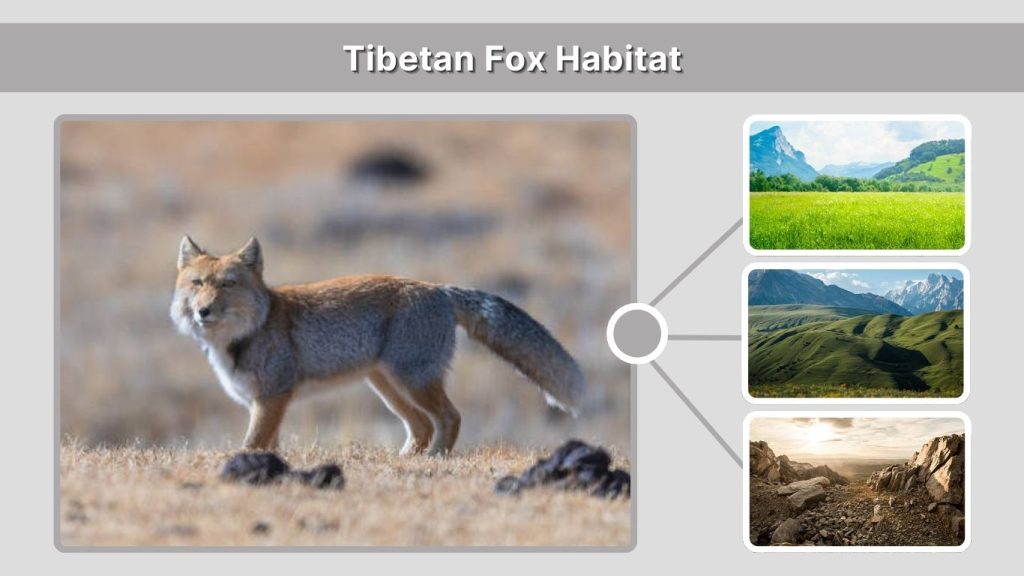
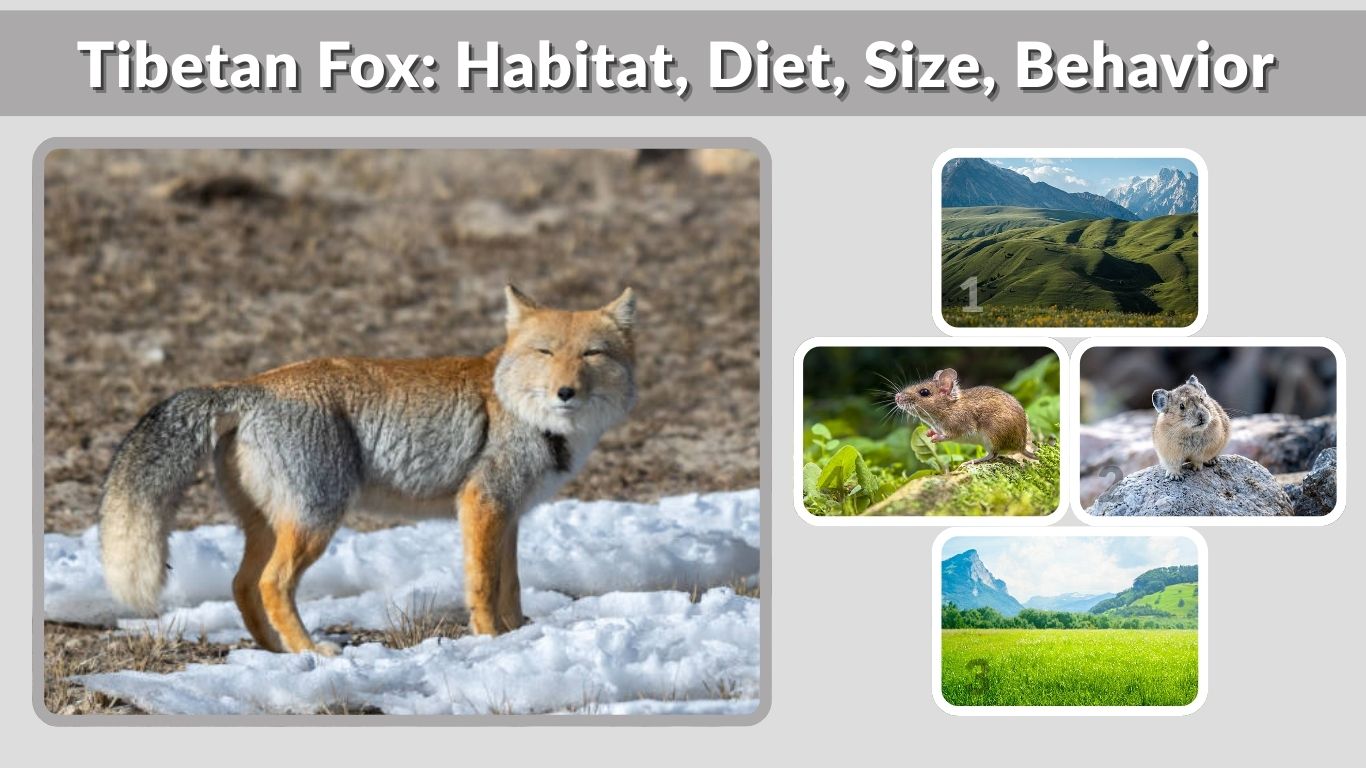
The Tibetan fox habitat consists mainly of high-altitude plateaus and mountainous grasslands. These environments can be extremely cold, windy, and dry, but the Tibetan fox has evolved special adaptations to survive there.
Where Do Tibetan Foxes Live?
Tibetan foxes are mainly found in the Tibetan Plateau, one of the highest regions on Earth. Their range includes parts of several countries:
- China (especially Tibet and Qinghai regions)
- Nepal
- India
- Bhutan
These areas are characterized by high elevations, rocky landscapes, and open grasslands.
Preferred Environments
Tibetan foxes prefer habitats where they can easily hunt small animals. Common environments include:
- Alpine grasslands
- High mountain plateaus
- Open steppe landscapes
- Rocky slopes
These open landscapes allow them to spot prey from a distance.
Habitat Adaptations
The Tibetan fox has developed several adaptations that help it survive in cold, high-altitude environments.
Its thick fur coat provides insulation against freezing temperatures and strong winds.
The fox also digs burrows in the ground, which serve as shelters for resting and raising young. These dens provide protection from extreme weather conditions.
Tibetan Fox Diet
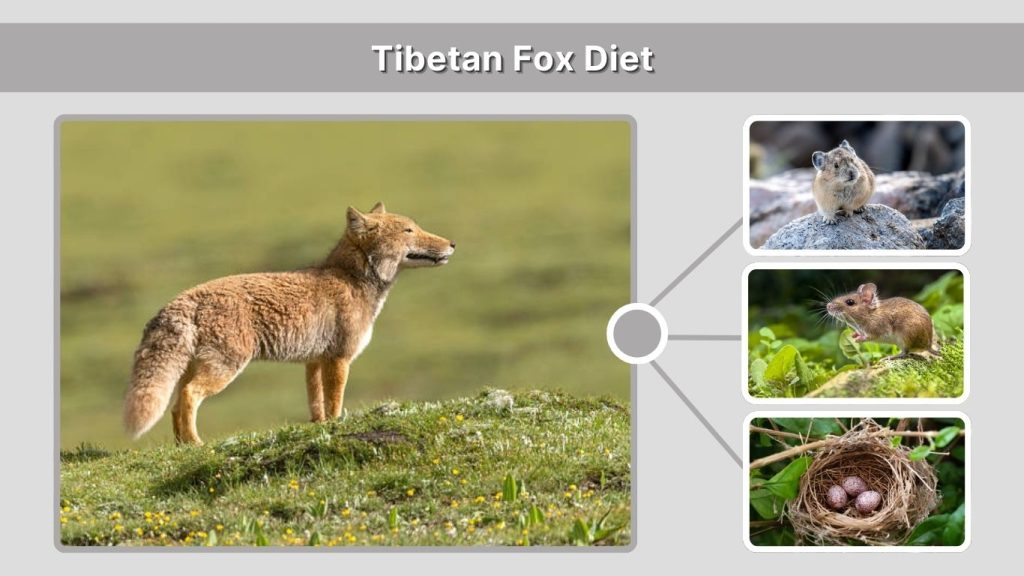
The Tibetan fox diet mainly consists of small mammals found on the plateau. These foxes are specialized hunters and rely heavily on certain prey species.
What Do Tibetan Foxes Eat?
Tibetan foxes commonly eat:
- Pikas (their primary food source)
- Small rodents
- Birds
- Bird eggs
- Insects
Pikas are small rabbit-like mammals that live in large numbers on the Tibetan Plateau. Because they are so abundant, they form the main part of the Tibetan fox’s diet.
Hunting Behavior
Tibetan foxes are skilled hunters that use patience and careful observation when searching for prey. They often watch pika colonies and wait for the right moment to attack.
Sometimes they follow larger predators such as brown bears, which dig up pika burrows. The fox then captures escaping prey.
Seasonal Diet Changes
Although pikas make up most of their diet, Tibetan foxes may eat other animals or insects when prey availability changes.
This flexible feeding behavior helps them survive in environments where food sources can vary throughout the year.
Tibetan Fox Behavior
Tibetan foxes display several interesting behaviors that help them survive in the harsh conditions of the Tibetan Plateau. They are generally calm and cautious animals that rely on observation and patience when hunting or moving through their environment.
Activity Patterns
Unlike many other fox species that are mostly nocturnal, Tibetan foxes are often active during the daytime. This makes them diurnal hunters, especially when searching for pikas and other small mammals.
They spend a large part of the day moving across grasslands and scanning the ground for signs of prey.
Social Structure
Tibetan foxes are usually seen living in pairs, particularly during the breeding season. A male and female may share the same territory and work together when raising their young.
Outside the breeding season, they may travel alone but still remain within a defined territory.
Communication
Like other fox species, Tibetan foxes communicate through several methods:
- Vocal sounds such as barks and yips
- Scent marking to establish territory
- Body posture and tail movements
These signals help foxes communicate with mates and warn other animals to stay away from their territory.
Tibetan Fox Life Cycle
The life cycle of the Tibetan fox includes several stages, from birth to adulthood. These stages allow the young foxes to gradually develop the skills they need to survive in the high-altitude environment.
Breeding Season
Tibetan foxes usually breed once a year. The mating season typically occurs during the late winter months, often between February and March.
During this time, pairs strengthen their bond and prepare a safe den for raising their offspring.
Gestation and Birth
After mating, the female Tibetan fox carries the pups for about 50–60 days before giving birth.
A typical litter contains 2–4 pups, although litter size can vary depending on environmental conditions.
Pup Development
At birth, the pups are blind and completely dependent on their mother. They remain inside the den where they are protected from predators and cold temperatures.
Their eyes usually open after about 10–14 days, and they begin exploring outside the den several weeks later.
Growth to Adulthood
As the pups grow, both parents help provide food and protection. Young Tibetan foxes gradually learn how to hunt by observing their parents.
By the time they are about 8–10 months old, they are usually capable of living independently.
Tibetan Fox Lifespan
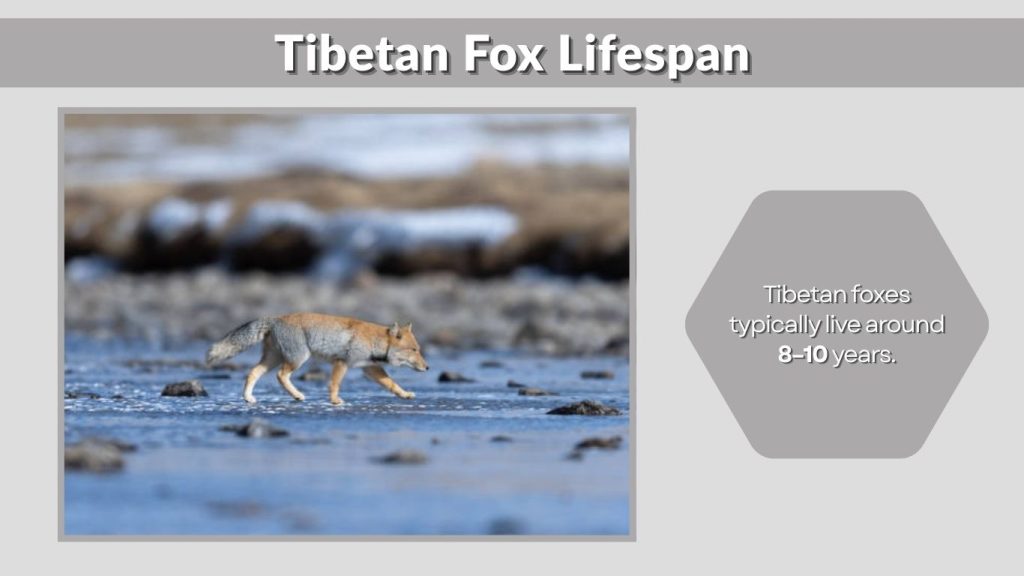
The Tibetan fox lifespan can vary depending on environmental conditions and threats in the wild.
Lifespan in the Wild
In natural habitats, Tibetan foxes typically live around 8–10 years. Their survival depends on factors such as food availability, climate conditions, and predator threats.
Lifespan in Captivity
Tibetan foxes are rarely kept in captivity, but when they are protected and provided with proper care, they may live up to 12–14 years.
Factors Affecting Lifespan
Several factors can influence how long Tibetan foxes live:
- Predators such as wolves and birds of prey
- Harsh environmental conditions
- Disease and parasites
- Human activity and habitat disturbance
Protecting their natural habitat helps improve their chances of survival.
Predators and Threats
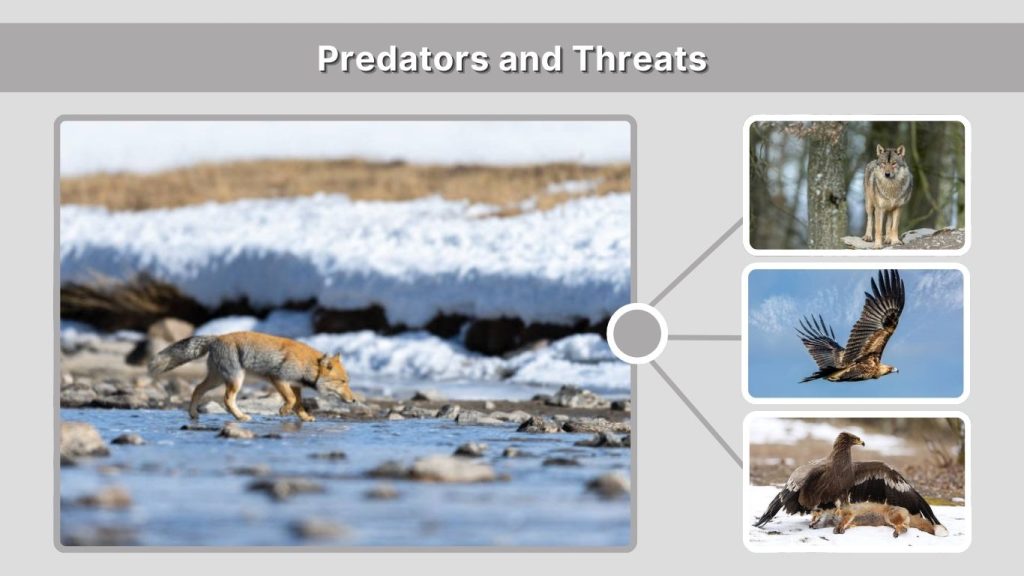
Although Tibetan foxes are well adapted to their environment, they still face several threats.
Common predators include:
- Wolves
- Large birds of prey such as eagles
- Larger carnivores
Human activities may also affect their populations. Habitat disturbance and changes in prey populations can impact the survival of Tibetan foxes.
Conservation Status of the Tibetan Fox
The Tibetan fox is currently considered not globally endangered, but its population depends heavily on the health of the Tibetan Plateau ecosystem.
Conservation efforts that protect grassland habitats and maintain healthy populations of prey animals such as pikas are important for the long-term survival of the species.
Maintaining ecological balance on the plateau helps ensure that Tibetan fox populations remain stable.
Interesting Tibetan Fox Facts
Tibetan foxes have several fascinating characteristics that make them unique among fox species:
- They are known for their distinctive square-shaped face.
- Tibetan foxes rely heavily on pikas as their main food source.
- They are well adapted to high-altitude environments.
- Their thick fur helps protect them from extreme cold and strong winds.
FAQs
Where do Tibetan foxes live?
Tibetan foxes live mainly in the Tibetan Plateau and surrounding Himalayan regions, including parts of China, Nepal, India, and Bhutan.
What do Tibetan foxes eat?
They mainly eat pikas, but they also consume small rodents, birds, eggs, and insects.
How long do Tibetan foxes live?
Tibetan foxes typically live 8–10 years in the wild and may live longer in protected environments.
Why do Tibetan foxes have a square-shaped face?
Their broad skull and facial structure give them a distinctive square-shaped appearance that sets them apart from other fox species.