
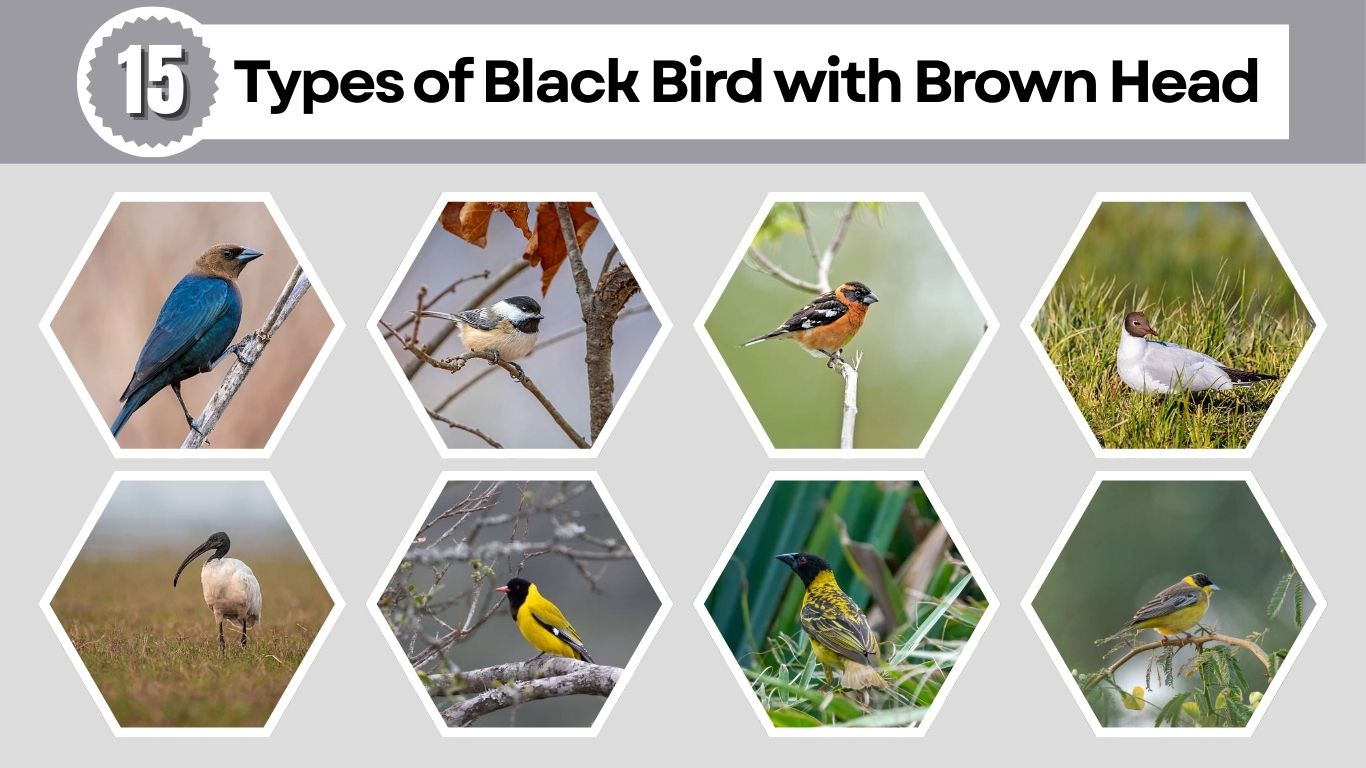
Black birds with brown heads are a fascinating group of birds found across many parts of the world. Their striking contrast in plumage makes them especially appealing to birdwatchers and nature enthusiasts. From small songbirds to large waterbirds, these species vary greatly in size, habitat, and behavior. Some are known for beautiful songs, while others stand out for unique nesting or feeding habits. Together, they showcase the incredible diversity and adaptability of birds in different ecosystems.
1. Brown-headed Cowbird
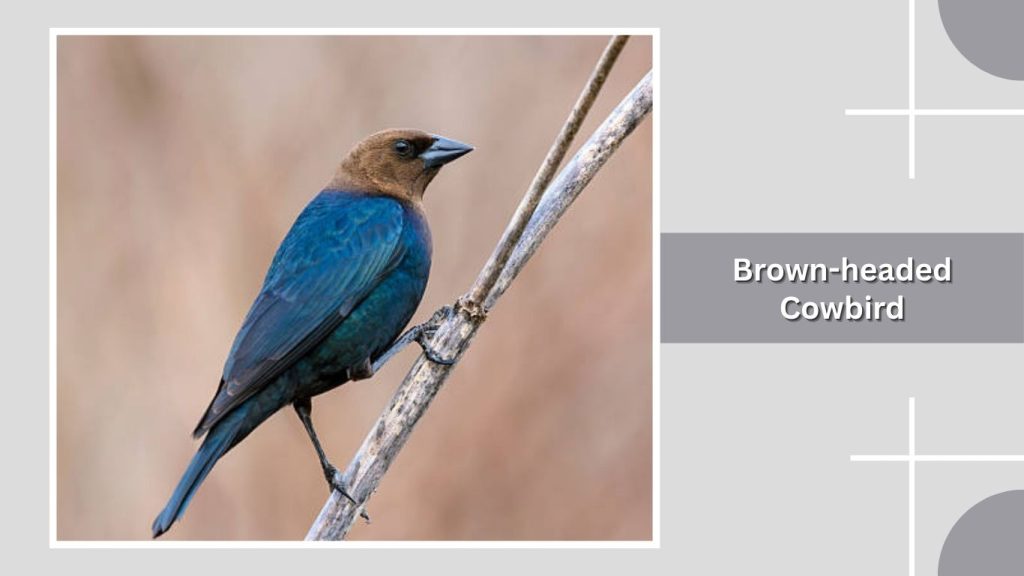
The Brown-headed Cowbird is a small, stocky blackbird best known for its unusual breeding behavior. Males are glossy black with a rich brown head, making the species easy to recognize. It is widespread across North America and often seen near livestock or open fields.
Identification
- Adult male: black body with a dark brown head
- Adult female: grayish-brown overall, slightly darker head
- Short, thick, conical bill
- Length: about 7–8 inches
Habitat
Brown-headed Cowbirds prefer open and semi-open areas such as grasslands, farms, pastures, forest edges, and suburban parks. They are commonly found near grazing animals.
Diet
Their diet mainly consists of seeds and grains, supplemented by insects, especially during the breeding season. They often forage on the ground.
Behavior
This species is famous for brood parasitism, laying its eggs in the nests of other birds and leaving the host species to raise the young.
Range
Brown-headed Cowbirds are found throughout most of North America, from southern Canada through the United States and into northern Mexico.
2. Black-capped Chickadee
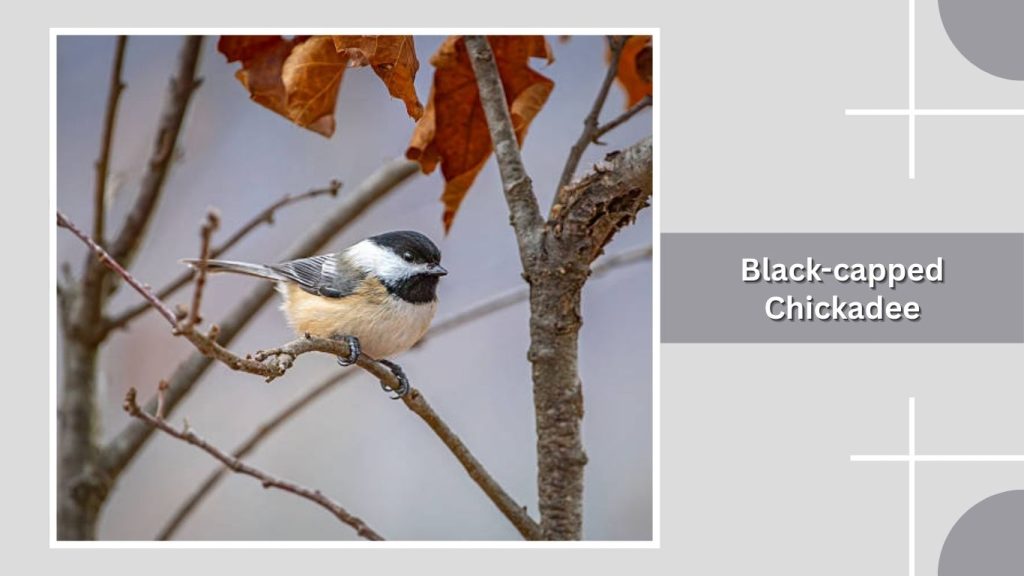
The Black-capped Chickadee is a small, active songbird known for its curiosity and distinctive calls. Although not entirely black, it has strong black-and-brown contrast on the head, making it a familiar and easily recognized bird across its range.
Identification
- Black cap and bib on the head and throat
- White cheeks with soft brownish-gray sides
- Gray wings and back
- Short neck and rounded body
- Length: about 5–6 inches
Habitat
Black-capped Chickadees inhabit deciduous and mixed forests, woodlands, parks, and suburban gardens. They readily adapt to human presence.
Diet
Their diet includes insects, spiders, seeds, berries, and nuts. They are frequent visitors to bird feeders, especially in winter.
Behavior
These birds are energetic and social, often seen in small flocks. They are known for caching food and for their recognizable “chick-a-dee-dee-dee” call.
Range
The species is widespread across northern North America, including Canada, the northern United States, and parts of Alaska.
3. Black-headed Grosbeak
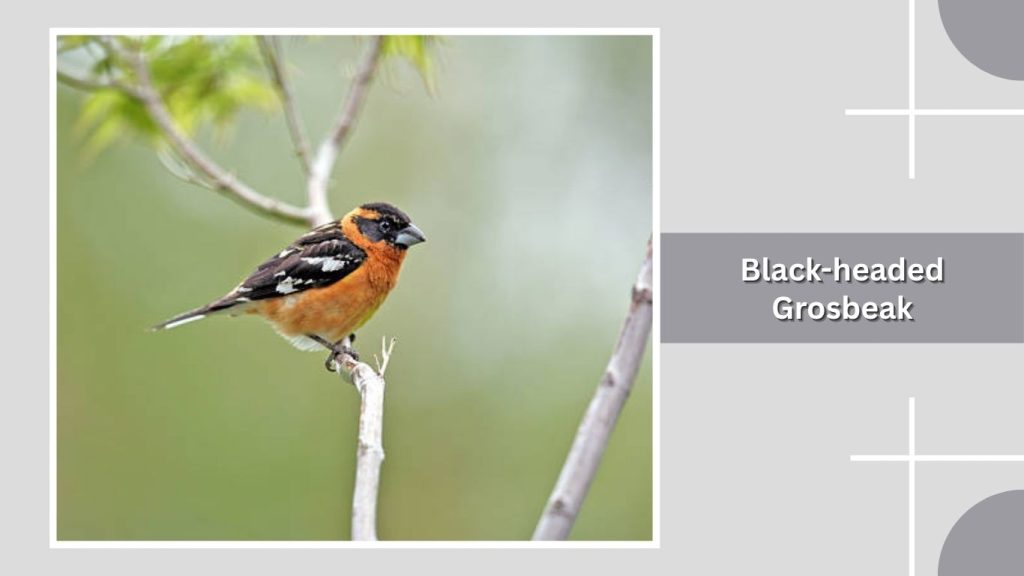
The Black-headed Grosbeak is a colorful, medium-sized songbird with a bold appearance and a rich, musical voice. Males show a striking contrast between their black upperparts and warm brownish-orange head and underparts, making them easy to spot during the breeding season.
Identification
- Adult male with black back and wings
- Large brownish-orange head and chest
- White patches on wings visible in flight
- Thick, pale conical bill
- Length: about 7–8 inches
Habitat
Black-headed Grosbeaks are commonly found in deciduous woodlands, forest edges, riparian areas, and well-wooded suburban neighborhoods.
Diet
They feed on insects, seeds, fruits, and berries. During summer, insects make up a large portion of their diet.
Behavior
These birds are often heard before they are seen, thanks to their rich, robin-like song. They are generally calm and slow-moving compared to other songbirds.
Range
Their breeding range spans western North America, while they migrate to Mexico and Central America during the winter.
4. Black-headed Gull
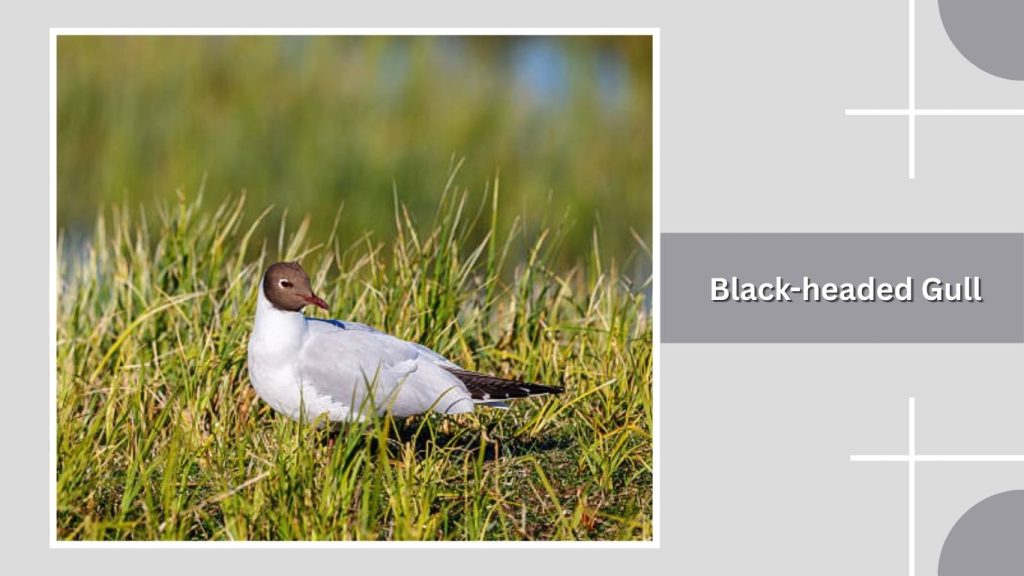
The Black-headed Gull is a graceful, medium-sized gull that changes appearance with the seasons. During the breeding season, it shows a dark chocolate-brown head contrasting with its pale body, making it distinctive among gulls.
Identification
- Breeding adult with dark brown head
- White body with light gray wings
- Red bill and red legs
- Black tips on wings with white markings
- Length: about 14–15 inches
Habitat
Black-headed Gulls are commonly found near lakes, rivers, wetlands, coastal areas, farmland, and urban environments, especially where food is readily available.
Diet
They are omnivorous and opportunistic, feeding on insects, fish, small invertebrates, scraps, and agricultural leftovers.
Behavior
This species is highly social and often seen in large flocks. It is agile in flight and frequently follows plows or gathers around human activity for food.
Range
Black-headed Gulls are widespread across Europe and Asia, with some populations migrating to coastal and inland waters in warmer regions during winter.
5. Black-headed Ibis
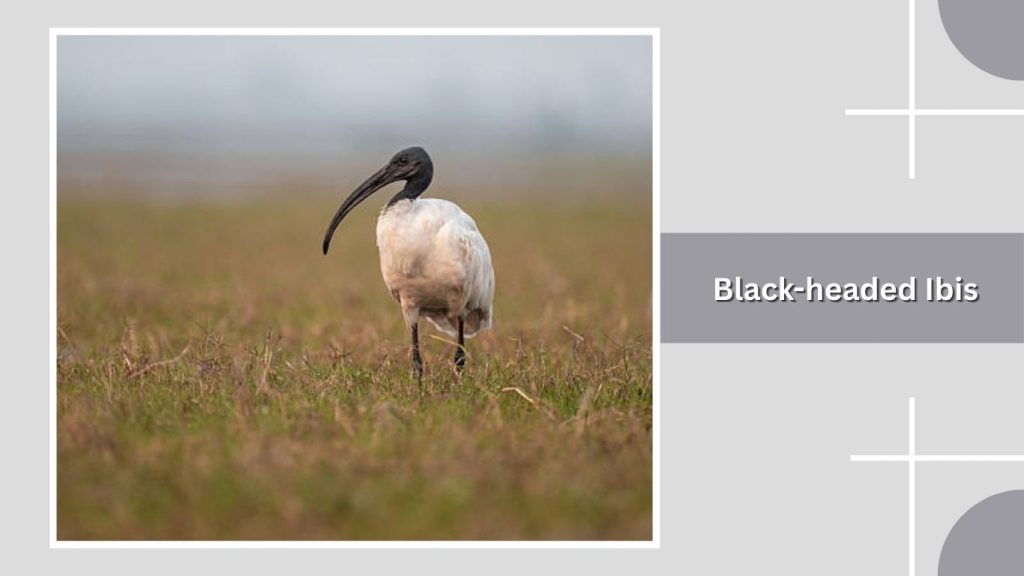
The Black-headed Ibis is a large, elegant wading bird recognized by its contrasting dark head and pale body. It is often seen foraging slowly in shallow wetlands and open fields, standing out due to its size and long, curved bill.
Identification
- Bare black head and neck
- Whitish body with darker wing tips
- Long, down-curved black bill
- Long legs adapted for wading
- Length: about 27–30 inches
Habitat
Black-headed Ibises inhabit wetlands, marshes, riverbanks, flooded fields, lakeshores, and agricultural areas, especially near water.
Diet
Their diet mainly includes insects, crustaceans, mollusks, small fish, frogs, and other aquatic organisms picked from shallow water or soft ground.
Behavior
They are usually seen alone or in small groups, feeding methodically. During breeding season, they may gather in colonies near wetlands.
Range
This species is found across South and Southeast Asia, parts of East Asia, and northern Australia.
6. Black-headed Oriole
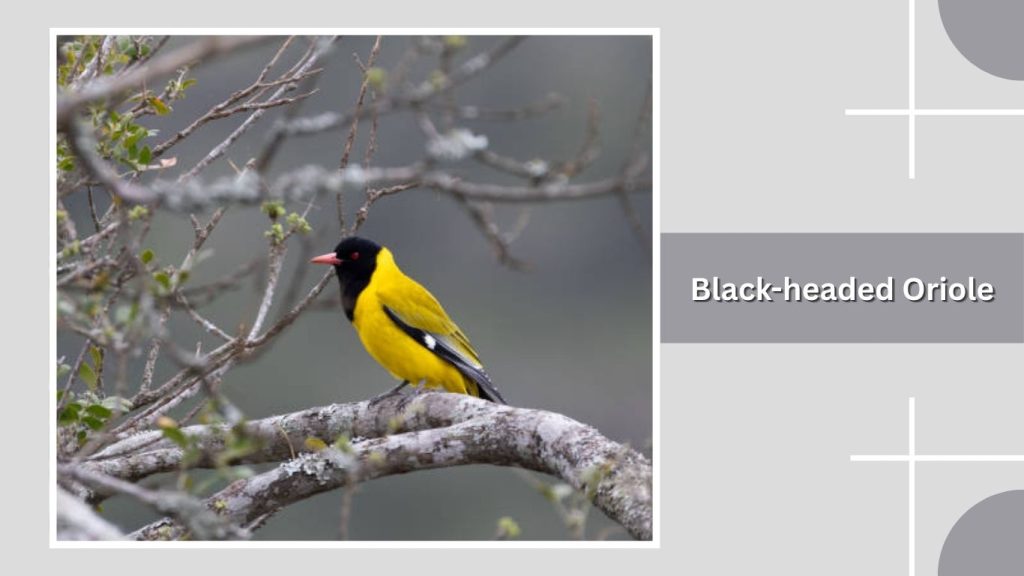
The Black-headed Oriole is a striking, medium-sized songbird known for its bright yellow body and contrasting dark head. Its loud, flute-like calls and bold colors make it easy to notice, especially during the breeding season. Several closely related species share this common name across Asia.
Identification
- Black or very dark brown head and throat
- Bright yellow body and underparts
- Black wings with yellow patches
- Strong, slightly curved reddish bill
- Length: about 9–10 inches
Habitat
Black-headed Orioles favor open woodlands, forest edges, groves, orchards, gardens, and urban parks. They are often seen high in tree canopies.
Diet
They mainly feed on fruits, berries, nectar, and insects. Their diet shifts seasonally, with more insects consumed during breeding months.
Behavior
These birds are usually solitary or found in pairs. They are active foragers and are well known for weaving neat, hanging nests suspended from tree branches.
Range
Black-headed Orioles are widely distributed across South Asia, Southeast Asia, and parts of East Asia, depending on the species.
7. Black-headed Weaver
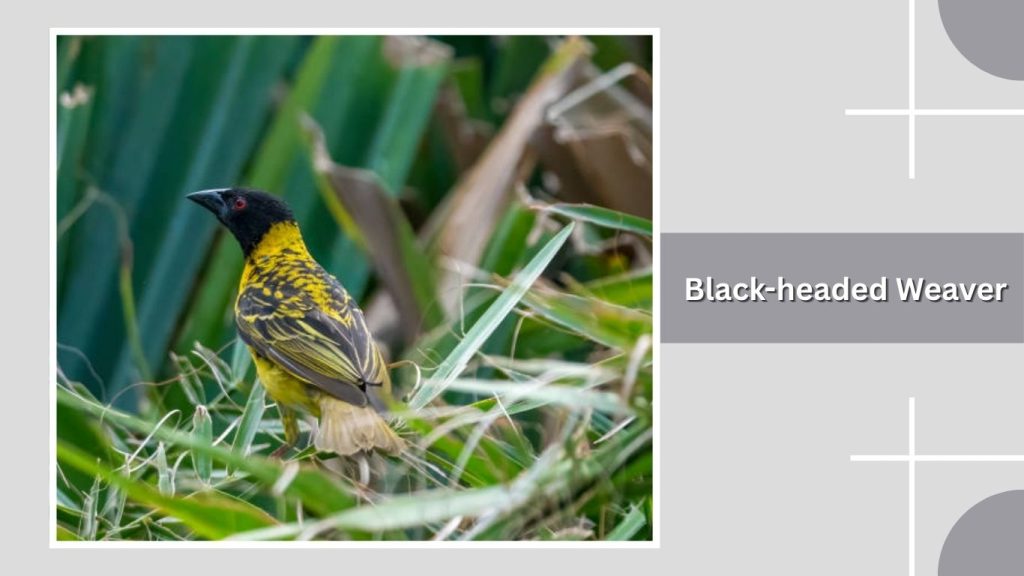
The Black-headed Weaver is a small, energetic bird famous for its elaborate nest-building skills. Males develop a dark brown to black head during the breeding season, contrasting with their bright yellow body, which makes them highly noticeable in colonies.
Identification
- Breeding male with black to dark brown head
- Bright yellow body and underparts
- Black wings with pale edging
- Short, conical bill
- Length: about 5–6 inches
Habitat
Black-headed Weavers are commonly found in grasslands, wetlands, farmlands, riverbanks, and open woodland areas, often close to water.
Diet
Their diet consists mainly of seeds and grains, along with insects such as beetles, caterpillars, and grasshoppers, especially during breeding season.
Behavior
This species is highly social and nests in large colonies. Males build multiple woven nests to attract females, displaying strong territorial behavior during nesting.
Range
They are widely distributed across sub-Saharan Africa and parts of the Middle East.
8. Black-headed Bunting
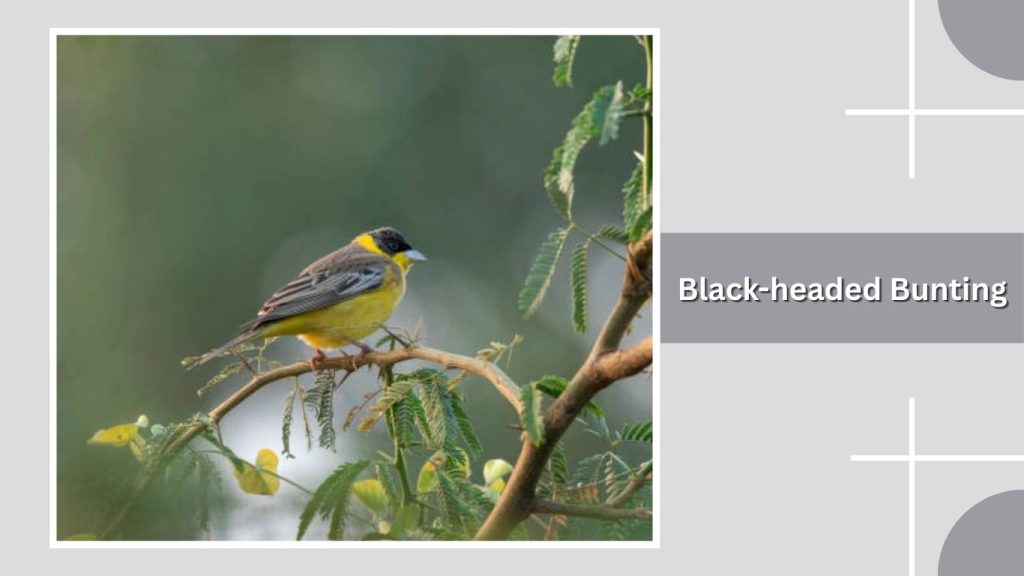
The Black-headed Bunting is a brightly colored passerine known for its bold head pattern and pleasant song. Males show a striking dark head that contrasts with their warm yellow body, making them easy to identify during the breeding season.
Identification
- Adult male with black to dark brown head
- Bright yellow underparts and breast
- Olive-yellow back and wings
- Short, conical bunting bill
- Length: about 6–7 inches
Habitat
Black-headed Buntings inhabit open woodlands, scrublands, agricultural fields, forest edges, and lightly wooded countryside.
Diet
They feed mainly on seeds and grains, but insects become an important part of the diet during the breeding season.
Behavior
These birds are usually seen alone or in pairs. Males sing from exposed perches during breeding season to defend territory and attract mates.
Range
The species breeds in parts of southeastern Europe and western Asia and migrates to South Asia during winter.
9. Black-headed Jay
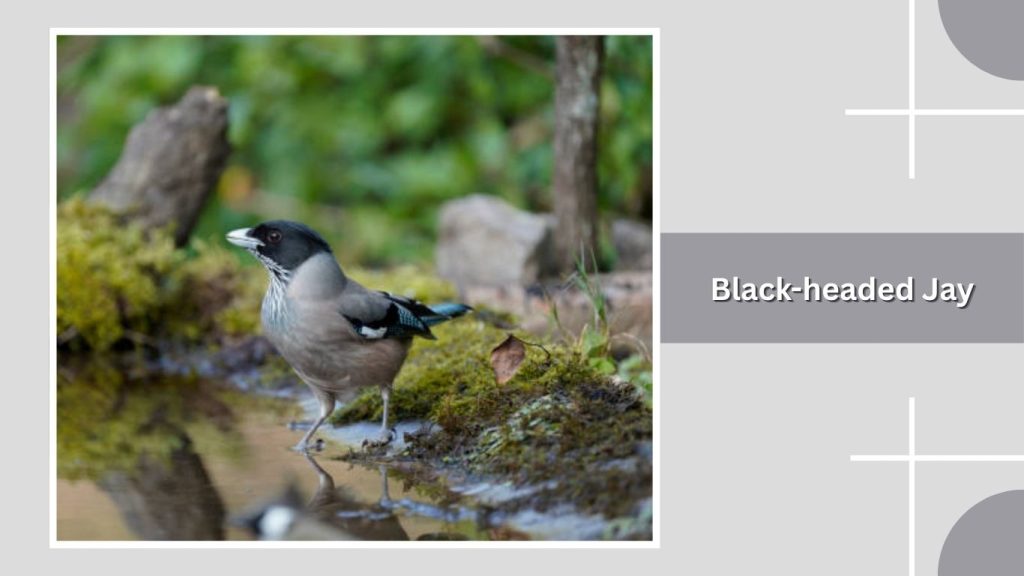
The Black-headed Jay is a bold, intelligent corvid with striking head coloration and a strong social presence. Its dark head contrasts with a lighter body, giving it a distinctive look among jays and making it easy to recognize in its native range.
Identification
- Black to dark brown head and crest
- Pale gray to brown body
- Blue and black barred wings
- Strong black bill
- Length: about 10–11 inches
Habitat
Black-headed Jays are found in open woodlands, pine–oak forests, forest edges, and mountainous regions. They often stay in areas with mixed tree cover.
Diet
They are omnivorous, feeding on insects, fruits, seeds, nuts, small reptiles, and occasionally eggs or nestlings.
Behavior
Highly vocal and alert, these jays often move in small family groups. They are known for caching food and giving loud alarm calls when disturbed.
Range
This species is native to Central America, particularly in parts of Mexico, Guatemala, and Honduras.
10. Black-headed Penduline Tit
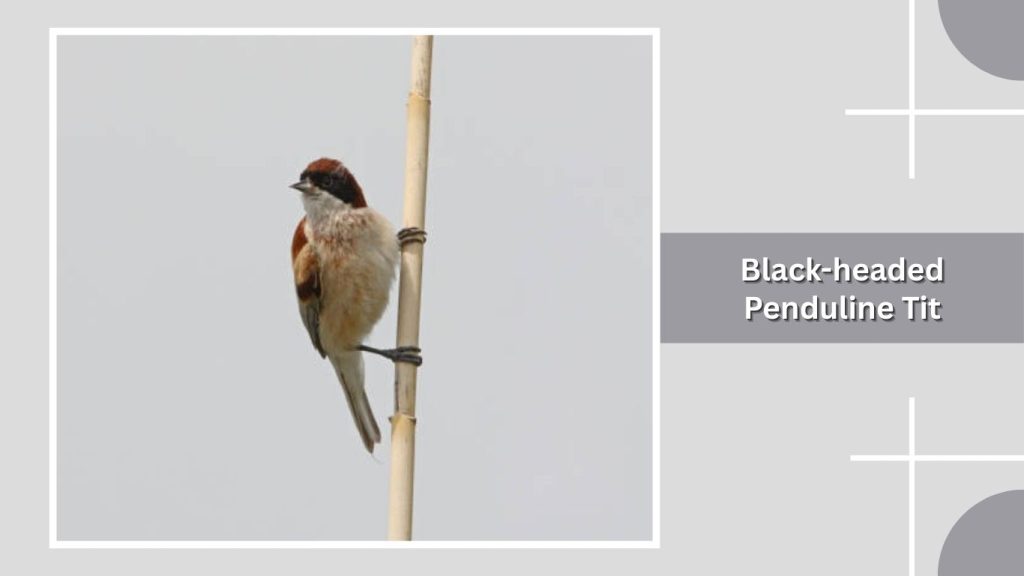
The Black-headed Penduline Tit is a small, delicate songbird admired for its intricate nest construction. Its dark head contrasts with a pale body, and it is often noticed near water bodies where it forages quietly among reeds and shrubs.
Identification
- Black head and face mask
- Pale gray to buff body
- Short, pointed bill
- Long tail relative to body size
- Length: about 4–5 inches
Habitat
This species prefers wetlands, reed beds, riverbanks, marshes, and lakesides with nearby trees or shrubs for nesting.
Diet
Its diet consists mainly of insects and spiders, supplemented with seeds during colder months.
Behavior
Black-headed Penduline Tits are best known for building elaborate, pouch-shaped hanging nests made from plant fibers, down, and spider silk.
Range
They are found across parts of eastern Europe, Central Asia, and western Asia, with some populations migrating seasonally.
11. Black-headed Heron
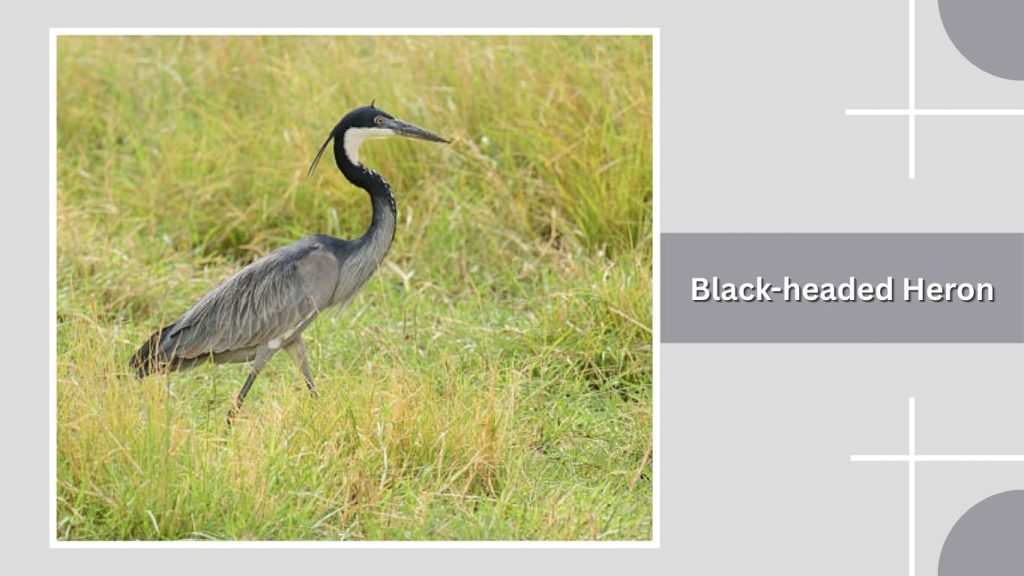
The Black-headed Heron is a tall, graceful wading bird with a contrasting dark head and pale gray body. It is commonly seen standing motionless near water as it waits to strike at prey.
Identification
- Black to dark gray head and crest
- Pale gray body and wings
- Long yellowish legs
- Long, sharp bill
- Length: about 24–26 inches
Habitat
This heron inhabits wetlands, marshes, lakeshores, rivers, flooded grasslands, and sometimes urban areas such as golf courses and parks.
Diet
It feeds mainly on fish, frogs, insects, crustaceans, and small reptiles, catching prey with quick, precise strikes.
Behavior
Usually solitary or seen in small groups, Black-headed Herons are patient hunters and often remain still for long periods while foraging.
Range
The species is widespread across sub-Saharan Africa and parts of Madagascar.
12. Black-headed Munia
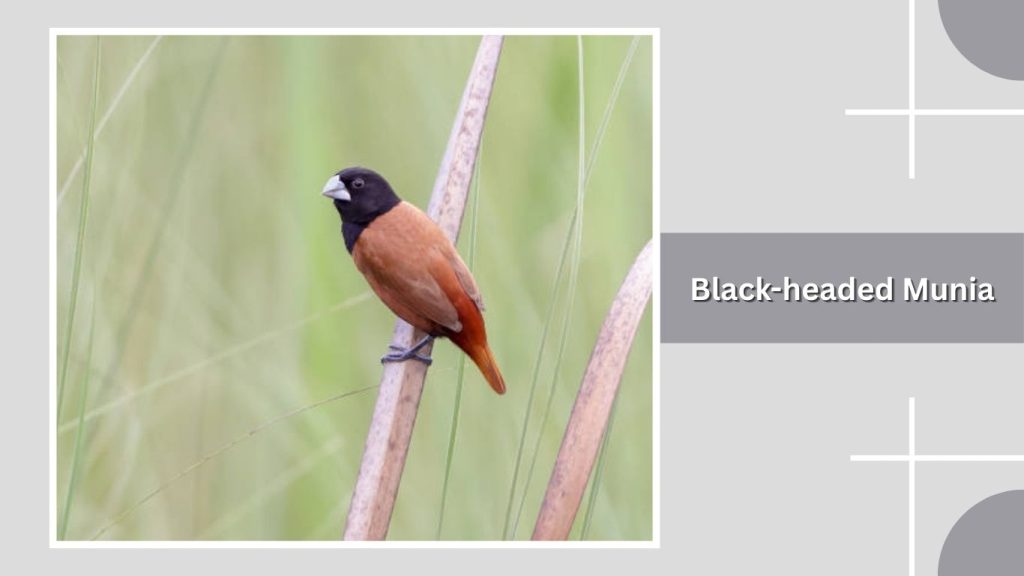
The Black-headed Munia is a small, sociable finch known for its neat appearance and calm behavior. Its dark head contrasts with a warm brown body, making it a charming and easily recognizable bird in open landscapes.
Identification
- Black to dark brown head
- Rich brown body and wings
- Short, thick bluish-gray bill
- Compact body with short tail
- Length: about 4–5 inches
Habitat
Black-headed Munias are commonly found in grasslands, agricultural fields, open scrub, wetlands, and areas with tall grasses, often near water sources.
Diet
They primarily feed on grass seeds and grains. During the breeding season, small insects may also be consumed.
Behavior
Highly social, these birds are often seen in flocks, especially outside the breeding season. They move quietly through grasses and reeds while feeding.
Range
This species is distributed across South Asia and Southeast Asia, including India, Sri Lanka, Nepal, and surrounding regions.
13. Black-headed Canary
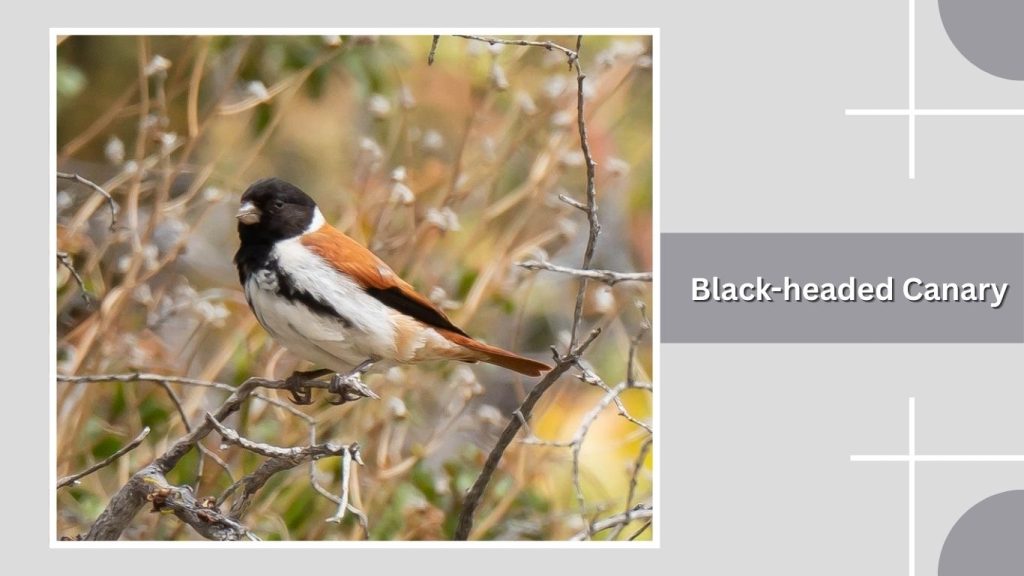
The Black-headed Canary is a small, brightly colored songbird admired for its contrasting head pattern and pleasant vocalizations. Its dark head paired with a lighter body gives it a distinctive appearance among canaries.
Identification
- Black to dark brown head
- Yellow to yellow-green body
- Dark wings with lighter edging
- Short, conical bill
- Length: about 5–6 inches
Habitat
This species inhabits open woodlands, savannas, scrublands, grasslands, and cultivated areas, often near human settlements.
Diet
Black-headed Canaries mainly feed on seeds and grasses, supplemented with insects, especially during the breeding season.
Behavior
They are active and alert birds, usually seen alone or in pairs. Males are known for their clear, melodious songs, particularly during courtship.
Range
Black-headed Canaries are native to parts of sub-Saharan Africa, where they occur in suitable open habitats.
14. Black-headed Trinchet
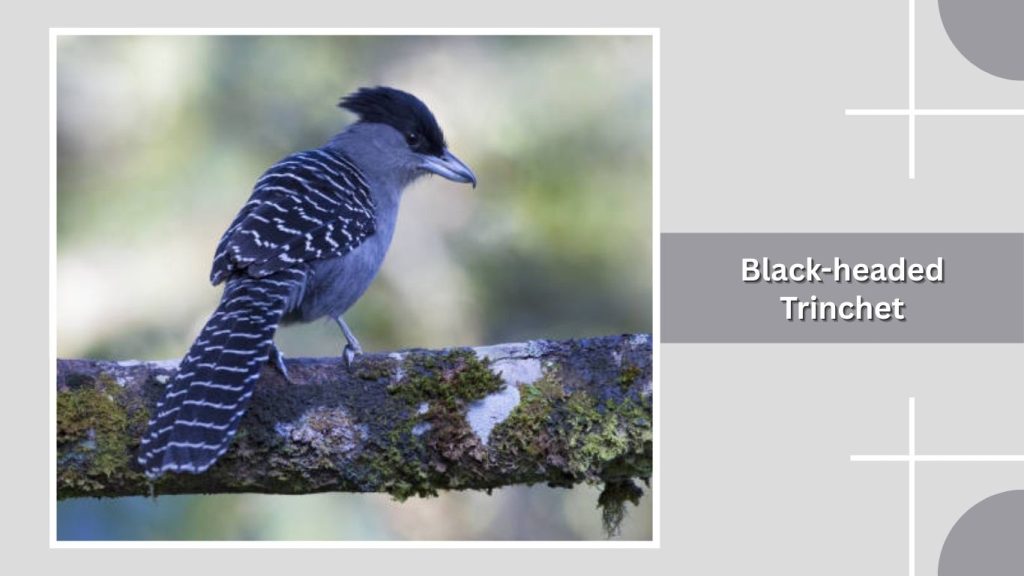
The Black-headed Trinchet is a small, sparrow-like bird with a sharp facial pattern and energetic behavior. Its dark head contrasts with lighter underparts, giving it a crisp, well-defined look in open habitats.
Identification
- Black head and throat
- White to pale gray underparts
- Brownish upperparts with streaking
- Slender, pointed bill
- Length: about 4–5 inches
Habitat
This species prefers open grasslands, scrubby fields, dry plains, and agricultural areas, often avoiding dense forests.
Diet
It feeds mainly on insects and small invertebrates, with seeds added to the diet depending on seasonal availability.
Behavior
Black-headed Trinchets are active and alert, frequently perching on low shrubs or grasses. They often forage close to the ground and are quick, darting fliers.
Range
The species is found across parts of South Asia, particularly in India, Pakistan, and Sri Lanka.
15. Black-headed Parrot
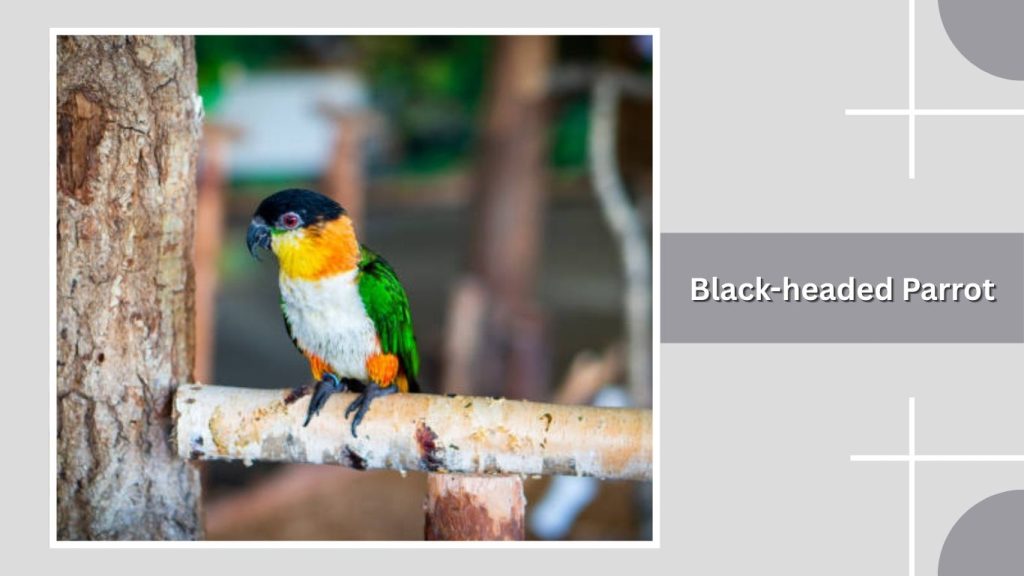
The Black-headed Parrot is a medium-sized, colorful parrot known for its calm demeanor and distinctive dark head. Its combination of green body plumage and contrasting head makes it stand out among Neotropical parrots.
Identification
- Black to dark brown head
- Bright green body and wings
- Pale eye ring
- Strong, curved gray bill
- Length: about 9–10 inches
Habitat
Black-headed Parrots inhabit tropical rainforests, forest edges, woodland clearings, and savannas, often near rivers or palm-rich areas.
Diet
Their diet mainly consists of fruits, seeds, nuts, berries, and blossoms. They frequently feed in the forest canopy.
Behavior
These parrots are usually seen in pairs or small groups. They are relatively quiet compared to other parrots and fly swiftly between feeding sites.
Range
The species is native to northern South America, including Venezuela, the Guianas, and northern Brazil.
FAQs
What makes a black bird with a brown head easy to identify?
The strong color contrast between a dark (black) body and a brown or dark head is the key feature. Size, bill shape, habitat, and behavior further help narrow down the exact species.
Are all black birds with brown heads closely related?
No. These birds belong to different families, including blackbirds, buntings, weavers, gulls, herons, and parrots. Similar coloring evolved independently in many groups.
Do males and females look the same in these birds?
In many species, males have more striking black-and-brown head patterns, while females are duller or lack the strong contrast. However, some species show little difference between sexes.
Where are black birds with brown heads most commonly found?
They are found worldwide, including North America, Europe, Africa, Asia, and South America, depending on the species and habitat preferences.
Can black birds with brown heads change color by season?
Yes. Some species, such as gulls and weavers, show seasonal plumage changes, with darker or browner heads appearing mainly during the breeding season.