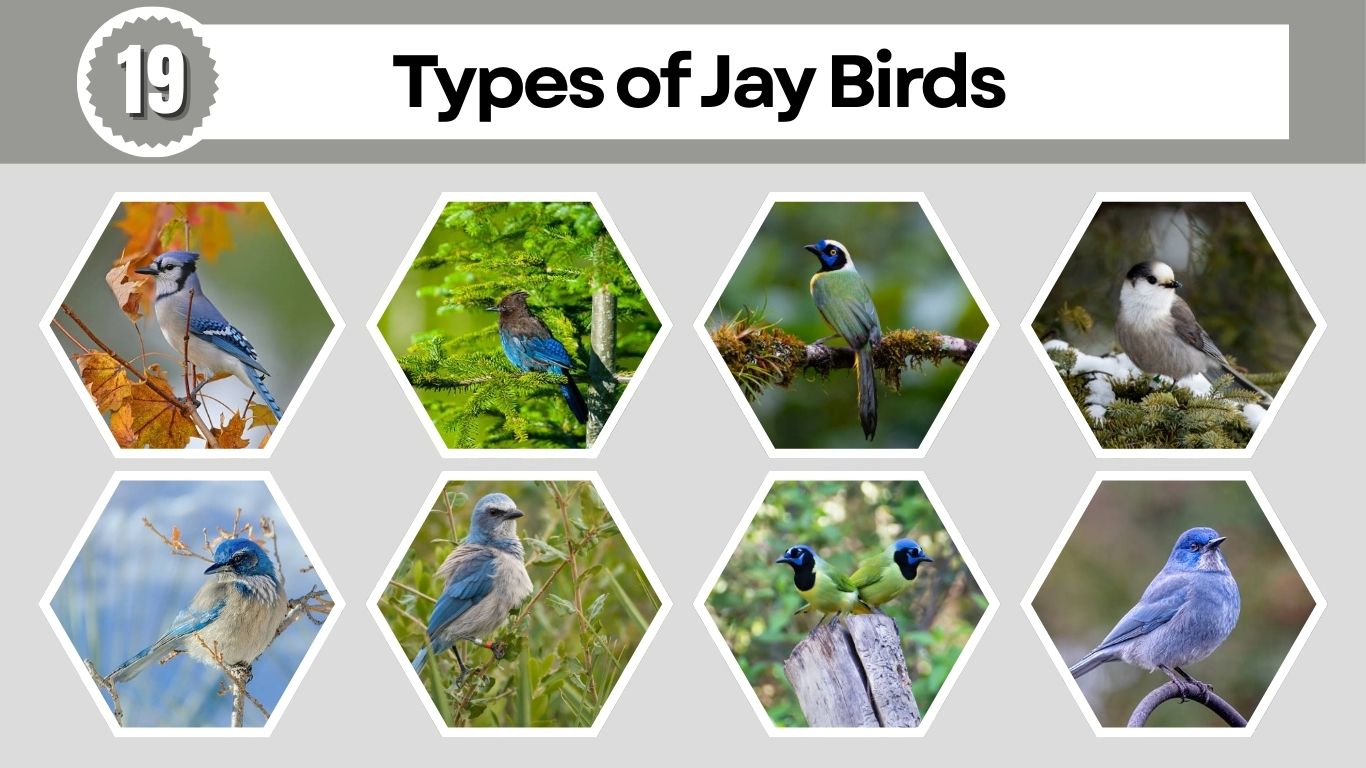
Jay birds are colorful, intelligent members of the crow family known for their bold behavior, loud calls, and remarkable problem-solving abilities. They are found across North America, Europe, Asia, and Central and South America, living in habitats that range from cold boreal forests to tropical rainforests. Some jays are famous for their bright blue feathers and crests, while others stand out for their social lifestyles and food-caching habits. In this guide, you’ll explore 19 different types of jay birds and what makes each one unique.
1. Blue Jay (Cyanocitta cristata)
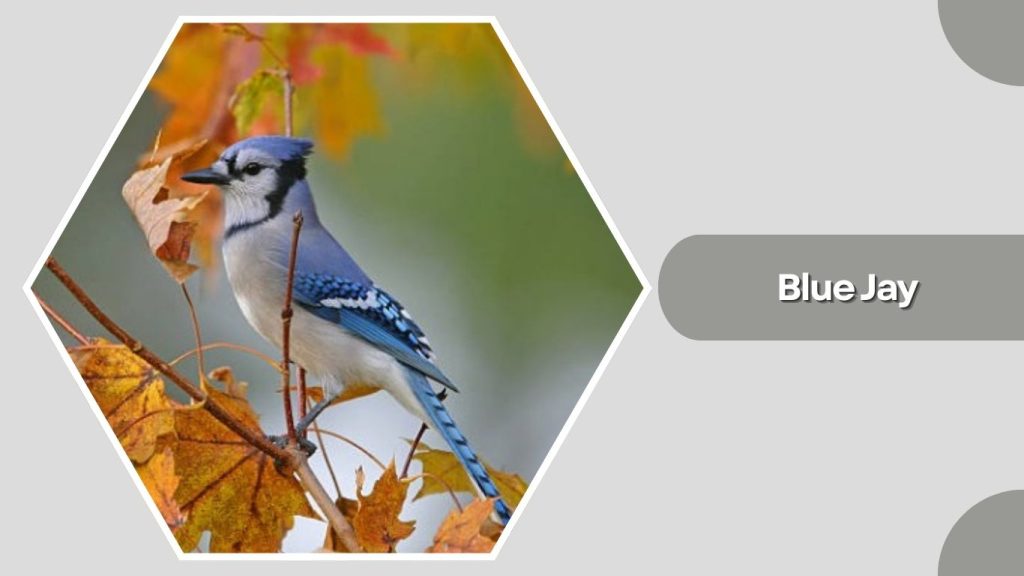
The Blue Jay is one of the most recognizable jay species in North America, famous for its bright blue feathers, bold crest, and loud, expressive calls. It is highly intelligent and adaptable, commonly seen in forests, suburbs, and city parks. Blue Jays are also well known for their ability to mimic hawk calls and their complex social behavior.
Identification
- Bright blue upperparts with black and white markings
- White face and underparts with a black neck “collar”
- Prominent blue crest on the head
- Strong black bill and dark eyes
- Medium-sized body, about 22–30 cm long
Habitat
Blue Jays live in a wide range of environments, including deciduous and mixed forests, woodland edges, suburban neighborhoods, and city parks. They prefer areas with oak trees, which provide both nesting sites and an important food source.
Diet
They are omnivorous birds that eat acorns, nuts, seeds, fruits, insects, spiders, small vertebrates, and occasionally eggs. Blue Jays are famous for storing food, especially acorns, which helps spread oak trees.
Behavior
Blue Jays are social, vocal, and highly intelligent. They often form family groups, aggressively mob predators, and use a wide variety of calls. Their ability to imitate hawks is thought to help warn other birds or scare rivals away from food sources.
2. Steller’s Jay (Cyanocitta stelleri)
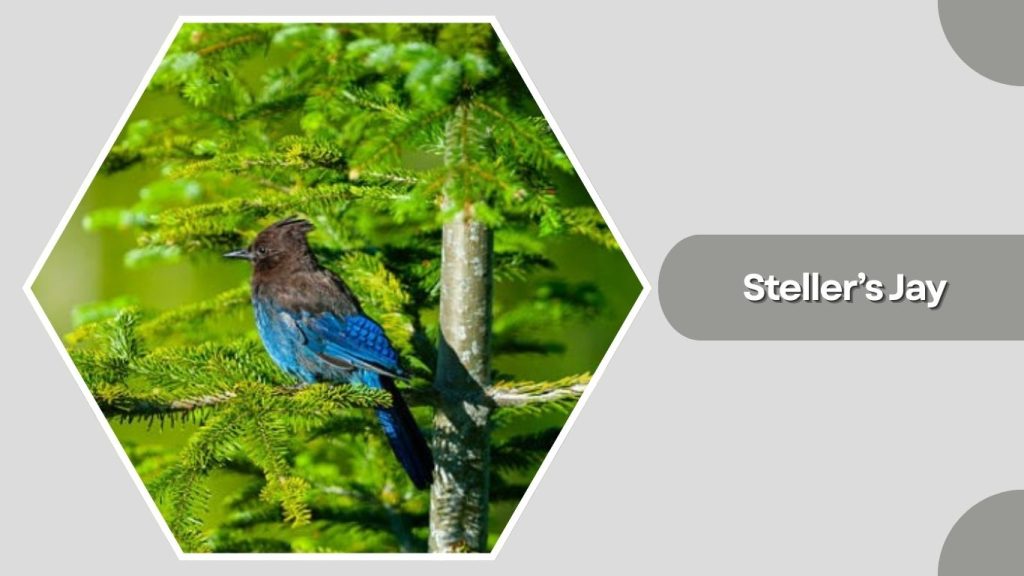
Steller’s Jay is a bold, crested jay of western North America, easily recognized by its deep blue body and black head. It is highly intelligent, curious, and often seen near campgrounds and forest edges, where it confidently approaches humans for food.
Identification
- Black head and upper chest with tall pointed crest
- Deep blue wings, tail, and lower body
- Long, strong black bill
- White or pale blue markings on the forehead (varies by region)
- Medium-sized jay with a long tail
Habitat
Steller’s Jays live mainly in coniferous and mixed forests, especially in mountainous regions. They are also common in forest edges, campgrounds, and wooded suburbs.
Diet
They are omnivorous, feeding on insects, nuts, seeds, berries, eggs, small animals, and human food scraps. Pine seeds and acorns are especially important seasonal foods.
Behavior
Steller’s Jays are noisy, alert, and highly territorial. They are excellent mimics and often imitate hawks. Pairs usually stay together year-round and aggressively defend feeding and nesting areas.
3. Eurasian Jay (Garrulus glandarius)
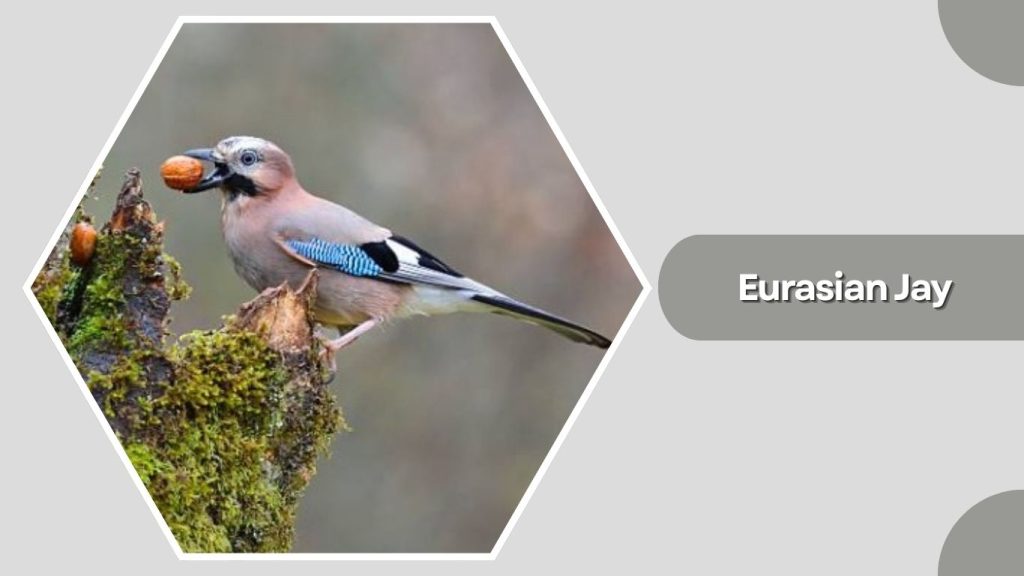
The Eurasian Jay is a colorful woodland jay found across Europe, North Africa, and Asia. It is known for its soft pinkish-brown body, bright blue wing patches, and secretive forest behavior.
Identification
- Pinkish-brown body with black tail
- Bright blue and black barred wing patch
- White rump visible in flight
- Black “moustache” stripe on the face
- Short, rounded wings and sturdy bill
Habitat
Eurasian Jays mainly inhabit deciduous and mixed forests, especially oak woodlands. They are also found in large gardens, parks, and forest edges.
Diet
They feed on acorns, nuts, seeds, berries, insects, small vertebrates, and eggs. Acorns are a key food source, and they store thousands each year.
Behavior
Eurasian Jays are intelligent but often shy birds. They are excellent food hoarders, strong mimics, and loud alarm callers, frequently warning other forest animals of predators.
4. Green Jay (Cyanocorax yncas)
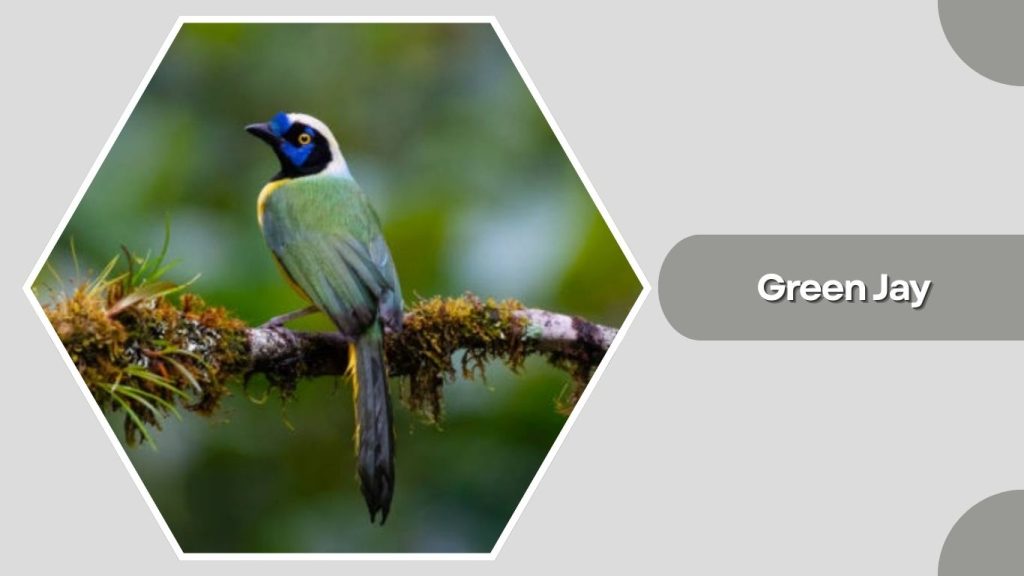
The Green Jay is one of the most colorful jay species, known for its bright green, blue, yellow, and black plumage. It is native to southern Texas, Mexico, and Central America, where it lives in warm forests and scrublands.
Identification
- Bright green back, wings, and tail
- Black head with blue crown and facial markings
- Yellow belly and undertail area
- Strong black bill and dark eyes
- Medium-sized jay with a long tail
Habitat
Green Jays inhabit thorn forests, tropical woodlands, forest edges, and scrubby areas. They prefer warm climates and are often seen moving through dense vegetation in small family groups.
Diet
They are omnivorous, feeding on insects, spiders, fruits, berries, seeds, small reptiles, eggs, and nestlings. Their varied diet helps them survive seasonal changes in food availability.
Behavior
Green Jays are highly social and usually live in cooperative family groups. They are noisy, intelligent, and known for helping relatives raise young and defend territories together.
5. Canada Jay (Perisoreus canadensis)
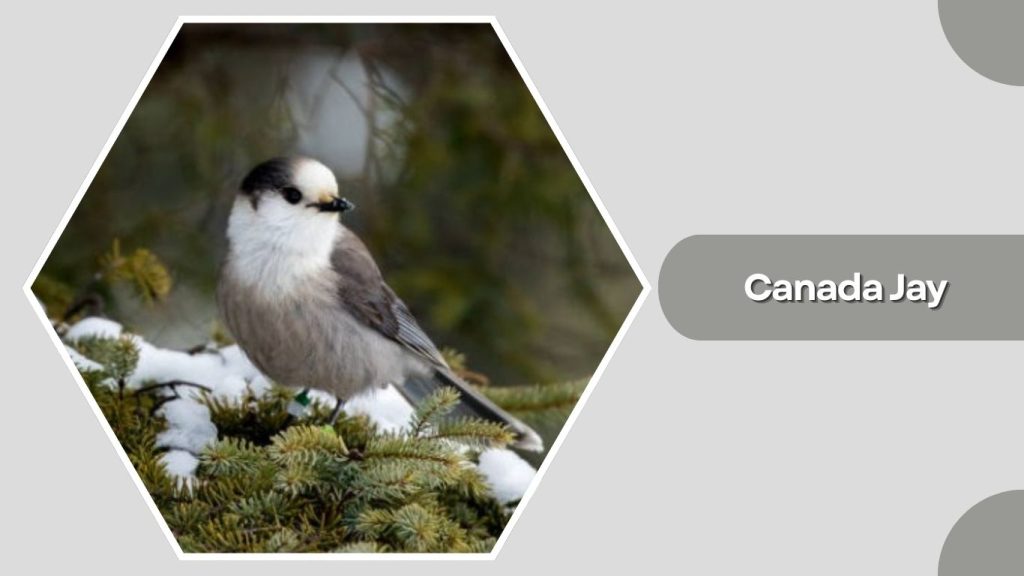
The Canada Jay, also called the Gray Jay or Whisky Jack, is a hardy northern forest bird famous for its fearless nature and friendly behavior around humans. It is found across boreal forests of North America.
Identification
- Soft gray body with paler underparts
- White to pale gray face and forehead
- Darker gray nape forming a “hood”
- Short, thick black bill
- Fluffy appearance with rounded wings
Habitat
Canada Jays live mainly in boreal coniferous forests, especially spruce and fir woodlands. They are strongly associated with cold climates and remote forested regions.
Diet
They eat insects, berries, seeds, fungi, carrion, and scraps from human camps. Canada Jays are famous for storing sticky food caches on tree bark to survive harsh winters.
Behavior
Canada Jays are curious, bold, and highly intelligent. They form long-term pairs, defend year-round territories, and rely heavily on food caching to breed successfully in late winter.
6. California Scrub-Jay (Aphelocoma californica)

The California Scrub-Jay is a bright blue and gray jay found along the western coast of North America. Unlike many jays, it lacks a crest and is well known for its bold personality and strong memory for food storage.
Identification
- Bright blue head, wings, and tail
- Soft gray back and pale underparts
- Distinct blue “necklace” band across chest
- Long tail and straight black bill
- No crest on the head
Habitat
This species inhabits oak woodlands, chaparral, suburban gardens, parks, and forest edges. It thrives in both natural and human-modified environments.
Diet
California Scrub-Jays eat acorns, nuts, seeds, berries, insects, small animals, and eggs. They are famous for caching thousands of acorns each year.
Behavior
They are intelligent, territorial birds with excellent memory. California Scrub-Jays are known to watch other birds and re-hide their food if they think it has been seen.
7. Woodhouse’s Scrub-Jay (Aphelocoma woodhouseii)
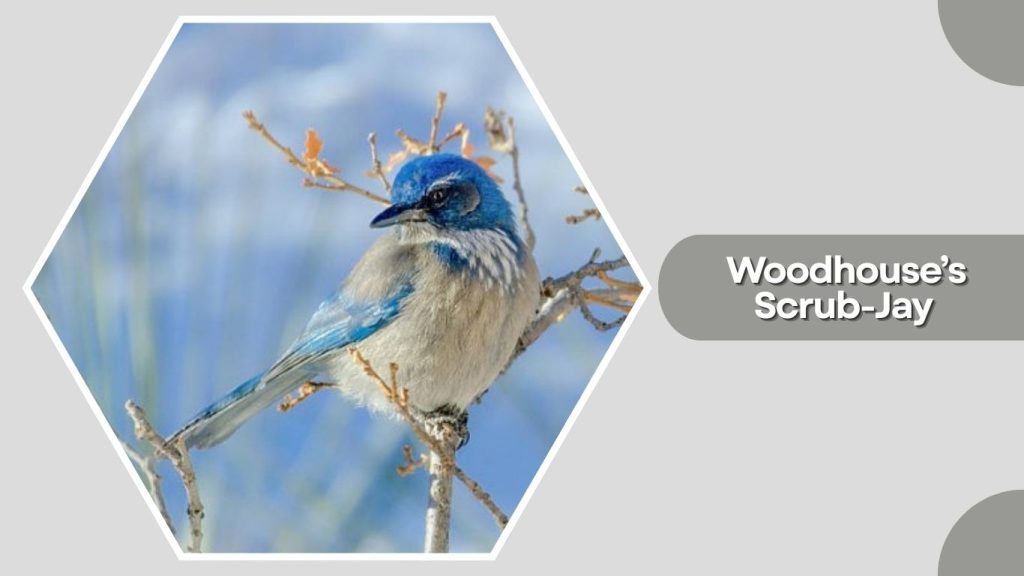
Woodhouse’s Scrub-Jay is a pale blue and gray jay found in the interior western United States. It was once grouped with the California Scrub-Jay but is now recognized as a separate species.
Identification
- Pale blue head, wings, and tail
- Grayish-brown back and pale throat
- Thin blue chest band
- Long tail and slender black bill
- No crest
Habitat
They live in pinyon-juniper woodlands, open forests, desert scrub, and foothills. They prefer dry, open habitats with scattered trees.
Diet
Their diet includes acorns, pine nuts, seeds, insects, berries, and small animals. Like other scrub-jays, they rely heavily on food caching.
Behavior
Woodhouse’s Scrub-Jays are alert, social, and territorial. They often forage in pairs or small groups and give loud calls to warn others of predators.
8. Florida Scrub-Jay (Aphelocoma coerulescens)
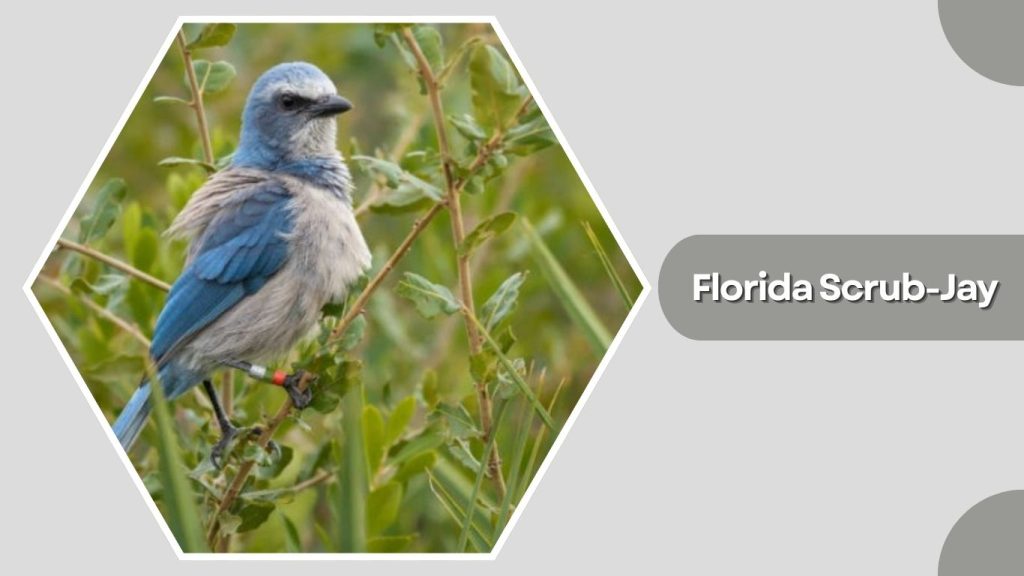
The Florida Scrub-Jay is the only jay species found exclusively in Florida. It is well known for its close association with oak scrub habitats and for its cooperative family living system.
Identification
- Bright blue head, wings, and tail
- Pale gray back and underparts
- No crest on the head
- Strong black bill and long tail
- White eyebrow stripe
Habitat
Florida Scrub-Jays live only in Florida’s scrubby oak ecosystems, including sand pine scrub and oak scrublands. They depend on low-growing oaks for food and nesting.
Diet
They eat acorns, insects, spiders, small reptiles, berries, and seeds. Acorns are especially important and are stored for use during winter.
Behavior
They live in family groups where young birds help parents raise new chicks. Florida Scrub-Jays are intelligent, vocal, and strongly territorial.
9. Mexican Jay (Aphelocoma wollweberi)
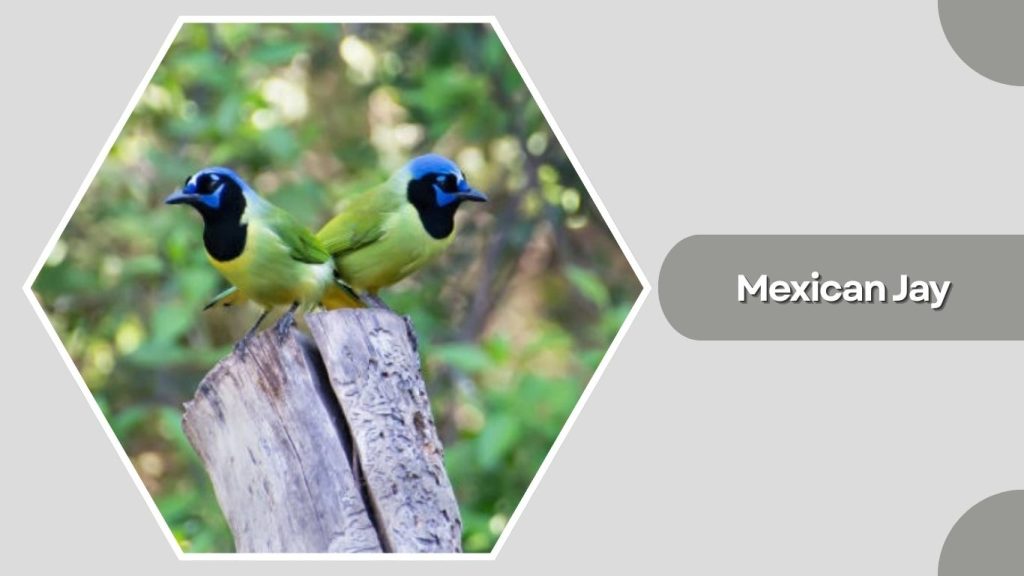
The Mexican Jay is a social, non-crested jay found in the southwestern United States and Mexico. It is known for living in large, cooperative groups and for its soft, gray-blue coloration.
Identification
- Soft blue head, wings, and tail
- Grayish body and pale throat
- Dark eye line and strong black bill
- Long tail with rounded tip
- No crest
Habitat
Mexican Jays inhabit pine-oak woodlands, mountain forests, and canyon slopes. They are strongly tied to oak-rich environments.
Diet
They feed on acorns, pine seeds, insects, fruits, berries, and small animals. They cache food heavily, especially acorns.
Behavior
Mexican Jays are highly social and often live in permanent flocks. Several adults may help defend territory and raise young within a single group.
10. Pinyon Jay (Gymnorhinus cyanocephalus)
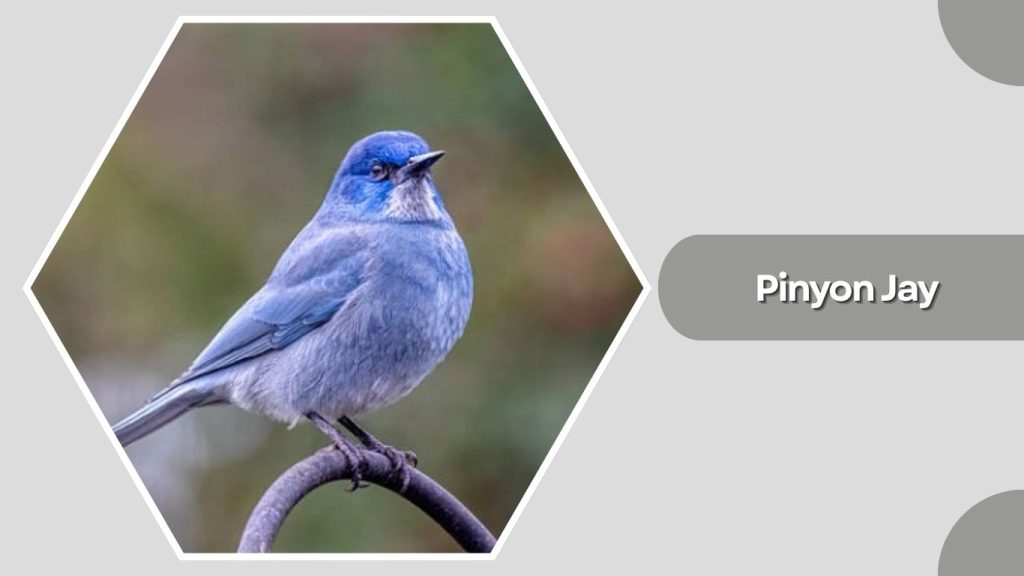
The Pinyon Jay is a pale blue, highly social jay specialized for life in pinyon pine forests. It is found in the western United States, where its survival is closely tied to pinyon pine seeds.
Identification
- Pale bluish-gray body overall
- Slightly darker head with faint mask
- Strong, pointed black bill
- Shorter tail compared to many jays
- No crest
Habitat
Pinyon Jays live almost entirely in pinyon-juniper woodlands. Large flocks often move together between feeding and nesting areas.
Diet
They mainly eat pinyon pine seeds, along with insects, berries, and grains. They store huge numbers of pine seeds in the soil.
Behavior
Pinyon Jays are extremely social and form large, noisy flocks. They cooperate in nesting and defense and rely heavily on stored seeds.
11. Azure Jay (Cyanocorax caeruleus)
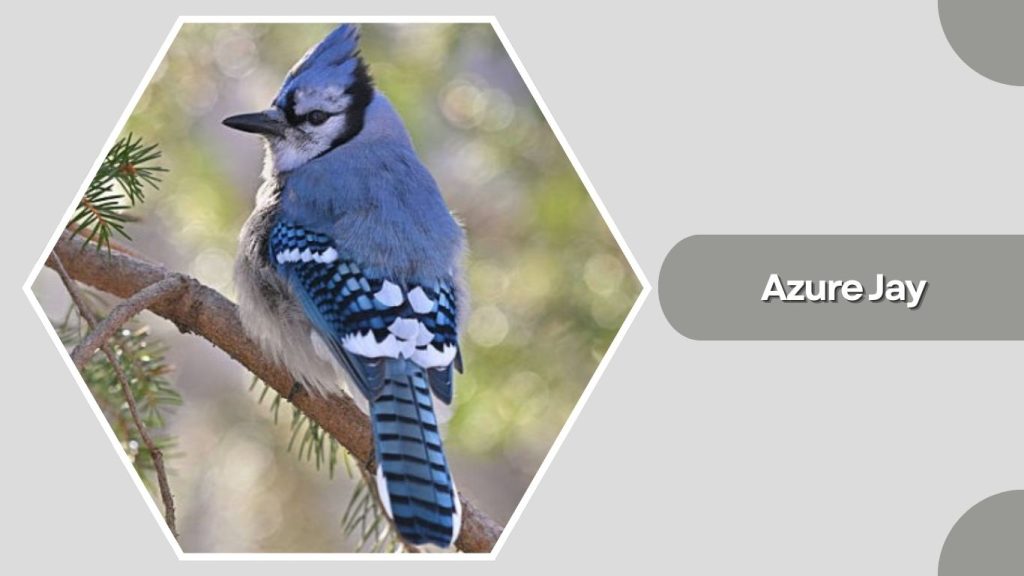
The Azure Jay is a brilliant blue jay native to southern Brazil, Paraguay, and Argentina. It is strongly associated with araucaria pine forests.
Identification
- Bright blue head, wings, and tail
- Black face mask and throat
- Pale bluish underparts
- Strong black bill
- Medium-sized, sturdy body
Habitat
Azure Jays live mainly in subtropical forests, especially araucaria woodlands. They are often seen in small flocks moving through forest canopies.
Diet
They eat pine seeds, fruits, insects, and small animals. Araucaria seeds are a crucial food source.
Behavior
Azure Jays are social and vocal birds. They play an important role in seed dispersal and are known for complex calls and group movements.
12. Black-throated Magpie-Jay (Calocitta colliei)
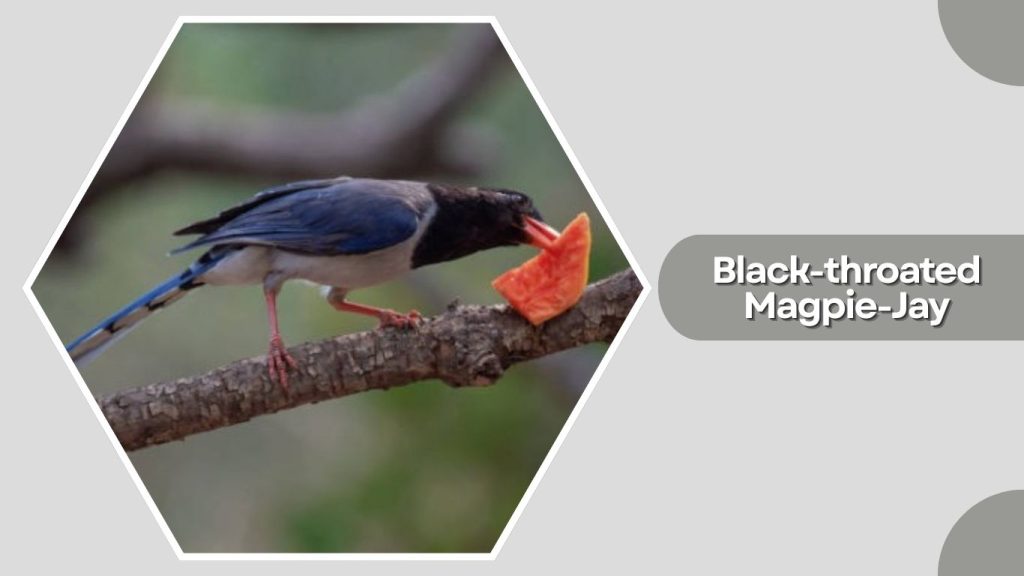
The Black-throated Magpie-Jay is a striking long-tailed jay found along the Pacific coast of western Mexico. It is easily recognized by its elegant crest and dramatic black-and-white coloring.
Identification
- Black throat and upper chest
- White face and underparts
- Blue wings and extremely long blue tail
- Tall black crest on the head
- Strong black bill and long legs
Habitat
This species lives in tropical dry forests, woodland edges, plantations, and coastal regions. It often stays near open areas with scattered trees.
Diet
They feed on insects, fruits, seeds, small reptiles, eggs, and human food scraps. Their opportunistic diet allows them to thrive near villages and farms.
Behavior
Black-throated Magpie-Jays are social and often move in family groups. They are loud, curious, and known for cooperative breeding and nest defense.
13. White-throated Magpie-Jay (Calocitta formosa)
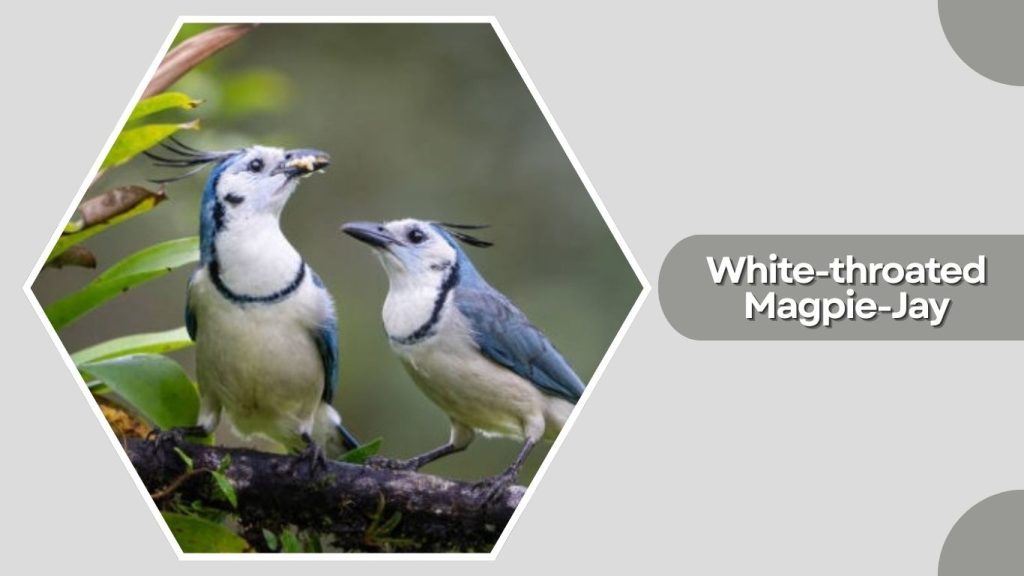
The White-throated Magpie-Jay is a very large, dramatic jay found from Mexico to Central America. Its long tail and tall crest make it one of the most spectacular jays in the world.
Identification
- White throat and underparts
- Black head, chest, and tall crest
- Bright blue wings and very long tail
- Bare pale skin around the eyes
- Very large jay with long legs
Habitat
They inhabit tropical forests, forest edges, open woodlands, farms, and village areas. They are commonly seen in open countryside with trees.
Diet
Their diet includes insects, fruits, seeds, eggs, small vertebrates, and carrion. They often forage both in trees and on the ground.
Behavior
White-throated Magpie-Jays are bold, social birds that often live in noisy groups. They are cooperative breeders, with several birds helping raise chicks.
14. Curl-crested Jay (Cyanocorax cristatellus)
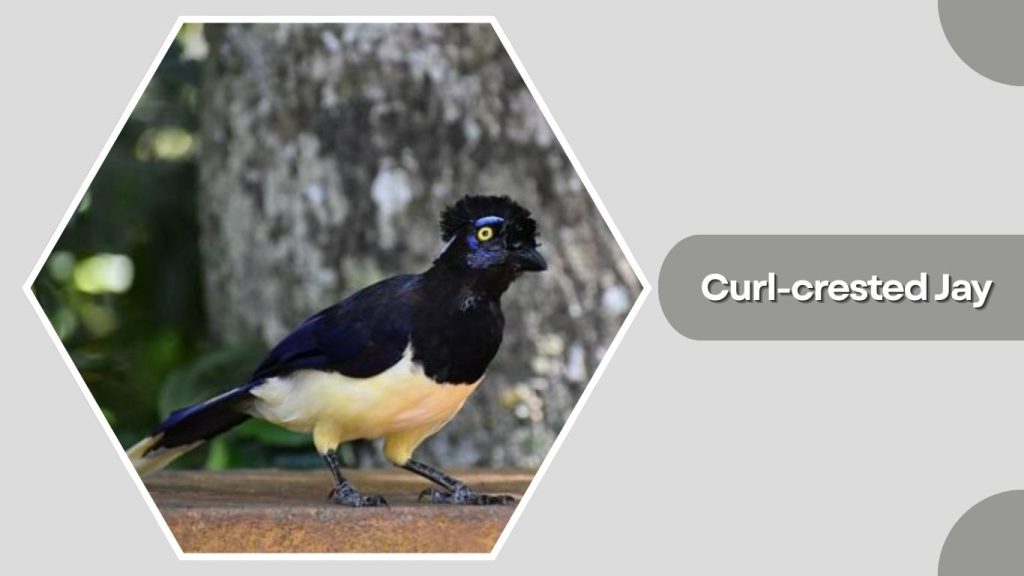
The Curl-crested Jay is a unique-looking jay from central South America, famous for its forward-curling crest feathers. It is a lively, social bird commonly seen in Brazil, Bolivia, and Paraguay.
Identification
- Distinct curled black crest on the forehead
- Deep blue body and wings
- Black face and throat
- Strong black bill
- Medium to large jay body
Habitat
Curl-crested Jays inhabit savannas, woodland edges, gallery forests, and open country with scattered trees. They often forage both in trees and on the ground.
Diet
They eat insects, fruits, seeds, small vertebrates, eggs, and carrion. Their flexible diet helps them thrive in open and changing landscapes.
Behavior
They are noisy, intelligent, and highly social birds. Curl-crested Jays are often seen in active groups, calling loudly while foraging.
15. San Blas Jay (Cyanocorax sanblasianus)
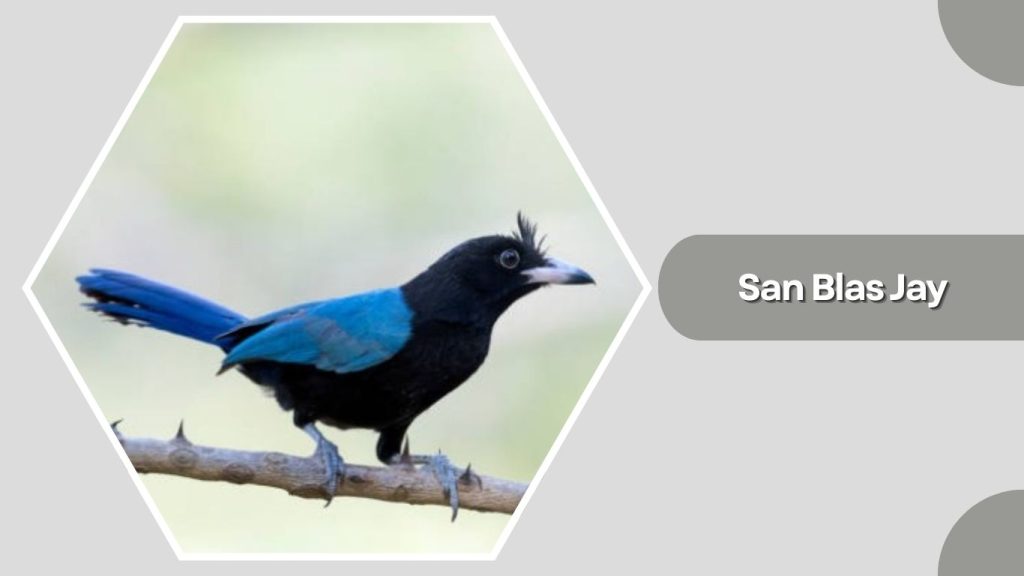
The San Blas Jay is a vivid blue jay native to western Mexico. It was once considered a subspecies of the Mexican Jay but is now treated as a separate species.
Identification
- Bright blue head, wings, and tail
- Black face mask and throat
- Pale bluish underparts
- Strong black bill
- Medium-sized jay with long tail
Habitat
This species inhabits tropical forests, woodland edges, and foothills along the Pacific slope. It prefers warm regions with dense tree cover.
Diet
San Blas Jays feed on insects, fruits, seeds, berries, and small animals. They often forage in small flocks.
Behavior
They are social, vocal birds that move through forests in groups. San Blas Jays are alert, curious, and quick to mob predators.
16. Yucatan Jay (Cyanocorax yucatanicus)
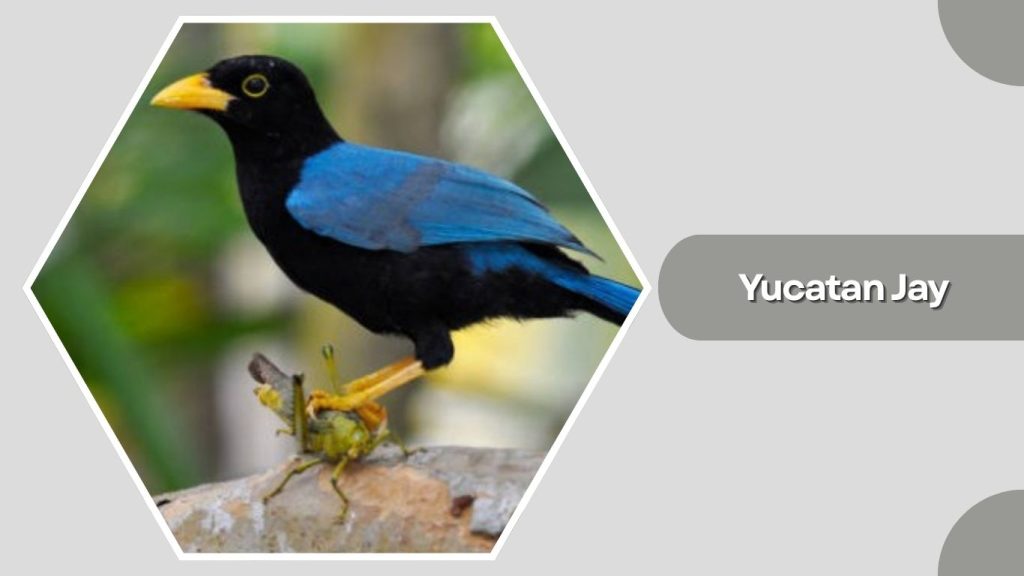
The Yucatan Jay is a striking, all-black jay found mainly on the Yucatán Peninsula of Mexico, Belize, and northern Guatemala. Unlike many colorful jays, its beauty comes from its glossy black plumage and bright yellow eyes.
Identification
- Entirely glossy black body
- Bright yellow eyes
- Strong black bill and long tail
- Slightly shaggy head feathers
- Medium to large jay size
Habitat
Yucatan Jays inhabit tropical forests, mangroves, forest edges, plantations, and rural areas. They are often seen in noisy groups moving through treetops.
Diet
They eat insects, fruits, seeds, nectar, small animals, eggs, and food scraps. Their flexible diet allows them to thrive in many habitats.
Behavior
Yucatan Jays are highly social and usually travel in flocks. They are loud, cooperative, and known for group mobbing of predators.
17. Bushy-crested Jay (Cyanocorax melanocyaneus)
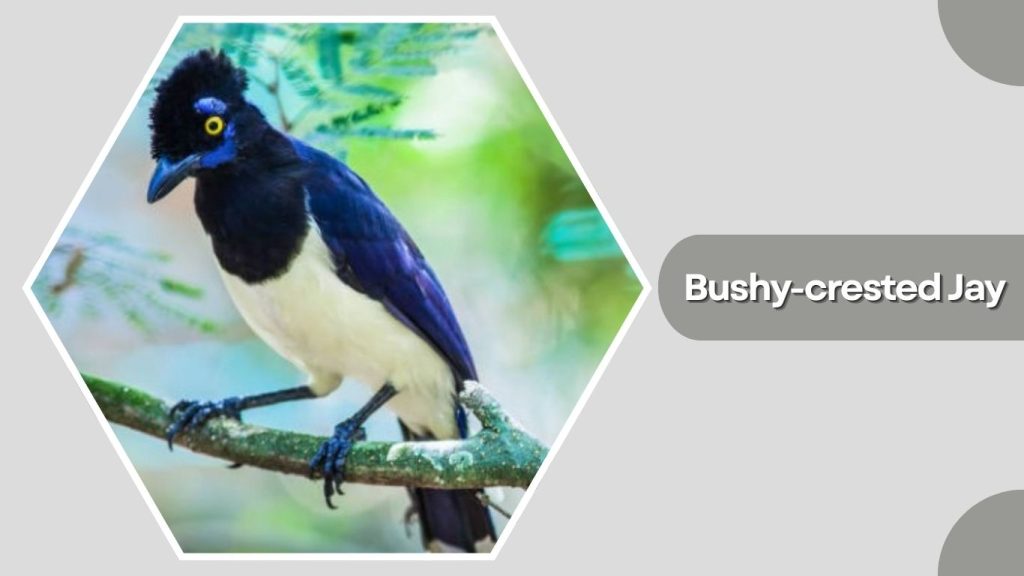
The Bushy-crested Jay is a large, colorful jay of Central America, easily recognized by its thick, bushy crest and deep blue coloration.
Identification
- Thick bushy black crest
- Deep blue body and wings
- Black face and throat
- Strong black bill
- Large, powerful build
Habitat
This species lives in tropical rainforests, forest edges, and foothill woodlands from southern Mexico to Panama.
Diet
They feed on insects, fruits, seeds, small vertebrates, eggs, and carrion. They often forage in noisy groups.
Behavior
Bushy-crested Jays are bold, social, and vocal. They often move in family flocks and actively defend their territory.
18. Tufted Jay (Cyanocorax dickeyi)
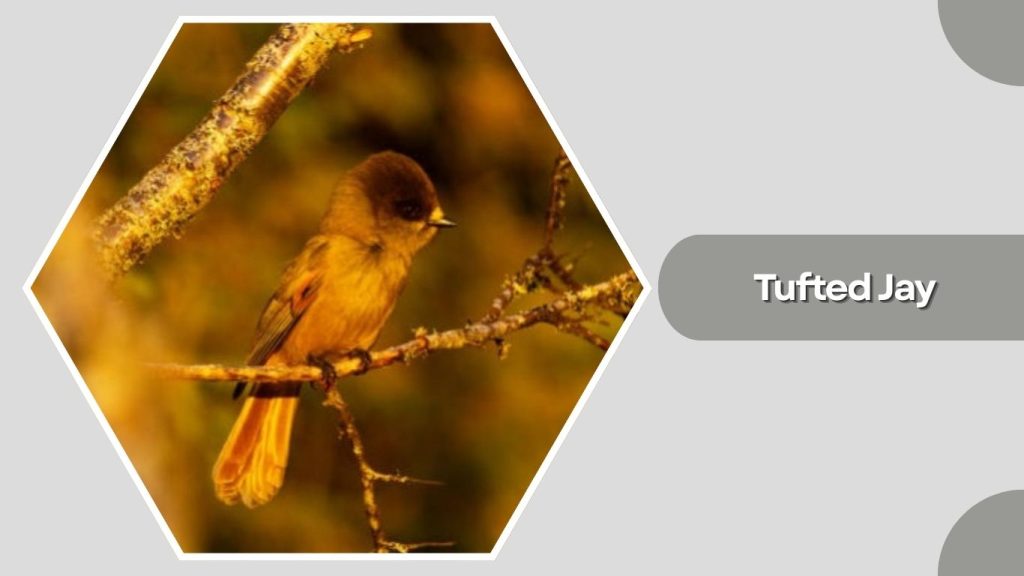
The Tufted Jay is a rare and localized jay found only in a small region of western Mexico. It is known for its shaggy crest, rich blue plumage, and very limited distribution, making it one of the least-seen jays in the world.
Identification
- Shaggy blue-black crest on the head
- Deep blue body, wings, and tail
- Black face and throat
- Strong black bill
- Medium to large jay body
Habitat
Tufted Jays inhabit pine–oak forests and mountainous woodlands. They prefer higher elevations with dense tree cover and are rarely found far from forest interiors.
Diet
They feed on insects, seeds, fruits, berries, acorns, and small animals. Their foraging is mostly done in the forest canopy and mid-level branches.
Behavior
Tufted Jays are social and usually seen in small groups. They are vocal, alert birds and often move together through the forest while calling loudly.
19. Unicolored Jay (Aphelocoma unicolor)
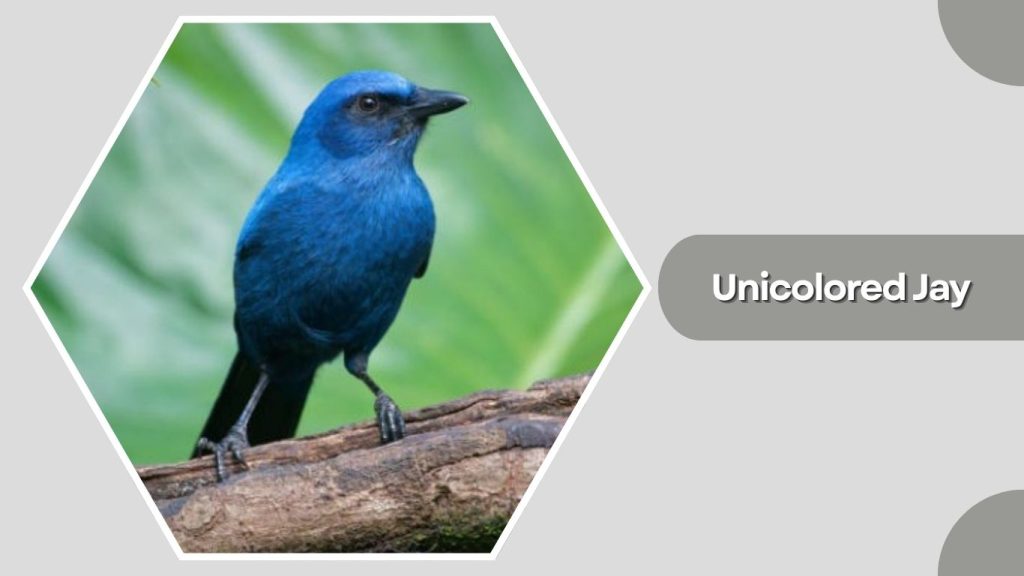
The Unicolored Jay is a soft blue-gray jay found from Mexico through Central America. As its name suggests, it lacks strong color contrasts and has a smooth, uniform appearance.
Identification
- Uniform blue-gray body overall
- Slightly darker wings and tail
- Pale throat and belly
- Long tail and slender black bill
- No crest
Habitat
Unicolored Jays live in pine-oak forests, cloud forests, and forest edges, especially in mountainous regions.
Diet
They eat insects, acorns, seeds, fruits, berries, and small animals. Like many jays, they store food for later use.
Behavior
Unicolored Jays are social, intelligent birds that often travel in small flocks. They are alert, vocal, and known for cooperative foraging and predator mobbing.