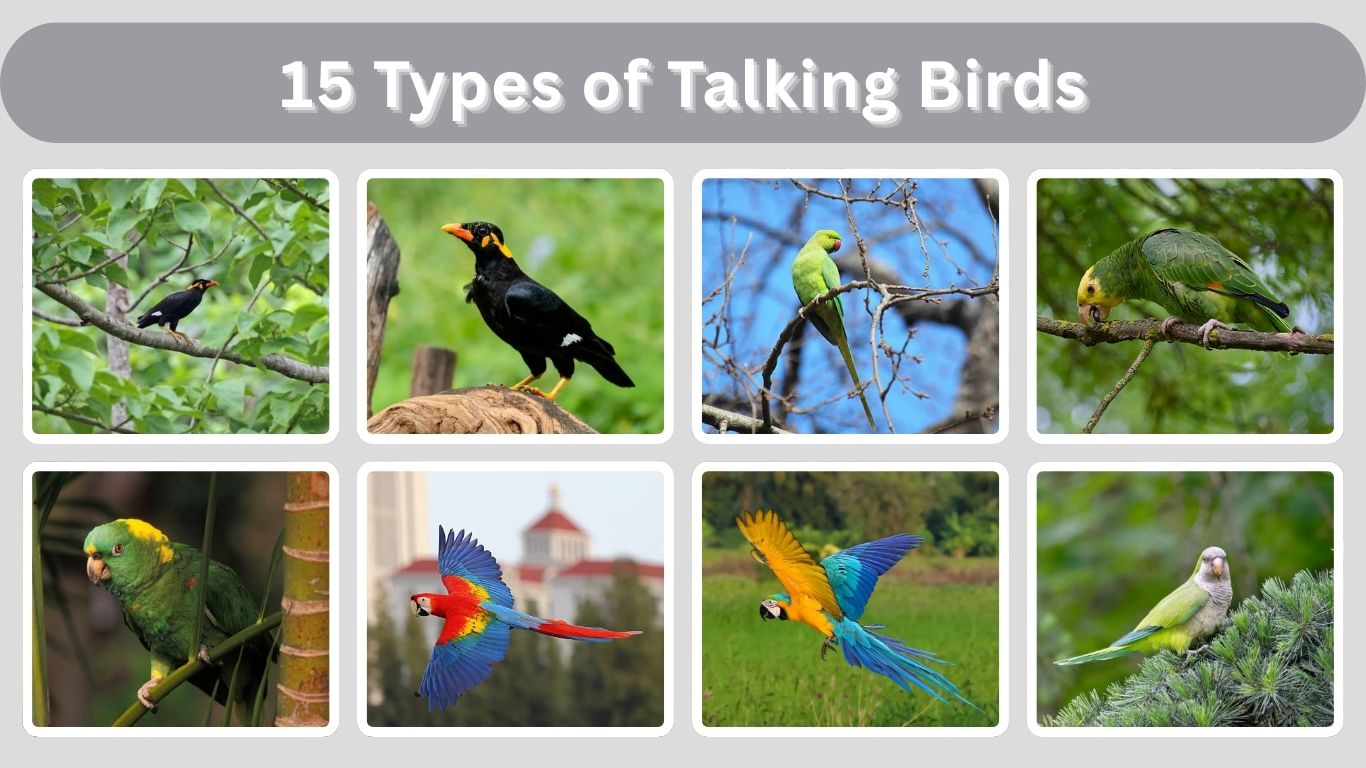
Talking birds have fascinated humans for centuries with their ability to mimic human speech and everyday sounds. These intelligent and social birds use vocal learning as a way to communicate, bond, and interact with their environment. From parrots to mynas, each talking bird species has unique vocal skills, personalities, and care needs. Found across different continents, talking birds are admired not only for their speech but also for their intelligence, emotional depth, and strong connections with humans.
1. African Grey Parrot
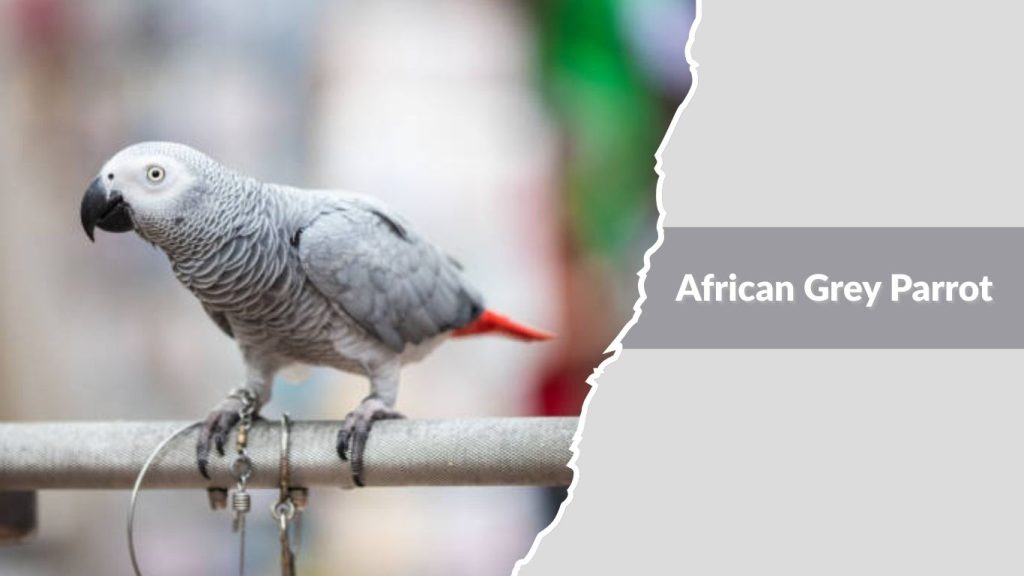
The African Grey Parrot is widely considered the best talking bird in the world due to its exceptional ability to mimic human speech and understand context. Highly intelligent and social, this parrot is known for forming strong bonds with its owners.
Identification
- Medium-sized parrot with a sleek body
- Gray feathers with a scalloped pattern
- Bright red tail
- Black curved bill
- Pale yellow eyes
Habitat
African Grey Parrots are native to tropical rainforests, forest edges, and wooded savannas of Central and West Africa. They thrive in dense forests where food sources and nesting sites are abundant.
Behavior
These parrots are extremely intelligent and curious. They require constant mental stimulation and social interaction. African Greys are known for their ability to imitate not just words but also sounds such as alarms, phones, and household noises.
Diet
Their diet consists of seeds, nuts, fruits, berries, leafy greens, and vegetables. In captivity, a balanced diet with pellets and fresh produce is essential for good health.
Lifespan
African Grey Parrots are long-lived birds and can live 40 to 60 years, and sometimes even longer, with proper care.
2. Amazon Parrot
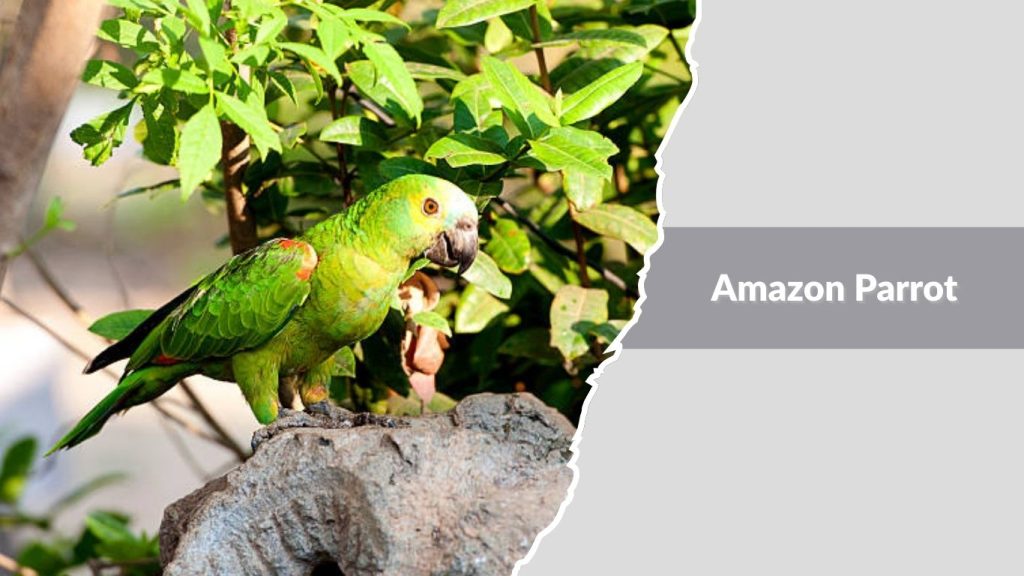
Amazon Parrots are famous for their clear speech, playful personalities, and strong vocal abilities. They are confident, social birds that often enjoy being the center of attention and interacting closely with humans.
Identification
- Medium to large parrot with a stocky body
- Predominantly green plumage with colorful accents
- Short, square-shaped tail
- Strong curved bill
- Bright, expressive eyes
Habitat
Amazon Parrots are native to tropical forests, woodlands, and savannas of Central and South America as well as the Caribbean. They prefer areas with tall trees for nesting and roosting.
Behavior
These parrots are outgoing and energetic. They enjoy singing, mimicking speech, and performing tricks. Amazon Parrots can be loud and assertive, especially during breeding seasons, and require consistent training and socialization.
Diet
Their diet includes fruits, seeds, nuts, berries, flowers, and leafy vegetation. In captivity, a balanced diet with pellets, fresh fruits, and vegetables is important.
Lifespan
Amazon Parrots typically live 40 to 60 years, with some individuals reaching even older ages under proper care.
3. Budgerigar
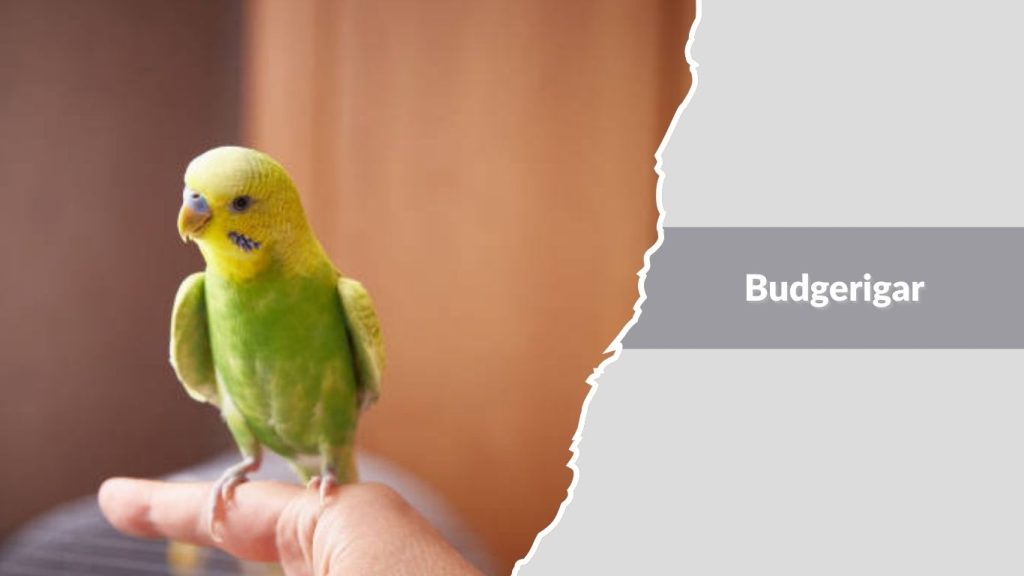
The Budgerigar, commonly known as the budgie, is a small parrot famous for its ability to learn words despite its tiny size. With proper training and social interaction, budgies can develop impressive vocabularies and are among the most popular pet birds worldwide.
Identification
- Small, slim parrot body
- Long, pointed tail
- Green and yellow plumage in the wild (many color mutations in captivity)
- Small curved bill
- Dark eyes with light iris ring in adults
Habitat
Budgerigars are native to Australia, where they inhabit open grasslands, savannas, scrublands, and lightly wooded areas. They are often found near water sources and travel in large flocks.
Behavior
Budgies are social, active, and playful birds. They enjoy interaction and learn best when regularly talked to and handled. Males are generally better talkers than females and can mimic words, phrases, and whistles with surprising clarity.
Diet
Their diet consists mainly of seeds and grasses. In captivity, they benefit from a balanced diet of pellets, fresh vegetables, fruits, and occasional seeds.
Lifespan
Budgerigars typically live 5 to 10 years in the wild, but with proper care in captivity, they can live up to 10 to 15 years.
4. Cockatoo
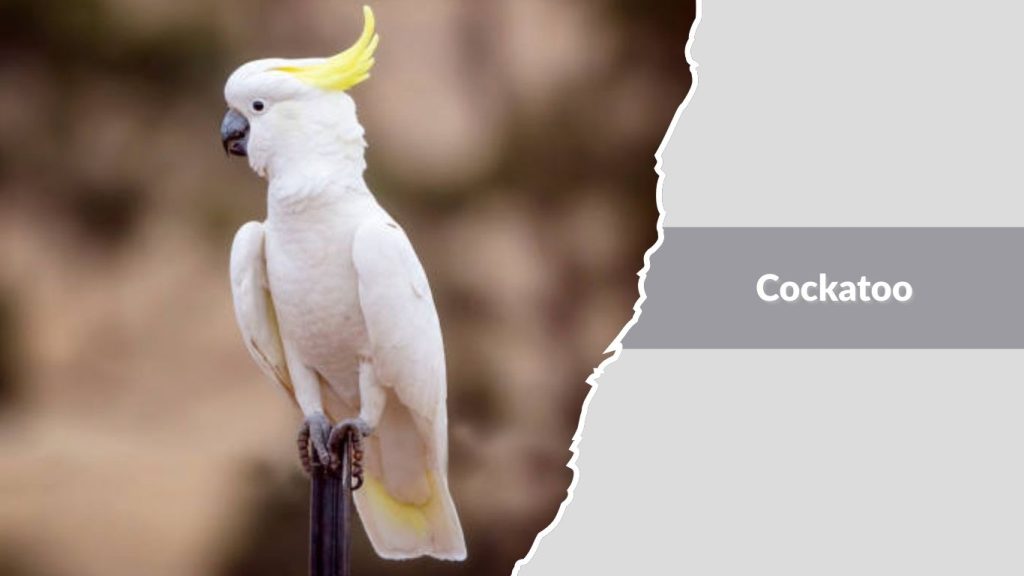
Cockatoos are highly intelligent and emotional parrots known for their loud voices, expressive crests, and ability to mimic human speech and household sounds. While not all cockatoos are strong talkers, many species can learn words and phrases with regular interaction.
Identification
- Medium to large parrot with a sturdy body
- Prominent movable crest on the head
- Mostly white, black, or pink plumage depending on species
- Strong curved bill
- Dark, expressive eyes
Habitat
Cockatoos are native to Australia, Indonesia, and nearby islands. They inhabit forests, woodlands, savannas, mangroves, and even urban areas, often adapting well to human presence.
Behavior
These birds are extremely social and form strong emotional bonds. Cockatoos crave attention and can develop behavioral problems if neglected. They are playful, affectionate, and known for loud vocalizations and dramatic displays using their crests.
Diet
Their diet includes seeds, nuts, fruits, berries, flowers, roots, and insects. In captivity, a diet of pellets, vegetables, fruits, and limited seeds is recommended.
Lifespan
Cockatoos are long-lived birds and commonly live 40 to 70 years, with some individuals living even longer under excellent care.
5. Indian Ringneck Parakeet
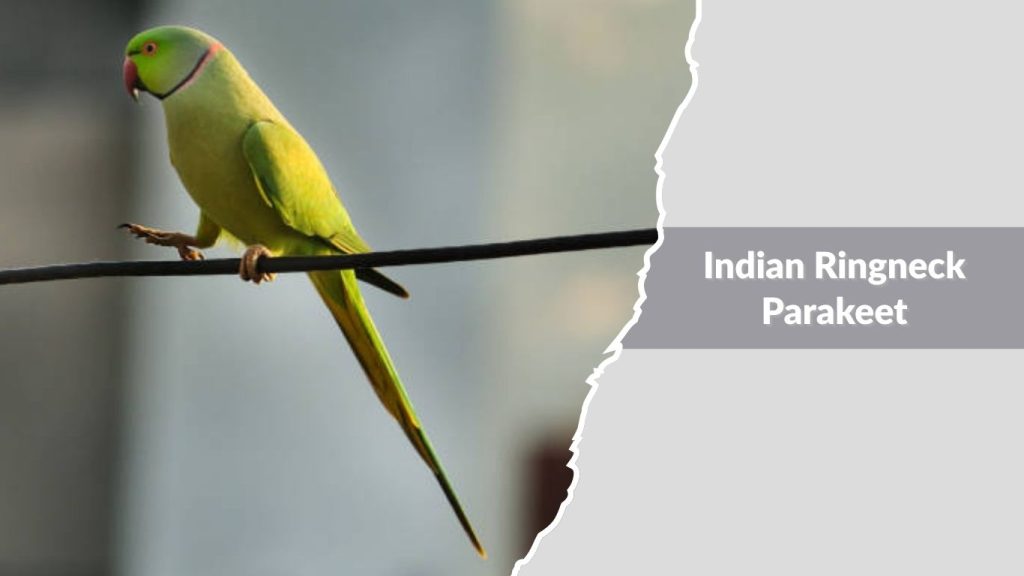
The Indian Ringneck Parakeet is a highly intelligent talking bird known for its clear pronunciation and large vocabulary. It is especially admired for its ability to speak in a human-like tone.
Identification
- Medium-sized parakeet with a slim body
- Long, pointed tail
- Green plumage (many color mutations in captivity)
- Red curved bill
- Black and rose-colored neck ring in adult males
Habitat
Indian Ringneck Parakeets are native to forests, woodlands, farmland, and urban areas across the Indian subcontinent and parts of Southeast Asia.
Behavior
These birds are confident, alert, and independent. They learn to talk best with consistent training and social interaction. Indian Ringnecks may go through a “bluffing” phase during adolescence, showing temporary aggression.
Diet
Their diet includes fruits, vegetables, seeds, grains, flowers, and buds. In captivity, a balanced diet of pellets and fresh produce is ideal.
Lifespan
Indian Ringneck Parakeets typically live 25 to 35 years, and sometimes longer with proper care.
6. Eclectus Parrot
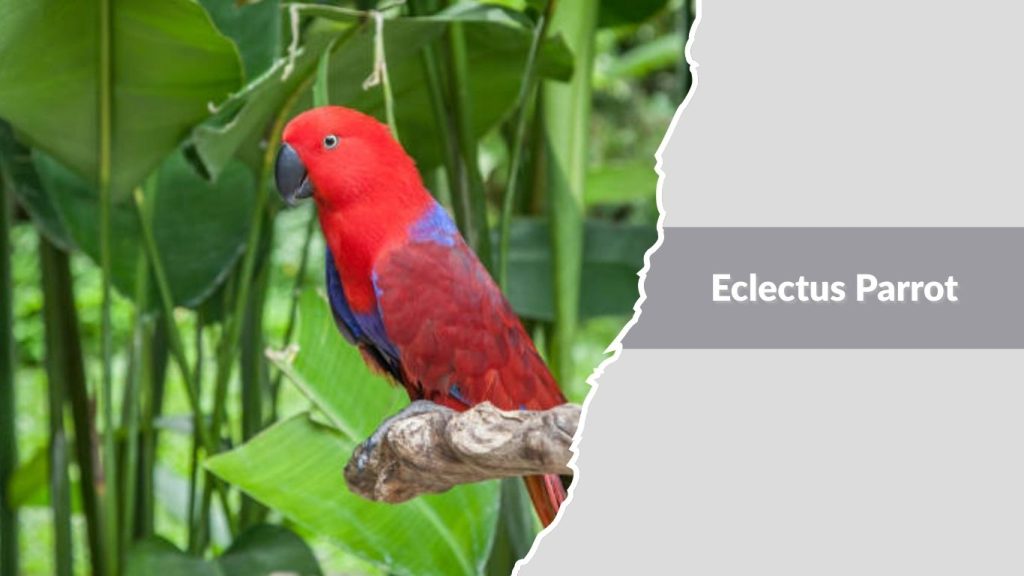
The Eclectus Parrot is a highly intelligent talking bird known for its calm personality and clear speech. It is especially famous for the dramatic color difference between males and females, which once led people to believe they were different species.
Identification
- Medium to large parrot with a stocky build
- Males are bright green with orange-yellow bills
- Females are red and purple with black bills
- Short, square-shaped tail
- Large head and strong curved bill
Habitat
Eclectus Parrots are native to tropical rainforests, forest edges, and woodlands of New Guinea, northeastern Australia, and nearby islands. They prefer dense forests with tall trees for nesting.
Behavior
These parrots are intelligent, observant, and generally calmer than many other talking parrots. They can learn words, phrases, and sounds with good clarity. Eclectus Parrots are social but not overly demanding and enjoy routine and gentle interaction.
Diet
Their diet mainly consists of fruits, berries, leafy greens, flowers, buds, and seeds. In captivity, they require a high-fiber, fruit- and vegetable-rich diet to stay healthy.
Lifespan
Eclectus Parrots typically live 30 to 50 years, and sometimes longer with proper care and a healthy diet.
7. Monk Parakeet
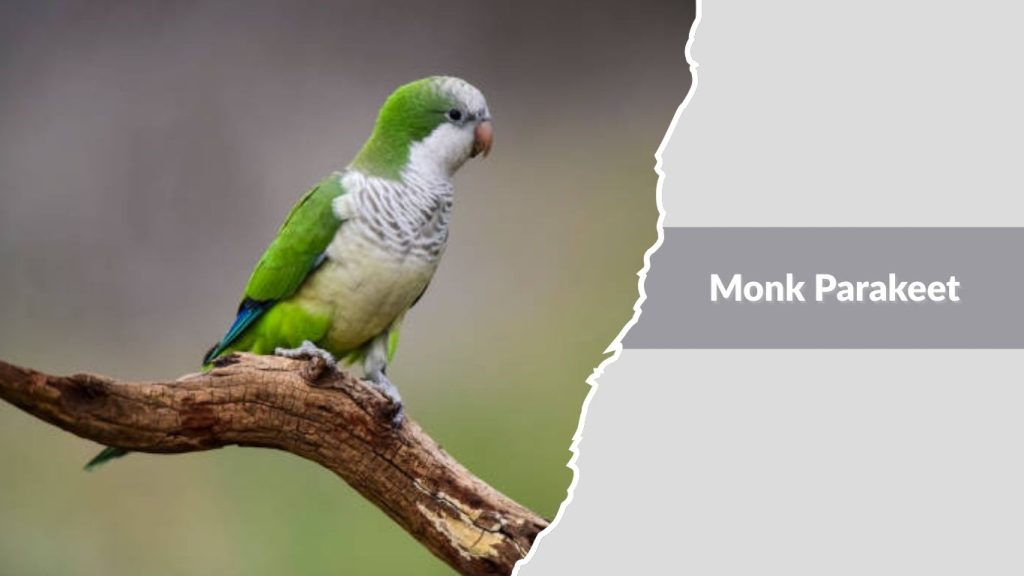
The Monk Parakeet, also known as the Quaker Parrot, is a small to medium-sized talking bird admired for its social nature and ability to learn words and phrases. It is one of the few parrots that builds large communal nests.
Identification
- Small to medium-sized parakeet
- Bright green body with gray face and chest
- Long, pointed tail
- Strong curved bill
- Compact, sturdy build
Habitat
Monk Parakeets are native to South America, where they live in woodlands, savannas, grasslands, and agricultural areas. They have also established feral populations in many cities around the world.
Behavior
These parrots are highly social, playful, and intelligent. They enjoy interaction and often chatter constantly, mimicking words, sounds, and whistles. Monk Parakeets can be territorial and may bond strongly with one person.
Diet
Their diet includes seeds, grains, fruits, berries, vegetables, and occasionally insects. In captivity, a balanced diet of pellets, fresh produce, and limited seeds is recommended.
Lifespan
Monk Parakeets typically live 20 to 30 years, and sometimes longer with proper care and a healthy environment.
8. Quaker Parrot
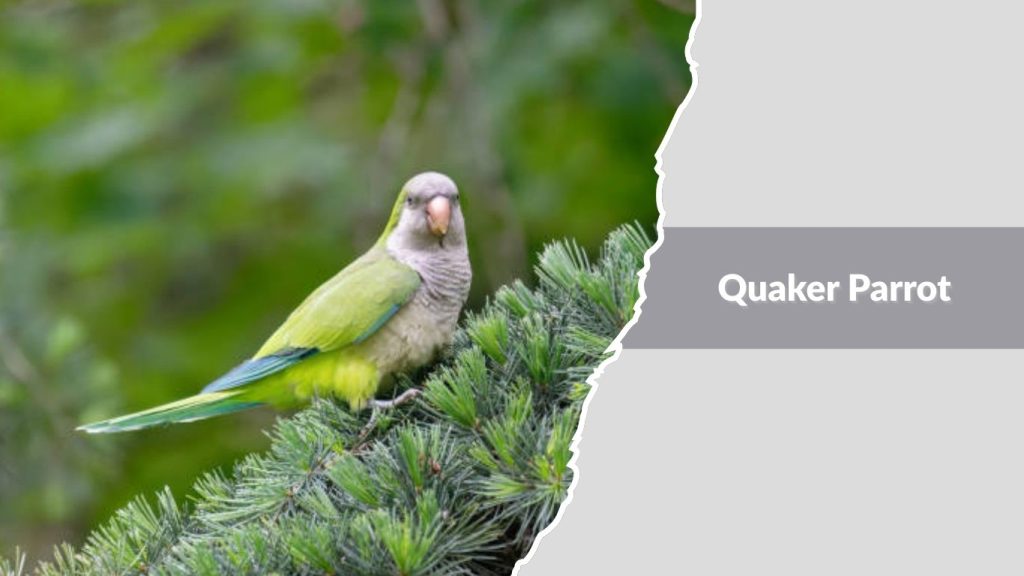
The Quaker Parrot is a highly social and intelligent talking bird known for its clear speech and playful personality. It is closely related to the Monk Parakeet and is popular as a pet due to its strong bonding behavior and vocal skills.
Identification
- Small to medium-sized parrot
- Bright green upperparts
- Gray face, throat, and chest
- Long, tapered tail
- Strong, curved bill
Habitat
Quaker Parrots are native to South America and naturally inhabit woodlands, savannas, grasslands, and agricultural areas. Feral populations are now found in many urban regions around the world.
Behavior
These parrots are energetic, curious, and highly interactive. They enjoy mimicking human speech, sounds, and whistles and often develop a wide vocabulary. Quaker Parrots can be noisy and are known for their expressive personalities.
Diet
Their diet includes seeds, grains, fruits, vegetables, berries, and leafy greens. In captivity, pellets combined with fresh produce provide balanced nutrition.
Lifespan
Quaker Parrots typically live 20 to 30 years, though some individuals may live longer with excellent care.
9. Blue-and-yellow Macaw
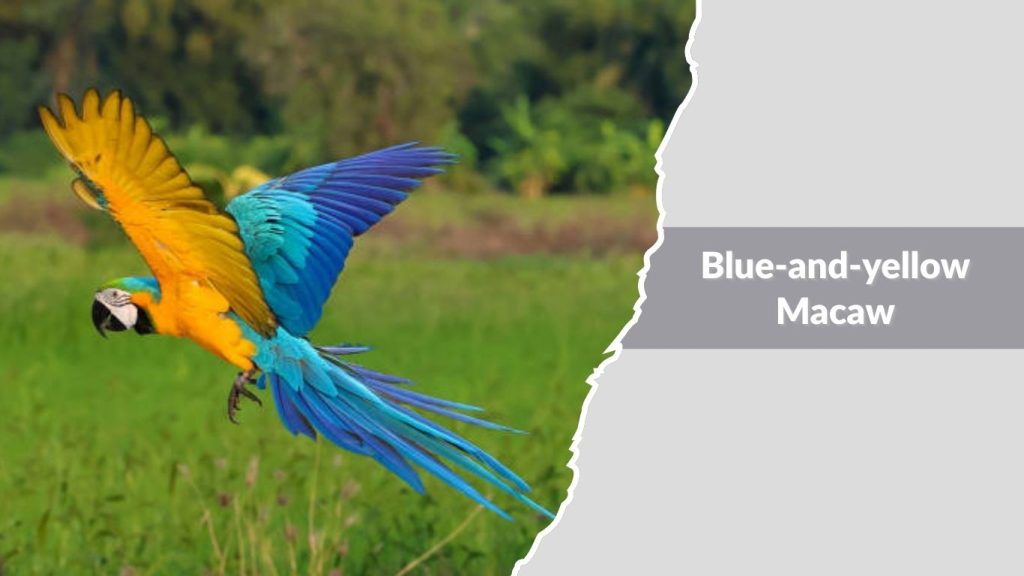
The Blue-and-yellow Macaw is a large, intelligent parrot well known for its striking colors and strong talking ability. While not as precise as African Greys, macaws can learn many words and phrases and use them in social situations.
Identification
- Large parrot with long tail
- Bright blue upperparts and wings
- Yellow chest and underparts
- Green forehead with black facial feather lines
- Strong, curved black bill
Habitat
Blue-and-yellow Macaws are native to tropical rainforests, river basins, and open woodlands of Central and South America. They prefer areas near rivers and large trees used for nesting.
Behavior
These macaws are highly social and intelligent. They form strong pair bonds and enjoy constant interaction. Blue-and-yellow Macaws are playful, curious, and can be very vocal, often using learned words to seek attention.
Diet
Their diet consists of fruits, nuts, seeds, berries, and vegetation. In captivity, they require a balanced diet of pellets, fresh fruits, vegetables, and nuts.
Lifespan
Blue-and-yellow Macaws are long-lived birds and can live 50 to 70 years, and sometimes longer with proper care.
10. Scarlet Macaw
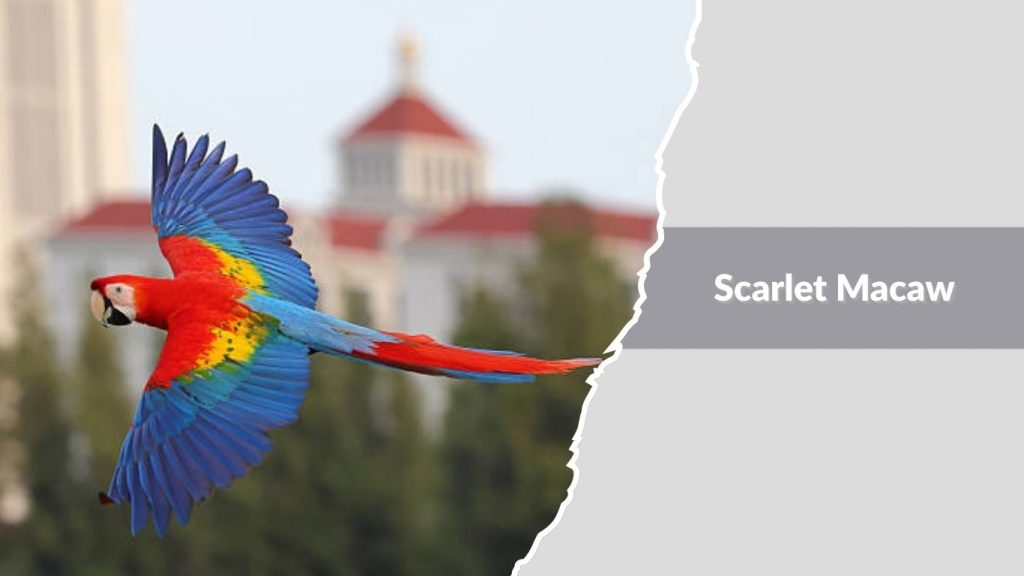
The Scarlet Macaw is a large, colorful parrot admired for its brilliant red, yellow, and blue feathers and its strong vocal abilities. While better known for loud calls, many Scarlet Macaws can learn words and short phrases with consistent training.
Identification
- Large parrot with a long tail
- Bright red body with yellow and blue wing feathers
- Bare white facial skin with fine feather lines
- Strong, curved pale bill
- Powerful body and wings
Habitat
Scarlet Macaws are native to tropical rainforests, river edges, and lowland forests of Central and South America. They prefer tall trees near water sources for nesting and feeding.
Behavior
These macaws are highly social and intelligent. They form lifelong pair bonds and are very vocal, using loud calls to communicate. With regular interaction, Scarlet Macaws can mimic speech and household sounds, often using them to gain attention.
Diet
Their diet includes fruits, nuts, seeds, berries, and leafy vegetation. They are known to visit clay licks in the wild to neutralize toxins found in some foods.
Lifespan
Scarlet Macaws typically live 40 to 50 years in the wild and can live even longer in captivity with proper care.
11. Yellow-naped Amazon
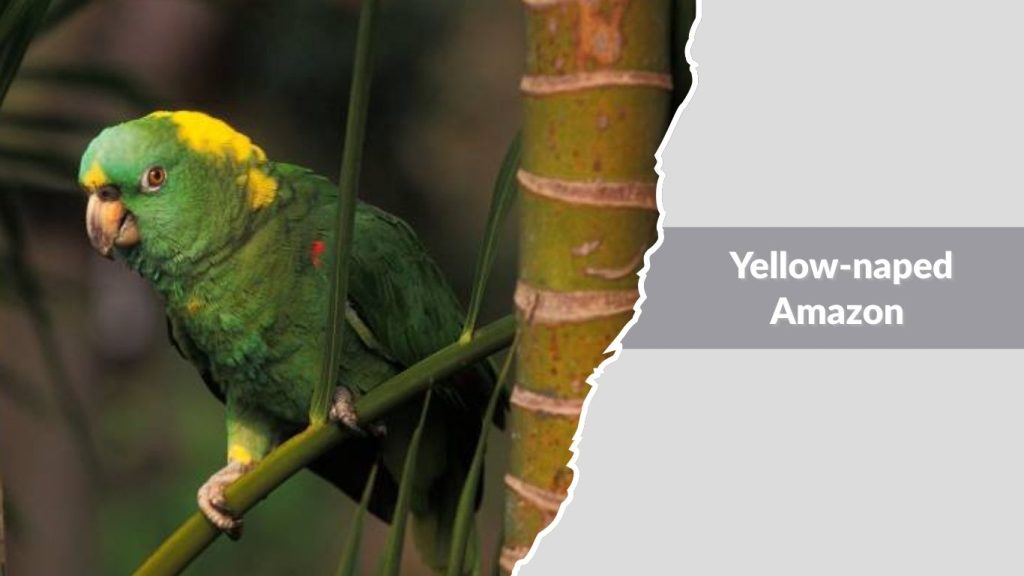
The Yellow-naped Amazon is one of the most gifted talking parrots, famous for its clear pronunciation and ability to learn long phrases. It is highly intelligent and often uses speech in appropriate contexts.
Identification
- Medium-sized, stocky parrot
- Mostly green plumage
- Bright yellow patch on the back of the neck
- Short, square tail
- Strong, curved gray bill
Habitat
Yellow-naped Amazons are native to dry forests, tropical woodlands, savannas, and forest edges of Central America. They prefer areas with tall trees for nesting and roosting.
Behavior
These parrots are confident, alert, and very vocal. They enjoy social interaction and mental challenges. Yellow-naped Amazons can be dominant and require consistent training, but their intelligence makes them excellent talkers and performers.
Diet
Their diet consists of fruits, seeds, nuts, berries, flowers, and leafy vegetation. In captivity, a balanced diet of pellets, fresh fruits, and vegetables is essential.
Lifespan
Yellow-naped Amazons typically live 50 to 60 years, and some individuals may live even longer with proper care.
12. Double Yellow-headed Amazon
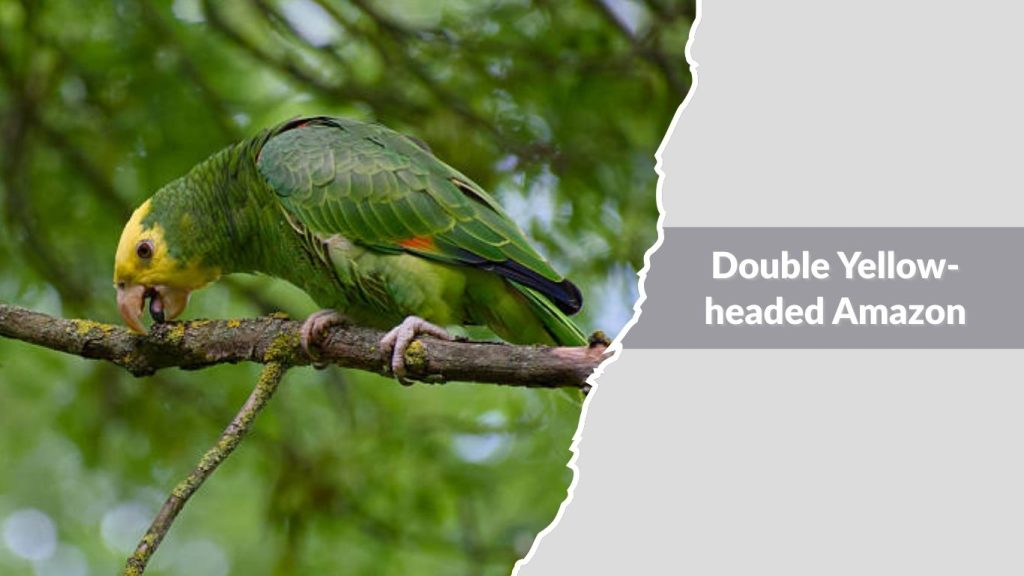
The Double Yellow-headed Amazon is considered one of the best talking parrots due to its loud, clear voice and ability to learn songs, phrases, and even mimic voices with accuracy. It is also known for its confident and outgoing personality.
Identification
- Medium to large parrot with a stocky build
- Bright yellow head and face
- Green body and wings
- Short, square-shaped tail
- Strong curved bill
Habitat
This species is native to tropical forests, woodlands, and savannas of Mexico and Central America. It prefers areas with large trees that provide nesting cavities and abundant food sources.
Behavior
Double Yellow-headed Amazons are highly social and intelligent. They love attention and often vocalize to engage with people. They can be assertive and require regular interaction, training, and mental stimulation to prevent boredom-related behaviors.
Diet
Their diet includes fruits, vegetables, seeds, nuts, berries, and flowers. In captivity, a pellet-based diet supplemented with fresh produce is recommended for optimal health.
Lifespan
Double Yellow-headed Amazons are long-lived birds and commonly live 50 to 60 years, with some individuals reaching even older ages under proper care.
13. Alexandrine Parakeet
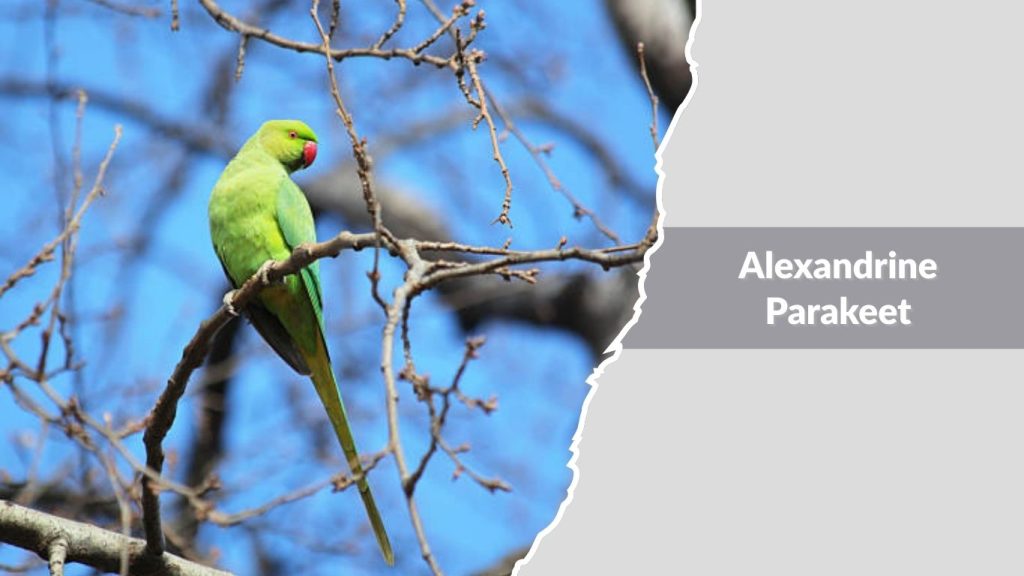
The Alexandrine Parakeet is a large, intelligent parakeet known for its strong talking ability and calm, confident nature. With patience and regular training, it can learn clear words and phrases, making it a popular talking bird.
Identification
- Large parakeet with a long tail
- Green plumage with maroon shoulder patches
- Strong red curved bill
- Black and rose-colored neck ring in adult males
- Broad wings compared to other parakeets
Habitat
Alexandrine Parakeets are native to forests, woodlands, farmlands, and open plains across South and Southeast Asia. They adapt well to both rural and urban environments.
Behavior
These parakeets are intelligent, observant, and less hyperactive than smaller parakeets. They can become excellent talkers when trained consistently and tend to bond closely with their caretakers. Males usually develop stronger talking skills than females.
Diet
Their diet includes fruits, vegetables, seeds, grains, nuts, and leafy greens. In captivity, a balanced diet of pellets and fresh foods helps maintain good health.
Lifespan
Alexandrine Parakeets typically live 25 to 35 years, and sometimes longer with proper care and a healthy environment.
14. Myna Bird
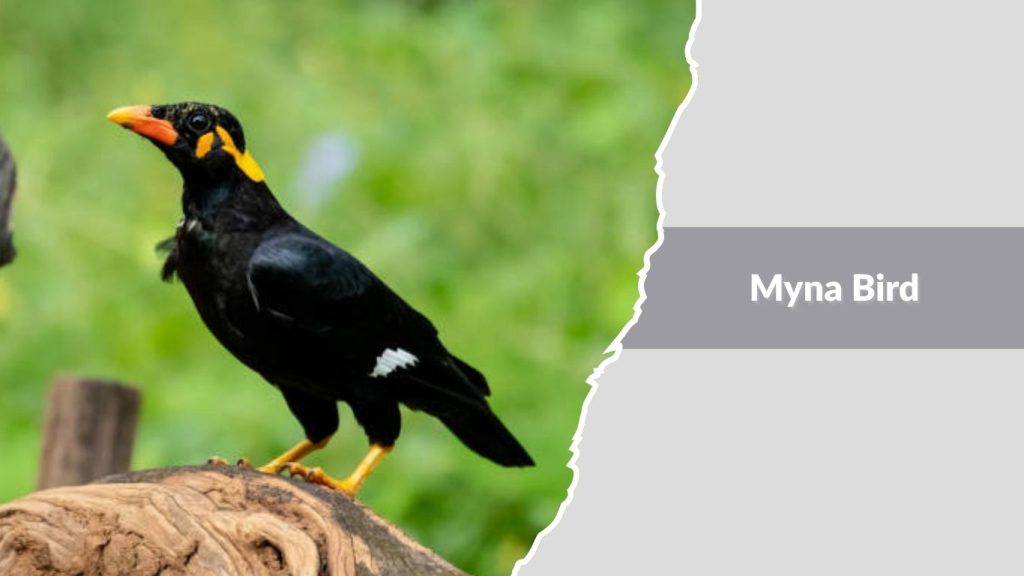
The Myna Bird is one of the most famous talking birds outside the parrot family. Known for its clear speech and ability to mimic human voices, mynas are intelligent, alert, and highly expressive birds.
Identification
- Medium-sized bird with a sturdy body
- Dark brown to black plumage
- Bright yellow eye patch and legs
- Strong yellow bill
- Short tail and rounded wings
Habitat
Myna Birds are native to South Asia and Southeast Asia. They inhabit open woodlands, farmlands, urban areas, gardens, and villages. They adapt extremely well to human environments and are often seen near buildings and roads.
Behavior
Mynas are highly intelligent, social, and curious. They are excellent mimics and can copy human speech, whistles, and environmental sounds. Mynas are bold birds and may become territorial, especially during breeding season.
Diet
Their diet is omnivorous and includes fruits, insects, seeds, grains, nectar, and human food scraps. In captivity, a balanced diet with fruits, insects, pellets, and soft foods is important.
Lifespan
Myna Birds typically live 12 to 25 years, depending on species, environment, and quality of care.
15. Hill Myna
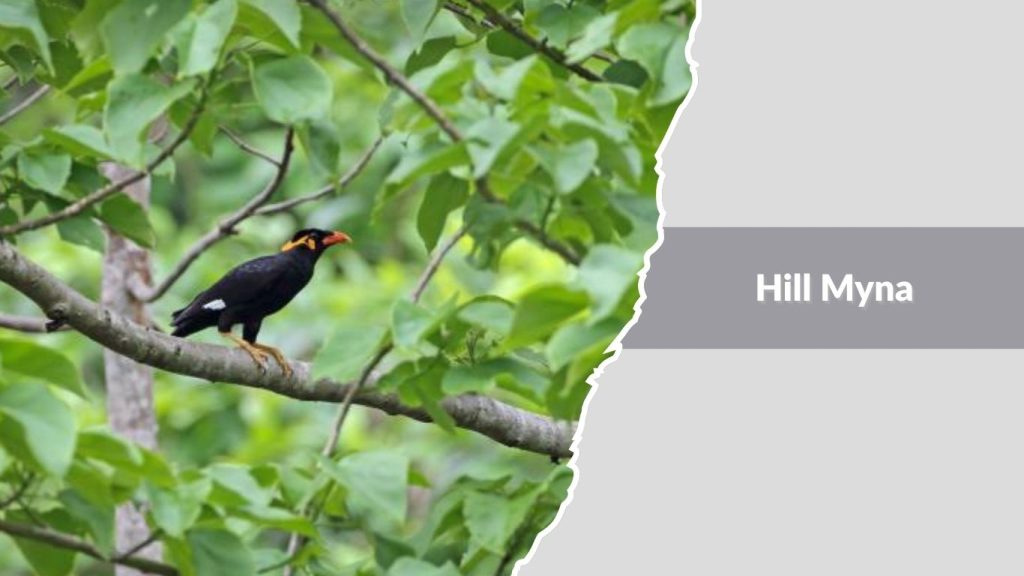
The Hill Myna is widely regarded as the best talking bird outside the parrot family. Famous for its crystal-clear speech and ability to perfectly mimic human voices, it has been prized for centuries for its vocal talent.
Identification
- Medium-sized bird with a robust body
- Glossy black plumage with a greenish sheen
- Bright yellow wattles on the sides of the head
- Strong orange-yellow bill
- White wing patches visible in flight
Habitat
Hill Mynas are native to tropical forests, evergreen woodlands, and forested hills of South and Southeast Asia. They prefer dense forests with tall trees and are often found in humid, warm regions.
Behavior
Hill Mynas are highly intelligent and social. They learn speech quickly when exposed to human voices and can reproduce words with remarkable clarity and tone accuracy. They are active birds that enjoy interaction but can become loud if bored or neglected.
Diet
Their diet consists mainly of fruits, berries, figs, insects, nectar, and seeds. In captivity, a fruit-rich diet supplemented with insects and formulated soft foods is essential for good health.
Lifespan
Hill Mynas typically live 20 to 30 years, though some individuals may live longer with proper care, nutrition, and social interaction.
FAQs
Which bird is the best talker overall?
The African Grey Parrot is widely considered the best talking bird due to its clear speech, large vocabulary, and ability to understand context.
Do all talking birds learn to speak?
No. Even species known for talking vary by individual. Training, social interaction, age, and personality all affect a bird’s ability to learn speech.
Are male birds better talkers than females?
In many species, males tend to talk more than females, but this is not always the case. Individual temperament plays a major role.
At what age do birds start talking?
Most talking birds begin to mimic sounds between 6 months and 1 year of age, though some may start earlier or later.
Can talking birds understand what they say?
Some highly intelligent birds, such as African Greys, show signs of understanding context, while others mainly mimic sounds without full comprehension.