
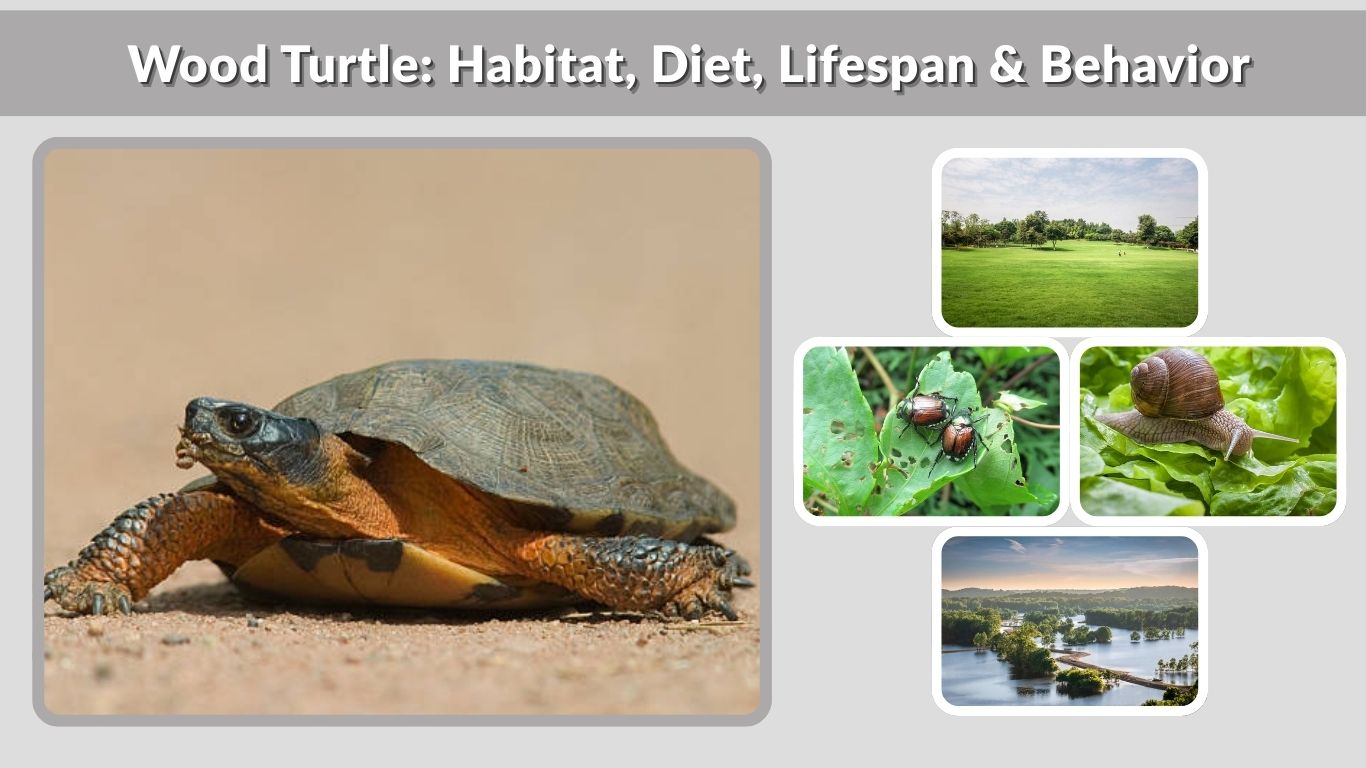
The wood turtle is a unique freshwater species known for its beautifully sculpted shell and semi-terrestrial lifestyle. Found mainly in the northeastern United States and eastern Canada, this turtle spends time both in water and on land. Unlike many fully aquatic turtles, wood turtles are active foragers in forests and meadows near rivers. In this guide, you’ll learn about wood turtle habitat, behavior, diet, and lifespan, along with what makes this species so fascinating and important.
What Is a Wood Turtle?
The wood turtle (Glyptemys insculpta) is a medium-sized turtle recognized for the intricate, carved-looking pattern on its shell. The raised, pyramid-like ridges on each scute (shell plate) give it a sculpted appearance, which makes it one of the most visually distinctive turtles in North America.
Adult wood turtles typically measure between 5 and 9 inches in shell length and weigh about 1 to 3 pounds. Their shells are usually brown or grayish-brown, while their skin—especially on the neck and legs—often displays bright orange, yellow, or reddish coloring.
Wood turtles are primarily found in:
- Northeastern United States
- Great Lakes region
- Parts of eastern Canada
They prefer cooler climates and are often associated with clean, flowing streams bordered by forested areas. The name “wood turtle” comes from their strong connection to wooded habitats, especially during the warmer months when they spend significant time on land.
Wood Turtle Habitat
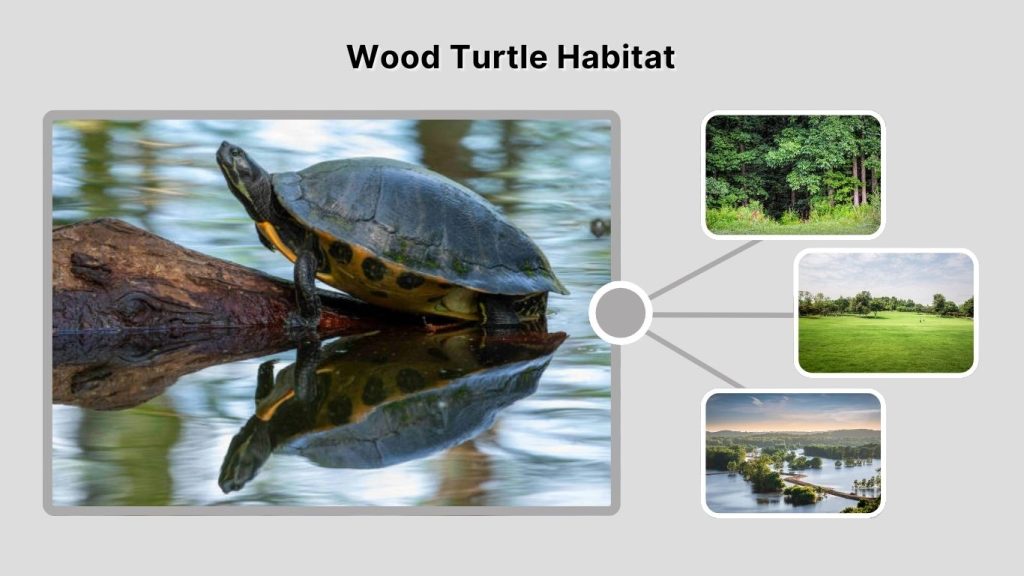
The wood turtle habitat is closely tied to rivers and streams with clear, moderate flow. These turtles require both aquatic and terrestrial environments to survive. Clean water is especially important, as polluted streams can harm their health and reduce food availability.
Wood turtles are considered semi-aquatic because they split their time between water and land. During warmer months, they frequently explore nearby forests, fields, and riverbanks in search of food. However, they rarely stray far from water sources.
Summer Habitat
In summer, wood turtles often move into:
- Forest edges
- Open meadows
- Floodplains
- Riverbanks
They are active during the day (diurnal) and can often be seen basking in sunlight. Basking helps regulate body temperature and supports healthy shell development. Unlike many turtles that remain mostly in water, wood turtles are strong walkers and comfortable traveling over land.
They typically maintain a home range and may return to the same feeding or basking areas year after year.
Winter Habitat (Hibernation)
As temperatures drop in late fall, wood turtles return to streams to prepare for winter dormancy, also known as brumation. They settle into muddy bottoms or sheltered underwater areas where flowing water prevents freezing.
During winter, their metabolism slows dramatically. They remain inactive until spring, relying on stored energy reserves to survive months of cold temperatures.
Wood Turtle Behavior
Wood turtle behavior is particularly interesting compared to many other freshwater turtles. They are intelligent, active, and adaptable animals.
One of their defining traits is their diurnal activity pattern, meaning they are active during the day. This daytime activity allows them to forage on land, bask in sunlight, and move between habitats.
Wood turtles show strong site fidelity, meaning they often return to the same nesting areas, basking spots, and feeding grounds each year. This behavior makes them vulnerable if their habitat is disturbed.
Foraging Behavior
Wood turtles are skilled and opportunistic feeders. One of their most fascinating behaviors is known as “earthworm stomping.”
To flush earthworms out of the soil, wood turtles may stomp their front feet or tap the ground repeatedly. The vibrations mimic rainfall, causing worms to surface—making them easy prey. This behavior demonstrates problem-solving ability and adaptability rarely seen in reptiles.
They actively search for food on land rather than waiting for prey to come to them. This makes them more mobile and exploratory than many aquatic turtle species.
Social and Defensive Behavior
Wood turtles are generally not aggressive but may show mild territorial behavior when competing for resources. During mating season, males may become more assertive.
When threatened, a wood turtle may:
- Withdraw partially into its shell
- Release a foul-smelling musk
- Attempt to walk away quickly
Unlike snapping turtles, wood turtles are not known for strong biting behavior. Their primary defense strategy is avoidance.
Wood Turtle Diet
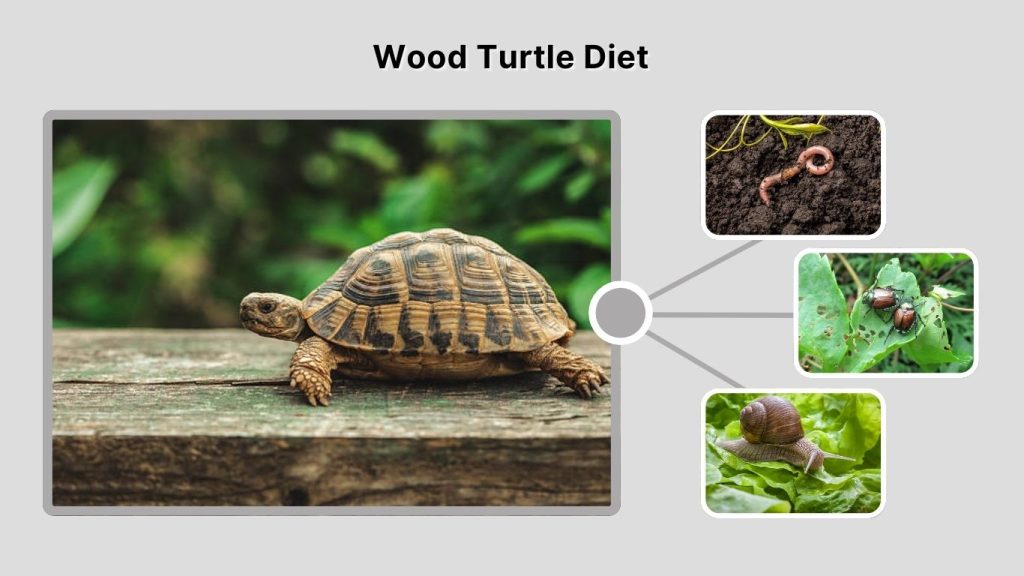
The wood turtle diet is omnivorous, meaning it includes both plant and animal matter. Their varied diet helps them adapt to seasonal changes in food availability.
Wood turtles feed both in water and on land, but much of their foraging happens on land during warmer months.
What Do Wood Turtles Eat?
Common foods in a wood turtle’s diet include:
- Earthworms
- Beetles and insects
- Slugs and snails
- Caterpillars
- Berries
- Mushrooms
- Leaves and tender plants
They may occasionally eat small amphibians or carrion, but plant matter and invertebrates make up the bulk of their diet.
Because they consume fruits and berries, wood turtles also play a role in seed dispersal within forest ecosystems.
Seasonal Diet Changes
The wood turtle diet can shift depending on the time of year. In spring, when turtles emerge from hibernation, they often focus on protein-rich foods such as earthworms, insects, and other invertebrates. These foods help replenish energy lost during winter dormancy.
During summer, wood turtles continue eating insects and worms but also consume more plant material. Berries, mushrooms, and leafy vegetation become important parts of their diet. In late summer and early fall, fruit consumption may increase as turtles prepare for winter by building fat reserves.
This flexible feeding strategy allows wood turtles to adapt to changing environmental conditions and food availability.
Wood Turtle Lifespan
The wood turtle lifespan is impressive compared to many other reptiles. In the wild, wood turtles commonly live 40 to 60 years, and some individuals may survive even longer under ideal conditions.
If protected from predators and human-related threats, a wood turtle can live for several decades. In captivity, where food and shelter are controlled, they may reach similar or slightly longer lifespans.
How Long Does a Wood Turtle Live?
Many people ask, how long does a wood turtle live? The answer depends largely on habitat quality and environmental pressures. Because wood turtles grow slowly and take years to mature, they rely on long lifespans to maintain stable populations.
Wood turtles typically reach sexual maturity between 10 and 20 years of age, depending on climate and food availability. Their slow growth and delayed maturity make them especially vulnerable to population decline if adults are lost.
Factors That Affect Lifespan
Several factors influence wood turtle longevity:
- Habitat destruction
- Road mortality
- Water pollution
- Predation on eggs and juveniles
- Illegal collection for the pet trade
Since adults reproduce over many years, protecting mature turtles is critical for the survival of the species.
Reproduction and Life Cycle
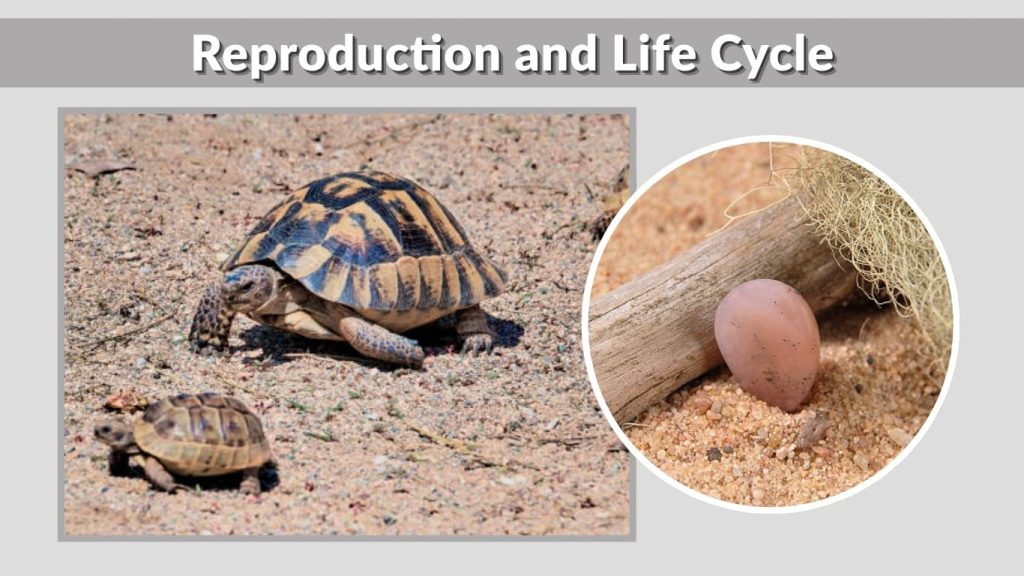
Wood turtles usually mate in spring and sometimes again in fall. Courtship often takes place in or near water, where males may pursue females and display subtle behavioral cues.
In late spring or early summer, females leave the water to find suitable nesting sites. They prefer sunny areas with loose soil, gravel bars, or sandy banks near streams.
A typical clutch contains 5 to 15 eggs, which is smaller than many other turtle species. After digging a shallow nest, the female lays her eggs and covers them carefully. Like most turtles, she does not provide parental care after nesting.
The incubation period lasts approximately 60 to 75 days, depending on temperature. Warmer conditions can influence both development speed and hatchling sex.
Hatchlings usually emerge in late summer or early fall. They are small and highly vulnerable to predators such as raccoons, birds, and foxes. Many young turtles do not survive their first year, which makes adult survival even more important for maintaining healthy populations.
Threats and Conservation Status
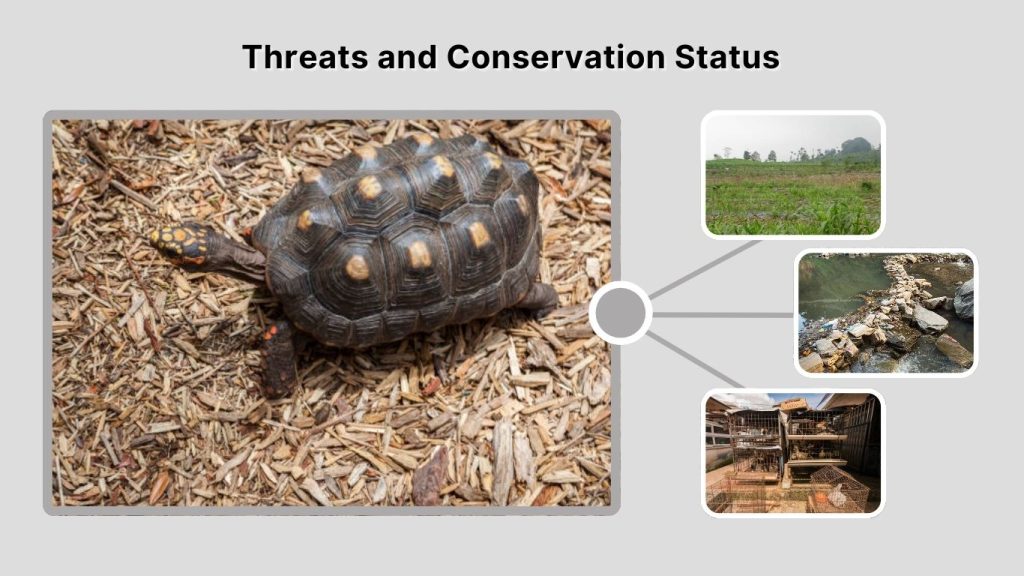
Wood turtles are considered a species of conservation concern in many parts of their range. Their dependence on clean waterways and undisturbed forest habitats makes them sensitive to environmental changes.
Major threats include:
- Habitat loss due to development and agriculture
- Stream pollution and sedimentation
- Road crossings during seasonal movements
- Illegal collection for the pet trade
Because wood turtles often return to the same nesting and feeding areas each year, habitat destruction can have long-term effects on local populations.
In several states and provinces, wood turtles are protected by law. Conservation efforts focus on habitat preservation, reducing road mortality, and monitoring populations.
Why Wood Turtles Are Important
Wood turtles play an important ecological role in the environments they inhabit. As omnivores, they help control insect and invertebrate populations. By consuming berries and fruits, they also contribute to seed dispersal, supporting plant growth in forest ecosystems.
Additionally, wood turtles serve as indicator species, meaning their presence often reflects healthy freshwater systems. If wood turtle populations decline, it may signal broader environmental problems such as pollution or habitat degradation.
Protecting wood turtles ultimately supports the health of rivers, forests, and wetlands that benefit many other species as well.
Conclusion
The wood turtle is a remarkable freshwater species known for its sculpted shell, active behavior, and long lifespan. Living in forested areas near clean streams, it thrives in both aquatic and terrestrial habitats. With an omnivorous diet and unique foraging strategies like earthworm stomping, the wood turtle demonstrates surprising adaptability and intelligence. However, habitat loss and human activity pose serious challenges. By understanding wood turtle habitat, behavior, diet, and lifespan, we can better appreciate—and help protect—this fascinating reptile for future generations.