

When you hear the term bird-eating spider, it’s easy to imagine a terrifying, human-hunting monster lurking in the jungle. These massive tarantulas, especially the Goliath bird-eating spider (Theraphosa blondi), have gained a reputation that often borders on myth. With their huge, hairy legs and thick fangs, they look like something from a horror movie. But the real question is—are they truly dangerous to humans? Let’s get start.
Do Bird-Eating Spiders Bite Humans?

Yes, bird-eating spiders can bite humans, but they rarely do unless provoked or mishandled. A bite is typically a defensive response, not an act of aggression. In the wild, these spiders prefer to retreat into their burrows when disturbed. If cornered or threatened, they may rear up, hiss (a sound produced by leg rubbing called stridulation), and display their massive fangs.
If this warning is ignored, they may resort to biting. However, this is not their go-to reaction. In fact, most bites happen in captivity due to handling mistakes.
How Painful Is the Bite?
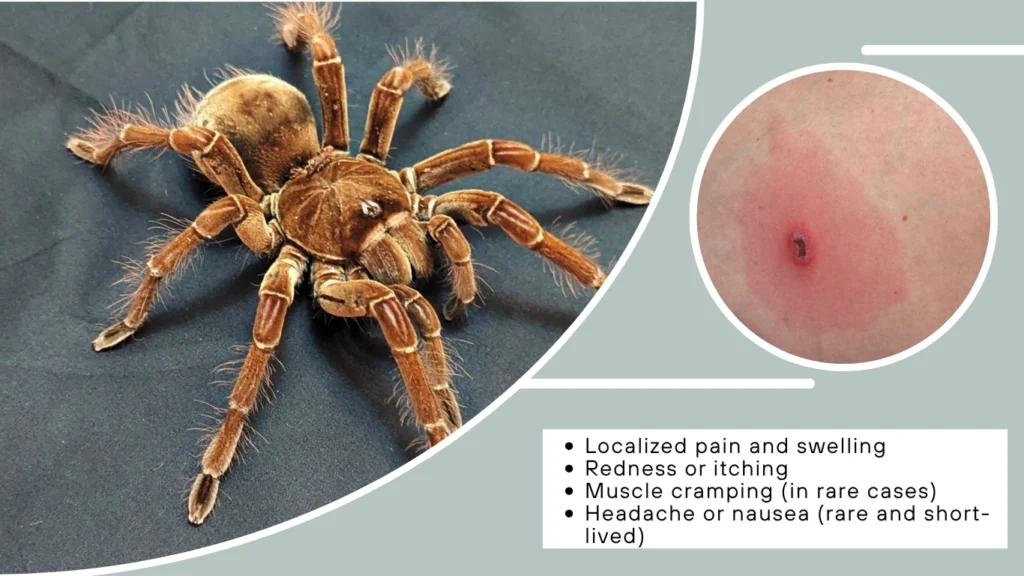
A Goliath bird-eating spider bite is painful, but not life-threatening. The fangs are strong enough to pierce human skin deeply, and the mechanical damage alone can cause significant pain, swelling, and bleeding.
As for venom, these spiders do possess venom, but it is not considered medically significant to humans. The effects are usually mild—similar to a wasp or bee sting—and may include:
- Localized pain and swelling
- Redness or itching
- Muscle cramping (in rare cases)
- Headache or nausea (rare and short-lived)
People with allergies to spider venom or insect bites may experience stronger symptoms, but severe cases are extremely rare.
What Is a Bird-Eating Spider?
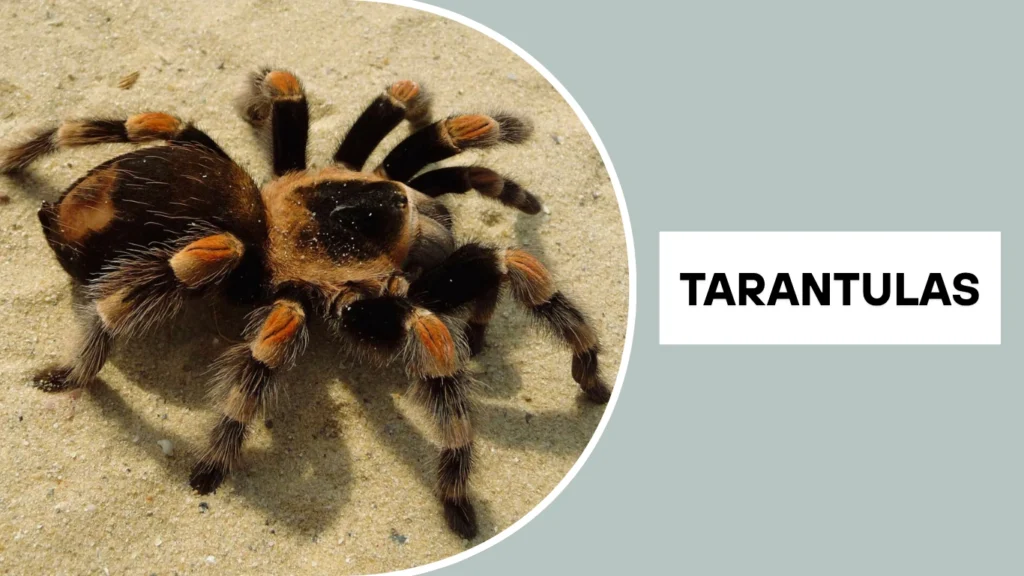
The term bird-eating spider commonly refers to a group of large tarantulas, most notably the Goliath bird-eating spider, native to the rainforests of South America. Despite the dramatic name, these spiders rarely eat birds. They mostly feed on insects, frogs, small lizards, and rodents. The name came from a 19th-century illustration of a Goliath eating a hummingbird—an unusual event, not a common habit.
These spiders are the largest in the world by mass, with leg spans reaching up to 12 inches and fangs that can grow over an inch long. But their size is not necessarily a sign of extreme danger.
Are Urticating Hairs a Bigger Threat?
Yes—surprisingly, the Goliath’s urticating hairs can be more problematic than the bite itself. These tiny, barbed hairs are released from the spider’s abdomen when it feels threatened. Once airborne, they can irritate the skin, eyes, nose, or throat.
Common reactions to urticating hairs include:
- Itchy rash or burning skin
- Redness and inflammation
- Eye irritation or conjunctivitis (if hairs get in the eye)
- Respiratory discomfort if inhaled
These hairs are a primary defense mechanism, especially effective against mammals and curious predators. In captivity, keepers are advised to wear gloves and avoid placing their face near the spider’s enclosure to prevent contact.
Are Bird-Eating Spiders Aggressive Toward Humans?

Not at all. Bird-eating spiders are defensive, not aggressive. They don’t seek out humans or attack without cause. In the wild, they go to great lengths to avoid confrontation—hiding in burrows, freezing in place, or fleeing. Their imposing size and behavior are mostly to deter predators, not to harm people.
Even in captivity, they don’t lash out unless they feel threatened by handling or disturbance. Responsible spider owners know to observe, not touch, and let the spider remain in peace.
Has Anyone Died from a Bird-Eating Spider Bite?
To date, no confirmed deaths have been attributed to a Goliath bird-eating spider or any other bird-eating tarantula. While allergic reactions can happen, the venom of these spiders is far less potent than that of a black widow or brown recluse.
Most people who are bitten suffer temporary discomfort and recover fully with minimal treatment—usually just cleaning the wound and using pain relief if needed.
How to Stay Safe Around Bird-Eating Spiders
Whether you’re encountering one in the wild or keeping one in captivity, follow these tips to stay safe:
- Don’t handle them – they don’t like being touched.
- Avoid provoking them – sudden movements or vibrations can stress them.
- Use protective gear – wear gloves when cleaning enclosures.
- Keep face and eyes away – urticating hairs can float and irritate mucous membranes.
- Seek medical advice – if bitten or if urticating hairs cause severe irritation.
Final Verdict: Are They Dangerous to Humans?
In reality, bird-eating spiders are not dangerous to humans in the sense of being deadly or highly venomous. Their size and appearance may spark fear, but they are reclusive, defensive creatures that pose minimal risk when respected. Bites are rare, and serious medical complications are even rarer.
If you’re fascinated by them, observe from a distance, appreciate their unique role in the ecosystem, and respect their space. With that approach, there’s little to fear from the world’s biggest spider.