

Camel spiders, also called wind scorpions or solifuges, are among the most feared arachnids on the planet—not necessarily because of what they do, but because of how they look and move. Their intimidating size, fast movements, and fearsome jaws have earned them a terrifying reputation online and in real life, especially among soldiers deployed in desert regions like Iraq and Afghanistan.
But how dangerous are camel spiders, really? Do they pose any real threat to humans? This article separates myth from fact, explaining whether camel spiders are actually dangerous, what risks they pose, and how to safely handle an encounter.
Are Camel Spiders Venomous or Poisonous?

This is one of the most common misconceptions.
No, camel spiders are neither venomous nor poisonous to humans or animals.
- They do not produce venom
- They cannot inject toxins
- They rely entirely on physical force to subdue prey
Their large jaws are strong enough to bite through skin, which can make the injury look worse than it is—but there is no toxic effect from the bite itself.
Do Camel Spiders Bite Humans?

Yes, camel spiders can bite, but it’s important to understand the context:
- They only bite when provoked, cornered, or accidentally touched
- They do not hunt humans or actively seek them out
- Bites are defensive, not predatory
When they do bite, it can result in:
- A painful puncture or tear in the skin
- Redness, swelling, and sometimes bleeding
- Infection, if the wound is not cleaned properly
The pain is caused by the bite force, not venom. In most cases, the injury is mild and heals quickly with proper care.
Why Do People Think Camel Spiders Are Dangerous?

A lot of the fear around camel spiders comes from exaggerated stories and viral images. Some common myths include:
1. They Chase People
Camel spiders are fast, and sometimes they run toward humans—but not to attack.
They are often chasing your shadow for the shade or trying to escape from sunlight, which can overheat them. This behavior is misunderstood as aggression.
2. They Can Kill Camels
There’s no truth to this. Despite their name, camel spiders do not kill or eat camels. The name likely comes from their desert habitat, where camels are common.
3. They’re Giant Man-Eaters
Photos showing camel spiders the size of dinner plates are often forced-perspective images. While some species can reach 6 inches including legs, most are 3 to 4 inches long and not capable of attacking large animals or people.
Actual Risks of Camel Spiders to Humans

Camel spiders may not be life-threatening, but they can pose minor risks under certain circumstances.
1. Painful Bites
Their strong jaws can cause a deep cut, similar to a knife or animal scratch.
- The wound may bleed and become swollen
- Pain can last for a few hours
- There’s a risk of secondary infection
2. Infection
Because they often live in soil, under rocks, or near decaying material, the bacteria from their habitat can be introduced into the bite wound. If not properly cleaned, this can lead to:
- Redness and warmth
- Pus or oozing
- Fever or chills (in rare cases)
3. Allergic Reactions
Though extremely rare, some individuals may experience localized allergic responses like increased swelling or itching. However, anaphylaxis or serious reactions are unheard of in relation to camel spider bites.
Are Camel Spiders Dangerous to Pets?
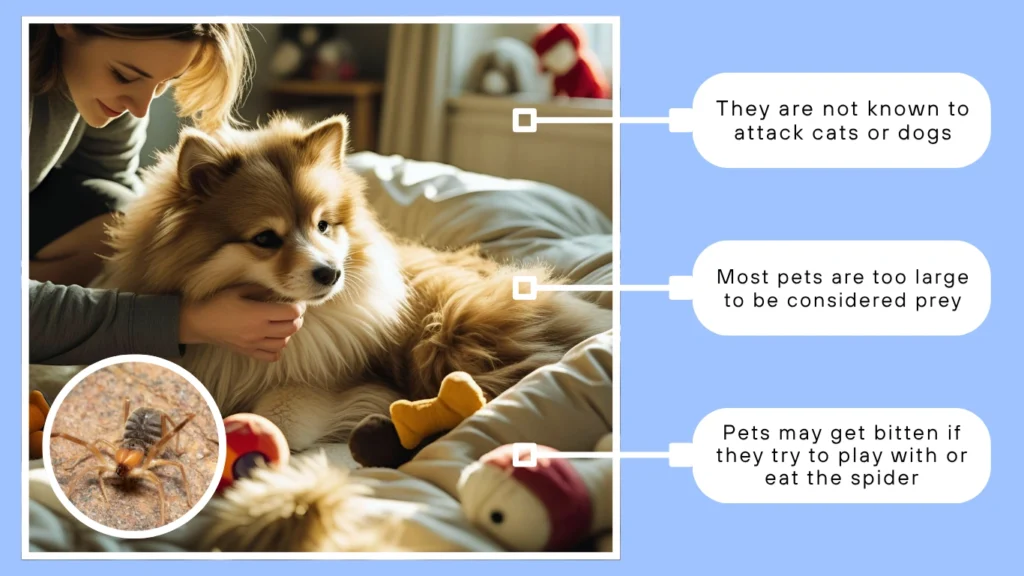
Camel spiders may attack and kill small insects, lizards, and possibly baby rodents. However:
- They are not known to attack cats or dogs
- Most pets are too large to be considered prey
- Pets may get bitten if they try to play with or eat the spider
The worst-case scenario is a bite to the nose or paw, which might need vet attention for swelling or infection.
What Should You Do If Bitten by a Camel Spider?
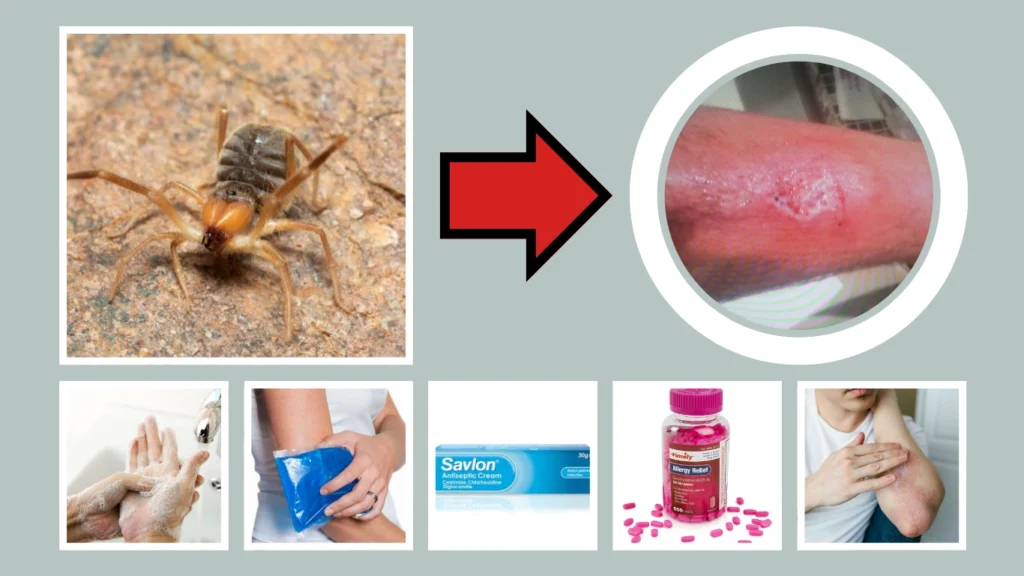
If you are bitten, remain calm. Most bites are not serious and can be treated at home.
First Aid Steps:
- Wash the wound thoroughly with soap and water
- Apply an antiseptic to reduce infection risk
- Use a cold compress to reduce swelling
- Keep the area elevated and clean
- Do not scratch or irritate the wound
When to See a Doctor:
- The wound becomes red, hot, or filled with pus
- You develop a fever
- The pain worsens over time
- The bite doesn’t heal after several days
Camel Spider Safety Tips

You’re unlikely to run into a camel spider unless you live or travel in a desert region like:
- Arizona or New Mexico (USA)
- Iraq, Saudi Arabia, or Egypt
- Afghanistan or Pakistan
Still, it’s smart to take basic precautions:
- Shake out boots and shoes before wearing them
- Don’t leave bedding or clothing on the ground
- Avoid sticking your hands into dark crevices or under rocks
- Use a flashlight at night when walking in desert areas
If you do encounter one, do not touch or corner it. Give it space, and it will likely run away.
FAQs About Camel Spider Danger
1. Are camel spiders deadly to humans?
No. They are not venomous and have no toxic effect on humans. Their bites may hurt but are not fatal.
2. Do camel spiders eat people?
Absolutely not. Camel spiders are insectivores and occasionally eat small reptiles or rodents. They do not attack or eat humans.
3. Can you die from a camel spider bite?
There are no documented cases of human deaths from camel spider bites. With proper wound care, recovery is usually quick and without complication.
4. Why are soldiers afraid of camel spiders?
Because of their size, speed, and tendency to appear suddenly at night. Exaggerated stories from deployments have added to their fearsome reputation.
5. Do camel spiders jump?
No, they do not jump. They run quickly, but there is no evidence they can leap onto prey or people.
Conclusion
So, are camel spiders dangerous? Not in the way many people believe. They don’t carry venom, don’t spread disease, and aren’t actively aggressive toward humans. The real danger lies in their strong bite, which can cause temporary pain and possibly lead to infection if ignored.
If you encounter one in the wild, the best approach is to observe from a distance and let it move along. These fascinating desert hunters may look terrifying, but in reality, they’re far more afraid of you than you are of them.