

Camel spiders—also known as wind scorpions or solifuges—are often misunderstood due to their fierce appearance and viral myths. Found mainly in deserts, they are fast-moving, nocturnal hunters that strike fear into many who encounter them. While popular stories claim they grow to enormous sizes and attack humans, the truth is far less dramatic. One frequently asked question, however, deserves a fact-based answer: Are camel spiders endangered or at risk of extinction?
Are Camel Spiders Endangered of Extinction?
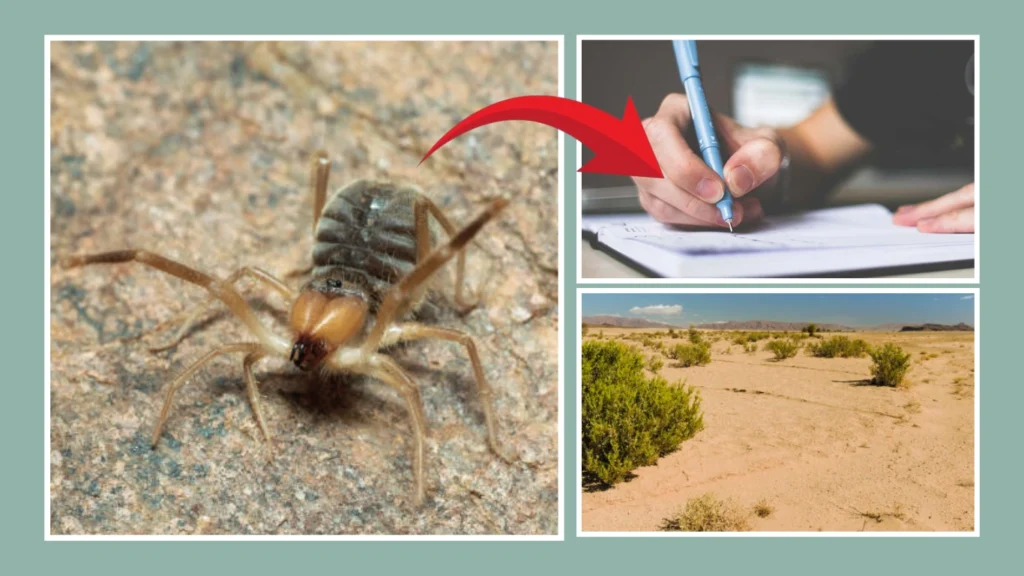
No, camel spiders are not endangered. These creatures are currently considered to have stable populations throughout their native desert habitats. They are not listed on global conservation databases such as the IUCN Red List or CITES and face no widespread threats that would classify them as at risk.
Despite the mystery surrounding their behavior, they are not rare in the wild. Their secretive nature and nocturnal habits often give the impression that they are vanishing or uncommon, but this is misleading.
What Are Camel Spiders?

Classification and Biology
- Scientific order: Solifugae
- Class: Arachnida
- Common names: Wind scorpion, sun spider, solifuge
Although they resemble spiders and scorpions, camel spiders belong to a unique order of arachnids. They have large jaws (chelicerae), a segmented body, and long, fast-moving legs—traits that contribute to their fierce reputation.
Camel spiders lack venom glands and do not spin webs. They use their powerful jaws to tear apart prey, which includes insects, small reptiles, and even other arachnids.
Where Do Camel Spiders Live?

Camel spiders inhabit hot, dry climates across the globe. Their primary distribution includes:
- Middle East: Iraq, Saudi Arabia, Iran
- North Africa: Egypt, Algeria, Sudan
- Southwestern USA and Mexico: Arizona, Texas, California
- Central and South Asia: Pakistan, India, Afghanistan
They prefer to stay in dry grasslands, deserts, and rocky environments, often hiding during the day and emerging at night to hunt.
Why Some People Think Camel Spiders Are Endangered

1. Rare Sightings
Camel spiders avoid daylight and are most active at night. Because of this, sightings are rare, and people often assume their absence means low population.
2. Misleading Viral Images
Several photos of camel spiders, especially from soldiers stationed in Iraq and Afghanistan, circulated online and exaggerated their size using forced perspective. These images misled people into believing they were seeing a rare or gigantic creature.
3. Confusion with Similar Species
People sometimes confuse camel spiders with other large arachnids, like tarantulas or scorpions. Misidentification can contribute to the idea that camel spiders are unique and rare, further fueling concerns about their survival.
Are They Legally Protected?
Camel spiders are not protected by any international or national wildlife laws. They are not listed on:
- CITES (Convention on International Trade in Endangered Species)
- IUCN Red List
- Any local or national endangered species lists
This lack of legal protection, however, does not indicate neglect—it reflects their stable population and low risk of extinction.
Threats to Camel Spiders
Although not endangered, camel spiders face some localized challenges:
1. Habitat Disruption
Construction, agriculture, and infrastructure development in arid regions may destroy burrowing habitats or reduce available prey. Urban expansion in desert areas can push them away from traditional ranges.
2. Use of Pesticides
Widespread pesticide use can poison camel spiders or reduce the availability of prey species like termites, beetles, and grasshoppers.
3. Climate Change
Shifts in temperature, rainfall patterns, and extreme weather events may disrupt the delicate balance of desert ecosystems, possibly affecting soil conditions needed for burrowing and hiding.
The Ecological Role of Camel Spiders
Despite their frightening appearance, camel spiders play a helpful role in the ecosystem:
- Natural pest control: They feed on insects and small pests that can harm plants or spread disease.
- Prey for larger animals: Birds, reptiles, and mammals rely on camel spiders as part of the food web.
- Soil health: Their digging and burrowing activities contribute to aerating the soil, improving desert soil structure.
Population Status Around the World
Camel spiders are widespread and not concentrated in any single region. This broad distribution helps buffer them against extinction risks. Additionally, their ability to adapt to harsh climates gives them a survival advantage. As long as their desert habitats remain mostly undisturbed, their populations are expected to remain healthy.
FAQs
1. Why don’t we hear about camel spider conservation efforts?
Camel spiders are not currently in need of specific conservation efforts because their populations are considered stable and not under immediate threat. Conservation resources are typically directed toward species that are declining, have limited habitats, or are directly threatened by human activities. Since camel spiders are neither economically important nor endangered, they do not attract conservation campaigns.
2. How do camel spiders survive in extreme heat?
Camel spiders are remarkably well adapted to hot, dry environments. They are nocturnal, avoiding daytime heat, and shelter in burrows or under rocks to stay cool. Their light-colored, hairy bodies reflect sunlight and help with thermal regulation. Some species can move rapidly to escape sun exposure or find food quickly, reducing time spent in dangerous conditions.
3. Are camel spiders dangerous to humans?
Not really. Camel spiders are not venomous and rarely bite unless provoked or trapped. Their bites can be painful due to their strong jaws but usually don’t require medical attention. The greatest risk comes from secondary infection, not the bite itself. In general, they avoid humans and only seek shelter, not confrontation.
4. What happens if camel spiders lose their natural habitat?
If their habitat is significantly disturbed—such as by development, climate shifts, or pesticide use—camel spiders could face local population declines. They rely on loose, dry soil for burrowing and a healthy insect population for food. However, because of their wide distribution and adaptability, the species as a whole is unlikely to go extinct, even if some areas see reductions.
5. Could camel spiders become endangered in the future?
While not currently endangered, camel spiders could face localized risks if environmental changes accelerate. Climate change poses a significant long-term threat, particularly in terms of altering prey availability and soil conditions. Furthermore, urban expansion into desert habitats may reduce the space available for these solitary hunters. If such threats are not monitored, specific species within the Solifugae order could be impacted. However, the global population is diverse and widespread, so extinction of the entire group is highly unlikely in the foreseeable future.