

The golden silk orb weaver, also known as the banana spider or giant wood spider, is one of the most fascinating arachnids in the world. Recognized for their shimmering golden webs and striking appearance, these spiders often capture attention in tropical and subtropical regions. Many people wonder whether the golden silk orb weaver is poisonous and if it poses any real danger to humans or pets. Understanding their venom, behavior, and role in nature helps clarify common misconceptions.
Golden Silk Orb Weaver Overview

The golden silk orb weaver belongs to the genus Nephila, with Nephila clavipes being the most widespread species. These spiders are typically found in warm regions such as North America, South America, Asia, and parts of Australia. They thrive in forests, gardens, and even near human settlements where insects are plentiful.
Their common name, “golden orb weaver,” comes from the unique golden hue of their silk, which shimmers beautifully under sunlight. This feature makes their webs both attractive and effective for trapping prey, mostly flying insects like flies, mosquitoes, and small moths.
Appearance and Web Structure
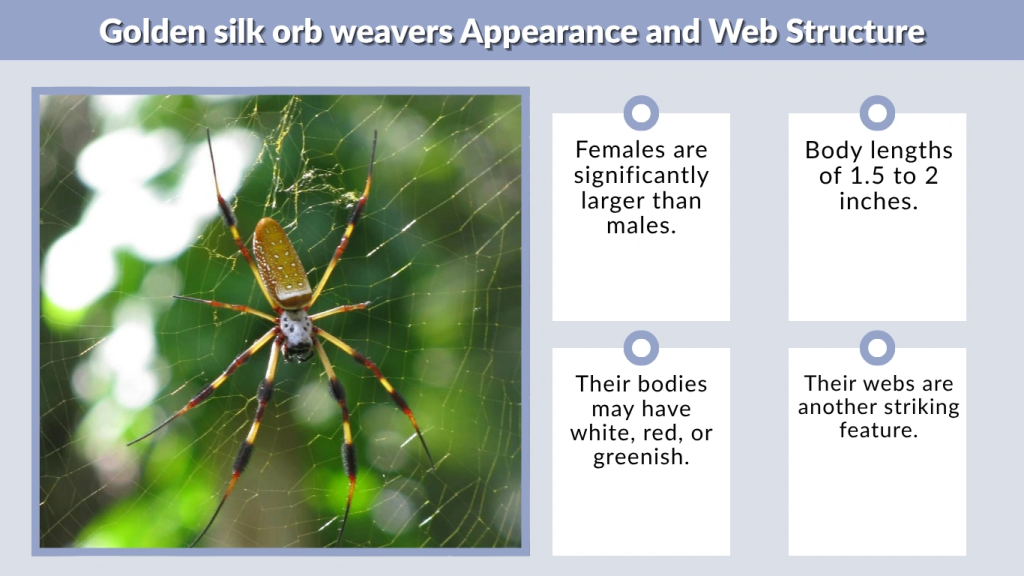
Golden silk orb weavers are known for their size and distinctive look. Females are significantly larger than males, often reaching body lengths of 1.5 to 2 inches, while males are much smaller, sometimes less than half the female’s size. Their long legs often display bright yellow or orange bands, and their bodies may have white, red, or greenish markings.
Their webs are another striking feature. Measuring up to six feet across, the webs are spun with golden-colored silk that glows when sunlight hits it. This unique color not only attracts insects but also makes the spider’s web less visible to prey.
Are Golden Silk Orb Weaver Spiders Poisonous?

One of the most common questions about these spiders is whether they are poisonous. The answer depends on understanding the difference between “poisonous” and “venomous.” Golden silk orb weavers are venomous, meaning they produce venom to subdue their prey. However, they are not poisonous, and their venom is not considered dangerous to humans.
Their venom works effectively on small insects, quickly immobilizing them for feeding. For humans, however, a bite usually causes only mild symptoms. Unlike dangerous species such as the black widow or brown recluse, golden silk orb weaver bites are not life-threatening.
Golden Silk Orb Weaver Bite Symptoms

Although these spiders are not aggressive, bites can occur if they are provoked or handled roughly. Common bite symptoms include:
- Mild pain or a burning sensation.
- Redness or localized swelling.
- Itchiness lasting a few hours.
Most bites heal without medical treatment, and severe reactions are extremely rare. People with insect or spider allergies may experience stronger responses, so monitoring symptoms is wise. In such cases, medical attention should be sought, but for most individuals, the bite is harmless.
Are Golden Silk Orb Weavers Dangerous to Pets?
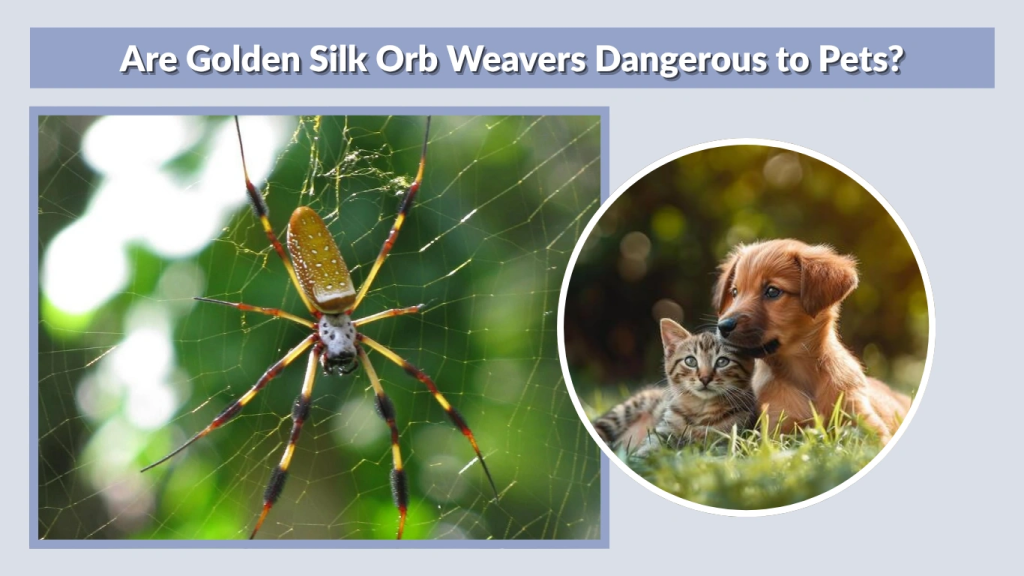
Pet owners often worry about spiders around their homes, especially in gardens. Golden silk orb weaver bites on dogs or cats are uncommon, as these spiders generally avoid larger animals. If a pet were bitten, the effects would usually be mild—similar to a bee sting—with slight swelling or irritation.
Veterinary care is recommended only if unusual symptoms such as difficulty breathing, persistent swelling, or lethargy occur. Otherwise, the golden silk orb weaver poses no serious risk to household pets.
Human Interaction and Friendliness
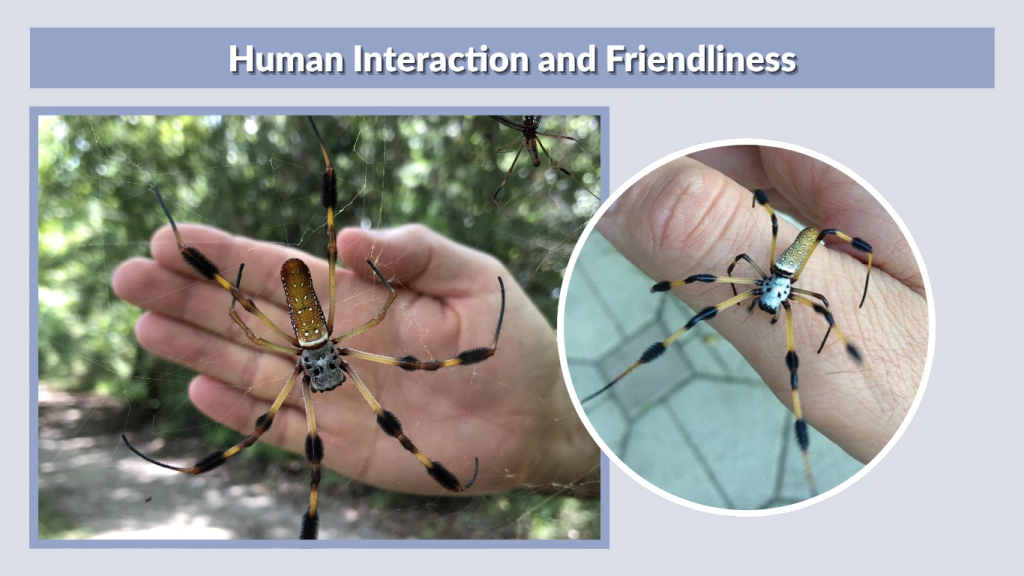
Golden silk orb weavers are not aggressive by nature. They prefer to stay within their webs, patiently waiting for prey rather than seeking confrontation. These spiders often retreat when disturbed and will only bite as a defensive reaction. Their calm nature makes them far less threatening than their appearance might suggest.
In fact, they play a helpful role in controlling insect populations, including mosquitoes and other pests. Gardeners often find their presence beneficial, as the spiders reduce the number of insects that could otherwise damage plants.
Lifespan and Behavior
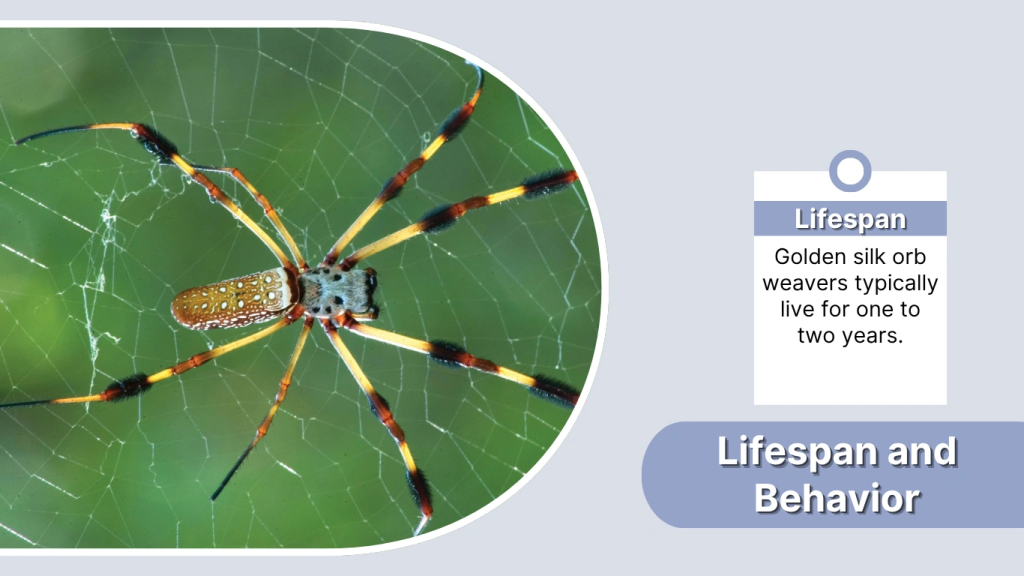
Golden silk orb weavers typically live for one to two years. Females usually live longer than males, who often die shortly after mating. Seasonal patterns influence their lifespan—many spiders hatch in spring, grow throughout summer, and reach maturity by late summer or fall.
Their web-building habits are fascinating. These spiders rebuild or reinforce their webs regularly, ensuring the golden silk remains strong and functional. The webs can span several feet, making them some of the largest spider webs found in nature. Their daily routine revolves around capturing prey, feeding, and repairing their webs.
Myths and Misconceptions
Golden silk orb weavers are often misunderstood because of their large size and intimidating appearance. One common myth is that they are deadly to humans, but this is false. While they do produce venom, it is mild and rarely causes more than minor irritation.
Another misconception is that they are the same as the “banana spider” found in South America, which has a dangerous bite. The confusion comes from shared nicknames, but golden silk orb weavers are not related to the highly venomous species. Clearing up these myths helps people appreciate them without fear.
Safety Tips and Prevention
Although golden silk orb weavers are harmless to humans, it is still wise to use caution when encountering them. Here are a few safety tips:
- Avoid touching or disturbing the spider or its web.
- Wear gloves when gardening in areas where webs are present.
- Teach children not to poke or handle spiders.
- If bitten, wash the area with soap and water, apply ice for swelling, and monitor symptoms.
Medical attention is only needed if severe allergic reactions occur. Otherwise, simple first aid is sufficient.
FAQs
Are golden silk orb weaver spiders poisonous?
Golden silk orb weavers are venomous, not poisonous. Their venom is used to immobilize insects, but it poses no serious danger to humans. A bite might cause minor irritation or redness, but it is not harmful like venom from black widows or brown recluses.
Can golden silk orb weaver spiders bite humans?
Yes, they can bite if provoked, but such cases are rare. Bites usually result in mild symptoms such as swelling, pain, or itchiness. Most bites heal on their own within a few days without medical treatment, unless the person has an allergic reaction.
Are golden silk orb weavers dangerous to pets?
These spiders are generally harmless to pets. Dogs and cats that encounter them may experience mild irritation if bitten, similar to an insect sting. Serious effects are rare, but if unusual reactions like excessive swelling or lethargy occur, seeking veterinary advice is recommended for safety.
How long do golden silk orb weaver spiders live?
On average, golden silk orb weavers live between one and two years. Females usually outlive males, who often die after mating. Their life cycle is influenced by climate, with most spiders reaching maturity by late summer and surviving until colder weather ends their activity.
Why are their webs golden in color?
The silk of these spiders has a natural golden tint that glows under sunlight. This unique coloration may help camouflage the web while also attracting insects. The golden threads are both strong and flexible, allowing the spider to build large, durable webs that stand out in nature.
