
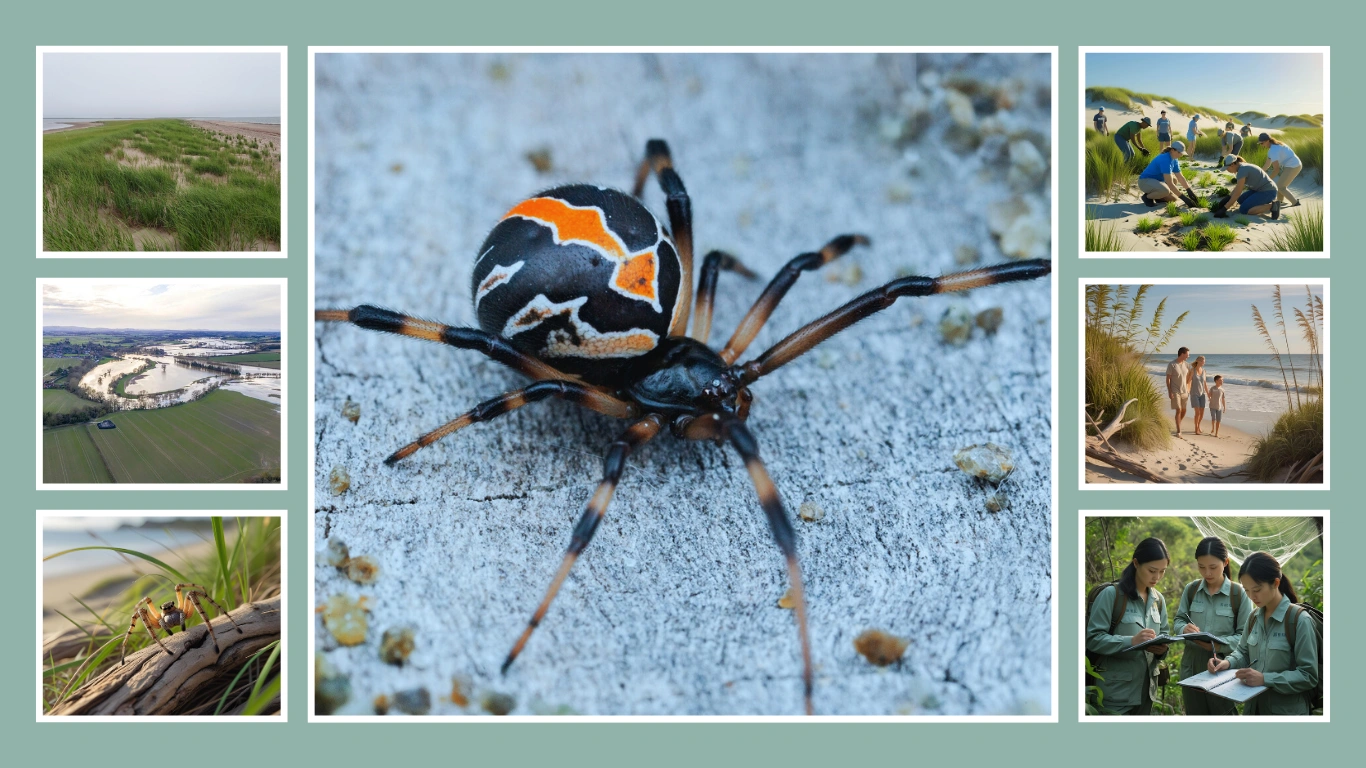
The katipō spider (Latrodectus katipo) is one of New Zealand’s few venomous native spiders and a close relative of the black widow. With its glossy black body and striking red stripe, it may look intimidating—but its shy behavior and isolated habitat make encounters with humans rare. Despite its fearsome reputation, this spider isn’t a threat to people. However, when it comes to conservation, the katipō is a species of serious concern. So, is the katipō spider endangered of extinction? Let’s explore its status in detail.
Is the Katipo Spider Endangered?
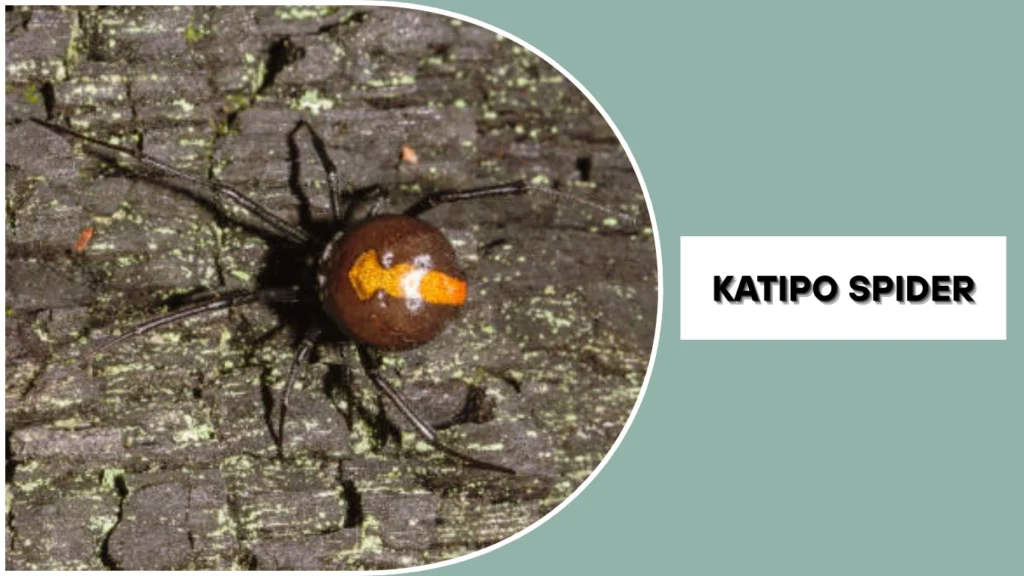
Yes, the katipō spider is officially classified as endangered. It is listed as “At Risk – Declining” under New Zealand’s Department of Conservation (DOC) Threat Classification System and has been recognized as nationally endangered due to rapid habitat loss, competition from invasive species, and declining population numbers.
This makes the katipō one of the few spider species in the world to receive legal protection and conservation attention.
What Is the Katipō Spider?

Identification and Traits
- Scientific Name: Latrodectus katipo
- Family: Theridiidae (comb-footed spiders)
- Coloration: Shiny black body with a red stripe or hourglass on the back (females)
- Size: Around 8–10 mm (females), much smaller for males
- Venom: Venomous but rarely life-threatening to humans
The katipō is part of the widow spider group and is most closely related to the Australian redback (Latrodectus hasselti) and North American black widow (Latrodectus mactans). Like its relatives, the katipō uses a messy, sticky web to trap insects and spends much of its time hidden in vegetation or under driftwood.
Where Do Katipō Spiders Live?
Katipō spiders are endemic to New Zealand, meaning they are found nowhere else on Earth. They prefer coastal dune habitats, particularly in:
- North Island
- South Island’s eastern coastline
- Near low-lying sand dunes, grasses, or driftwood debris
Their habitat is highly specific—open, sandy coastlines with native dune vegetation like pingao (golden sand sedge) and spinifex. This specialization has made the katipō extremely vulnerable to environmental changes.
Why Are Katipō Spiders Endangered?
1. Habitat Destruction
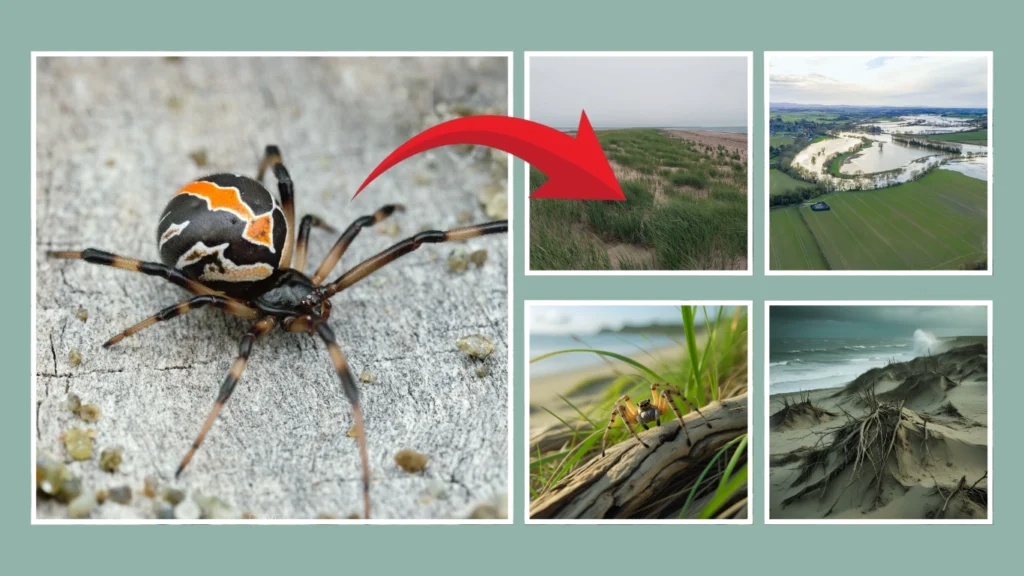
Urban development, dune stabilizing efforts, and the spread of invasive grasses (such as marram grass) have drastically altered the katipō’s native habitat. These changes make it difficult for them to find nesting sites and prey.
2. Invasive Species
The Australian redback spider has made its way into some coastal parts of New Zealand and competes directly with katipō spiders. Redbacks are more aggressive, breed faster, and may be outcompeting katipōs for food and territory.
3. Human Interference
Even though katipō spiders are shy, fear and misunderstanding often lead people to destroy them or remove the driftwood and native grasses they rely on. Recreational beach activities also disturb their environment.
4. Climate Change
Rising sea levels and coastal erosion threaten dune habitats. Storm surges can wash away vegetation and spider webs, leaving them with fewer areas to live and reproduce.
What’s Being Done to Protect Them?
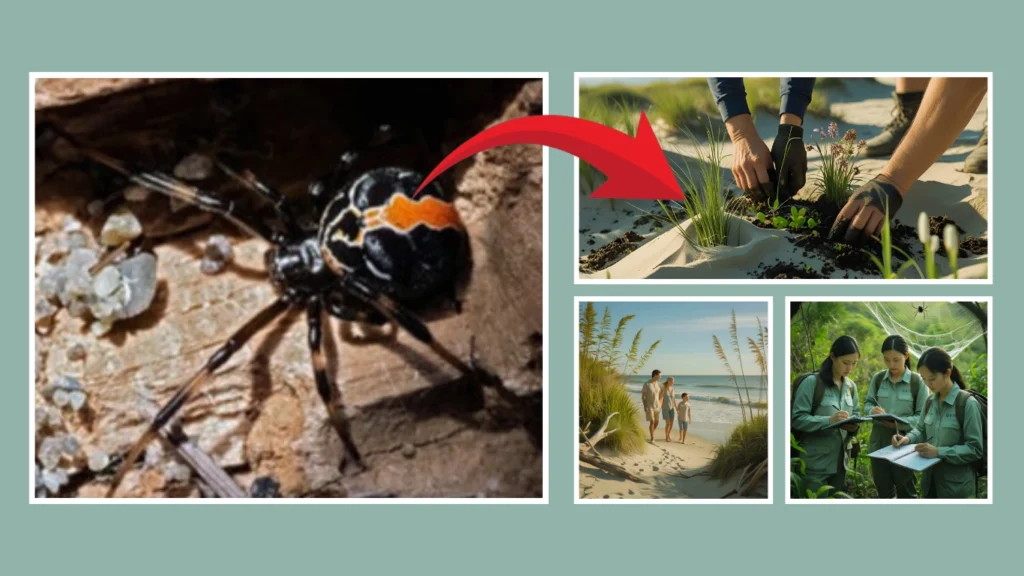
The katipō is legally protected under New Zealand law, and various conservation efforts are underway:
- Habitat restoration projects: Replanting native dune vegetation
- Public awareness campaigns: Encouraging beachgoers not to remove driftwood or damage native plants
- Monitoring and research: Scientists regularly track katipō populations to understand how best to support recovery
Despite these efforts, the spider’s future remains uncertain without long-term habitat protection.
Are Katipō Spiders Dangerous?
While the katipō has venom similar to its widow relatives, bites are very rare and typically only occur when the spider is accidentally crushed or trapped against skin. Symptoms can include:
- Localized pain or swelling
- Muscle cramps
- Mild systemic symptoms like nausea or sweating
Most cases resolve with rest, pain relief, and hydration. Antivenom used for redback spider bites may also be effective in severe cases, but such incidents are almost unheard of.
Why Are They Important?
Though feared by some, katipō spiders play a beneficial role:
- Natural pest control: They feed on flies, beetles, and other insects
- Biodiversity marker: Their presence signals healthy coastal ecosystems
- Scientific interest: As one of the only native venomous spiders in New Zealand, they are key for research and ecological education
FAQs
1. How many katipō spiders are left in the wild?
Exact population numbers are hard to determine because of their secretive nature, but studies show that katipō spiders have disappeared from over 70% of their former range. In some areas, they are considered functionally extinct. Their remaining strongholds are limited to a few protected dune systems in remote coastal areas.
2. Can katipō spiders recover if given enough protection?
Yes, recovery is possible—but only if significant conservation action is taken. Restoring native dune habitats, controlling redback spider spread, and educating the public can help rebuild populations. Katipō spiders have a slow reproductive rate, so it will take years for numbers to increase. However, with suitable conditions, they can repopulate former habitats.
3. What should I do if I find a katipō spider?
If you find one, do not harm it. Instead:
- Leave it undisturbed
- Avoid removing surrounding driftwood or grasses
- If it’s in a public beach area, consider reporting the sighting to New Zealand’s Department of Conservation (DOC)
This helps researchers monitor populations and protect important habitat zones.
4. Are katipō spiders more endangered than other New Zealand spiders?
Yes, the katipō is currently New Zealand’s most endangered spider. While other native spiders may have localized threats, none have experienced the widespread habitat loss and competition from invasive species that the katipō has. It’s also one of the few spiders with legal protection in the country, highlighting its vulnerable status.
5. What’s the difference between katipō and redback spiders?
Both belong to the Latrodectus genus, but they differ in several ways:
| Feature | Katipō Spider | Redback Spider |
| Native Range | New Zealand only | Australia (introduced in NZ) |
| Size | Slightly smaller | Slightly larger |
| Behavior | Very shy, reclusive | More aggressive and visible |
| Stripe Location | On the back | On the underside (hourglass shape) |
| Habitat | Native sand dunes | Can live in human structures |
Redbacks are considered invasive in New Zealand and pose a threat to katipō populations due to their ability to thrive in a wider range of conditions and reproduce more rapidly.