

Tarantulas are among the most misunderstood creatures in the animal world. Their large, hairy bodies and slow movements often create fear, leading many to assume they are highly dangerous. However, the reality is more nuanced. While tarantulas do possess venom and defensive behaviors, their threat to humans is often exaggerated. Understanding their true nature helps separate fact from fear and ensures safer interactions with these fascinating spiders.
Tarantulas and Human Perception

For centuries, tarantulas have been linked with myths and exaggerated stories. In folklore, they were thought to cause deadly bites that led to uncontrollable dancing, a myth that inspired the word “tarantella.” Hollywood horror films further fueled the idea of giant, man-eating spiders. In truth, tarantulas are not nearly as lethal as their reputation suggests.
Unlike black widows or Brazilian wandering spiders, tarantulas are generally mild in venom potency. Their size and hairy appearance often cause more fear than their actual biological threat. Most species prefer to retreat rather than bite, making them less dangerous than people assume.
Are Tarantulas Dangerous to Humans?
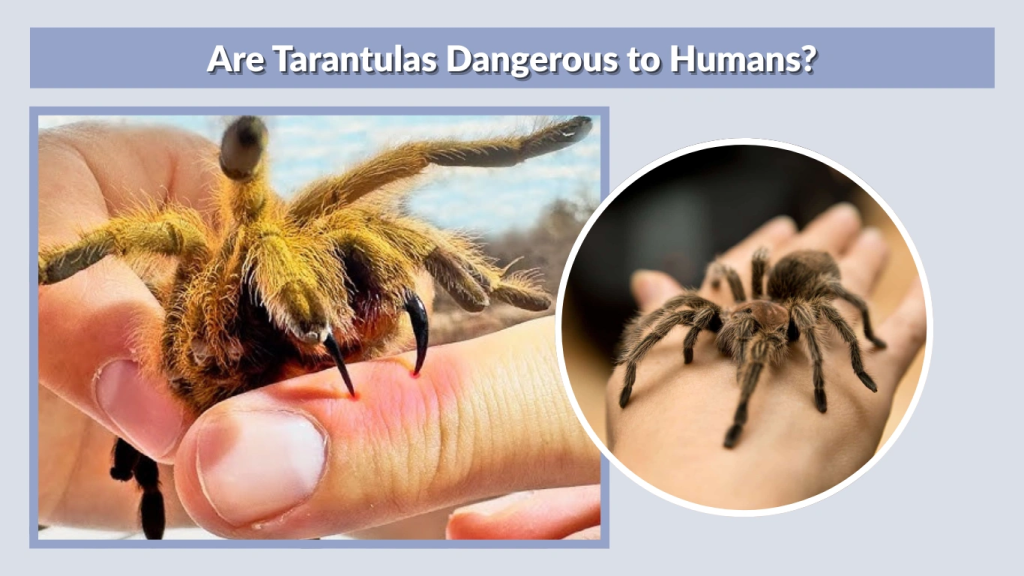
When it comes to humans, tarantulas are rarely a significant threat. Their venom is designed to subdue small prey like insects and lizards, not humans. In most cases, a tarantula bite results in effects similar to a bee sting—localized pain, redness, and mild swelling. Severe allergic reactions are extremely rare, and fatalities from tarantula bites are virtually unheard of.
The level of danger also depends on the species. New World tarantulas (found in the Americas) rely more on defensive hairs than venom, making their bites less medically important. Old World tarantulas (from Africa and Asia), on the other hand, tend to be more defensive and can deliver a stronger venom. While still not deadly, these bites can cause more intense pain, cramping, or prolonged discomfort.
Children and toddlers are slightly more at risk due to their smaller size and curiosity, but even then, bites are not considered life-threatening. Medical care is recommended only if severe allergic symptoms appear, such as difficulty breathing or excessive swelling.
Tarantula Bites and Their Effects
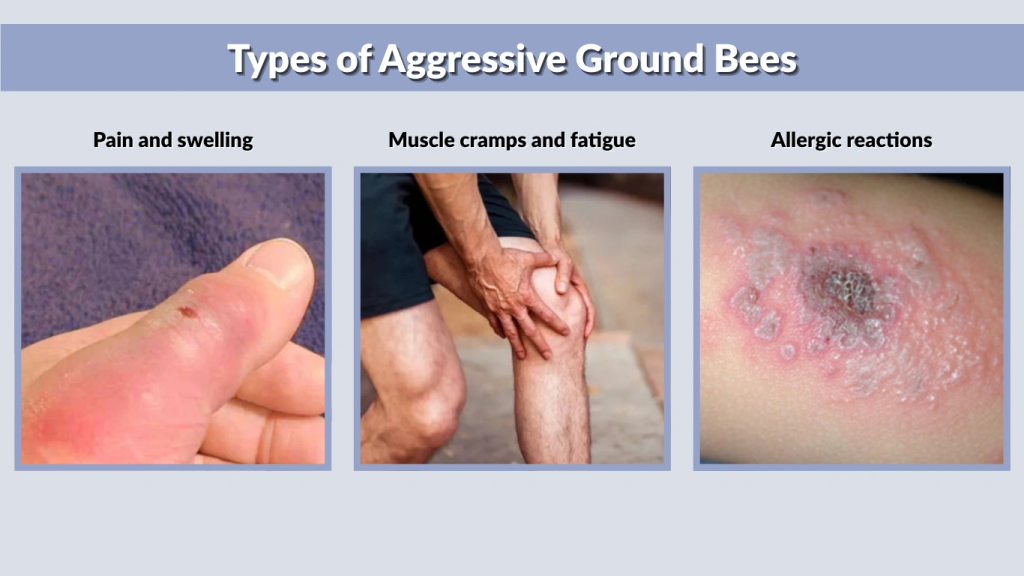
The question often asked is: How dangerous is a tarantula bite? The answer depends on the species and the individual’s reaction.
- Pain and swelling – Most bites cause temporary localized discomfort.
- Muscle cramps and fatigue – Some Old World species may trigger systemic effects, though they remain manageable.
- Allergic reactions – In rare cases, venom or the spider’s hairs can provoke more serious responses.
Interestingly, the hairs of many tarantulas are often more concerning than their bites. These “urticating hairs” can be flicked off the abdomen as a defense mechanism. When they come into contact with human skin, they can cause itching, rashes, or eye irritation. In sensitive individuals, this irritation may last longer than the pain of a bite itself.
Are Tarantulas Dangerous as Pets?
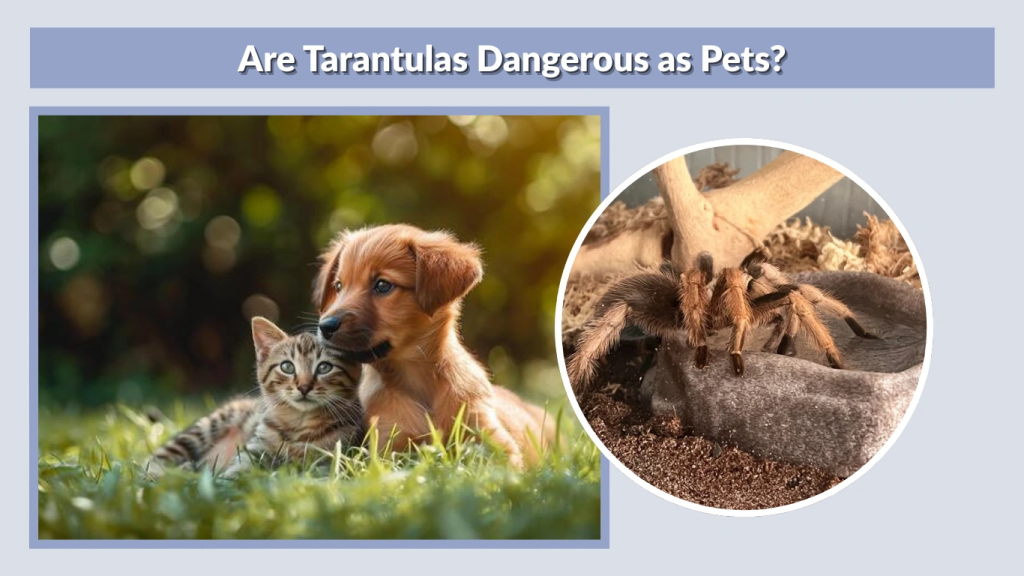
Tarantulas are popular exotic pets, but the idea of keeping a venomous spider in the home naturally raises concerns. The truth is that pet tarantulas are generally safe if handled with respect and care.
Common species kept in captivity, such as the Chilean Rose, Mexican Red Knee, and Pink Toe tarantulas, are considered docile. They rarely bite and usually rely on defensive postures or urticating hairs if threatened. Proper handling, using gentle movements, and avoiding unnecessary stress reduces any chance of injury.
However, accidents can happen. A bite, while not deadly, may still be painful. Children should never be allowed to handle tarantulas unsupervised, and owners should be cautious when cleaning enclosures. The greater risk often lies with the tarantula itself—dropping one can fatally injure it, as their bodies are fragile despite their intimidating size.
Tarantulas and Other Animals
Another common question is whether tarantulas are dangerous to pets such as dogs and cats. The answer varies based on the situation.
- Dogs and cats – A curious pet might provoke a defensive tarantula, leading to a bite. While not deadly, the venom can cause discomfort, swelling, or pain. Smaller animals may react more strongly, so veterinary attention is recommended after a bite.
- Wild tarantulas – In outdoor encounters, tarantulas typically avoid confrontation. They prefer to retreat into burrows rather than fight larger animals.
- Predators – Tarantulas themselves face dangers from animals like snakes, birds, and especially tarantula hawk wasps. These wasps can paralyze tarantulas and use them as living hosts for their larvae.
For pet owners, the biggest precaution is supervision. Ensuring that dogs, cats, or other small animals do not come into contact with pet tarantulas minimizes risks for both sides.
Most Dangerous Tarantula Species

While most tarantulas are not deadly, some species are considered more dangerous than others due to stronger venom or aggressive behavior.
- Cobalt Blue Tarantula – Known for its striking color and defensive nature, this species can deliver a painful bite causing intense cramping and swelling.
- Poecilotheria Genus (Old World Tarantulas) – Native to India and Sri Lanka, these tree-dwelling species are fast, defensive, and capable of delivering venom that causes prolonged pain.
- King Baboon Tarantula – A burrowing species from Africa, famous for its defensive postures and powerful fangs. Its bite can be extremely painful.
On the other hand, species like the Chilean Rose and Mexican Red Knee are among the least dangerous and most popular as pets due to their calm temperament.
Tarantula Hawks and Other Insects
A fascinating connection in nature is between tarantulas and the tarantula hawk wasp. Despite its name, this is not a tarantula but a predator that hunts them.
- Sting potency – The tarantula hawk’s sting is considered one of the most painful insect stings in the world, though it is not deadly to humans.
- Effect on tarantulas – The wasp paralyzes a tarantula and lays its egg inside, using the spider as food for the developing larva.
- Danger to humans – While extremely painful, the sting causes temporary pain without lasting damage. People are rarely stung unless they provoke the wasp.
Other insects can affect tarantulas too. Mites may infest them in captivity, while mealworms are often fed to them without risk. Myths about “tarantula moths” or similar insects are mostly confusion with unrelated species.
Tarantulas in the Wild
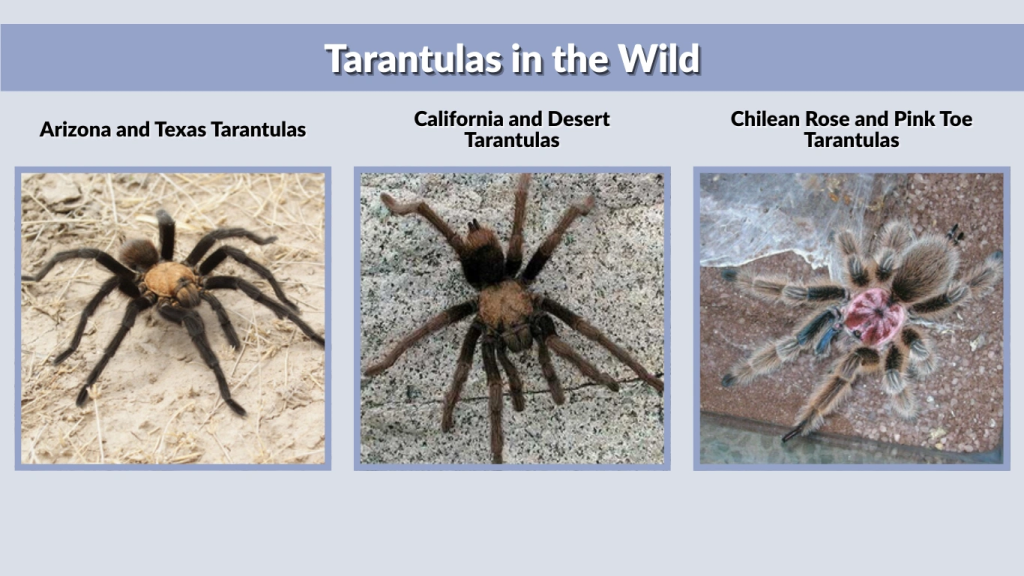
Wild tarantulas in regions like Arizona, Texas, California, and deserts across the Americas are often encountered by hikers and residents. Despite their size, these spiders are not aggressive toward humans.
- Arizona and Texas Tarantulas – Typically shy and more likely to flee than bite.
- California and Desert Tarantulas – Often spotted during mating season when males wander in search of females. They are harmless if left alone.
- Chilean Rose and Pink Toe Tarantulas – Found in South America, commonly bred in captivity due to their calmer temperament.
Wild tarantulas generally pose no serious risk to people. Observing from a distance is the safest approach, as picking them up can lead to bites or irritation from hairs.
Dangerous Facts About Tarantulas
Although not life-threatening, tarantulas do have defense mechanisms worth noting:
- Urticating hairs – Can irritate skin and eyes, causing itching and inflammation.
- Powerful fangs – Even a defensive bite can puncture skin deeply, leading to secondary infections.
- Fast movements – Some Old World species are extremely quick and unpredictable when threatened.
- Defensive postures – Raising front legs, baring fangs, or flicking hairs are warning signs not to be ignored.
These facts show that while tarantulas are not killers, they should be respected and handled with care.
Conclusion
Tarantulas may look intimidating, but they are far less dangerous than popular myths suggest. Most species pose little to no serious risk to humans, and their venom is rarely medically significant. The real dangers are discomfort from bites or hairs and potential allergic reactions. For pet owners, responsible care and proper handling make tarantulas fascinating companions rather than threats. In the wild, giving these spiders space ensures peaceful coexistence. Ultimately, tarantulas are not the monsters people imagine, but complex creatures deserving respect and understanding.
FAQs
Are tarantulas dangerous to humans?
Tarantulas are not deadly to humans. Their venom is mild, and most bites cause effects similar to a bee sting. Discomfort, swelling, or itching are common, but serious medical cases are extremely rare. Most tarantulas prefer retreating over biting when faced with danger.
What is the most dangerous tarantula in the world?
Species like the Cobalt Blue, King Baboon, and Old World Poecilotheria are considered the most dangerous due to their defensive behavior and stronger venom. While their bites can be extremely painful, they are not fatal. These species are best left to experienced handlers.
Are tarantula hawk wasps dangerous to humans?
Yes, but only in terms of pain. The sting of a tarantula hawk wasp is among the most painful in the insect world, but it is not deadly. The pain subsides after a short time, and no long-term effects are typically reported in humans.
Are pet tarantulas safe to keep?
Pet tarantulas like the Chilean Rose or Mexican Red Knee are safe when handled properly. They rarely bite and are often docile. The main risks are irritation from their hairs or accidental bites if they feel threatened. Owners should handle them with care and supervision.
Are tarantulas dangerous to dogs and cats?
Tarantula bites can cause pain and swelling in pets, but they are usually not fatal. Smaller pets may react more strongly, so veterinary attention is advised if bitten. The safest practice is preventing any interaction between tarantulas and household animals.