
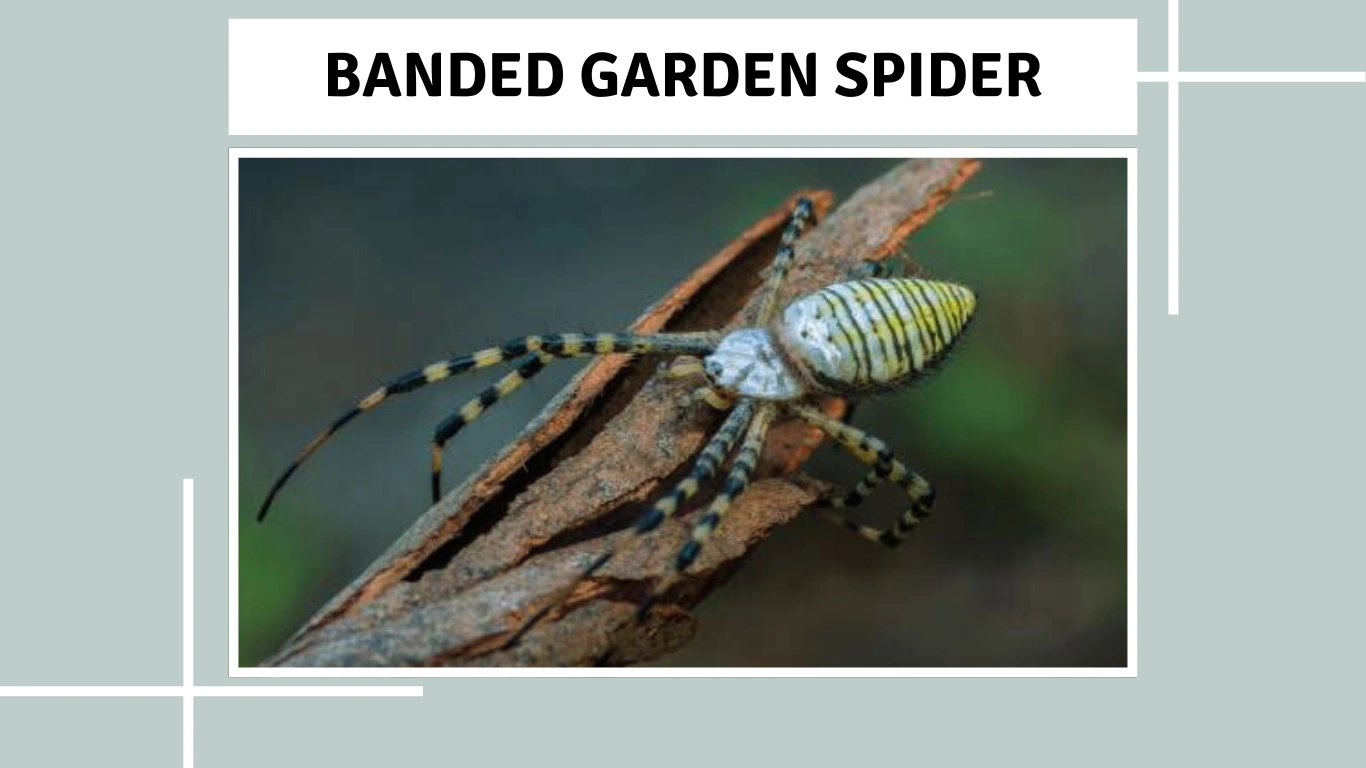
The banded garden spider, known scientifically as Argiope trifasciata, is one of the most eye-catching arachnids found in gardens and grasslands across the globe. With its silver body, bold yellow and black bands, and large, circular webs, it’s often mistaken for a dangerous or poisonous species. But how much of that fear is justified?
In this article, we’ll focus on identifying the banded garden spider, understanding its behavior, and answering a critical question: Is this striking spider actually dangerous to humans or pets? Whether you’ve spotted one in your California backyard or across the fence in a field, here’s everything you need to know about the banded garden spider’s safety and role in your garden.
Identification and Appearance

What Is a Banded Garden Spider?
The banded garden spider (Argiope trifasciata) is a large orb-weaving spider known for its striking silver, white, and yellow striped abdomen and banded legs. This spider is often confused with the yellow garden spider (Argiope aurantia), but can be distinguished by its elongated body shape and more delicate web design.
Banded Garden Spider Size
Female banded garden spiders can reach up to 1 inch (25 mm) in body length, not including their long legs. Males are much smaller, measuring only 0.2 to 0.35 inches (5–9 mm). Their leg span, particularly in females, can extend up to 2–2.5 inches, making them look much larger when spread out in their webs.
Banded Garden Spider Size Comparison
Compared to the yellow garden spider, A. trifasciata is slightly more slender but just as long. The female is much larger than the male, who is often overlooked due to his smaller size and muted coloration.
Silver, White, and Yellow Banded Variants
The spider’s colors vary by lighting and region:
- Silver: Often seen on the cephalothorax (head-body area)
- White: Sometimes replaces yellow in cooler climates
- Yellow: Most vibrant in full sunlight, especially on the abdomen
Male vs Female Banded Garden Spider

Banded Garden Spider Male vs Female
The sexual dimorphism in this species is dramatic. Females are brightly colored and large, while males are dull brown and significantly smaller. Females remain in the center of the web, whereas males hover near the edges or in nearby vegetation, waiting for a chance to mate.
Female Banded Garden Spider
She builds a large, circular web—sometimes over 2 feet wide—and typically rests in the center. Her bold markings serve both as camouflage and warning to predators. The female may lay one or more egg sacs late in the season before dying in autumn.
Male Banded Garden Spider
Males are often only one-third the size of the female. They rarely build full webs and focus mainly on reproduction. After mating, the male may die naturally or be eaten by the female, a behavior common among orb-weavers.
Habitat and Range

Banded Garden Spider Habitat
This spider thrives in sunny, open areas such as:
- Backyard gardens
- Meadows and grasslands
- Shrubbery
- Fences and windowsills
Their webs are usually suspended between tall plants, poles, or even man-made structures.
Banded Garden Spider California
In California, banded garden spiders are frequently seen in late summer and early fall. They are common in both rural and suburban areas and often mistaken for venomous species due to their vivid coloring and size.
Life Cycle and Egg Sac

Banded Garden Spider Lifespan
These spiders live for about one year. They hatch in spring, grow through the summer, reproduce in the fall, and die after laying eggs. The eggs survive the winter and hatch when temperatures rise again.
Banded Garden Spider Egg Sac
The female produces large, spherical egg sacs wrapped in tough, brownish silk. These sacs can contain several hundred eggs and are usually hidden near or underneath the web structure for protection from predators and weather.
Diet and Hunting Behavior
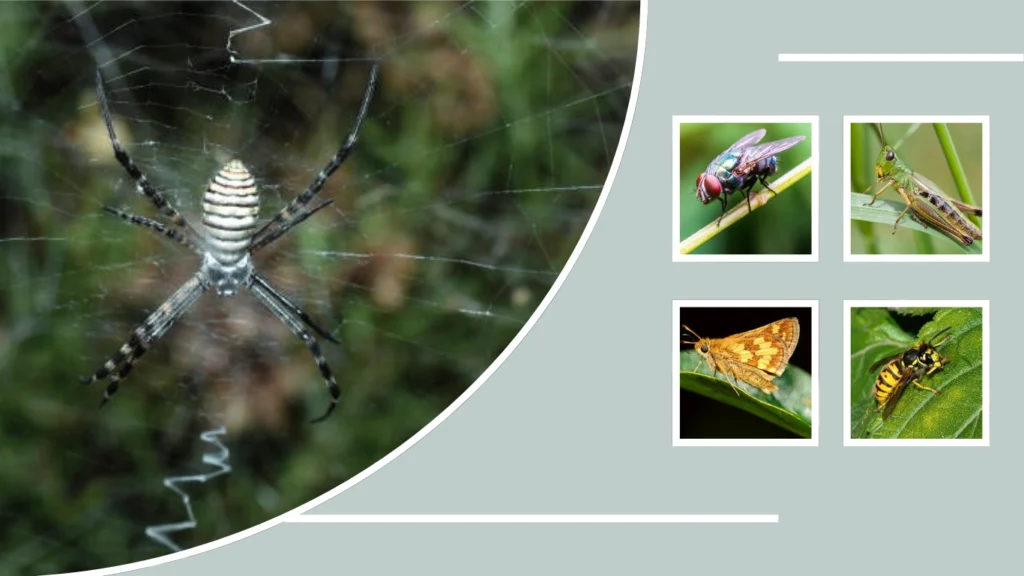
Banded Garden Spider Diet
The banded garden spider is an effective insect predator. Its diet includes:
- Flies
- Grasshoppers
- Moths
- Wasps
- Beetles
Once an insect is trapped in the sticky orb web, the spider quickly immobilizes it with venom and wraps it tightly in silk. Later, the spider injects digestive enzymes and feeds by liquefying and sucking out the insides of its prey.
How It Hunts
This spider relies on its web for hunting rather than chasing prey. It patiently waits in the center or at the edge of the web, monitoring vibrations through its legs to detect insect activity.
Hunting Schedule
Banded garden spiders are diurnal hunters, meaning they are most active during the day. They often rebuild or repair their web every morning, ensuring a clean and strong trap for the day ahead.
Role in Pest Control
They are beneficial to gardens and farms because they help naturally reduce pest insect populations without harming plants, pets, or people.
Bite, Venom, and Human Risk

Banded Garden Spider Bite
Bites from banded garden spiders are extremely rare. These spiders are non-aggressive and will only bite if they are directly threatened or trapped, such as being pressed against the skin. Most bites cause minor irritation and go unnoticed.
Are Banded Garden Spiders Poisonous or Venomous?
They are venomous, not poisonous. This means they inject venom into their prey to paralyze it but are not harmful to humans. Their venom is not medically significant and poses no real threat to people or pets.
Are Banded Garden Spiders Dangerous?
No, banded garden spiders are not dangerous. Their appearance may seem intimidating, especially the large females, but they are shy, passive, and incredibly helpful in garden ecosystems.
Are Banded Garden Spiders Harmful to Pets or Children?
Even if accidentally encountered, a bite is unlikely to cause anything more than a mild localized reaction. There are no reports of serious health effects from this spider in either humans or pets.
Final Thoughts
The banded garden spider is a beautiful, misunderstood creature. Despite its bold colors and large web, it’s entirely harmless to humans and plays a valuable role in controlling insect pests. Instead of fearing them, gardeners should appreciate them as natural allies that help maintain a healthy environment.
There’s no need to remove or kill these spiders unless absolutely necessary. If they’ve built a web in an inconvenient location, you can gently relocate them using a stick or container.
FAQs
Are banded garden spiders dangerous to humans?
No, banded garden spiders (Argiope trifasciata) are not dangerous to humans. While they may look intimidating due to their size and vivid coloring, they are non-aggressive and will not bite unless provoked. Even if a bite occurs—such as if the spider is accidentally pressed against your skin—the symptoms are usually mild and short-lived, including slight swelling, redness, or itching. There is no medical danger associated with their venom for most people.
Are banded garden spiders poisonous or venomous?
This is a common point of confusion. Banded garden spiders are venomous, not poisonous. This means they inject venom into their prey (insects) to subdue and digest them, but they are not toxic or harmful to humans or pets unless allergic. Their venom is not potent enough to cause serious effects beyond minor skin irritation. It’s important to remember that “venomous” doesn’t automatically mean dangerous—it simply means they use venom to catch food.
What happens if a pet or child gets bitten by a banded garden spider?
In almost all cases, nothing serious. A single bite, if it occurs, might cause minor irritation, much like a mosquito bite. Pets might paw at or swallow a spider, but there is no known toxicity in these situations. If a child is bitten, simple first aid—like cleaning the area and applying a cold compress—is usually enough. Watch for signs of an allergic reaction, such as unusual swelling, difficulty breathing, or a rash. In rare cases, consult a doctor or vet for peace of mind, but serious reactions are extremely rare.
Do banded garden spiders invade homes or buildings?
No, they prefer outdoor environments. Banded garden spiders thrive in open, sunny areas with plants or structures where they can stretch their large webs. They do not seek shelter indoors like house spiders and are rarely, if ever, found inside buildings. If you see one on a window or door, it’s likely just resting or hunting and will soon move along or rebuild its web elsewhere.
Can I relocate a banded garden spider safely?
Yes, relocating one is safe and simple if done calmly. If the spider has built a web in an inconvenient place (like across a walkway), you can use a small stick or a jar and paper to gently move it to another part of your garden. Avoid harming the spider or destroying its web unnecessarily, as these spiders help reduce unwanted insects like flies, moths, and mosquitoes. Once relocated, the spider will rebuild its web within a day.
