

The Brazilian wandering spider, often referred to as the banana spider, is one of the most feared arachnids in the world. Its reputation stems from reports of live spiders and egg sacs being discovered in banana shipments, sparking panic across supermarkets in the UK, USA, and Europe. Known scientifically as Phoneutria fera, it’s considered one of the world’s most venomous spiders. Despite its fearsome image, most banana-related scares turn out to be false alarms or harmless species mistaken for this deadly wanderer.
Overview of the Brazilian Wandering Banana Spider
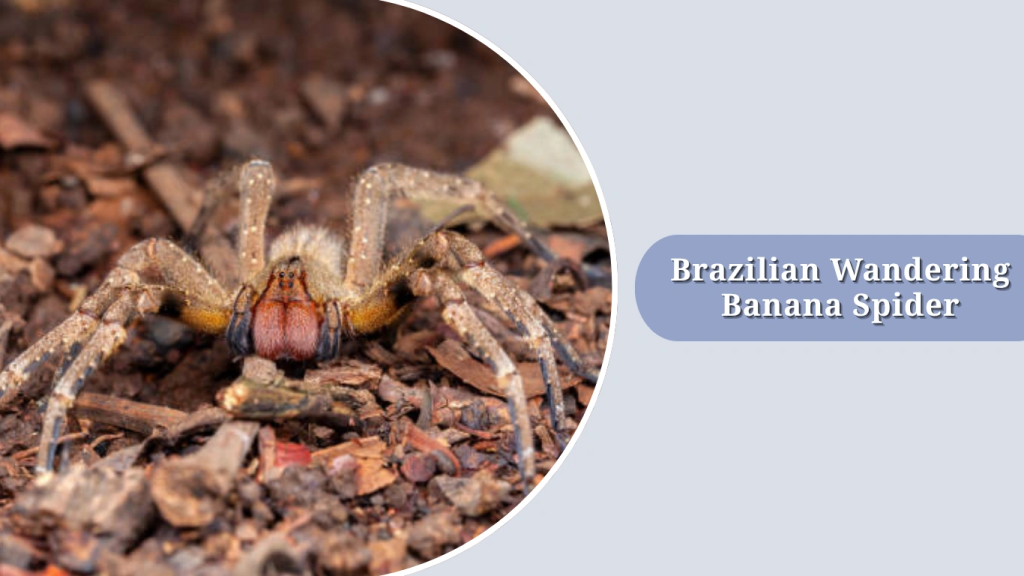
The Brazilian wandering spider belongs to the genus Phoneutria, meaning “murderess” in Greek. This name reflects its highly toxic venom, which can cause severe pain, muscle spasms, and in rare cases, breathing difficulties. Native to South America, particularly Brazil, Colombia, and Costa Rica, the spider thrives in tropical rainforests and agricultural areas, especially banana plantations.
Its link to bananas is not coincidental. These spiders prefer hiding in moist, shaded areas—banana clusters provide exactly that environment. When farmers harvest bananas, the spiders sometimes cling to bunches, unintentionally traveling abroad in fruit shipments. This behavior explains their common nickname: the banana spider.
Why It’s Called the Banana Spider
The association between the Brazilian wandering spider and bananas goes back decades. In tropical countries, these spiders are often found inside bunches of bananas hanging from trees or stored in barns. During export, some hitchhike their way into crates, reaching destinations far from their natural habitat.
Several high-profile reports of “deadly spiders found in bananas” have circulated over the years, particularly in British supermarkets like Aldi, Tesco, Waitrose, and Sainsbury’s. In many cases, pest control teams were called, only to find that the spiders were harmless species resembling Phoneutria.
Because of these incidents, the Brazilian wandering spider has become a legend in grocery folklore—a mix of real danger and exaggerated fear fueled by viral stories and photos online.
Identification and Appearance
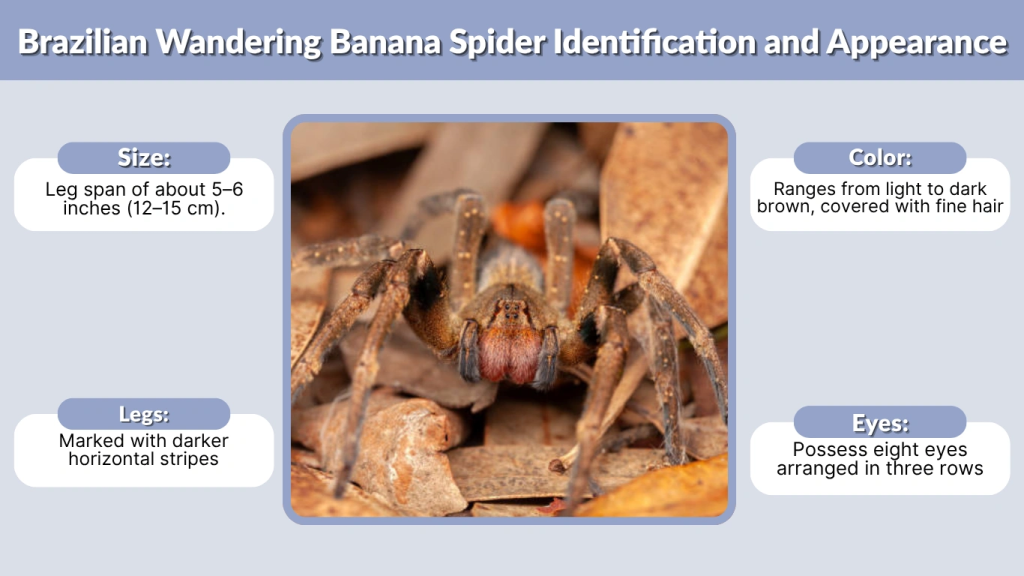
Identifying a true Brazilian wandering spider is crucial because many harmless spiders are mislabeled as such. Here’s how to distinguish them:
- Size: Large and intimidating, with a leg span of about 5–6 inches (12–15 cm).
- Color: Ranges from light to dark brown, covered with fine hair, giving it a fuzzy appearance.
- Legs: Marked with darker horizontal stripes and strong enough to move swiftly.
- Posture: When threatened, it raises its front legs and exposes its fangs—a defensive warning posture.
- Eyes: Possess eight eyes arranged in three rows, allowing keen night vision for hunting.
It’s easy to confuse these spiders with Nephila species—also called banana spiders in the US—but Nephila are harmless orb-weavers, not hunters like Phoneutria.
Brazilian Wandering Spiders Found in Bananas
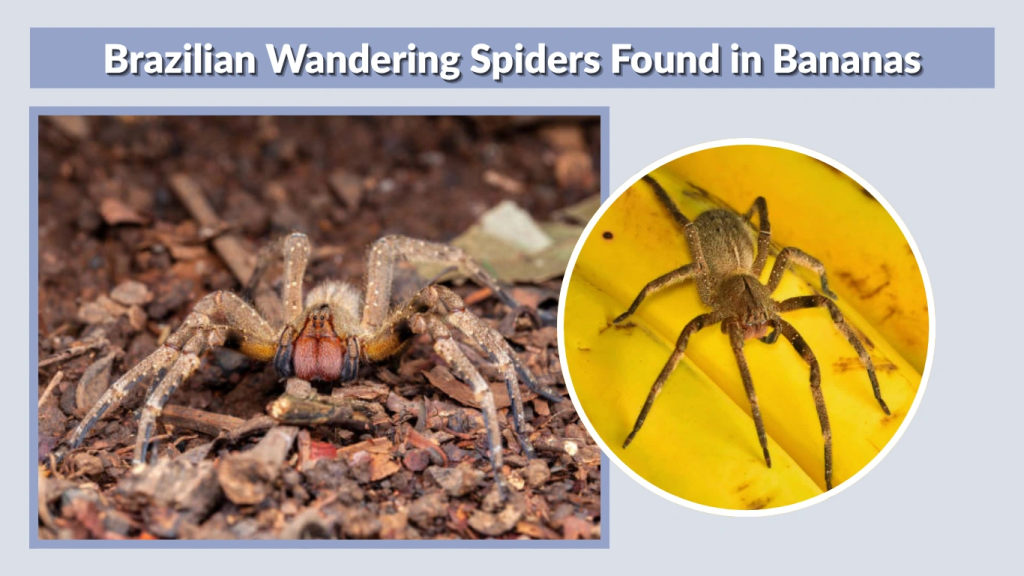
Incidents involving Brazilian wandering spiders appearing in supermarkets often make headlines because of their dramatic nature. Over the years, cases have been reported where customers claimed to find spiders or egg sacs on imported bananas.
- In 2014, a London family found what they thought was a Brazilian wandering spider in a bunch of Aldi bananas. The store removed the fruit, but experts later confirmed it was a harmless species.
- In 2016, another UK case at Sainsbury’s sparked panic after a customer discovered egg sacs on bananas. Again, analysis revealed non-dangerous spider eggs.
- In the United States, similar scares occurred in North Carolina and Florida, with reports of spiders crawling out of banana bags. However, entomologists found that genuine Phoneutria sightings outside South America are extremely rare.
While such stories cause alarm, the likelihood of finding a live Phoneutria in store-bought bananas is exceedingly low. Export procedures today include fumigation, refrigeration, and quality checks, minimizing the risk almost entirely.
Myths and Misidentifications
The myth of deadly spiders hiding in supermarket bananas has circulated for decades, amplified by social media and sensational headlines. One viral claim—“Brazilian wandering spider kills man in seconds”—was widely shared but later debunked by Snopes, a fact-checking website.
In most supermarket scares, the spiders discovered are banana web spiders (Trichonephila clavipes), known for their bright yellow silk and docile nature. These species are non-aggressive and beneficial, feeding on pests.
Many people also confuse banana spiders from Florida with the Brazilian wandering spider, though they belong to entirely different families. The American banana spider spins large golden webs, while the Brazilian variety is a fast-moving hunter that doesn’t build webs.
This confusion fuels unnecessary fear, leading to overreactions whenever a spider is spotted near fruit shipments.
Brazilian Wandering Spider vs Banana Spider
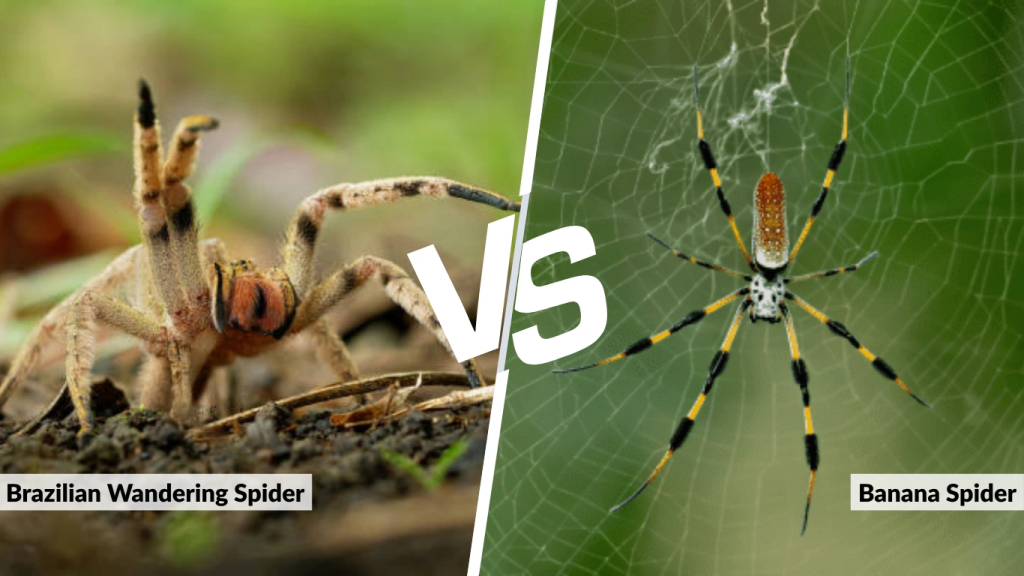
Although their names are often used interchangeably, Brazilian wandering spiders and banana spiders are completely different creatures:
- Brazilian Wandering Spider (Phoneutria) – Venomous, aggressive, nocturnal hunter that roams the forest floor.
- Banana Spider (Nephila or Trichonephila) – Harmless orb-weaver that spins intricate webs and rarely leaves them.
In regions like Florida and the Caribbean, the local banana spider poses no threat to humans and is admired for its golden silk. On the other hand, the Brazilian wandering spider is a tropical predator found primarily in South and Central America. Understanding this distinction helps prevent panic and misinformation during reported banana-related sightings.
How They End Up in Bananas
The Brazilian wandering spider doesn’t target bananas deliberately; it simply uses them as shelter. During the day, these spiders seek dark, humid spots to hide from predators and sunlight. Banana bunches provide ideal cover with overlapping leaves and stems.
When workers harvest the fruit, the spiders or their egg sacs can become trapped inside boxes or under peels. Once packed and shipped, the cool and humid storage conditions of banana crates sometimes allow them to survive long journeys. Though rare, this is how the species occasionally ends up in supermarkets thousands of miles away.
To reduce risks, exporters now inspect and fumigate banana shipments before export, making live spiders or eggs in fruit a highly unusual occurrence today.
Spider Nests and Eggs in Bananas
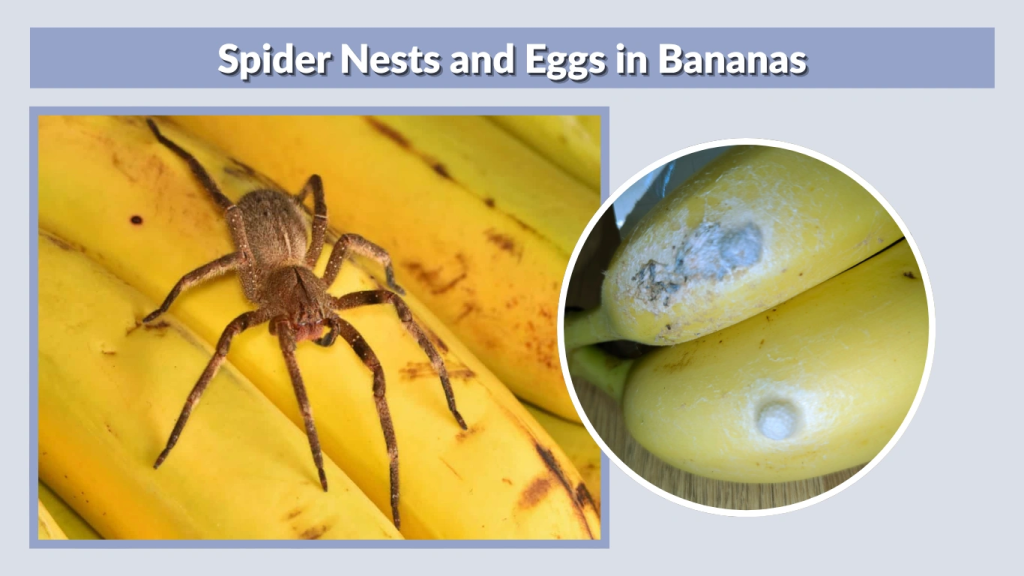
Occasional reports of spider egg sacs attached to banana clusters often make headlines. The sacs appear as small, white, cotton-like balls stuck to the fruit or the stem. Inside, hundreds of spiderlings may develop.
However, experts clarify that the majority of these cases do not involve Brazilian wandering spiders. In most instances, the egg sacs belong to local or harmless web spiders that inhabit warehouses or shipping facilities.
True Phoneutria egg sacs are larger, denser, and typically found in tropical regions—not supermarket produce aisles. Nonetheless, anyone finding such sacs should avoid touching them and inform local pest control immediately.
Incidents in Supermarkets
Several supermarket chains across Europe and the US have reported incidents involving suspected Brazilian wandering spiders in bananas:
- Aldi (UK): In 2014, a family discovered a suspected venomous spider and eggs on bananas. The fruit was safely removed and later confirmed to host a harmless species.
- Tesco & Waitrose: Both chains experienced similar scares, pulling entire banana batches for inspection.
- Sainsbury’s: A 2016 case gained widespread attention when a mother found egg sacs. The story was heavily exaggerated online.
- US Reports: North Carolina, New York, and Florida have also had alleged sightings, but none confirmed as Phoneutria.
Although these cases cause temporary panic, experts emphasize that verified Brazilian wandering spider infestations in banana shipments are almost nonexistent. The majority are misidentified orb-weavers or huntsman spiders.
Safety Tips and What to Do If You Find One
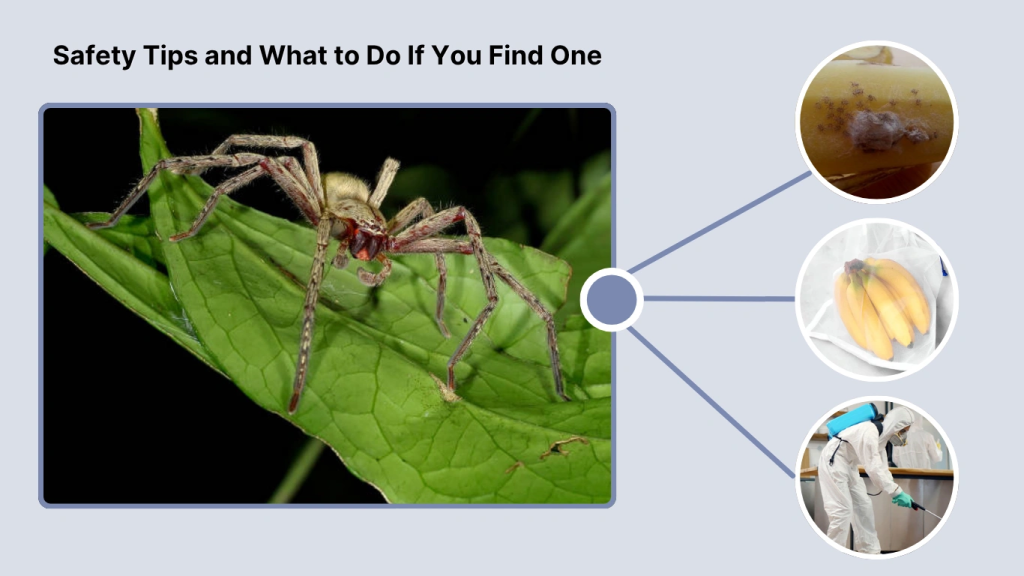
If you suspect that a spider is hiding in your bananas, there’s no need to panic. Follow these simple safety steps:
- Do not touch the spider or eggs.
- Seal the bananas inside a plastic bag or container to prevent escape.
- Place the bag outdoors or in a safe area away from people and pets.
- Contact pest control or your local environmental authority for removal.
- Wash your hands thoroughly and inspect remaining fruit before storing it.
Modern quality control measures make such encounters extremely rare, but being cautious ensures your safety.
FAQs
Are Brazilian wandering spiders really found in bananas?
Yes, but extremely rarely. The spiders sometimes hide in banana bunches during harvest, but improved transport and storage methods make these incidents almost impossible today. Most reported cases involve harmless species.
Can a Brazilian wandering spider bite through a banana peel?
No, their fangs are not designed to pierce thick surfaces like banana skin. Bites occur only if the spider feels trapped or directly handled. The best approach is to avoid contact and alert experts.
Do Brazilian wandering spiders lay eggs in bananas?
They can attach eggs to banana stems in tropical farms, but eggs found in exported fruit are typically from harmless spiders. Proper inspection and fumigation eliminate this risk before shipment.
What should I do if I find spider eggs or webs on bananas?
Don’t crush or remove them with your hands. Secure the fruit in a bag and contact pest control. Many “egg sacs” are mold or debris mistaken for spider nests, so expert identification is best.
Is the banana spider in the US the same as the Brazilian wandering spider?
No. The “banana spider” in the United States is an orb-weaver (Trichonephila clavipes). It’s harmless, non-aggressive, and known for spinning beautiful golden webs, unlike the venomous Phoneutria species found in South America.