

The camel spider in Arizona is a fascinating desert dweller that has sparked fear and curiosity in equal measure. Known locally as sun spiders or wind scorpions, these fast-moving arachnids are neither true spiders nor scorpions. Despite rumors of venom and aggression, they are harmless and play an important role in Arizona’s desert ecosystem.
What Is a Camel Spider?
Camel spiders belong to the order Solifugae, a group of arachnids separate from both spiders and scorpions. They are distinguished by their strong jaws, quick movement, and nocturnal habits. Although they appear intimidating, camel spiders are not poisonous. They rely on speed and stealth to capture prey rather than venom.
Camel Spider Appearance and Identification
List Section (1 of 3)
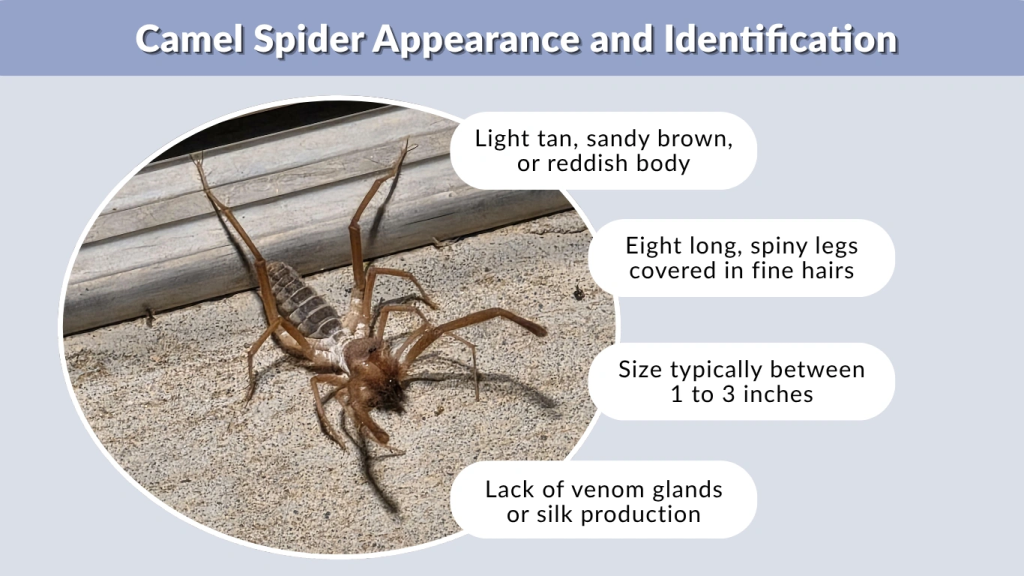
To recognize a camel spider in Arizona, look for:
- Light tan, sandy brown, or reddish body
- Eight long, spiny legs covered in fine hairs
- Large, curved jaws (chelicerae) used to crush prey
- A segmented abdomen that moves flexibly
- Size typically between 1 to 3 inches
- Lack of venom glands or silk production
These features help them thrive in Arizona’s hot, dry environment, where camouflage and speed are key to survival.
Habitat and Range Across Arizona
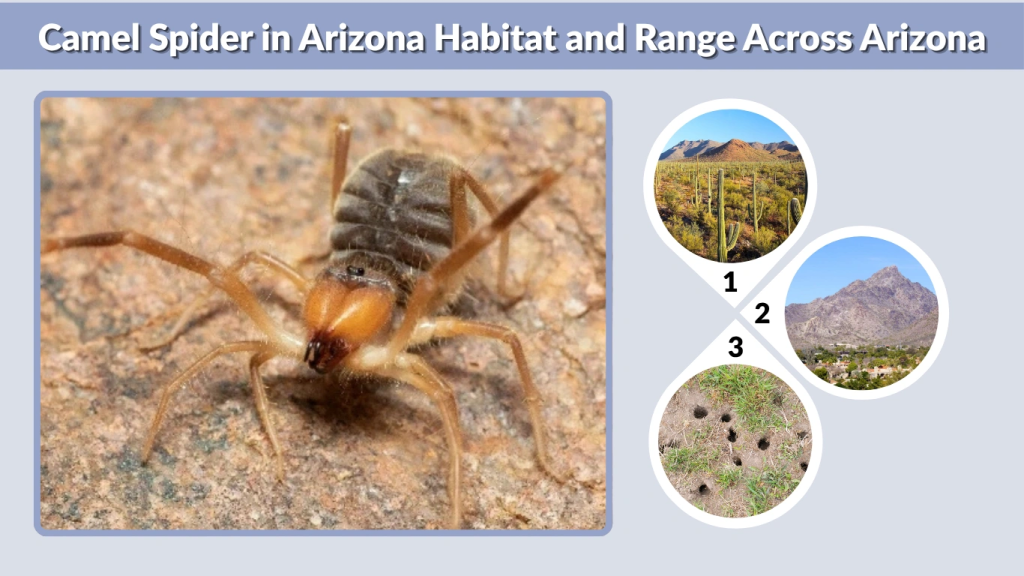
Camel spiders are most active in the state’s desert and arid regions. They prefer dry, open areas with soft sand or rocky terrain for burrowing. Common habitats include:
- Sonoran Desert and Mojave Desert zones
- Phoenix, Tucson, and Yuma desert outskirts
- Abandoned animal burrows or dry vegetation cover
They hide during the day to avoid intense sunlight and emerge at night to hunt insects and small prey.
Camel Spider in Northern vs. Southern Arizona
Northern Arizona
Camel spiders are less common in the cooler and rockier northern regions. They appear mainly during warm months, especially in desert plains or canyon areas where temperatures rise in summer.
Southern Arizona
Southern Arizona is their ideal habitat. Warm deserts around Phoenix and Tucson support larger populations. They are often spotted during the night in suburban neighborhoods, gardens, and near desert trails.
Are Camel Spiders in Arizona Dangerous or Poisonous?
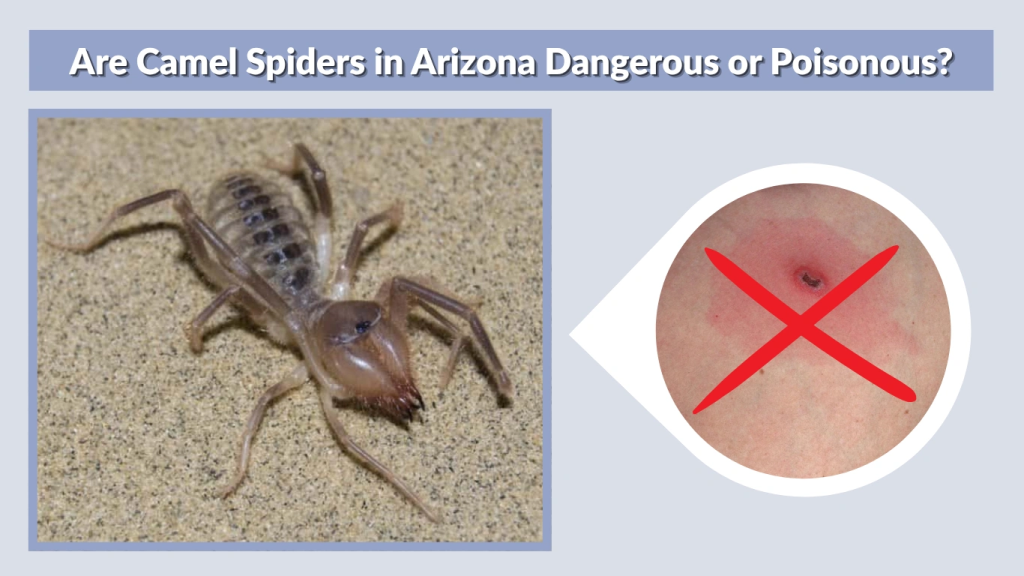
Despite their fearsome look, camel spiders in Arizona are not poisonous. They do not have venom glands and cannot inject toxins. While their strong jaws can pinch, bites are rare and usually occur when they are accidentally handled. Their menacing reputation comes largely from exaggerated online stories and misleading photos showing oversized specimens.
Camel Spider Bite in Arizona
How Bites Occur
Bites occur when camel spiders feel cornered or threatened. People sometimes get bitten while moving outdoor items, camping, or reaching under rocks.
Symptoms
A bite causes mild irritation, slight swelling, or redness. There is no venom involved, and symptoms fade within a few hours. Cleaning the wound and applying antiseptic is generally sufficient to prevent infection.
Camel Spider Size and Growth
Camel spiders in Arizona typically range between 1 and 3 inches in body length. Desert species may appear larger because of their long legs and fast movement. Young camel spiders—often less than an inch—are pale and semi-transparent. Stories of “giant camel spiders” in Arizona are exaggerated, often stemming from distorted photos or false reports.
Camel Spider Behavior and Diet
List Section (2 of 3)
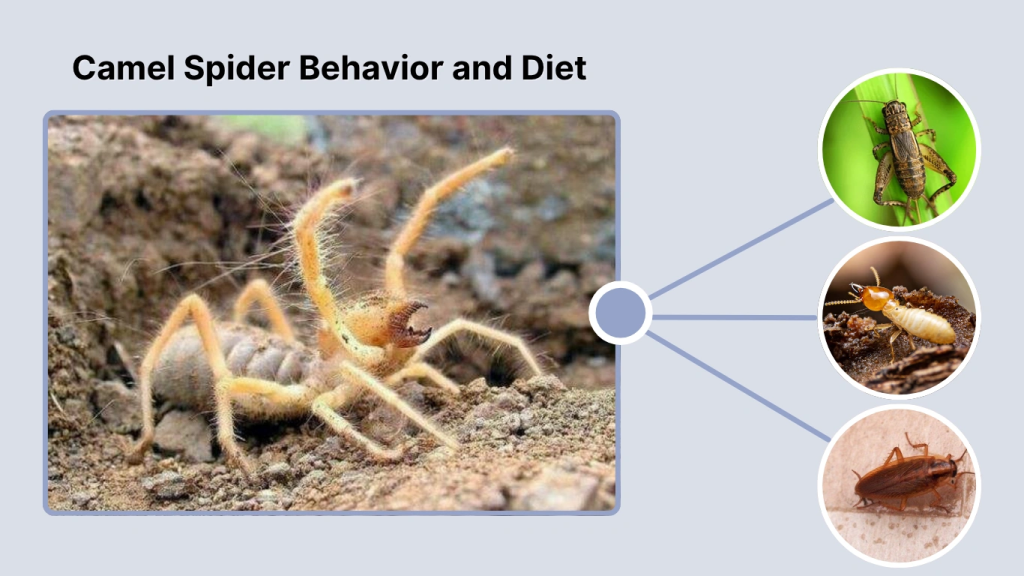
Camel spiders are efficient nocturnal hunters that rely on speed and strength to capture prey. Their diet includes:
- Beetles, crickets, and grasshoppers
- Termites and cockroaches
- Occasionally small lizards or rodents
They do not spin webs or use venom. Instead, they chase, grab, and crush their prey with powerful jaws, making them valuable natural pest controllers in Arizona’s desert habitats.
Camel Spider in Phoenix and Urban Areas
In Phoenix, Tucson, and nearby cities, camel spiders are occasionally seen in residential areas, especially during warm summer nights. They may enter garages or patios searching for insects drawn to light. While their speed can alarm people, they are harmless. Experts recommend gently relocating them outdoors using a container.
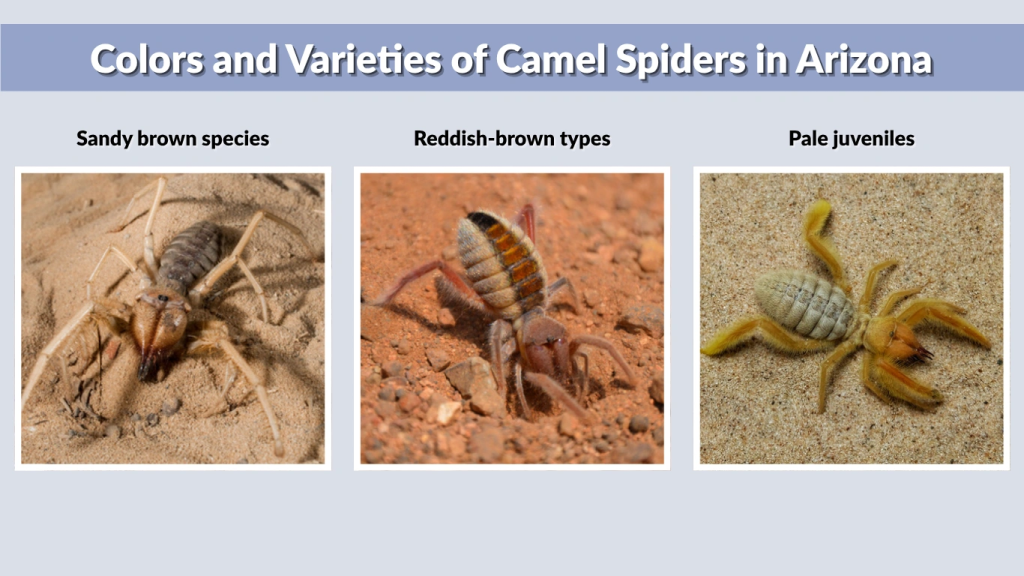
Colors and Varieties of Camel Spiders in Arizona
List Section (3 of 3)
Different regions of Arizona host various camel spider color types:
- Sandy brown species – Common across central and southern deserts
- Reddish-brown types – Found near rocky desert hillsides
- Pale juveniles – Semi-transparent and small, often mistaken for baby spiders
Their coloration serves as camouflage, helping them blend perfectly into Arizona’s sandy and sunlit terrain.
Fascinating Camel Spider Facts (Inspired by National Geographic)
Camel spiders in Arizona exhibit several remarkable characteristics:
- They can sprint up to 10 mph, making them one of the fastest arachnids in North America.
- Despite their name, they are neither true spiders nor scorpions.
- Locally called wind scorpions or sun spiders due to their desert activity.
- They avoid direct sunlight, hiding under rocks and debris during the day.
- Their jaws are strong enough to crush prey instantly without using venom.
These traits showcase how well-adapted camel spiders are to Arizona’s challenging desert environments.
Camel Spider Sightings in Arizona
Reports across Phoenix, Yuma, Tucson, and northern desert towns reveal occasional encounters with camel spiders. Many residents share photos online, often surprised by their size and speed. Experts emphasize that sightings are normal and beneficial since these creatures help control pest populations naturally. Their presence signals a healthy desert ecosystem.
FAQs
Are camel spiders native to Arizona?
Yes, camel spiders are native to Arizona’s desert regions. They are well-adapted to the dry, hot climate and are most common in areas with sandy or rocky soil, where they can hide and hunt efficiently.
Are camel spiders in Arizona poisonous?
No, camel spiders in Arizona are completely non-venomous. They lack venom glands and pose no real threat to humans. Though their bite can pinch, it’s harmless and heals quickly.
How big do camel spiders get in Arizona?
Most adult camel spiders grow between 1 and 3 inches long. Their long legs make them look much larger. Juvenile or “baby” camel spiders are tiny and nearly translucent when they first hatch.
Where can camel spiders be found in Arizona?
They are common in Sonoran and Mojave Deserts, especially around Phoenix, Tucson, and Yuma. They shelter under rocks, logs, and burrows during the day and hunt insects at night.
What should I do if I find a camel spider in my home?
Do not panic or kill it. Carefully trap it using a cup and a piece of paper, then release it outside. Camel spiders are harmless and actually help reduce insect infestations near homes.