

The brown recluse spider is one of the most feared spiders in the United States, often surrounded by terrifying stories of necrotic wounds and permanent scars. But just how deadly is this spider? Is the fear justified, or is it inflated by urban legends and misidentifications?
Let’s tackle the central question directly.
Can a Brown Recluse Spider Kill You?
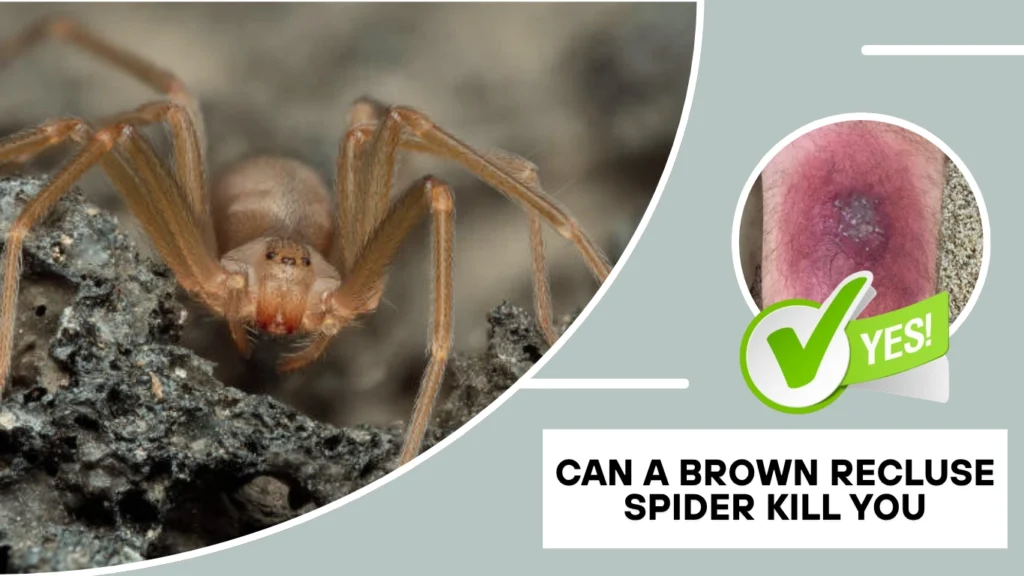
Yes, but it’s extremely rare.
Brown recluse spider bites are capable of causing serious skin damage, and in very rare cases, they can be fatal—typically only in individuals who are very young, elderly, or have weakened immune systems. The majority of bites do not lead to death, and most people recover fully with proper medical care.
There have been a few documented fatalities, but those are the exception, not the rule. The venom of the brown recluse can lead to severe complications, including infections and systemic reactions, but modern medicine makes death from a bite highly unlikely.
How Dangerous Is a Brown Recluse Bite?

The venom of a brown recluse contains a toxin called sphingomyelinase D, which causes necrosis, or the destruction of soft tissue. However, the spider injects only a small amount of venom, and the reaction varies significantly from person to person.
Common Bite Reactions:
- Mild redness or swelling
- A small blister at the bite site
- Itching or burning sensation
- Minor discomfort that resolves in a few days
Severe Reactions (Uncommon):
- Large open ulcer (dead skin)
- Deep tissue destruction
- Fever, chills, fatigue
- Nausea or muscle pain
These severe outcomes usually happen when medical attention is delayed, the immune system overreacts, or the person is especially vulnerable (young children, seniors, or those with underlying conditions).
Who Is Most at Risk of Serious Complications?

While the bite itself is rarely deadly, certain people are more vulnerable to severe outcomes, including:
1. Children Under 12
Their smaller body size and developing immune system can make systemic reactions more likely.
2. Elderly Individuals
Slower healing and existing health conditions can make a minor bite escalate.
3. People with Weakened Immune Systems
Those undergoing chemotherapy, or living with chronic illnesses like diabetes or autoimmune disorders, are more prone to infections and slower recovery.
4. Delayed Medical Treatment
If the wound becomes infected or necrotic tissue spreads without care, secondary complications such as sepsis (a body-wide infection) can become life-threatening.
First Aid for a Brown Recluse Bite

Most bites do not require emergency care, but quick action can prevent complications. If you suspect a brown recluse bite:
- Clean the wound with mild soap and water.
- Apply a cool compress—never heat.
- Keep the area elevated if swelling begins.
- Avoid scratching or popping any blisters.
Monitor the area for 24–48 hours. If the blister worsens, begins to ulcerate, or symptoms like fever or chills occur, see a doctor immediately.
Medical Treatment Options
While there’s no commercial antivenom for brown recluse bites in the U.S., treatment focuses on:
- Wound care (cleaning, bandaging, and possibly debridement)
- Pain relief with over-the-counter or prescription medications
- Antibiotics, if the bite becomes infected
- Steroids, in cases of severe inflammation or immune response
- Hospitalization, in rare systemic reactions
Doctors may also run blood tests to check for hemolysis (destruction of red blood cells), which can occur in extreme reactions.
How Does the Brown Recluse Compare to Other Dangerous Spiders?
While the brown recluse is certainly dangerous, it’s not the most lethal spider in the world. Here’s how it stacks up:
Brown Recluse vs. Black Widow
- Brown Recluse: Necrotic venom; destroys skin and tissue
- Black Widow: Neurotoxic venom; causes intense muscle pain and cramping
- Deaths from both are extremely rare, but black widow bites often require hospital pain management.
Brown Recluse vs. Brazilian Wandering Spider
- Brazilian wandering spiders (not found in the U.S.) have potent neurotoxic venom that can be fatal without treatment.
- Compared to them, the brown recluse is significantly less deadly.
Common Misconceptions
Myth: All recluse bites cause large ulcers
Fact: Most bites are minor or even go unnoticed
Myth: Brown recluses are found everywhere in the U.S.
Fact: They are native mainly to the central and southern U.S.
Myth: Recluse bites kill frequently
Fact: Death is incredibly rare and not typical of bite cases
Final Thoughts
A brown recluse spider can kill you, but the chances are very low. In most cases, the bite results in minor symptoms that heal without major treatment. However, it’s important to recognize the signs of a worsening wound and seek help when needed.
The biggest takeaway? Don’t panic if you suspect a brown recluse bite—but don’t ignore it either. Timely care makes all the difference between a manageable injury and a serious health issue.
FAQs
Has anyone died from a brown recluse bite?
Yes, but such cases are extremely rare. Fatalities are usually tied to complications like infection, sepsis, or an extreme immune reaction, typically in vulnerable individuals.
Can a healthy adult die from a bite?
It’s very unlikely. Most healthy adults will experience mild to moderate symptoms and recover with proper wound care and monitoring.
How long do symptoms take to appear?
Symptoms can begin within 2–6 hours after the bite, often starting with redness and a blister. Severe cases may develop necrosis within 3–5 days.
What’s the survival rate for a brown recluse bite?
The survival rate is well over 99%. With proper medical care, even severe cases typically resolve without lasting damage.
Are children more vulnerable to brown recluse bites?
Yes. Children have smaller body mass and may have stronger systemic reactions. They should always be evaluated by a doctor if a recluse bite is suspected.
