
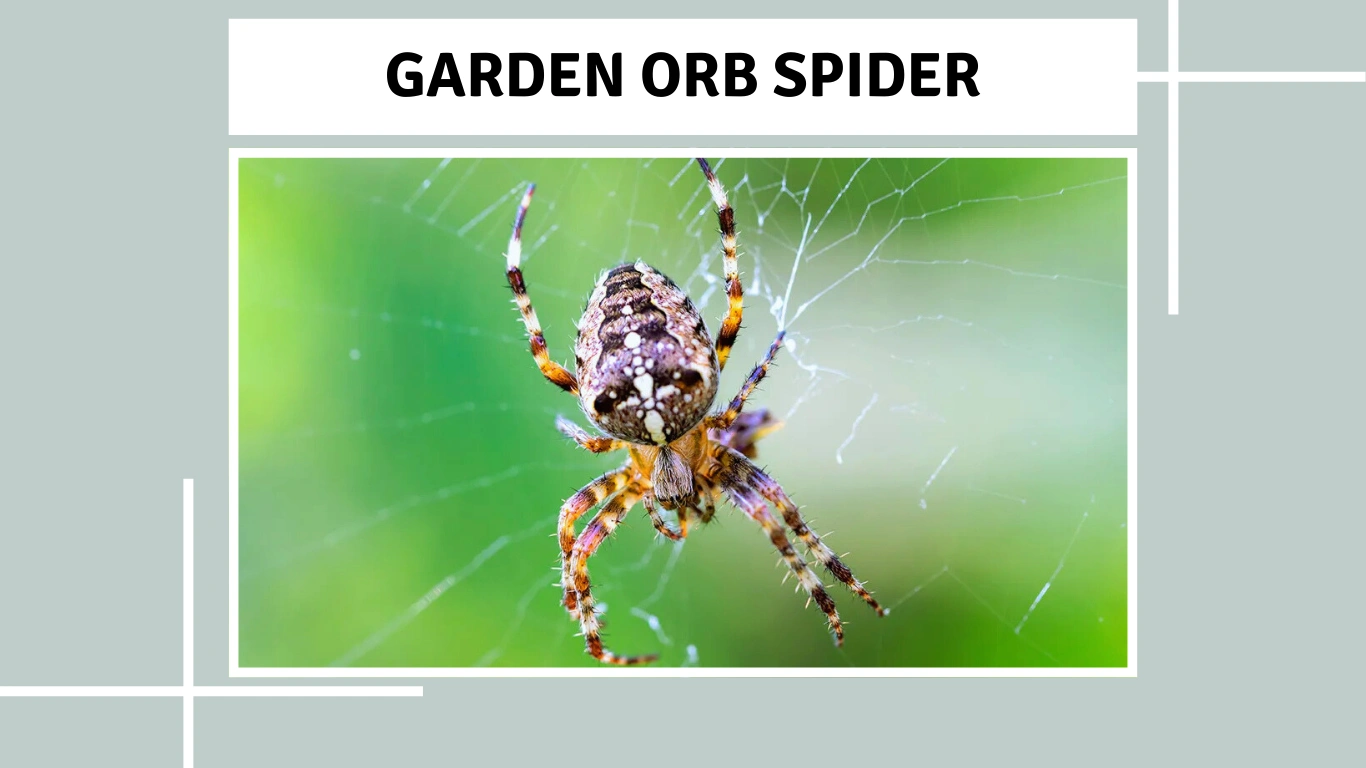
The garden orb spider is a common sight in outdoor spaces, spinning its intricate web between plants, fences, and shrubs. Despite its often intimidating appearance, this spider is harmless to humans and incredibly beneficial to your garden ecosystem. Known for its large, circular web and striking body markings, the garden orb spider plays a crucial role in controlling pest insects. In this detailed article, we’ll explore everything about the garden orb spider, including its size, colors, how to identify it, where it lives, and how it behaves.
Size of the Garden Orb Spider
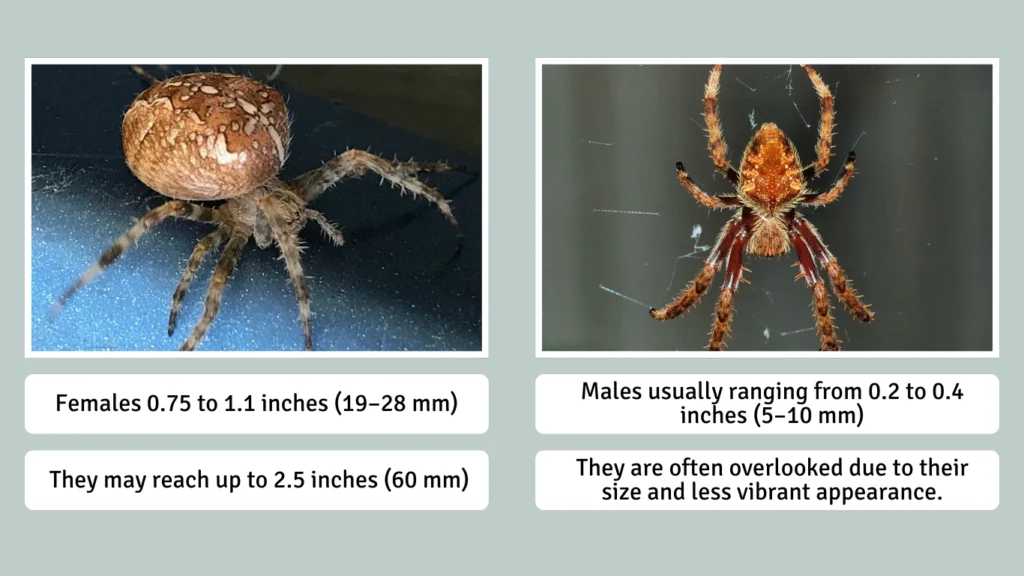
The size of a garden orb spider can vary depending on the species and sex, but they are generally medium to large in size compared to other common spiders.
- Females are the larger of the two sexes and can measure between 0.75 to 1.1 inches (19–28 mm) in body length. Including leg span, they may reach up to 2.5 inches (60 mm).
- Males are significantly smaller, usually ranging from 0.2 to 0.4 inches (5–10 mm). They are often overlooked due to their size and less vibrant appearance.
Despite their large size, these spiders are non-aggressive and rarely bite. Their size serves more as a visual warning to predators than as a threat to humans.
Seen in some species, particularly in late summer
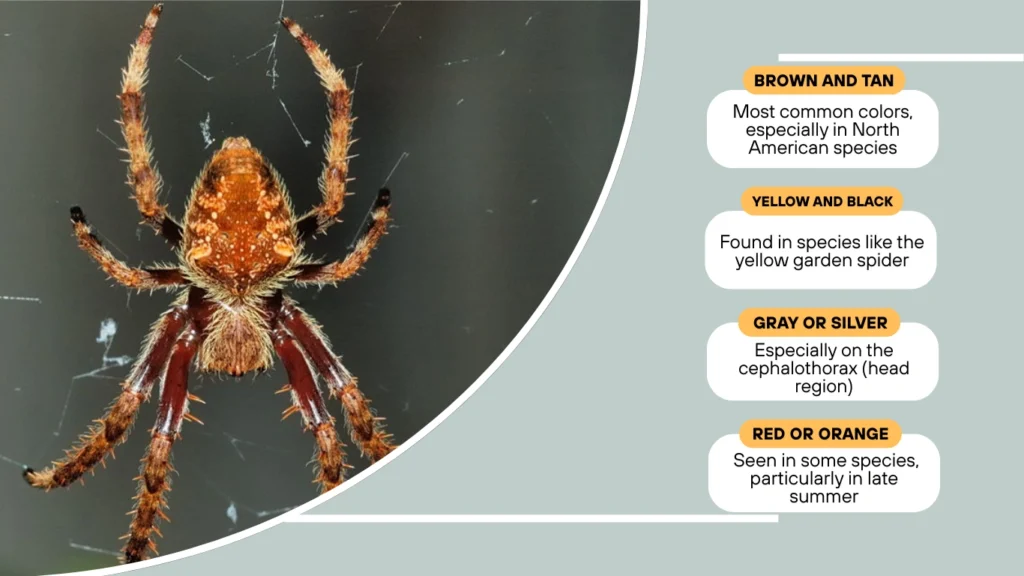
Garden orb spiders are known for their distinctive color patterns and body structures that can help you quickly identify them. Their coloration serves both camouflage and defense purposes.
Common Colors:
- Brown and tan: Most common colors, especially in North American species
- Yellow and black: Found in species like the yellow garden spider (Argiope aurantia)
- Gray or silver: Especially on the cephalothorax (head region)
- Red or orange markings: Seen in some species, particularly in late summer
Abdomen Features:
The abdomen is typically bulbous or oval-shaped, with distinctive bands, stripes, or cross patterns depending on the species. Some garden orb spiders also display small spikes or dimples on the abdomen.
Leg Appearance:
The legs are long and often striped or banded, matching the body’s overall color scheme. Fine hairs cover the legs, enhancing their sensitivity to vibrations from the web.
This striking color combination helps them blend into their environment during the day and serve as a warning display to birds and other predators.
How to Identify a Garden Orb Spider

Orb-weavers can be easily identified by a combination of features beyond just size and color.
1. Web Structure
The web is the most iconic sign. Garden orb spiders create large, circular orb webs that are highly symmetrical. The webs can range from 12 to 30 inches wide, often with a zigzag pattern (stabilimentum) at the center in some species like Argiope.
2. Body Shape and Orientation
While in the web, the spider typically hangs head-down with its legs extended in an “X” shape. The body is larger at the abdomen, which often appears to swell in well-fed females.
3. Time of Activity
Garden orb spiders are mostly active at night but may stay in the center of their web during the day. They are easiest to observe in the early morning with dew-covered webs or at sunset when prey activity increases.
4. Location of the Web
You’ll find webs:
- Between tall plants
- Across garden paths
- On fences or corners of buildings
- In open areas near light sources that attract flying insects
5. Egg Sacs
Females produce brown, papery egg sacs typically attached to nearby vegetation or hidden under leaves. These sacs may contain hundreds of eggs and can help with identification if found near a web.
Habitat of the Garden Orb Spider

Garden orb spiders are highly adaptable and found in various regions around the world. Their preferred habitats include:
1. Gardens and Lawns
They love open spaces where they can suspend their large webs. Gardens with flowering plants attract flying insects—perfect for orb-weavers.
2. Fields and Meadows
In rural areas, they thrive in meadows or grasslands with tall plants and plenty of space to anchor webs.
3. Forest Edges
They are common along forest trails and edges, where there is sunlight, open air, and a stable environment.
4. Human Structures
They’re often seen on fences, window sills, decks, and even mailboxes. While they prefer nature, they are not shy about using man-made objects to build webs.
5. Geographic Range
Garden orb spiders are found across North America, Europe, Asia, Australia, and Africa, depending on the species. In the U.S., they are most active from late spring to early fall, peaking during August through October.
Behavior of the Garden Orb Spider
Garden orb spiders display fascinating behaviors that set them apart from many other spiders.
1. Web Building and Maintenance
They rebuild their webs daily, often in the evening. If the web is disturbed or becomes too dirty from catching debris, the spider may eat it and rebuild it from scratch to conserve silk.
2. Hunting Tactics
They are sit-and-wait predators, relying on web vibrations to detect prey. Once an insect is caught:
- The spider rushes to immobilize it with venom
- Wraps it in silk
- Either consumes it immediately or saves it for later
3. Mating and Reproduction
Males approach cautiously during mating season. After mating, females lay eggs in one or more sacs, often guarding them until the first frost or her natural death.
4. Defense Mechanisms
Though non-aggressive, they may:
- Vibrate rapidly in the web when disturbed
- Drop to the ground or hide in nearby vegetation
- Use their coloration to mimic more dangerous creatures (e.g., bees or wasps)
5. Seasonal Behavior
They are most active in late summer and early autumn, often dying off with the first frost. Their egg sacs overwinter and hatch in spring.
Conclusion
The garden orb spider is an incredibly fascinating and valuable part of any outdoor space. While its size and vibrant appearance may alarm some, it poses no danger to humans or pets. Instead, it provides an essential service: natural pest control.
If you spot one in your garden, consider it a sign of a healthy ecosystem. There’s no need to remove or fear them—instead, appreciate their artistry, behavior, and role as your garden’s silent protector.
