
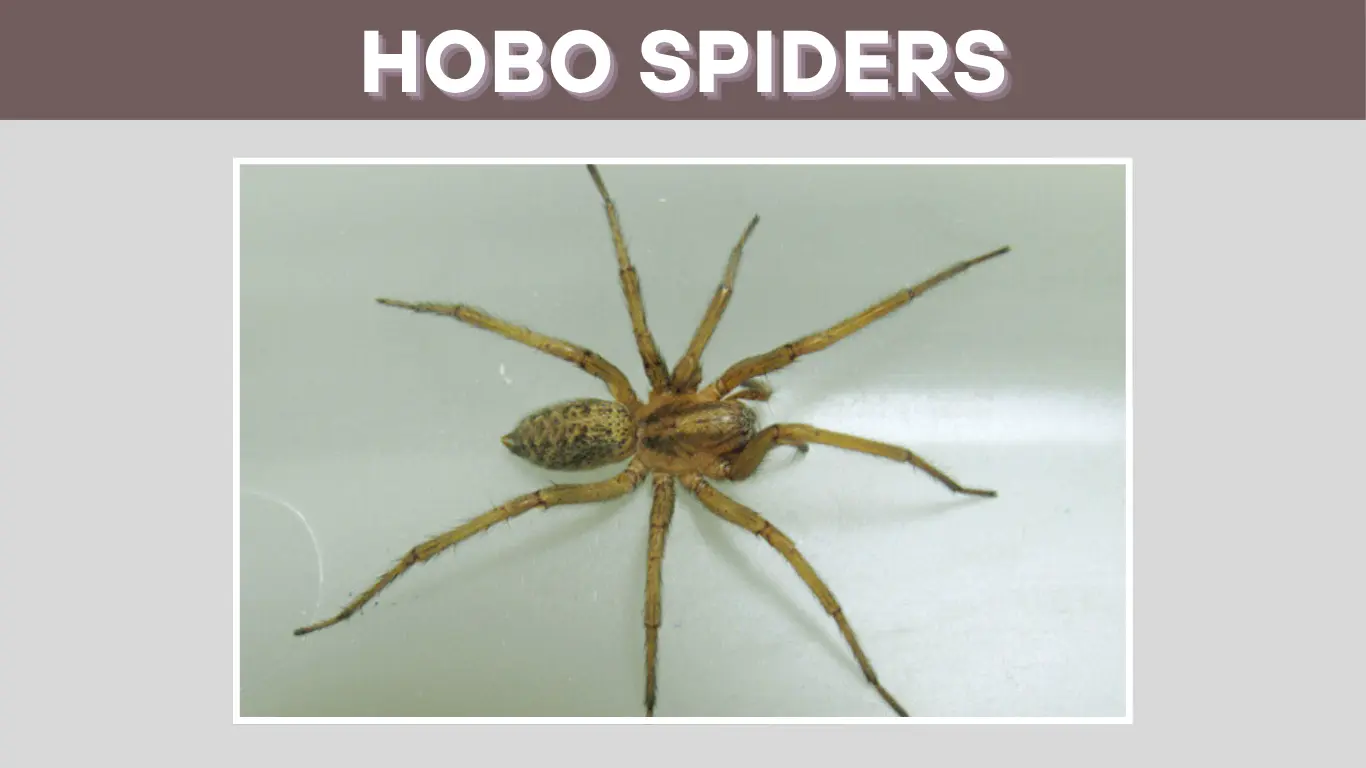
Hobo spiders are often misunderstood—blamed for dangerous bites and feared for their fast movements. But how much of that is fact versus myth? In this detailed FAQ, we’ve answered 30 of the most common questions people ask about hobo spiders, including their behavior, venom risk, habitat, and diet. Whether you’ve seen one in your basement or are just curious, this guide clears up the confusion with simple, accurate answers.
Basic FAQs

What is the average lifespan of hobo spiders?
Hobo spiders typically live for 1 to 3 years depending on environmental conditions. Males usually die soon after mating—often within a few months—while females can live longer, especially in protected habitats like basements or crawl spaces. Their life cycle includes egg, spiderling, juvenile molts, and adulthood, with several molts occurring before maturity.
Why is it called a hobo spider?
The name “hobo spider” originated in the United States, where the species (Eratigena agrestis) was believed to have spread along railroad lines in the Pacific Northwest during the 20th century. Because trains were commonly used by transient workers or “hobos,” the spider gained its name from this association.
Why are hobo spiders called hobo spiders?
The repeated name emphasizes their believed movement through rail transport routes. The spider didn’t actually travel by foot like a hobo, but the term stuck due to its emergence in areas connected by train lines. It’s more of a folk-origin name than a scientific one.
Venom & Danger
Are hobo spiders dangerous?
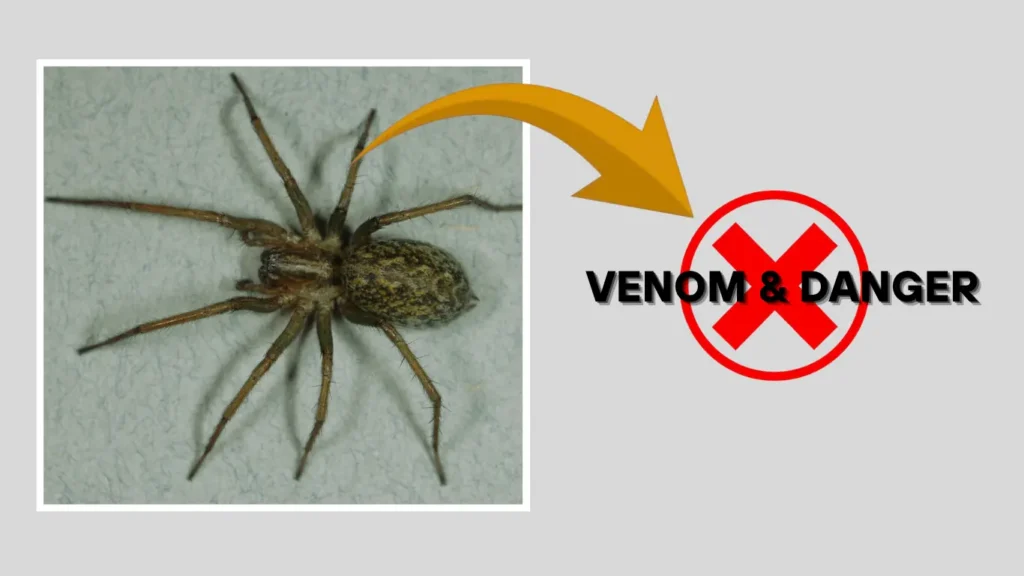
Hobo spiders were once thought to be medically significant, but current research suggests they are not considered dangerous to humans. Most bites result in mild symptoms or none at all. Severe reactions are rare and often attributed to misidentification or secondary infection rather than venom effects.
Are hobo spiders poisonous?
No, they are not poisonous. The correct term is venomous, and even then, their venom poses minimal risk to people. There’s no strong scientific evidence that their bites cause necrosis or serious systemic reactions.
Are hobo spiders venomous?
Yes, technically hobo spiders are venomous—they use venom to immobilize and digest their prey. However, their venom is not considered harmful to humans, based on updated findings from medical and toxicological studies.
Are hobo spider bites dangerous?
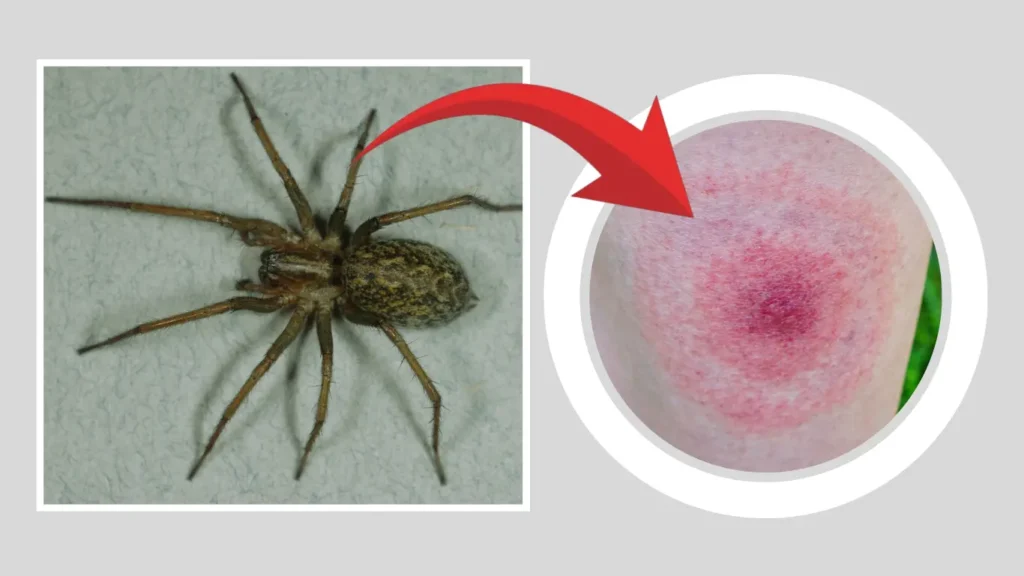
Not typically. Bites may result in slight redness, swelling, or itching, similar to a mild insect bite. Earlier reports linking hobo spider bites to necrotic lesions have been discredited by more recent research.
Are hobo spiders deadly?
No, there are no verified reports of fatalities caused by hobo spider bites. They are not considered deadly and are far less dangerous than more notorious spiders like black widows or Sydney funnel-webs.
Is hobo spider venomous?
Yes—but only to their prey, such as insects. While they do produce venom to subdue prey, it has little to no significant effect on humans in most documented cases.
Do hobo spider bites itch?
Some individuals may experience mild itching, redness, or localized irritation, but serious or long-lasting symptoms are rare. The bite may go unnoticed or resemble a small mosquito bite.
FAQs About Habitat & Range

Where do hobo spiders live?
Hobo spiders are most commonly found in the Pacific Northwest of the United States, including states like Washington, Oregon, Idaho, and parts of Utah and Montana. They prefer cool, moist environments and often live in basements, crawl spaces, window wells, garages, and piles of debris. Outdoors, they may shelter under rocks, logs, or in garden sheds.
Do hobo spiders live in Oregon?
Yes, hobo spiders are very common in Oregon. In fact, Oregon was one of the first U.S. states where they were identified after being introduced from Europe. They’re frequently found in residential structures, especially during late summer and early fall when males are actively seeking mates.
Are hobo spiders in Texas?

Hobo spiders are not typically found in Texas. Their range is mostly limited to the northwestern U.S. Due to Texas’s warmer and more humid climate, it is not part of their established habitat.
Are hobo spiders in Ohio?
Hobo spiders have not been confirmed in Ohio. Many sightings are actually misidentifications of similar-looking funnel-web or grass spiders. Hobo spiders have a limited range, and their eastern expansion has been overstated in some early reports.
Do hobo spiders live in England?
Yes, hobo spiders are native to parts of Europe, including England. They are typically found in gardens, fields, and under stones or wood in moist environments. Unlike in the U.S., they are not regarded as harmful or medically significant in their native habitat.
FAQs About Behavior & Traits
Are hobo spiders aggressive?
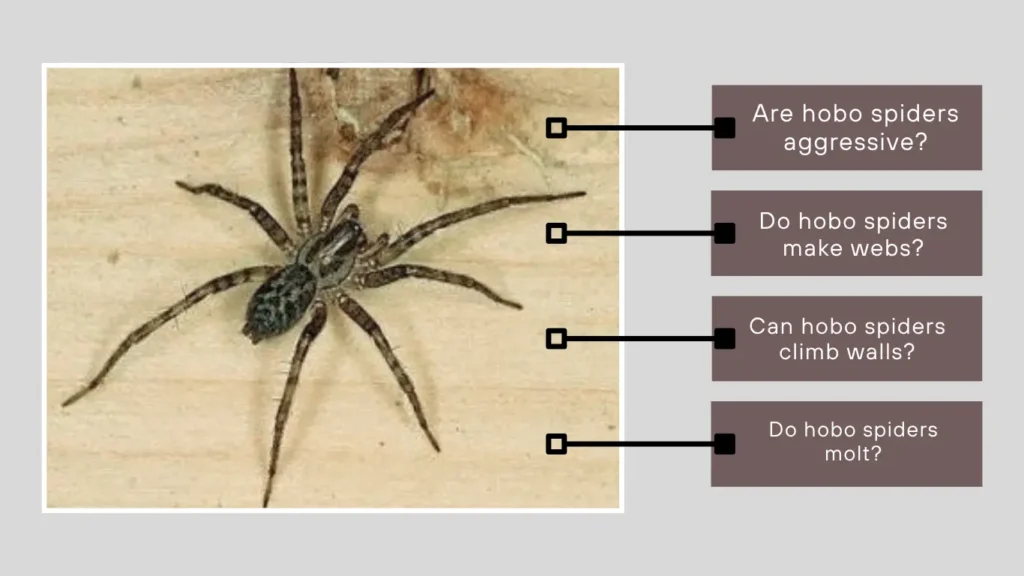
Hobo spiders have a reputation for being aggressive, but in reality, they are typically shy and avoid confrontation. Most reports of aggression occur when the spider feels trapped or threatened—such as being stepped on or cornered. Males may appear more active or confrontational during mating season, but they generally do not attack unprovoked.
Do hobo spiders make webs?
Yes, hobo spiders are funnel-web builders. They construct non-sticky, sheet-like webs with a funnel-shaped retreat where they hide and wait for prey. The web is usually built near the ground, between cracks, in corners, or under debris. Unlike orb-weavers, hobo spiders do not spin decorative webs and don’t use their webs to trap insects with stickiness.
Can hobo spiders climb walls?
Hobo spiders are not strong climbers. Their legs lack the sticky pads that allow other spiders to scale vertical surfaces like smooth walls or glass. As a result, you’ll usually find them at ground level, in basements or low corners of structures.
Do hobo spiders molt?
Yes. Like all spiders, hobo spiders undergo molting to grow. Juveniles molt multiple times before reaching adulthood. You may find discarded exoskeletons in or near their web tunnels, especially in indoor areas where they feel undisturbed.
Diet

What do hobo spiders eat?
Hobo spiders are carnivorous and feed on a variety of small insects. Their typical prey includes:
- Flies
- Ants
- Beetles
- Earwigs
- Other spiders
They rely on speed and surprise, not sticky webs, to catch their food. Once captured, prey is immobilized with venom and consumed.
Do hobo spiders eat brown recluse?
While rare, cannibalism or predation of other spiders can occur. If a hobo spider encounters a smaller spider like a brown recluse in its territory, it may attack and eat it. However, this is not typical or a primary food source—it depends on competition and opportunity.
FAQs About Conservation & Invasiveness

Are hobo spiders endangered of extinction?
No, hobo spiders are not endangered. In fact, they are considered stable and widespread within their current habitat range. Both in their native regions of Europe and introduced areas like the northwestern United States, hobo spider populations are healthy and not under any known conservation threat.
Are hobo spiders endangered species?
Hobo spiders are not classified as an endangered species by any major conservation authority. They adapt well to human-modified environments and can thrive in both outdoor and indoor habitats, making their survival outlook very strong.
Are hobo spiders invasive?
Yes, in North America, hobo spiders are considered an invasive species. Originally from Europe, they were unintentionally introduced to the U.S., most likely through cargo shipments. Since then, they have established themselves across parts of the Pacific Northwest, competing with native spider species for territory and food. While they’re not the most aggressive invaders, they have impacted local spider diversity in some areas.