

Spider mites are tiny pests that can cause serious damage to your plants—both indoors and outdoors. From red spider mites on roses to infestations during cannabis flowering, these bugs spread quickly if not treated right away. In this guide, I’ll show you how to get rid of spider mites using natural and DIY solutions tailored for different plants, growing stages, and environments.
How to Get Rid of Spider Mites on Indoor Plants
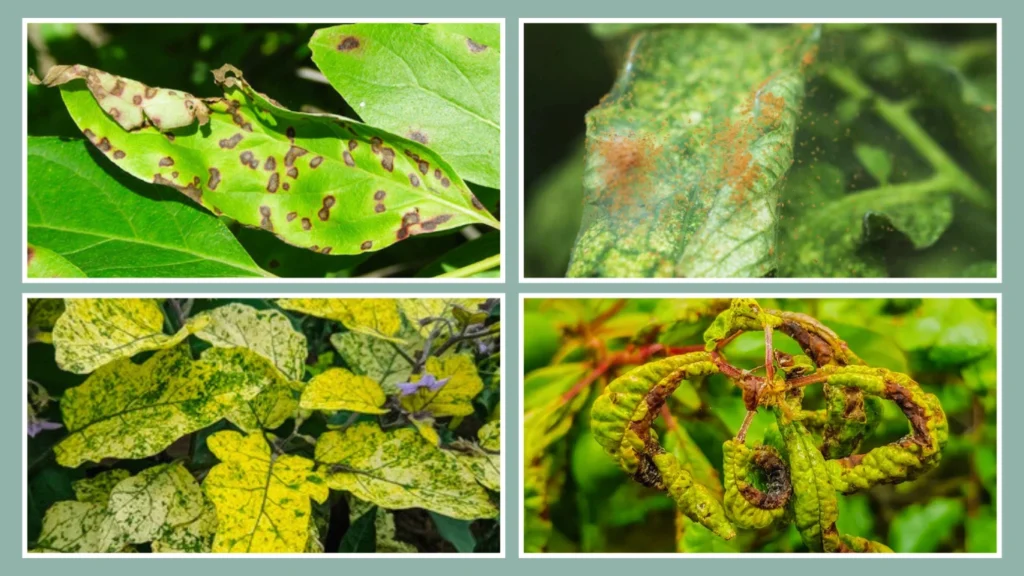
Spider mites often thrive in warm, dry indoor environments where they can go unnoticed until leaves start to show signs of damage. Catching them early is crucial to saving your houseplants.
Identification
- Tiny red, white, or brown specks on leaves
- Fine webbing, especially under leaves or between stems
- Yellow or speckled discoloration on foliage
- Leaf curling or premature dropping
Treatment Methods
Start by isolating the infected plant to prevent mites from spreading. Rinse the leaves with lukewarm water to dislodge mites, especially underneath the leaves. Then, apply a natural insecticidal soap or neem oil solution every 5–7 days until the infestation is gone. Make sure to spray both tops and undersides of the leaves.
Prevention Tips
Keep humidity levels higher around your indoor plants since spider mites hate moisture. Wipe leaves regularly to remove dust, inspect new plants before bringing them inside, and rotate neem oil or rosemary oil sprays monthly as a preventive measure.
How to Get Rid of Spider Mites on Outdoor Plants
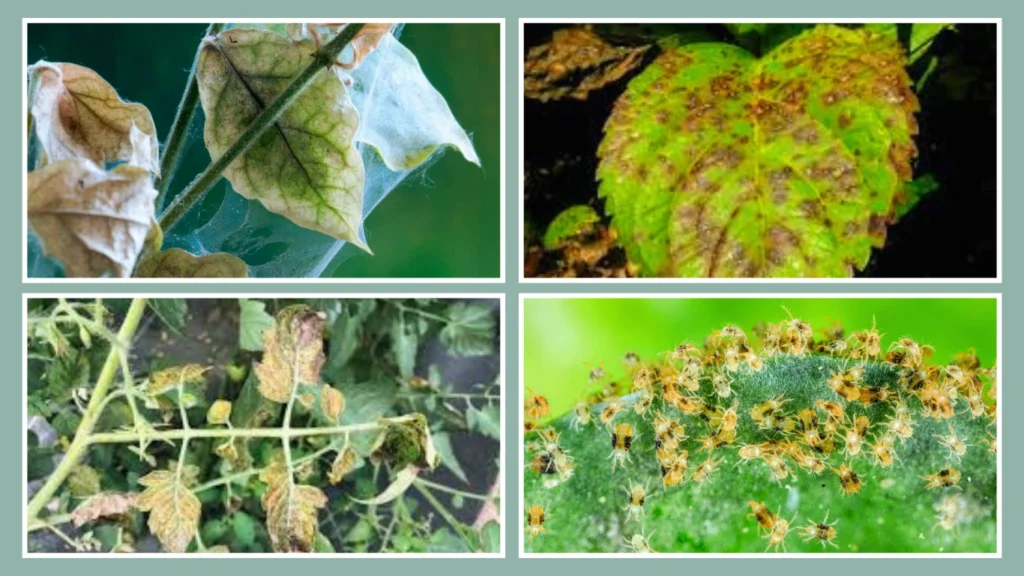
Spider mites on outdoor plants can spread rapidly due to wind and dry conditions. They often target garden flowers, shrubs, and vegetables, especially during hot seasons.
Identification
- Silky webbing on leaves and stems
- Pale or yellow stippling on the upper leaf surface
- Mottled or wilted leaves
- Clusters of tiny, moving dots (mites) on the underside of leaves
Treatment Methods
Use a strong jet of water from a hose to knock mites off the plants. Follow this with a spray of neem oil or insecticidal soap every few days. For larger infestations, consider introducing natural predators like ladybugs or predatory mites to your garden.
Prevention Tips
Water your plants regularly and keep the garden well-mulched to maintain soil moisture. Avoid over-fertilizing, as new tender growth attracts mites. Encourage biodiversity with flowering plants that draw beneficial insects.
How to Get Rid of Spider Mites During Flowering (Including Cannabis)
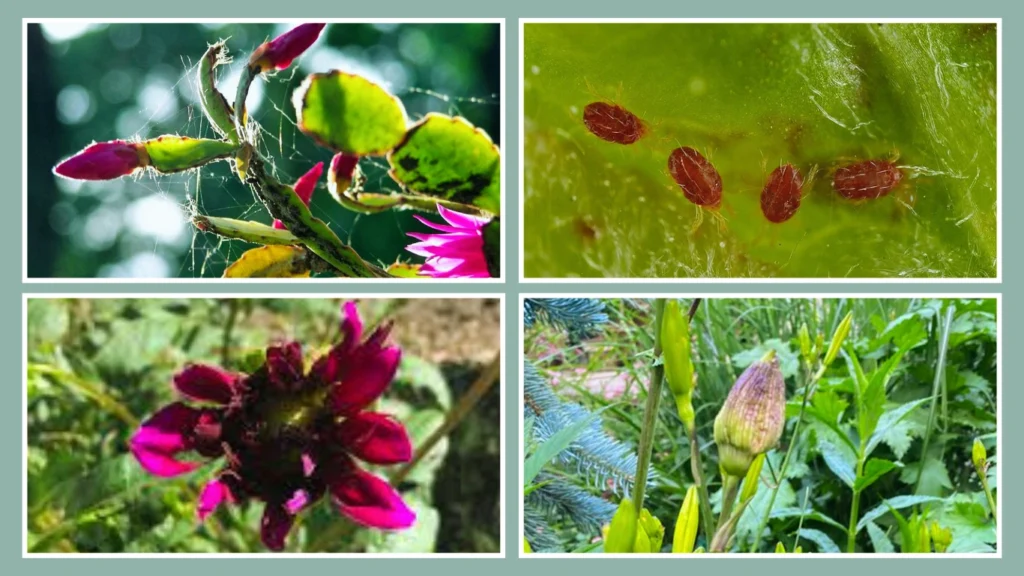
Treating spider mites during the flowering stage is tricky—you need to protect the delicate buds without using harsh chemicals. This is especially important for cannabis and flowering garden plants.
Identification
- Fine webbing on or around buds and flowers
- Small white or red mites visible under close inspection
- Discolored or curling flower petals
- Buds failing to open or looking distorted
Treatment Methods
Avoid chemical insecticides during flowering. Instead, use a diluted neem oil or insecticidal soap spray on affected areas—just avoid spraying directly on buds. Alternatively, mix rosemary or peppermint essential oil with water and a drop of dish soap to create a natural repellent. Apply in the early morning or evening.
Prevention Tips
Keep humidity levels stable and prune overcrowded branches to improve air circulation. Regularly inspect buds during early flowering. If possible, use beneficial insects like lacewings or predatory mites before the flowering stage begins.
How to Get Rid of Red Spider Mites Naturally
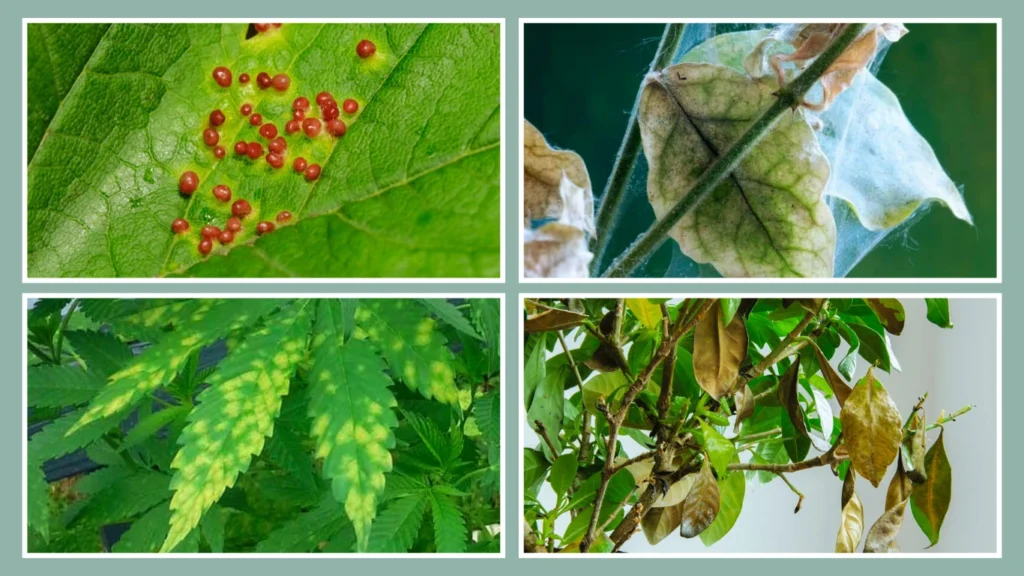
Red spider mites are among the most aggressive species, and they love hot, dry environments. They’re commonly found on both houseplants and outdoor foliage.
Identification
- Reddish mites visible under leaves
- Webbing between stems and leaf joints
- Yellow or bronze speckling on leaves
- Leaves turning brittle or dropping prematurely
Treatment Methods
Create a homemade spray using water, neem oil, and a small amount of mild dish soap. Spray the plant thoroughly, especially the undersides. You can also use a garlic or chili pepper spray for stronger infestations. Always test a small area before full application.
Prevention Tips
Misting plants regularly helps deter red spider mites. Maintain high humidity and keep plants out of extremely hot zones. Clean plant containers and surrounding areas to remove eggs and debris.
How to Get Rid of Spider Mites in Soil
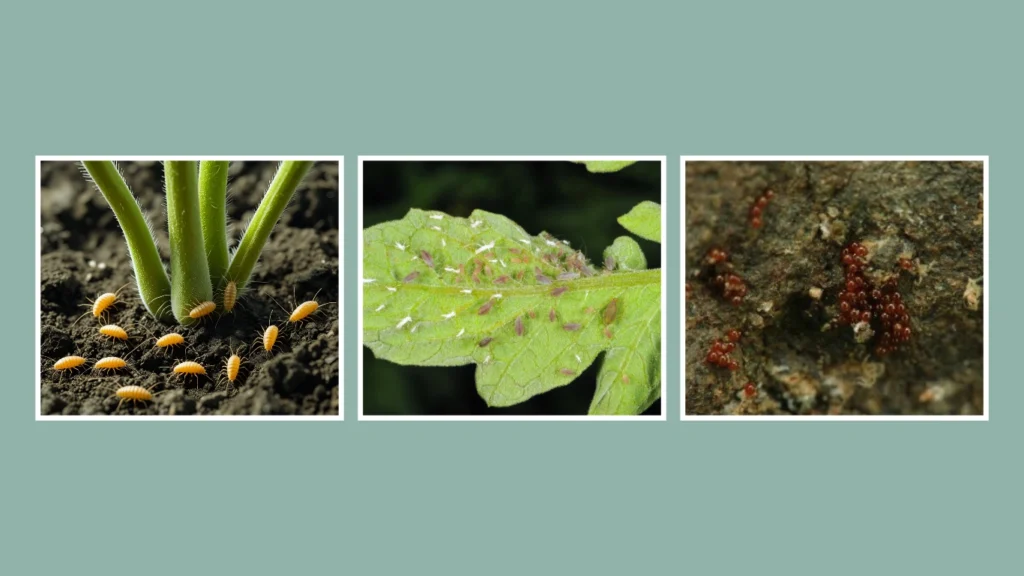
While spider mites mainly live on plant foliage, some species can drop into the soil to lay eggs or survive between treatments. Ignoring the soil can lead to re-infestation.
Identification
- Mites crawling near the base of stems or on topsoil
- Reappearing infestations even after treating leaves
- Tiny white or red dots in the soil, visible with magnification
Treatment Methods
Remove the top 1–2 inches of soil and replace it with fresh, sterile soil. You can also water the plant with a diluted hydrogen peroxide solution (1 part 3% hydrogen peroxide to 4 parts water) to kill eggs and larvae. Let soil dry slightly between waterings to reduce mite activity.
Prevention Tips
Use sterile soil when repotting. Avoid overwatering and keep pots clean. Add a thin layer of diatomaceous earth to the soil surface to deter crawling pests.
How to Get Rid of Spider Mites in Greenhouse or Grow Tent
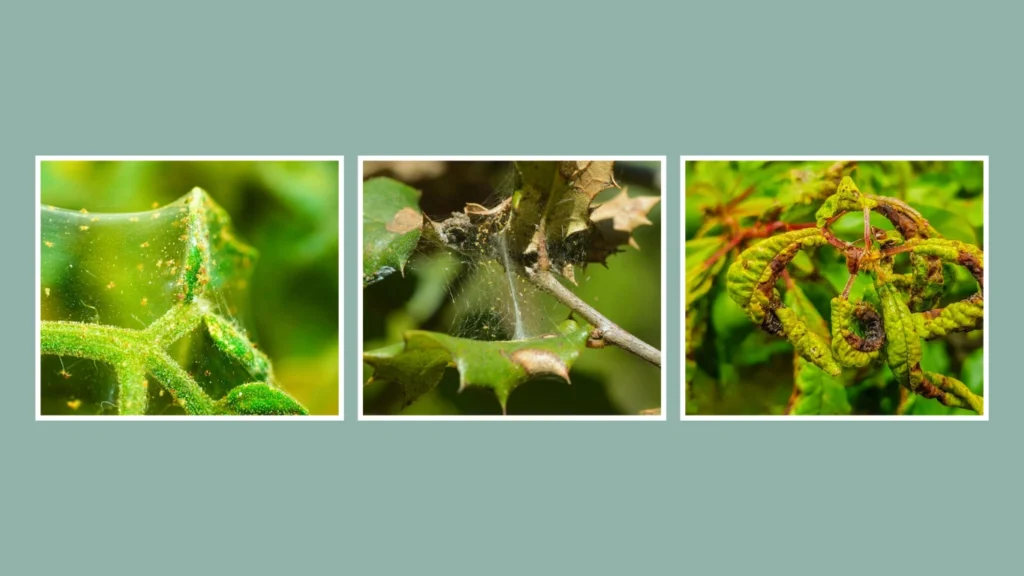
Greenhouses and grow tents create warm, enclosed environments that are ideal breeding grounds for spider mites if not carefully managed.
Identification
- Rapid mite spread across multiple plants
- Visible webbing connecting plant tops
- Consistent leaf speckling and curling in clusters
Treatment Methods
Increase humidity to slow down mite reproduction. Use a fogger with neem oil or insecticidal soap. For severe infestations, consider releasing beneficial insects like predatory mites, ladybugs, or green lacewings. Clean and disinfect all equipment, pots, and surfaces.
Prevention Tips
Ventilate well and monitor humidity levels. Quarantine new plants before adding them to the tent. Regularly wipe down grow tent surfaces and rotate natural sprays every 2 weeks.
How to Get Rid of Spider Mites on Vegetable Plants

Spider mites commonly attack vegetables like tomatoes, cucumbers, and eggplants—often stunting growth and ruining harvests if not addressed early.
Identification
- Speckled or yellowing leaves
- Fine webbing between stems and under leaves
- Leaf edges curling inward
- Reduced flower and fruit production
Treatment Methods
Use a strong water spray to dislodge mites, then apply neem oil or insecticidal soap. For edibles, stick with organic options. A garlic or chili pepper spray also works well. Spray every 5 days until mites disappear.
Prevention Tips
Mulch the soil to retain moisture and suppress dust. Interplant with herbs like basil or dill that repel pests. Keep plants well-watered and monitor for early signs weekly.
How to Get Rid of Spider Mites on Cannabis Plants
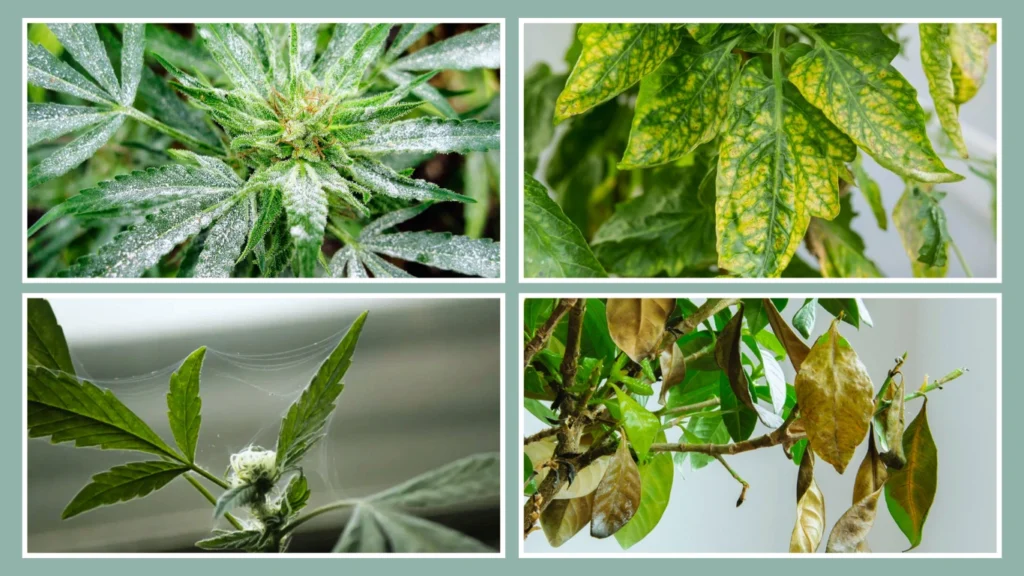
Spider mites are a common problem for cannabis growers, especially in warm, dry grow rooms or tents. Their damage can ruin yields and lower bud quality.
Identification
- Tiny white or red dots on fan leaves
- Yellow speckling on older leaves
- Webbing near buds or leaf joints
- Slowed plant growth or leaf drop
Treatment Methods
Start with a water rinse and follow with a neem oil or insecticidal soap spray—avoiding buds directly. In late flowering, switch to natural oil sprays like rosemary or use predator mites like Phytoseiulus persimilis. Apply treatments with grow lights off to avoid leaf burn.
Prevention Tips
Maintain humidity around 50–60%, keep grow areas clean, and prune lower leaves to reduce mite hiding spots. Always sanitize tools and wash hands before handling plants.
How to Get Rid of Spider Mites Naturally (DIY Methods)
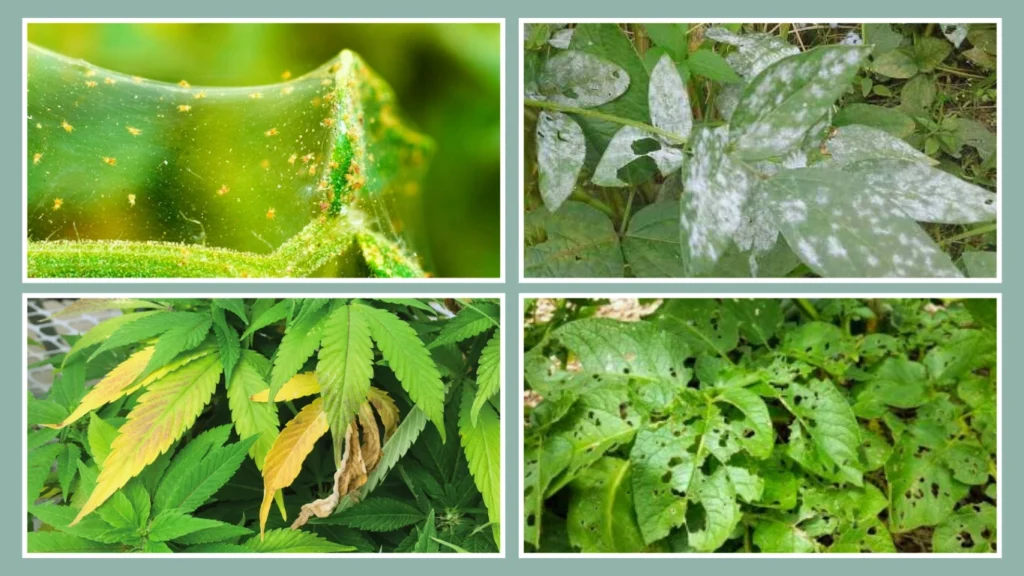
Natural remedies are safe, effective, and budget-friendly—ideal for both indoor and outdoor plants when dealing with light to moderate spider mite infestations.
Identification
- Fine, silky webbing
- Dust-like movement on leaves
- Yellow stippling on foliage
- Gradual leaf damage without visible pests at first glance
Treatment Methods
Try these DIY solutions:
- Neem oil spray: Mix 1 tsp neem oil + ½ tsp mild soap + 1 liter water
- Garlic spray: Blend 2 cloves garlic with water, strain, and spray
- Peppermint or rosemary oil: Mix 5 drops per cup of water with soap
- Rubbing alcohol: Dab or mist leaves with 70% isopropyl alcohol
Repeat treatments every 4–5 days for 2–3 weeks.
Prevention Tips
Regularly mist plants with plain water, keep leaves dust-free, and use a rotating mix of DIY sprays monthly to avoid resistance build-up.
How to Get Rid of Spider Mites on Popular Houseplants
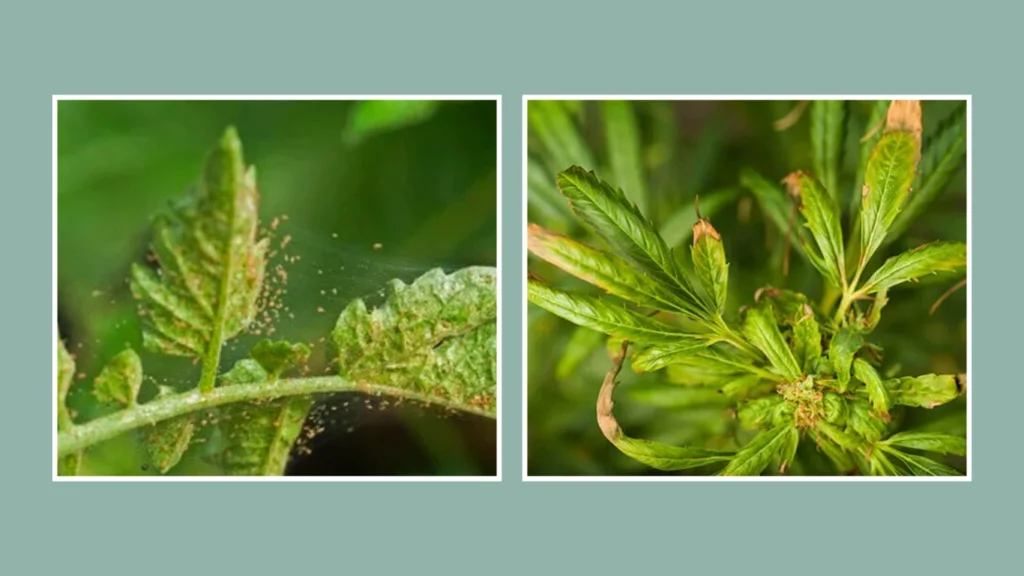
Certain houseplants are more prone to spider mites, especially those with broad, tender leaves. Let’s go over specific care strategies for common indoor favorites.
Identification
- Fine webbing and leaf spotting, especially on delicate plants
- Plant-specific symptoms like drooping or curling
Treatment Methods
- Fiddle Leaf Fig: Wipe leaves with neem oil spray; increase humidity
- Calathea: Mist daily and use rosemary oil spray
- English Ivy: Cut back severely infested areas; apply insecticidal soap
- Croton: Use diluted alcohol spray; avoid overwatering
- Bonsai: Rinse thoroughly and treat with neem or horticultural oil
Prevention Tips
Ensure good airflow, group humidity-loving plants together, and inspect plants weekly for early signs of infestation. Clean pots and surroundings regularly.
How to Get Rid of Spider Mites on Trees and Bushes
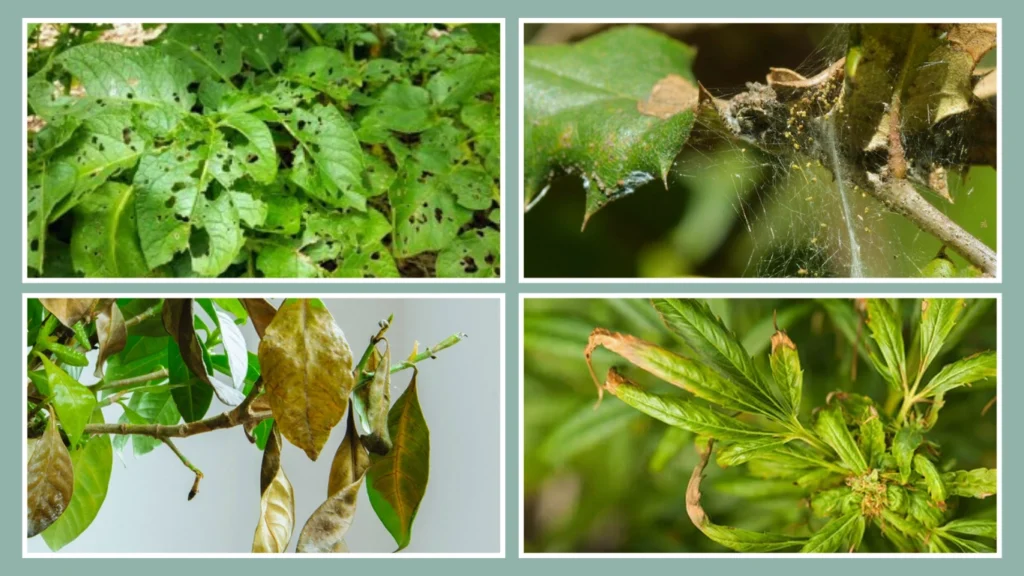
Trees and shrubs like apple, citrus, azalea, and arborvitae can fall victim to spider mites—especially during dry, dusty periods. Early intervention is key to preventing widespread damage.
Identification
- Stippling or bronzing of leaves
- Webbing along branch tips or under leaves
- Premature leaf drop
- Patchy or thinning foliage
Treatment Methods
Use a strong hose spray to wash off mites. Follow with horticultural oil or insecticidal soap—focusing on the underside of leaves. For larger trees, consider systemic miticides or hire a professional arborist.
Prevention Tips
Keep trees and bushes well-watered, avoid excessive nitrogen fertilizer, and apply mulch to retain moisture. Encourage natural predators like ladybugs and lacewings.
How to Get Rid of Spider Mites on Flowering Plants
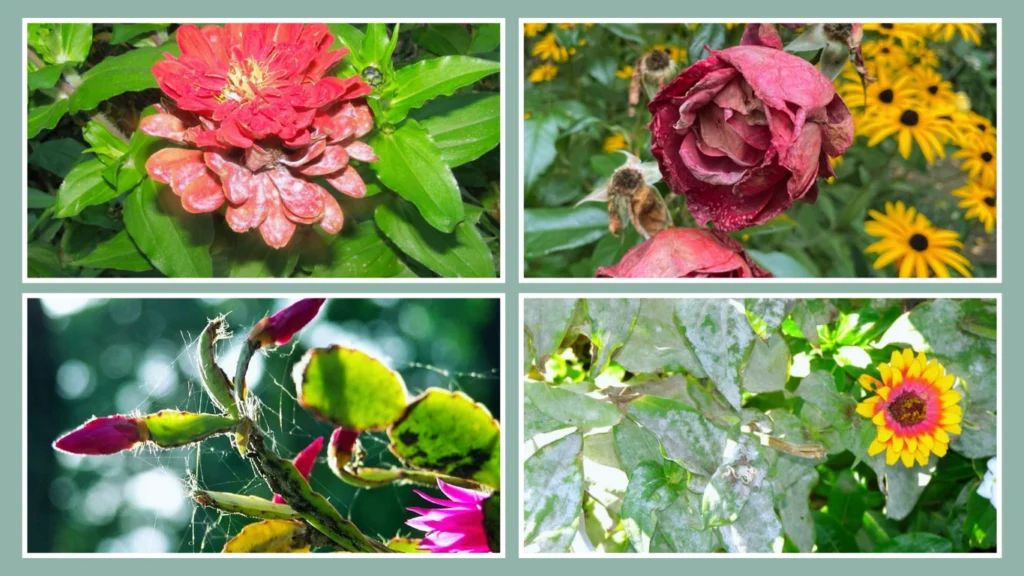
Spider mites often target roses, dahlias, and desert rose, especially during blooming. Since flowers are delicate, treatments must be gentle yet effective.
Identification
- Discolored or spotted flower petals
- Buds failing to open fully
- Webbing near blossoms
- Leaves below flowers showing speckled damage
Treatment Methods
Rinse flowers with water, then apply a diluted neem oil or garlic spray—avoiding direct application on petals. You can also gently mist with a rosemary oil solution to repel mites without harming blooms.
Prevention Tips
Deadhead old flowers regularly, avoid overhead watering, and increase humidity if growing indoors. Keep plants spaced for airflow and monitor daily during bloom season.
How to Get Rid of Spider Mites on Herbs and Small Plants
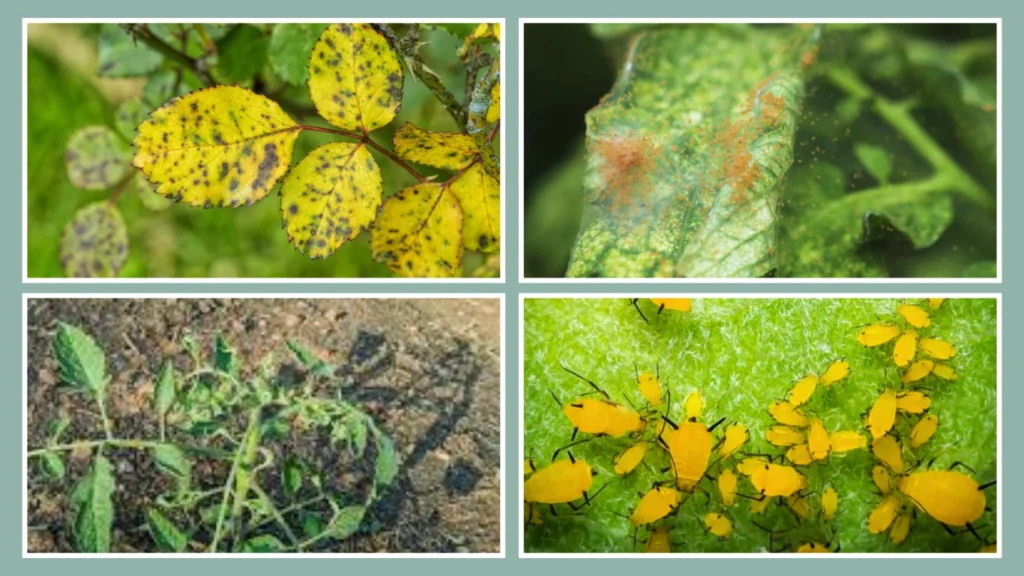
Spider mites on herbs like basil or mint can be tricky, especially if you plan to eat the leaves. Focus on non-toxic, edible-safe treatments.
Identification
- Faded or speckled leaves
- Webbing between leaf nodes
- Stunted new growth
- Discoloration without visible bugs
Treatment Methods
Spray herbs with a mix of water and mild dish soap (1 tsp per liter). For stronger protection, use neem oil labeled as safe for edibles or a garlic spray. Always rinse herbs thoroughly before consuming.
Prevention Tips
Harvest regularly to promote airflow. Keep herbs in well-ventilated spots and mist them occasionally. Rotate pots and check undersides of leaves weekly.
How to Get Rid of Spider Mites Outdoors (Yard, Lawn, Patio)

Outdoor areas like lawns, patios, and garden beds can harbor spider mites, especially in hot, dry weather. Left untreated, they spread fast across different plant types.
Identification
- Patchy yellowing on lawn or bushes
- Dusty appearance on plant leaves
- Webbing in corners of patios or along fences
- Visible mites crawling on hard surfaces or plant bases
Treatment Methods
Hose down infested areas and plants with strong water pressure. Apply neem oil or insecticidal soap to shrubs, bushes, and container plants. Use diatomaceous earth on walkways and soil to deter crawling mites.
Prevention Tips
Keep lawn well-watered, clean debris from patios, and trim overgrown plants regularly. Encourage beneficial insects and reduce dust accumulation in dry months.
How to Get Rid of Spider Mites for Good (Long-Term Prevention)
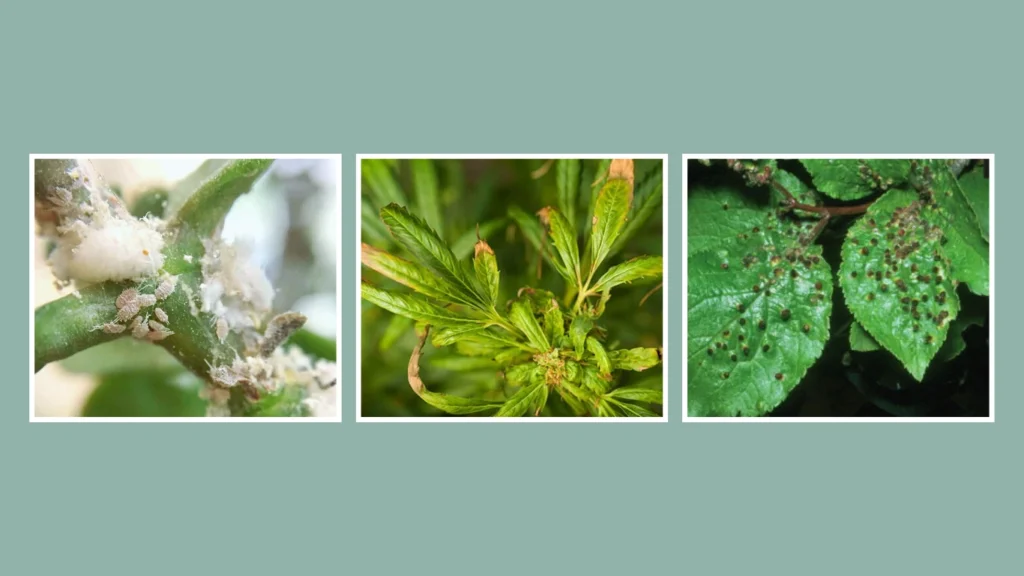
Eliminating spider mites once is not enough—they can return if you don’t take consistent preventive measures. The goal is to disrupt their life cycle and remove their ideal conditions.
Identification
- Repeated infestations after treatment
- Eggs or mites reappearing on new growth
- Multiple plants affected in the same space
Treatment Methods
Alongside regular treatment, sterilize pruning tools, clean plant pots, and treat soil if needed. Rotate between neem oil, insecticidal soap, and natural predators to avoid resistance buildup. Remove and destroy heavily infested leaves or plants.
Prevention Tips
- Quarantine new plants before adding them to your space
- Keep humidity at optimal levels
- Dust plant leaves regularly
- Avoid over-fertilization, especially nitrogen-heavy formulas
- Inspect plants weekly—especially under leaves
FAQ
1. Are spider mites visible to the naked eye?
Yes, but they’re very small—usually less than 1mm. They look like tiny moving dots.
2. Do spider mites bite humans?
No, spider mites feed only on plants. They do not bite people or pets.
3. How fast do spider mites reproduce?
Very quickly—a full generation can form in just 5–7 days in warm, dry conditions.
4. Can spider mites infest soil?
Some species can drop eggs into the soil or survive in the top layer, but they mostly live on leaves.
5. Will spider mites go away on their own?
No. Without intervention, they will continue to multiply and spread from plant to plant.