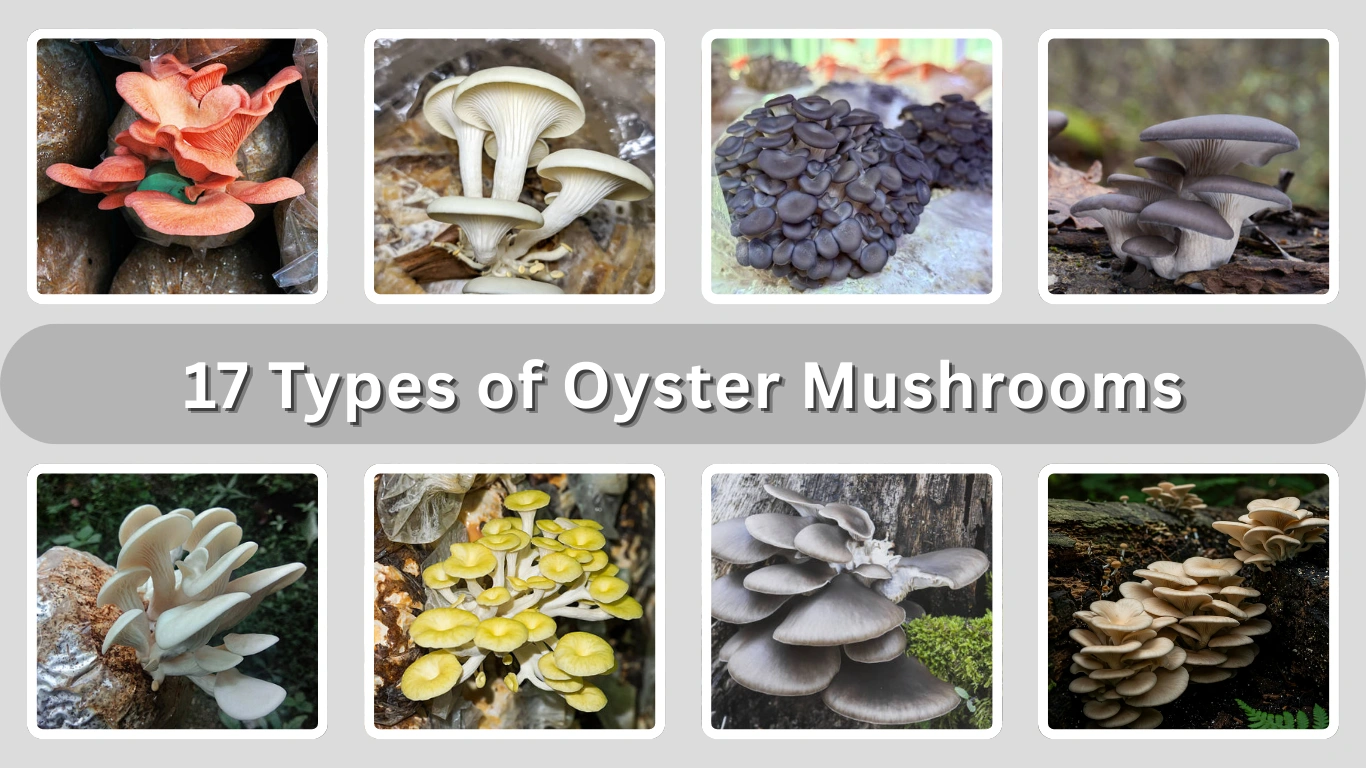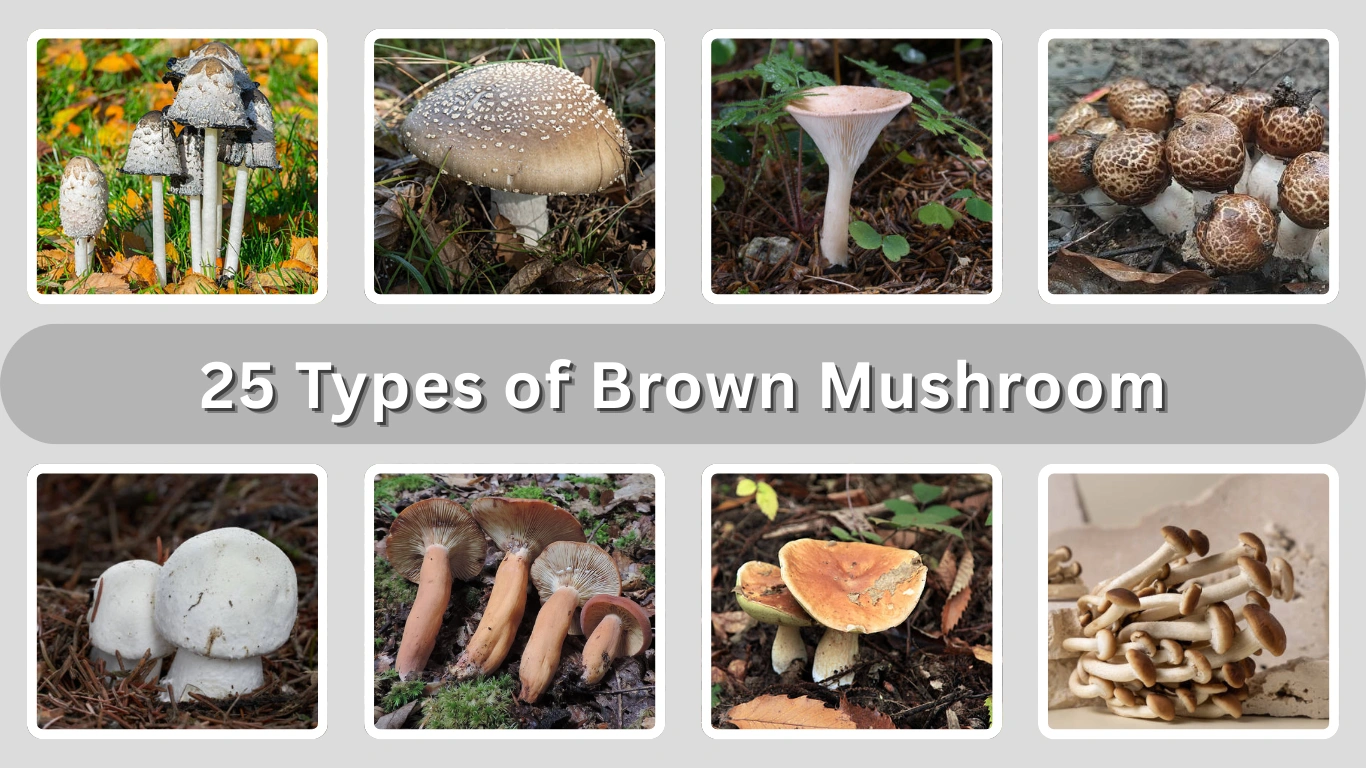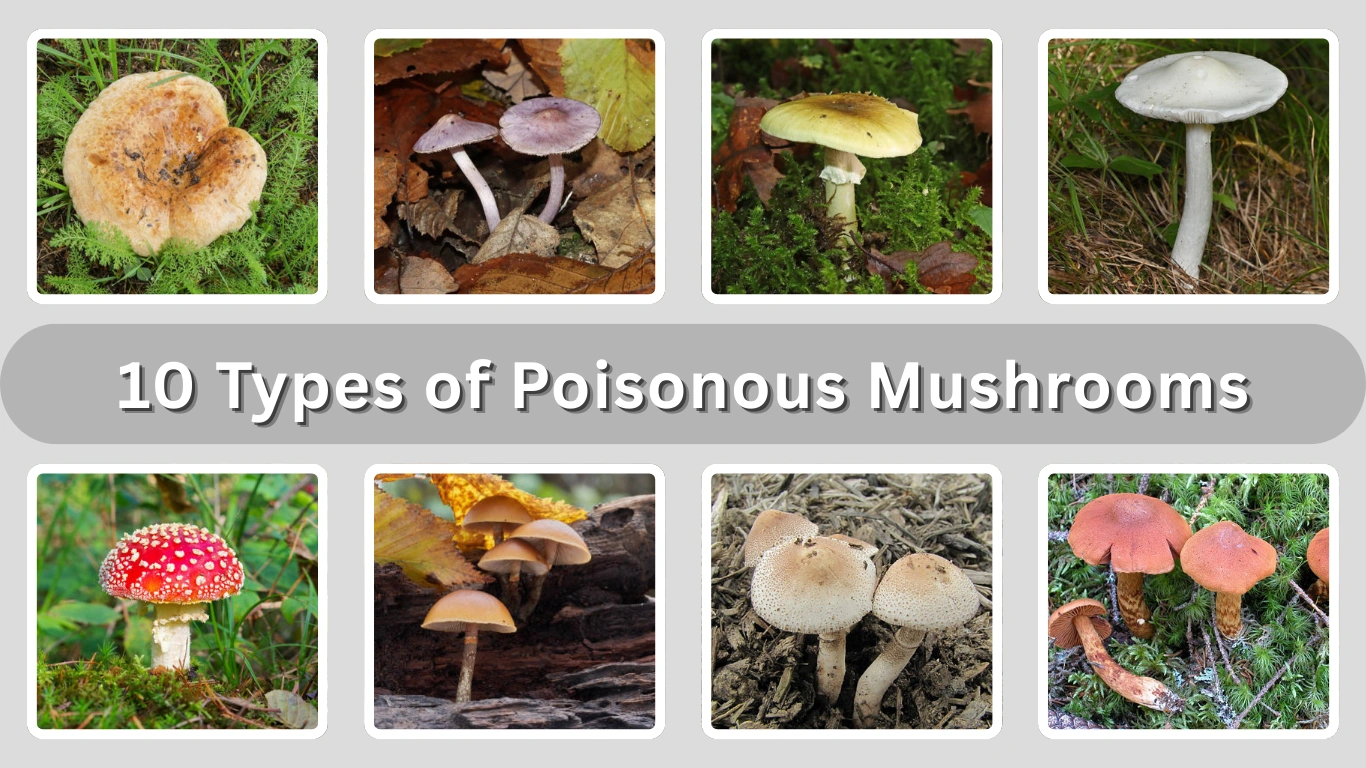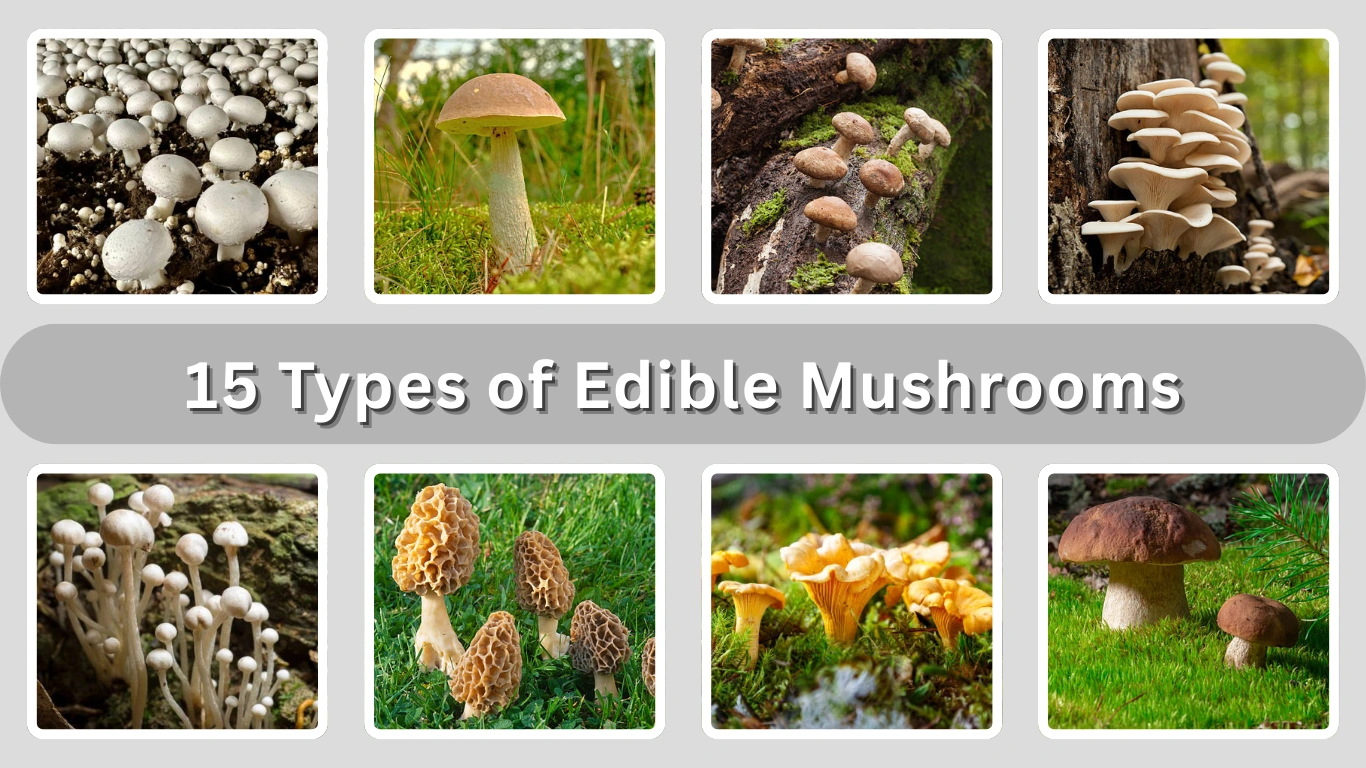







Mushrooms popping up across your lawn can be frustrating—especially when they seem to appear overnight. While they may look unsightly or raise concerns about safety for kids and pets, mushrooms are actually a common and usually harmless lawn issue. Their presence doesn’t mean your grass is unhealthy; in fact, it often means your soil is rich in organic matter.
Understanding Why Mushrooms Grow in Lawns

What Mushrooms Really Are
Mushrooms are the visible part of a fungus living underground. Beneath the soil surface is a network of fungal threads called mycelium, which feeds on decaying organic material. The mushrooms you see are simply the “fruiting bodies” that release spores when conditions are right.
Because most of the fungus lives below the surface, removing mushrooms alone won’t solve the problem permanently.
Common Causes of Lawn Mushrooms
Mushrooms thrive when several conditions come together:
- Excess moisture from frequent watering or heavy rainfall
- Decaying organic matter such as old tree roots, buried wood, mulch, or thick thatch
- Poor drainage that keeps soil wet for long periods
- Shade and limited airflow, especially under trees
These conditions are common in otherwise healthy lawns, which is why mushrooms can appear even when grass looks green and strong.
Are Lawn Mushrooms Harmful?
Most lawn mushrooms don’t harm grass directly. However, some varieties can be toxic if ingested, posing a risk to pets and children. For safety, it’s best to remove mushrooms promptly and avoid touching them with bare hands.
Step-by-Step Guide to Getting Rid of Mushrooms

Step 1: Remove Mushrooms as Soon as They Appear
Start by removing visible mushrooms right away. This won’t eliminate the fungus underground, but it prevents spores from spreading.
- Pull mushrooms out by hand using gloves, or mow them down
- Remove them early in the day before they release spores
- Dispose of mushrooms in sealed bags—do not compost them
This step is mainly about control and safety, not long-term prevention.
Step 2: Reduce Excess Moisture
Too much moisture is the number one reason mushrooms thrive.
- Water your lawn less frequently but more deeply
- Early morning watering is best, allowing grass to dry during the day
- Avoid watering in the evening, which keeps soil damp overnight
If your lawn feels constantly soggy or mushrooms appear after every watering, overwatering is likely contributing to the issue.
Step 3: Improve Lawn Drainage
Poor drainage keeps water trapped in the soil, creating ideal fungal conditions.
- Look for low spots where water pools after rain
- Lightly regrade problem areas so water flows away
- Aeration (covered in the next step) helps water penetrate deeper instead of sitting on the surface
In severe cases, installing drainage solutions may be necessary, but most lawns improve with basic soil management.
Step 4: Dethatch Your Lawn

Thatch is a layer of dead grass and organic debris that builds up between the soil and grass blades. When it becomes too thick, it traps moisture and feeds fungi.
- If thatch is thicker than ½ inch, dethatching is recommended
- Use a dethatching rake for small areas or a mechanical dethatcher for larger lawns
- The best time to dethatch is during active growing seasons
Removing excess thatch reduces food sources for mushrooms and improves overall lawn health.
Step 5: Aerate Compacted Soil
Compacted soil limits air circulation and traps moisture near the surface—two conditions mushrooms love. Lawn aeration loosens the soil, allowing water, oxygen, and nutrients to move more freely.
- Core aeration is the most effective method, removing small plugs of soil
- Spike aeration can help lightly compacted areas but is less effective long term
- Aerate during your grass’s active growing season so it can recover quickly
After aeration, your lawn will dry out faster after rain or watering, making it less welcoming to fungal growth.
Step 6: Remove Buried Organic Material
In many cases, recurring mushroom patches are fueled by decomposing material below the surface. Old tree roots, buried lumber, or decaying stumps act like a continuous food source for fungi.
- Mushrooms often grow in the same spots year after year
- A spongy or soft feel underfoot may indicate buried debris
- When feasible, dig out and remove old roots or wood
If removal isn’t practical, improving drainage and soil conditions will gradually reduce fungal activity over time.
Step 7: Increase Sunlight and Airflow
Mushrooms prefer damp, shaded environments with limited airflow. Making small changes to increase light and air circulation can have a big impact.
- Prune overhanging tree branches
- Trim dense shrubs near problem areas
- Avoid overcrowding grass by reseeding bare spots properly
More sunlight helps soil dry faster and naturally discourages fungal growth.
Step 8: Adjust Lawn Fertilization Practices
Over-fertilizing can contribute to mushroom growth by increasing organic matter in the soil.
- Use slow-release fertilizers instead of quick-release formulas
- Avoid applying fertilizer right before heavy rain
- Follow recommended application rates for your grass type
Balanced fertilization supports healthy grass without overfeeding the fungi living beneath the soil.
Step 9: Use Fungicides Only as a Last Resort
Fungicides are rarely a permanent solution for lawn mushrooms because they don’t address the underlying cause. In many cases, mushrooms return once the chemical wears off.
- Fungicides work best when combined with moisture control and soil improvement
- Always follow label directions carefully
- Keep pets and children off treated areas until safe
For most homeowners, proper lawn care is more effective than chemical treatment.
Natural and Eco-Friendly Mushroom Control Options

Many natural remedies—such as vinegar or baking soda solutions—are often suggested online. While these may kill visible mushrooms, they can also damage grass and soil if overused.
- Spot-treating mushrooms may provide short-term results
- Most natural remedies do not eliminate underground mycelium
- Improving soil conditions remains the safest long-term approach
Healthy lawns naturally regulate fungal growth without harsh treatments.
Preventing Mushrooms From Coming Back
Prevention is easier than repeated removal. Consistent lawn care makes conditions less favorable for mushrooms.
- Water deeply but infrequently
- Aerate and dethatch as needed
- Improve drainage and sunlight
- Remove organic debris regularly
A well-maintained lawn may still see occasional mushrooms, but outbreaks will be smaller and less frequent.
Common Mistakes to Avoid
- Removing mushrooms but ignoring excess moisture
- Overusing fungicides or home remedies
- Assuming mushrooms mean your lawn is unhealthy
- Neglecting drainage and soil compaction issues
Addressing the cause—not just the symptom—is the key to lasting results.
FAQs
Do mushrooms mean my lawn is unhealthy?
No. They often indicate rich soil with high organic matter.
Are lawn mushrooms poisonous?
Some varieties can be toxic. Remove mushrooms promptly to reduce risk.
Will mushrooms go away on their own?
They often disappear when conditions dry out but may return if the cause remains.
Can I mow over mushrooms?
Yes, but this can spread spores. Removing them first is safer.
Conclusion
Mushrooms in your lawn are a common and manageable issue. By reducing moisture, improving soil conditions, and maintaining proper lawn care habits, you can remove existing mushrooms and prevent future outbreaks. Instead of relying on quick chemical fixes, focus on creating a healthier growing environment for your grass—and a less welcoming one for fungi.