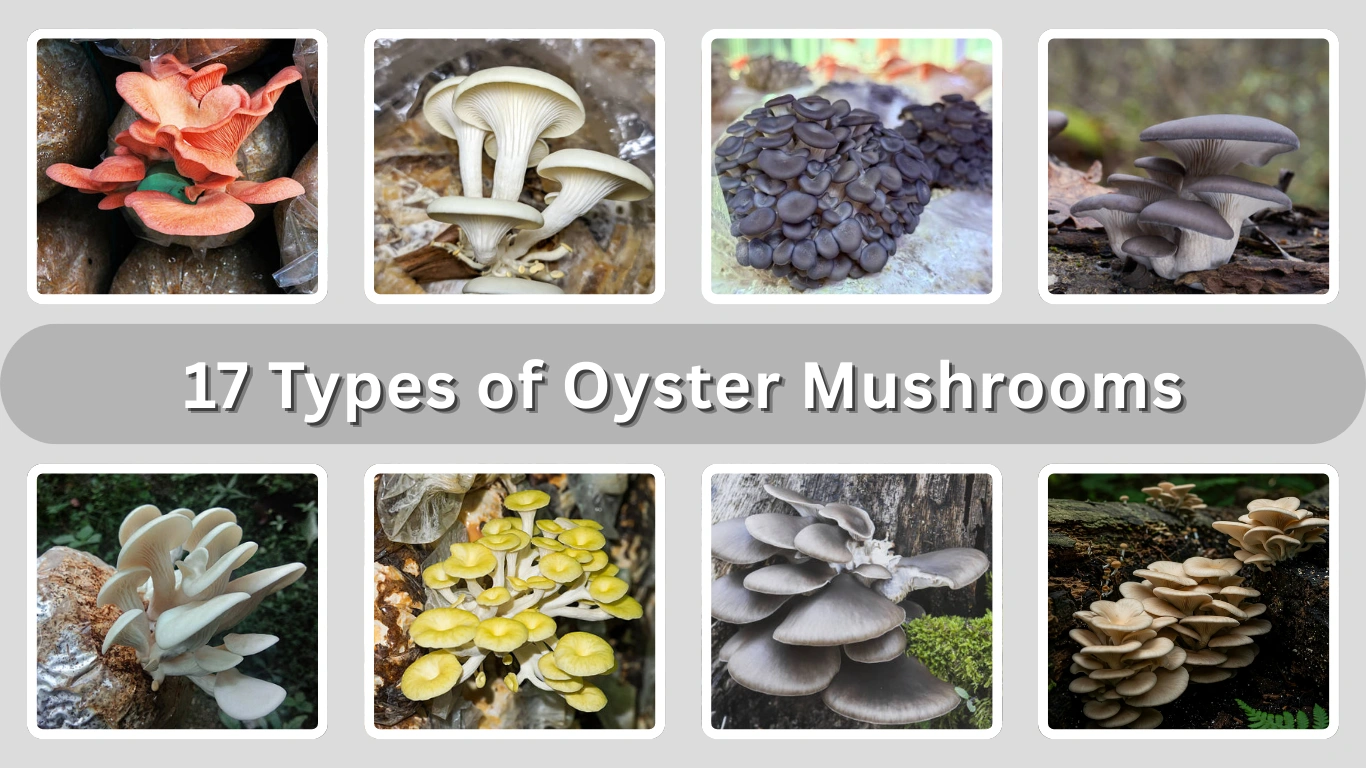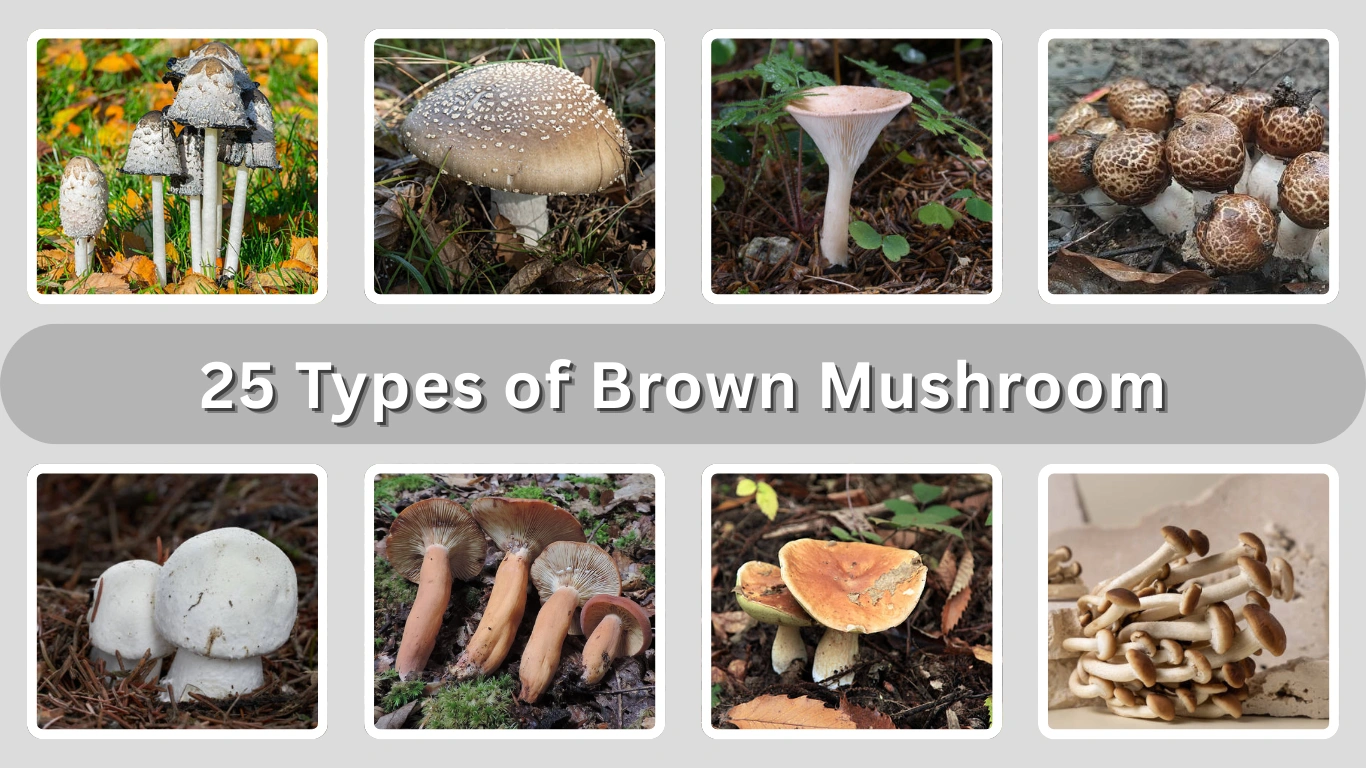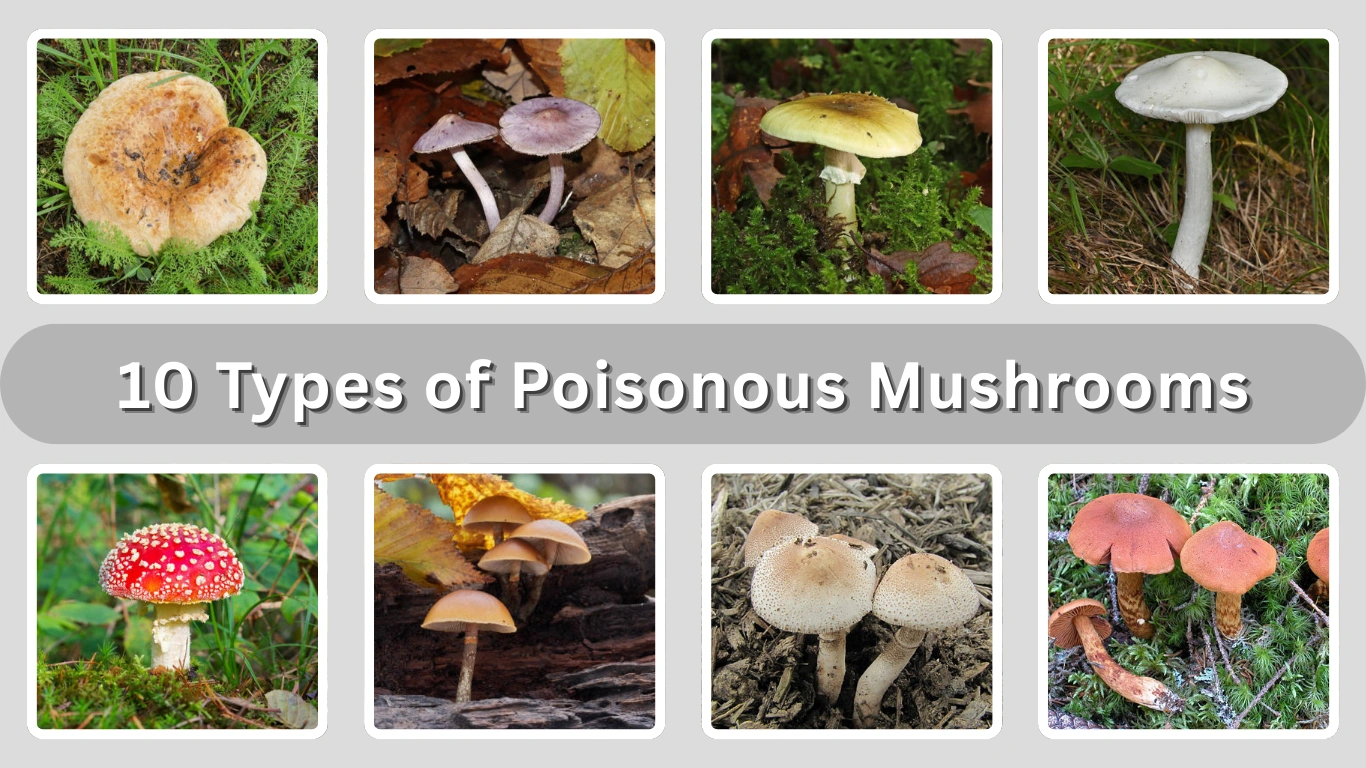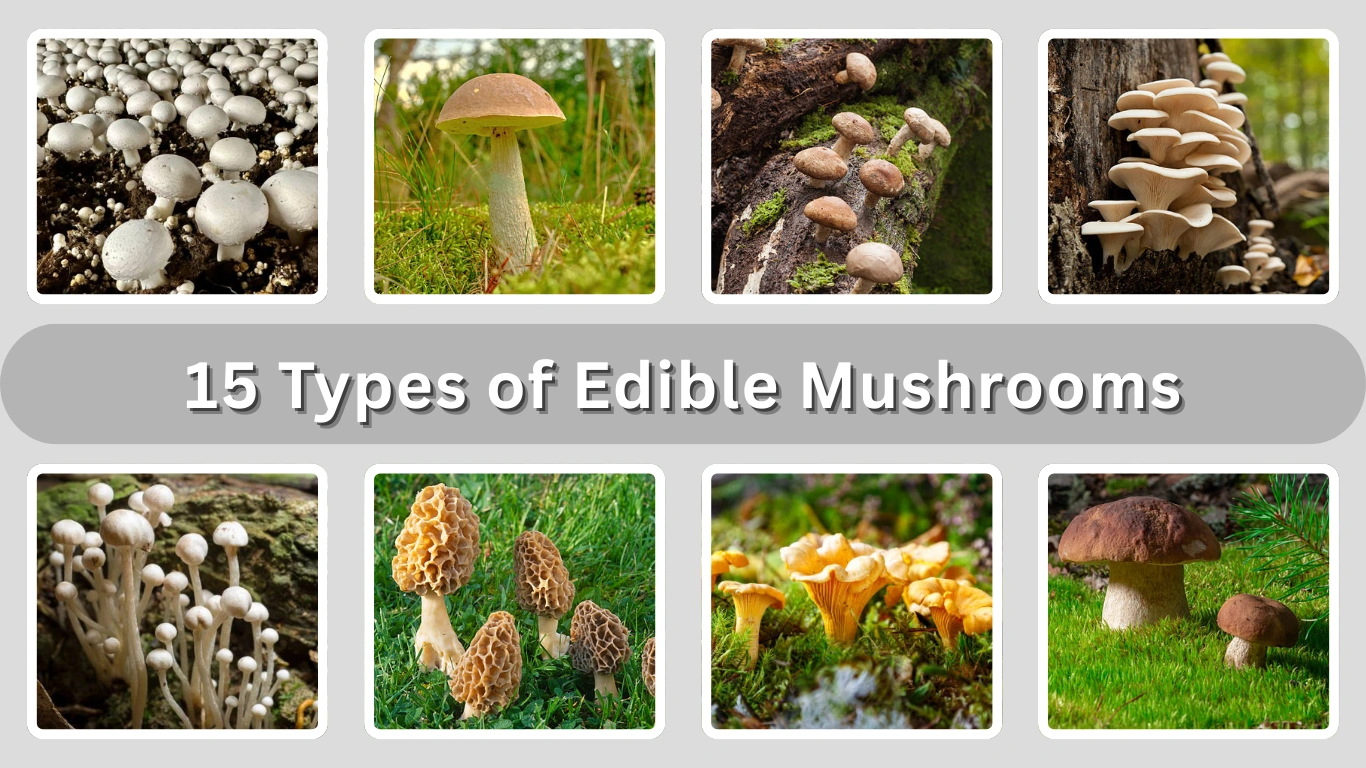



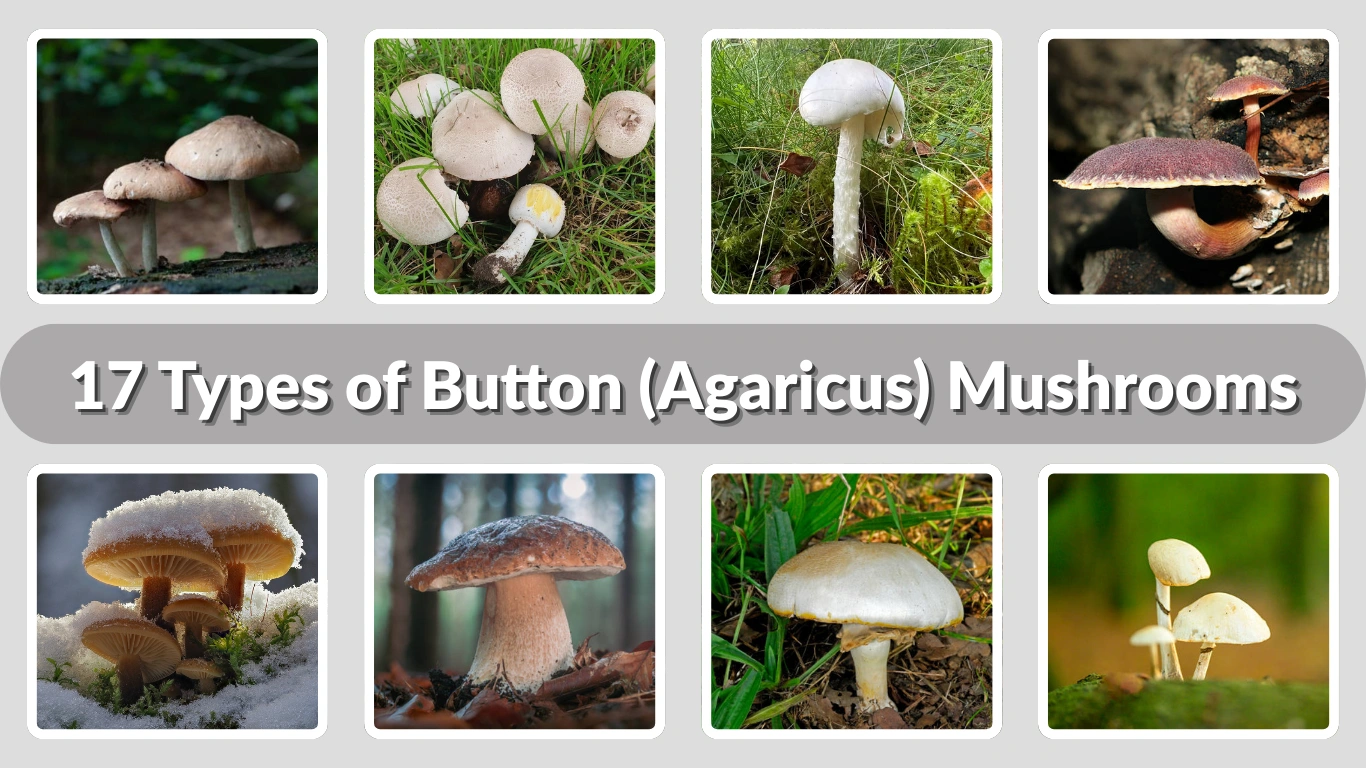
Button mushrooms, belonging to the Agaricus genus, include a wide range of species found in both cultivated and wild environments. While some are globally popular food mushrooms, others are valued for their aroma, size, habitat uniqueness, or scientific importance. At the same time, several Agaricus species are toxic and easily confused with edible ones, making proper identification essential. This guide presents selected types of button mushrooms with clear, structured descriptions to support learning, identification, and general awareness.
1. White Button Mushroom
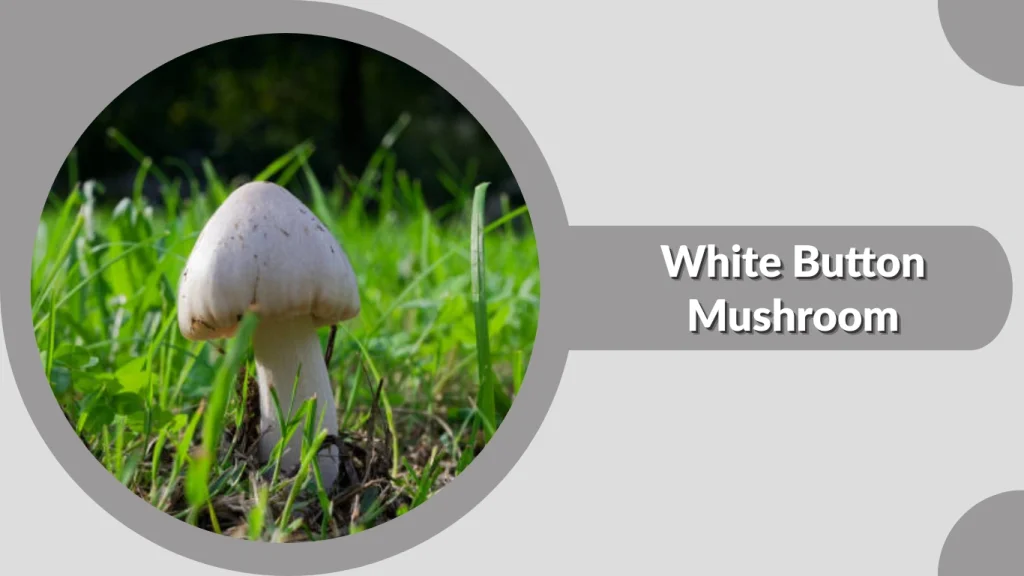
The white button mushroom is the most widely cultivated and consumed mushroom in the world. Mild in flavor and versatile in texture, it is a staple ingredient in kitchens across many cultures. It is the youngest stage of a mushroom that can later mature into cremini or portobello forms, depending on growth.
Identification
- Small, round to slightly flattened white cap
- Cap surface smooth and dry
- Gills are tightly closed and pale pink to light brown
- Short, thick white stem
- Mild, neutral aroma
- Typically 2–5 cm in cap diameter when harvested
Habitat and Cultivation
White button mushrooms are not usually found growing wild for consumption; instead, they are commercially cultivated under controlled conditions. They are grown on composted agricultural materials such as straw and manure, in dark, humid environments with regulated temperature. This controlled cultivation ensures uniform size, color, and safety for consumption year-round.
Culinary Uses
Due to their subtle taste, white button mushrooms absorb flavors well, making them suitable for a wide range of dishes. They can be eaten raw in salads, sautéed, grilled, roasted, or added to soups, sauces, pizzas, and stir-fries. Their firm texture holds up well during cooking, especially in quick, high-heat methods.
Nutritional Value
White button mushrooms are low in calories and fat while providing useful nutrients. They contain B vitamins, selenium, potassium, and small amounts of protein and fiber. When exposed to sunlight or UV light, they can also provide vitamin D, making them a valuable addition to a balanced diet.
2. Field Mushroom
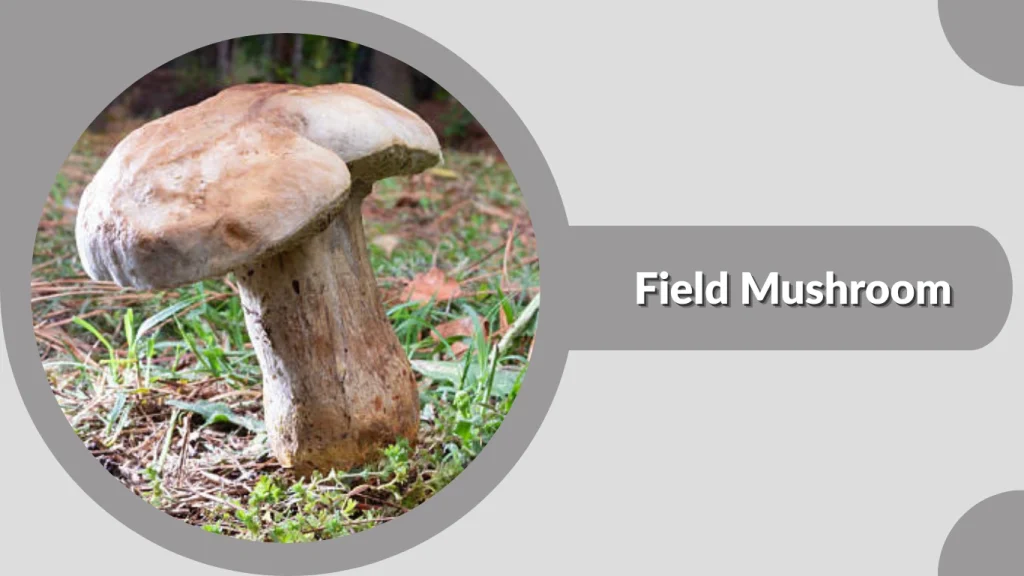
The field mushroom is a classic wild edible species commonly associated with meadows and grasslands. It closely resembles the cultivated white button mushroom but develops a richer flavor when mature. Traditionally gathered in rural areas, it has long been valued as a seasonal food mushroom.
Identification
- White to off-white cap, smooth and slightly domed
- Cap expands and flattens with age
- Gills start pink and turn dark brown
- White stem with a thin, fragile ring
- Pleasant mushroom smell
- No yellow staining when bruised
Habitat and Distribution
Field mushrooms grow naturally in open grassy areas such as pastures, lawns, parks, and fields. They typically appear after rainfall from late summer to autumn. They often grow singly or in fairy rings and prefer nutrient-rich soils.
Culinary Uses
This mushroom is prized for its deeper, more pronounced flavor compared to cultivated varieties. It is excellent sautéed, added to omelets, soups, sauces, and traditional dishes. It should always be cooked before eating to improve digestibility and flavor.
Safety Notes
Careful identification is essential, as some toxic Agaricus species look similar. Yellow staining or chemical odors are warning signs and should be avoided.
3. Horse Mushroom
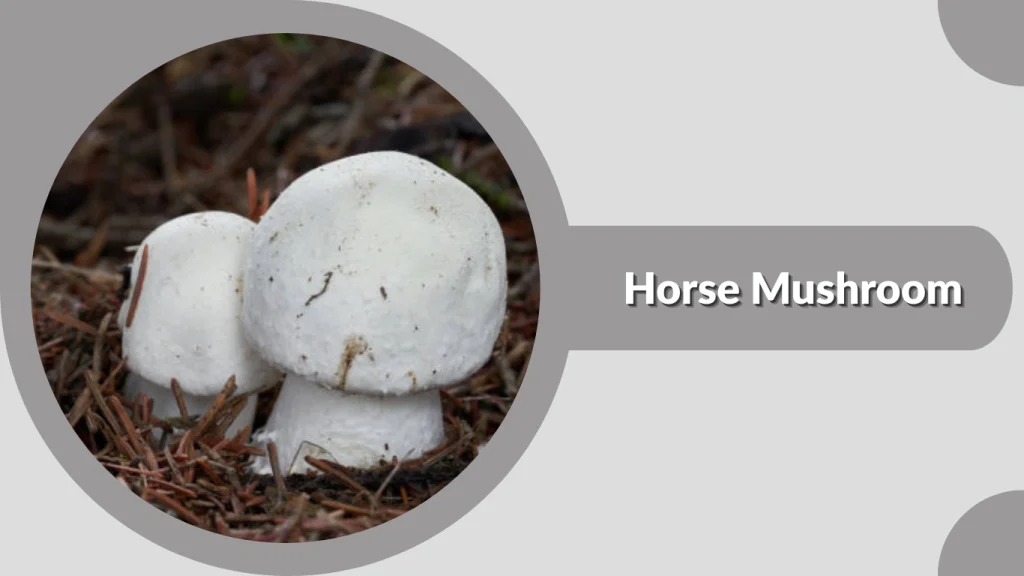
The horse mushroom is a large, robust species known for its impressive size and strong mushroom aroma. It is considered a good edible mushroom when young and properly identified, though its size makes it especially noticeable in the wild.
Identification
- Large cream-white cap, often scaly
- Cap can reach 10–25 cm wide
- Gills pink when young, turning dark brown
- Thick, tall stem with a prominent ring
- Strong, pleasant anise-like smell
- Flesh slowly yellows when cut
Habitat and Growth
Horse mushrooms are commonly found in pastures, fields, roadsides, and parklands. They often grow in groups or rings during late summer and autumn, favoring open areas with rich soil.
Culinary Uses
When young, the flesh is firm and flavorful. It is suitable for frying, grilling, stuffing, or slow cooking. Older specimens may become tough and are best avoided.
Additional Notes
Due to its size, one mushroom can serve several people. As with all wild mushrooms, confident identification is essential before consumption.
4. The Prince
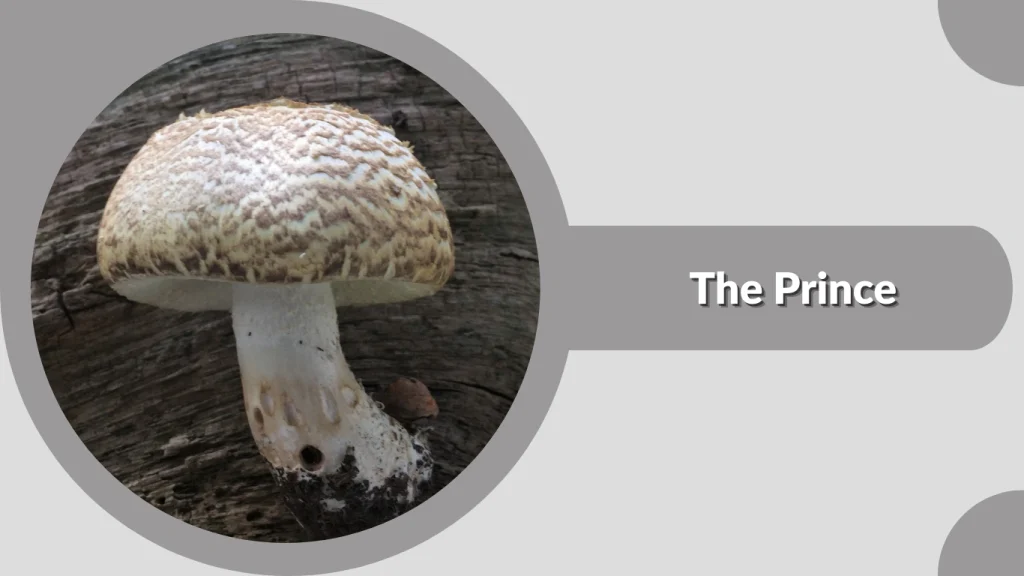
The prince is a highly regarded wild mushroom, admired for its rich aroma and impressive appearance. It is often considered one of the finest edible mushrooms in its genus due to its sweet, almond-like fragrance and firm texture. When young and fresh, it is especially prized by foragers.
Identification
- Large cap, golden-brown with darker brown scales
- Cap initially domed, later flattening
- Gills pale pink when young, turning chocolate brown
- Thick white stem with a large, hanging ring
- Strong almond or marzipan scent
- White flesh that does not strongly yellow
Habitat and Distribution
The prince typically grows in woodlands, forest edges, and near coniferous trees. It favors nutrient-rich soil and is most commonly found in late summer to autumn. It may appear singly or in small groups.
Culinary Uses
This mushroom has a deep, nutty flavor that stands out even in simple dishes. It is excellent sautéed with butter, added to risottos, pasta, and soups, or roasted to highlight its aroma. Cooking enhances its sweetness and texture.
Notes
Only young, firm specimens should be eaten. Correct identification is important, as some similar species may cause stomach upset.
5. Almond Mushroom
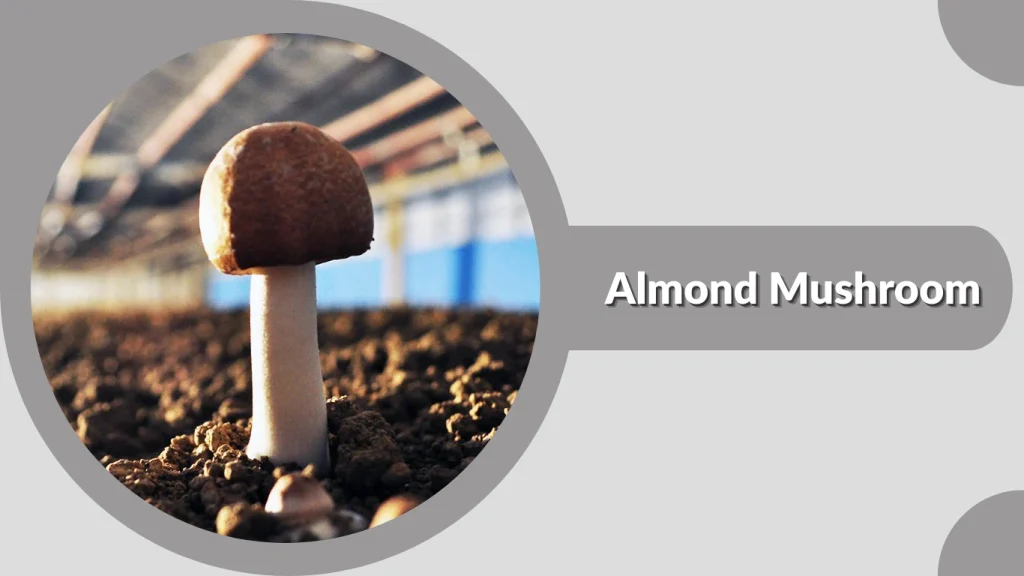
The almond mushroom is well known not only as an edible species but also for its traditional medicinal use. It has a distinctive almond scent and is commonly cultivated in some regions, especially for health-related applications.
Identification
- Medium to large smooth cap, white to light brown
- Cap convex, becoming flatter with age
- Gills pink when young, darkening to brown
- Thick stem with a persistent ring
- Strong almond-like aroma
- Flesh may yellow slightly when bruised
Habitat and Cultivation
Originally found in forested areas, the almond mushroom is now widely cultivated under controlled conditions. It grows well on composted substrates and prefers warm temperatures, making it suitable for commercial farming.
Culinary Uses
It has a mild, slightly sweet flavor and is used in stir-fries, soups, teas, and health drinks. Its aroma becomes subtler after cooking but remains pleasant.
Additional Importance
Beyond cooking, this mushroom is often valued for its nutritional and functional properties, contributing to its popularity worldwide.
6. Pavement Mushroom
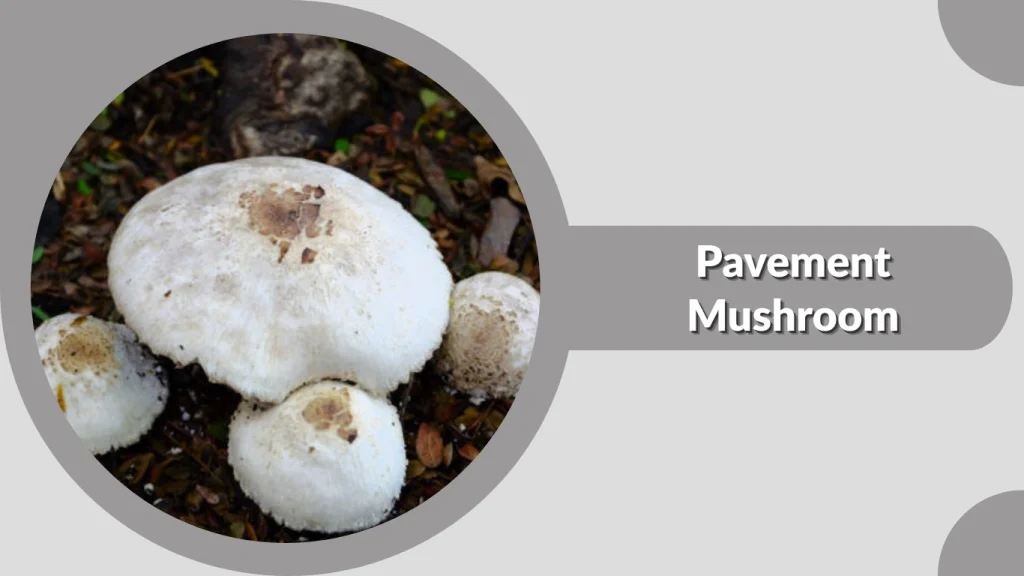
The pavement mushroom is a tough and resilient species known for its ability to grow through compacted soil, cracks in pavements, and along roadsides. Its adaptability makes it distinctive among Agaricus mushrooms, and it is often found in urban environments.
Identification
- Whitish to pale brown cap, smooth or slightly scaly
- Cap firm and often misshapen due to pressure
- Gills pink when young, turning dark brown
- Thick, solid stem with a strong ring
- Flesh slowly stains yellow when cut
- Mild mushroom smell
Habitat and Occurrence
This mushroom commonly appears in disturbed ground such as sidewalks, driveways, roadside verges, and compacted soils. It usually fruits from late spring to autumn and can grow singly or in clusters.
Culinary Uses
Young specimens can be eaten when properly identified, though they are less favored than other edible Agaricus species due to firmer texture. They are best sliced thin and cooked thoroughly in sautés or mixed dishes.
Notes
Older mushrooms become tough and are not recommended for consumption. Care should be taken to avoid polluted collection areas.
7. Woodland Agaricus
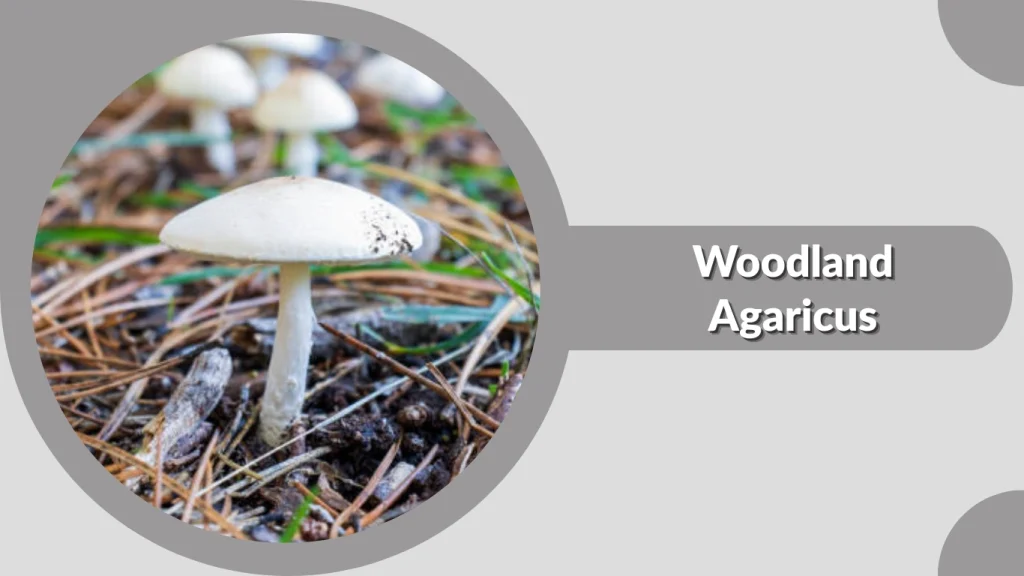
The woodland agaricus is a graceful and aromatic mushroom often found in forested settings. It is appreciated for its mild flavor and pleasant scent, making it a desirable edible species when fresh and correctly identified.
Identification
- Smooth white to pale cream cap
- Cap convex, later flattening
- Gills pale pink when young, becoming dark brown
- Slender white stem with a delicate ring
- Pleasant anise or almond-like aroma
- Flesh shows little to no yellowing
Habitat and Distribution
This species grows in deciduous and mixed woodlands, often near paths or forest edges. It prefers rich soil with leaf litter and typically fruits from summer through autumn.
Culinary Uses
Woodland agaricus mushrooms are suitable for sautéing, soups, and light sauces. Their subtle flavor pairs well with herbs, butter, and cream-based dishes.
Additional Notes
Accurate identification is important, as some woodland species resemble toxic yellow-staining agarics. Only collect fresh, young specimens.
8. Sun Mushroom
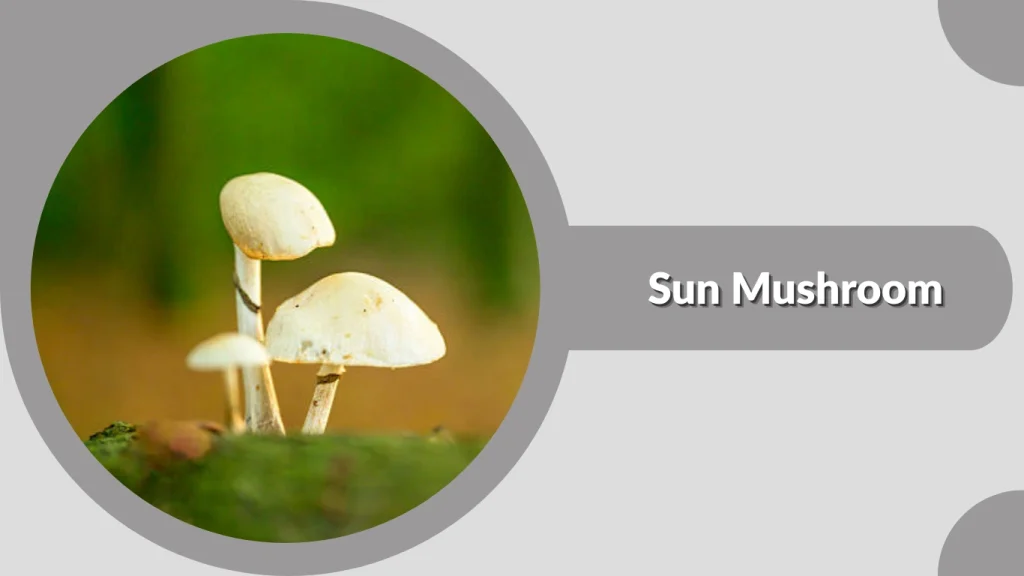
The sun mushroom is valued both as an edible species and for its association with traditional wellness practices. It is known for its pleasant almond-like aroma and is often cultivated rather than foraged in the wild. Its firm texture and mild taste make it suitable for a variety of preparations.
Identification
- White to light brown cap, smooth and fleshy
- Cap convex, flattening with age
- Gills pink at first, turning dark brown
- Thick stem with a well-developed ring
- Distinct almond or sweet aroma
- Flesh may yellow slightly when bruised
Habitat and Cultivation
While it can occur naturally in grassy or wooded areas, the sun mushroom is most commonly grown under controlled conditions. It prefers warm temperatures and nutrient-rich compost, which allows for consistent quality and availability.
Culinary Uses
This mushroom is commonly used in cooked dishes such as stir-fries, soups, and broths. Its flavor is mild but aromatic, blending well with vegetables, grains, and light seasonings.
9. Yellow Stainer
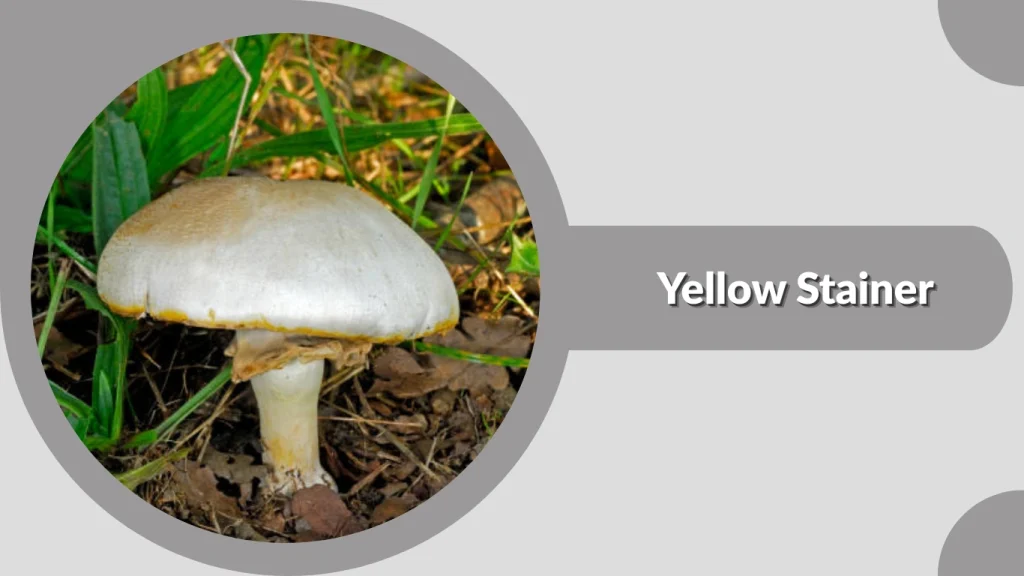
The yellow stainer is a widespread Agaricus species best known for its toxic properties. Although it resembles edible button mushrooms, it can cause gastrointestinal distress and should not be eaten.
Identification
- White cap, smooth and sometimes shiny
- Cap bruises bright yellow, especially at the edges
- Gills pink when young, becoming dark brown
- White stem with a skirt-like ring
- Strong chemical or phenolic odor
- Yellow staining intensifies when cut or cooked
Habitat and Distribution
This mushroom commonly grows in gardens, lawns, parks, and disturbed ground. It appears from summer to autumn and often grows in groups.
Importance
Learning to recognize the yellow stainer is crucial for safe mushroom foraging, as it is one of the most common causes of mushroom poisoning due to misidentification.
10. Flat-Cap Mushroom
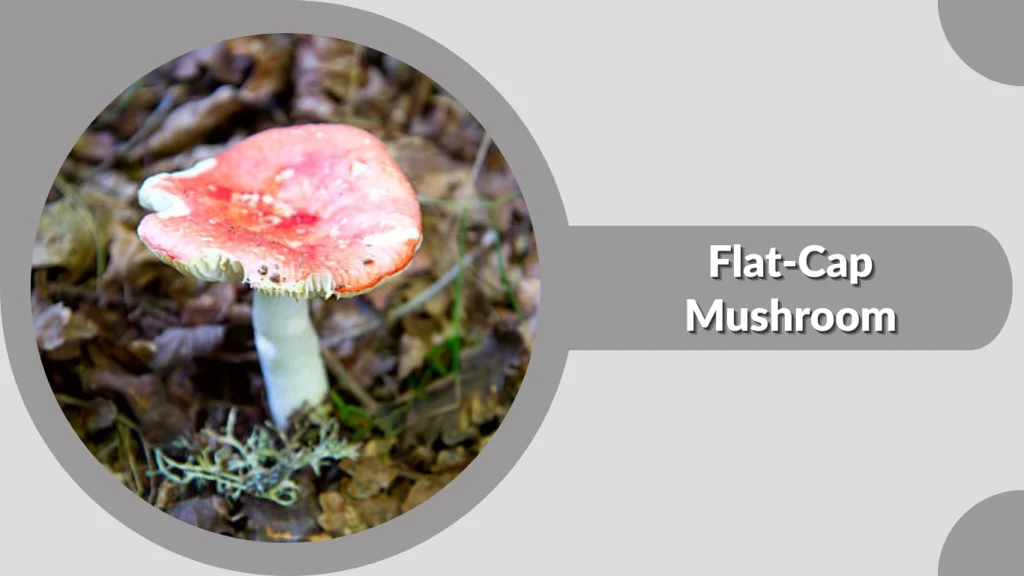
The flat-cap mushroom is a medium to large Agaricus species recognized by its broad, flattened cap and contrasting darker scales. It is considered toxic and is often mistaken for edible Agaricus mushrooms, making correct identification especially important.
Identification
- White cap with gray-brown to dark brown scales
- Cap quickly flattens and may crack with age
- Gills pale pink when young, turning dark brown
- White stem with a large, floppy ring
- Flesh stains yellow when bruised
- Strong chemical or ink-like odor
Habitat and Distribution
This species commonly grows in woodlands, gardens, parks, and near trees, particularly in nutrient-rich soils. It fruits from late summer through autumn and may appear singly or in small groups.
Significance
Due to its toxicity, the flat-cap mushroom should never be eaten. It is responsible for many cases of mushroom poisoning and serves as an important example in foraging education.
11. Large Mushroom
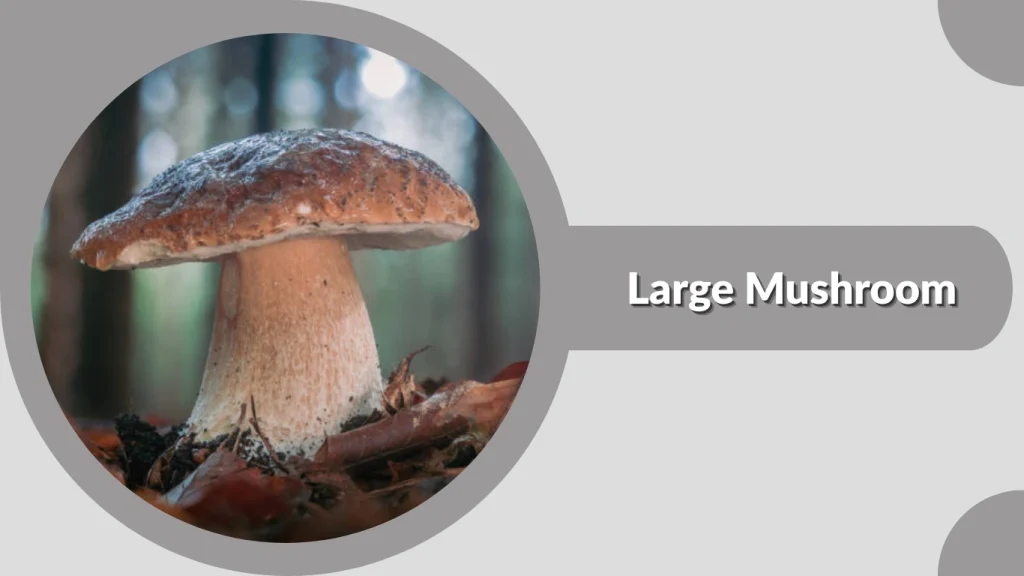
The large mushroom is a robust and less commonly encountered Agaricus species, notable for its substantial size and solid structure. It is regarded as edible but is relatively rare and usually found in specific habitats.
Identification
- Large white to cream cap, smooth or slightly fibrous
- Cap convex, becoming broadly flattened
- Gills pink when young, turning deep brown
- Thick, sturdy stem with a persistent ring
- Mild, pleasant mushroom smell
- Flesh remains mostly white when cut
Habitat and Growth
This mushroom typically grows in open grasslands, meadows, and lightly wooded areas with rich soil. It appears during warm seasons, often after rainfall.
Culinary Uses
When young, it has a firm texture suitable for frying or roasting. Due to its size, it is often sliced and shared, though it is not commonly harvested because of its rarity.
12. Snowy Mushroom
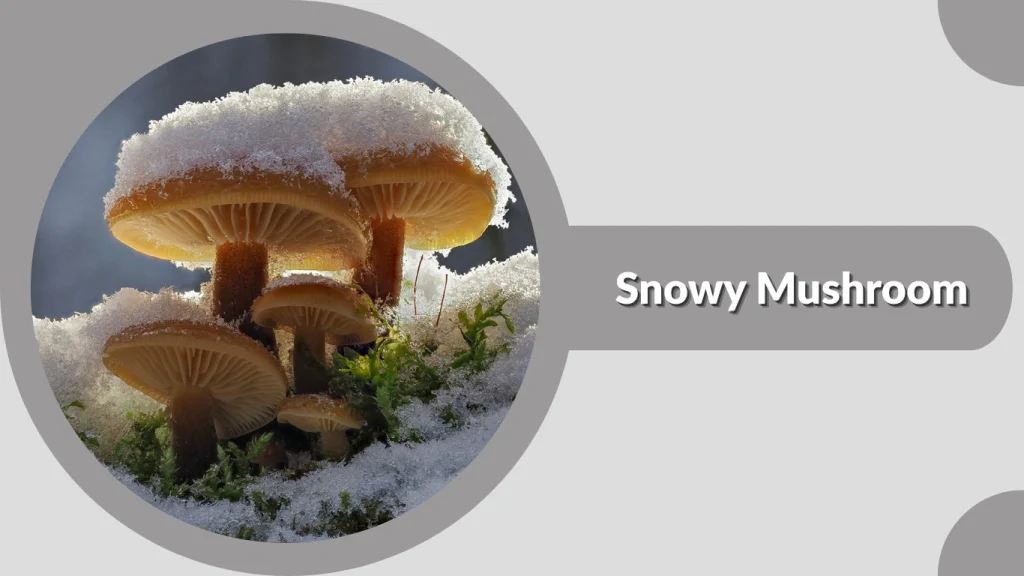
The snowy mushroom is a pale, attractive Agaricus species distinguished by its clean white appearance. It is considered edible when correctly identified, though it is less commonly collected than more familiar button mushrooms.
Identification
- Pure white to creamy white cap
- Cap smooth, initially rounded, later flattening
- Gills pale pink when young, turning dark brown
- Slender white stem with a thin ring
- Mild, pleasant mushroom scent
- Flesh does not strongly yellow when bruised
Habitat and Distribution
This mushroom is typically found in open grasslands, meadows, and pasture areas. It prefers well-drained soil and often appears after rainfall during summer and early autumn.
Culinary Uses
Snowy mushrooms have a mild flavor and tender texture. They are suitable for sautéing, adding to soups, or combining with vegetables and light sauces where a subtle mushroom taste is desired.
13. False Prince
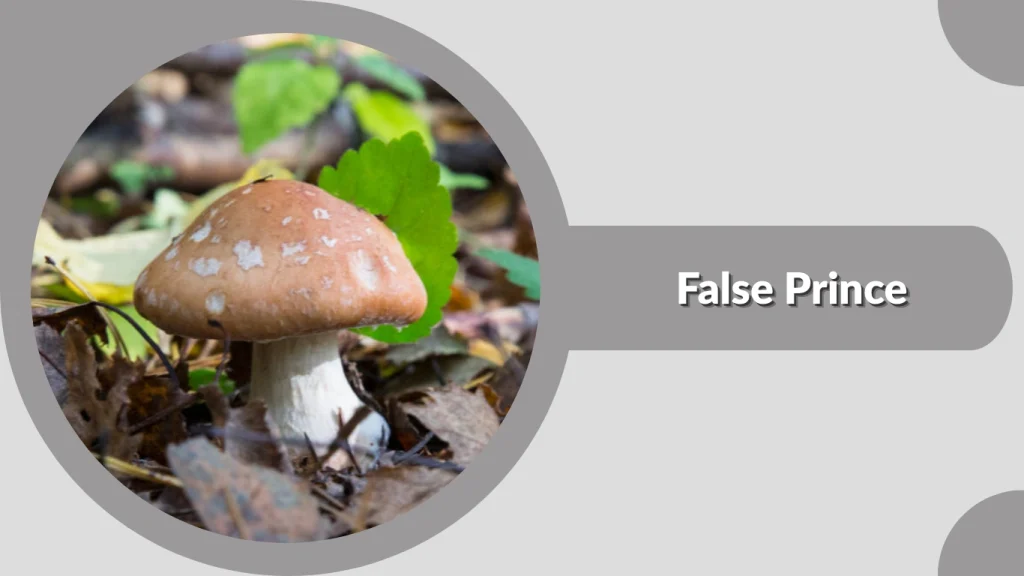
The false prince closely resembles the highly prized prince mushroom but differs in smell and chemical reaction. It is considered toxic and can cause stomach upset if eaten, making careful identification essential.
Identification
- Large white cap with gray-brown scales
- Cap broad and flattening with age
- Gills pink when young, turning dark brown
- Thick stem with a prominent ring
- Strong chemical or phenolic odor
- Flesh stains yellow, especially at the base
Habitat and Occurrence
This species grows in woodlands, parks, and gardens, often near trees. It fruits from late summer to autumn and may appear in groups.
Importance
The false prince is a key look-alike species that highlights the importance of smell and staining reactions when identifying Agaricus mushrooms.
14. Salt-Loving Mushroom
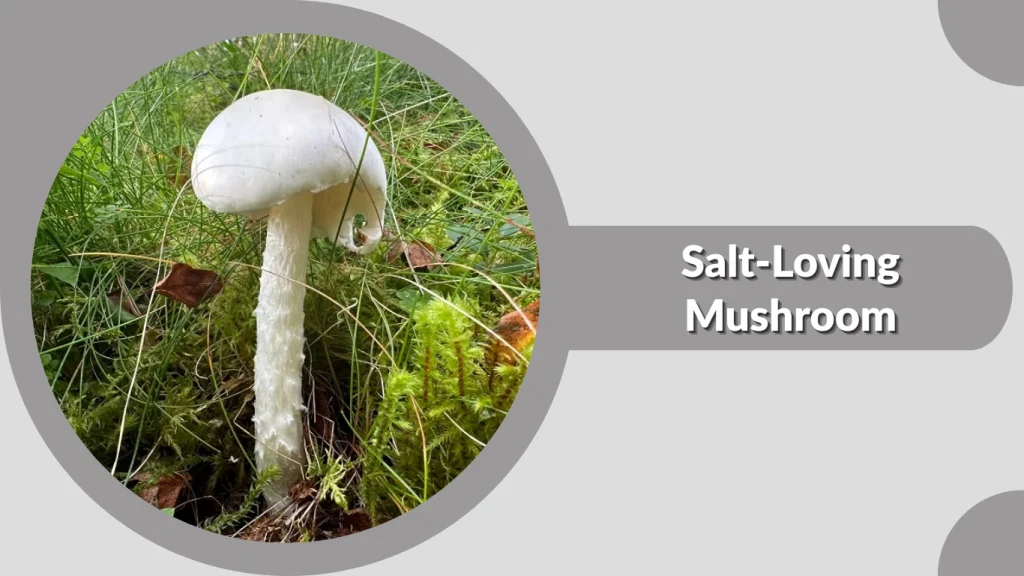
The salt-loving mushroom is a distinctive Agaricus species adapted to coastal and saline environments. It stands out for its tolerance to salty soils, a trait uncommon among most mushrooms. It is considered edible, though it is not widely collected.
Identification
- White to pale gray cap, smooth or slightly cracked
- Cap convex at first, flattening with age
- Gills pink when young, becoming dark brown
- Thick, solid stem with a noticeable ring
- Mild mushroom odor
- Flesh may yellow slightly when cut
Habitat and Distribution
This mushroom is typically found in coastal areas, sand dunes, salt marsh edges, and roadsides treated with salt. It fruits from summer through autumn and often grows in small groups.
Culinary Uses
When young, it can be cooked and eaten, usually fried or sautéed. Its firm texture holds up well in simple preparations, though it is less flavorful than many other Agaricus species.
15. Cypress Mushroom
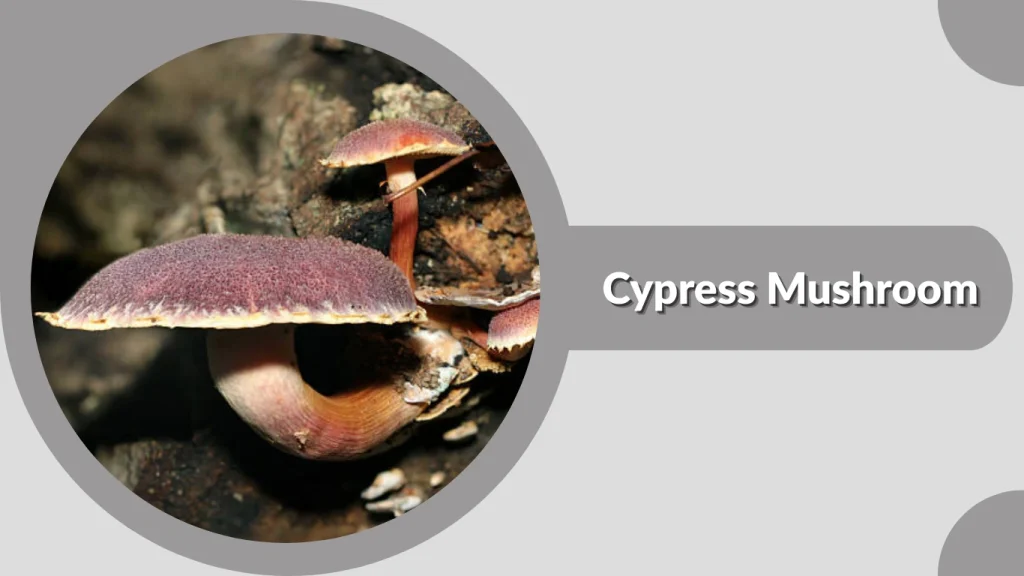
The cypress mushroom is a rare and region-specific Agaricus species, most often associated with cypress trees. It is primarily of ecological interest rather than culinary importance.
Identification
- White to cream-colored cap, smooth
- Cap rounded, later flattening
- Gills pale pink turning dark brown
- Slender stem with a thin ring
- Mild or neutral odor
- Flesh remains mostly white
Habitat and Growth
This mushroom grows in woodlands and landscaped areas where cypress trees are present. It appears seasonally, usually after periods of rainfall.
Notes
Due to its rarity and limited distribution, the cypress mushroom is not commonly harvested. It is best appreciated for study and observation rather than for consumption.
16. California Agaricus
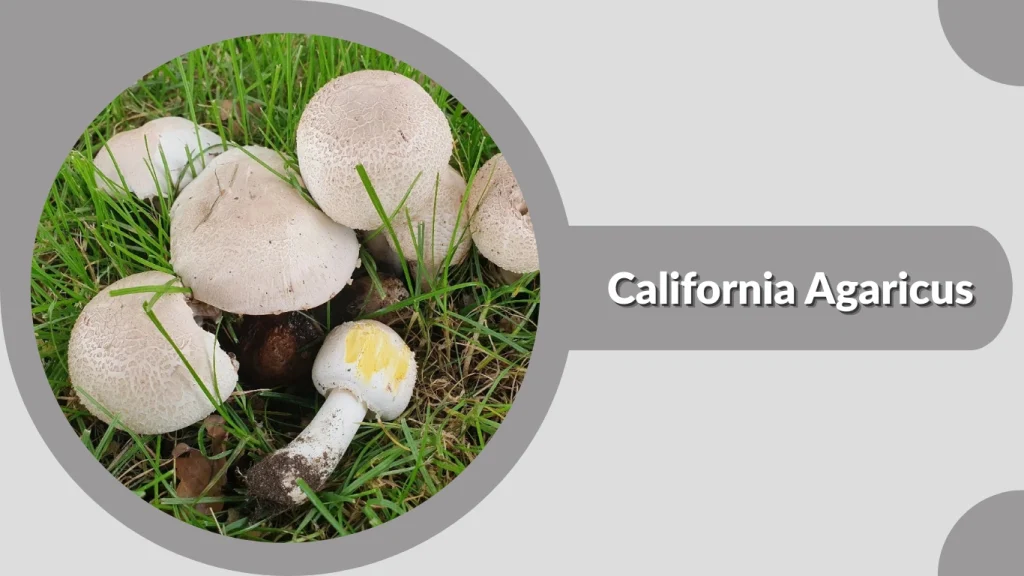
The California agaricus is a western North American species known for its robust build and tendency to cause adverse reactions in many people. Although sometimes listed as edible, it is generally considered unsafe due to frequent gastrointestinal effects.
Identification
- White to off-white cap, smooth or slightly scaly
- Cap broad and flattening with age
- Gills pink when young, becoming dark brown
- Thick white stem with a large ring
- Flesh stains yellow when bruised
- Strong phenolic or chemical odor
Habitat and Distribution
This species is commonly found in gardens, parks, lawns, and disturbed ground, especially in coastal and urban areas of California. It fruits from late summer to autumn and often grows in groups.
Importance
Because of its strong odor and frequent reports of illness, this mushroom should be avoided for consumption and is best used as an identification reference species.
17. Chinese Agaricus
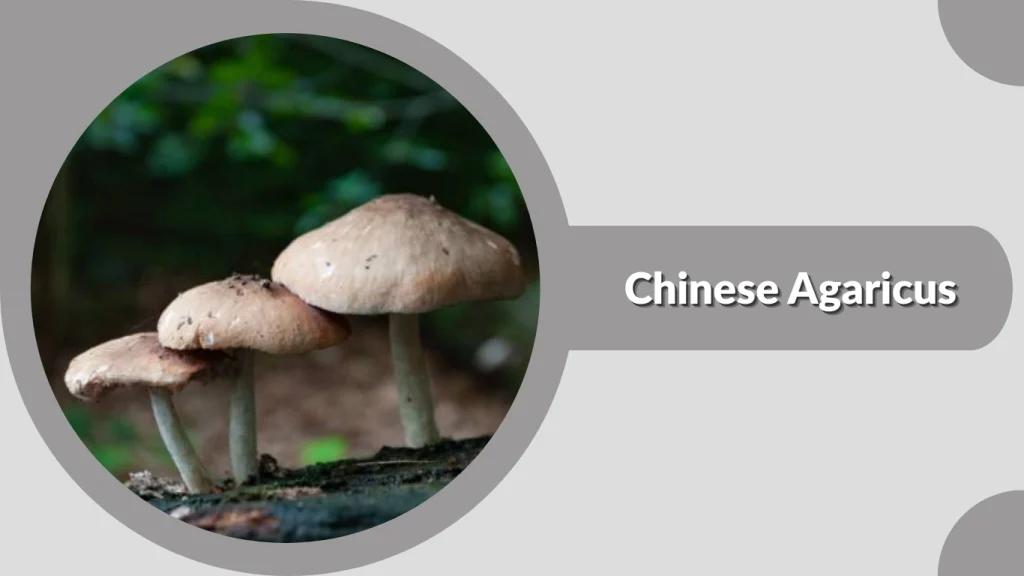
The Chinese agaricus is a lesser-known Agaricus species native to parts of East Asia. It is mainly of scientific and regional interest and is not widely documented as a food mushroom.
Identification
- Light brown to tan cap, smooth
- Cap convex, later flattening
- Gills pink when young, turning dark brown
- Slender stem with a thin ring
- Mild or neutral odor
- Flesh shows little color change
Habitat and Occurrence
This mushroom grows in grassy areas and forest edges, appearing seasonally during warm and humid conditions. It may occur singly or in small groups.
Notes
Due to limited information on its edibility and distribution, the Chinese agaricus is best treated as a species for study rather than consumption.