






Enoki mushrooms are widely recognized for their long white stems, delicate caps, and mild flavor that blends easily into many dishes. Popular in Asian cuisine and increasingly common in global health-focused diets, enoki mushrooms are valued for both their culinary versatility and nutritional profile. This article explores the potential health benefits of enoki mushrooms, their nutritional value, and possible side effects to consider. By understanding both advantages and risks, readers can make informed decisions about including enoki mushrooms in their diet.
What Are Enoki Mushrooms?
Appearance and Taste
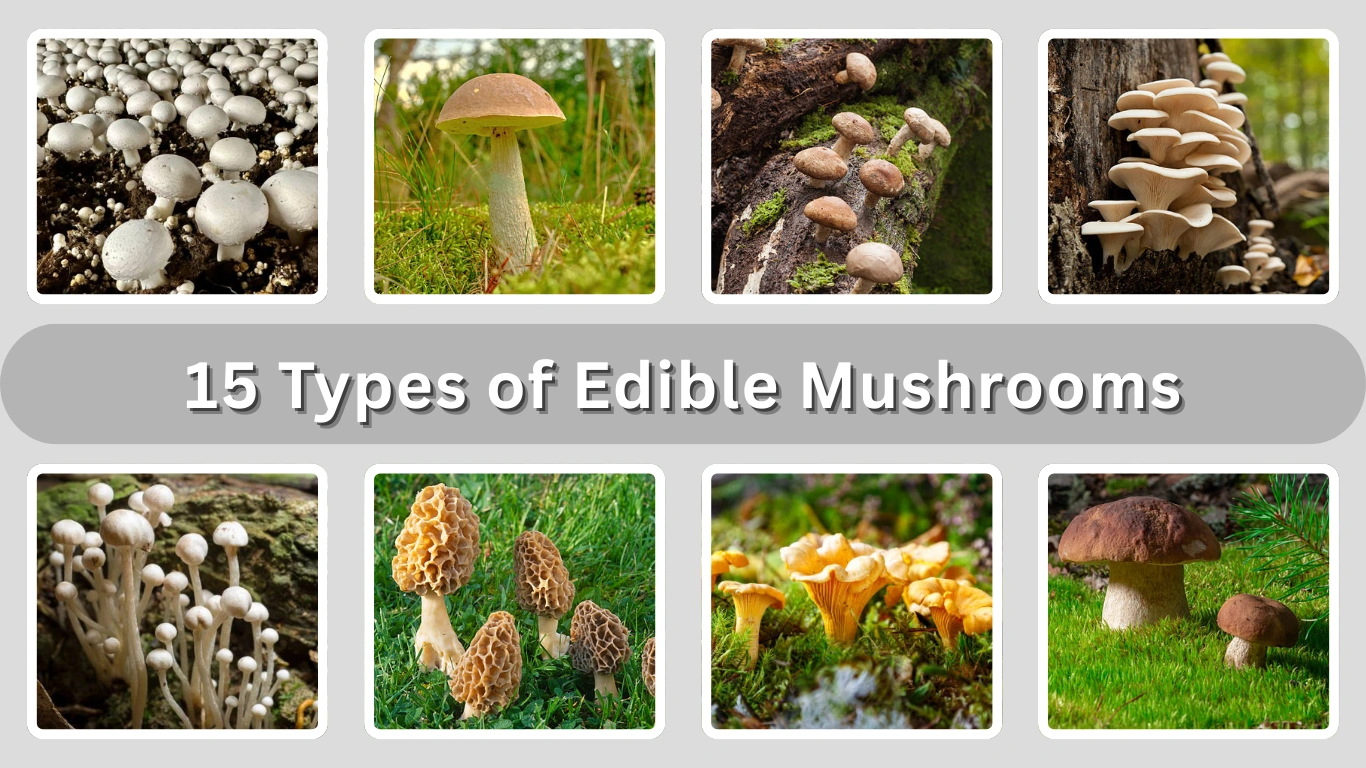
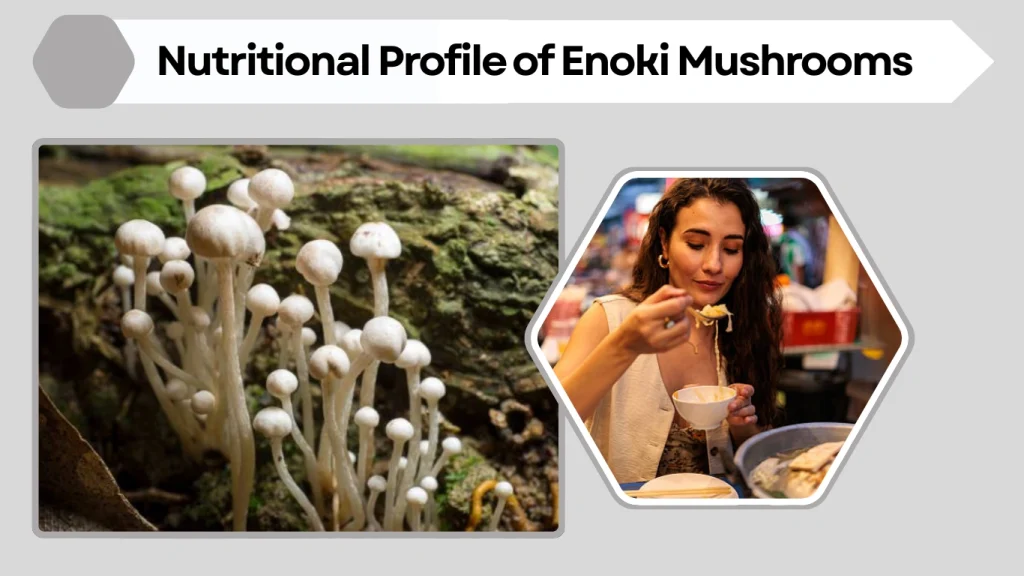
Enoki mushrooms are easily identified by their thin, elongated white stems and small rounded caps. Unlike many other mushroom varieties, they grow in clusters and have a crisp texture when raw and a tender bite when cooked. Their flavor is mild and slightly sweet, making them well suited for soups, stir-fries, hot pots, and salads without overpowering other ingredients.
Where Enoki Mushrooms Come From
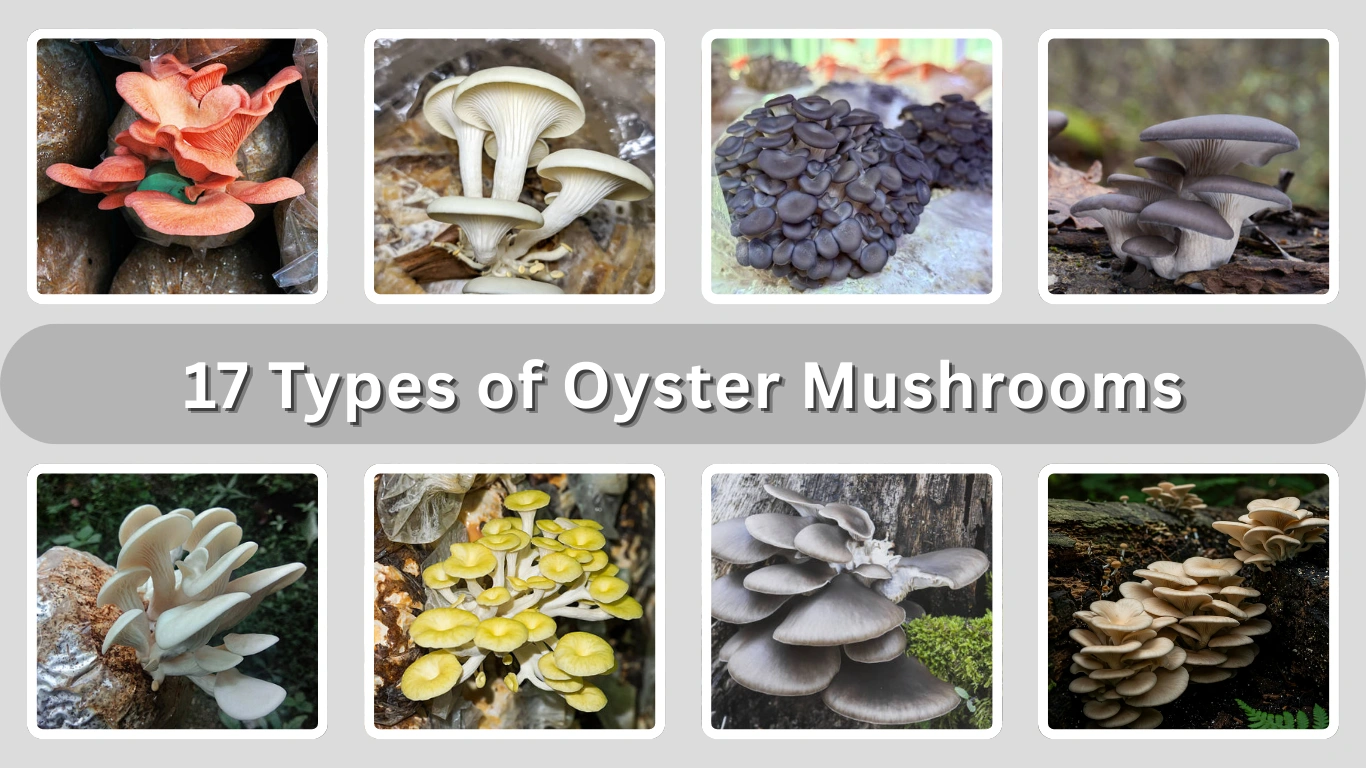
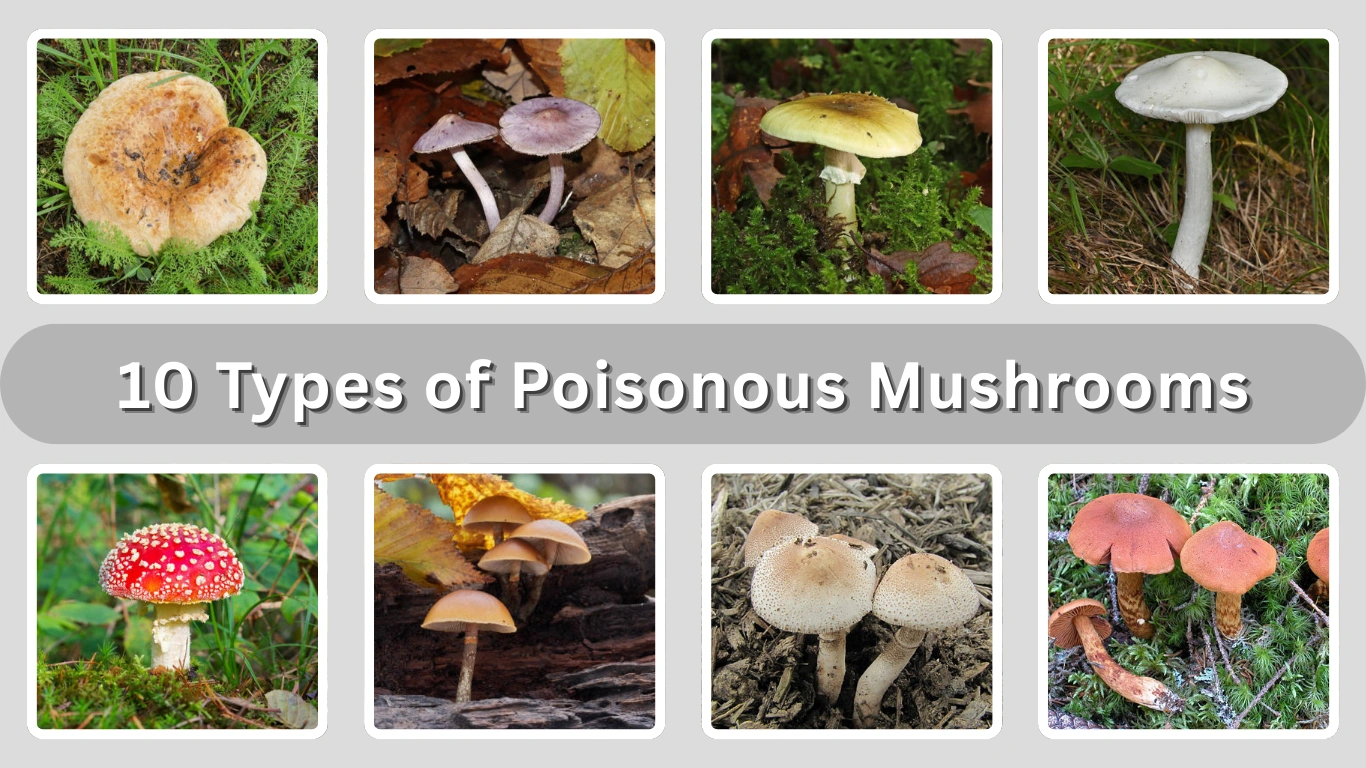
Enoki mushrooms naturally grow on tree stumps and hardwood logs, particularly during colder seasons. Commercially cultivated enoki are grown in controlled, low-light environments, which gives them their signature white color and uniform shape. Wild enoki mushrooms are darker and look quite different, which is why store-bought varieties should always be sourced from reputable suppliers to avoid confusion with inedible species.
Nutritional Profile of Enoki Mushrooms
Key Vitamins and Minerals
Enoki mushrooms provide a range of essential nutrients despite being low in calories. They contain B vitamins such as niacin and riboflavin, which play a role in energy metabolism and nervous system support. Enoki mushrooms also supply minerals including potassium, iron, and copper, all of which contribute to normal bodily functions such as muscle contraction, oxygen transport, and enzyme activity.
Dietary fiber is another notable component, supporting digestion and helping maintain a feeling of fullness after meals.
Low-Calorie and Low-Fat Benefits
One of the main nutritional advantages of enoki mushrooms is their low calorie and fat content. This makes them an appealing ingredient for individuals seeking nutrient-dense foods without excessive energy intake. Compared to many other mushroom varieties, enoki mushrooms offer a high volume-to-calorie ratio, allowing generous portions while maintaining dietary balance.
Health Benefits of Enoki Mushrooms

Supports Immune System Function
Enoki mushrooms contain natural compounds that may help support immune system activity. Antioxidants found in mushrooms help protect cells from oxidative stress, which plays a role in overall immune health. While enoki mushrooms are not a substitute for medical treatment, regular consumption as part of a balanced diet may contribute to normal immune function.
May Promote Heart Health
The fiber content in enoki mushrooms may help support heart health by aiding cholesterol management. Fiber-rich foods are commonly associated with improved cardiovascular markers when consumed regularly. Potassium found in enoki mushrooms may also help maintain normal blood pressure levels by supporting fluid balance in the body.
Digestive Health Benefits
Enoki mushrooms provide dietary fiber that supports digestive regularity. Fiber helps move food through the digestive tract and can promote a healthier gut environment. For individuals with low fiber intake, adding enoki mushrooms to meals may help improve digestion when consumed in moderate amounts.
Potential Anti-Inflammatory Effects
Certain bioactive compounds in mushrooms are being studied for their anti-inflammatory properties. Chronic inflammation is associated with various long-term health concerns, and diets rich in plant-based foods may help maintain inflammatory balance. Enoki mushrooms contribute to this dietary pattern, though research is ongoing and conclusions remain cautious.
Weight Management and Metabolism
Because enoki mushrooms are low in calories yet filling, they are often included in weight-conscious meal plans. Their fiber and water content can support satiety, helping reduce overall calorie intake when used as a replacement for higher-calorie ingredients. This makes enoki mushrooms a practical addition to balanced, portion-controlled diets.
Enoki Mushrooms and Brain Health
Enoki mushrooms have gained attention for compounds that may support nerve and brain health. Traditional dietary practices have long included mushrooms as foods associated with mental clarity and vitality. Some studies suggest mushroom-derived nutrients may play a role in supporting cognitive function, though research is still developing. While enoki mushrooms should not be viewed as a treatment for neurological conditions, they can be part of a nutrient-diverse diet that supports overall brain health.
Culinary Uses and Preparation Tips
Common Ways to Eat Enoki Mushrooms
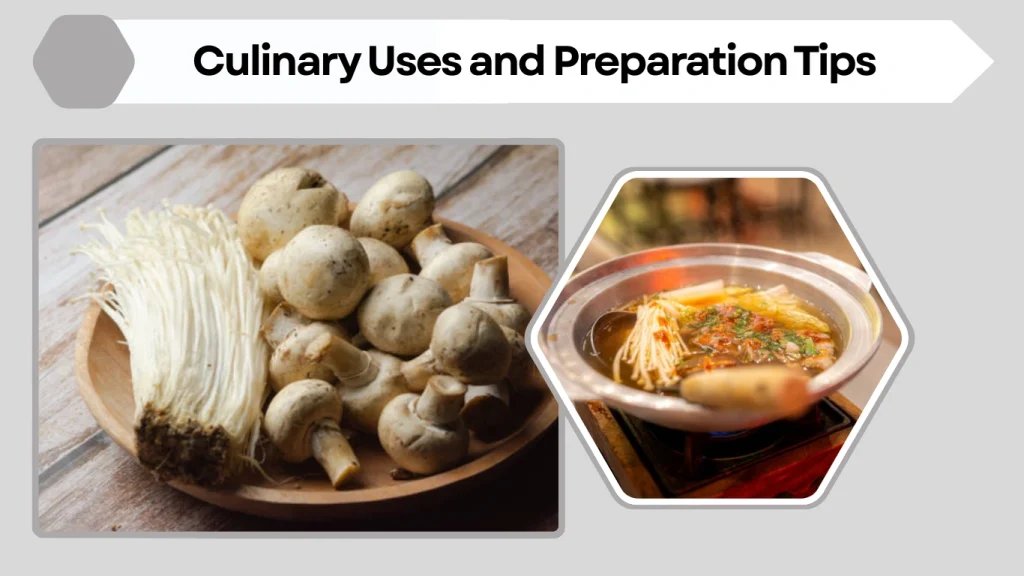
Enoki mushrooms are highly versatile and adapt well to many cooking styles. They are commonly added to soups, ramen, and broths, where their delicate texture absorbs surrounding flavors. In stir-fries, enoki mushrooms cook quickly and pair well with vegetables, tofu, seafood, and lean meats. They are also popular in hot pots, where they are briefly cooked at the table, and in salads when lightly blanched.
Because of their mild taste, enoki mushrooms work well as a texture-enhancing ingredient rather than a dominant flavor.
Cooking vs Raw Consumption
While enoki mushrooms can be eaten raw in some cuisines, cooking is generally recommended. Cooking improves digestibility, enhances flavor, and reduces potential food safety risks. Light cooking methods such as sautéing, boiling, or steaming preserve nutrients while ensuring the mushrooms are safe to consume. Raw consumption should be avoided by individuals with weakened immune systems.
Possible Side Effects of Enoki Mushrooms
Digestive Discomfort
Some people may experience mild digestive discomfort after eating enoki mushrooms, especially if consumed in large amounts. Symptoms can include gas, bloating, or stomach upset. This is often related to fiber content or individual sensitivity rather than the mushrooms themselves. Introducing enoki mushrooms gradually into the diet can help minimize these effects.
Allergic Reactions
Mushroom allergies are rare but possible. Individuals with known mushroom sensitivities should exercise caution when trying enoki mushrooms for the first time. Symptoms of an allergic reaction may include itching, swelling, nausea, or difficulty breathing. Anyone experiencing severe reactions should seek medical attention immediately.
Food Safety Risks
Enoki mushrooms have been associated with food safety concerns when consumed raw or improperly handled. Like many fresh produce items, they can harbor harmful bacteria if contaminated during production or storage. Proper washing, refrigeration, and thorough cooking significantly reduce these risks.
Who Should Be Cautious When Eating Enoki Mushrooms
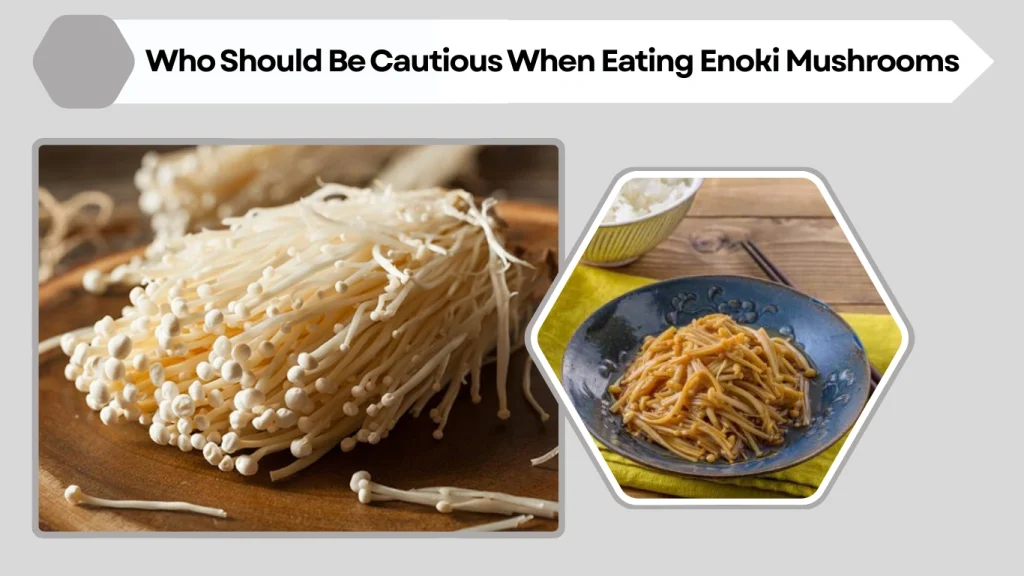
Certain individuals should take extra care when consuming enoki mushrooms. Pregnant individuals are generally advised to avoid raw mushrooms due to foodborne illness risks. People with compromised immune systems should only consume fully cooked enoki mushrooms. Those with known mushroom allergies or digestive sensitivities should consult a healthcare professional before regular consumption. Moderation is especially important for individuals following medically restrictive diets.
How to Safely Consume Enoki Mushrooms
Proper Cleaning and Storage
Before use, enoki mushrooms should be trimmed at the base to remove the root section, then rinsed gently under running water. Avoid soaking them for extended periods, as this can affect texture. Store enoki mushrooms in the refrigerator in their original packaging or a breathable container, and use them within a few days of purchase for best quality.
Recommended Cooking Practices
Cooking enoki mushrooms thoroughly is the safest approach. They should be cooked until tender, typically for several minutes depending on the method. Avoid consuming them raw if safety is a concern. Portion control is also important, as excessive intake may increase the likelihood of digestive discomfort.
FAQs
Are enoki mushrooms safe to eat raw?
Enoki mushrooms can be eaten raw in some cuisines, but cooking is strongly recommended to reduce food safety risks. Cooking also improves digestibility and flavor.
What are the main health benefits of enoki mushrooms?
Enoki mushrooms offer low-calorie nutrition, dietary fiber, essential minerals, and antioxidants that may support immune, heart, and digestive health when eaten as part of a balanced diet.
Can enoki mushrooms cause side effects?
Possible side effects include mild digestive discomfort or allergic reactions in sensitive individuals. Proper preparation and moderation help reduce risks.
How often can enoki mushrooms be eaten?
Enoki mushrooms can be eaten regularly as part of a varied diet. Consuming them a few times per week is generally considered reasonable for most people.
Are enoki mushrooms good for weight loss?
Yes, enoki mushrooms are low in calories and high in volume, which can support satiety and help with weight management when used in place of higher-calorie foods.