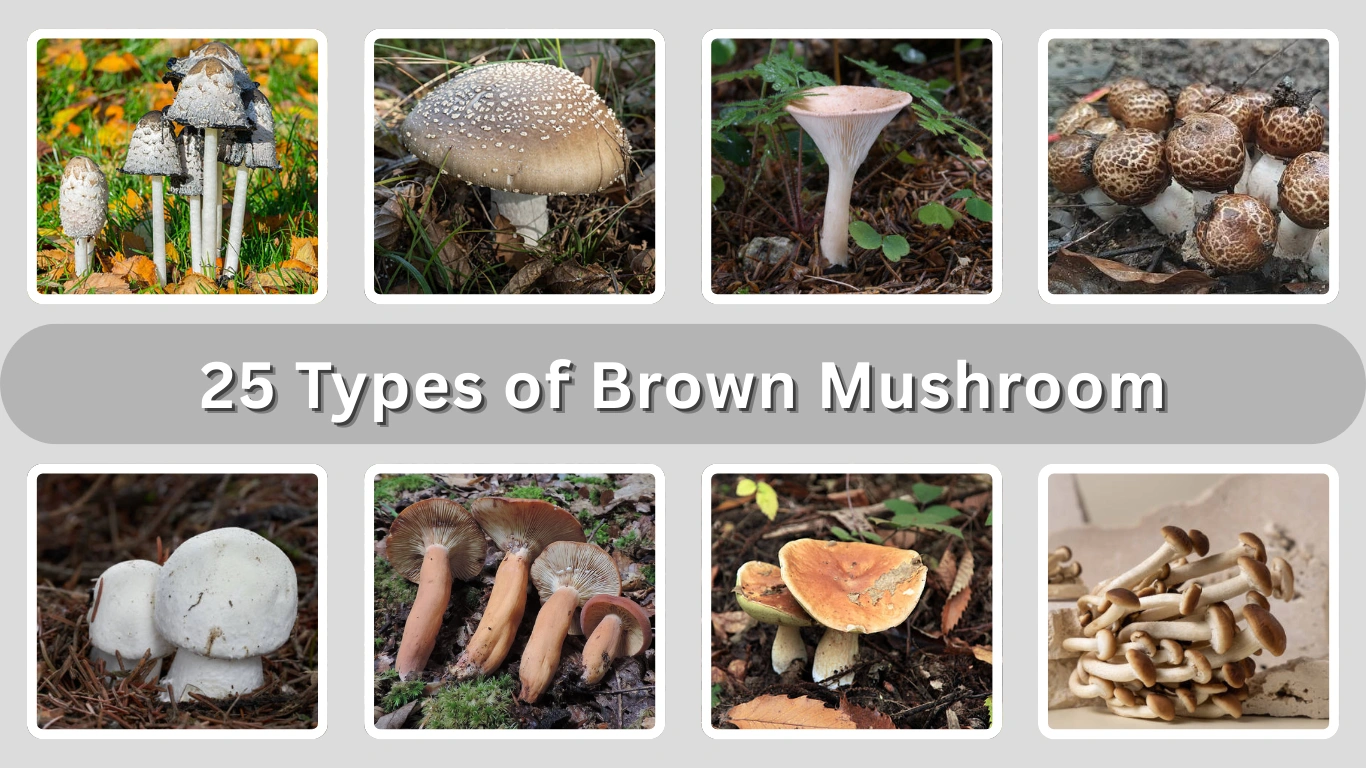






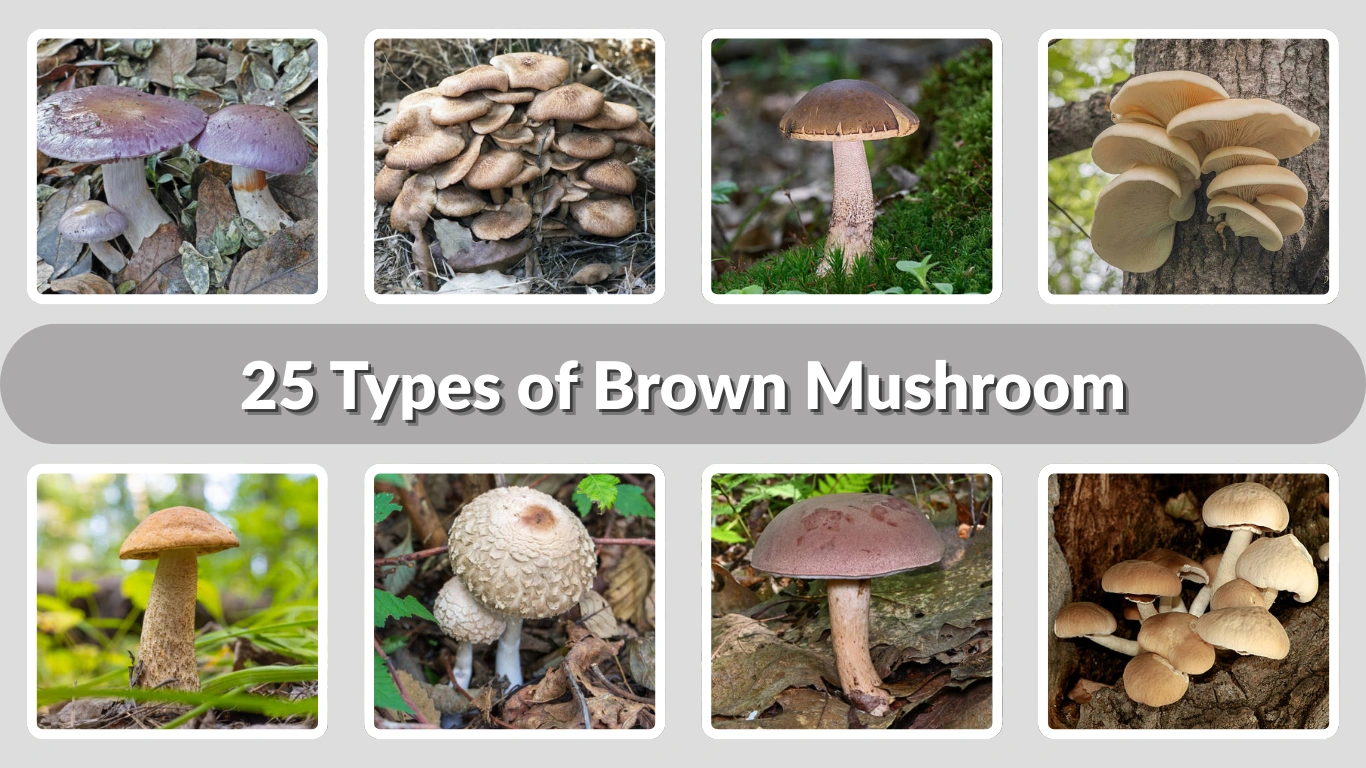
Brown mushrooms are a diverse group of edible fungi cherished for their earthy flavors, meaty textures, and versatility in cooking. From small, delicate varieties to large, robust mushrooms, they are used in soups, stir-fries, risottos, and roasted dishes worldwide. Many brown mushrooms also offer nutritional benefits, including vitamins, minerals, fiber, and antioxidants. Understanding the different types helps chefs, foragers, and home cooks select the right mushroom for flavor, texture, and culinary creativity.
1. Cremini Mushroom

Cremini mushrooms, also known as baby Bella mushrooms, are a popular edible mushroom with a firm texture and earthy flavor. They are slightly more mature than white button mushrooms and have a deeper brown color. Cremini mushrooms are versatile in cooking and are often used in soups, sauces, and sautéed dishes due to their rich taste and meaty texture.
Identification
- Cap: Smooth, brown, convex, 2–5 cm in diameter
- Gills: Light brown, closely spaced
- Stem: Short, thick, and light brown
- Spore Print: Dark brown
- Texture: Firm and meaty
Habitat
Cremini mushrooms are cultivated worldwide and typically grow in nutrient-rich soil or compost. They are commonly found in grocery stores and can also grow in shaded, humid areas in the wild.
Culinary Uses
Cremini mushrooms have a robust flavor suitable for sautéing, roasting, grilling, and adding to pasta dishes or risottos. They retain their texture well when cooked and complement both vegetarian and meat-based dishes.
Nutritional Value
Cremini mushrooms are low in calories but rich in essential nutrients like vitamin B, potassium, selenium, and antioxidants. They support immune function, cardiovascular health, and overall wellness.
2. Portobello Mushroom
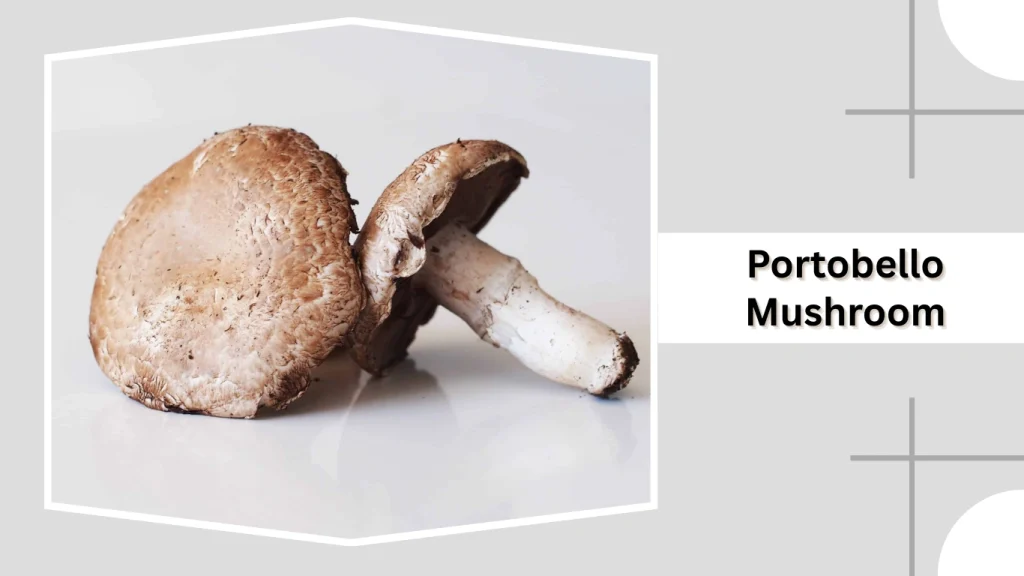
Portobello mushrooms are the mature form of cremini mushrooms, known for their large size, meaty texture, and rich, earthy flavor. They are popular as a meat substitute in vegetarian dishes due to their substantial texture. Portobellos are often grilled, roasted, or stuffed, making them a versatile ingredient in various cuisines.
Identification
- Cap: Large, dark brown, flat, 10–15 cm in diameter
- Gills: Dark brown to black, densely packed
- Stem: Thick, fibrous, light brown
- Spore Print: Dark brown
- Texture: Dense and meaty
Habitat
Portobello mushrooms are cultivated extensively and thrive in nutrient-rich compost under controlled conditions. They can also be found growing in shaded gardens or organic farms.
Culinary Uses
Their meaty texture makes them ideal for grilling, stuffing, and using as a burger patty alternative. Portobellos are also great in pasta dishes, stir-fries, and soups.
Nutritional Value
Portobello mushrooms are low in calories but provide protein, fiber, B vitamins, potassium, and antioxidants. They support heart health, immune function, and weight management.
3. Chestnut Mushroom
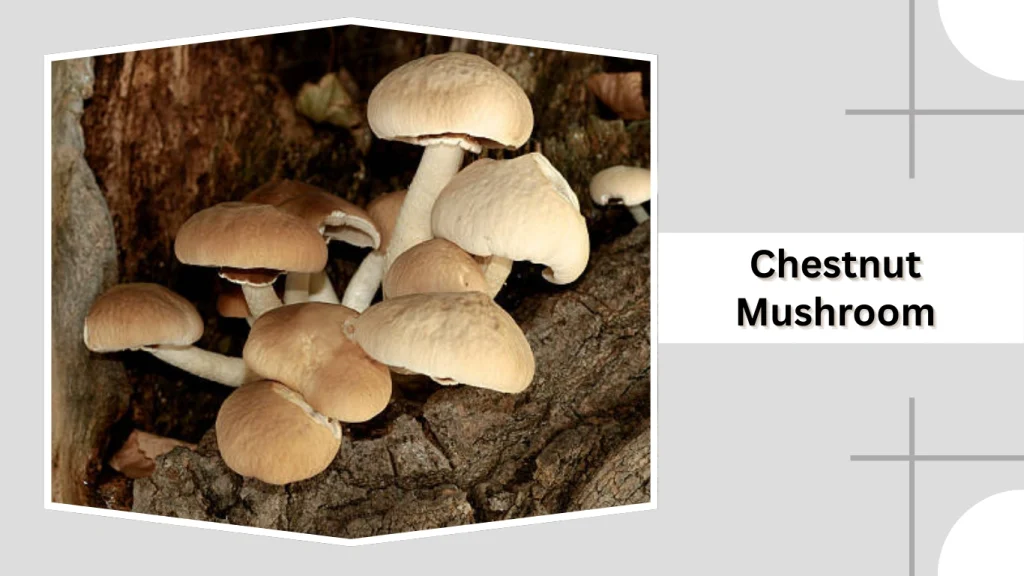
Chestnut mushrooms are a versatile brown mushroom with a slightly nutty flavor and firm texture. They are similar to cremini mushrooms but often slightly darker and more robust in taste. Popular in European and Asian cuisines, chestnut mushrooms can be used fresh or cooked, adding depth to soups, stews, and sautés.
Identification
- Cap: Light to medium brown, smooth, 3–6 cm in diameter
- Gills: Pale brown, tightly spaced
- Stem: Short, sturdy, off-white to light brown
- Spore Print: Brown
- Texture: Firm, slightly meaty
Habitat
Chestnut mushrooms grow naturally in rich soil and are also widely cultivated for commercial use. They prefer shaded areas with moderate humidity and are commonly found in temperate regions.
Culinary Uses
These mushrooms are suitable for sautéing, roasting, or adding to sauces and casseroles. Their subtle nutty flavor enhances risottos, pasta dishes, and omelets.
Nutritional Value
Chestnut mushrooms are low in calories and fat but rich in protein, fiber, B vitamins, and minerals like potassium and selenium. They support immune health, digestion, and overall nutrition.
4. Baby Bella Mushroom
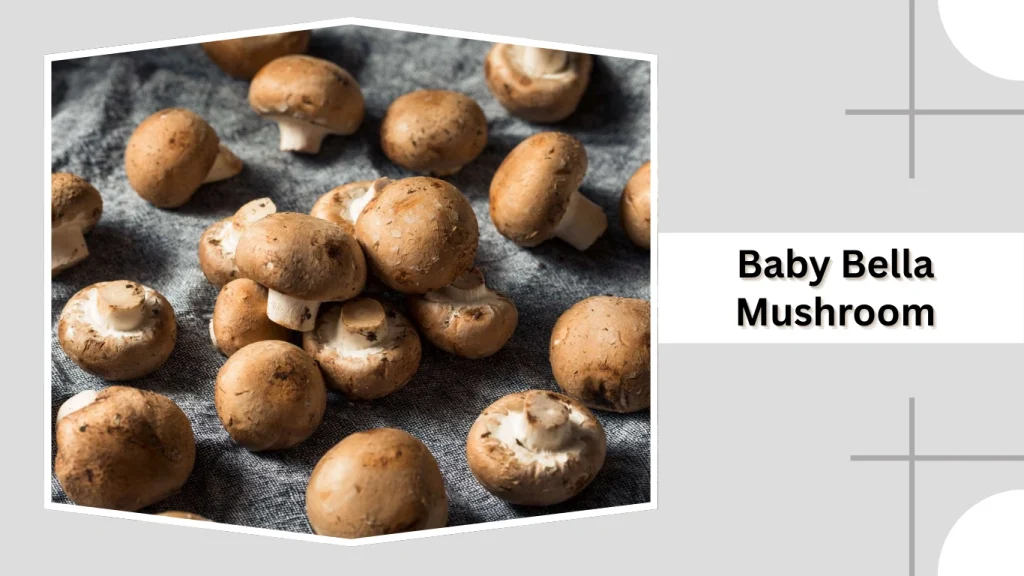
Baby Bella mushrooms are a slightly more mature version of white button mushrooms, offering a deeper brown color and richer, earthier flavor. They are tender yet firm, making them ideal for cooking in a variety of dishes. Baby Bellas are popular in salads, sautés, soups, and as a topping for pizzas.
Identification
- Cap: Medium brown, smooth, 4–7 cm in diameter
- Gills: Light brown to dark brown, closely spaced
- Stem: Short, thick, light brown
- Spore Print: Brown
- Texture: Firm but tender
Habitat
Baby Bella mushrooms are widely cultivated and also grow naturally in nutrient-rich, shaded soils. They thrive in composted environments and are common in grocery stores worldwide.
Culinary Uses
Their flavor deepens when cooked, making them excellent for roasting, sautéing, grilling, or incorporating into sauces. They pair well with meats, grains, and vegetables.
Nutritional Value
Baby Bella mushrooms are low in calories, rich in protein, fiber, B vitamins, selenium, and antioxidants. They support immune function, heart health, and overall wellness.
5. Bolete Mushroom
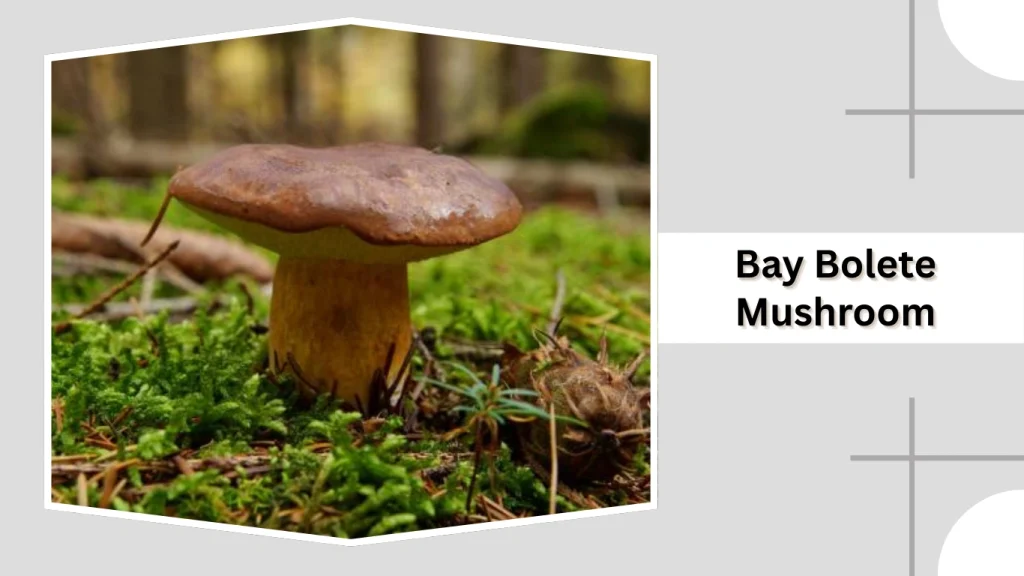
Bolete mushrooms are a diverse group of brown mushrooms known for their thick, spongy stems and pores instead of gills. Many species are edible, including the prized porcini, while some are mildly toxic, so proper identification is crucial. Boletes have a rich, nutty flavor and are favored in European cuisine.
Identification
- Cap: Brown, convex to flat, 5–25 cm in diameter
- Underside: Spongy pores instead of gills, yellow to brown
- Stem: Thick, solid, often club-shaped
- Spore Print: Olive-brown to brown
- Texture: Firm, meaty
Habitat
Boletes grow mainly in forests, often in symbiosis with trees like pines, oaks, and birches. They thrive in temperate regions with moist soil rich in organic matter.
Culinary Uses
Edible boletes are excellent for roasting, sautéing, or drying. They are often used in soups, risottos, and sauces due to their deep, earthy flavor.
Nutritional Value
Boletes are low in calories but provide protein, fiber, vitamins (especially B-complex), and minerals such as potassium and selenium. They also contain antioxidants that promote overall health.
6. King Bolete (Porcini)
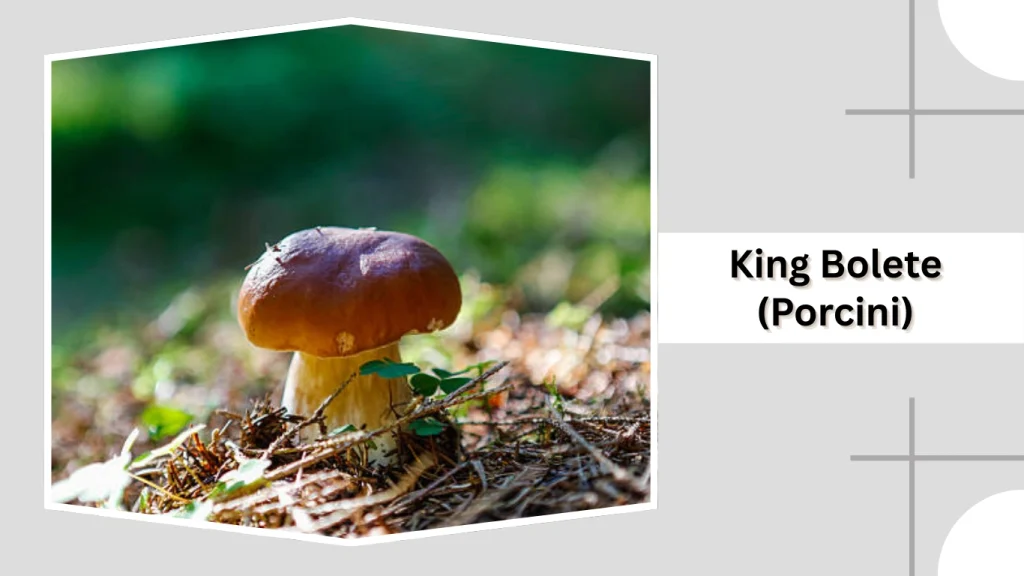
The King Bolete, also known as Porcini, is a highly prized brown mushroom celebrated for its rich, nutty flavor and meaty texture. It is a staple in gourmet cooking, especially in Italian and French cuisine. Porcini mushrooms can be used fresh, dried, or cooked, and they add depth to soups, risottos, sauces, and pasta dishes.
Identification
- Cap: Brown, thick, convex to flat, 7–30 cm in diameter
- Underside: Spongy pores, white when young, turning yellowish-brown
- Stem: Thick, bulbous, pale with a reticulated pattern near the top
- Spore Print: Olive-brown
- Texture: Dense and meaty
Habitat
King Boletes are mycorrhizal, growing in symbiosis with coniferous and deciduous trees like pine, spruce, and oak. They are found in temperate forests, particularly in Europe, North America, and Asia, during late summer and autumn.
Culinary Uses
Porcini mushrooms are excellent for roasting, sautéing, or drying for later use. Their robust flavor enhances risottos, soups, pasta sauces, and meat dishes, making them a favorite among chefs and home cooks alike.
Nutritional Value
King Boletes are low in calories and fat but high in protein, dietary fiber, B vitamins, and minerals like potassium and selenium. They also contain antioxidants that support immune health and overall wellness.
7. Shiitake Mushroom
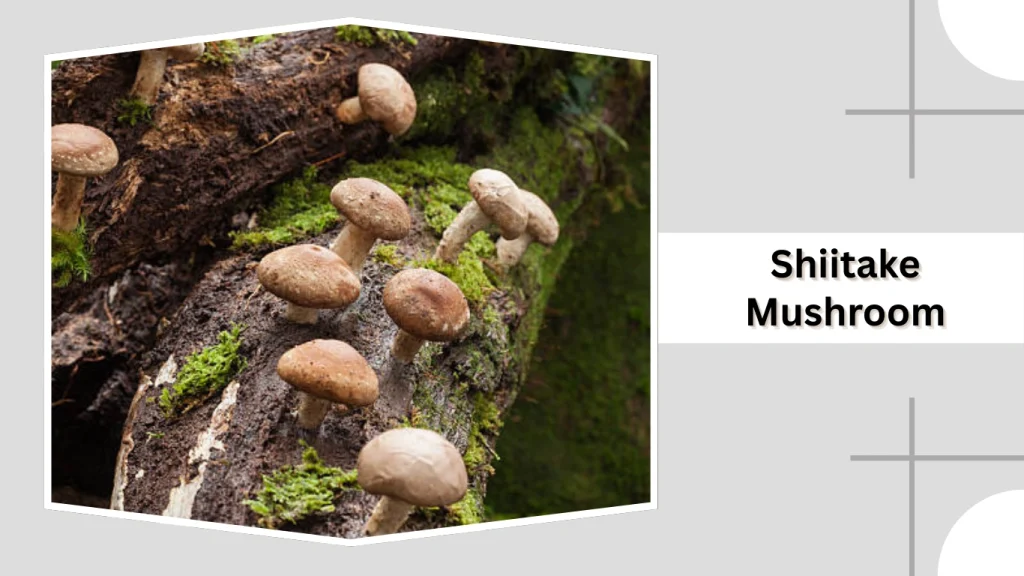
Shiitake mushrooms are a popular brown mushroom native to East Asia, known for their rich, savory flavor and slightly smoky aroma. They are widely used in Asian cuisines and valued both for culinary and medicinal properties. Shiitakes can be consumed fresh or dried, adding depth to soups, stir-fries, and sauces.
Identification
- Cap: Dark brown, convex to umbrella-shaped, 5–12 cm in diameter
- Gills: Creamy to light brown, closely spaced
- Stem: Tough, fibrous, light brown
- Spore Print: White
- Texture: Firm and meaty
Habitat
Shiitake mushrooms naturally grow on decaying hardwood trees, especially oak, chestnut, and beech. They are also widely cultivated on logs or sawdust blocks under controlled conditions.
Culinary Uses
Shiitakes are ideal for stir-frying, roasting, sautéing, and adding to soups, noodles, and sauces. Dried shiitakes have a concentrated flavor and are commonly rehydrated for cooking.
Nutritional Value
Shiitake mushrooms are low in calories but rich in protein, dietary fiber, B vitamins, copper, selenium, and polysaccharides that support immune function, heart health, and overall wellness.
8. Maitake Mushroom
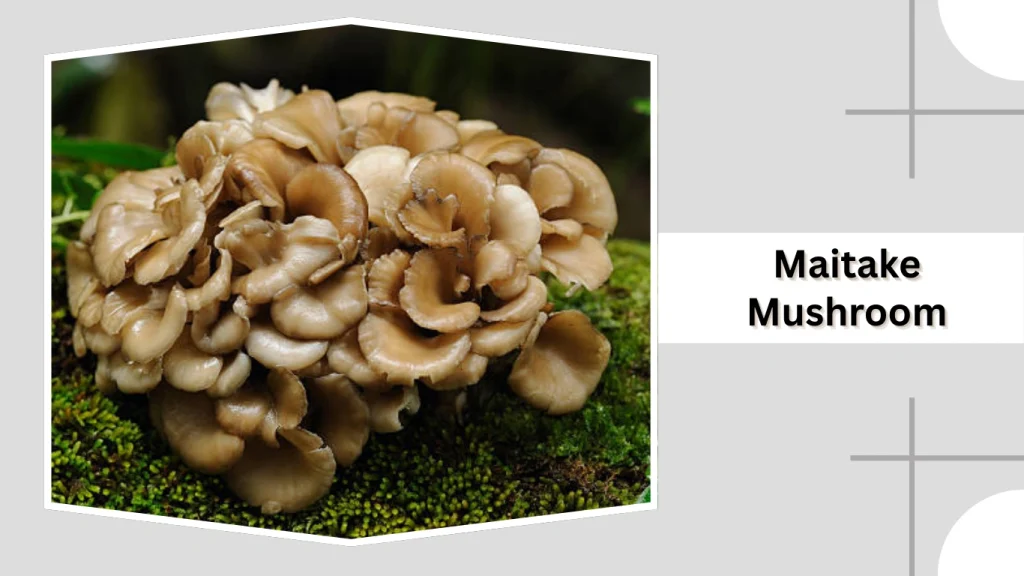
Maitake mushrooms, also known as “Hen of the Woods,” are brown, frilly mushrooms prized for their rich, earthy flavor and medicinal properties. They grow in clusters at the base of trees and are popular in Japanese and Western cuisines. Maitakes add texture and a robust taste to soups, stir-fries, and sautés.
Identification
- Cap: Brown, fan-shaped, ruffled, 5–25 cm across
- Gills: White to light brown, densely clustered
- Stem: Thick, branching, white to light brown
- Spore Print: White
- Texture: Firm, slightly fibrous
Habitat
Maitake mushrooms grow primarily at the base of oak, elm, and maple trees in temperate forests. They are also cultivated commercially on hardwood logs and sawdust blocks under controlled conditions.
Culinary Uses
Maitakes are excellent when roasted, sautéed, or added to soups and stir-fries. Their robust flavor pairs well with poultry, rice dishes, and vegetarian meals, enhancing both texture and taste.
Nutritional Value
Maitake mushrooms are low in calories, rich in protein, dietary fiber, B vitamins, potassium, and bioactive compounds like beta-glucans that support immune function, blood sugar regulation, and overall wellness.
9. Chanterelle (Brown Variety)
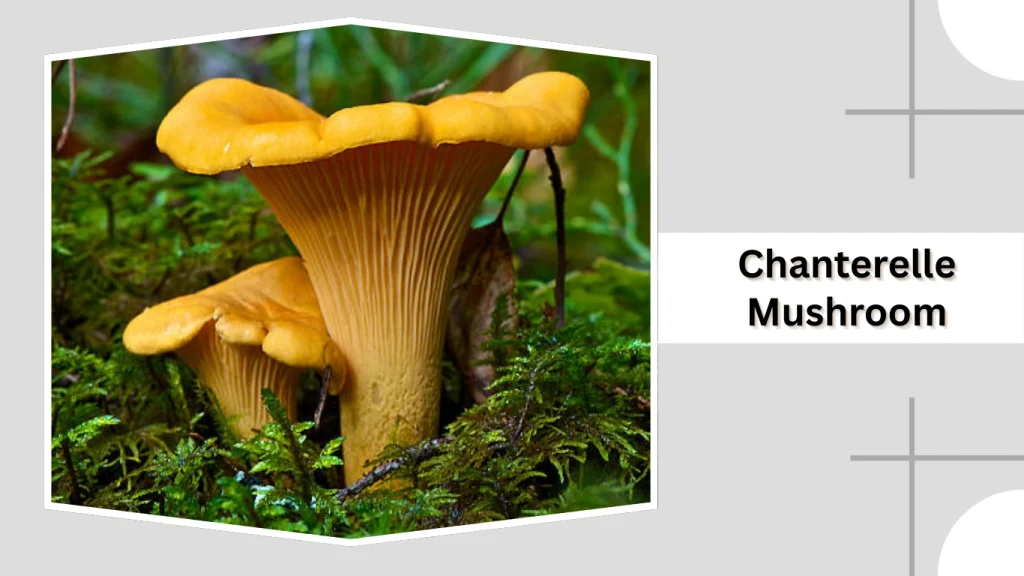
Brown chanterelle mushrooms are a flavorful, trumpet-shaped brown mushroom variety with a delicate, fruity aroma and slightly nutty taste. They are highly prized in gourmet cooking for their texture and ability to enhance sauces, soups, and sautés. These mushrooms are often foraged in the wild rather than cultivated.
Identification
- Cap: Brown to golden-brown, funnel-shaped, 2–10 cm in diameter
- Gills: False gills, shallow ridges running down the stem
- Stem: Solid, smooth, lighter brown, 2–6 cm tall
- Spore Print: Pale yellow to cream
- Texture: Firm, meaty yet tender
Habitat
Brown chanterelles grow in mossy, humid forests, often near oak, beech, or conifer trees. They prefer temperate climates and are usually found in late summer to early fall.
Culinary Uses
These mushrooms are excellent sautéed with butter, roasted, or incorporated into soups, risottos, and pasta dishes. Their subtle nutty flavor complements meats, poultry, and vegetarian dishes alike.
Nutritional Value
Brown chanterelles are low in calories and fat but rich in dietary fiber, potassium, vitamin D, and antioxidants. They support immune function, bone health, and overall nutrition.
10. Honey Mushroom
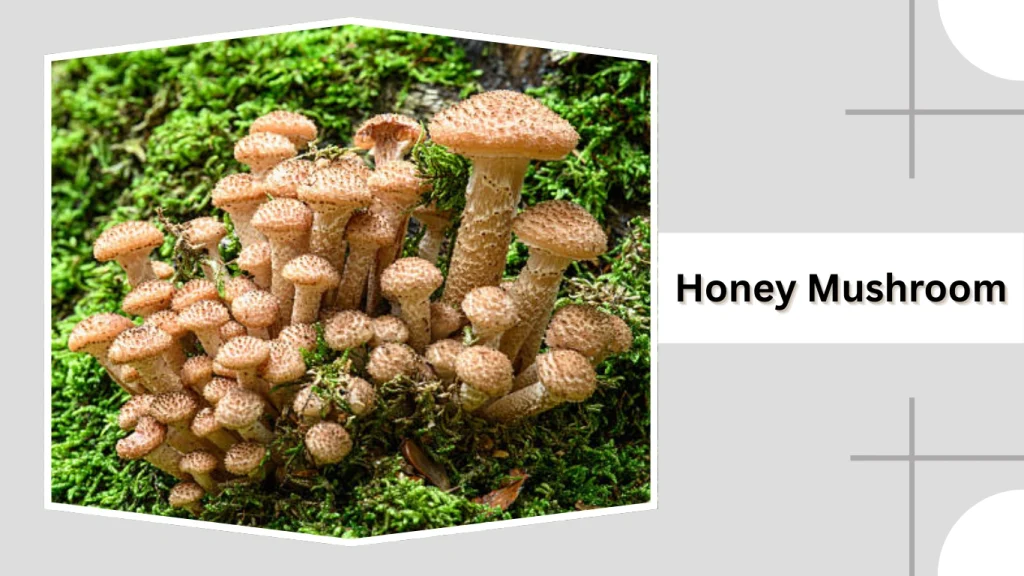
Honey mushrooms are a cluster-forming brown mushroom known for their sweet, earthy flavor and slightly chewy texture. They are commonly found in forests and sometimes considered invasive, as they grow on decaying wood and tree roots. Despite their appearance, some species are edible when cooked properly.
Identification
- Cap: Light to medium brown, smooth, 2–8 cm in diameter
- Gills: White to pale cream, turning yellowish with age
- Stem: Thin to moderately thick, fibrous, often with a ring
- Spore Print: White to pale cream
- Texture: Firm, slightly chewy
Habitat
Honey mushrooms grow on decaying wood, stumps, and the roots of living trees. They are found in clusters in temperate forests worldwide, particularly in late summer and autumn.
Culinary Uses
Edible honey mushrooms are suitable for sautéing, stewing, and adding to soups or sauces. Proper cooking is essential to remove any mild toxins and improve digestibility.
Nutritional Value
Honey mushrooms are low in calories and fat, providing protein, fiber, B vitamins, potassium, and antioxidants. They support immune health, digestion, and overall wellness.
11. Muscovy Mushroom
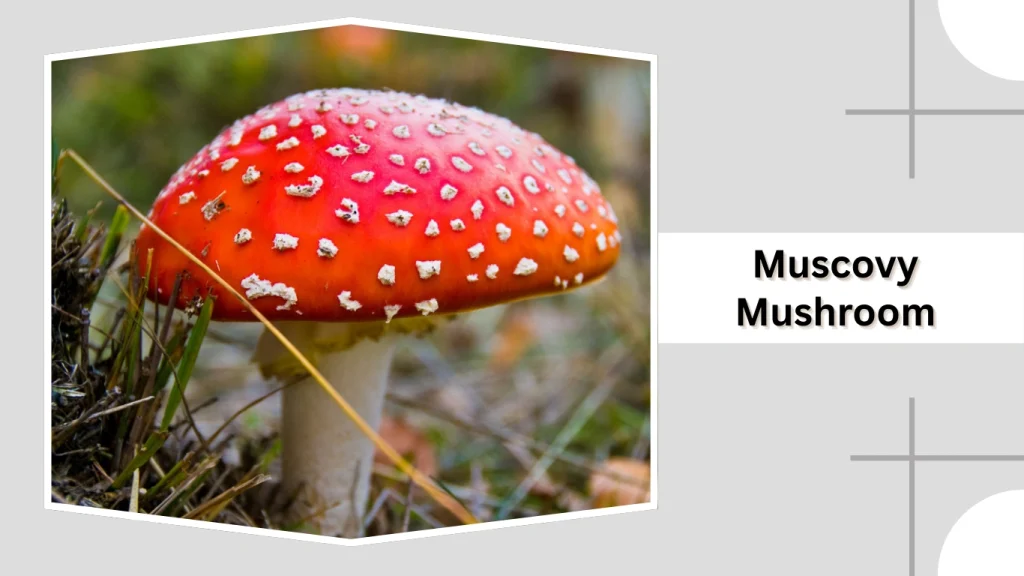
Muscovy mushrooms are brown, medium-sized mushrooms known for their earthy flavor and firm texture. They are less common than other brown varieties but are appreciated for their culinary versatility. Muscovy mushrooms can be used fresh in cooking or lightly sautéed to enhance their natural taste.
Identification
- Cap: Light to medium brown, convex, 3–8 cm in diameter
- Gills: Pale to light brown, closely spaced
- Stem: Short, sturdy, light brown
- Spore Print: Brown
- Texture: Firm and slightly meaty
Habitat
Muscovy mushrooms grow in forested areas, often on soil rich in organic matter or on decaying wood. They are typically found in temperate regions during the late summer and autumn months.
Culinary Uses
These mushrooms are ideal for sautéing, roasting, and incorporating into soups, stews, and stir-fries. Their earthy flavor complements meats, grains, and vegetable dishes.
Nutritional Value
Muscovy mushrooms are low in calories, rich in protein, fiber, B vitamins, potassium, and antioxidants. They support immune function, heart health, and overall nutrition.
12. Cinnamon Cap Mushroom
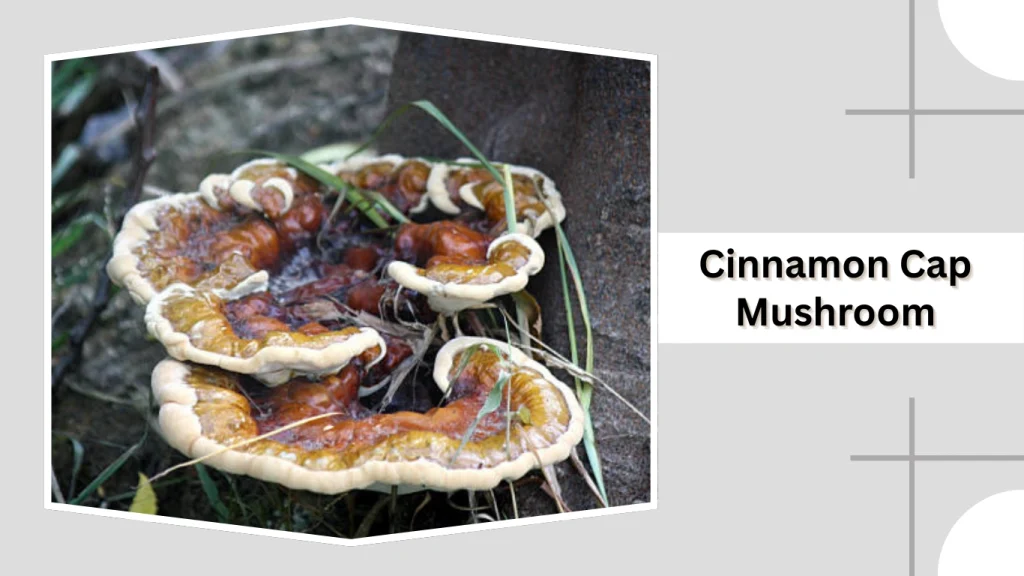
Cinnamon Cap mushrooms are small to medium brown mushrooms recognized for their warm, cinnamon-colored caps and mild, earthy flavor. They are often found growing in clusters and are used in cooking to add a subtle depth to various dishes.
Identification
- Cap: Reddish-brown to cinnamon, smooth, 2–6 cm in diameter
- Gills: Pale cream to light brown, closely spaced
- Stem: Thin, fibrous, light brown
- Spore Print: Pale cream to light brown
- Texture: Firm, slightly delicate
Habitat
Cinnamon Cap mushrooms grow on decaying wood, leaf litter, and forest floors. They thrive in temperate regions and are commonly found in clusters during late summer and autumn.
Culinary Uses
These mushrooms are suitable for sautéing, roasting, and adding to soups or sauces. Their mild, earthy flavor pairs well with grains, vegetables, and poultry dishes.
Nutritional Value
Cinnamon Cap mushrooms are low in calories and fat while providing protein, fiber, B vitamins, potassium, and antioxidants. They contribute to overall health, supporting digestion, immunity, and nutrient intake.
13. Wood Blewit (Brown Strain)
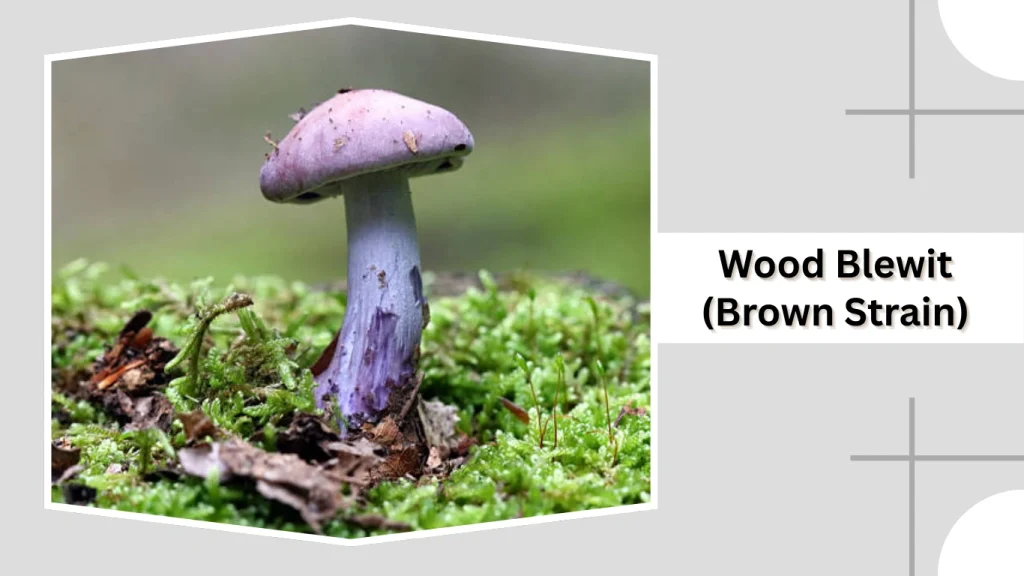
Wood Blewits are medium to large brown mushrooms with a slightly lilac or brownish tint. They are known for their firm texture and rich, earthy flavor. These mushrooms are commonly foraged in the wild and are appreciated in European cuisine for soups, stews, and sautés.
Identification
- Cap: Brown to light brown, convex to flat, 5–12 cm in diameter
- Gills: Lilac to pale brown, crowded
- Stem: Firm, fibrous, light brown with lilac hues
- Spore Print: Pale lilac to pinkish-brown
- Texture: Firm and meaty
Habitat
Wood Blewits grow in leaf litter, composted soil, or decaying wood in forests and grassy areas. They are mostly found in temperate climates during autumn and early winter.
Culinary Uses
These mushrooms are ideal for sautéing, roasting, and incorporating into soups, casseroles, and pasta dishes. Cooking is essential to enhance flavor and remove any mild toxins.
Nutritional Value
Wood Blewits are low in calories and rich in protein, dietary fiber, B vitamins, potassium, and antioxidants. They support immune function, digestion, and overall wellness.
14. Brown Roll-Rim Mushroom
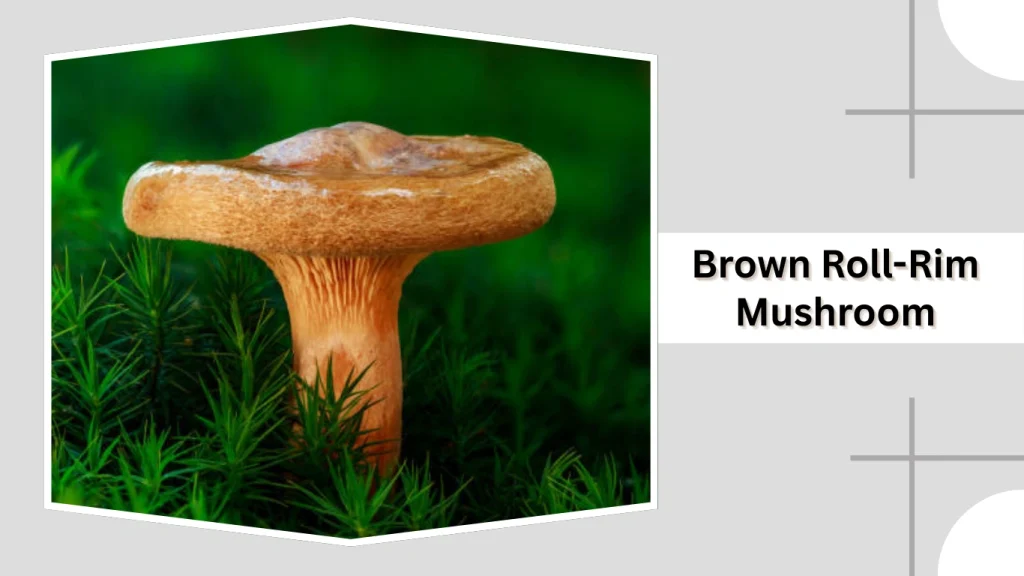
Brown Roll-Rim mushrooms are medium-sized brown fungi known for their distinctive rolled cap edges and robust earthy flavor. They are commonly found in woodlands and grassy areas and are occasionally used in cooking after proper identification.
Identification
- Cap: Brown, convex with a rolled edge, 5–10 cm in diameter
- Gills: Pale brown, closely spaced
- Stem: Thick, fibrous, brown
- Spore Print: Pale brown
- Texture: Firm, slightly fibrous
Habitat
These mushrooms grow in forests, on soil rich in organic matter, or near decaying wood. They prefer temperate climates and are typically found in late summer to autumn.
Culinary Uses
Brown Roll-Rim mushrooms are used cautiously in soups, stews, or sautéed dishes. Proper cooking is essential, as some related species may be mildly toxic.
Nutritional Value
They are low in calories and fat, providing protein, fiber, B vitamins, potassium, and antioxidants. These mushrooms contribute to digestive health and overall nutrition when properly prepared.
15. Penny Bun Mushroom
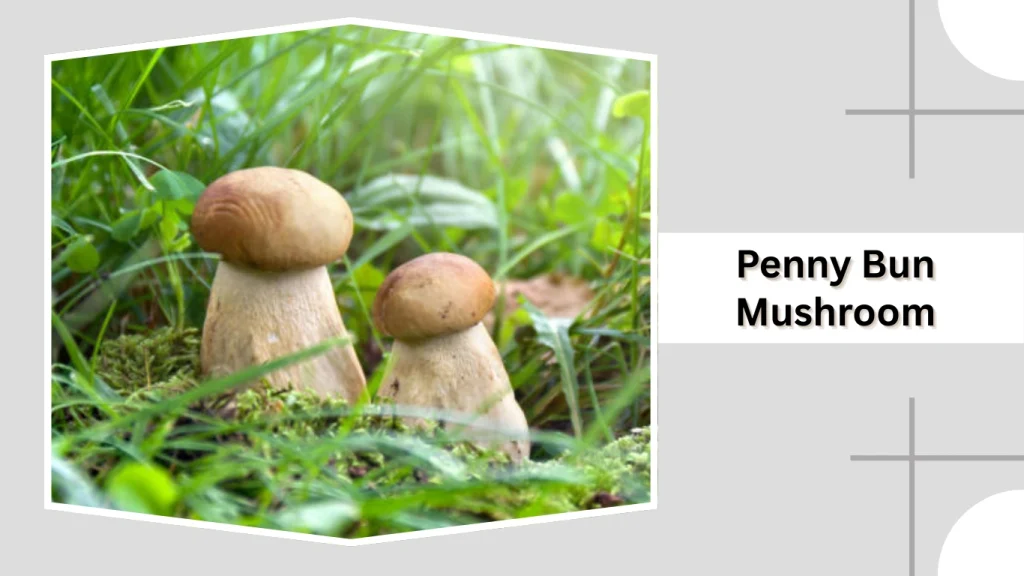
Penny Bun mushrooms, also known as King Bolete or Cep, are large brown mushrooms celebrated for their nutty flavor and meaty texture. They are highly sought after in gourmet cooking and are commonly used fresh or dried in European dishes.
Identification
- Cap: Brown, convex to flat, 7–25 cm in diameter
- Underside: Spongy pores, white when young, turning yellowish-brown
- Stem: Thick, bulbous, pale with a reticulated pattern near the top
- Spore Print: Olive-brown
- Texture: Dense and meaty
Habitat
Penny Bun mushrooms grow in temperate forests, often in symbiosis with pine, spruce, or oak trees. They are typically found in late summer and autumn, thriving in moist, nutrient-rich soil.
Culinary Uses
They are excellent for roasting, sautéing, and drying for later use. Their rich flavor enhances soups, risottos, pasta, and meat dishes.
Nutritional Value
Penny Bun mushrooms are low in calories and fat but high in protein, fiber, B vitamins, potassium, and antioxidants. They support immune health, cardiovascular health, and overall wellness.
16. Bay Bolete
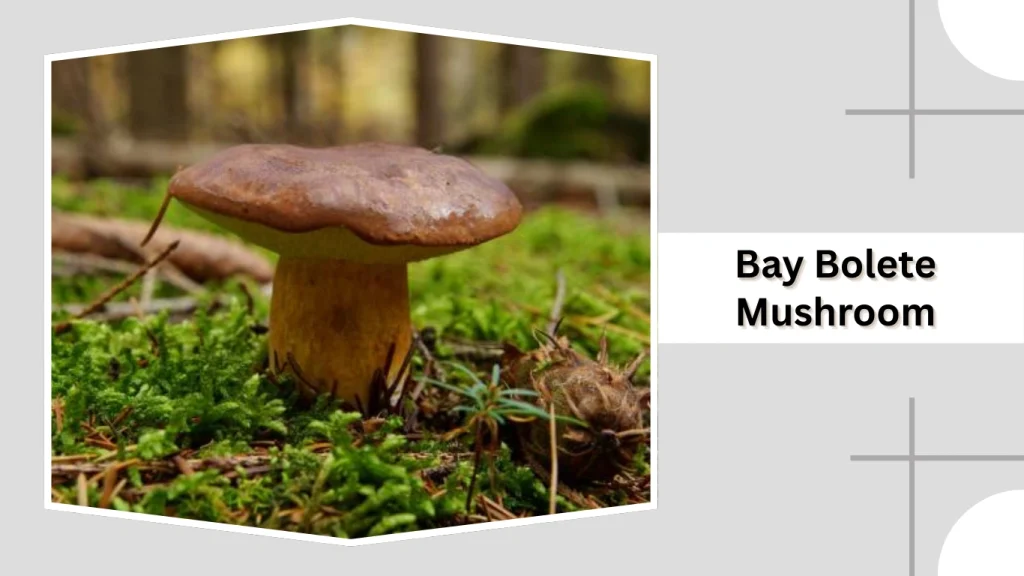
Bay Bolete mushrooms are medium to large brown mushrooms valued for their mild, nutty flavor and firm, spongy texture. They are often foraged in forests and are considered a choice edible mushroom in European cuisine.
Identification
- Cap: Brown to reddish-brown, convex, 5–20 cm in diameter
- Underside: Yellowish pores instead of gills
- Stem: Thick, solid, light brown, sometimes slightly swollen
- Spore Print: Olive-brown
- Texture: Firm, meaty
Habitat
Bay Boletes grow in temperate forests, usually forming mycorrhizal relationships with pine, spruce, or fir trees. They thrive on forest floors with rich, moist soil during late summer and autumn.
Culinary Uses
These mushrooms are ideal for sautéing, roasting, or adding to soups, stews, and risottos. Their mild flavor pairs well with meats, grains, and vegetables.
Nutritional Value
Bay Bolete mushrooms are low in calories and fat while rich in protein, fiber, B vitamins, potassium, and antioxidants. They support immune function, digestion, and overall health.
17. Brick Cap Mushroom
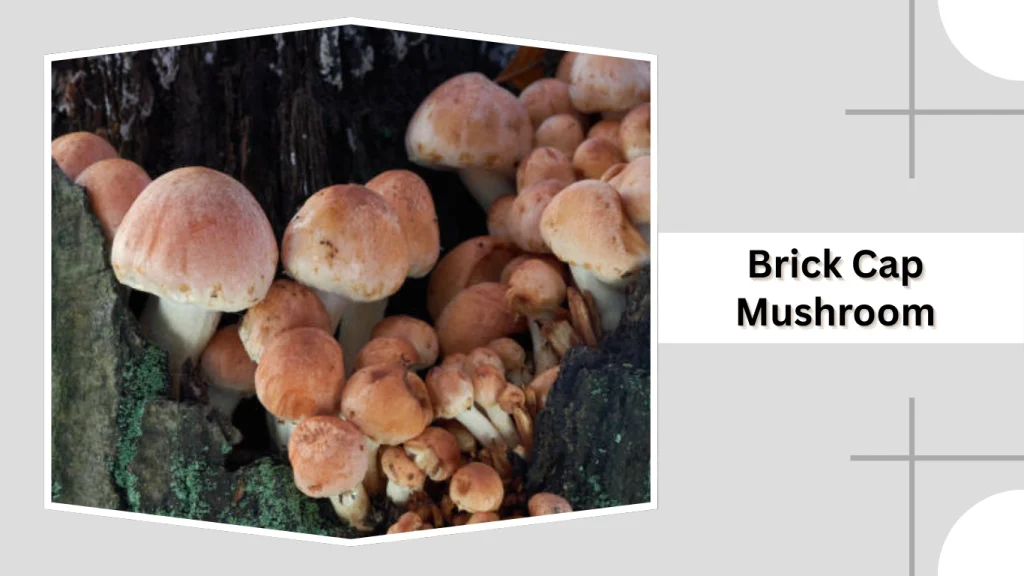
Brick Cap mushrooms are small to medium brown mushrooms known for their clustered growth and mild, earthy flavor. They are edible when cooked and are commonly used in soups, stews, and sautés. Their compact size makes them easy to forage in the wild.
Identification
- Cap: Reddish-brown to brick-colored, convex, 2–6 cm in diameter
- Gills: Pale cream to light brown, closely spaced
- Stem: Thin, fibrous, light brown
- Spore Print: White to pale cream
- Texture: Firm and slightly chewy
Habitat
Brick Caps grow in clusters on decaying wood, forest floors, and leaf litter. They prefer temperate regions and are typically found during late summer and autumn.
Culinary Uses
These mushrooms are best when sautéed, roasted, or added to soups, stews, and sauces. Their mild flavor pairs well with grains, vegetables, and meats.
Nutritional Value
Brick Cap mushrooms are low in calories and fat, rich in protein, fiber, B vitamins, potassium, and antioxidants. They support digestion, immunity, and overall health.
18. Oak Bolete
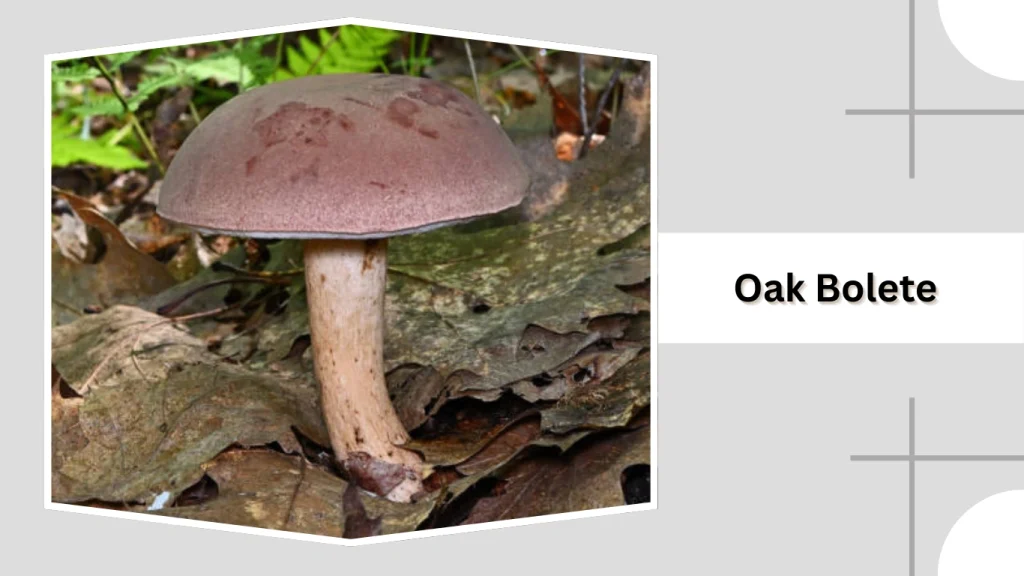
Oak Bolete mushrooms are medium to large brown mushrooms prized for their mild, nutty flavor and firm, meaty texture. They are commonly foraged in oak forests and are considered a choice edible mushroom in many regions.
Identification
- Cap: Brown to reddish-brown, convex, 5–20 cm in diameter
- Underside: Yellowish pores instead of gills
- Stem: Thick, solid, pale brown, sometimes slightly swollen
- Spore Print: Olive-brown
- Texture: Firm, meaty
Habitat
Oak Boletes grow in temperate forests, forming mycorrhizal relationships with oak trees. They thrive on nutrient-rich soil during late summer and autumn.
Culinary Uses
These mushrooms are ideal for sautéing, roasting, or adding to soups, stews, and risottos. Their mild flavor complements meats, grains, and vegetables.
Nutritional Value
Oak Boletes are low in calories and fat while providing protein, fiber, B vitamins, potassium, and antioxidants. They support immune function, cardiovascular health, and overall wellness.
19. Birch Bolete
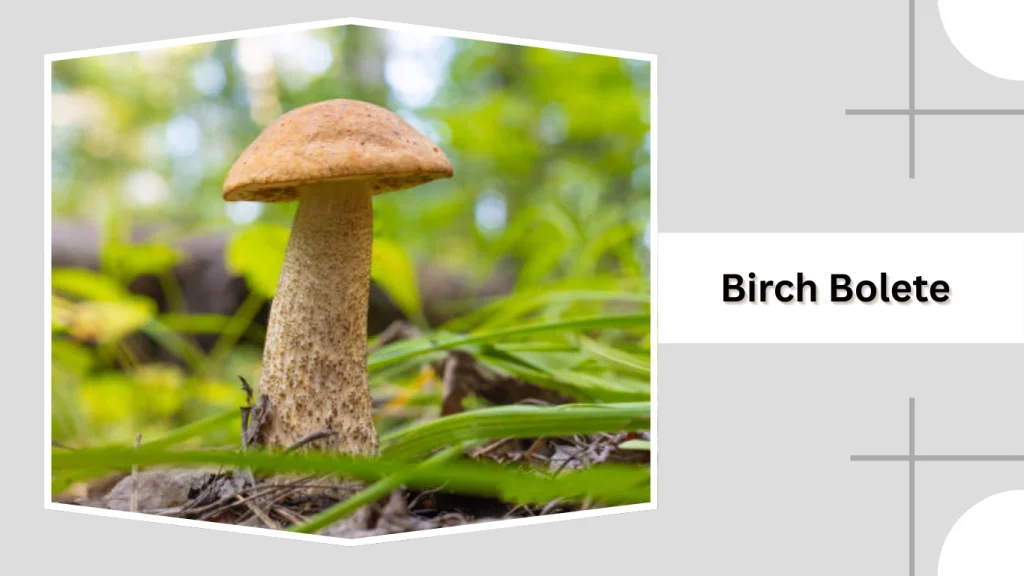
Birch Bolete mushrooms are medium-sized brown mushrooms with a firm, meaty texture and mild, nutty flavor. They are commonly found in association with birch trees and are popular among foragers for culinary use.
Identification
- Cap: Brown to reddish-brown, convex, 5–15 cm in diameter
- Underside: Yellowish pores instead of gills
- Stem: Thick, solid, light brown with slight reticulations near the top
- Spore Print: Olive-brown
- Texture: Firm, slightly spongy
Habitat
Birch Boletes grow in temperate forests, forming symbiotic relationships with birch trees. They are typically found on forest floors rich in organic matter during late summer and autumn.
Culinary Uses
These mushrooms are suitable for sautéing, roasting, or incorporating into soups, stews, and risottos. Their mild flavor pairs well with grains, vegetables, and meats.
Nutritional Value
Birch Boletes are low in calories and fat but rich in protein, fiber, B vitamins, potassium, and antioxidants. They support immune health, digestion, and overall wellness.
20. Velvet Foot Mushroom
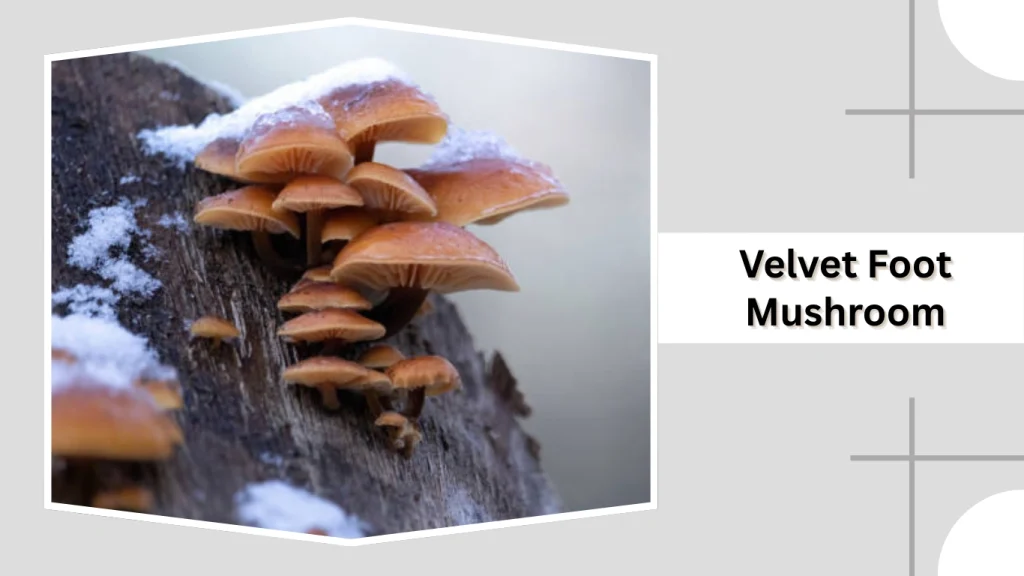
Velvet Foot mushrooms, also known as Enoki (brown variety), are slender brown mushrooms with a firm, slightly chewy texture and mild, earthy flavor. They are popular in soups, stir-fries, and Asian-inspired dishes.
Identification
- Cap: Small, brown, convex, 1–3 cm in diameter
- Gills: Pale cream to light brown, closely spaced
- Stem: Long, thin, fibrous, brown
- Spore Print: White to pale cream
- Texture: Firm, slightly crunchy
Habitat
Velvet Foot mushrooms grow in clusters on decaying wood, tree stumps, and rich forest soil. They are commonly found in temperate forests during late summer to autumn and are also cultivated commercially.
Culinary Uses
These mushrooms are excellent in soups, hot pots, stir-fries, and salads. Cooking enhances their mild flavor and softens their fibrous stems for easier consumption.
Nutritional Value
Velvet Foot mushrooms are low in calories and fat but rich in protein, fiber, B vitamins, potassium, and antioxidants. They support digestion, immune health, and overall wellness.
21. Shaggy Parasol (Brown Variant)
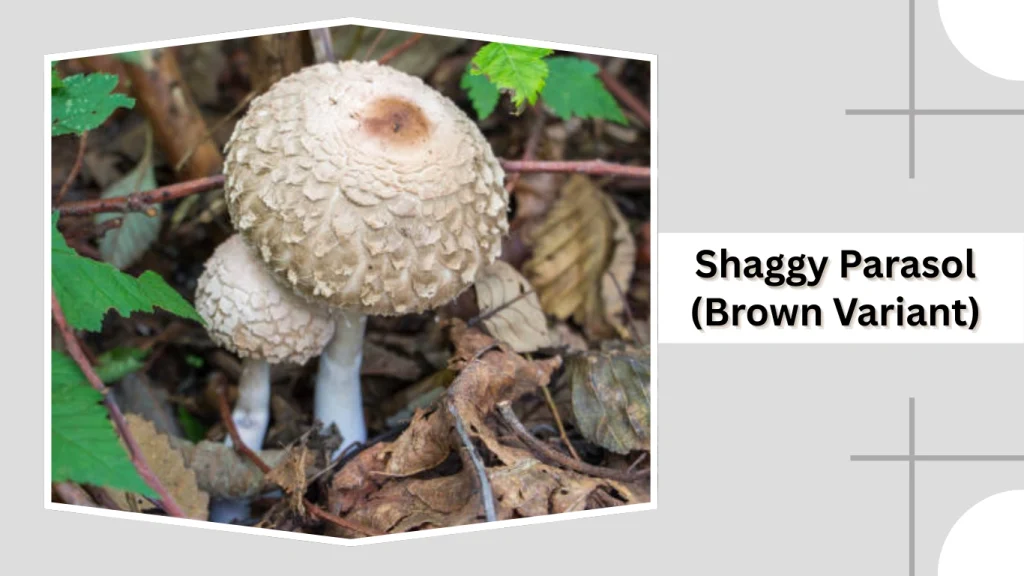
Shaggy Parasol mushrooms are medium to large brown mushrooms recognized for their scaly, shaggy cap and nutty, earthy flavor. They are considered a choice edible mushroom when properly identified and cooked, often used in gourmet dishes.
Identification
- Cap: Brown, shaggy with scales, 5–20 cm in diameter
- Gills: White to pale cream, free from the stem
- Stem: Thick, fibrous, brown with a movable ring
- Spore Print: White
- Texture: Firm and meaty
Habitat
Shaggy Parasols grow in woodlands, grassy clearings, and forest edges, often in nutrient-rich soil. They appear in late summer to autumn, forming in small groups or scattered clusters.
Culinary Uses
These mushrooms are ideal for sautéing, roasting, or adding to soups, risottos, and pasta dishes. Proper cooking is essential to neutralize any mild toxins and enhance flavor.
Nutritional Value
Shaggy Parasol mushrooms are low in calories and fat but rich in protein, fiber, B vitamins, potassium, and antioxidants. They support immune function, digestion, and overall wellness.
22. Elm Oyster (Brown Type)
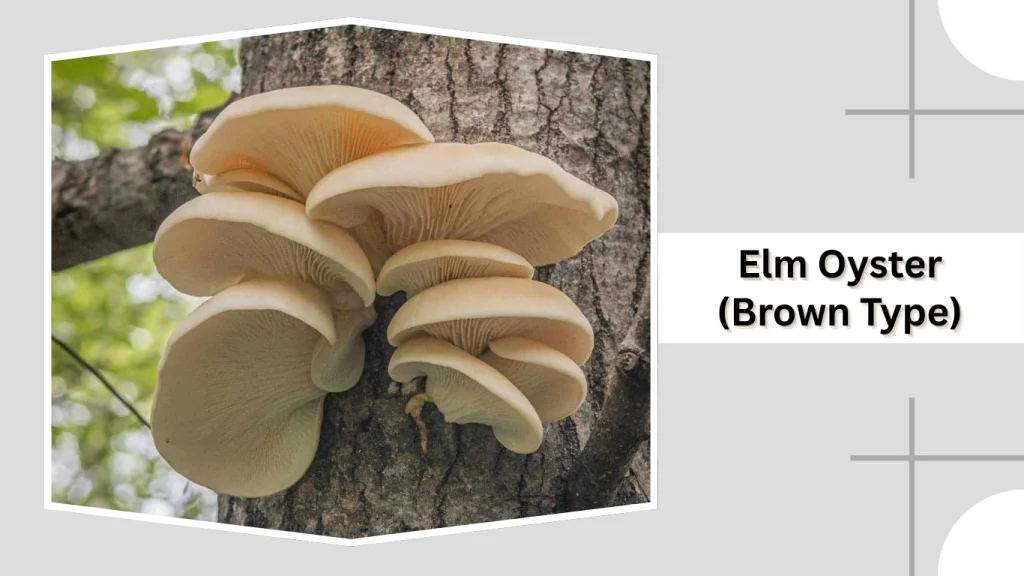
Elm Oyster mushrooms are medium to large brown mushrooms known for their delicate texture and mild, slightly sweet flavor. They are popular in soups, stir-fries, and vegetarian dishes and are often cultivated on hardwood logs or sawdust.
Identification
- Cap: Brown, fan-shaped to convex, 5–15 cm in diameter
- Gills: White to pale cream, decurrent (running down the stem)
- Stem: Short, sometimes off-center, light brown
- Spore Print: White
- Texture: Tender and slightly chewy
Habitat
Elm Oysters grow on dead or decaying hardwood trees, particularly elm, beech, and oak. They thrive in temperate forests and are also cultivated commercially.
Culinary Uses
These mushrooms are excellent for sautéing, roasting, or adding to soups, stews, and stir-fries. Their mild flavor complements grains, vegetables, and light meat dishes.
Nutritional Value
Elm Oyster mushrooms are low in calories and fat while providing protein, fiber, B vitamins, potassium, and antioxidants. They support digestion, immunity, and overall health.
23. Hazel Cap Mushroom
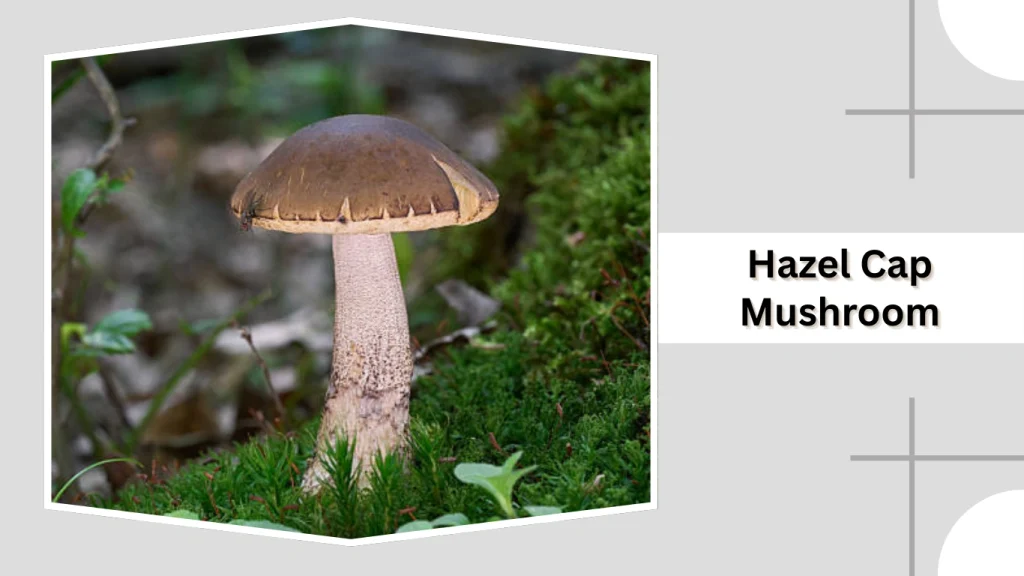
Hazel Cap mushrooms are small to medium brown mushrooms known for their nutty flavor and firm texture. They are edible when cooked and often used in soups, sautés, and sauces. These mushrooms grow in clusters and are popular among foragers.
Identification
- Cap: Brown to hazel, convex, 2–6 cm in diameter
- Gills: Pale brown, closely spaced
- Stem: Thin, fibrous, light brown
- Spore Print: Pale brown
- Texture: Firm, slightly meaty
Habitat
Hazel Caps grow on decaying wood, leaf litter, and forest floors. They prefer temperate regions and appear during late summer and autumn, often in clustered groups.
Culinary Uses
These mushrooms are suitable for sautéing, roasting, or adding to soups, stews, and risottos. Their mild, earthy flavor pairs well with grains, vegetables, and meats.
Nutritional Value
Hazel Cap mushrooms are low in calories and fat but rich in protein, fiber, B vitamins, potassium, and antioxidants. They support overall health, including digestion, immunity, and nutrient intake.
24. Brown Ringless Honey Mushroom
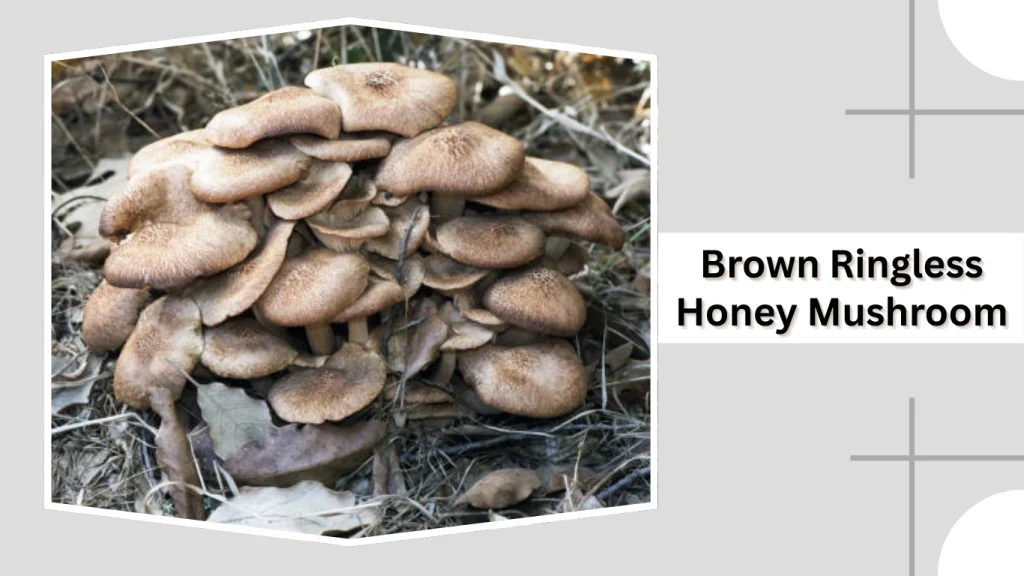
Brown Ringless Honey Mushrooms are medium brown mushrooms that grow in clusters on decaying wood and tree stumps. They have a mild, slightly sweet flavor and firm texture, making them suitable for cooked dishes when properly prepared.
Identification
- Cap: Light to medium brown, smooth, 2–8 cm in diameter
- Gills: White to pale cream, turning slightly yellow with age
- Stem: Thin to moderately thick, fibrous, brown, no ring
- Spore Print: White to pale cream
- Texture: Firm, slightly chewy
Habitat
These mushrooms grow on decaying wood, stumps, and roots of living trees. They are commonly found in temperate forests worldwide during late summer and autumn.
Culinary Uses
Edible Brown Ringless Honey Mushrooms are best sautéed, roasted, or added to soups, stews, and sauces. Proper cooking is necessary to remove any mild toxins and improve digestibility.
Nutritional Value
They are low in calories and fat, providing protein, fiber, B vitamins, potassium, and antioxidants. These mushrooms support digestion, immunity, and overall wellness.
25. Cortinarius Mushroom
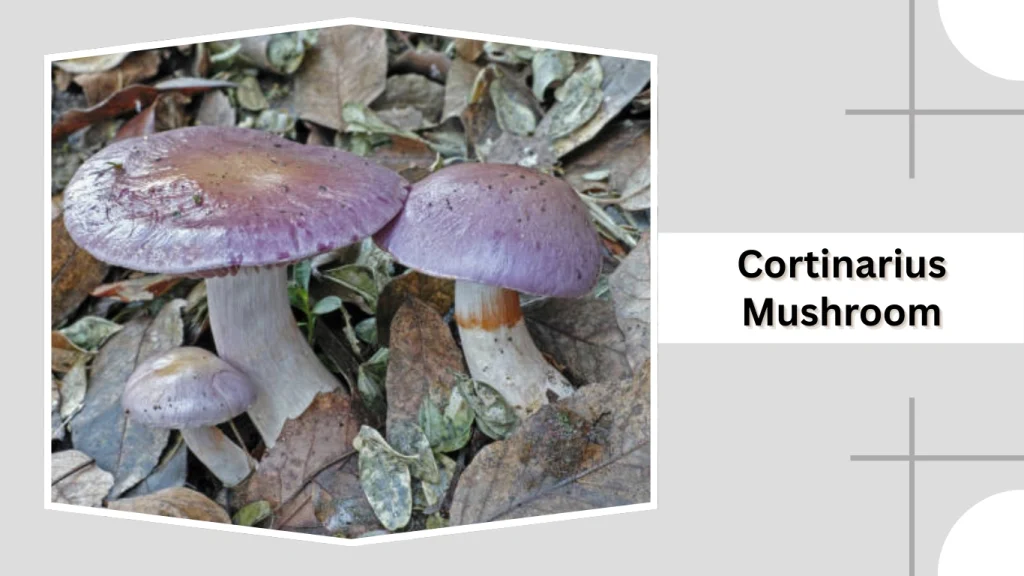
Cortinarius mushrooms are a large and diverse group of brown mushrooms, known for their web-like veil (cortina) covering the gills when young. Some species are edible, while others are toxic, so proper identification is crucial. They are appreciated for their earthy, nutty flavor in cooking.
Identification
- Cap: Brown, convex to flat, 3–15 cm in diameter, often with a fibrous or scaly surface
- Gills: Rusty-brown to orange-brown, covered with a cortina when young
- Stem: Fibrous, light brown to tan, sometimes with remnants of the veil
- Spore Print: Rusty-brown
- Texture: Firm, slightly fibrous
Habitat
Cortinarius mushrooms grow in forests, often forming mycorrhizal relationships with trees such as pines, oaks, and birches. They are found in temperate regions worldwide, especially during late summer and autumn.
Culinary Uses
Edible species of Cortinarius can be sautéed, roasted, or added to soups and stews. Extreme caution is needed, as many species are toxic. Proper identification by an expert is essential before consumption.
Nutritional Value
Edible Cortinarius mushrooms provide protein, dietary fiber, B vitamins, and minerals like potassium. They are low in calories and fat and offer antioxidants that support overall health, but caution is essential due to toxicity risks.
FAQs
What is the difference between cremini and baby Bella mushrooms?
Cremini and baby Bella mushrooms are essentially the same species at different maturity stages. Creminis are slightly younger with a smaller cap and lighter flavor, while baby Bellas are more mature, darker brown, and have a richer, earthier taste.
Are all brown mushrooms edible?
No, not all brown mushrooms are safe to eat. Some, like certain Cortinarius species, are toxic. Proper identification is essential before consumption, and foragers should rely on experienced guidance or cultivated varieties.
How should brown mushrooms be stored?
Brown mushrooms should be stored in a paper bag in the refrigerator to absorb moisture and prevent sogginess. Avoid plastic bags, which can trap moisture and cause spoilage. Use them within 5–7 days for best freshness.
Can brown mushrooms be eaten raw?
Some brown mushrooms, like cremini and baby Bella, can be eaten raw in salads, but others, such as honey mushrooms and maitake, should be cooked to enhance flavor and remove mild toxins. Cooking also improves digestibility.
What nutritional benefits do brown mushrooms provide?
Brown mushrooms are low in calories and fat while providing protein, dietary fiber, B vitamins, potassium, and antioxidants. They support immune health, digestion, heart health, and overall wellness, making them a nutritious addition to any diet.