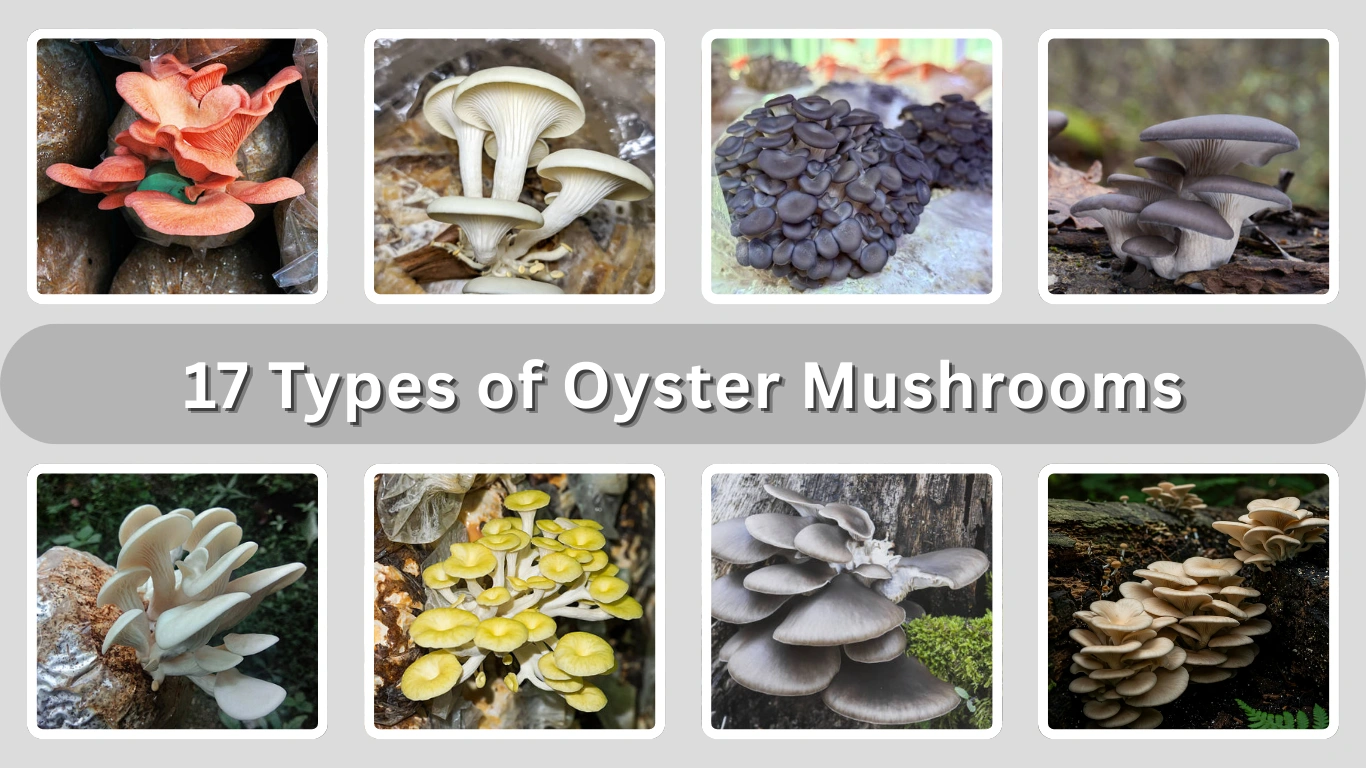






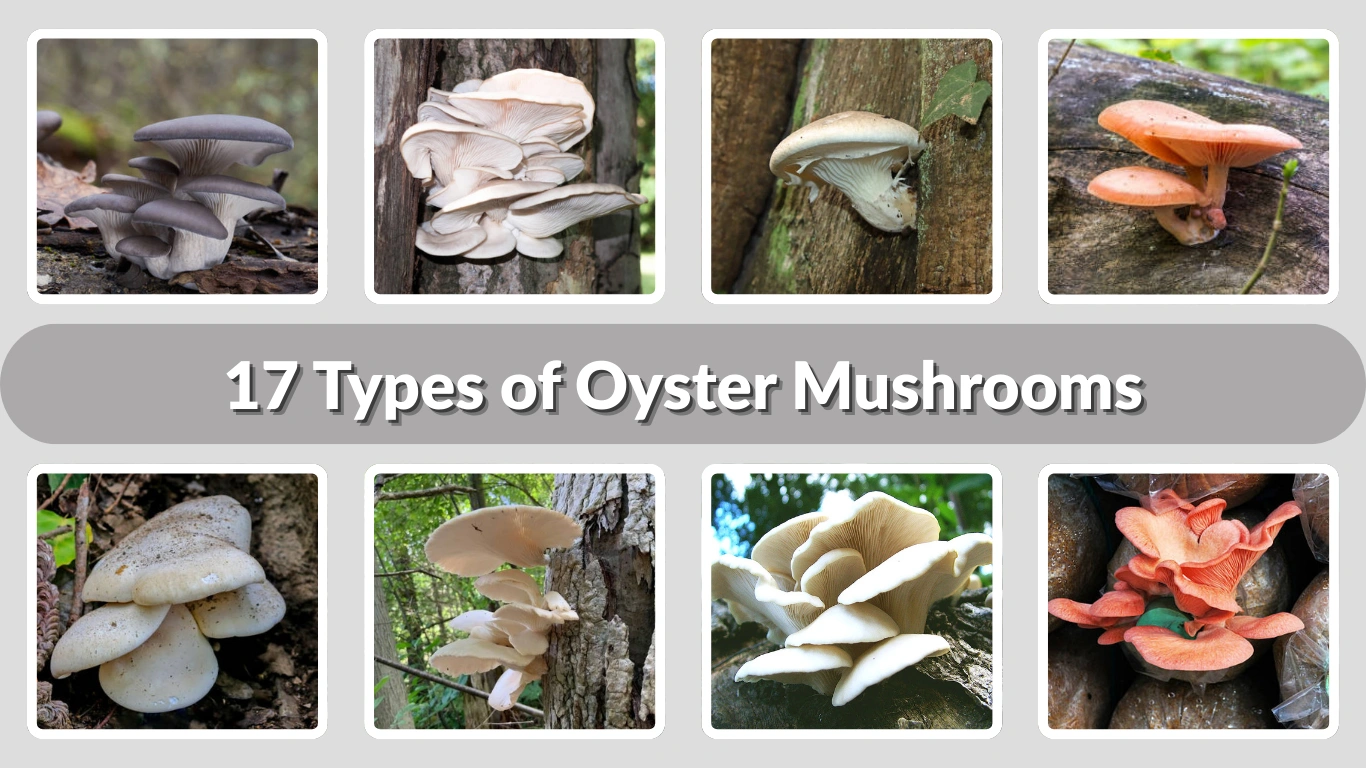
Oyster mushrooms are among the most popular and widely cultivated edible fungi, known for their delicate flavor, tender texture, and nutritional value. They grow on decaying hardwoods or organic substrates and come in a variety of colors, shapes, and sizes. From the common gray Oyster to vibrant Pink and Golden varieties, these mushrooms are versatile in cooking and offer numerous health benefits, making them a favorite choice for chefs, home cooks, and mushroom enthusiasts alike.
1. Pleurotus ostreatus (Common Oyster)

The Common Oyster Mushroom, scientifically known as Pleurotus ostreatus, is one of the most widely cultivated and consumed edible mushrooms in the world. Known for its delicate flavor and meaty texture, it grows naturally on decaying hardwood trees and logs. It is popular in both home kitchens and commercial farms due to its rapid growth, adaptability, and high nutritional value, including protein, vitamins, and minerals.
Identification
- Cap: Fan-shaped or oyster-like, 5–25 cm wide, gray to brown.
- Gills: White to cream, decurrent (running down the stem).
- Stem: Short or absent, off-center, white to pale gray.
- Spore Print: White to lilac-gray.
Habitat
Common Oyster Mushrooms grow on dead or dying hardwood trees like oak, beech, and maple. They are also found on fallen logs, stumps, and sometimes on straw in cultivated settings. They thrive in cool, moist environments and can appear in clusters.
Culinary Uses
This mushroom is widely used in soups, stir-fries, and sautés. Its tender texture makes it ideal for vegetarian dishes as a meat substitute. It can also be grilled, roasted, or added to sauces for enhanced flavor.
Nutritional Benefits
Pleurotus ostreatus is rich in protein, fiber, and essential vitamins like B-complex and D. It also contains antioxidants and compounds that support heart health and immune function, making it a nutritious addition to any diet.
2. Pleurotus pulmonarius (Phoenix Oyster)

The Phoenix Oyster, or Pleurotus pulmonarius, is a popular edible mushroom closely related to the Common Oyster. It is known for its slightly sweeter flavor and lighter-colored cap, often ranging from pale cream to light brown. This species is highly adaptable, growing in warmer climates and thriving on a variety of hardwoods. Its fast growth and tender texture make it a favorite among both commercial growers and home cultivators.
Identification
- Cap: Fan-shaped, 5–20 cm wide, pale cream to light brown.
- Gills: White to cream, decurrent, closely spaced.
- Stem: Short, off-center, white to cream, sometimes absent.
- Spore Print: White to pale lilac-gray.
Habitat
Phoenix Oysters grow on dead or decaying hardwood logs and stumps. They prefer warmer environments compared to Pleurotus ostreatus and can also be cultivated on straw or sawdust substrates. They typically appear in clusters and can produce multiple flushes.
Culinary Uses
This mushroom is versatile in cooking, suitable for stir-fries, soups, and sautés. Its mild, slightly sweet taste pairs well with pasta, rice, and vegetable dishes. It can also be grilled or roasted to enhance its flavor.
Nutritional Benefits
Pleurotus pulmonarius is rich in protein, dietary fiber, and vitamins B and D. It also contains antioxidants and compounds that help support the immune system, making it a healthy choice for regular consumption.
3. Pleurotus eryngii (King Oyster)

The King Oyster Mushroom, Pleurotus eryngii, is the largest species in the oyster mushroom family. Known for its thick, meaty stem and small cap, it has a robust texture and mild, nutty flavor. It is highly prized in culinary dishes for its ability to retain firmness during cooking, making it perfect for grilling, roasting, or stir-frying. King Oysters are native to the Mediterranean region but are now widely cultivated globally.
Identification
- Cap: Small to medium, 5–12 cm, brown to tan, convex shape.
- Gills: White to cream, decurrent, widely spaced.
- Stem: Thick, cylindrical, 8–20 cm long, white or pale cream.
- Spore Print: White to pale pinkish-gray.
Habitat
King Oyster Mushrooms grow naturally on roots of herbaceous plants and occasionally on decayed hardwood. They thrive in temperate climates and are commonly cultivated on sawdust or straw substrates. Their sturdy structure allows multiple flushes under proper growing conditions.
Culinary Uses
The thick stem makes King Oysters ideal for slicing and grilling, roasting, or pan-frying. Their firm texture makes them a popular meat substitute in vegetarian dishes. They can also absorb sauces and marinades well, enhancing their flavor.
Nutritional Benefits
Pleurotus eryngii is rich in protein, fiber, and B vitamins. It also contains antioxidants and ergothioneine, which support immunity and overall health. Its low-calorie content makes it suitable for healthy diets.
4. Pleurotus citrinopileatus (Golden Oyster)

The Golden Oyster Mushroom, Pleurotus citrinopileatus, is a visually striking edible mushroom with bright yellow caps. It is appreciated for its delicate texture, mild nutty flavor, and rapid growth, making it a favorite among home growers and chefs. Golden Oysters are highly versatile in the kitchen and are often used to add color and texture to various dishes.
Identification
- Cap: Bright yellow, 3–10 cm wide, fan-shaped, slightly wavy edges.
- Gills: Whitish to pale yellow, decurrent, closely spaced.
- Stem: Thin, white to pale yellow, 2–6 cm long.
- Spore Print: White to pale cream.
Habitat
Golden Oyster Mushrooms grow on decaying hardwood logs, sawdust, and straw. They prefer warm, humid environments and are more delicate than other oyster species, making them ideal for controlled cultivation. They grow in clusters and produce multiple flushes.
Culinary Uses
Golden Oysters are perfect for stir-fries, sautés, soups, and garnishes due to their tender texture and vibrant color. They cook quickly and pair well with garlic, soy sauce, and light sauces, adding both flavor and visual appeal.
Nutritional Benefits
Pleurotus citrinopileatus is rich in protein, fiber, vitamins B and D, and antioxidants. It also contains compounds that support heart health and immunity. Its low-calorie content makes it ideal for healthy and gourmet meals.
5. Pleurotus cornucopiae (Branching Oyster)

The Branching Oyster Mushroom, Pleurotus cornucopiae, is an edible species known for its elegant, branching fruiting bodies. It has a delicate flavor and a slightly chewy texture, making it a favorite for culinary uses. This mushroom is widely cultivated and can adapt to a variety of substrates, making it popular among both commercial growers and home cultivators.
Identification
- Cap: Fan-shaped to slightly convex, 5–15 cm wide, pale brown to cream.
- Gills: White to cream, decurrent, fine and closely spaced.
- Stem: Short, off-center, sometimes branching, white to cream.
- Spore Print: White to pale lilac-gray.
Habitat
Branching Oysters grow on decaying hardwood logs, stumps, and occasionally on straw. They prefer temperate climates and thrive in moist, shaded environments. Cultivated forms are often grown on sawdust, wood chips, or straw.
Culinary Uses
Pleurotus cornucopiae is versatile in cooking and works well in soups, stir-fries, sautés, and pasta dishes. Its tender texture holds up well when lightly cooked, and it can absorb sauces and seasonings effectively.
Nutritional Benefits
This mushroom is high in protein, dietary fiber, B vitamins, and antioxidants. It contains compounds that support immune health and cardiovascular function, making it a nutritious addition to any diet.
6. Pleurotus sapidus (Tropical Oyster)

The Tropical Oyster Mushroom, Pleurotus sapidus, is a fast-growing edible species native to tropical and subtropical regions. It is prized for its tender texture and mild, slightly sweet flavor. This species adapts well to warm climates and is cultivated on a variety of organic substrates, including hardwood, straw, and agricultural waste, making it an ideal mushroom for tropical growers.
Identification
- Cap: Fan-shaped to slightly convex, 5–12 cm wide, gray to brown.
- Gills: White to cream, decurrent, closely spaced.
- Stem: Short, off-center, pale cream to white.
- Spore Print: White to pale lilac-gray.
Habitat
Tropical Oysters thrive on decaying hardwood logs, tree stumps, and sometimes on agricultural by-products. They prefer warm, humid conditions and can produce multiple flushes quickly under cultivation. In the wild, they are often found in shaded forest areas.
Culinary Uses
Pleurotus sapidus is suitable for stir-fries, soups, sautés, and curries. Its tender, delicate texture allows it to cook quickly, absorbing flavors from seasonings and sauces. It can also be grilled or roasted for enhanced taste.
Nutritional Benefits
This mushroom is rich in protein, fiber, B vitamins, and antioxidants. It contains compounds that support immunity, heart health, and overall wellness. Its low-calorie content makes it an excellent choice for nutritious meals.
7. Pleurotus djamor (Pink Oyster)

The Pink Oyster Mushroom, Pleurotus djamor, is a strikingly colorful edible mushroom known for its vibrant pink caps. It grows rapidly and thrives in warm, humid environments, making it ideal for tropical cultivation. Despite its delicate appearance, it has a slightly firm texture and a mild, slightly seafood-like flavor, making it popular in gourmet dishes.
Identification
- Cap: Bright pink, 3–10 cm wide, fan-shaped, wavy edges.
- Gills: White to pale pink, decurrent, closely spaced.
- Stem: Thin, short, pink to pale cream, sometimes absent.
- Spore Print: White to pale pink.
Habitat
Pink Oysters grow on decaying hardwood logs, straw, or sawdust. They prefer warm, humid conditions and appear in clusters. In the wild, they are often found on dead wood in tropical forests, and they flourish quickly under controlled cultivation.
Culinary Uses
Pleurotus djamor is excellent for stir-fries, sautés, soups, and as a colorful garnish. Its tender texture cooks quickly, and the vibrant pink hue adds visual appeal to dishes. It pairs well with garlic, olive oil, and light sauces.
Nutritional Benefits
This mushroom is rich in protein, fiber, B vitamins, and antioxidants. It supports immune health and contains compounds that may help reduce cholesterol levels. Its low-calorie content makes it a nutritious addition to a balanced diet.
8. Pleurotus florida (Florida Oyster)

The Florida Oyster Mushroom, Pleurotus florida, is an edible species known for its adaptability to warmer climates. It features a delicate flavor and tender texture, making it popular in culinary dishes. This species grows naturally on decaying hardwood but can also be cultivated on straw and sawdust, allowing for efficient commercial production in subtropical regions.
Identification
- Cap: Fan-shaped, 5–15 cm wide, cream to light brown.
- Gills: White to pale cream, decurrent, closely spaced.
- Stem: Short, off-center, white to pale cream, sometimes absent.
- Spore Print: White to lilac-gray.
Habitat
Florida Oysters thrive on dead or decaying hardwood logs, stumps, and occasionally on agricultural residues. They prefer warm and humid conditions, often forming clusters in shaded forested areas. Cultivation on straw or sawdust ensures multiple flushes of mushrooms.
Culinary Uses
Pleurotus florida is versatile in cooking, suitable for stir-fries, soups, sautés, and pasta dishes. Its tender texture allows quick cooking, and it absorbs sauces and seasonings well, making it a popular ingredient in both home and restaurant kitchens.
Nutritional Benefits
This mushroom is rich in protein, fiber, B vitamins, and antioxidants. It supports immunity, cardiovascular health, and overall wellness. Its low-calorie and nutrient-dense profile makes it an excellent choice for healthy meals.
9. Pleurotus populinus (Aspen Oyster)

The Aspen Oyster Mushroom, Pleurotus populinus, is an edible species primarily found in North America, particularly on aspen and poplar trees. It has a delicate, slightly sweet flavor and tender texture, making it suitable for a variety of culinary uses. This mushroom is known for its preference for cooler climates and its ability to grow on living or dead hardwoods.
Identification
- Cap: Fan-shaped, 5–12 cm wide, pale cream to light brown.
- Gills: White to cream, decurrent, closely spaced.
- Stem: Short, off-center, white to pale cream.
- Spore Print: White to lilac-gray.
Habitat
Aspen Oysters grow on dead or dying aspen and poplar trees, often in shaded, moist forest environments. They thrive in cooler climates and can occasionally appear on other hardwoods. Cultivation is possible on sawdust or wood-based substrates.
Culinary Uses
Pleurotus populinus is versatile in cooking and works well in stir-fries, soups, sautés, and pasta dishes. Its tender texture allows for quick cooking, and it absorbs flavors from sauces and seasonings, making it a flavorful addition to meals.
Nutritional Benefits
This mushroom is rich in protein, fiber, B vitamins, and antioxidants. It contains compounds that support immunity and cardiovascular health, making it a nutritious choice for a balanced diet.
10. Pleurotus nebrodensis (Nebrodi Oyster)

The Nebrodi Oyster Mushroom, Pleurotus nebrodensis, is a rare and highly prized edible species native to Sicily, Italy. It is known for its large, thick, and fleshy fruiting bodies, with a delicate flavor and firm texture. Due to its rarity, it is considered a gourmet mushroom and is sought after by chefs and mushroom enthusiasts.
Identification
- Cap: Large, 10–25 cm wide, convex to flat, creamy white to pale brown.
- Gills: White to cream, decurrent, widely spaced.
- Stem: Thick, cylindrical, white, 5–15 cm long.
- Spore Print: White to pale lilac-gray.
Habitat
Nebrodi Oysters grow naturally on decaying hardwood, especially beech and oak, in shaded and humid areas. They prefer temperate climates and are typically found in mountainous regions. Cultivation is limited due to their specific growth requirements.
Culinary Uses
Pleurotus nebrodensis is ideal for grilling, roasting, sautés, and soups. Its firm texture allows it to hold up well during cooking, and it pairs beautifully with butter, olive oil, and mild seasonings. It is often featured in gourmet dishes.
Nutritional Benefits
This mushroom is rich in protein, fiber, vitamins B and D, and antioxidants. Its compounds may support immune function and cardiovascular health. Due to its nutrient density and unique flavor, it is both a culinary and healthful delicacy.
11. Pleurotus cystidiosus (Abalone Mushroom)

The Abalone Mushroom, Pleurotus cystidiosus, is an edible species known for its delicate flavor and slightly chewy texture. Its name comes from the resemblance of its cap to abalone shells. It grows on hardwoods and is popular among home cultivators for its attractive appearance and culinary versatility.
Identification
- Cap: Fan-shaped to shell-like, 5–15 cm wide, gray to brown with a slightly iridescent sheen.
- Gills: White to cream, decurrent, closely spaced.
- Stem: Short, off-center, white to pale cream.
- Spore Print: White to lilac-gray.
Habitat
Abalone Oysters grow on decaying hardwood logs, stumps, and occasionally on living trees. They prefer cool, moist environments and can be cultivated on sawdust, straw, or wood chip substrates. They often grow in clusters and produce multiple flushes.
Culinary Uses
Pleurotus cystidiosus is ideal for stir-fries, soups, sautés, and pasta dishes. Its tender texture allows quick cooking, and it absorbs sauces and seasonings well. Its unique shell-like appearance adds a visual appeal to dishes.
Nutritional Benefits
This mushroom is high in protein, fiber, B vitamins, and antioxidants. It supports immunity and overall health, making it a nutritious addition to any diet.
12. Pleurotus tuber-regium (King Tuber Oyster)

The King Tuber Oyster Mushroom, Pleurotus tuber-regium, is an edible species native to tropical Africa. It is unique for its ability to form large, tuber-like sclerotia underground, which store nutrients and allow the mushroom to survive dry seasons. Its firm texture and mild flavor make it suitable for a variety of culinary applications, and it is also valued for its medicinal properties.
Identification
- Cap: Fan-shaped to convex, 5–15 cm wide, gray to brown.
- Gills: White to cream, decurrent, closely spaced.
- Stem: Thick, off-center, white to cream, sometimes connecting to underground tubers.
- Spore Print: White to pale lilac-gray.
Habitat
King Tuber Oysters grow on decaying hardwood and nutrient-rich soils in tropical climates. The underground sclerotia help it survive dry periods. Cultivation can be done on sawdust, straw, or wood chips in warm, humid conditions.
Culinary Uses
Pleurotus tuber-regium is suitable for stir-fries, soups, and stews due to its firm texture. It can also be sliced and grilled or roasted, maintaining its shape and absorbing seasonings well.
Nutritional Benefits
This mushroom is rich in protein, dietary fiber, vitamins, and antioxidants. The sclerotia also contains bioactive compounds that may support immune function and overall health, making it both nutritious and medicinal.
13. Pleurotus salmoneostramineus (Salmon Oyster)

The Salmon Oyster Mushroom, Pleurotus salmoneostramineus, is an edible species known for its unique salmon-pink caps and delicate texture. It grows on decaying hardwoods and is prized for its mild, slightly sweet flavor. Its striking color and tender consistency make it a popular choice in gourmet cooking and home cultivation.
Identification
- Cap: Salmon-pink to light orange, 4–10 cm wide, fan-shaped with wavy edges.
- Gills: White to pale pink, decurrent, closely spaced.
- Stem: Short, off-center, white to pale pink, sometimes absent.
- Spore Print: White to pale pink.
Habitat
Salmon Oysters grow on decaying hardwood logs and stumps in tropical and subtropical regions. They prefer warm, humid environments and often grow in clusters. They can also be cultivated on straw or sawdust substrates for home or commercial production.
Culinary Uses
Pleurotus salmoneostramineus is perfect for stir-fries, sautés, soups, and pasta dishes. Its tender texture allows for quick cooking, and its vibrant color adds visual appeal to culinary creations. It pairs well with light sauces, garlic, and olive oil.
Nutritional Benefits
This mushroom is rich in protein, dietary fiber, B vitamins, and antioxidants. It supports immune health, heart function, and overall wellness, making it a nutritious and visually appealing addition to meals.
14. Pleurotus pulmonarius var. ferulae

Pleurotus pulmonarius var. Ferulae is a variety of the Phoenix Oyster Mushroom, adapted to grow on specific plants like Ferula species. It is an edible mushroom with a tender texture and mild, nutty flavor, suitable for a range of culinary applications. Its adaptability and fast growth make it valuable for both wild foraging and controlled cultivation.
Identification
- Cap: Fan-shaped, 5–15 cm wide, pale cream to light brown.
- Gills: White to cream, decurrent, closely spaced.
- Stem: Short, off-center, white to pale cream, sometimes absent.
- Spore Print: White to pale lilac-gray.
Habitat
This variety grows on decaying stems of Ferula plants and occasionally on other hardwood substrates. It prefers warm, humid environments and is often found in clusters. Cultivation can be done on sawdust or straw, similar to other Phoenix Oyster Mushrooms.
Culinary Uses
Pleurotus pulmonarius var. ferulae is versatile in cooking, ideal for stir-fries, soups, sautés, and pasta dishes. Its tender texture allows quick cooking, and it absorbs sauces and seasonings well, making it flavorful and easy to prepare.
Nutritional Benefits
This mushroom is high in protein, fiber, B vitamins, and antioxidants. It supports immunity, heart health, and overall wellness, making it a nutritious addition to a balanced diet.
15. Pleurotus sapidus var. columbinus

Pleurotus sapidus var. columbinus is a variety of the Tropical Oyster Mushroom, known for its adaptability to warmer climates and slightly firmer texture compared to other oyster mushrooms. It has a mild, nutty flavor and is suitable for a wide range of culinary applications, from home kitchens to commercial cultivation.
Identification
- Cap: Fan-shaped, 5–12 cm wide, gray to brown.
- Gills: White to cream, decurrent, closely spaced.
- Stem: Short, off-center, pale cream to white.
- Spore Print: White to pale lilac-gray.
Habitat
This variety grows on decaying hardwood logs, stumps, and nutrient-rich organic substrates. It thrives in tropical and subtropical climates and can be cultivated on sawdust, straw, or wood chips. It often grows in clusters and produces multiple flushes.
Culinary Uses
Pleurotus sapidus var. columbinus is ideal for stir-fries, soups, sautés, and stews. Its firm texture allows it to hold up during cooking, while it readily absorbs seasonings, making it flavorful and versatile in many dishes.
Nutritional Benefits
This mushroom is rich in protein, fiber, B vitamins, and antioxidants. It supports immune health, cardiovascular function, and overall wellness, making it a nutritious addition to a healthy diet.
16. Pleurotus ostreatus var. columbinus

Pleurotus ostreatus var. columbinus is a cold-tolerant variety of the Common Oyster Mushroom. It is prized for its delicate flavor, tender texture, and adaptability to cooler growing conditions. This variety is often cultivated in temperate regions and is highly valued both for culinary uses and commercial production.
Identification
- Cap: Fan-shaped, 5–20 cm wide, gray to slate blue.
- Gills: White to cream, decurrent, closely spaced.
- Stem: Short, off-center, white to pale gray, sometimes absent.
- Spore Print: White to pale lilac-gray.
Habitat
This variety grows on decaying hardwood logs, stumps, and occasionally on agricultural substrates. It prefers cool, moist environments and can survive lower temperatures compared to other oyster mushrooms. Clusters are common in both wild and cultivated settings.
Culinary Uses
Pleurotus ostreatus var. columbinus is versatile for stir-fries, sautés, soups, and pasta dishes. Its tender texture allows for quick cooking, and it readily absorbs sauces and seasonings, making it ideal for a variety of recipes.
Nutritional Benefits
This mushroom is rich in protein, dietary fiber, B vitamins, and antioxidants. It supports immunity, heart health, and overall wellness, making it a nutritious choice for daily consumption.
17. Pleurotus ostreatus var. florida

Pleurotus ostreatus var. florida is a cultivated variety of the Common Oyster Mushroom, adapted for warmer and subtropical climates. It is edible, with a delicate, slightly sweet flavor and tender texture. This variety is popular in commercial cultivation due to its rapid growth and high yield, making it ideal for both small-scale and large-scale mushroom farming.
Identification
- Cap: Fan-shaped, 5–15 cm wide, cream to light brown.
- Gills: White to cream, decurrent, closely spaced.
- Stem: Short, off-center, white to pale cream, sometimes absent.
- Spore Print: White to lilac-gray.
Habitat
Florida Oysters grow on decaying hardwood logs, stumps, and occasionally on straw or sawdust substrates in controlled cultivation. They prefer warm, humid environments and form clusters. Multiple flushes are common under ideal conditions.
Culinary Uses
Pleurotus ostreatus var. florida is versatile in cooking, suitable for stir-fries, soups, sautés, and pasta dishes. Its tender texture allows for quick cooking, and it absorbs flavors from sauces and seasonings, enhancing the taste of any dish.
Nutritional Benefits
This mushroom is rich in protein, dietary fiber, B vitamins, and antioxidants. It supports immune function, cardiovascular health, and overall wellness, making it a nutritious and flavorful addition to meals.
FAQs
What is the easiest oyster mushroom to grow at home?
The Common Oyster Mushroom (Pleurotus ostreatus) is considered the easiest to grow at home due to its adaptability to a wide range of substrates, rapid growth, and tolerance to varying temperatures. It can be cultivated on straw, sawdust, or logs, making it ideal for beginners.
Are oyster mushrooms nutritious?
Yes, oyster mushrooms are highly nutritious. They are rich in protein, dietary fiber, B vitamins, vitamin D, and antioxidants. They support immunity, heart health, and overall wellness, making them a healthy addition to any diet.
Which oyster mushroom has the most striking appearance?
The Pink Oyster (Pleurotus djamor) and Golden Oyster (Pleurotus citrinopileatus) are the most visually striking due to their vibrant pink and yellow caps, respectively. These mushrooms are often used to add color and visual appeal to dishes.
Can all oyster mushrooms be eaten raw?
While some oyster mushrooms can be eaten raw, it is generally recommended to cook them. Cooking enhances their flavor, improves digestibility, and eliminates any potential microbial contaminants. Stir-frying, sautéing, and roasting are common methods.
What is the difference between King Oyster and Common Oyster mushrooms?
King Oyster (Pleurotus eryngii) has a thick, meaty stem and small cap, giving it a firm texture suitable for grilling and roasting. Common Oyster (Pleurotus ostreatus) has a thinner cap and softer texture, making it ideal for stir-fries, soups, and quick-cooking dishes.