

Palm trees are a symbol of tropical beauty, and in Florida, they’re everywhere — from sunny beaches to city streets and even backyard gardens. Thanks to the state’s warm and humid climate, many species of palms thrive here naturally.
Whether you’re planning to add a palm to your yard or just curious about the different types you see around Florida, this guide will walk you through 10 popular palm trees. Each one is unique in look, size, and care needs.
Let’s start with Florida’s official state tree — the Sabal Palm.
1. Sabal Palm Tree

The Sabal Palm, also known as the Cabbage Palm, is Florida’s state tree — and for good reason. It’s incredibly hardy, drought-tolerant, and can survive both salt and cold. You’ll often see it lining roads, growing wild in nature preserves, or planted in residential landscapes.
This palm can grow up to 65 feet tall, with fan-shaped fronds that stay green year-round. Its trunk has a rough texture, often showing the marks of old leaf bases.
One of the reasons it’s so loved in Florida is that it requires very little care once established. It thrives in full sun or partial shade, and it doesn’t mind sandy or poor soil — perfect for coastal areas.
The Sabal Palm is also home to birds and insects, making it a great native choice for eco-friendly landscaping.
2. Coconut Palm Tree
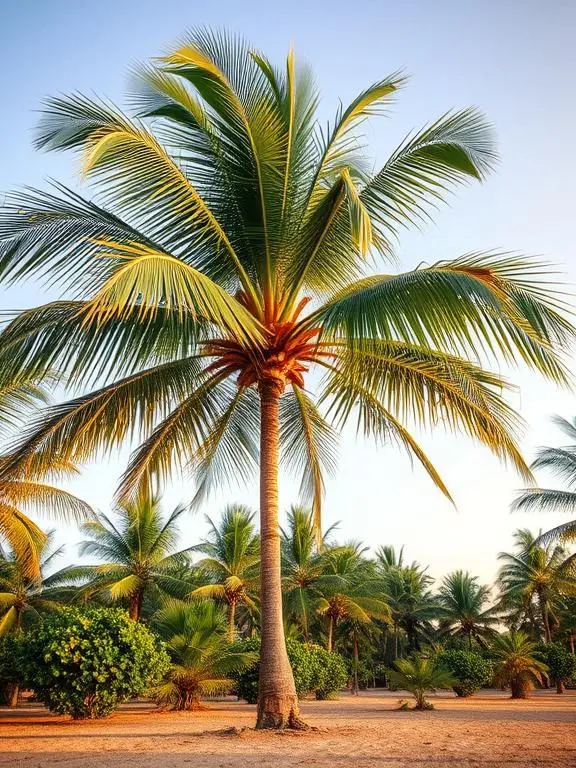
The Coconut Palm is the classic tropical palm most people imagine when they think of Florida beaches. With its tall, curved trunk and large, feather-like fronds, it’s an iconic feature in coastal areas.
This palm can reach up to 80–100 feet tall and produces real coconuts — though not all trees fruit equally. It needs full sun and well-draining soil, and it’s happiest close to the ocean where humidity is high.
Coconut Palms are sensitive to cold, so they grow best in South Florida. They also need regular watering when young, but once mature, they’re fairly drought-tolerant.
If you’re planting one in your yard, give it space — coconuts can fall, and the trees grow large!
3. Royal Palm Tree

The Royal Palm lives up to its name with a straight, smooth trunk and a crown of lush, green fronds. It’s often seen lining boulevards or enhancing large landscapes with a touch of elegance.
It can grow between 50–80 feet tall, with a thick, light gray trunk that stands out from other palms. At the top, a green crownshaft holds the fronds, adding to its stately look.
Royal Palms prefer moist, well-draining soil and full sun, but they also tolerate short periods of cold, making them suitable for both Central and South Florida.
They don’t need much pruning, but they do benefit from occasional fertilization to keep the fronds green and healthy.
4. Areca Palm Tree
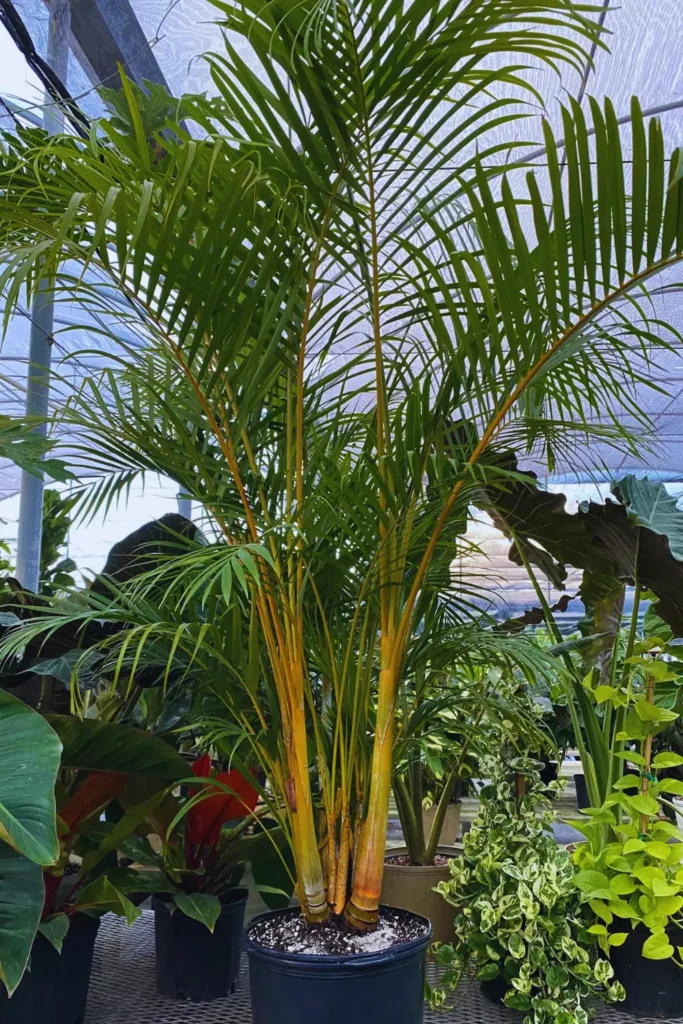
Also called the Butterfly Palm or Golden Cane Palm, the Areca Palm is a favorite for home gardens because of its manageable size and attractive clumping form.
It grows 10–20 feet tall, making it perfect for hedges, privacy screens, or even indoor pots. The fronds arch gracefully, and the stems have a yellowish tint — especially noticeable in bright sunlight.
Areca Palms love filtered light or partial shade, and they grow best in moist, well-draining soil. Though they can handle some drought once mature, regular watering helps them stay lush.
They’re not salt-tolerant, so they’re better suited for inland areas rather than near the coast.
5. Bismarck Palm (Bismarckia nobilis)
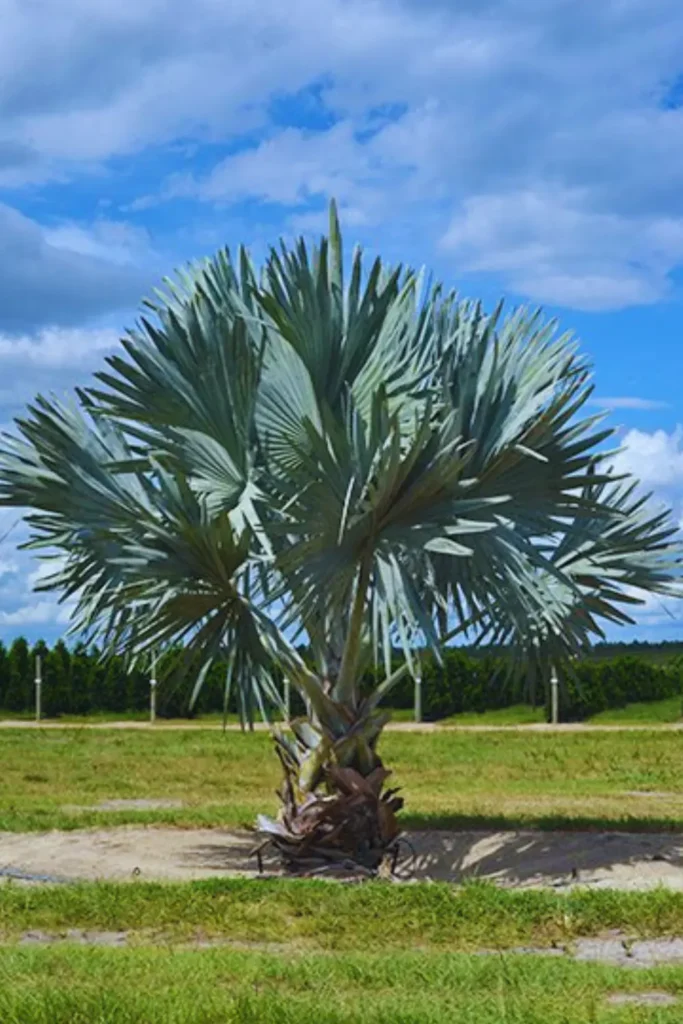
The Bismarck Palm makes a bold statement in any landscape. Native to Madagascar, this palm features large, silvery-blue fan-shaped fronds that can span over 10 feet wide.
It grows slowly but can reach up to 30–50 feet tall, with a thick trunk and a symmetrical canopy. Its unique color makes it stand out in any yard or garden.
Bismarck Palms prefer full sun and well-drained soil. They’re quite drought-tolerant once established and do well in Central and South Florida.
Because of their massive size, it’s best to plant them in open areas where they have room to spread without crowding other plants or buildings.
6. Foxtail Palm Tree

The Foxtail Palm gets its name from the bushy, foxtail-like appearance of its fronds. It’s one of the most elegant palms for Florida gardens and is growing in popularity due to its beauty and hardiness.
This palm grows up to 30 feet tall, with a smooth, light-gray trunk and a self-cleaning habit — meaning dead fronds fall off naturally without much pruning.
Foxtail Palms do well in full sun and well-drained soil. They’re moderately drought-tolerant and can handle some cold, making them great for Central and South Florida.
They work beautifully as single specimens or planted in rows for a striking landscape feature.
7. Queen Palm Tree

The Queen Palm is a graceful, fast-growing palm often used in residential and commercial landscapes. It has long, arching fronds that create a soft, elegant look — perfect for lining driveways or walkways.
This palm can grow up to 40–50 feet tall and produces small, orange dates that attract birds. The trunk is smooth and straight, and the canopy stays full with regular care.
Queen Palms prefer full sun and moist, well-draining soil. They grow best in Central and South Florida but are a bit sensitive to cold snaps and nutrient deficiencies, especially magnesium.
A balanced fertilizer helps maintain healthy green fronds and prevent yellowing.
8. Date Palm Tree
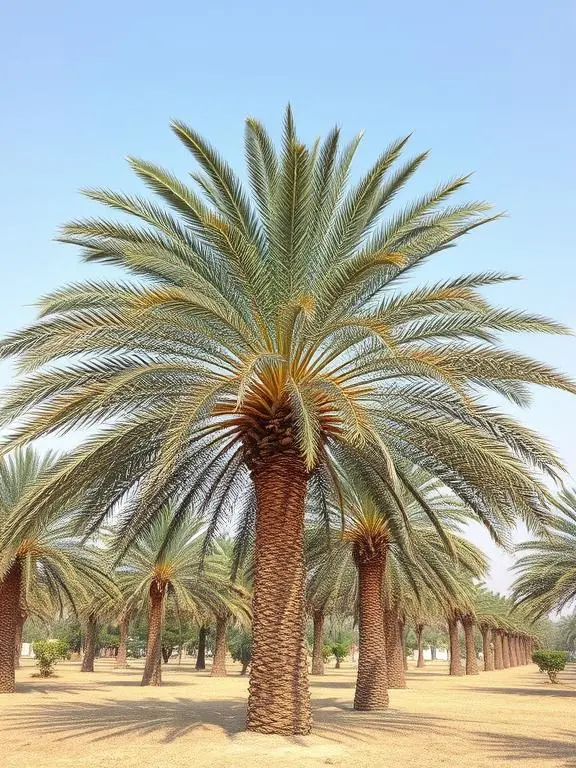
Known for its edible fruit, the Date Palm adds a majestic touch to Florida landscapes. It’s tall, durable, and drought-resistant, making it ideal for sunny, dry spots.
This palm can grow up to 75 feet tall, with a thick trunk and large feather-like fronds. It requires full sun and well-drained soil, and once established, it’s very low maintenance.
Though Date Palms are grown mostly for decorative purposes in Florida, some varieties can still produce sweet, edible dates in the right conditions.
They’re best suited for South Florida due to their heat-loving nature.
9. Paurotis Palm Tree
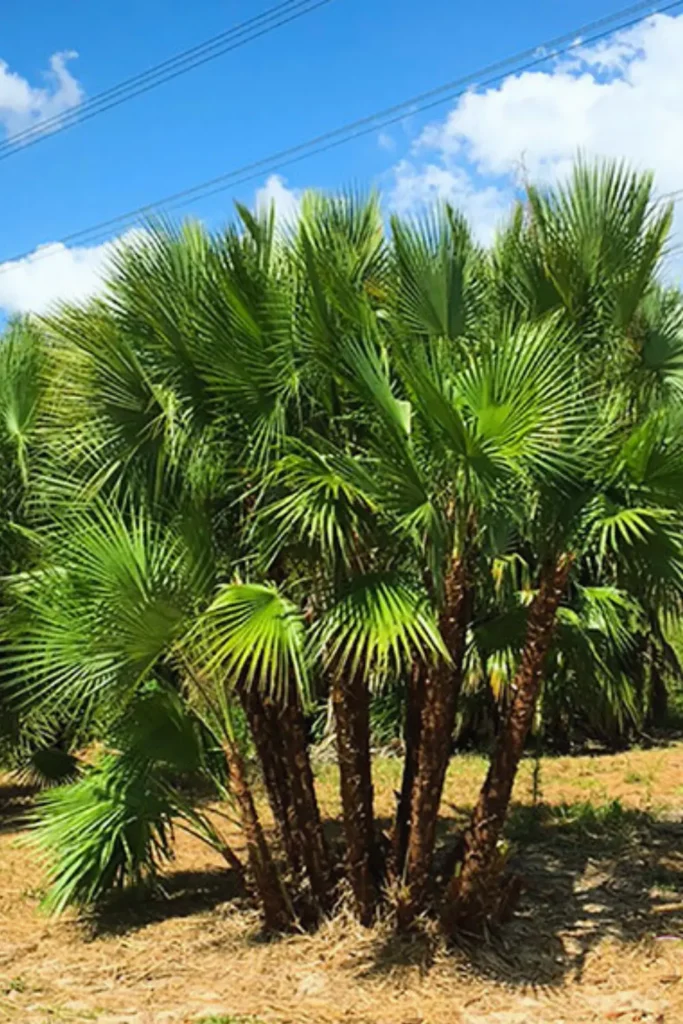
Also called the Everglades Palm, the Paurotis Palm is a native Florida species that thrives in wetlands and natural landscapes. It’s perfect for eco-conscious gardeners looking to support native wildlife.
This palm grows in clumps and can reach 20–30 feet tall. It has fan-shaped fronds with sharp teeth along the stems, so it’s best planted away from walkways.
Paurotis Palms grow well in wet or moist soils, and they tolerate full sun to partial shade. They’re also salt-tolerant, making them a good option for coastal areas.
This palm is protected in the wild, so only nursery-grown plants should be used for landscaping.
10. Pygmy Date Palm Tree

The Pygmy Date Palm is a compact and slow-growing palm perfect for small yards, patios, or even container gardening. It adds a tropical touch without taking up much space.
This palm usually grows to 6–12 feet tall, with soft, feathery fronds and a thin trunk. It can be planted as a single trunk or in clusters for a fuller look.
Pygmy Date Palms thrive in partial shade to full sun and prefer well-draining soil. They’re sensitive to cold but can grow throughout South and Central Florida with light protection.
Because of their size and gentle appearance, they’re a favorite choice around pools, garden beds, and entryways.
Tips for Choosing the Right Palm Tree in Florida
- Know your zone: South Florida supports more tropical palms, while Central and North Florida need cold-tolerant varieties.
- Check your space: Some palms grow very tall or wide — choose accordingly if you have a small yard or pool area.
- Think about maintenance: Some palms self-clean, while others need trimming and fertilizing.
- Coastal or inland? If you’re near the ocean, go for salt-tolerant palms like Coconut or Paurotis.
- Go native when possible: Native palms like the Sabal and Paurotis support local wildlife and adapt easily to Florida’s environment.
Conclusion
Florida is truly a paradise for palm lovers. From the towering Royal and Coconut Palms to the compact Pygmy Date Palm, there’s a perfect palm for every yard, style, and climate zone.
Whether you’re designing a tropical landscape or simply want a low-maintenance plant that thrives in the heat, these 10 palm trees offer something for everyone. Just remember to match the right palm with the right location — and give them space, sun, and a bit of care to thrive.