





Pink lily flowers are among the most admired ornamental blooms in gardens and floral arrangements worldwide. Known for their graceful shape, soft-to-bright pink tones, and often sweet fragrance, pink lilies symbolize admiration, prosperity, and gentle love. These flowers are commonly used in home gardens, wedding bouquets, and decorative landscapes. This guide explores pink lily identification, popular types, natural growing regions, and essential growing methods to help you understand and cultivate these beautiful flowers successfully.
What Is a Pink Lily Flower?
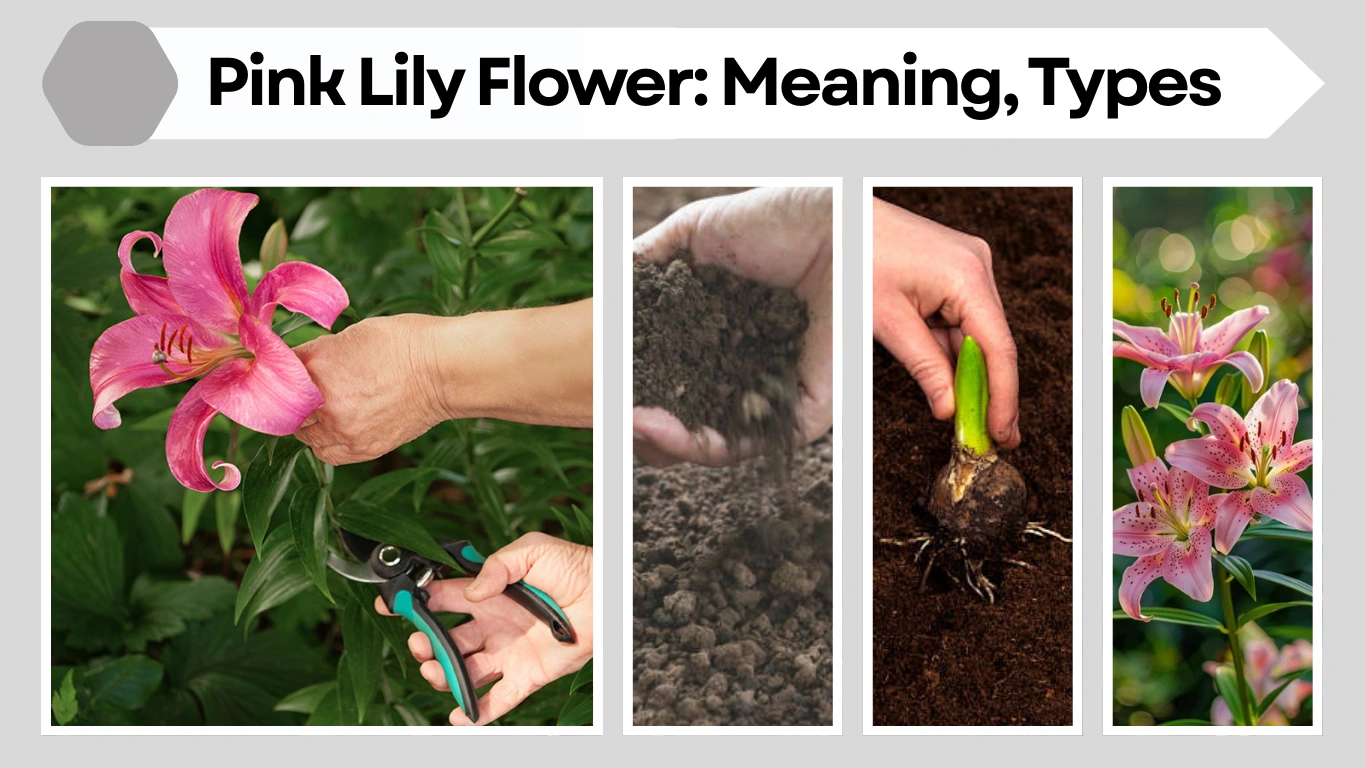
A pink lily flower refers to any lily variety within the genus Lilium that produces pink-toned blooms. Lilies grow from underground bulbs and are valued for their large, showy flowers, upright stems, and long vase life. Pink lilies range from pale blush shades to deep rose and magenta, sometimes combined with white edges, darker spots, or striped throats.
Pink lilies are especially popular because they balance beauty and symbolism. They are softer than red lilies yet more expressive than white ones, making them suitable for romantic occasions, celebrations, and peaceful garden designs. Depending on the variety, pink lilies may be strongly fragrant or lightly scented and can bloom from late spring through summer.
Pink Lily Flower Identification

- Large, trumpet-shaped or bowl-shaped flowers
- Petals often curved or reflexed backward
- Shades range from pale pink to deep rose
- Dark spots or stripes may appear on petals
- Strong, sweet fragrance in many varieties
- Long, narrow, glossy green leaves
- Upright, sturdy stems
- Average height between 1.5 and 6 feet
- Blooms in late spring to midsummer
- Grows from layered underground bulbs
Common Types of Pink Lily Flowers

Stargazer Pink Lily
The Stargazer lily is one of the most famous pink lily varieties in the world. It features deep pink petals edged in white, with dark speckles and prominent orange anthers. The flowers face upward, unlike many traditional lilies, making them visually striking in gardens and bouquets. Stargazer lilies are strongly fragrant and usually bloom in mid to late summer.
They grow well in sunny locations and are widely used in floral arrangements due to their bold color, large size, and long-lasting blooms.
Oriental Pink Lily
Oriental pink lilies are known for their enormous flowers, intense fragrance, and elegant appearance. They often display soft to bright pink petals with white margins and spotted centers. These lilies bloom later than Asiatic types, usually in midsummer.
Oriental lilies prefer slightly acidic, well-drained soil and are ideal for gardeners who want dramatic flowers with rich scent. Popular pink Oriental varieties include “Casa Blanca Pink,” “Muscadet,” and several Stargazer-type hybrids.
Asiatic Pink Lily
Asiatic pink lilies are among the easiest lilies to grow. They bloom earlier than Oriental lilies and produce upward-facing flowers in many shades of pink, from pastel to vibrant coral. Unlike Oriental lilies, most Asiatic pink lilies are lightly scented or fragrance-free.
They are highly valued for their strong stems, disease resistance, and suitability for containers and garden borders. Asiatic lilies are excellent choices for beginners because they adapt well to different climates and soil types.
Trumpet Pink Lily
Trumpet pink lilies produce long, tube-shaped flowers that flare at the tips, giving them a dramatic, elegant form. Their colors range from soft pink to rosy lavender, often with contrasting throats. These lilies can grow quite tall, sometimes exceeding five feet.
Trumpet lilies are usually fragrant and bloom in mid to late summer. Their height makes them excellent background plants in flower beds and striking focal points in landscape designs.
Where Pink Lilies Grow Naturally
True lilies are native mainly to the temperate regions of the Northern Hemisphere. Wild species originated across Asia, Europe, and North America, particularly in mountainous and forested regions. Many pink lily varieties grown today are cultivated hybrids developed from these wild ancestors.
Pink lilies thrive in climates with cool winters and warm summers. They naturally grow in meadows, woodland edges, and well-drained slopes where their bulbs remain cool while stems receive plenty of sunlight. In cultivation, pink lilies adapt well to gardens, raised beds, and large containers as long as drainage is good and sunlight is sufficient.
How to Grow Pink Lily Flowers

- Choose large, firm, disease-free bulbs
- Plant bulbs in early spring or fall
- Select well-drained, loose, organic-rich soil
- Plant bulbs 4–6 inches deep
- Space bulbs 8–12 inches apart
- Place in full sun to partial shade
- Keep roots cool with mulch
- Water thoroughly after planting
- Avoid waterlogged soil
- Provide wind protection for tall varieties
Pink Lily Flower Care Guide

Proper care helps pink lilies produce larger blooms and return each year with strong growth. Once planted, lilies are generally low-maintenance but benefit greatly from consistent moisture, sunlight, and seasonal feeding.
Watering Needs
Pink lilies prefer evenly moist soil, especially during active growth and flowering. Water deeply once or twice a week, depending on climate and soil type. Avoid wetting the leaves frequently, as this can encourage fungal diseases. Always ensure excess water can drain away.
Light Requirements
Most pink lilies grow best in full sun, receiving at least six hours of direct light daily. In very hot regions, light afternoon shade helps protect blooms from scorching. Ideally, the tops should enjoy sun while the soil remains cool.
Fertilizing Pink Lilies
Feed pink lilies in early spring with a balanced or bulb-specific fertilizer. A second light feeding just before blooming can support flower development. Avoid high-nitrogen fertilizers, which encourage leaf growth at the expense of flowers.
Pruning and Deadheading
Remove faded flowers to prevent seed formation and redirect energy to the bulb. After blooming, allow stems and leaves to remain until they turn yellow naturally. This process allows the plant to store nutrients for the next growing season.
Pink Lily Flower Meaning and Symbolism
Pink lilies symbolize admiration, compassion, prosperity, and gentle love. They are often associated with femininity, kindness, and positive intentions. In floral traditions, pink lilies are commonly given to express gratitude, encouragement, or heartfelt emotions without the intensity of red flowers.
In some cultures, lilies also represent renewal and purity, while pink shades specifically convey harmony and emotional warmth. Because of these meanings, pink lilies are popular choices for weddings, celebrations, and congratulatory bouquets.
Pink Lily Flower Lifecycle
- Bulb dormancy during winter
- Root development underground
- Spring sprouting and stem growth
- Leaf expansion and bud formation
- Blooming stage in late spring or summer
- Pollination by insects
- Energy storage back into the bulb
- Foliage dieback and rest period
Pollinators and Wildlife Value
Pink lilies attract a variety of pollinators, including bees, butterflies, and sometimes hummingbirds. Their large, open flowers provide easy access to nectar and pollen. In natural and garden ecosystems, lilies contribute to biodiversity and support beneficial insects that help pollinate nearby plants.
Common Problems With Pink Lilies
Pests
Aphids, spider mites, and lily beetles are the most common pests affecting lilies. Aphids cluster on new growth, weakening plants and spreading disease. Lily beetles chew leaves and buds and can quickly defoliate plants if not controlled.
Diseases
Botrytis blight causes brown spots on leaves and flowers, especially in humid conditions. Bulb rot occurs when soil remains too wet. Viral diseases may result in streaked or distorted foliage. Good air circulation, clean garden practices, and well-drained soil greatly reduce disease risk.
Propagation of Pink Lily Flowers
Pink lilies are most commonly propagated by bulb division. Mature plants produce small bulblets underground that can be gently separated in autumn and replanted. Another method is scaling, where healthy bulb scales are removed and rooted to grow new plants. Growing lilies from seed is possible but much slower and less predictable.
Pink Lilies in Gardens and Floral Design
Pink lilies are widely used as focal plants in flower beds, cottage gardens, and mixed borders. Their height and vibrant blooms make them ideal for the back or middle of garden layouts. They also grow well in deep containers placed on patios or walkways.
In floral design, pink lilies are prized for their elegance, fragrance, and long vase life. They are frequently used in wedding arrangements, sympathy bouquets, and decorative centerpieces.
FAQs
What do pink lily flowers symbolize?
Pink lilies symbolize admiration, compassion, prosperity, and gentle love. They are often associated with femininity, emotional warmth, and positive intentions, making them popular in congratulatory bouquets, romantic arrangements, and meaningful gifts.
Are pink lilies easy to grow at home?
Pink lilies are relatively easy to grow when planted in well-drained soil with good sunlight. With regular watering, seasonal fertilizing, and basic pest prevention, they thrive in both garden beds and containers.
Do pink lilies come back every year?
Most pink lilies are perennial plants. When bulbs are healthy and properly cared for, they survive underground through winter and regrow each year, producing fresh stems and blooms during their natural flowering season.
Can pink lilies grow in pots?
Pink lilies grow well in containers if the pot is deep, has good drainage, and receives enough sunlight. Container-grown lilies are excellent for patios, balconies, and decorative outdoor spaces.
Are pink lilies fragrant?
Many pink lilies, especially Oriental varieties like Stargazer, produce strong, sweet fragrances. However, some Asiatic pink lilies have little to no scent, making them suitable for indoor areas where strong fragrance may be overwhelming.