





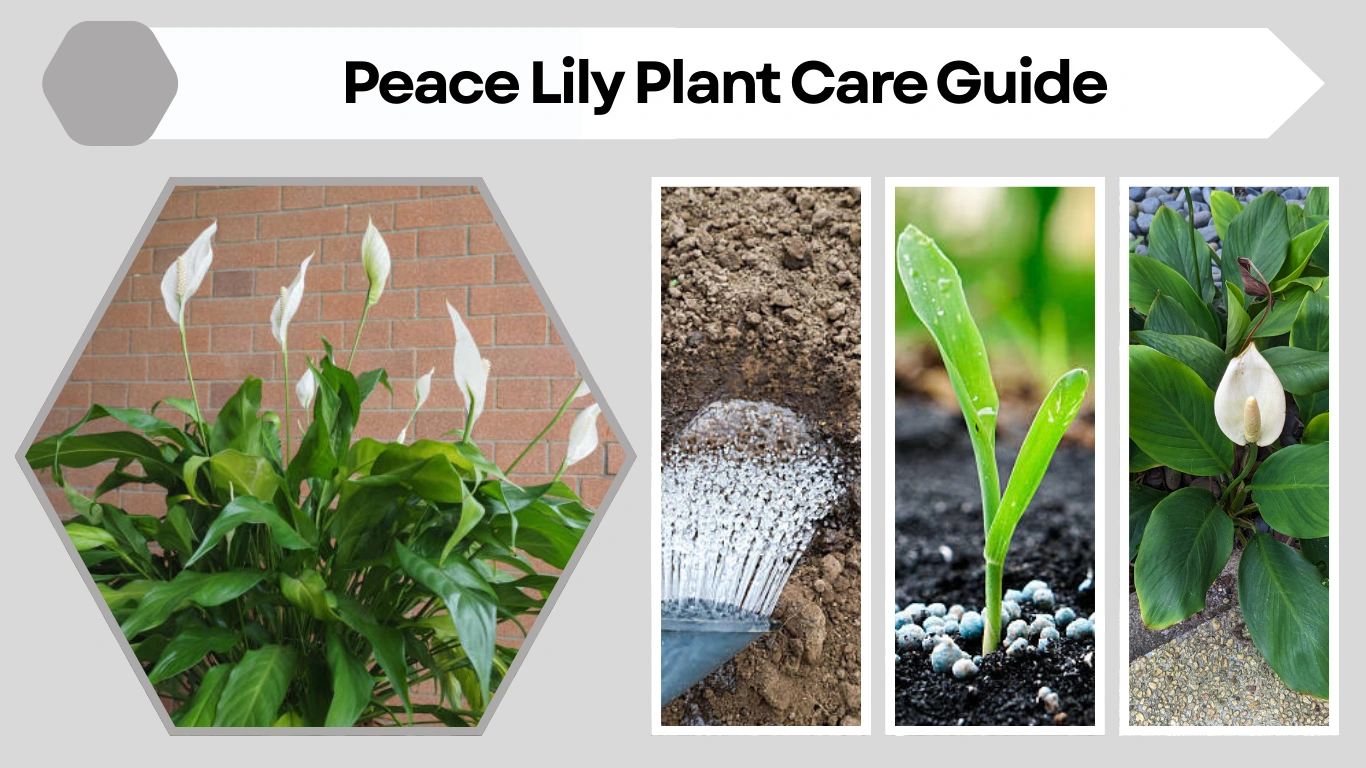
Peace lily plants are among the most popular ornamental houseplants, valued for their glossy green leaves, graceful white spathes, and ability to adapt to indoor environments. Native to tropical rainforests, peace lilies thrive in warm, humid conditions and filtered light, making them ideal for homes and offices. They can also grow outdoors in suitable climates. This guide explores peace lily characteristics, indoor and outdoor growing needs, and essential care practices to help your plant stay healthy and bloom regularly.
Understanding the Peace Lily Plant
Peace lilies belong to the genus Spathiphyllum and are members of the Araceae family. They are native to Central and South America, where they grow beneath forest canopies in consistently moist, shaded environments. This origin explains their love for indirect light and evenly damp soil.
Despite their name, peace lilies are not true lilies. The white “flower” is actually a modified leaf called a spathe, which surrounds a central spadix holding tiny true flowers. Peace lilies are prized not only for their appearance but also for their ability to signal care needs clearly, especially through leaf drooping when thirsty.
With proper conditions, peace lilies are long-lived plants. Indoors, they typically reach 1 to 4 feet in height, depending on the variety. Outdoors, in tropical climates, they may grow larger and fuller. Their manageable size, low-light tolerance, and air-moistening effect make them one of the most widely grown foliage plants in the world.
Physical Characteristics and Growth Pattern
Leaf structure and appearance
Peace lily leaves are deep green, glossy, and lance-shaped, growing directly from the base of the plant. Their smooth surface helps them capture filtered light efficiently, which is why they perform well in shaded rooms.
Flower (spathe and spadix) anatomy
The white spathe curves gracefully around a cream or pale-yellow spadix. Blooms may last several weeks, gradually turning green as they age. Healthy plants can bloom multiple times per year indoors.
Average indoor vs outdoor size
Indoors, most peace lilies remain compact, usually between 12 and 36 inches tall. Outdoors, where roots can spread freely and humidity is higher, they often grow wider and taller.
Growth speed and seasonal changes
Peace lilies grow moderately fast in spring and summer. Growth slows in fall and winter, when watering and feeding should also be reduced.
How to Identify a Healthy Peace Lily

A healthy peace lily shows its condition clearly through its leaves and flowers.
- Leaves are rich green, firm, and slightly arching
- New leaves emerge regularly from the base
- Blooms appear on strong upright stalks
- Soil remains moist but not soggy
- No strong odor, blackened roots, or widespread yellowing
When a peace lily is stressed, its leaves may droop, turn yellow, develop brown tips, or stop producing flowers. These signs help growers correct problems early.
Indoor Growing Conditions

Best light placement inside the home
Peace lilies prefer bright, indirect light. They tolerate low light but bloom best near filtered windows. Direct sunlight can scorch leaves.
Ideal temperature and humidity range
They grow best between 18°C and 27°C (65°F–80°F). High humidity supports healthy leaves and flowers, making bathrooms and kitchens excellent locations.
Choosing pots and drainage systems
Containers must have drainage holes. Peace lilies dislike sitting in standing water, which quickly leads to root rot.
Where peace lilies grow best indoors
They perform well in bedrooms, offices, hallways, and living spaces where light is soft and temperatures remain stable.
Outdoor Growing Requirements

Suitable climate zones
Peace lilies grow outdoors year-round only in frost-free regions, typically equivalent to USDA zones 10–12. In cooler climates, they should be kept in containers and moved indoors during cold months.
Sun exposure for outdoor planting
Outdoors, peace lilies thrive in partial to full shade. Morning sun with afternoon shade is ideal.
Soil preparation for garden beds
Soil should be loose, rich in organic matter, and able to retain moisture while draining excess water effectively.
Container growing outdoors
Potted peace lilies do well on shaded patios, balconies, and under trees where humidity remains high.
Seasonal care differences
Outdoor plants need more frequent watering in warm months and protection from wind and temperature drops.
Peace Lily Care Guide

Consistent care is the key to long-term success with peace lilies.
- Water when the top inch of soil feels slightly dry
- Use well-draining, organic-rich potting soil
- Fertilize lightly every 6–8 weeks during active growth
- Remove yellow leaves and spent flowers
- Repot every 1–2 years to refresh soil and space
Proper watering balance is the most critical factor. Peace lilies enjoy moisture, but constant soggy soil quickly damages roots.
How to Grow and Propagate Peace Lilies
Peace lilies are most easily grown and multiplied through division. This method not only produces new plants but also rejuvenates crowded, mature specimens.
Division method step-by-step
Propagation is best done in spring or early summer. Gently remove the plant from its pot and shake off excess soil. Look for natural clumps where several leaf crowns share a root system. Using clean hands or a sterile knife, separate these sections, ensuring each division has healthy roots and at least two to three leaves. Immediately replant each new section into fresh, moist potting mix.
Best time of year to propagate
Spring and early summer are ideal because the plant is actively growing. Divisions made during this period establish roots faster and recover more easily from transplant stress.
Potting after division
Choose containers only slightly larger than the root mass. Peace lilies prefer to be mildly root-bound. Firm the soil gently, water thoroughly, and place the new plants in warm, shaded locations until new growth appears.
Encouraging fast establishment
High humidity, steady moisture, and indirect light help divisions settle quickly. Avoid fertilizing for the first four to six weeks while roots develop.
Common Problems and Solutions

Yellow or brown leaves
Yellowing leaves often indicate overwatering, poor drainage, or nutrient deficiency. Brown tips usually result from dry air, inconsistent watering, or mineral buildup from tap water. Flushing the soil occasionally and increasing humidity can correct these issues.
Drooping and wilting issues
Temporary wilting is common when soil dries out and usually reverses quickly after watering. Constant drooping, however, may signal root rot, compacted soil, or temperature stress.
Lack of flowers
Insufficient light is the most common reason peace lilies fail to bloom. Moving the plant closer to bright, indirect light and providing light feeding during the growing season often restores flowering.
Root rot and pest risks
Soggy soil encourages root rot, which causes black, mushy roots and a foul odor. Peace lilies are generally pest-resistant but may occasionally attract spider mites, mealybugs, or aphids, especially in dry indoor air.
Indoor vs Outdoor Peace Lily Growing

Peace lilies adapt well to both environments, but each presents unique conditions.
- Indoor plants experience stable temperatures, lower light, and controlled watering
- Outdoor plants receive higher humidity, better airflow, and more natural light
- Indoor peace lilies remain smaller and bloom more predictably
- Outdoor peace lilies often grow larger with faster leaf production
- Outdoor cultivation requires strict protection from cold and direct sun
Understanding these differences helps gardeners adjust watering, lighting, and seasonal care routines appropriately.
Toxicity, Benefits, and Practical Uses
Is peace lily toxic to pets and humans?
Peace lilies contain calcium oxalate crystals, which can cause mouth irritation, drooling, and digestive upset if chewed by pets or children. While rarely life-threatening, the plant should be kept out of reach of cats, dogs, and small children.
Air-quality and humidity benefits
Peace lilies release moisture through transpiration, helping raise indoor humidity levels. Their broad leaves also trap airborne particles, making them popular for bedrooms and offices.
Decorative and Feng Shui uses
Peace lilies symbolize peace, purity, and sympathy. They are widely used in interior décor, offices, and ceremonial spaces, and are considered beneficial for calming energy in Feng Shui traditions.
Best rooms for placement
They perform well in living rooms, bathrooms, offices, shaded hallways, and bedrooms where temperatures are stable and light is indirect.
FAQs
Is peace lily an indoor or outdoor plant?
Peace lilies are primarily grown as indoor plants because they thrive in stable temperatures, indirect light, and controlled moisture. However, they can also grow outdoors in warm, frost-free climates. In cooler regions, peace lilies should be kept in containers and moved indoors when temperatures drop.
How often should I water a peace lily?
Peace lilies prefer consistently moist soil but not standing water. Water when the top inch of soil feels slightly dry. During warm months, this may be once or twice a week, while in winter it is often less frequent. Good drainage is essential.
Why are my peace lily leaves turning yellow?
Yellow leaves are commonly caused by overwatering, compacted soil, or nutrient deficiency. Poor drainage prevents roots from breathing properly, leading to leaf discoloration. Adjusting watering habits, improving drainage, and using light fertilizer usually restores healthy green growth.
How do I make my peace lily bloom again?
To encourage blooming, place the plant in brighter indirect light, maintain even moisture, and feed lightly during spring and summer. Mature plants bloom more readily. Removing spent flowers and keeping the plant slightly root-bound also supports repeated flowering cycles.
Can peace lilies survive outside year-round?
Peace lilies can live outdoors year-round only in tropical or subtropical climates without frost. In regions with cold winters, they must be grown in containers and brought indoors before temperatures fall below about 13°C (55°F).