





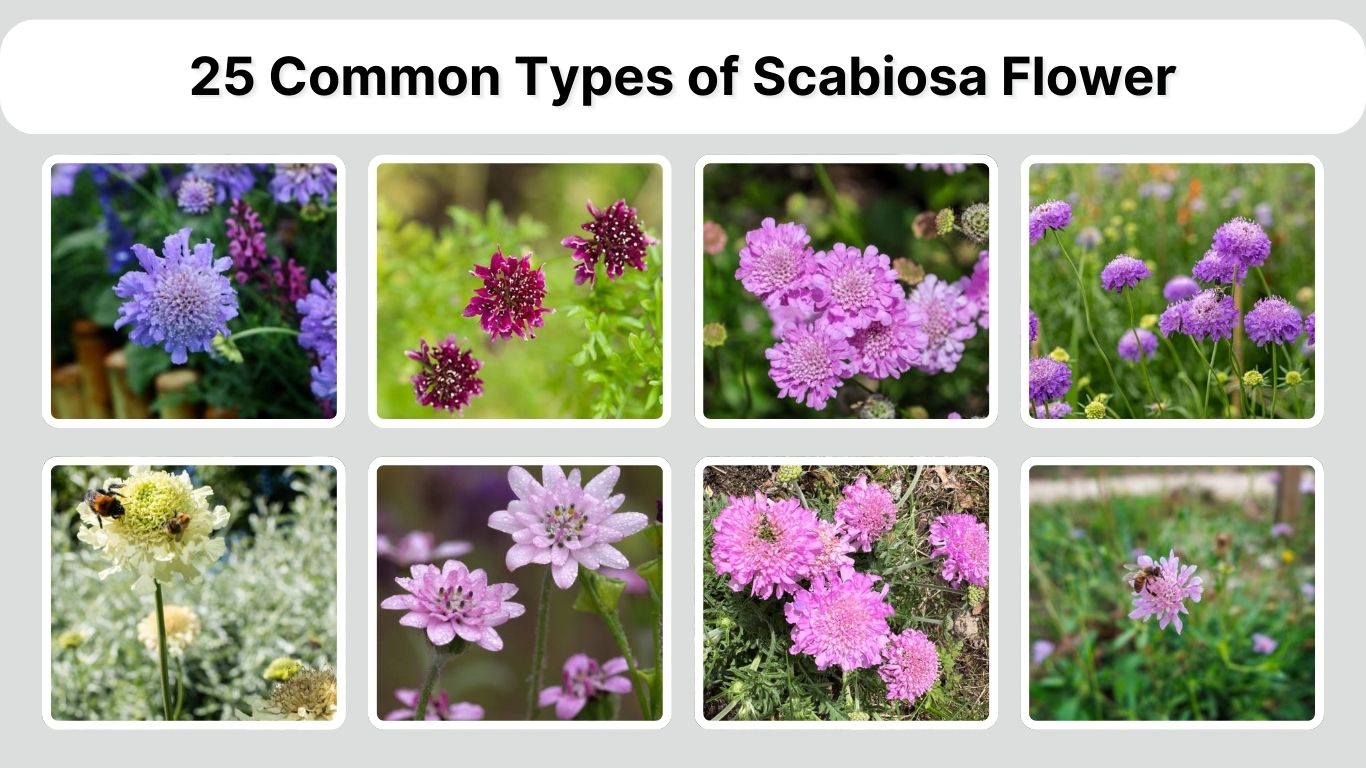
Scabiosa flowers, commonly known as pincushion flowers, are admired for their delicate, rounded blooms and long-lasting flowering season. Native to Europe, Asia, and parts of Africa, Scabiosa plants are popular in gardens for their soft colors, graceful stems, and strong appeal to bees and butterflies. They grow as both annuals and perennials, making them suitable for many garden styles. In this guide, you’ll discover 25 common types of Scabiosa flowers, each offering unique beauty and garden value.
1. Scabiosa caucasica (Caucasian Pincushion Flower)

Scabiosa caucasica is one of the most popular and widely grown Scabiosa species, admired for its large, soft-lavender to pale blue flower heads and long, elegant stems. Native to the Caucasus region, this perennial is a favorite in cottage gardens and cutting gardens because of its long blooming season and delicate, pincushion-like appearance.
Identification
- Rounded, pincushion-shaped flower heads with prominent central stamens
- Soft lavender, pale blue, or bluish-purple petals
- Deeply lobed, gray-green basal leaves
- Slender, upright stems rising above the foliage
- Average height of 18–30 inches (45–75 cm)
Habitat
Scabiosa caucasica is native to mountainous regions of the Caucasus and thrives in well-drained soils, open meadows, and rocky slopes. In gardens, it prefers full sun to light partial shade and performs best in moderately fertile, well-drained ground with good air circulation.
Flowering and Growth Habit
This species is a clump-forming perennial that blooms from late spring through summer, often continuing into early autumn if spent flowers are removed. Its long stems make it ideal for borders and cut-flower arrangements, while regular deadheading encourages continuous blooming.
Uses and Garden Value
Scabiosa caucasica is widely used in ornamental gardening for borders, cottage gardens, and pollinator-friendly landscapes. Its flowers attract bees and butterflies, and the blooms are highly valued in floral arrangements due to their soft color tones and long vase life.
2. Scabiosa atropurpurea (Mourning Bride)
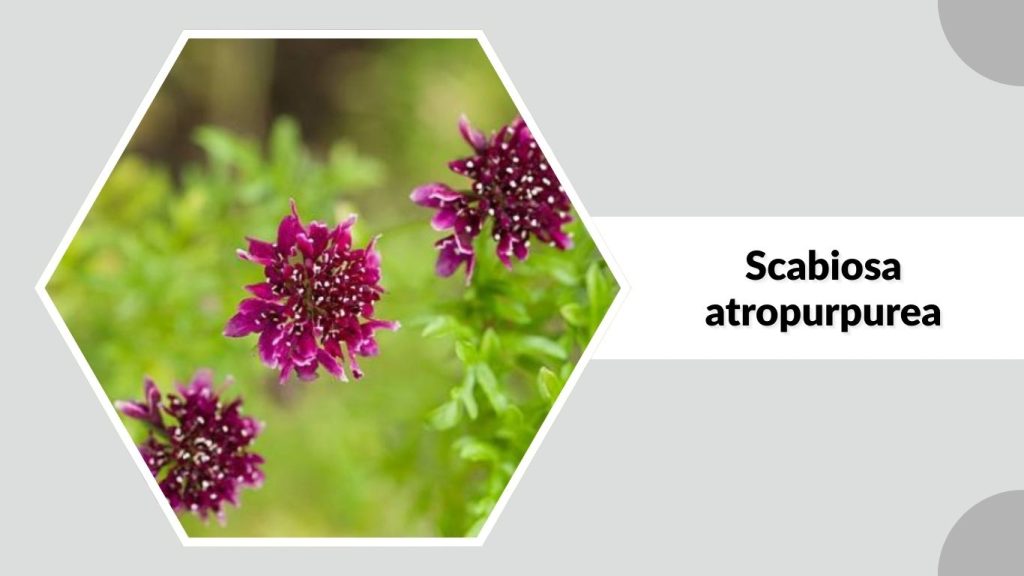
Scabiosa atropurpurea is a classic annual Scabiosa species, well known for its rich, velvety flowers that range from deep burgundy and wine-red to purple, pink, and creamy white. Native to southern Europe, this species is widely grown in gardens for its long blooming season, strong stems, and excellent performance as a cut flower.
Identification
- Rounded, pincushion-like flower heads with dense central florets
- Deep maroon, purple, pink, or creamy-white outer petals
- Narrow, gray-green, finely divided leaves
- Upright, branching stems suitable for cutting
- Average height of 20–30 inches (50–75 cm)
Habitat
Scabiosa atropurpurea originates from the Mediterranean region and naturally grows in open fields and dry, sunny slopes. In cultivation, it prefers full sun and well-drained soil, tolerating light drought once established.
Flowering and Growth Habit
This fast-growing annual blooms from early summer until frost, producing a continuous supply of flowers when regularly deadheaded. Its airy growth habit and tall stems make it well suited for mixed borders and cutting gardens.
Uses and Garden Value
Scabiosa atropurpurea is widely used in cottage gardens, pollinator gardens, and floral design. It strongly attracts bees and butterflies, and its long-lasting blooms are especially valued for bouquets and dried arrangements.
3. Scabiosa columbaria (Small Scabious)
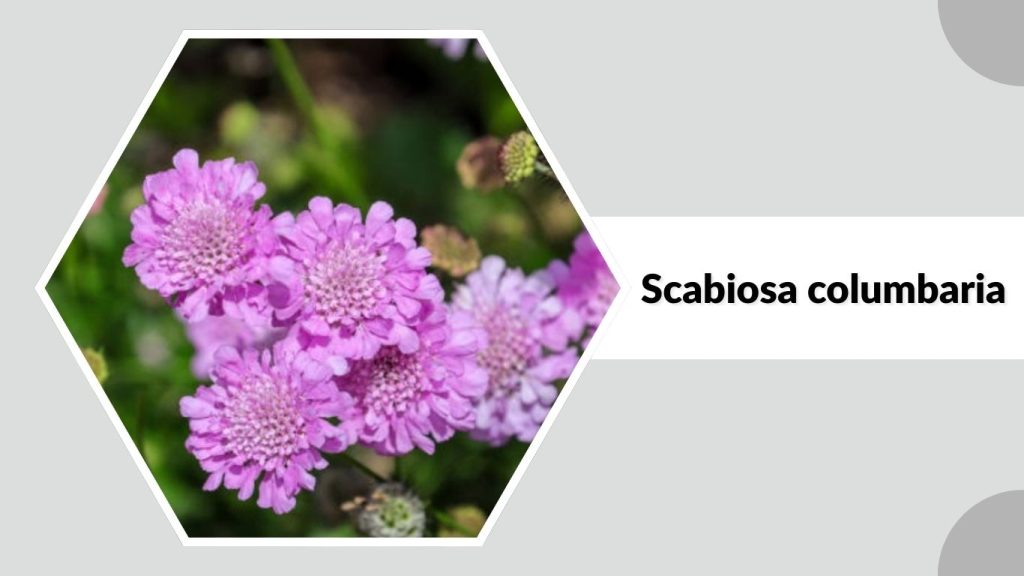
Scabiosa columbaria is a delicate, long-blooming perennial species known for its soft blue, lavender, or pale pink flowers and finely textured foliage. Native to Europe, North Africa, and western Asia, it is especially valued in naturalistic and cottage-style gardens for its light, airy appearance and strong attraction to pollinators.
Identification
- Soft, pincushion-shaped flower heads with protruding central stamens
- Pale blue, lavender, or light pink outer florets
- Finely divided, narrow, gray-green leaves
- Slender, branching stems with a graceful habit
- Average height of 12–24 inches (30–60 cm)
Habitat
Scabiosa columbaria naturally grows in meadows, grasslands, and open, sunny slopes. It prefers full sun, well-drained soil, and tolerates poorer soils better than many garden perennials.
Flowering and Growth Habit
This species blooms from late spring through early autumn, especially when spent flowers are regularly removed. It forms low clumps of foliage, sending up numerous thin stems that create a soft, floating floral effect.
Uses and Garden Value
Scabiosa columbaria is popular in wildflower gardens, rock gardens, and pollinator borders. Its nectar-rich blooms attract bees, butterflies, and other beneficial insects, while its gentle colors blend beautifully with ornamental grasses and other perennials.
4. Scabiosa japonica (Japanese Scabious)
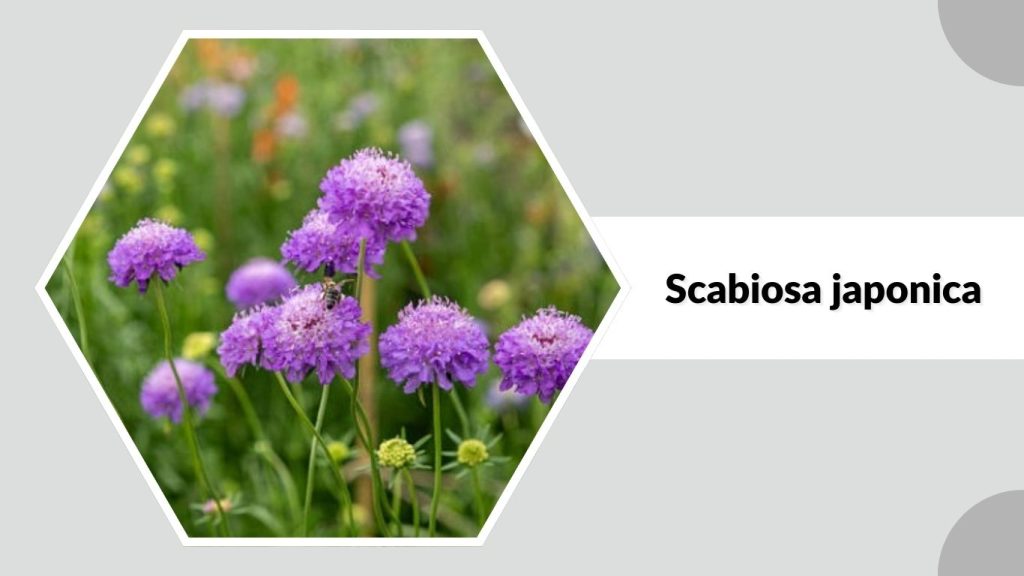
Scabiosa japonica is a charming, compact perennial species native to Japan, valued for its neat growth habit and soft lavender-blue to violet flowers. It is especially popular in small gardens, rock gardens, and container plantings because of its refined form, long flowering season, and excellent performance in limited spaces.
Identification
- Rounded, pincushion-style blooms with prominent central stamens
- Soft lavender-blue to violet outer petals
- Narrow, lightly toothed, deep green leaves
- Short, sturdy flowering stems
- Average height of 8–16 inches (20–40 cm)
Habitat
Scabiosa japonica naturally grows in open grasslands and mountain meadows of Japan. In cultivation, it prefers full sun to light partial shade and well-drained soil, performing best in moderately fertile ground.
Flowering and Growth Habit
This species blooms from late spring through summer, and often into early autumn with regular deadheading. It forms compact clumps and produces abundant flowers just above the foliage, creating a tidy and colorful display.
Uses and Garden Value
Scabiosa japonica is ideal for edging, rock gardens, and patio containers. Its nectar-rich blooms attract bees and butterflies, and its compact size makes it well suited for detailed garden designs and mixed perennial beds.
5. Scabiosa ochroleuca (Cream Scabious)
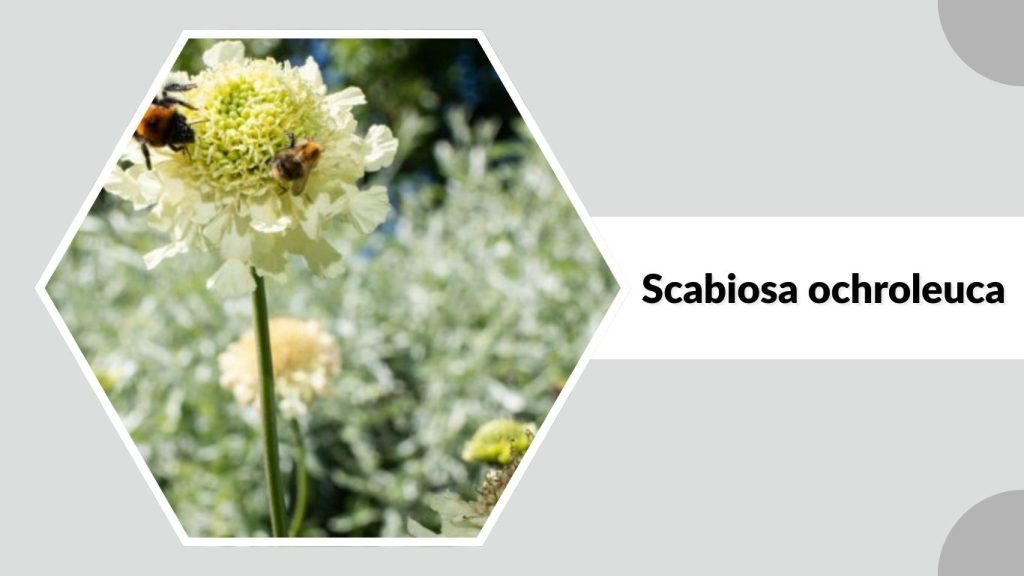
Scabiosa ochroleuca is a graceful perennial species distinguished by its soft, creamy-yellow flower heads and airy growth habit. Native to eastern Europe and western Asia, it adds a light, natural look to borders and meadow-style gardens, standing out among the more common blue and purple scabiosas.
Identification
- Pale cream to light yellow, pincushion-shaped flowers
- Prominent central disc with fine protruding stamens
- Narrow, gray-green, slightly hairy leaves
- Tall, slender, branching stems
- Average height of 24–36 inches (60–90 cm)
Habitat
Scabiosa ochroleuca naturally grows in dry meadows, steppe regions, and open hillsides. In gardens, it prefers full sun and well-drained soil, and it tolerates drought and poor soils better than many ornamental perennials.
Flowering and Growth Habit
This species blooms from early summer into autumn, producing a continuous display of soft-colored flowers. Its loose, upright form makes it well suited for mixed borders and prairie-style plantings.
Uses and Garden Value
Scabiosa ochroleuca is popular in naturalistic gardens and pollinator landscapes. The flowers attract bees and butterflies, and the tall, wiry stems are also useful in fresh and dried floral arrangements.
6. Scabiosa stellata (Starflower Pincushion)
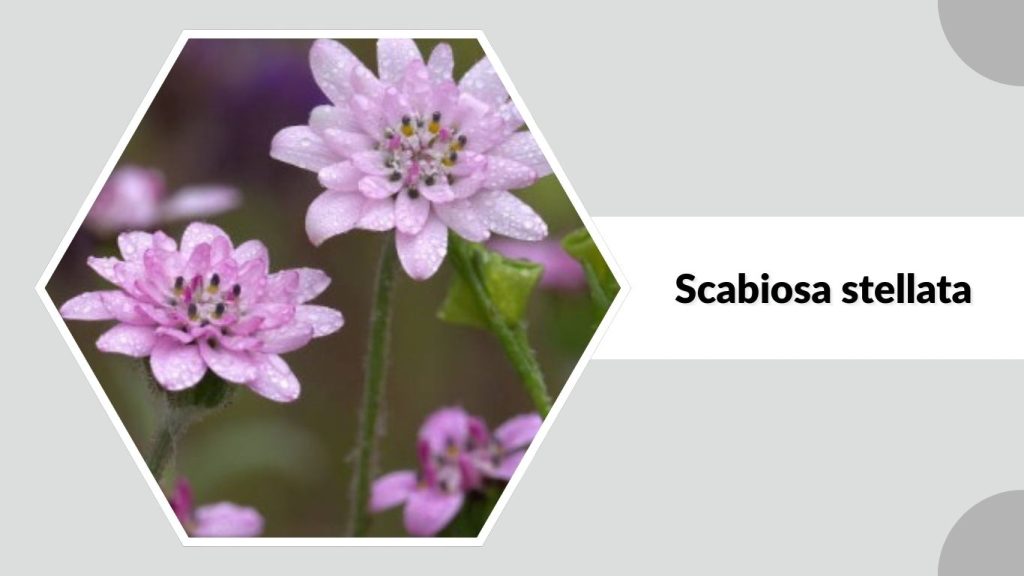
Scabiosa stellata is a distinctive Scabiosa species best known not for its blooms, but for its attractive, star-shaped seed heads that are widely used in dried floral arrangements. Native to the Mediterranean region, this annual plant is grown as much for ornamental seed production as for its delicate, pale flowers.
Identification
- Small, pale blue to lavender flowers with a pincushion form
- Large, papery, star-shaped seed heads after flowering
- Narrow, gray-green, lightly hairy leaves
- Upright, branching stems
- Average height of 18–30 inches (45–75 cm)
Habitat
Scabiosa stellata naturally occurs in dry, sunny fields and open Mediterranean landscapes. In cultivation, it prefers full sun and well-drained soil, thriving in warm, dry conditions.
Flowering and Growth Habit
This fast-growing annual blooms in early to mid-summer, after which the decorative seed heads develop. The plant has an open, branching habit and is easy to grow from seed.
Uses and Garden Value
Scabiosa stellata is especially valued in the cut-flower and dried-flower trade. Its star-shaped seed pods add texture to bouquets and crafts, while the flowers also attract pollinators to the garden.
7. Scabiosa lucida (Shining Scabious)
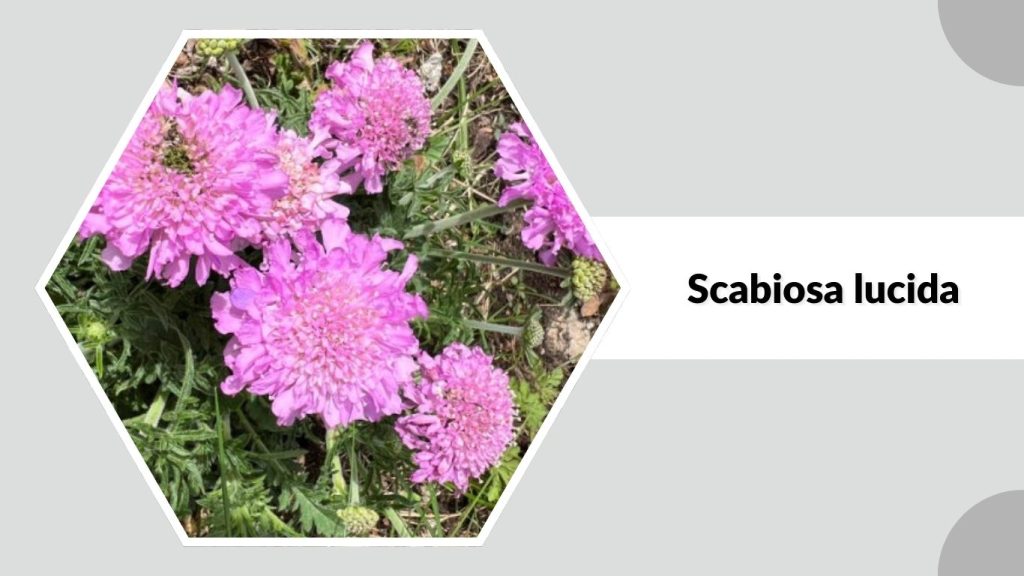
Scabiosa lucida is a refined perennial species admired for its glossy foliage and soft blue to violet flower heads. Native to the mountainous regions of central and southern Europe, it is well suited to rock gardens and alpine-style plantings where its neat form and subtle beauty can be fully appreciated.
Identification
- Rounded, pincushion-like flower heads with delicate outer florets
- Soft blue to violet petals with a lighter central disc
- Smooth, glossy, deep green basal leaves
- Slender flowering stems rising above low foliage
- Average height of 10–20 inches (25–50 cm)
Habitat
Scabiosa lucida naturally grows on rocky slopes, alpine meadows, and limestone soils. In gardens, it prefers full sun, excellent drainage, and moderately poor soil, making it ideal for rockeries and raised beds.
Flowering and Growth Habit
This species blooms from late spring through summer. It forms tidy basal rosettes and sends up thin, upright stems topped with single, elegant flowers.
Uses and Garden Value
Scabiosa lucida is valued for rock gardens, alpine collections, and small borders. Its nectar-rich flowers attract bees and butterflies, while its compact size allows it to fit beautifully among stones and low-growing companions.
8. Scabiosa canescens (Gray Scabious)
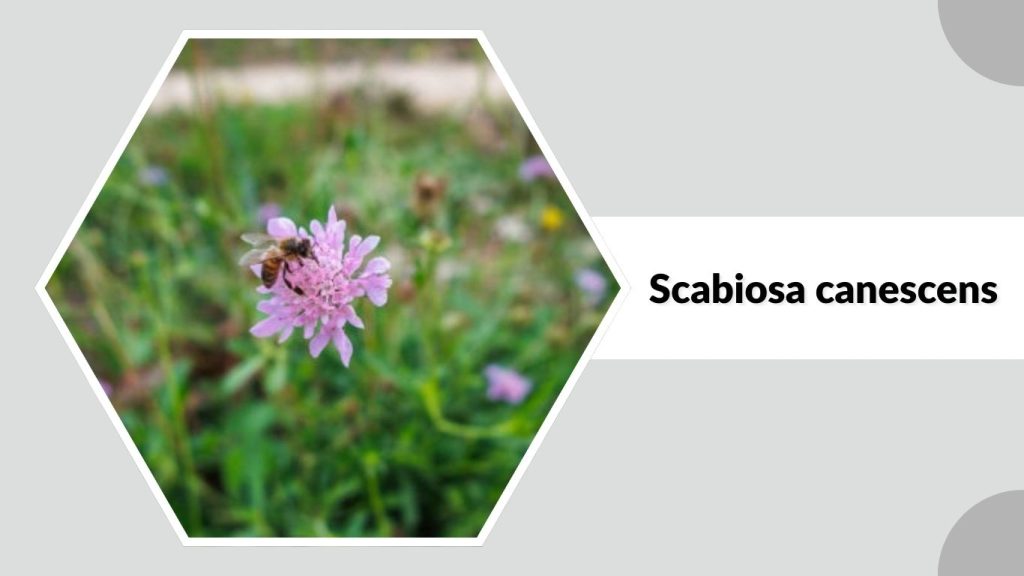
Scabiosa canescens is a subtle and elegant perennial species recognized for its silvery-gray foliage and soft lilac to pale purple flowers. Native to parts of eastern Europe and western Asia, it brings a cool-toned, textural contrast to sunny borders and naturalistic garden designs.
Identification
- Soft lilac to pale purple, pincushion-shaped flower heads
- Fine, protruding central stamens
- Silvery-gray, softly hairy leaves
- Slender, upright flowering stems
- Average height of 16–28 inches (40–70 cm)
Habitat
Scabiosa canescens naturally grows in dry grasslands, steppe regions, and open sunny slopes. In cultivation, it prefers full sun and very well-drained soil, tolerating drought and lean ground once established.
Flowering and Growth Habit
This species blooms from early summer into late summer, producing numerous airy flower heads above its silvery foliage. Its open structure allows it to blend well with ornamental grasses and other drought-tolerant plants.
Uses and Garden Value
Scabiosa canescens is popular in xeriscapes, prairie-style plantings, and pollinator gardens. Its flowers attract bees and butterflies, and the pale foliage adds soft contrast in mixed perennial borders.
9. Scabiosa triandra (Three-Flowered Scabious)
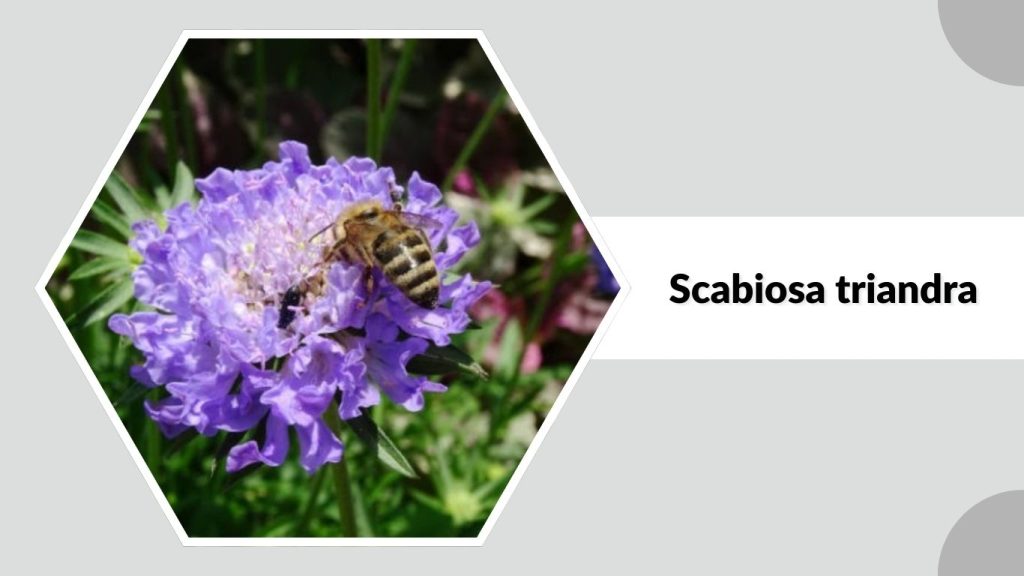
Scabiosa triandra is a charming perennial species known for its airy clusters of soft lavender to pale blue flowers and fine-textured foliage. Native to southeastern Europe and western Asia, it is often used in naturalistic plantings where its light structure adds movement and softness to garden designs.
Identification
- Small, rounded, pincushion-style flower heads
- Pale lavender to soft blue outer florets
- Slender, branching stems forming loose sprays
- Narrow, finely divided green leaves
- Average height of 18–30 inches (45–75 cm)
Habitat
Scabiosa triandra naturally grows in dry meadows, rocky hillsides, and open woodland edges. In gardens, it prefers full sun and well-drained soil, and it tolerates moderately dry conditions once established.
Flowering and Growth Habit
This species blooms from late spring through summer, producing multiple delicate flower heads on each stem. Its open, graceful habit makes it especially attractive when planted in drifts or mixed borders.
Uses and Garden Value
Scabiosa triandra is valued in meadow gardens, cottage borders, and pollinator-friendly landscapes. The flowers attract bees and butterflies, and the long, branching stems are also useful in light, natural-style floral arrangements.
10. Scabiosa hymettia (Greek Scabious)
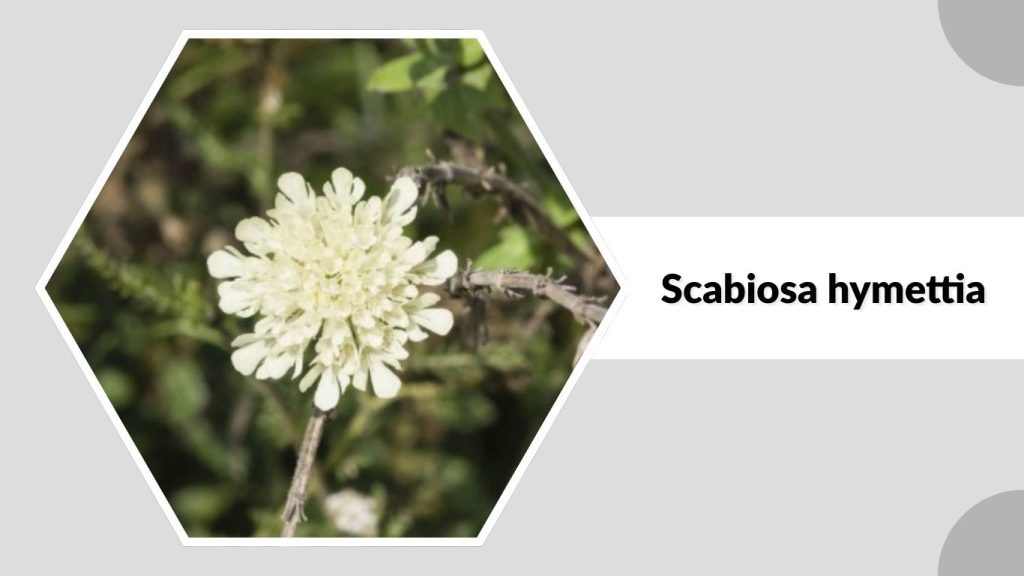
Scabiosa hymettia is a delicate perennial species native to Greece, admired for its soft lavender to bluish flower heads and fine, airy growth habit. It is well suited to warm, sunny gardens where a natural, meadow-like appearance is desired.
Identification
- Small, rounded, pincushion-style flower heads
- Pale lavender to bluish outer florets
- Fine, protruding central stamens
- Narrow, softly textured green leaves
- Slender, upright to lightly arching stems
Habitat
Scabiosa hymettia naturally grows on rocky slopes and dry open hillsides in Mediterranean regions. In cultivation, it prefers full sun and well-drained soil, thriving in dry to moderately moist conditions.
Flowering and Growth Habit
This species blooms from late spring through summer, often extending into early autumn with deadheading. It forms loose clumps and produces numerous lightweight flower stems that move gracefully in the breeze.
Uses and Garden Value
Scabiosa hymettia is suitable for rock gardens, dry borders, and pollinator-friendly plantings. Its nectar-rich flowers attract bees and butterflies, and its subtle coloring blends well with ornamental grasses and Mediterranean plants.
11. Scabiosa amoena (Showy Scabious)
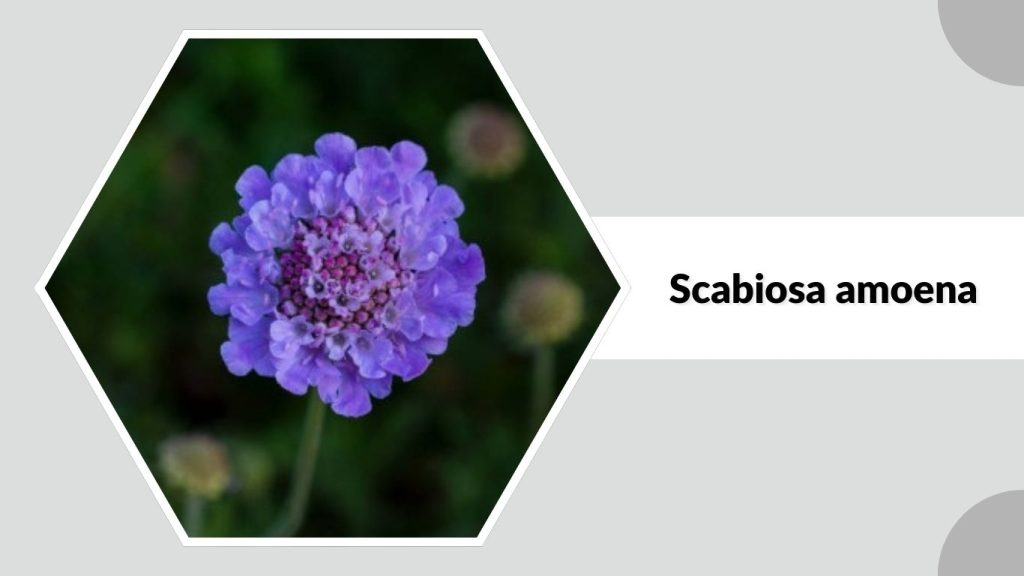
Scabiosa amoena is a decorative Scabiosa species appreciated for its soft violet to lavender blooms and compact, tidy growth habit. Native to parts of southeastern Europe, it is grown both for garden display and for its suitability as a light cut flower.
Identification
- Rounded, pincushion-like flower heads
- Soft violet to lavender outer petals
- Prominent central disc with fine stamens
- Narrow, lightly lobed green leaves
- Upright, slender flowering stems
Habitat
Scabiosa amoena naturally occurs in sunny meadows and open slopes. In gardens, it prefers full sun and well-drained soil, performing best in light, moderately fertile ground.
Flowering and Growth Habit
This species blooms from early summer through late summer, producing abundant flowers when regularly deadheaded. It forms compact clumps, making it suitable for smaller borders and mixed perennial beds.
Uses and Garden Value
Scabiosa amoena is valued in ornamental borders, pollinator gardens, and floral arrangements. Its nectar-rich flowers attract bees and butterflies, while its soft colors complement both bold and pastel garden palettes.
12. Scabiosa rotata (Round-Leaf Scabious)
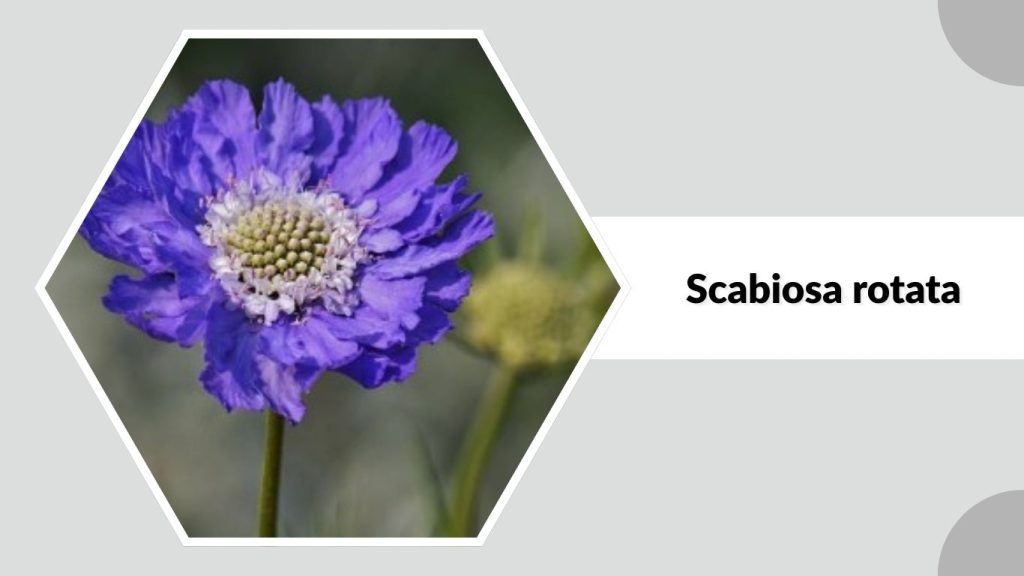
Scabiosa rotata is a lesser-known Scabiosa species recognized for its rounded basal leaves and soft bluish-lilac flowers. Native to parts of eastern Europe and western Asia, this plant brings a gentle, natural character to sunny borders and meadow-style plantings.
Identification
- Rounded, pincushion-shaped flower heads
- Soft bluish-lilac outer florets
- Distinct rounded basal leaves with lightly toothed edges
- Slender, upright flowering stems
- Light, airy overall appearance
Habitat
Scabiosa rotata naturally grows in open meadows, dry grasslands, and sunny hillsides. In gardens, it prefers full sun and well-drained soil, tolerating moderate drought once established.
Flowering and Growth Habit
This species blooms from late spring through summer. It forms low basal rosettes of leaves and sends up thin stems topped with delicate flowers that sway easily in the wind.
Uses and Garden Value
Scabiosa rotata works well in wildflower gardens, cottage borders, and pollinator plantings. Its nectar-rich flowers attract bees and butterflies, while its soft form blends beautifully with grasses and other meadow plants.
13. Scabiosa maritima (Sweet Scabious)
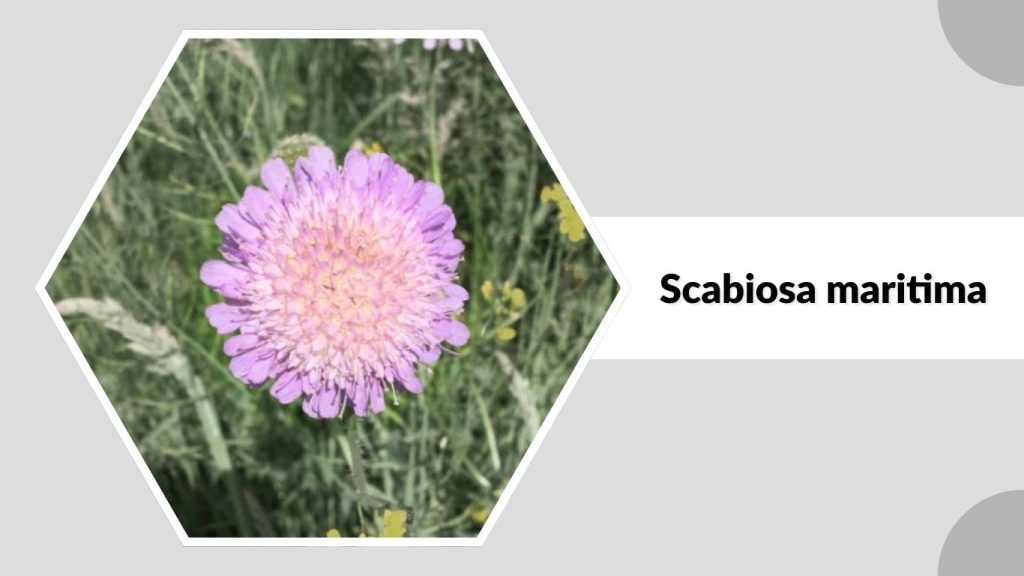
Scabiosa maritima is a popular garden Scabiosa, often treated as an annual, and admired for its fragrant, pincushion-like flowers in shades of lavender, purple, pink, and white. Native to the Mediterranean region, it is widely cultivated for borders and cut-flower gardens due to its long blooming period.
Identification
- Rounded, pincushion-style flower heads
- Lavender, purple, pink, or white outer florets
- Soft, lightly hairy green leaves
- Upright, branching flowering stems
- Light, open growth habit
Habitat
Scabiosa maritima naturally grows in coastal regions, dry fields, and sunny slopes around the Mediterranean. In cultivation, it prefers full sun and well-drained soil, and adapts well to a wide range of garden conditions.
Flowering and Growth Habit
This species blooms from late spring until frost, especially when deadheaded regularly. It grows quickly, producing many flowering stems that make it a reliable long-season bloomer.
Uses and Garden Value
Scabiosa maritima is widely used in cottage gardens, pollinator beds, and floral arrangements. Its lightly scented flowers attract bees and butterflies and are valued for both fresh bouquets and dried displays.
14. Scabiosa tenuis (Slender Scabious)
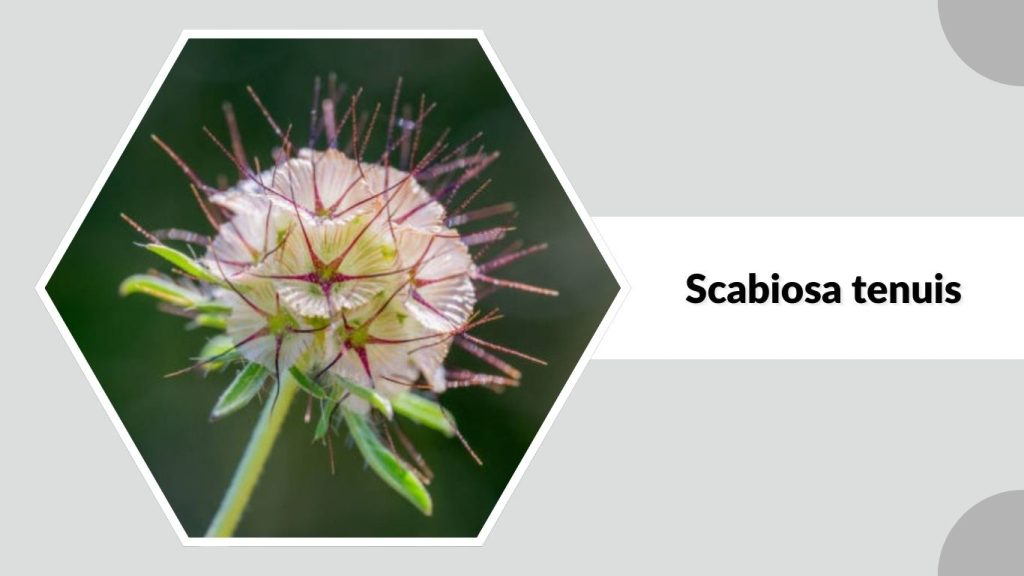
Scabiosa tenuis is a delicate species distinguished by its fine stems and light, airy presentation. Native to parts of southern Europe and the Mediterranean region, it is appreciated for its soft lilac to pale blue flowers that create a graceful, floating effect in garden settings.
Identification
- Small, pincushion-shaped flower heads
- Pale lilac to soft blue outer florets
- Very slender, branching flowering stems
- Narrow, finely divided green leaves
- Overall light and airy structure
Habitat
Scabiosa tenuis naturally grows in dry meadows and sunny open slopes. In gardens, it prefers full sun and well-drained soil, thriving in warm, open conditions.
Flowering and Growth Habit
This species blooms from early summer through late summer, producing numerous delicate flower heads on thin, flexible stems. Its open habit allows it to weave attractively among other plants.
Uses and Garden Value
Scabiosa tenuis is well suited to meadow-style gardens, cottage borders, and pollinator plantings. Its nectar-rich blooms attract bees and butterflies, while its subtle form adds movement and softness to mixed beds.
15. Scabiosa argentea (Silver Scabious)
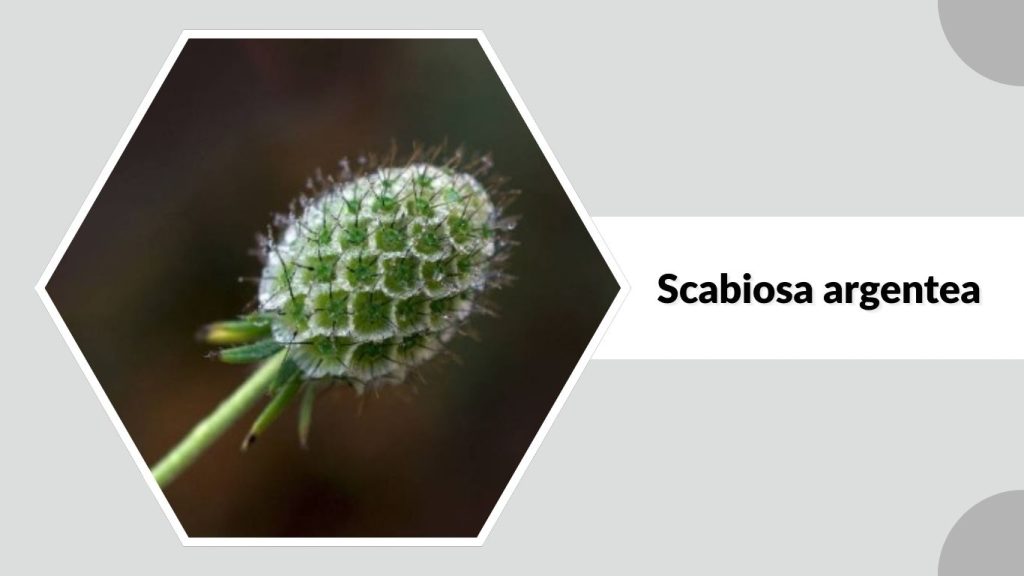
Scabiosa argentea is an ornamental Scabiosa species valued primarily for its striking silvery foliage, which creates strong contrast in sunny gardens. Native to the Mediterranean region, it is often grown for both its decorative leaves and its soft, pincushion-like flowers.
Identification
- Soft lavender to pale purple, pincushion-style flowers
- Prominent central disc with fine stamens
- Silvery-gray, deeply cut, velvety leaves
- Upright, branching flowering stems
- Distinctive metallic-silver foliage tone
Habitat
Scabiosa argentea naturally grows on dry, rocky slopes and open Mediterranean landscapes. In cultivation, it prefers full sun and very well-drained soil, tolerating drought and heat well.
Flowering and Growth Habit
This species blooms from early summer through summer, sending up slender stems above low rosettes of silvery leaves. Its foliage remains attractive even when not in flower.
Uses and Garden Value
Scabiosa argentea is widely used in borders, container plantings, and drought-tolerant gardens. Its reflective leaves highlight nearby plants, while its flowers attract bees and butterflies.
16. Scabiosa tschiliensis (Chinese Scabious)
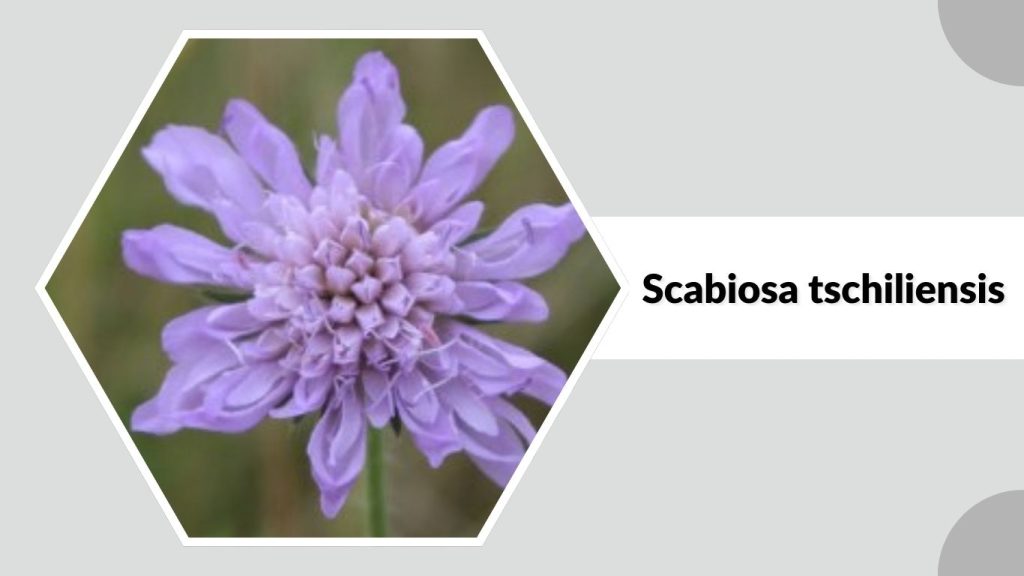
Scabiosa tschiliensis is a lesser-known Scabiosa species native to parts of China and eastern Asia. It is appreciated for its neat growth habit and soft lavender to pale blue flower heads, making it a gentle and elegant addition to sunny borders and naturalistic garden designs.
Identification
- Rounded, pincushion-like flower heads
- Pale lavender to light blue outer florets
- Fine, protruding central stamens
- Narrow, lightly lobed green leaves
- Slender, upright flowering stems
Habitat
Scabiosa tschiliensis naturally grows in open grasslands and sunny mountain slopes. In cultivation, it prefers full sun and well-drained soil, adapting well to moderately dry conditions.
Flowering and Growth Habit
This species blooms from late spring through summer, producing multiple flowers per stem. It forms tidy clumps and contributes a light, floating texture to mixed plantings.
Uses and Garden Value
Scabiosa tschiliensis is suitable for cottage gardens, pollinator borders, and natural-style landscapes. Its nectar-rich blooms attract bees and butterflies, and its soft coloring pairs well with both bold and subtle companion plants.
17. Scabiosa graminifolia (Grass-Leaved Scabious)
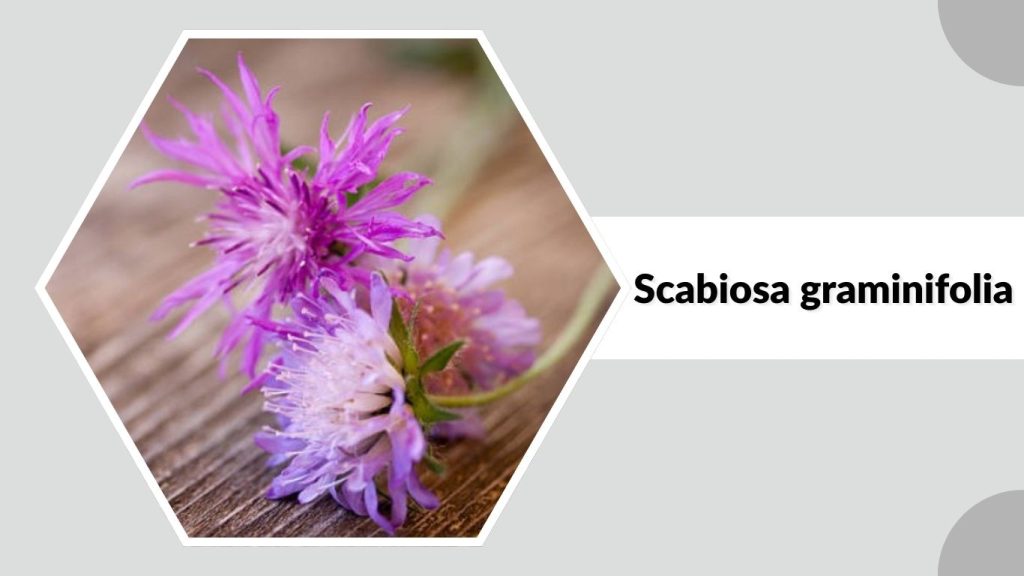
Scabiosa graminifolia is a distinctive species known for its narrow, grass-like leaves and soft lavender-blue flowers. Native to the Mediterranean region, it brings a fine-textured, elegant look to sunny borders, rock gardens, and Mediterranean-style landscapes.
Identification
- Rounded, pincushion-shaped flower heads
- Soft lavender-blue outer florets
- Prominent central disc with fine stamens
- Long, narrow, grass-like green leaves
- Upright, lightly branching flowering stems
Habitat
Scabiosa graminifolia naturally grows on dry, rocky slopes and open coastal areas. In gardens, it prefers full sun and sharply drained soil, thriving in warm, dry conditions.
Flowering and Growth Habit
This species blooms from early summer into late summer. It forms clumps of fine, arching foliage, sending up stems topped with delicate flowers that sway attractively in the breeze.
Uses and Garden Value
Scabiosa graminifolia is popular in rock gardens, gravel gardens, and drought-tolerant plantings. Its flowers attract bees and butterflies, and its grassy foliage adds contrast among broader-leaved plants.
18. Scabiosa silenifolia (Catchfly-Leaved Scabious)
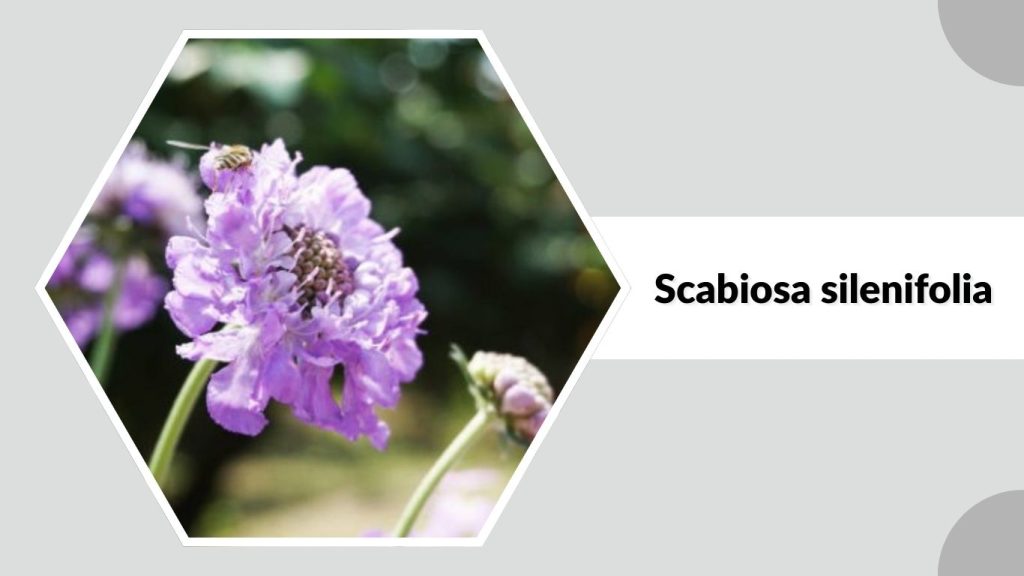
Scabiosa silenifolia is a refined perennial species recognized for its softly textured leaves and pale lavender to bluish flowers. Native to southeastern Europe, it is valued for its gentle appearance and adaptability to sunny, well-drained garden settings.
Identification
- Rounded, pincushion-like flower heads
- Pale lavender to soft bluish outer florets
- Fine, protruding central stamens
- Soft, lightly hairy, lance-shaped green leaves
- Slender, upright flowering stems
Habitat
Scabiosa silenifolia naturally grows in dry meadows and open slopes. In gardens, it prefers full sun and well-drained soil, performing well in moderately dry conditions.
Flowering and Growth Habit
This species blooms from late spring through summer. It forms loose clumps of foliage and produces numerous delicate flowers on thin stems, creating a light, natural effect.
Uses and Garden Value
Scabiosa silenifolia is suitable for cottage borders, meadow gardens, and pollinator plantings. Its nectar-rich flowers attract bees and butterflies, and its subtle tones blend well with grasses and other perennials.
19. Scabiosa affinis (Related Scabious)
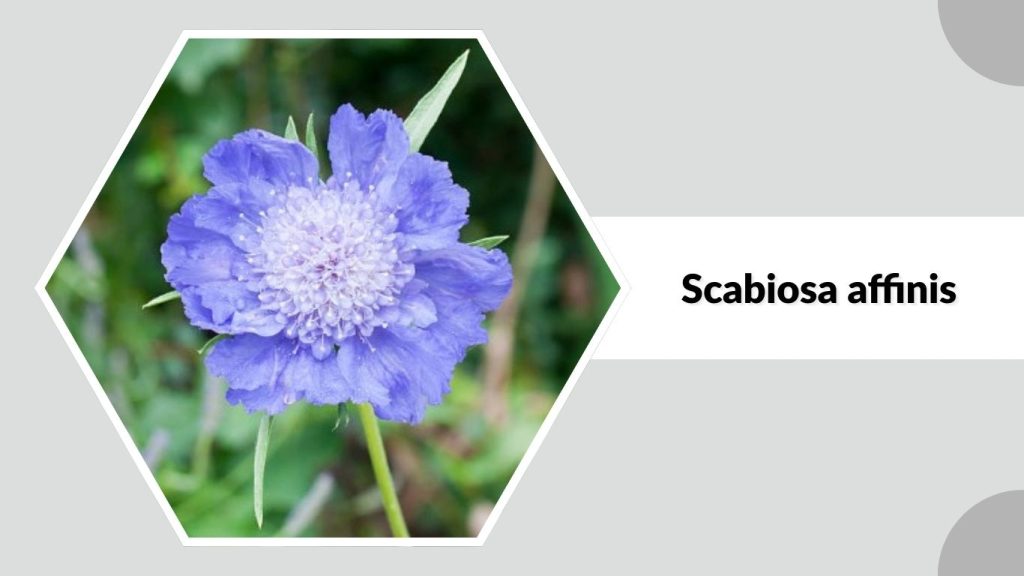
Scabiosa affinis is a lesser-known Scabiosa species valued for its soft-colored blooms and neat perennial habit. Native to parts of southeastern Europe, it offers gentle lavender to bluish flowers that suit naturalistic and cottage-style gardens.
Identification
- Rounded, pincushion-shaped flower heads
- Soft lavender to pale blue outer florets
- Prominent central stamens
- Narrow, lightly lobed green leaves
- Upright, slender flowering stems
Habitat
Scabiosa affinis naturally grows in open grasslands and sunny hillsides. In cultivation, it prefers full sun and well-drained soil, and it tolerates moderately dry conditions once established.
Flowering and Growth Habit
This species blooms from early summer through summer. It forms compact clumps and sends up multiple stems, creating a tidy yet airy floral display.
Uses and Garden Value
Scabiosa affinis works well in mixed borders, pollinator gardens, and natural-style plantings. Its nectar-rich blooms attract bees and butterflies, while its subtle coloring blends easily with many companion plants.
20. Scabiosa adriatica (Adriatic Scabious)
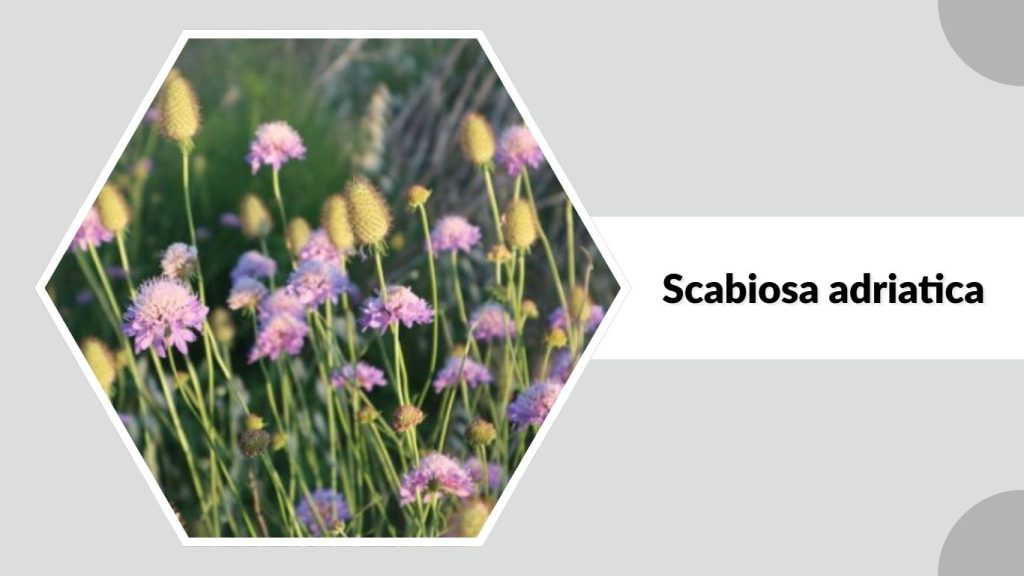
Scabiosa adriatica is a regional Scabiosa species native to areas surrounding the Adriatic coast. It is admired for its soft lavender to bluish flower heads and its ability to thrive in sunny, well-drained garden settings, adding a gentle Mediterranean character to plantings.
Identification
- Rounded, pincushion-like flower heads
- Soft lavender to light blue outer florets
- Fine, protruding central stamens
- Narrow, lightly cut green leaves
- Slender, upright flowering stems
Habitat
Scabiosa adriatica naturally grows on dry coastal slopes, rocky hillsides, and open grasslands. In gardens, it prefers full sun and sharply drained soil, tolerating heat and light drought.
Flowering and Growth Habit
This species blooms from late spring through summer, producing numerous flowers on thin, flexible stems. It forms loose clumps that blend well in mixed borders.
Uses and Garden Value
Scabiosa adriatica is suitable for Mediterranean-style gardens, pollinator borders, and naturalistic landscapes. Its nectar-rich flowers attract bees and butterflies, and its subtle hues pair well with drought-tolerant companions.
21. Scabiosa sicula (Sicilian Scabious)
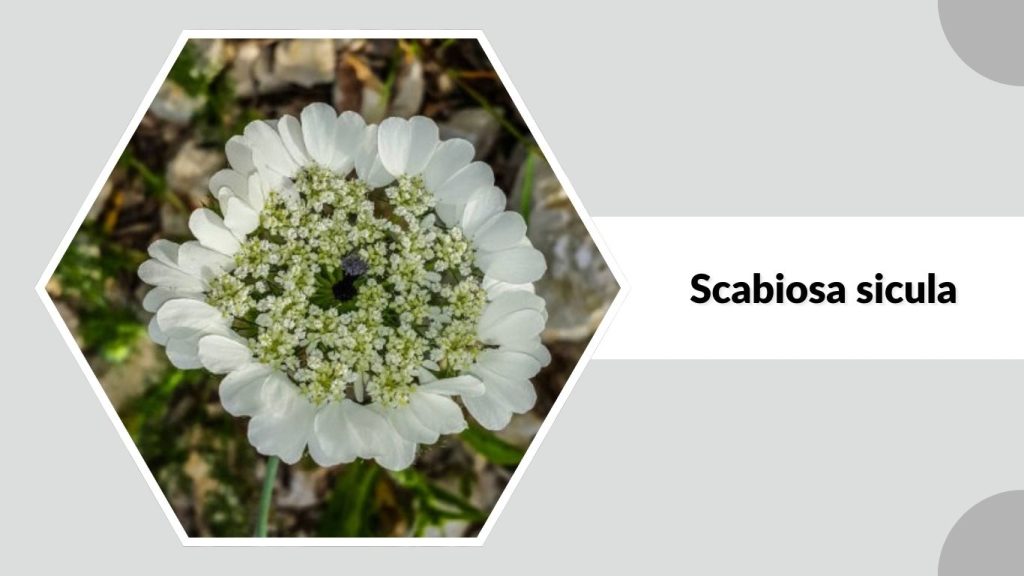
Scabiosa sicula is a Mediterranean Scabiosa species native to Sicily and nearby regions. It is appreciated for its soft lavender to bluish flowers and its adaptability to warm, dry garden environments, making it a good choice for sunny borders and Mediterranean-style plantings.
Identification
- Rounded, pincushion-shaped flower heads
- Soft lavender to pale blue outer florets
- Prominent central stamens
- Narrow, lightly hairy green leaves
- Upright, slender flowering stems
Habitat
Scabiosa sicula naturally grows in dry meadows, rocky slopes, and open Mediterranean landscapes. In cultivation, it prefers full sun and very well-drained soil, tolerating heat and moderate drought.
Flowering and Growth Habit
This species blooms from late spring through summer. It forms loose clumps and produces multiple airy stems topped with delicate flowers.
Uses and Garden Value
Scabiosa sicula is suitable for rock gardens, dry borders, and pollinator-friendly landscapes. Its nectar-rich blooms attract bees and butterflies, while its gentle colors complement other Mediterranean plants.
22. Scabiosa holosericea (Velvet Scabious)
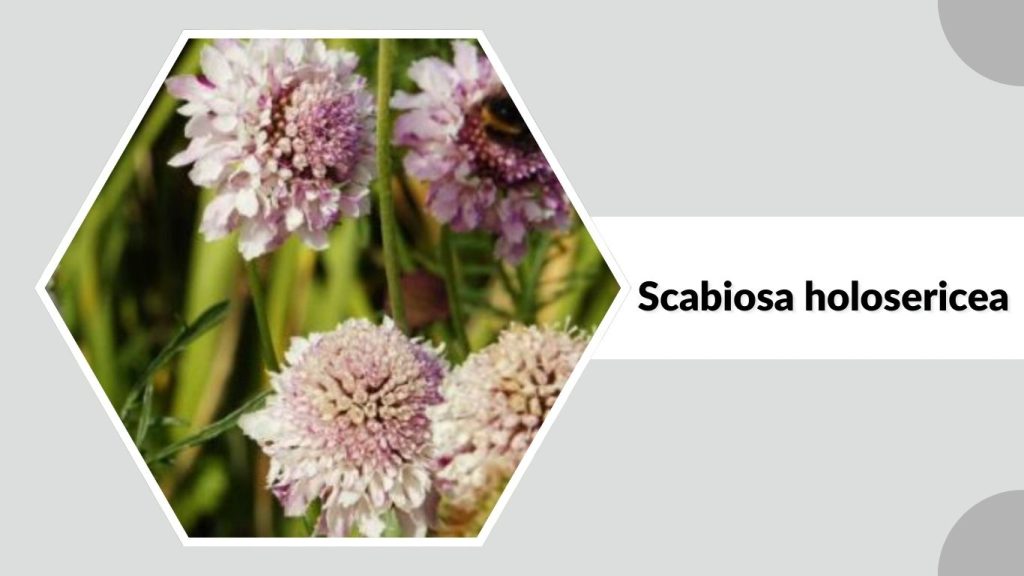
Scabiosa holosericea is a distinctive Scabiosa species noted for its softly velvety foliage and gentle lavender to pale purple blooms. Native to parts of southeastern Europe and western Asia, it adds both texture and soft color to sunny garden settings.
Identification
- Rounded, pincushion-like flower heads
- Pale lavender to soft purple outer florets
- Fine, protruding central stamens
- Soft, velvety, gray-green leaves
- Slender, upright flowering stems
Habitat
Scabiosa holosericea naturally grows in dry grasslands and sunny open slopes. In gardens, it prefers full sun and well-drained soil, and it tolerates moderately dry conditions once established.
Flowering and Growth Habit
This species blooms from late spring through summer, producing airy flowers above its softly textured foliage. It forms loose clumps that blend naturally in mixed borders.
Uses and Garden Value
Scabiosa holosericea is well suited to naturalistic plantings, pollinator borders, and dry gardens. Its nectar-rich flowers attract bees and butterflies, and its velvety leaves add tactile interest to garden designs.
23. Scabiosa calocephala (Beautiful-Headed Scabious)
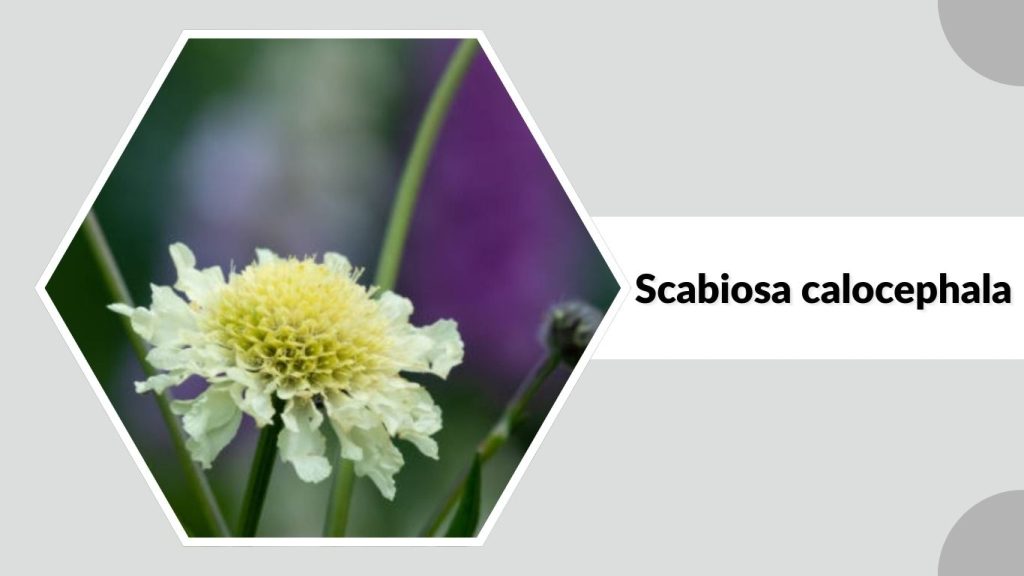
Scabiosa calocephala is an attractive Scabiosa species admired for its well-formed, rounded flower heads and soft violet to lavender coloring. Native to parts of southeastern Europe, it contributes a classic pincushion-flower look to sunny borders and natural-style gardens.
Identification
- Neatly rounded, pincushion-shaped flower heads
- Soft violet to lavender outer florets
- Prominent central disc with fine stamens
- Narrow, lightly divided green leaves
- Upright, slender flowering stems
Habitat
Scabiosa calocephala naturally grows in open grasslands and sunny hillsides. In cultivation, it prefers full sun and well-drained soil, performing well in moderately dry garden conditions.
Flowering and Growth Habit
This species blooms from early summer through summer, producing tidy flower heads held above the foliage. It forms compact to medium-sized clumps.
Uses and Garden Value
Scabiosa calocephala is suitable for cottage borders, pollinator gardens, and mixed perennial beds. Its nectar-rich blooms attract bees and butterflies, and its balanced form works well in traditional garden designs.
24. Scabiosa vestina (Vestina Scabious)
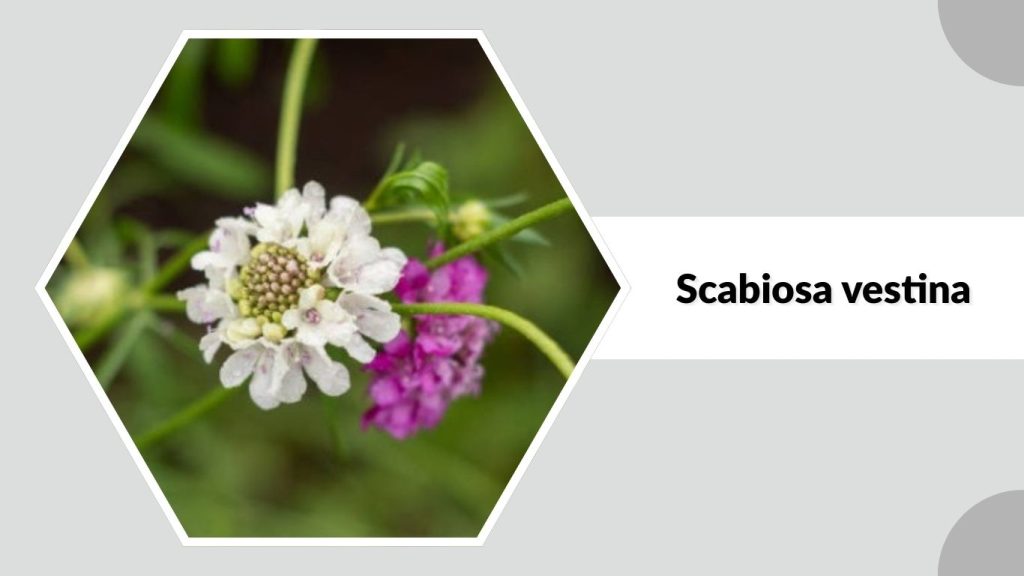
Scabiosa vestina is a lesser-known Scabiosa species valued for its delicate, soft-toned flowers and fine, graceful growth habit. Native to parts of southern Europe, it blends beautifully into naturalistic plantings and sunny borders.
Identification
- Rounded, pincushion-style flower heads
- Pale lavender to light bluish outer florets
- Fine, protruding central stamens
- Narrow, softly textured green leaves
- Slender, upright to lightly arching stems
Habitat
Scabiosa vestina naturally grows in dry meadows and open, sunny hillsides. In gardens, it prefers full sun and well-drained soil, tolerating light drought once established.
Flowering and Growth Habit
This species blooms from late spring through summer, producing airy flowers that sit lightly above the foliage. It forms loose clumps and mixes well with grasses and other perennials.
Uses and Garden Value
Scabiosa vestina is suitable for meadow gardens, pollinator borders, and cottage-style plantings. Its nectar-rich blooms attract bees and butterflies, and its subtle coloring adds softness to mixed borders.
25. Scabiosa pyrenaica (Pyrenean Scabious)
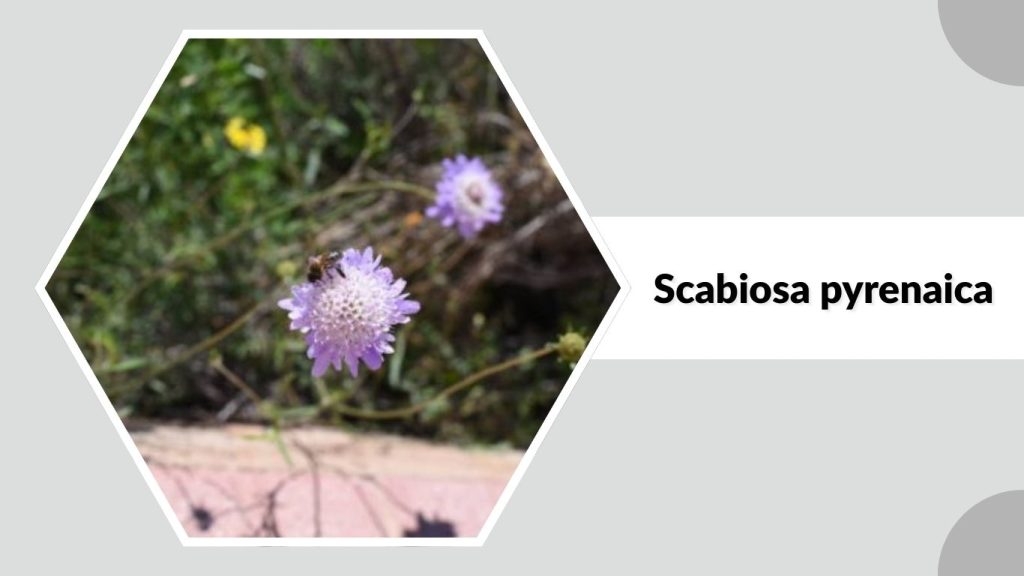
Scabiosa pyrenaica is a hardy perennial species native to the Pyrenees mountains, admired for its soft lavender-blue flowers and its ability to thrive in cooler, upland conditions. It is well suited to naturalistic gardens, alpine beds, and sunny borders where a refined, mountain-meadow look is desired.
Identification
- Rounded, pincushion-shaped flower heads
- Soft lavender to pale blue outer florets
- Prominent central stamens
- Narrow, lightly lobed green leaves
- Upright, slender flowering stems
Habitat
Scabiosa pyrenaica naturally grows in mountain meadows, rocky slopes, and open alpine areas. In gardens, it prefers full sun and well-drained soil, and it tolerates cooler temperatures better than many other Scabiosa species.
Flowering and Growth Habit
This species blooms from late spring through summer. It forms neat clumps and produces elegant flower stems that rise above the foliage, creating a soft, natural appearance.
Uses and Garden Value
Scabiosa pyrenaica is ideal for alpine gardens, pollinator borders, and natural-style plantings. Its nectar-rich flowers attract bees and butterflies, while its mountain origin makes it suitable for cooler-climate landscapes.
FAQs
What is Scabiosa commonly known as?
Scabiosa is most commonly known as the pincushion flower because of its rounded blooms with protruding stamens that resemble pins stuck into a cushion. It is popular in ornamental gardening for its delicate appearance, long blooming season, and strong attraction to pollinators such as bees and butterflies.
Is Scabiosa an annual or perennial plant?
Scabiosa includes both annual and perennial species. Some types, like Scabiosa atropurpurea, are usually grown as annuals, while others such as Scabiosa caucasica and Scabiosa columbaria are long-lived perennials. The plant’s life cycle depends on the specific species and local climate conditions.
What growing conditions do Scabiosa flowers prefer?
Most Scabiosa species prefer full sun and well-drained soil. They grow best in moderately fertile ground and benefit from good air circulation. Many types tolerate light drought once established, but consistent moisture and regular deadheading help encourage longer and more abundant flowering.
Do Scabiosa flowers attract pollinators?
Yes, Scabiosa flowers are excellent pollinator plants. Their nectar-rich blooms attract bees, butterflies, and other beneficial insects throughout the flowering season. Because they bloom over a long period, they provide an important and reliable food source for pollinators in gardens and naturalistic landscapes.
Can Scabiosa be used as cut flowers?
Scabiosa is widely used as a cut flower due to its long, slender stems and attractive, long-lasting blooms. Both fresh flowers and dried seed heads are popular in floral arrangements. Regular cutting or deadheading also encourages the plant to produce more flowers.