



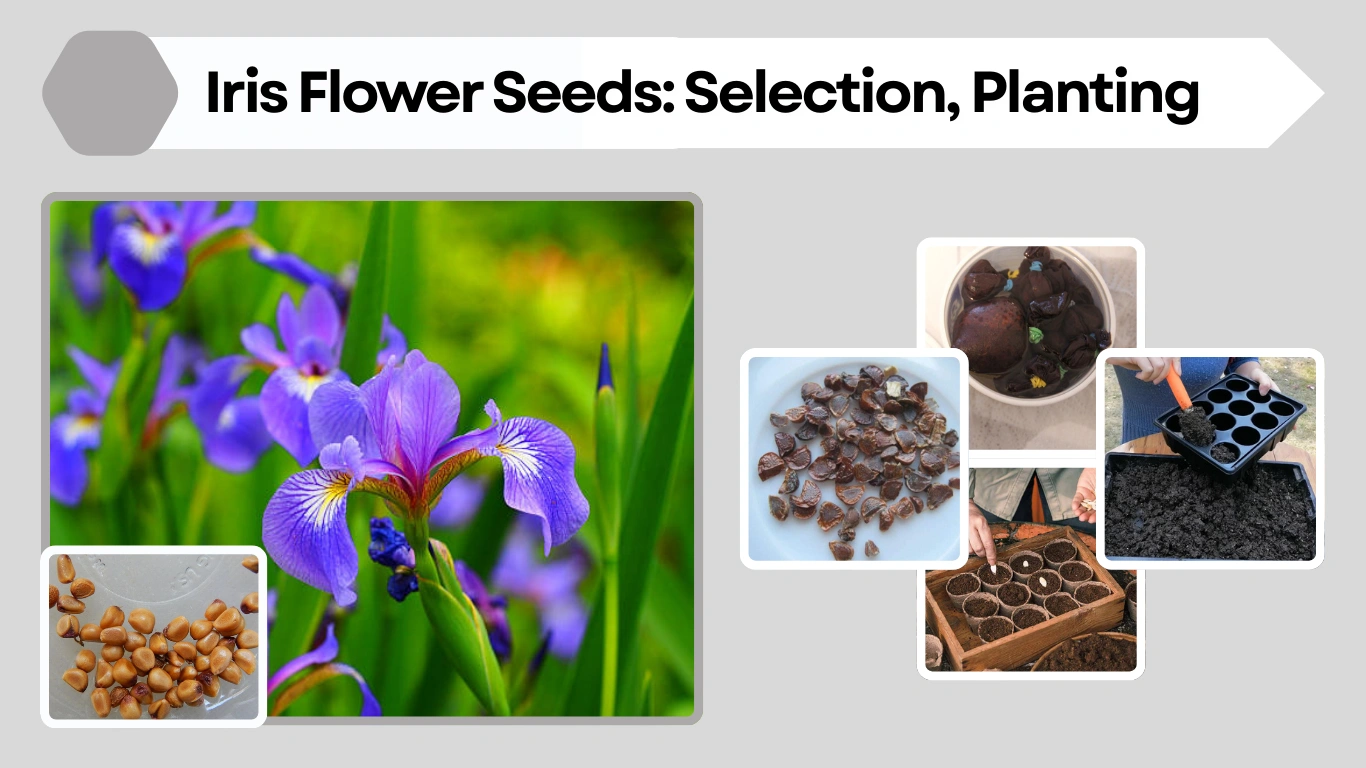
Iris flowers are admired for their stunning colors, intricate petal patterns, and graceful forms, making them a favorite among gardeners and flower enthusiasts alike. Growing Iris from seeds is a patient but rewarding process, allowing gardeners to propagate rare varieties and create hybrids. Unlike bulbs, seed-grown Iris takes time to bloom, but it offers a unique opportunity to experiment with colors, shapes, and species. This guide covers seed types, preparation, planting techniques, germination tips, and early care to help you succeed.
Types of Iris Seeds
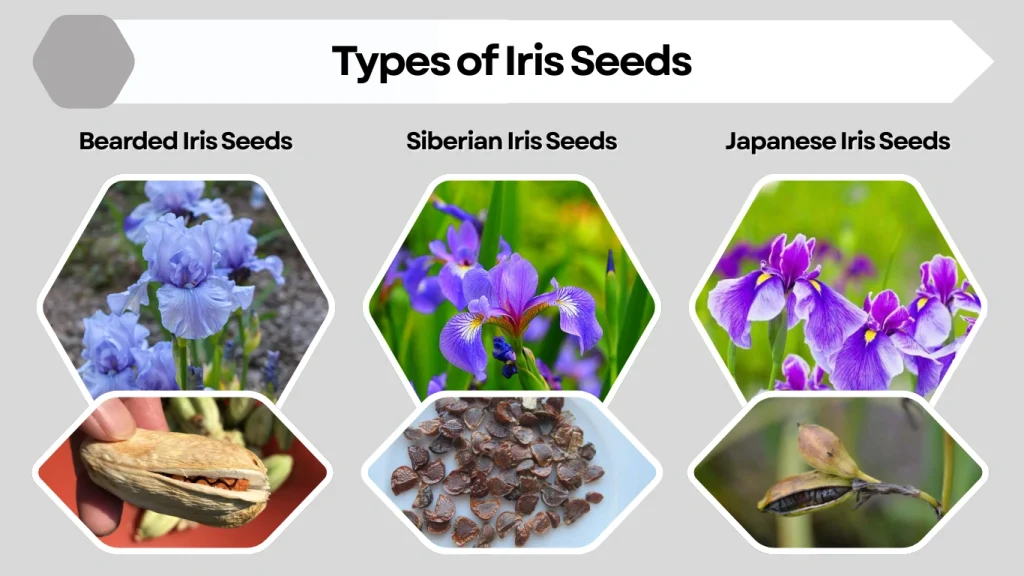
Understanding the types of Iris seeds is crucial before starting your garden. Different species have unique growth requirements, bloom times, and care needs.
Bearded Iris Seeds
Bearded Iris seeds are one of the most popular options for gardeners. These Iris flowers are named for the fuzzy “beard” that runs along the lower petals of each bloom. They thrive in full sun and well-drained soil and are known for producing bold, vibrant colors, including purples, yellows, and whites.
Siberian Iris Seeds
Siberian Iris seeds are prized for their hardiness. These plants tolerate cold climates better than other species and feature slender, grass-like foliage. The blooms are usually blue, purple, or white, and their delicate, upright flowers make them ideal for border gardens or naturalized settings. Siberian Iris seeds require slightly acidic soil for optimal growth.
Japanese Iris Seeds
Japanese Iris seeds produce large, flat flowers that are perfect for water gardens or partially shaded areas. These Iris plants prefer moist, rich soil and partial sunlight. Their blooms are often intricate with multiple colors and are excellent for creating a dramatic focal point in garden ponds or wetland areas.
List of Popular Iris Varieties
For gardeners interested in cultivating Iris from seeds, here are some popular varieties:
- Iris germanica – Classic bearded Iris with vibrant, large blooms
- Iris sibirica – Hardy Siberian Iris with elegant, narrow foliage
- Iris ensata – Japanese water Iris suitable for moist soil conditions
- Iris pallida – Lavender-blue bearded Iris with fragrant flowers
- Iris versicolor – North American native Iris, often blue or violet
Selecting Quality Iris Seeds
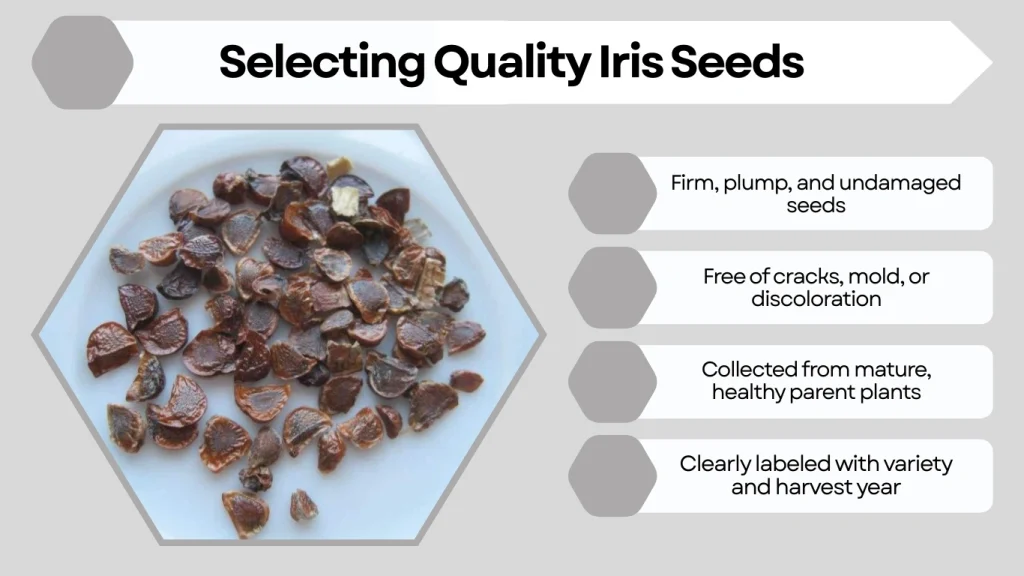
The success of your Iris garden depends heavily on the quality of seeds you choose. Healthy seeds have a higher germination rate and produce stronger plants.
Characteristics of Healthy Seeds
- Firm, plump, and undamaged seeds
- Free of cracks, mold, or discoloration
- Collected from mature, healthy parent plants
- Clearly labeled with variety and harvest year
Choosing a Reputable Supplier
Buying seeds from a reputable nursery or supplier ensures authenticity and increases germination success. Avoid unverified sources, as low-quality seeds may not sprout or may produce weak plants.
Preparing Seeds for Planting
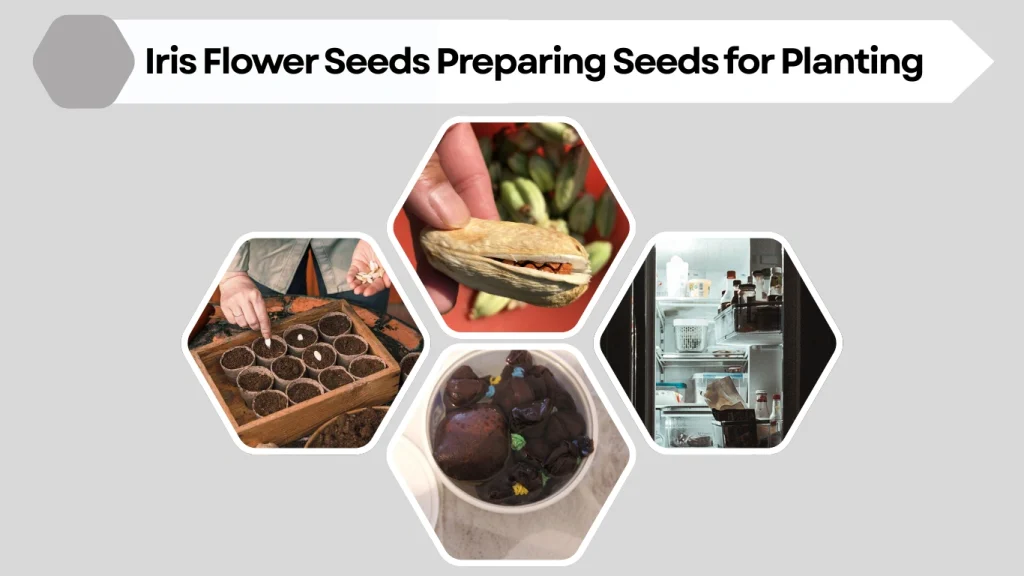
Iris seeds often have dormancy mechanisms that need to be broken for successful germination. Proper preparation improves your chances of strong seedlings.
Stratification Process
Many Iris seeds require cold stratification to simulate winter conditions. This involves placing seeds in a moist paper towel, sealing them in a plastic bag, and refrigerating for 4–6 weeks. Stratification helps the seed break dormancy naturally and promotes consistent germination.
Soaking Seeds
Some gardeners prefer to soak seeds in water for 24 hours before planting. This softens the seed coat and accelerates germination. Soaking is optional but can be beneficial for older or harder seeds.
Essential Planting Materials
To start Iris seeds successfully, gather the following:
- Seed trays or small pots
- Well-draining seed compost
- Sand or perlite to improve drainage
- Labels and markers for varieties
Planting Iris Seeds
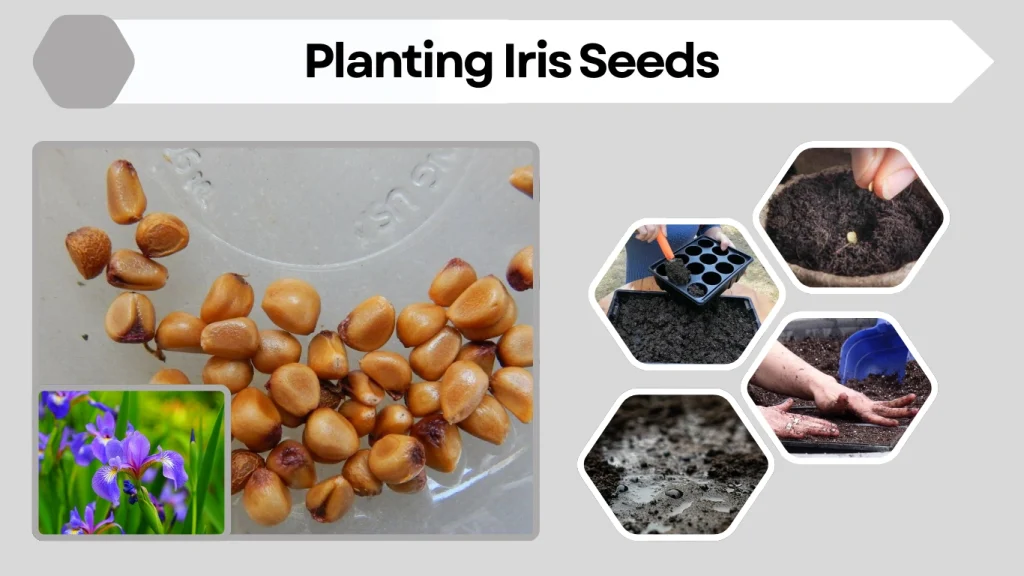
Step-by-Step Guide
Planting Iris seeds correctly ensures better germination and healthy seedlings:
- Fill trays or pots with a seed compost mix.
- Sow seeds about 1 cm deep and space them evenly.
- Cover lightly with compost or sand.
- Keep the soil consistently moist but not waterlogged.
- Place trays in indirect sunlight or a heated propagator to maintain warmth.
Ideal Soil Conditions
Iris seeds thrive in soil that is slightly acidic to neutral with excellent drainage. Heavy clay soils can retain excess water, leading to rot. Adding sand or perlite to the compost mix improves drainage and creates an ideal growing medium for seeds.
Germination and Early Seedling Care
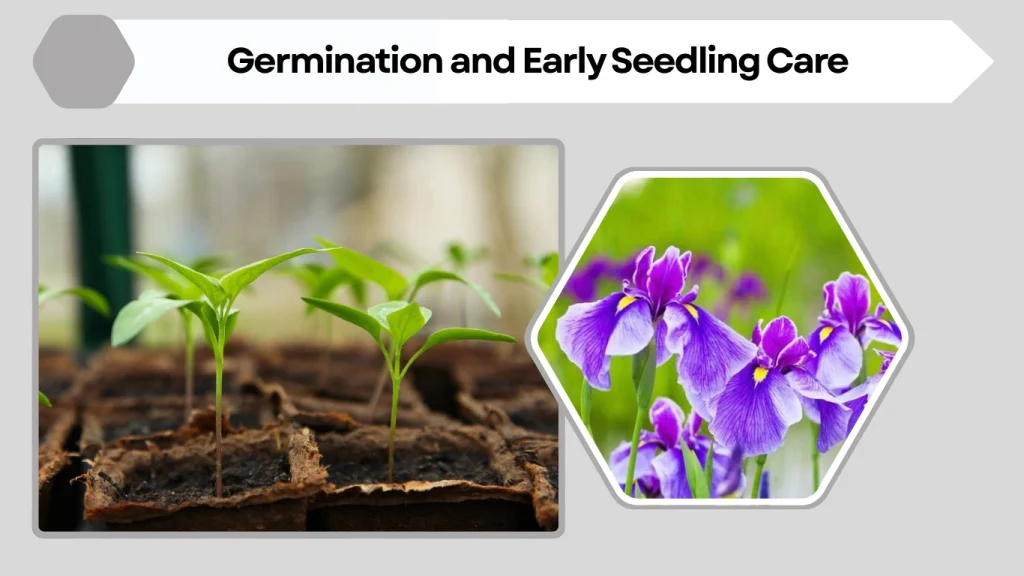
Seed germination can take anywhere from 2 to 6 weeks, depending on the Iris species. Proper care during this period is crucial for healthy seedling development.
Germination Timeline
- Bearded Iris seeds may take longer to sprout, sometimes up to 6 weeks.
- Siberian and Japanese Iris seeds often germinate faster under optimal conditions.
- Maintain consistent moisture and avoid overwatering, which can lead to fungal issues.
Seedling Care
- Introduce indirect sunlight gradually to seedlings.
- Monitor closely for mold or fungus, removing affected seedlings immediately.
- Once seedlings develop 2–3 leaves, they can be transplanted into larger pots or garden beds.
Transplanting and Garden Care
Once Iris seedlings have grown 2–3 leaves, they are ready for transplanting into the garden or larger pots. Proper transplanting ensures strong growth and prepares the plants for future blooms.
Hardening Off
Before planting outdoors, seedlings should be hardened off. Gradually expose them to outdoor conditions over 1–2 weeks:
- Start with a few hours of morning sunlight
- Slowly increase exposure to wind and full sun
- Reduce watering slightly to help plants adjust
Planting Layout
- Space seedlings at least 30 cm apart to allow airflow and reduce competition.
- Mulch around the base to retain moisture, suppress weeds, and protect roots.
- Ensure the planting site receives sufficient sunlight (6–8 hours for most varieties).
Fertilization
- Lightly feed young plants with a balanced fertilizer (NPK 10:10:10).
- Avoid over-fertilization, which can burn roots or produce excessive foliage at the expense of blooms.
- Fertilize again just before flowering to encourage vibrant flowers.
Common Problems and Solutions
Even with careful planning, Iris seedlings can face challenges. Awareness of common pests, diseases, and growth issues will help you maintain a healthy garden.
Pests
- Aphids: Small insects that suck sap from leaves; remove manually or use insecticidal soap.
- Slugs and snails: Can damage young seedlings; use organic barriers or traps.
- Spider mites: Usually appear in dry conditions; spraying with water or neem oil helps.
Diseases
- Root rot: Caused by waterlogged soil; ensure proper drainage and avoid overwatering.
- Leaf spot: Fungal disease causing brown spots; remove affected leaves and apply fungicide if necessary.
- Botrytis blight: Gray mold affecting flowers; maintain airflow and remove decayed plant material.
Growth Challenges
- Slow germination may indicate seeds were not stratified properly.
- Weak seedlings may result from insufficient light or poor soil quality.
- Regular monitoring, stratification, and maintaining ideal conditions reduce these issues.
Tips for Successful Iris Seed Gardening
- Label all seedlings clearly to track varieties and bloom times.
- Keep a gardening journal to record planting dates, germination rates, and care routines.
- Rotate planting locations annually to prevent soil-borne diseases.
- Save seeds from healthy plants for propagation next season.
- Use companion planting to naturally deter pests and improve soil health.
FAQs
When is the best time to plant Iris seeds?
Late winter to early spring is ideal after cold stratification. Some varieties, such as Japanese Iris, can also be planted in early autumn in milder climates to take advantage of cooler, moist soil conditions.
How long does it take for Iris seeds to bloom?
Iris plants grown from seeds typically bloom after 2–3 years. Bearded Iris varieties may take longer, while Siberian and Japanese Iris can flower slightly sooner under optimal conditions.
Can I reuse old Iris seeds?
Old seeds may lose viability. To check, soak a few seeds in water; firm seeds that sink are likely viable. For consistent results, fresh seeds are recommended.
What soil conditions do Iris seeds prefer?
Iris seeds thrive in well-draining, slightly acidic to neutral soil. Adding sand or perlite improves drainage. Avoid heavy clay soils, as they can retain excess water and lead to root rot.
How can I prevent pests and diseases in seedlings?
Maintain proper spacing, ensure good drainage, and remove infected leaves promptly. Use organic pesticides or natural deterrents, and regularly inspect plants to catch issues early.