





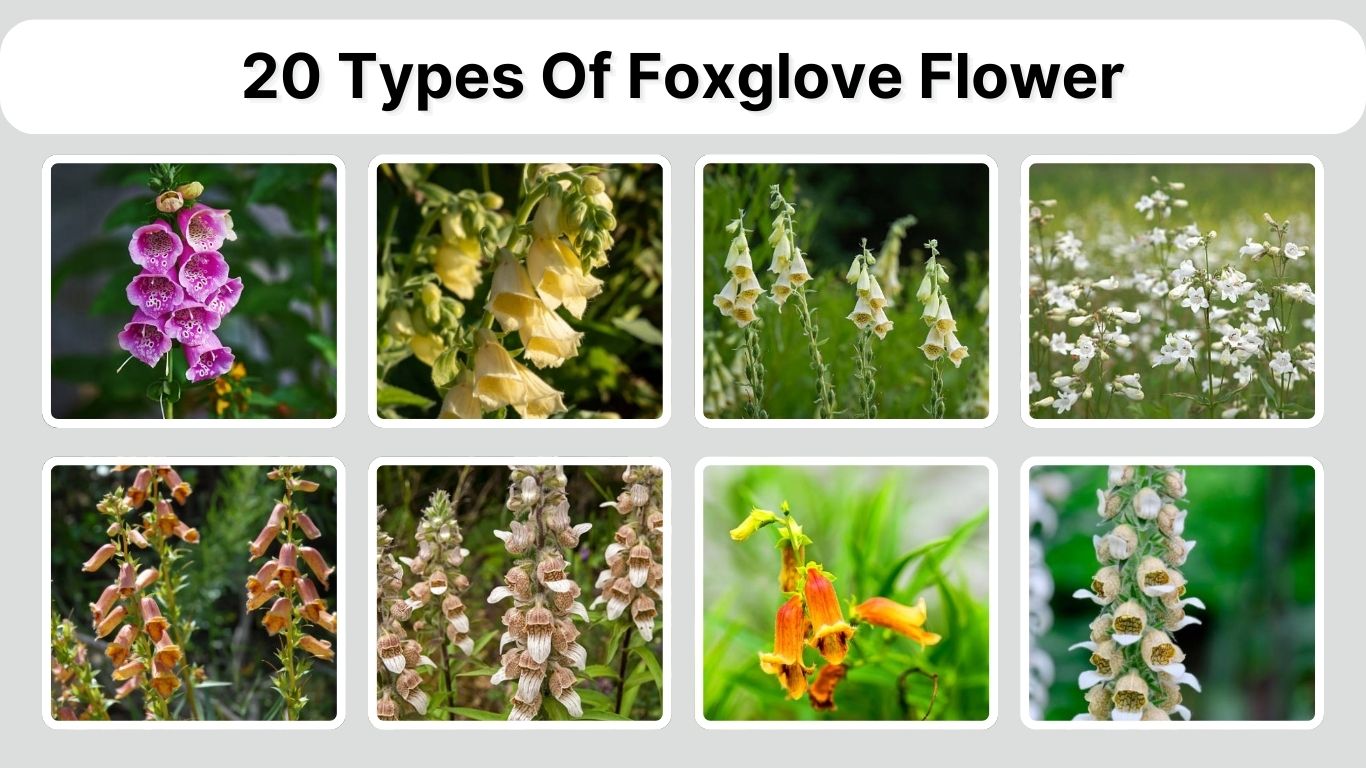
Foxglove flowers (Digitalis) are renowned for their tall, elegant spikes of tubular blooms that bring color and charm to gardens worldwide. With varieties ranging from the classic purple Digitalis purpurea to the rare pale green Digitalis viridiflora, these perennials thrive in woodland edges, meadows, and borders. Highly attractive to pollinators like bees and hummingbirds, foxgloves not only enhance garden aesthetics but also support biodiversity. Despite their beauty, all species are toxic if ingested, so care is essential.
1. Digitalis purpurea

Digitalis purpurea, commonly known as the common foxglove, is one of the most popular species of foxglove flowers. Native to Europe, it is admired for its tall spikes of tubular flowers that range in color from purple to pink, often with spotted throats. This perennial biennial attracts pollinators like bees and butterflies and is widely cultivated in gardens for its striking vertical presence.
Identification
- Height: 2–5 feet tall
- Flower Color: Purple, pink, white
- Flower Shape: Tubular, bell-shaped
- Leaves: Large, lance-shaped, slightly hairy
Habitat
Digitalis purpurea thrives in woodland clearings, hedgerows, and open meadows. It prefers well-drained soil and partial shade but can tolerate full sun in cooler climates.
Growth and Care
This species grows best in rich, slightly acidic soil with good moisture retention. Regular watering and mulching help maintain healthy growth, while deadheading spent flowers encourages more blooms.
Uses and Facts
While beautiful, Digitalis purpurea is highly toxic if ingested, containing cardiac glycosides. Historically, it has been used medicinally to treat heart conditions under controlled doses. Gardeners should handle the plant with care, especially around pets and children.
2. Digitalis lutea
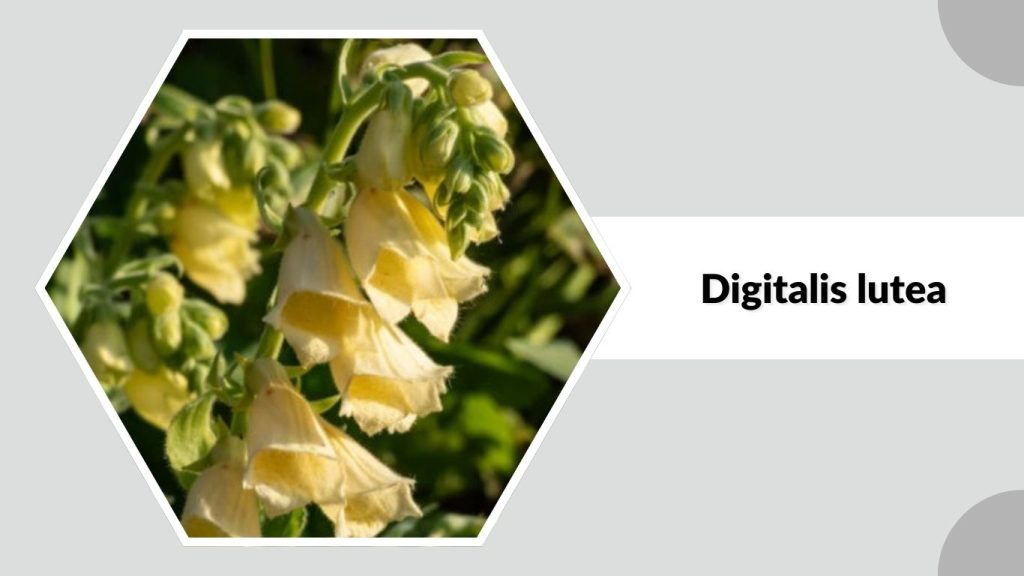
Digitalis lutea, also known as small yellow foxglove, is a charming perennial species native to central and southern Europe. Unlike the tall purple foxglove, this variety produces slender spikes of pale yellow, tubular flowers that bloom in late spring to early summer. Its subtle color and delicate form make it a favorite for rock gardens and naturalized borders.
Identification
- Height: 1–2 feet tall
- Flower Color: Pale yellow
- Flower Shape: Tubular, bell-shaped
- Leaves: Narrow, lance-shaped, slightly hairy
Habitat
Digitalis lutea prefers woodland edges, meadows, and shaded garden spots. It thrives in well-drained soil and tolerates partial shade, making it suitable for both garden beds and naturalized plantings.
Growth and Care
This species grows best in fertile, humus-rich soil with consistent moisture. It is relatively low-maintenance but benefits from occasional pruning to maintain its shape and encourage more blooms.
Uses and Facts
Like other foxgloves, Digitalis lutea is toxic if ingested, containing compounds that can affect heart function. It is primarily grown for ornamental purposes and is valued for its ability to attract pollinators like bees and hummingbirds.
3. Digitalis grandiflora
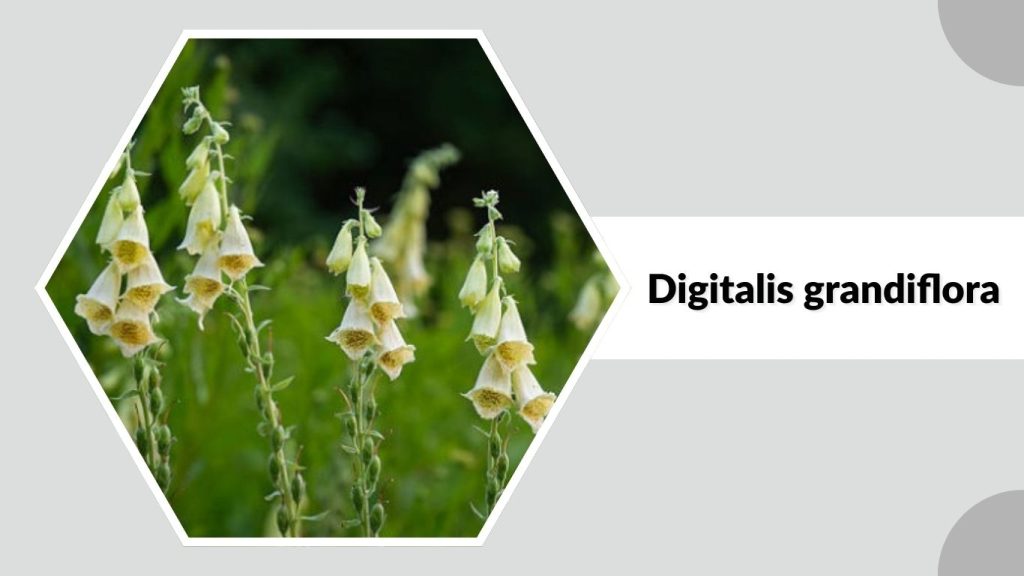
Digitalis grandiflora, commonly called the large yellow foxglove, is a striking perennial native to central and eastern Europe. It is known for its tall, elegant spikes of bright yellow, tubular flowers that bloom in late spring and early summer. This species adds a cheerful splash of color to garden borders and attracts a variety of pollinators.
Identification
- Height: 2–4 feet tall
- Flower Color: Bright yellow
- Flower Shape: Tubular, bell-shaped
- Leaves: Broad, lance-shaped, smooth-textured
Habitat
Digitalis grandiflora grows well in woodland clearings, grassy meadows, and shaded garden areas. It prefers moist, well-drained soil and can tolerate partial shade, thriving in temperate climates.
Growth and Care
This species benefits from fertile soil enriched with organic matter. Regular watering during dry spells ensures strong flower spikes, and removing spent blooms encourages extended flowering.
Uses and Facts
While visually appealing, Digitalis grandiflora is toxic if ingested due to cardiac glycosides. It is primarily cultivated for ornamental purposes and is effective in attracting bees and hummingbirds to gardens.
4. Digitalis x mertonensis
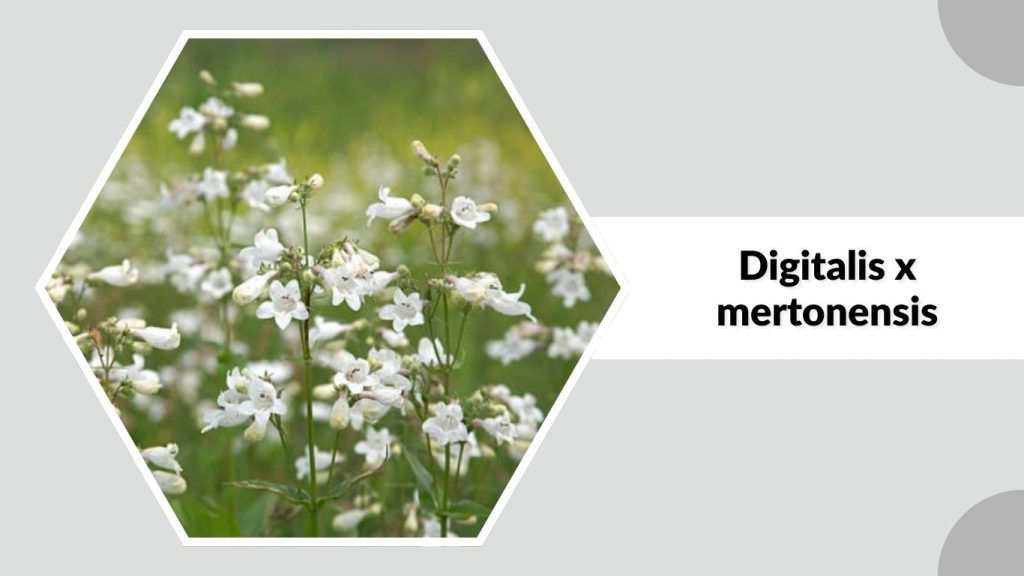
Digitalis x mertonensis, also known as Merton foxglove, is a hybrid species prized for its striking two-toned flowers. Developed in the UK, it features tall spikes of creamy yellow flowers with deep purple spots inside the tubular blooms. This hybrid combines the best traits of its parent species, offering a long flowering period and robust growth for garden displays.
Identification
- Height: 3–5 feet tall
- Flower Color: Creamy yellow with purple spots
- Flower Shape: Tubular, bell-shaped
- Leaves: Lance-shaped, slightly hairy, deep green
Habitat
Digitalis x mertonensis thrives in garden borders, woodland edges, and partially shaded areas. It prefers well-drained, fertile soil and can tolerate both sun and partial shade, making it versatile for various garden settings.
Growth and Care
This hybrid foxglove benefits from rich, moist soil and regular watering. Deadheading spent flowers helps encourage a longer blooming season, while staking may be needed for taller flower spikes.
Uses and Facts
Like other foxgloves, Digitalis x mertonensis is toxic if ingested. It is mainly grown for ornamental purposes and is highly attractive to pollinators such as bees and hummingbirds. Its unique coloration makes it a standout in any garden.
5. Digitalis ferruginea
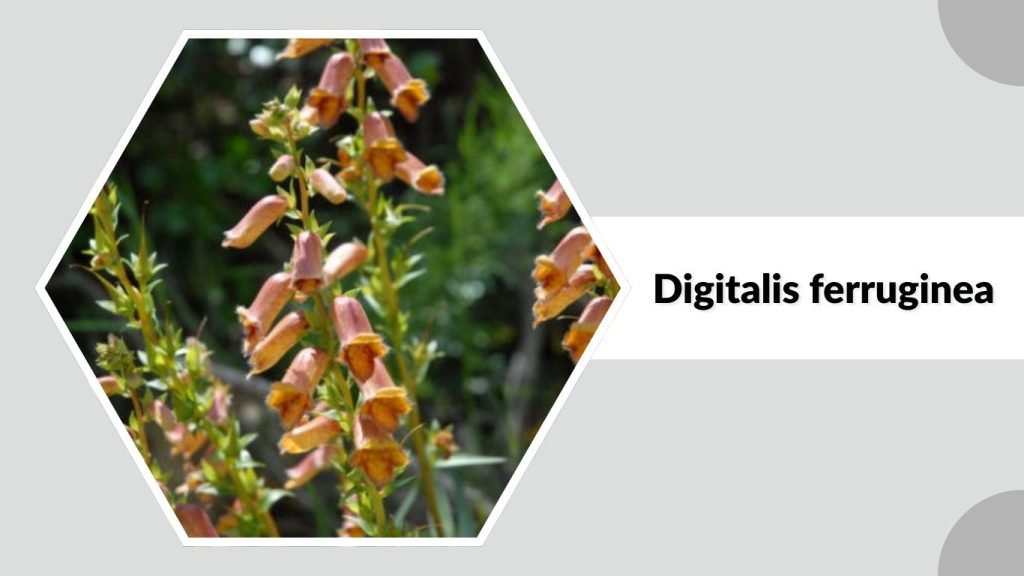
Digitalis ferruginea, commonly called the rusty foxglove, is a striking perennial native to Eastern Europe. Its tall, upright spikes feature tubular flowers with a distinctive rusty-brown to copper hue, often with darker spots inside the blooms. This unusual coloration makes it a favorite for gardeners seeking a unique, warm-toned addition to borders and naturalized areas.
Identification
- Height: 3–5 feet tall
- Flower Color: Rusty brown to copper
- Flower Shape: Tubular, bell-shaped
- Leaves: Lance-shaped, slightly hairy, dark green
Habitat
Digitalis ferruginea thrives in well-drained soils, preferably in full sun to partial shade. It is commonly found in woodland clearings, meadows, and garden borders where its tall flower spikes can stand out.
Growth and Care
This species prefers fertile soil with moderate moisture. Regular watering during dry periods and deadheading spent flowers promotes extended blooming. It is hardy and relatively low-maintenance, making it suitable for temperate gardens.
Uses and Facts
Digitalis ferruginea is toxic if ingested due to cardiac glycosides. It is primarily cultivated for ornamental purposes and attracts pollinators like bees, adding both visual and ecological value to gardens.
6. Digitalis lanata
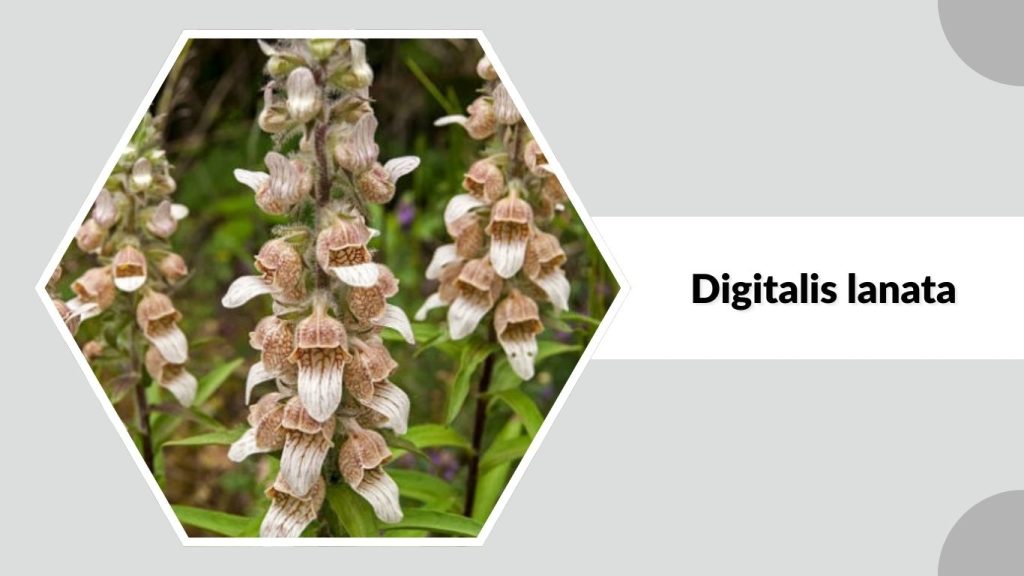
Digitalis lanata, commonly known as woolly foxglove, is a biennial or short-lived perennial native to Eastern Europe. It is admired for its tall spikes of creamy white to pale yellow tubular flowers, which are densely packed along the stems. This species is especially notable for its soft, woolly-textured leaves that give it a distinctive appearance in garden plantings.
Identification
- Height: 2–4 feet tall
- Flower Color: Creamy white to pale yellow
- Flower Shape: Tubular, bell-shaped
- Leaves: Lance-shaped, soft, woolly texture
Habitat
Digitalis lanata grows well in well-drained soils with full sun to partial shade. It is commonly found in meadows, woodland edges, and naturalized garden settings, thriving in temperate climates.
Growth and Care
This species prefers fertile soil with consistent moisture. It benefits from mulching to retain soil moisture and prevent weeds. Deadheading flowers can encourage a longer bloom period, while its woolly foliage adds visual texture to garden beds.
Uses and Facts
Digitalis lanata is highly toxic due to cardiac glycosides but has medicinal applications under controlled conditions. Its ornamental value and ability to attract bees and other pollinators make it a popular choice for gardeners.
7. Digitalis obscura
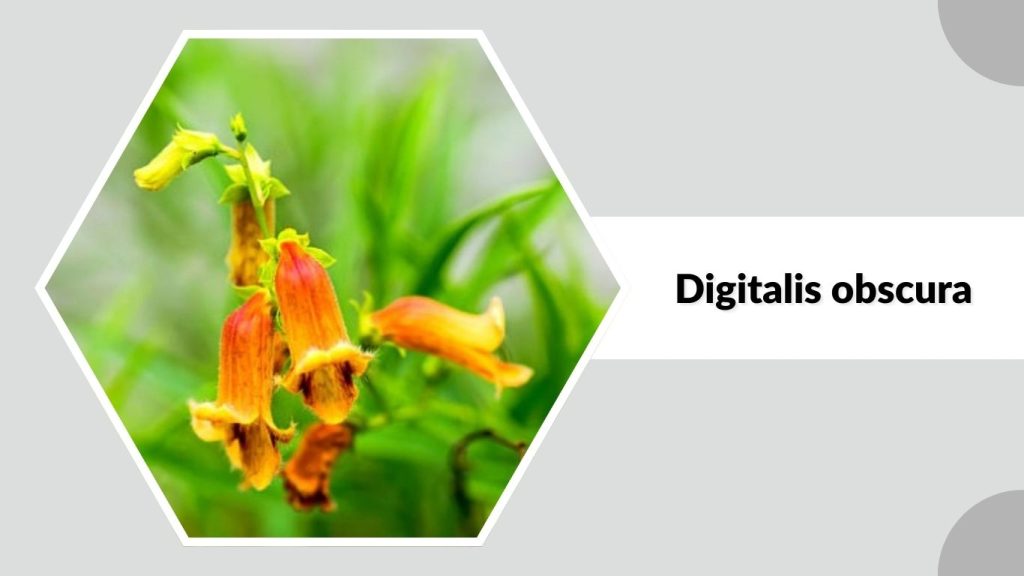
Digitalis obscura, commonly known as the obscure foxglove, is a lesser-known perennial species native to parts of Southern Europe. It produces slender spikes of dark, reddish-purple tubular flowers that give it a mysterious and dramatic appearance. Its subtle beauty makes it ideal for naturalized gardens and woodland borders where it can provide contrast to lighter-colored blooms.
Identification
- Height: 2–3 feet tall
- Flower Color: Dark reddish-purple
- Flower Shape: Tubular, bell-shaped
- Leaves: Narrow, lance-shaped, slightly hairy
Habitat
Digitalis obscura thrives in well-drained soil with partial shade. It is often found in woodland clearings and rocky slopes, preferring temperate climates and sheltered garden locations.
Growth and Care
This species prefers humus-rich, fertile soil with moderate watering. Mulching helps retain soil moisture, and deadheading can promote additional flower production. It is relatively low-maintenance and adapts well to garden conditions.
Uses and Facts
Like other foxgloves, Digitalis obscura is toxic if ingested. It is mainly grown for ornamental purposes and attracts pollinators such as bees and butterflies, adding both ecological and aesthetic value to garden spaces.
8. Digitalis parviflora
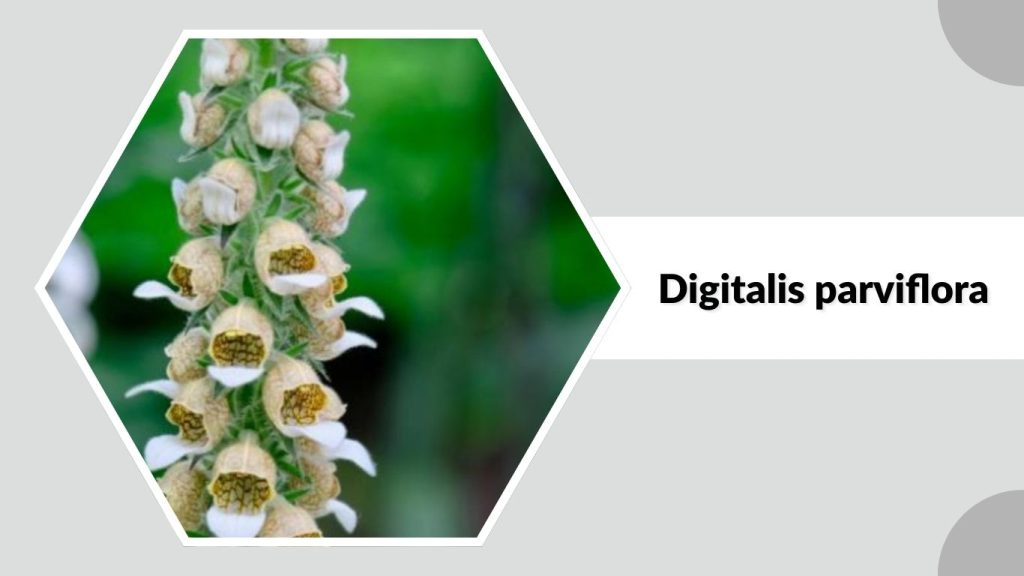
Digitalis parviflora, commonly known as small-flowered foxglove, is a delicate perennial native to southern Europe. It produces slender spikes of pale yellow, small tubular flowers that bloom in late spring to early summer. Its subtle flowers and compact form make it suitable for rock gardens, borders, and shaded garden spots.
Identification
- Height: 1–2 feet tall
- Flower Color: Pale yellow
- Flower Shape: Tubular, bell-shaped
- Leaves: Narrow, lance-shaped, slightly hairy
Habitat
Digitalis parviflora grows best in well-drained, humus-rich soil with partial shade. It is commonly found in woodland edges, grassy slopes, and naturalized garden areas where it can receive protection from intense sunlight.
Growth and Care
This species thrives in fertile soil with moderate moisture. Mulching helps maintain soil humidity, and deadheading spent flowers encourages prolonged blooming. It is relatively low-maintenance and adapts well to temperate garden conditions.
Uses and Facts
Like other foxgloves, Digitalis parviflora is toxic if ingested due to cardiac glycosides. It is primarily cultivated for ornamental purposes and is effective in attracting pollinators such as bees, contributing to a healthy garden ecosystem.
9. Digitalis thapsi
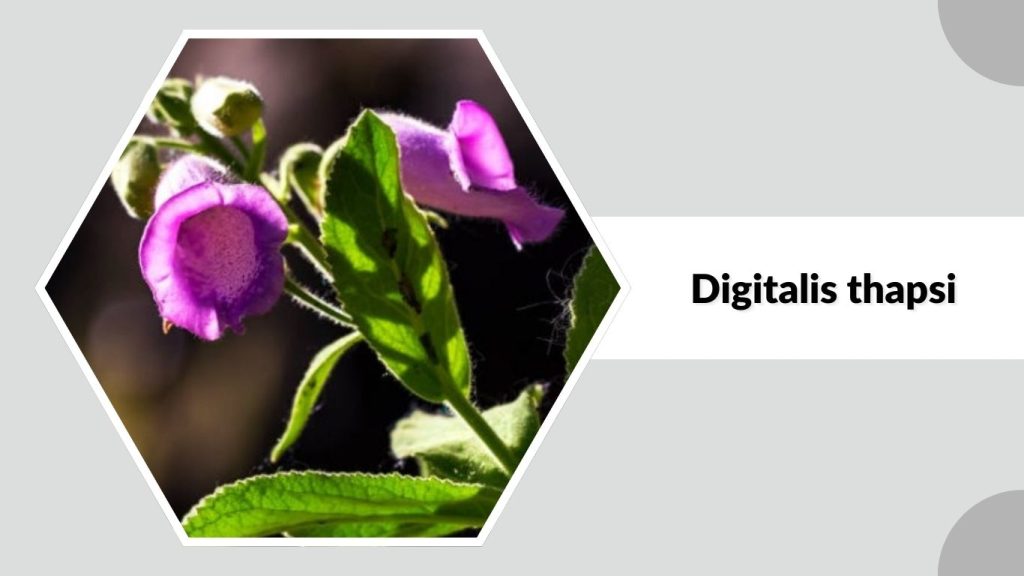
Digitalis thapsi, commonly known as yellow foxglove or Spanish foxglove, is a perennial species native to the Iberian Peninsula. It features tall spikes of bright yellow, tubular flowers with subtle brown spots inside, creating a vibrant and eye-catching display in gardens. This species is valued for its striking color and ability to attract pollinators.
Identification
- Height: 2–4 feet tall
- Flower Color: Bright yellow with brown spots
- Flower Shape: Tubular, bell-shaped
- Leaves: Lance-shaped, slightly hairy, deep green
Habitat
Digitalis thapsi thrives in well-drained soils with full sun to partial shade. It is commonly found in meadows, woodland edges, and rocky slopes, preferring temperate climates with moderate rainfall.
Growth and Care
This foxglove grows best in fertile, humus-rich soil. Regular watering during dry periods and mulching helps maintain healthy growth. Deadheading spent flowers encourages extended blooming and prevents self-seeding in unwanted areas.
Uses and Facts
Digitalis thapsi is toxic if ingested due to cardiac glycosides. It is primarily cultivated for ornamental purposes and is attractive to pollinators like bees and hummingbirds, adding both beauty and ecological value to garden spaces.
10. Digitalis viridiflora
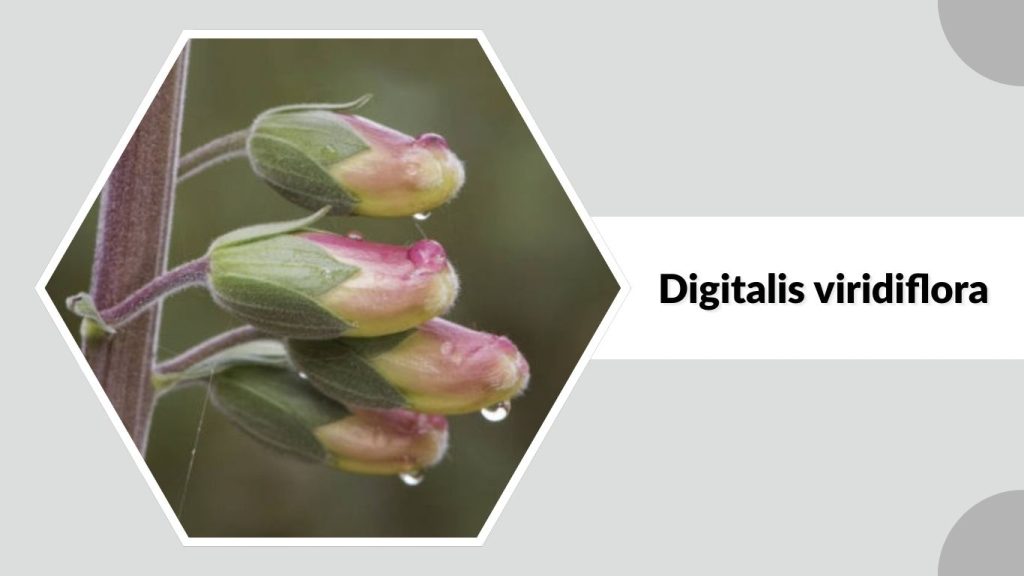
Digitalis viridiflora, commonly called green foxglove, is a unique perennial species native to the Caucasus region. It is notable for its pale green tubular flowers, which bloom along upright spikes in late spring to early summer. Its unusual green coloration makes it a striking addition to shaded garden areas or mixed borders.
Identification
- Height: 2–3 feet tall
- Flower Color: Pale green
- Flower Shape: Tubular, bell-shaped
- Leaves: Lance-shaped, slightly hairy, medium green
Habitat
Digitalis viridiflora prefers well-drained soils with partial shade to full shade. It grows naturally in woodland edges and mountainous meadows, thriving in temperate climates with moderate moisture.
Growth and Care
This species grows best in fertile, humus-rich soil with consistent moisture. Mulching helps retain soil humidity, and deadheading spent flowers encourages a longer bloom period. It is hardy and low-maintenance, suitable for shaded garden areas.
Uses and Facts
Digitalis viridiflora is toxic if ingested, like other foxgloves, due to cardiac glycosides. It is primarily cultivated for ornamental purposes and is highly attractive to pollinators such as bees and butterflies, enhancing garden biodiversity.
11. Digitalis dubia
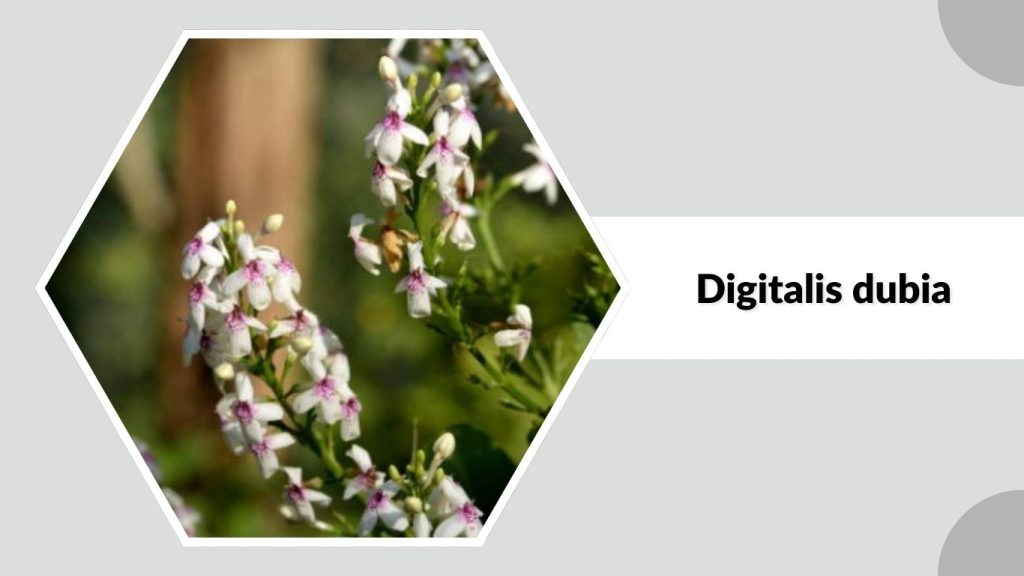
Digitalis dubia, commonly known as the doubtful foxglove, is a perennial species native to parts of southern Europe. It features slender spikes of pale cream to yellow tubular flowers, often with subtle spotting inside the blooms. Its understated elegance makes it a charming addition to rock gardens, borders, and shaded naturalized areas.
Identification
- Height: 1–2.5 feet tall
- Flower Color: Pale cream to yellow
- Flower Shape: Tubular, bell-shaped
- Leaves: Narrow, lance-shaped, slightly hairy
Habitat
Digitalis dubia thrives in well-drained, humus-rich soil with partial shade. It is commonly found in woodland edges, meadows, and rocky slopes, preferring temperate climates with moderate moisture.
Growth and Care
This species grows best in fertile soil with moderate watering. Mulching can help retain soil moisture, while deadheading spent flowers encourages prolonged blooming. It is low-maintenance and suitable for naturalized garden plantings.
Uses and Facts
Like other foxgloves, Digitalis dubia is toxic if ingested due to cardiac glycosides. It is primarily cultivated for ornamental purposes and attracts pollinators such as bees, adding both visual and ecological value to gardens.
12. Digitalis canariensis
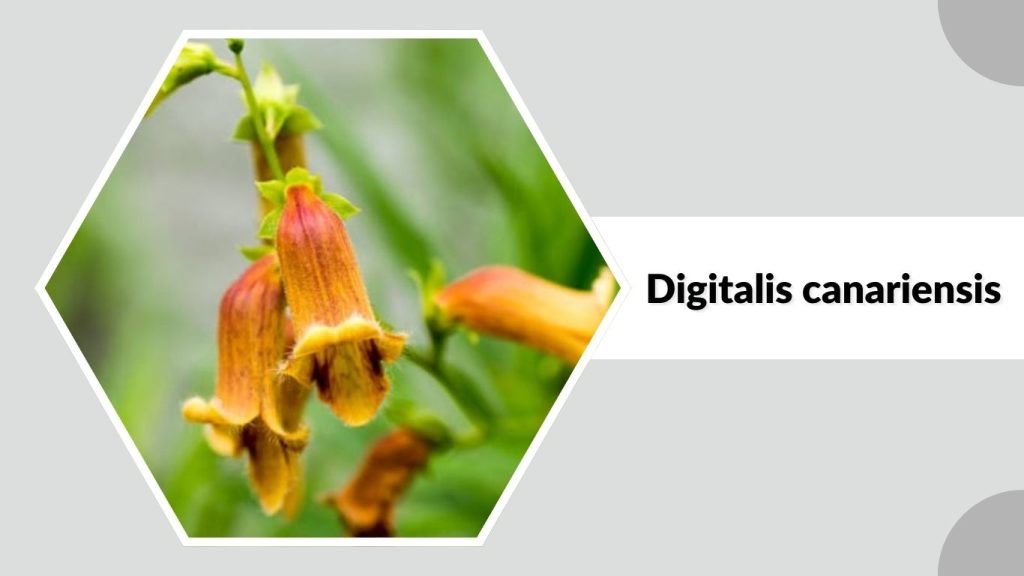
Digitalis canariensis, commonly known as Canary Island foxglove, is a perennial species native to the Canary Islands. It produces tall spikes of vibrant yellow tubular flowers with subtle brownish spots, creating a tropical and exotic appearance. Its robust growth and striking blooms make it a popular choice for garden borders and Mediterranean-style landscapes.
Identification
- Height: 3–6 feet tall
- Flower Color: Bright yellow with brown spots
- Flower Shape: Tubular, bell-shaped
- Leaves: Lance-shaped, slightly hairy, deep green
Habitat
Digitalis canariensis thrives in well-drained soils with full sun to partial shade. It grows naturally on rocky slopes and coastal areas and adapts well to garden environments with temperate to warm climates.
Growth and Care
This species prefers fertile, humus-rich soil and moderate watering. Mulching helps retain soil moisture, and deadheading spent flowers promotes extended blooming. Staking may be needed for taller flower spikes.
Uses and Facts
Digitalis canariensis is toxic if ingested, containing cardiac glycosides. It is primarily cultivated for ornamental purposes and attracts pollinators like bees and hummingbirds, enhancing both the beauty and biodiversity of garden spaces.
13. Digitalis atlantica
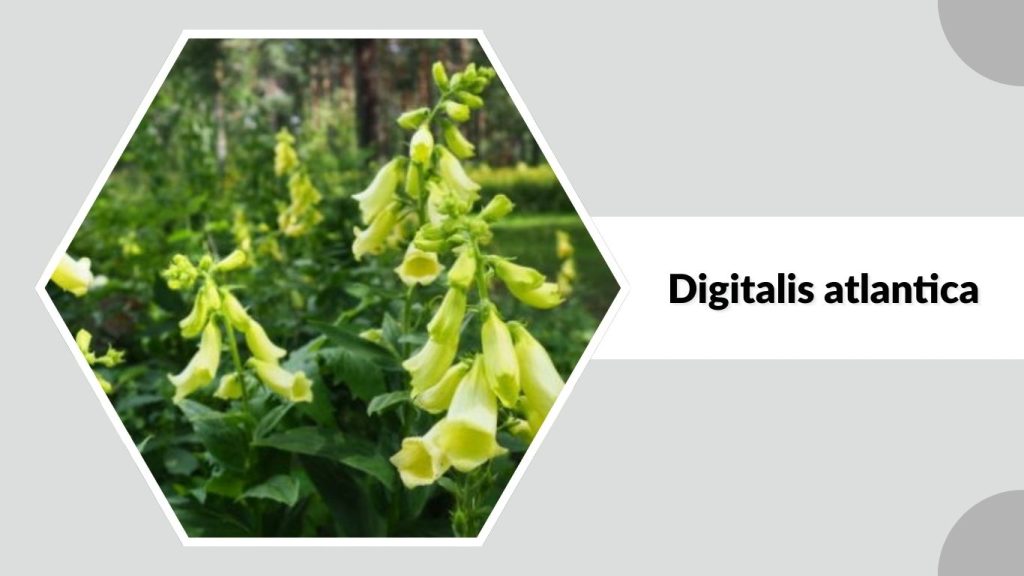
Digitalis atlantica, commonly known as Atlas foxglove, is a perennial species native to the Atlas Mountains of North Africa. It produces elegant spikes of pale yellow to cream tubular flowers with subtle spotting, adding a soft, natural touch to garden borders and rockeries. This species is prized for its drought tolerance and adaptability to rocky, well-drained soils.
Identification
- Height: 2–4 feet tall
- Flower Color: Pale yellow to cream
- Flower Shape: Tubular, bell-shaped
- Leaves: Lance-shaped, slightly hairy, medium green
Habitat
Digitalis atlantica thrives in well-drained, rocky soils with full sun to partial shade. It naturally grows on mountain slopes and open woodlands, preferring temperate climates with moderate moisture.
Growth and Care
This species prefers fertile, humus-rich soil and requires moderate watering, especially in dry conditions. Deadheading spent flowers encourages longer blooming, and its hardy nature makes it suitable for low-maintenance gardens.
Uses and Facts
Digitalis atlantica is toxic if ingested due to cardiac glycosides. It is mainly grown for ornamental purposes and is effective at attracting pollinators such as bees, enhancing both the beauty and ecological balance of garden environments.
14. Digitalis nervosa
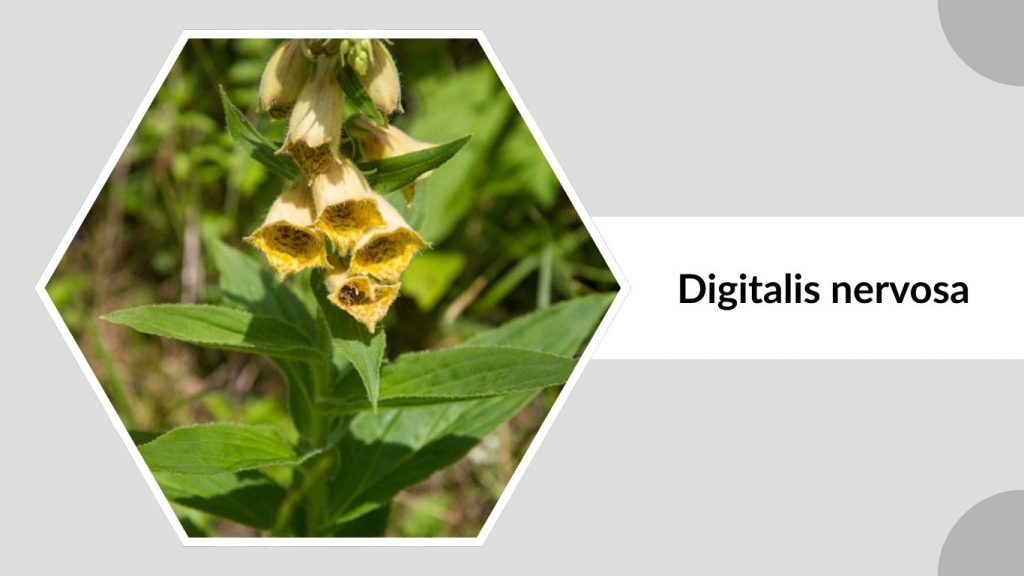
Digitalis nervosa, commonly known as veined foxglove, is a perennial species native to parts of the Mediterranean region. It is recognized for its delicate pale yellow tubular flowers with prominent veins running along the petals, giving it a textured and ornamental appearance. This species is ideal for naturalized gardens and shaded borders.
Identification
- Height: 1.5–3 feet tall
- Flower Color: Pale yellow with veined markings
- Flower Shape: Tubular, bell-shaped
- Leaves: Lance-shaped, slightly hairy, medium green
Habitat
Digitalis nervosa thrives in well-drained soils with partial shade to full sun. It is commonly found in woodland edges, meadows, and rocky slopes, preferring temperate climates.
Growth and Care
This species grows best in fertile, humus-rich soil with moderate moisture. Mulching helps maintain soil humidity, while deadheading spent flowers encourages prolonged blooming. It is low-maintenance and adapts well to garden conditions.
Uses and Facts
Digitalis nervosa is toxic if ingested due to cardiac glycosides. It is primarily cultivated for ornamental purposes and attracts pollinators like bees, adding both visual charm and ecological value to garden spaces.
15. Digitalis minor
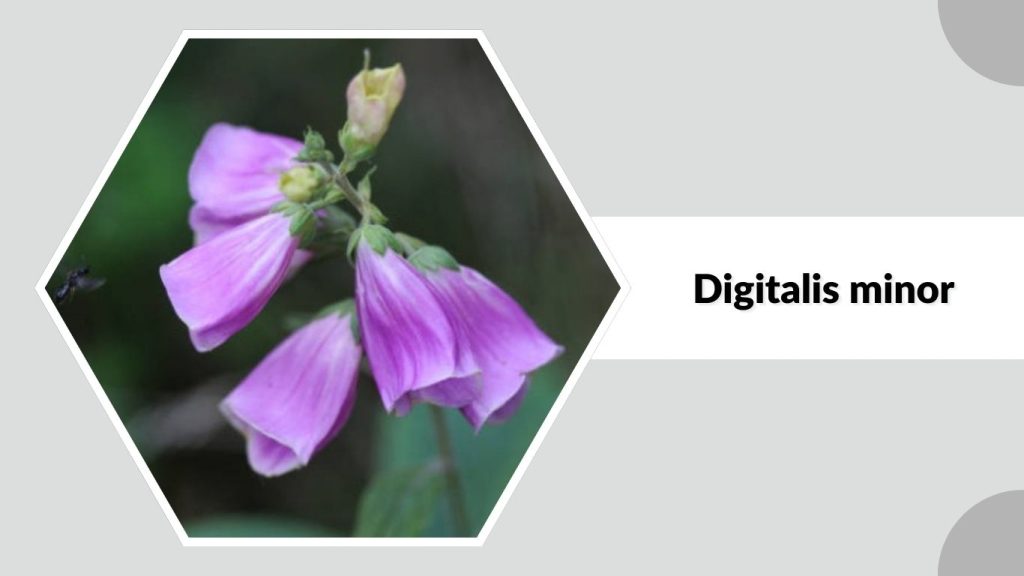
Digitalis minor, commonly known as lesser foxglove, is a perennial species native to the Balearic Islands. It features short spikes of pale yellow to cream tubular flowers with subtle brown spots, offering a delicate and understated beauty. This species is ideal for rock gardens, borders, and naturalized garden areas.
Identification
- Height: 1–2 feet tall
- Flower Color: Pale yellow to cream with brown spots
- Flower Shape: Tubular, bell-shaped
- Leaves: Narrow, lance-shaped, slightly hairy
Habitat
Digitalis minor thrives in well-drained, rocky soils with partial shade. It naturally grows in open woodlands and coastal slopes, preferring temperate climates with moderate moisture.
Growth and Care
This species grows best in fertile, humus-rich soil with moderate watering. Deadheading spent flowers encourages prolonged blooming, while mulching helps retain soil moisture. It is hardy and low-maintenance, suitable for naturalized garden settings.
Uses and Facts
Digitalis minor is toxic if ingested due to cardiac glycosides. It is mainly cultivated for ornamental purposes and attracts pollinators such as bees, enhancing both the aesthetic and ecological value of gardens.
16. Digitalis ciliata
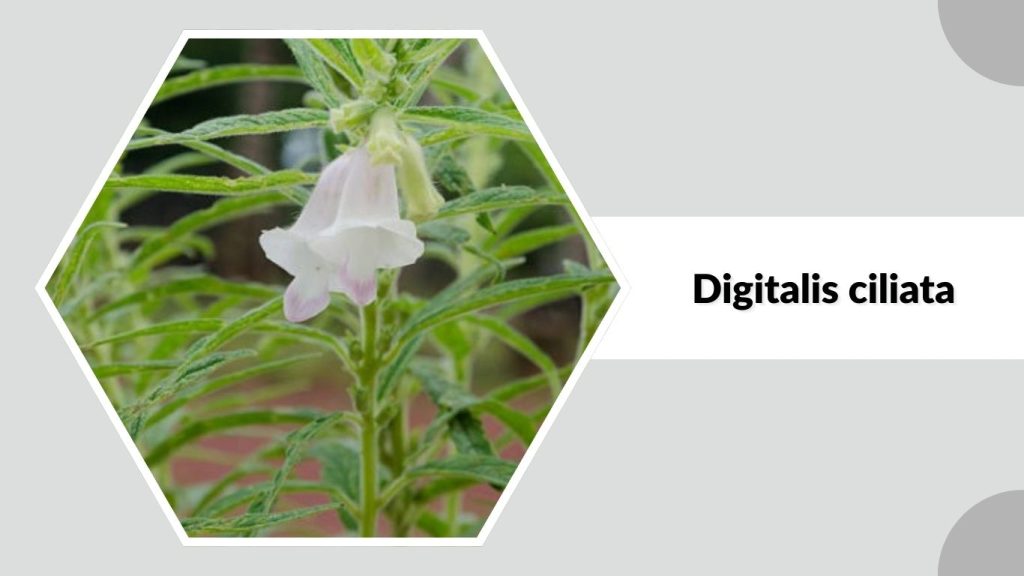
Digitalis ciliata, commonly known as fringed foxglove, is a perennial species native to the Caucasus region. It is characterized by its elegant spikes of pale yellow tubular flowers, often with fine fringe-like hairs along the edges, giving it a delicate and decorative appearance. This species is perfect for garden borders and naturalized plantings.
Identification
- Height: 2–4 feet tall
- Flower Color: Pale yellow
- Flower Shape: Tubular, bell-shaped with fringed edges
- Leaves: Lance-shaped, slightly hairy, medium green
Habitat
Digitalis ciliata grows best in well-drained, fertile soils with partial shade. It is commonly found in woodland edges and mountain meadows, preferring temperate climates with moderate moisture.
Growth and Care
This species thrives in humus-rich soil and requires moderate watering. Mulching helps retain soil moisture, and deadheading spent flowers encourages a longer blooming period. It is hardy and low-maintenance, ideal for naturalized garden areas.
Uses and Facts
Digitalis ciliata is toxic if ingested, containing cardiac glycosides. It is primarily grown for ornamental purposes and is highly attractive to pollinators such as bees, contributing to a healthy and biodiverse garden ecosystem.
17. Digitalis trojana
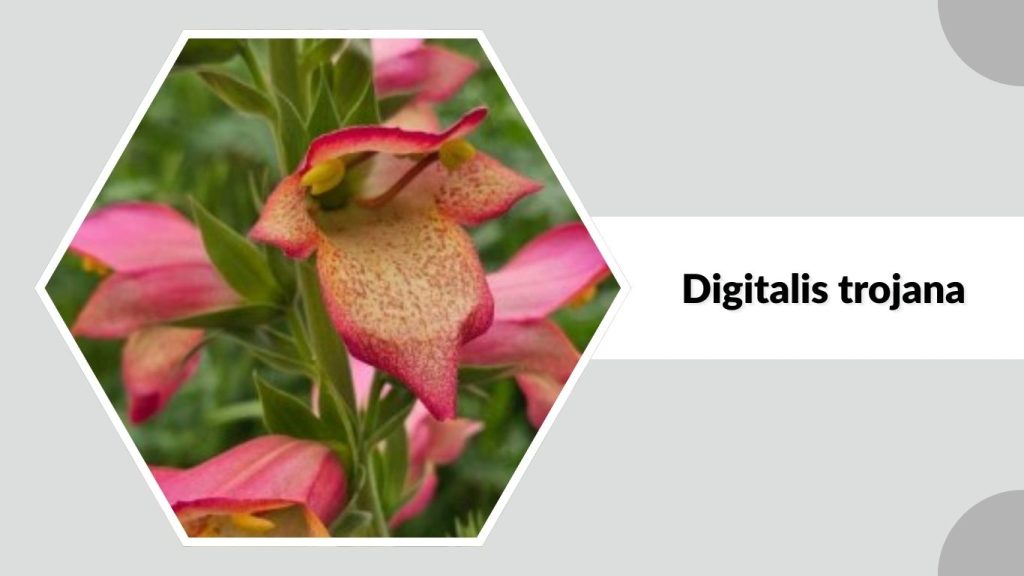
Digitalis trojana, commonly known as Trojan foxglove, is a perennial species native to northwestern Turkey. It produces tall spikes of pale yellow to cream tubular flowers, often adorned with subtle spots inside the blooms. Its elegant form and delicate coloring make it a prized addition to garden borders and naturalized areas.
Identification
- Height: 2–4 feet tall
- Flower Color: Pale yellow to cream with subtle spots
- Flower Shape: Tubular, bell-shaped
- Leaves: Lance-shaped, slightly hairy, medium green
Habitat
Digitalis trojana thrives in well-drained soils with partial shade. It is commonly found in woodland clearings, mountain slopes, and rocky terrains, preferring temperate climates with moderate moisture.
Growth and Care
This species prefers fertile, humus-rich soil and moderate watering. Deadheading spent flowers encourages longer blooming, while mulching helps retain soil moisture. It is hardy and relatively low-maintenance.
Uses and Facts
Digitalis trojana is toxic if ingested due to cardiac glycosides. It is mainly grown for ornamental purposes and is attractive to pollinators such as bees, enhancing both the beauty and ecological value of garden spaces.
18. Digitalis heywoodii
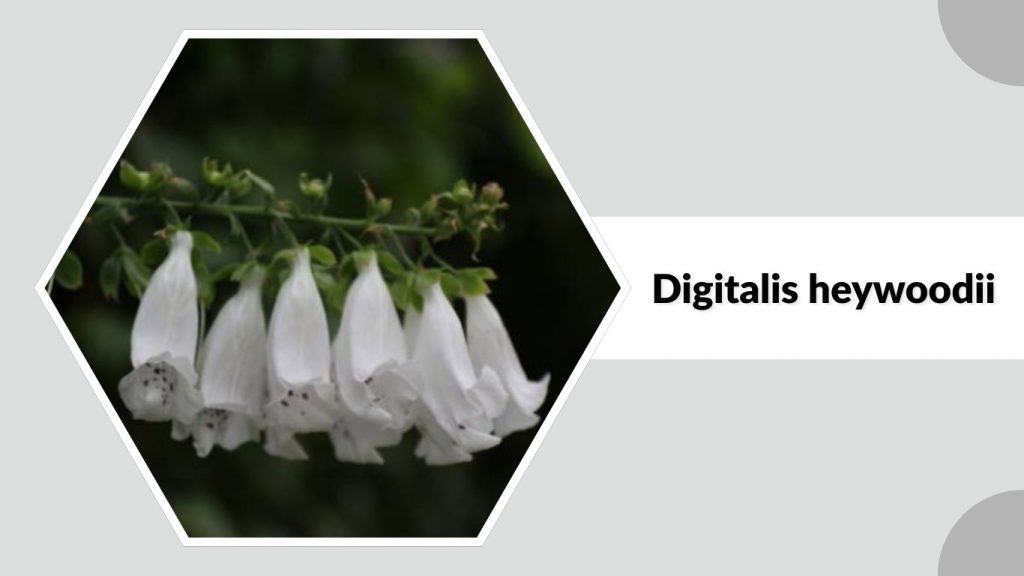
Digitalis heywoodii, commonly known as Heywood’s foxglove, is a perennial species native to southwestern Europe. It features tall, slender spikes of creamy white tubular flowers with delicate purple spots inside, creating an elegant and ornamental display. This species is ideal for borders, woodland gardens, and naturalized areas.
Identification
- Height: 2–4 feet tall
- Flower Color: Creamy white with purple spots
- Flower Shape: Tubular, bell-shaped
- Leaves: Lance-shaped, slightly hairy, medium green
Habitat
Digitalis heywoodii thrives in well-drained, fertile soils with partial shade. It naturally grows in woodland edges, rocky slopes, and meadows, preferring temperate climates.
Growth and Care
This species prefers humus-rich soil and moderate watering. Deadheading spent flowers encourages extended blooming, while mulching helps retain soil moisture. It is hardy and relatively low-maintenance.
Uses and Facts
Digitalis heywoodii is toxic if ingested due to cardiac glycosides. It is primarily cultivated for ornamental purposes and attracts pollinators such as bees and hummingbirds, enhancing both the aesthetic and ecological value of gardens.
19. Digitalis cariensis
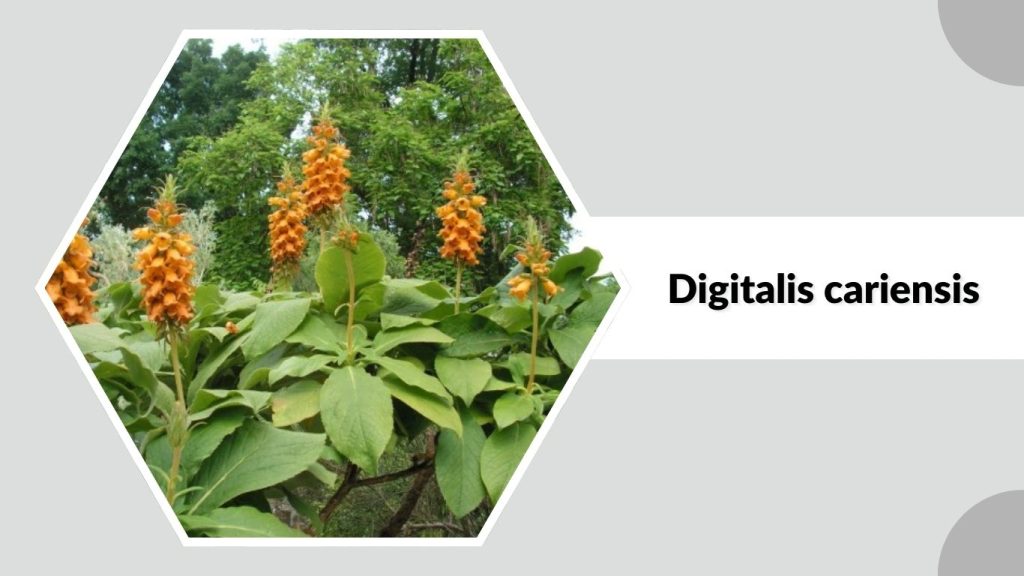
Digitalis cariensis, commonly known as Carian foxglove, is a perennial species native to southwestern Turkey. It features upright spikes of pale yellow tubular flowers with subtle brownish spots, giving it a soft and elegant appearance. This species is ideal for naturalized gardens, borders, and woodland plantings.
Identification
- Height: 2–4 feet tall
- Flower Color: Pale yellow with brown spots
- Flower Shape: Tubular, bell-shaped
- Leaves: Lance-shaped, slightly hairy, medium green
Habitat
Digitalis cariensis thrives in well-drained, humus-rich soils with partial shade. It naturally grows on rocky slopes, woodland edges, and open meadows, preferring temperate climates with moderate moisture.
Growth and Care
This species prefers fertile soil and moderate watering. Deadheading spent flowers encourages prolonged blooming, while mulching helps retain soil moisture. It is hardy and low-maintenance, suitable for various garden settings.
Uses and Facts
Digitalis cariensis is toxic if ingested due to cardiac glycosides. It is primarily grown for ornamental purposes and attracts pollinators such as bees and hummingbirds, enhancing both the beauty and biodiversity of garden spaces.
20. Digitalis atlantica var. subalpina
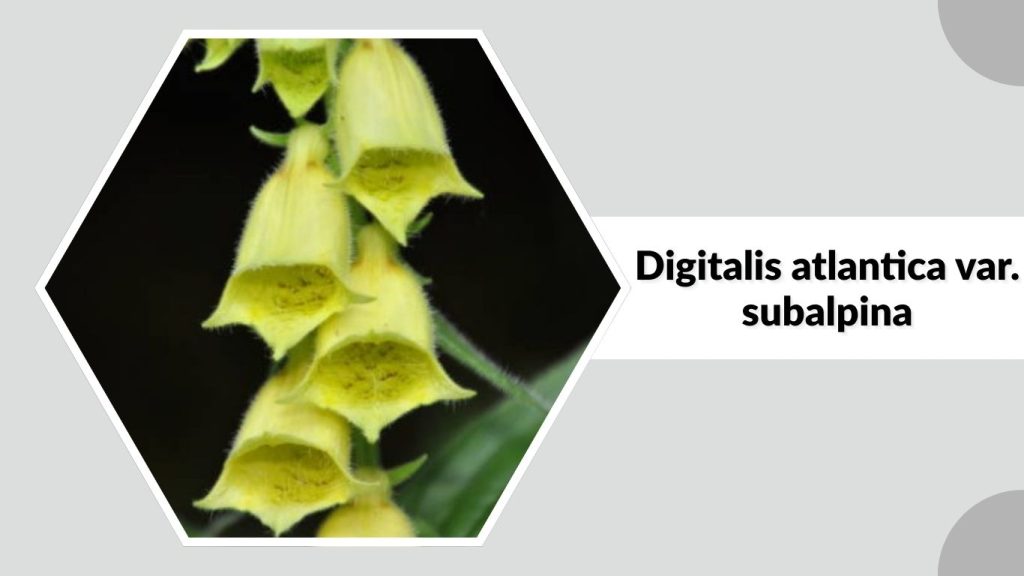
Digitalis atlantica var. subalpina, commonly known as subalpine Atlas foxglove, is a perennial species native to high-altitude regions of the Atlas Mountains. It produces compact spikes of pale yellow tubular flowers, often with delicate spotting, making it perfect for rock gardens, alpine borders, and naturalized plantings.
Identification
- Height: 1–2 feet tall
- Flower Color: Pale yellow with subtle spots
- Flower Shape: Tubular, bell-shaped
- Leaves: Narrow, lance-shaped, slightly hairy
Habitat
This variety thrives in well-drained, rocky soils with full sun to partial shade. It naturally grows in subalpine meadows and mountainous slopes, preferring temperate climates with moderate moisture.
Growth and Care
Digitalis atlantica var. subalpina prefers fertile, humus-rich soil and moderate watering. Deadheading spent flowers encourages extended blooming, and mulching helps maintain soil moisture in drier conditions. It is hardy and low-maintenance, suitable for alpine and rock gardens.
Uses and Facts
Like other foxgloves, this variety is toxic if ingested due to cardiac glycosides. It is primarily grown for ornamental purposes and is attractive to pollinators such as bees and butterflies, adding both visual and ecological value to gardens.
FAQs
What is the average height of foxglove flowers?
Most foxglove species grow between 1 to 6 feet tall, depending on the variety. Taller species like Digitalis purpurea and Digitalis canariensis reach up to 5–6 feet, while smaller varieties like Digitalis parviflora and Digitalis atlantica var. subalpina usually stay around 1–2 feet.
Are foxglove flowers toxic?
Yes, all foxglove species are toxic if ingested. They contain cardiac glycosides, which can affect heart function. Handle them carefully, especially around children and pets.
When do foxglove flowers bloom?
Foxgloves typically bloom in late spring to early summer. Some species may continue flowering into midsummer if the spent flowers are deadheaded.
What type of soil do foxgloves prefer?
Foxgloves thrive in well-drained, fertile, humus-rich soil. They prefer partial shade to full sun depending on the species and benefit from moderate watering and mulching.
Can foxgloves attract pollinators?
Yes, foxgloves are highly attractive to pollinators such as bees, butterflies, and hummingbirds. Their tubular flowers make it easy for pollinators to access nectar while aiding garden biodiversity.