



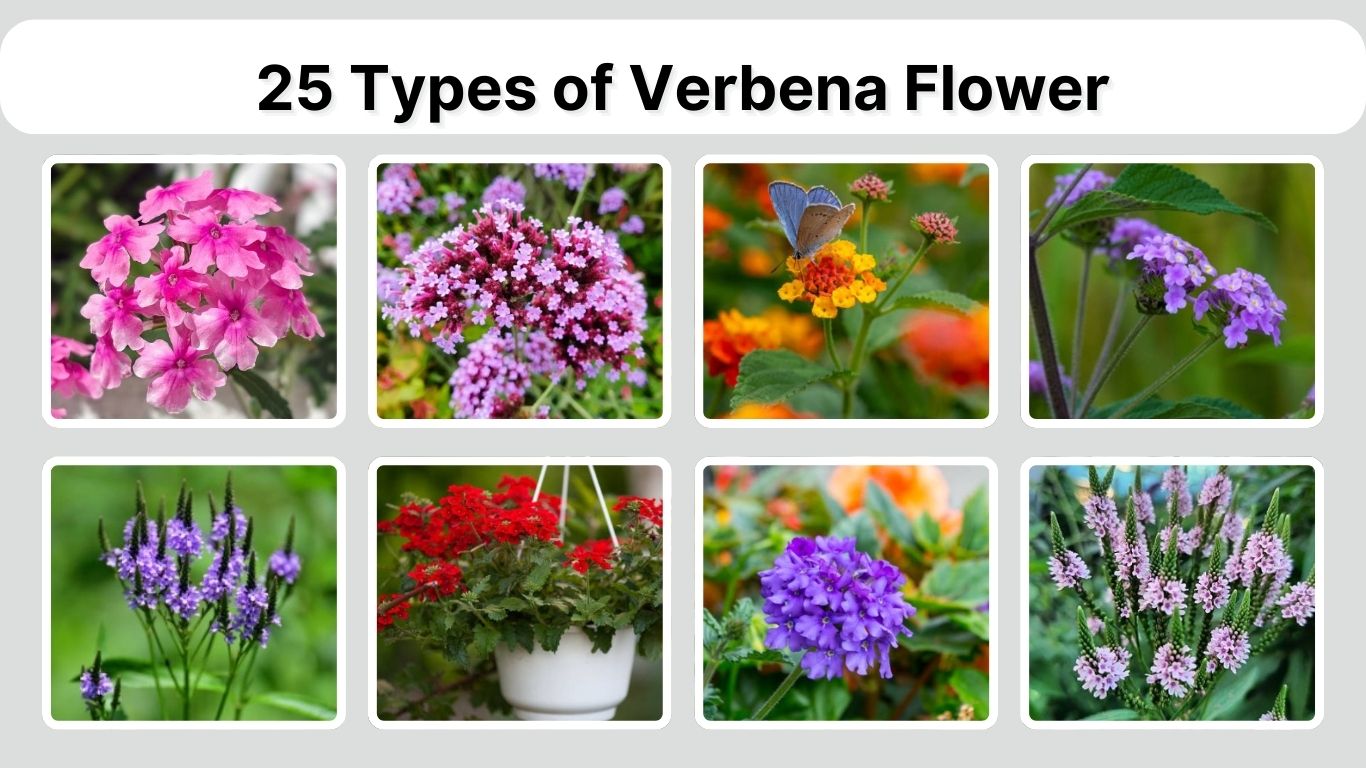
Verbena flowers are vibrant, versatile plants known for their long-lasting blooms and ability to thrive in various garden settings. From trailing varieties perfect for hanging baskets to tall, elegant types ideal for borders and meadows, Verbena adds color and charm to any landscape. These hardy perennials attract butterflies, bees, and hummingbirds, supporting pollinator-friendly gardens. With low-maintenance care, including full sun and well-drained soil, Verbena offers continuous color from spring through fall, making it a favorite for gardeners worldwide.
1. Argentinian Verbena

Argentinian Verbena, also known as Verbena bonariensis, is a tall, elegant flowering plant native to South America. It is widely admired for its vibrant purple blooms and its ability to attract butterflies and hummingbirds. This perennial thrives in full sun and well-drained soil, making it ideal for borders, cottage gardens, and pollinator-friendly landscapes. Its long, slender stems and airy flower clusters create a delicate, graceful look in garden settings.
Identification
- Scientific Name: Verbena bonariensis
- Flower Color: Violet-purple
- Height: 3–6 feet (90–180 cm)
- Blooming Season: Summer to fall
- Leaf Type: Narrow, lance-shaped leaves
Habitat
Argentinian Verbena prefers sunny locations and well-drained soil. It is drought-tolerant once established and grows well in garden beds, meadows, and along fences.
Behavior & Growth
This Verbena type spreads moderately by self-seeding. Its tall stems sway gracefully in the wind, and it is resistant to deer and rabbits. Regular deadheading encourages prolonged blooming.
Pollinators & Wildlife
Argentinian Verbena is highly attractive to butterflies, bees, and hummingbirds. It serves as a valuable nectar source in pollinator gardens and adds dynamic movement and color.
2. Buenos Aires Verbena

Buenos Aires Verbena is a vigorous perennial native to South America, known for its sprawling growth and vibrant lavender-purple flowers. It is a hardy plant that thrives in warm climates and full sun, producing long-lasting blooms that attract pollinators. Its trailing stems make it ideal for ground cover, hanging baskets, and mixed borders, providing both color and texture to garden spaces.
Identification
- Scientific Name: Verbena bonariensis ‘Buenos Aires’
- Flower Color: Lavender-purple
- Height: 3–4 feet (90–120 cm)
- Spread: Up to 3 feet (90 cm)
- Leaf Type: Oval, slightly serrated leaves
Habitat
Buenos Aires Verbena grows best in sunny, well-drained locations. It tolerates poor soil conditions and is moderately drought-resistant once established, making it suitable for rock gardens and borders.
Behavior & Growth
This Verbena produces tall, wiry stems with clusters of small flowers. It can self-seed and form dense colonies over time. Pruning encourages bushier growth and extended flowering periods.
Pollinators & Wildlife
The plant attracts butterflies, bees, and hummingbirds, making it an excellent choice for pollinator-friendly gardens. Its long flowering season provides consistent nectar sources from summer to early fall.
3. Garden Verbena

Garden Verbena is a popular ornamental plant cultivated for its bright, colorful blooms and low-maintenance growth. It is a versatile perennial that can be grown in garden beds, borders, and containers. Known for its dense clusters of flowers, Garden Verbena adds continuous color from spring through fall. It prefers sunny locations and well-drained soil, making it an excellent choice for both novice and experienced gardeners.
Identification
- Scientific Name: Verbena × hybrida
- Flower Color: Red, pink, purple, white, or bi-colored
- Height: 6–18 inches (15–45 cm)
- Spread: 12–24 inches (30–60 cm)
- Leaf Type: Deep green, slightly hairy leaves
Habitat
Garden Verbena thrives in full sun and fertile, well-drained soil. It is moderately drought-tolerant and suitable for borders, rock gardens, and patio containers.
Behavior & Growth
This plant forms compact, mounded clusters that continuously bloom with proper deadheading. It spreads moderately and can be used as ground cover or to fill gaps in flower beds.
Pollinators & Wildlife
Garden Verbena attracts butterflies, bees, and hummingbirds, supporting pollinator activity while enhancing garden aesthetics.
4. Trailing Verbena

Trailing Verbena is a low-growing, spreading plant prized for cascading blooms that spill beautifully over containers, hanging baskets, and garden edges. Its vibrant flowers create a colorful, flowing effect, making it ideal for decorative landscaping. This type thrives in full sun, tolerates heat well, and blooms continuously from spring to fall with proper care.
Identification
- Scientific Name: Verbena × hybrida ‘Trailing’
- Flower Color: Purple, pink, red, white, or bi-colored
- Height: 6–12 inches (15–30 cm)
- Spread: Up to 24 inches (60 cm)
- Leaf Type: Small, green, slightly serrated leaves
Habitat
Trailing Verbena grows best in full sun with well-drained soil. It is perfect for hanging baskets, window boxes, and as ground cover along pathways.
Behavior & Growth
This Verbena spreads quickly and forms a dense, flowering mat. Regular deadheading promotes continuous blooming, and it handles heat and dry conditions moderately well.
Pollinators & Wildlife
Trailing Verbena attracts butterflies and bees, making it excellent for pollinator gardens while adding long-lasting color to outdoor spaces.
5. Upright Verbena

Upright Verbena is a tall, clumping perennial known for its vertical growth and vibrant flower spikes. Its erect stems make it a striking addition to borders, garden beds, and mixed perennial landscapes. This type of Verbena thrives in full sun and well-drained soil, producing long-lasting blooms that attract pollinators throughout the growing season.
Identification
- Scientific Name: Verbena bonariensis ‘Upright’
- Flower Color: Purple, lavender, or pink
- Height: 3–6 feet (90–180 cm)
- Spread: 1–2 feet (30–60 cm)
- Leaf Type: Narrow, lance-shaped leaves
Habitat
Upright Verbena prefers sunny locations with well-drained soil. It can tolerate moderate drought and is often used in cottage gardens, meadows, and pollinator-friendly landscapes.
Behavior & Growth
This Verbena type grows tall with slender stems topped by clusters of small flowers. It can self-seed, and pruning encourages bushier growth while extending the flowering period.
Pollinators & Wildlife
Upright Verbena attracts butterflies, bees, and hummingbirds, providing an important nectar source and enhancing biodiversity in gardens.
6. Verbena bonariensis

Verbena bonariensis, often called tall verbena or purpletop vervain, is a graceful, perennial plant native to South America. It is admired for its tall, airy stems topped with clusters of small purple flowers. This plant is perfect for adding vertical interest to borders, meadows, and pollinator gardens. It thrives in full sun and well-drained soil and is relatively low-maintenance.
Identification
- Scientific Name: Verbena bonariensis
- Flower Color: Violet-purple
- Height: 3–6 feet (90–180 cm)
- Spread: 1–2 feet (30–60 cm)
- Leaf Type: Narrow, lance-shaped leaves
Habitat
Verbena bonariensis grows best in sunny, well-drained locations. It tolerates moderate drought and poor soil conditions and can adapt to various garden settings, including borders, rock gardens, and wildflower meadows.
Behavior & Growth
This plant produces tall, slender stems with clusters of flowers at the tips. It can self-seed and spread over time. Regular pruning and deadheading promote bushier growth and longer bloom periods.
Pollinators & Wildlife
Verbena bonariensis is highly attractive to butterflies, bees, and hummingbirds. It serves as an excellent nectar source and supports pollinator activity, making it a valuable addition to wildlife-friendly gardens.
7. Verbena canadensis

Verbena canadensis, commonly known as Rose Verbena or Canadian Vervain, is a low-growing perennial admired for its profuse, brightly colored flowers. It produces a carpet-like effect, making it ideal for borders, rock gardens, and containers. This hardy plant thrives in full sun and well-drained soil, providing continuous blooms from spring through fall.
Identification
- Scientific Name: Verbena canadensis
- Flower Color: Pink, red, or purple
- Height: 6–12 inches (15–30 cm)
- Spread: 12–24 inches (30–60 cm)
- Leaf Type: Small, ovate, lightly serrated leaves
Habitat
Verbena canadensis grows best in sunny locations with well-drained soil. It tolerates heat and moderate drought, making it suitable for rock gardens, hanging baskets, and low-maintenance landscapes.
Behavior & Growth
This Verbena spreads steadily, forming dense mats of foliage and flowers. Regular deadheading encourages prolonged blooming, while pruning can help maintain a tidy appearance.
Pollinators & Wildlife
Verbena canadensis attracts butterflies and bees, making it an excellent choice for pollinator gardens. Its continuous flowering provides a reliable nectar source throughout the growing season.
8. Verbena hastata

Verbena hastata, also known as Blue Vervain, is a tall, upright perennial native to North America. It is prized for its spiky clusters of blue to violet flowers and its adaptability to wet meadows, prairies, and garden borders. This hardy plant thrives in full sun and moist, well-drained soil, making it ideal for naturalistic and pollinator-friendly gardens.
Identification
- Scientific Name: Verbena hastata
- Flower Color: Blue to violet
- Height: 2–5 feet (60–150 cm)
- Spread: 1–2 feet (30–60 cm)
- Leaf Type: Lance-shaped, toothed leaves
Habitat
Verbena hastata prefers sunny to partially shaded areas with moist, well-drained soil. It is commonly found in meadows, along streams, and in garden borders that mimic natural habitats.
Behavior & Growth
This Verbena produces upright spikes densely covered with small flowers. It attracts pollinators and can self-seed under favorable conditions. Regular trimming after flowering can encourage new growth and extend the bloom period.
Pollinators & Wildlife
Verbena hastata is highly attractive to butterflies, bees, and hummingbirds. Its tall flower spikes provide both nectar and visual appeal, making it a valuable addition to wildlife-friendly gardens.
9. Verbena rigida

Verbena rigida, commonly known as Slender Vervain or Tuberous Vervain, is a perennial plant valued for its vibrant, daisy-like flower clusters and long blooming season. Native to Brazil, it thrives in sunny locations and well-drained soil, making it suitable for borders, rock gardens, and container planting. Its bright purple flowers and low-maintenance nature make it a favorite among gardeners.
Identification
- Scientific Name: Verbena rigida
- Flower Color: Violet to purple
- Height: 12–18 inches (30–45 cm)
- Spread: 12–24 inches (30–60 cm)
- Leaf Type: Coarsely toothed, ovate leaves
Habitat
Verbena rigida grows best in full sun and moderately fertile, well-drained soil. It tolerates heat and drought conditions, making it ideal for sunny garden beds and xeriscaping.
Behavior & Growth
This Verbena forms compact clumps with spreading stems. Deadheading encourages continuous flowering, while the plant can self-seed if not controlled. It is hardy and resistant to most pests and diseases.
Pollinators & Wildlife
Verbena rigida attracts butterflies, bees, and other pollinators, making it a valuable addition to gardens that support wildlife while providing a colorful display.
10. Verbena officinalis

Verbena officinalis, commonly called Common Vervain or European Vervain, is a medicinal and ornamental perennial valued for its delicate purple flowers and slender stems. Native to Europe, it has been used historically for herbal remedies and thrives in full sun with well-drained soil. Its tall, graceful spikes make it suitable for borders, cottage gardens, and naturalized landscapes.
Identification
- Scientific Name: Verbena officinalis
- Flower Color: Purple
- Height: 1–3 feet (30–90 cm)
- Spread: 1–2 feet (30–60 cm)
- Leaf Type: Narrow, toothed leaves
Habitat
Verbena officinalis prefers sunny locations with well-drained soil. It is commonly found in meadows, along roadsides, and in gardens designed for naturalistic plantings.
Behavior & Growth
This Verbena produces upright stems with small, clustered flowers that bloom from summer into early fall. It can self-seed and spread over time, making it a low-maintenance option for garden beds.
Pollinators & Wildlife
Verbena officinalis attracts bees, butterflies, and other pollinators. Its continuous blooms and nectar-rich flowers support pollinator activity, adding ecological value to gardens.
11. Lemon Verbena

Lemon Verbena (Aloysia citrodora) is a fragrant perennial shrub known for its lemon-scented leaves rather than its flowers. Though it produces small white to pale lavender blooms, its primary appeal lies in its aromatic foliage, widely used in teas, culinary dishes, and essential oils. This plant thrives in full sun and well-drained soil, making it ideal for gardens, containers, and herb patches.
Identification
- Scientific Name: Aloysia citrodora
- Flower Color: White to pale lavender
- Height: 3–6 feet (90–180 cm)
- Spread: 2–4 feet (60–120 cm)
- Leaf Type: Lance-shaped, bright green leaves with strong lemon scent
Habitat
Lemon Verbena grows best in sunny, sheltered locations with well-drained soil. It prefers warm climates and can be grown in pots in cooler regions for indoor overwintering.
Behavior & Growth
This shrub produces upright, woody stems with clusters of small flowers. Leaves are harvested regularly for culinary and aromatic use, and light pruning encourages bushier growth.
Pollinators & Wildlife
Though primarily grown for its leaves, Lemon Verbena attracts bees and butterflies to its small flowers, supporting garden pollinators while adding fragrance to outdoor spaces.
12. Purpletop Verbena

Purpletop Verbena (Verbena bonariensis ‘Purpletop’) is a tall, elegant perennial celebrated for its striking clusters of deep purple flowers atop slender stems. Its airy appearance adds vertical interest to gardens, borders, and pollinator-friendly landscapes. This variety thrives in full sun and well-drained soil and is known for attracting butterflies and hummingbirds throughout the blooming season.
Identification
- Scientific Name: Verbena bonariensis ‘Purpletop’
- Flower Color: Deep purple
- Height: 3–6 feet (90–180 cm)
- Spread: 1–2 feet (30–60 cm)
- Leaf Type: Narrow, lance-shaped leaves
Habitat
Purpletop Verbena prefers sunny locations with well-drained soil. It tolerates drought moderately and is well-suited for borders, meadows, and pollinator gardens.
Behavior & Growth
This Verbena grows tall with thin, flexible stems that support dense flower clusters. It can self-seed in favorable conditions, and pruning or deadheading encourages more blooms and bushier growth.
Pollinators & Wildlife
Purpletop Verbena is highly attractive to butterflies, bees, and hummingbirds. Its tall, nectar-rich flower spikes make it an excellent addition to wildlife-friendly gardens.
13. Pink Sensation Verbena

Pink Sensation Verbena is a vibrant hybrid variety prized for its abundant, bright pink flowers that bloom profusely from late spring through fall. Its compact, mounded growth habit makes it ideal for borders, containers, and mass plantings. This hardy plant thrives in full sun and well-drained soil, providing continuous color and attracting pollinators to the garden.
Identification
- Scientific Name: Verbena × hybrida ‘Pink Sensation’
- Flower Color: Bright pink
- Height: 6–12 inches (15–30 cm)
- Spread: 12–18 inches (30–45 cm)
- Leaf Type: Small, ovate, slightly serrated green leaves
Habitat
Pink Sensation Verbena grows best in sunny, well-drained locations. It tolerates heat and moderate drought, making it suitable for garden beds, window boxes, and hanging baskets.
Behavior & Growth
This Verbena forms dense, low mounds covered in blooms. Regular deadheading encourages prolonged flowering, and it spreads moderately over time without becoming invasive.
Pollinators & Wildlife
Pink Sensation Verbena attracts butterflies and bees, supporting pollinator activity while adding vivid color to the garden landscape.
14. Temari Pink Verbena

Temari Pink Verbena is a compact, hybrid variety known for its vibrant, soft pink flowers that bloom continuously from spring through fall. Its tidy, mounded growth habit makes it perfect for garden beds, containers, and hanging baskets. This variety thrives in full sun, well-drained soil, and warm conditions, offering long-lasting color with minimal maintenance.
Identification
- Scientific Name: Verbena × hybrida ‘Temari Pink’
- Flower Color: Soft pink
- Height: 6–10 inches (15–25 cm)
- Spread: 12–16 inches (30–40 cm)
- Leaf Type: Small, ovate, slightly serrated green leaves
Habitat
Temari Pink Verbena grows best in sunny locations with well-drained soil. It tolerates heat and moderate drought, making it ideal for patios, borders, and mixed container plantings.
Behavior & Growth
This Verbena forms compact mounds covered with flowers. Regular deadheading encourages longer bloom periods, and it maintains a neat appearance without excessive pruning.
Pollinators & Wildlife
Temari Pink Verbena attracts butterflies and bees, making it a pollinator-friendly choice while enhancing the visual appeal of gardens and outdoor spaces.
15. Temari Purple Verbena

Temari Purple Verbena is a compact, hardy hybrid admired for its rich purple blooms that cover the plant from late spring to fall. Its low, mounded growth makes it perfect for garden borders, containers, and hanging baskets. This variety thrives in full sun and well-drained soil, offering long-lasting color with minimal care.
Identification
- Scientific Name: Verbena × hybrida ‘Temari Purple’
- Flower Color: Deep purple
- Height: 6–10 inches (15–25 cm)
- Spread: 12–16 inches (30–40 cm)
- Leaf Type: Small, ovate, slightly serrated green leaves
Habitat
Temari Purple Verbena prefers sunny locations and well-drained soil. It tolerates heat and moderate drought, making it suitable for low-maintenance garden beds, containers, and patios.
Behavior & Growth
This Verbena forms dense, flowering mounds. Regular deadheading encourages extended blooming, and its compact habit keeps the plant neat without frequent pruning.
Pollinators & Wildlife
Temari Purple Verbena attracts butterflies and bees, supporting pollinator activity while adding vibrant color to garden landscapes.
16. EnduraScape Red Verbena

EnduraScape Red Verbena is a heat-tolerant, trailing hybrid known for its vibrant red blooms and vigorous growth. Ideal for garden beds, hanging baskets, and containers, this variety thrives in hot, sunny conditions and produces continuous color throughout the growing season. Its low-maintenance nature makes it perfect for gardeners seeking reliable, long-lasting blooms.
Identification
- Scientific Name: Verbena × hybrida ‘EnduraScape Red’
- Flower Color: Bright red
- Height: 6–12 inches (15–30 cm)
- Spread: 18–24 inches (45–60 cm)
- Leaf Type: Small, ovate, lightly serrated green leaves
Habitat
EnduraScape Red Verbena prefers full sun and well-drained soil. It tolerates heat, moderate drought, and poor soil, making it suitable for low-maintenance gardens and warm climates.
Behavior & Growth
This Verbena forms trailing, dense mats of foliage and flowers. Deadheading is optional, as it blooms continuously with minimal care, making it an excellent choice for borders and hanging displays.
Pollinators & Wildlife
EnduraScape Red Verbena attracts bees and butterflies, providing a reliable nectar source while enhancing garden aesthetics with vibrant red color.
17. EnduraScape Blue Verbena

EnduraScape Blue Verbena is a hardy, trailing hybrid admired for its vivid blue-purple flowers and robust growth. It thrives in hot, sunny conditions and is perfect for garden beds, containers, and hanging baskets. This variety offers long-lasting blooms with minimal maintenance, making it ideal for adding color to low-care landscapes.
Identification
- Scientific Name: Verbena × hybrida ‘EnduraScape Blue’
- Flower Color: Blue to violet
- Height: 6–12 inches (15–30 cm)
- Spread: 18–24 inches (45–60 cm)
- Leaf Type: Small, ovate, lightly serrated green leaves
Habitat
EnduraScape Blue Verbena grows best in full sun with well-drained soil. It tolerates heat, drought, and poor soil, making it suitable for low-maintenance gardens and warm climates.
Behavior & Growth
This Verbena forms trailing mounds covered with flowers. Deadheading is optional due to its continuous blooming habit, and its vigorous growth fills spaces in borders and containers beautifully.
Pollinators & Wildlife
EnduraScape Blue Verbena attracts butterflies, bees, and other pollinators, providing both ecological benefits and vibrant color to gardens and outdoor spaces.
18. Homestead Purple Verbena

Homestead Purple Verbena is a compact, trailing hybrid known for its rich purple flowers and long blooming season. It is highly heat-tolerant and performs well in garden beds, containers, and hanging baskets. This variety is ideal for gardeners seeking low-maintenance, continuous color throughout spring, summer, and fall.
Identification
- Scientific Name: Verbena × hybrida ‘Homestead Purple’
- Flower Color: Deep purple
- Height: 6–12 inches (15–30 cm)
- Spread: 18–24 inches (45–60 cm)
- Leaf Type: Small, ovate, slightly serrated green leaves
Habitat
Homestead Purple Verbena thrives in full sun with well-drained soil. It tolerates heat and moderate drought, making it suitable for borders, rock gardens, and container plantings.
Behavior & Growth
This Verbena forms trailing, dense mounds covered with flowers. Deadheading can encourage more blooms, but the plant maintains continuous flowering with minimal care.
Pollinators & Wildlife
Homestead Purple Verbena attracts bees and butterflies, making it an excellent choice for pollinator-friendly gardens while adding vibrant purple color to landscapes.
19. Lanai White Verbena

Lanai White Verbena is a low-growing, trailing hybrid celebrated for its pure white blooms that create a striking contrast in garden beds, containers, and hanging baskets. It thrives in full sun and well-drained soil, providing continuous flowering throughout the growing season. Its compact, spreading habit makes it ideal for borders and mass plantings.
Identification
- Scientific Name: Verbena × hybrida ‘Lanai White’
- Flower Color: White
- Height: 6–12 inches (15–30 cm)
- Spread: 18–24 inches (45–60 cm)
- Leaf Type: Small, ovate, slightly serrated green leaves
Habitat
Lanai White Verbena grows best in sunny locations with well-drained soil. It tolerates heat and moderate drought, making it perfect for low-maintenance garden beds, patios, and container plantings.
Behavior & Growth
This Verbena forms trailing, dense mounds of foliage and flowers. Deadheading encourages prolonged blooming, although it continues flowering well without extensive maintenance.
Pollinators & Wildlife
Lanai White Verbena attracts bees and butterflies, providing nectar sources and enhancing pollinator-friendly gardens while offering elegant white color to the landscape.
20. Lanai Pink Verbena

Lanai Pink Verbena is a compact, trailing hybrid known for its bright pink flowers that bloom continuously from spring through fall. Its low, mounded habit makes it perfect for borders, containers, and hanging baskets. This variety thrives in full sun with well-drained soil, offering long-lasting color with minimal maintenance.
Identification
- Scientific Name: Verbena × hybrida ‘Lanai Pink’
- Flower Color: Bright pink
- Height: 6–12 inches (15–30 cm)
- Spread: 18–24 inches (45–60 cm)
- Leaf Type: Small, ovate, slightly serrated green leaves
Habitat
Lanai Pink Verbena grows best in sunny locations with well-drained soil. It tolerates heat and moderate drought, making it ideal for low-maintenance gardens, patios, and containers.
Behavior & Growth
This Verbena forms dense, trailing mounds covered with blooms. Deadheading encourages longer flowering periods, but it maintains continuous blooms with minimal care.
Pollinators & Wildlife
Lanai Pink Verbena attracts butterflies and bees, supporting pollinator activity while adding vibrant pink color to garden landscapes.
21. Lanai Purple Verbena

Lanai Purple Verbena is a trailing hybrid celebrated for its rich purple flowers and long-lasting blooms. Its compact, mounded growth habit makes it perfect for garden beds, hanging baskets, and containers. This variety thrives in full sun and well-drained soil, providing continuous color with minimal maintenance throughout the growing season.
Identification
- Scientific Name: Verbena × hybrida ‘Lanai Purple’
- Flower Color: Deep purple
- Height: 6–12 inches (15–30 cm)
- Spread: 18–24 inches (45–60 cm)
- Leaf Type: Small, ovate, slightly serrated green leaves
Habitat
Lanai Purple Verbena prefers sunny locations with well-drained soil. It tolerates heat and moderate drought, making it ideal for borders, containers, and low-maintenance gardens.
Behavior & Growth
This Verbena forms dense, trailing mounds covered with vibrant flowers. Deadheading encourages prolonged blooming, though it flowers continuously even without frequent maintenance.
Pollinators & Wildlife
Lanai Purple Verbena attracts butterflies and bees, providing an excellent nectar source while adding vibrant purple color to gardens and landscapes.
22. Lanai Red Verbena

Lanai Red Verbena is a trailing hybrid known for its bright, eye-catching red flowers and vigorous, low-maintenance growth. Its compact, mounded habit makes it perfect for garden beds, borders, hanging baskets, and containers. This variety thrives in full sun and well-drained soil, offering continuous color throughout the growing season.
Identification
- Scientific Name: Verbena × hybrida ‘Lanai Red’
- Flower Color: Bright red
- Height: 6–12 inches (15–30 cm)
- Spread: 18–24 inches (45–60 cm)
- Leaf Type: Small, ovate, lightly serrated green leaves
Habitat
Lanai Red Verbena grows best in sunny, well-drained locations. It tolerates heat and moderate drought, making it suitable for low-maintenance gardens, patios, and container plantings.
Behavior & Growth
This Verbena forms dense, trailing mounds covered with flowers. Regular deadheading encourages longer bloom periods, though it continues flowering with minimal care.
Pollinators & Wildlife
Lanai Red Verbena attracts butterflies and bees, supporting pollinator activity while adding vibrant red color to garden landscapes.
23. Lanai Burgundy Verbena

Lanai Burgundy Verbena is a trailing hybrid admired for its deep burgundy-colored flowers and compact, mounded growth habit. Its vibrant blooms provide striking color in garden beds, borders, hanging baskets, and containers. This variety thrives in full sun and well-drained soil, offering continuous color with minimal maintenance throughout the growing season.
Identification
- Scientific Name: Verbena × hybrida ‘Lanai Burgundy’
- Flower Color: Deep burgundy
- Height: 6–12 inches (15–30 cm)
- Spread: 18–24 inches (45–60 cm)
- Leaf Type: Small, ovate, lightly serrated green leaves
Habitat
Lanai Burgundy Verbena grows best in sunny, well-drained locations. It tolerates heat and moderate drought, making it ideal for low-maintenance gardens, patios, and container plantings.
Behavior & Growth
This Verbena forms dense, trailing mounds covered with flowers. Deadheading can enhance bloom longevity, but it generally flowers continuously with minimal care.
Pollinators & Wildlife
Lanai Burgundy Verbena attracts bees and butterflies, providing essential nectar sources while enhancing garden aesthetics with its rich burgundy blooms.
24. Lanai Lavender Verbena

Lanai Lavender Verbena is a trailing hybrid prized for its soft lavender-colored flowers and compact, mounded growth habit. Its delicate blooms create a beautiful display in garden beds, borders, hanging baskets, and containers. This variety thrives in full sun and well-drained soil, providing long-lasting color with minimal maintenance throughout the growing season.
Identification
- Scientific Name: Verbena × hybrida ‘Lanai Lavender’
- Flower Color: Soft lavender
- Height: 6–12 inches (15–30 cm)
- Spread: 18–24 inches (45–60 cm)
- Leaf Type: Small, ovate, lightly serrated green leaves
Habitat
Lanai Lavender Verbena grows best in sunny, well-drained locations. It tolerates heat and moderate drought, making it ideal for borders, containers, and low-maintenance garden designs.
Behavior & Growth
This Verbena forms dense, trailing mounds covered with blooms. Deadheading promotes longer flowering, but it continues to bloom reliably even with minimal care.
Pollinators & Wildlife
Lanai Lavender Verbena attracts butterflies and bees, supporting pollinator activity while adding elegant lavender color to garden landscapes.
25. Lanai Rose Verbena

Lanai Rose Verbena is a trailing hybrid celebrated for its vibrant rose-colored flowers and compact, mounded growth habit. Its continuous blooms make it perfect for garden beds, hanging baskets, borders, and containers. This variety thrives in full sun and well-drained soil, providing long-lasting color with minimal maintenance throughout the growing season.
Identification
- Scientific Name: Verbena × hybrida ‘Lanai Rose’
- Flower Color: Rose pink
- Height: 6–12 inches (15–30 cm)
- Spread: 18–24 inches (45–60 cm)
- Leaf Type: Small, ovate, slightly serrated green leaves
Habitat
Lanai Rose Verbena grows best in sunny, well-drained locations. It tolerates heat and moderate drought, making it ideal for low-maintenance gardens, patios, and container plantings.
Behavior & Growth
This Verbena forms dense, trailing mounds covered with flowers. Deadheading encourages prolonged blooming, although it maintains continuous flowering with minimal care.
Pollinators & Wildlife
Lanai Rose Verbena attracts bees and butterflies, providing a reliable nectar source while adding vibrant rose color to pollinator-friendly gardens and landscapes.
FAQs
What is the best way to grow Verbena flowers?
Verbena flowers grow best in full sun with well-drained soil. Regular watering is needed initially, but most varieties are drought-tolerant once established. Deadheading spent blooms encourages continuous flowering, and occasional pruning keeps the plants compact and healthy.
Which Verbena types are best for containers and hanging baskets?
Trailing varieties like Lanai Verbena, Temari Verbena, and EnduraScape Verbena are ideal for containers and hanging baskets due to their spreading growth habit and long-lasting blooms.
Are Verbena flowers attractive to pollinators?
Yes, most Verbena varieties, including Argentinian, Upright, and Garden Verbena, attract butterflies, bees, and hummingbirds, making them excellent for pollinator-friendly gardens.
How often should I water Verbena plants?
Verbena should be watered regularly during the first few weeks after planting. Once established, they tolerate moderate drought. Avoid overwatering, as soggy soil can lead to root rot.
Can Verbena survive in hot and dry climates?
Many Verbena varieties, such as EnduraScape, Lanai, and Temari, are heat-tolerant and can thrive in hot, sunny, and moderately dry conditions with minimal maintenance.