


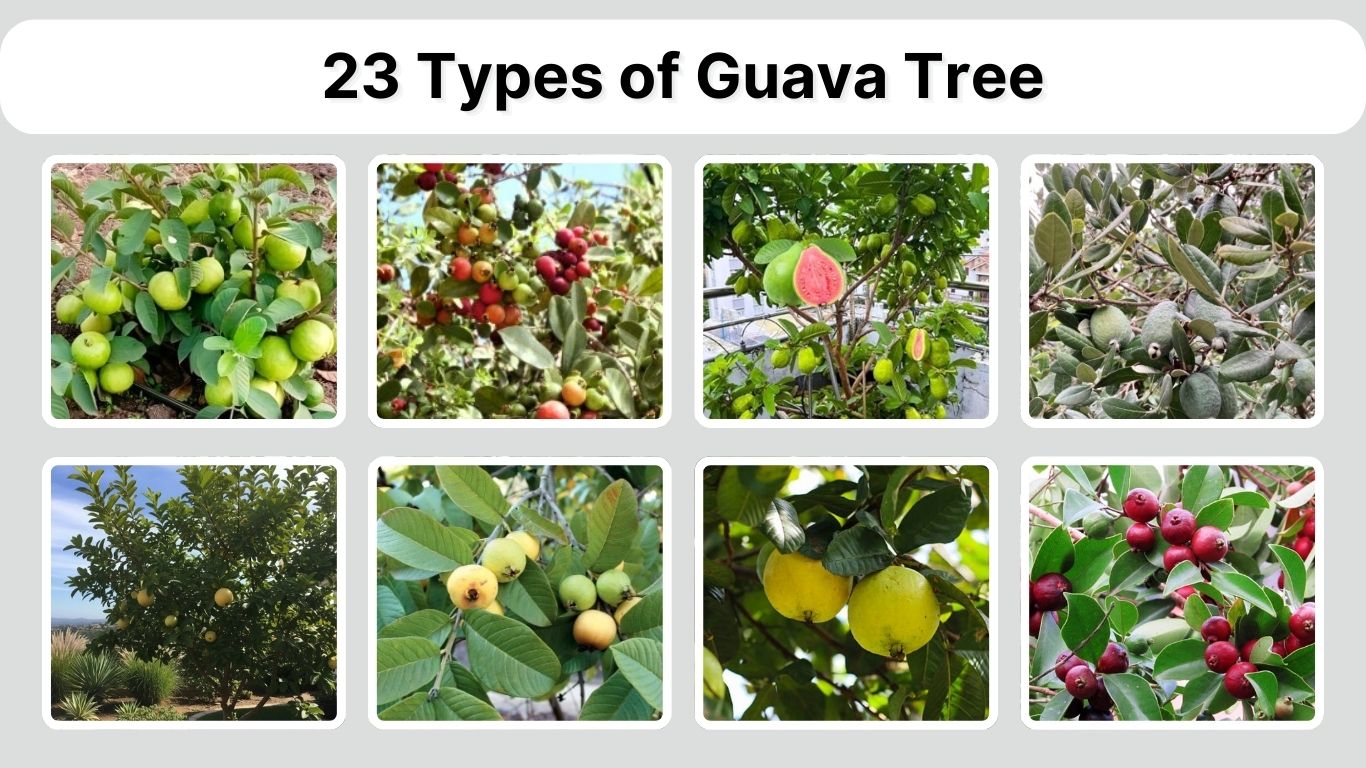
Guava trees are popular tropical fruit plants known for their fast growth, fragrant flowers, and highly nutritious fruits. Found in home gardens and commercial orchards, guava trees produce sweet, aromatic fruits that vary widely in size, skin color, and flesh color. From crisp white guavas to richly colored pink and red varieties, each type offers unique taste and growing qualities. Understanding the different types of guava trees helps gardeners, farmers, and fruit lovers choose the best varieties for climate, space, and culinary use.
1. Apple Guava

Apple guava is one of the most common and widely grown guava types in tropical and subtropical regions. It is known for its round fruits, sweet aroma, and crisp flesh that resembles the texture of apples. This guava tree is popular in home gardens and commercial orchards because it grows fast, adapts well to different soils, and produces heavy seasonal harvests.
Identification
- Small to medium evergreen tree with spreading branches
- Smooth, thin bark that peels in flakes
- Oval, light-green leaves with visible veins
- Round to slightly oval fruits
- Pale green to yellow skin when ripe
- White or light pink flesh with many small seeds
Tree Characteristics
Apple guava trees usually reach 10 to 25 feet in height. They have a dense canopy, shallow roots, and flexible branches. The tree flowers several times a year in warm climates, producing white, fragrant blossoms.
Fruit Description
The fruits are round and apple-shaped with thin skin. Inside, the flesh is white or light pink, juicy, mildly sweet, and aromatic. The seed cluster is soft and edible.
Growing Regions
Apple guava is widely grown in South Asia, Southeast Asia, Central America, South America, and tropical parts of Africa. It thrives in warm climates with moderate rainfall and full sunlight.
Common Uses
Apple guava is eaten fresh and also used for juices, jams, jellies, desserts, and smoothies. It is popular in street markets, home gardens, and small fruit farms due to its productivity and taste.
2. Strawberry Guava

Strawberry guava is a small, attractive guava tree known for its smooth bark, glossy leaves, and sweet, strawberry-like aroma. It produces round fruits with bright skin and soft pulp, making it popular both as a fruit tree and an ornamental plant. This guava type is hardy, fast-growing, and well-suited for warm coastal and tropical regions.
Identification
- Small evergreen tree or large shrub
- Smooth, reddish-brown bark
- Thick, glossy dark-green leaves
- Small round fruits
- Red or yellow skin when ripe
- Soft, aromatic pulp with small seeds
Tree Characteristics
Strawberry guava trees usually grow 6 to 15 feet tall. They form dense, bushy crowns and tolerate pruning well, making them suitable for hedges and compact gardens. The flowers are white and lightly fragrant.
Fruit Description
The fruits are round, about the size of a golf ball. The flesh is juicy, sweet-tart, and strongly aromatic, often compared to strawberries or passion fruit.
Growing Regions
Strawberry guava is commonly grown in tropical and subtropical areas, including South America, Southeast Asia, Pacific islands, and warm coastal regions worldwide.
Common Uses
Strawberry guava is eaten fresh and widely used for jams, juices, syrups, desserts, and flavoring beverages.
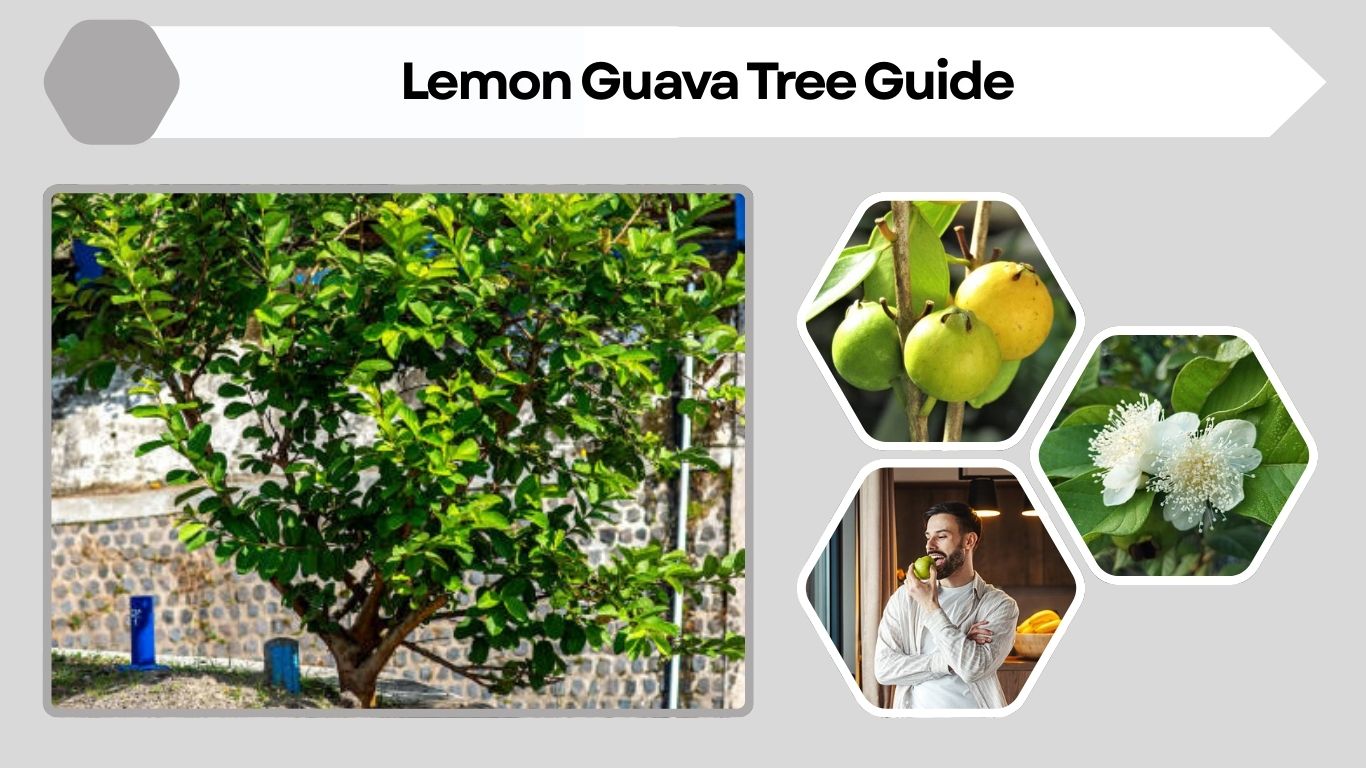
3. Lemon Guava

Lemon guava is a compact guava tree valued for its small, fragrant fruits and refreshing citrus-like flavor. The tree is highly ornamental, with glossy green leaves and frequent flowering, making it a favorite for home gardens and container growing. Its fruits are especially popular for fresh eating and flavoring drinks.
Identification
- Small evergreen tree or shrub
- Smooth, light-brown bark
- Narrow, glossy green leaves
- Small round to oval fruits
- Yellow skin when ripe
- Pale yellow to cream-colored flesh with many seeds
Tree Characteristics
Lemon guava trees usually grow 6 to 12 feet tall and develop a dense, bushy form. They flower multiple times a year in warm climates and are well suited to pruning and pot cultivation.
Fruit Description
The fruits are small, thin-skinned, and very aromatic. The flesh is juicy, sweet-tart, and strongly lemon-scented, giving this guava its distinctive name.
Growing Regions
Lemon guava is widely grown in tropical and subtropical regions, including Central America, South America, South Asia, and Southeast Asia.
Common Uses
Lemon guava is eaten fresh, added to fruit salads, and commonly used for juices, syrups, candies, and refreshing beverages.
4. Pineapple Guava (Feijoa)
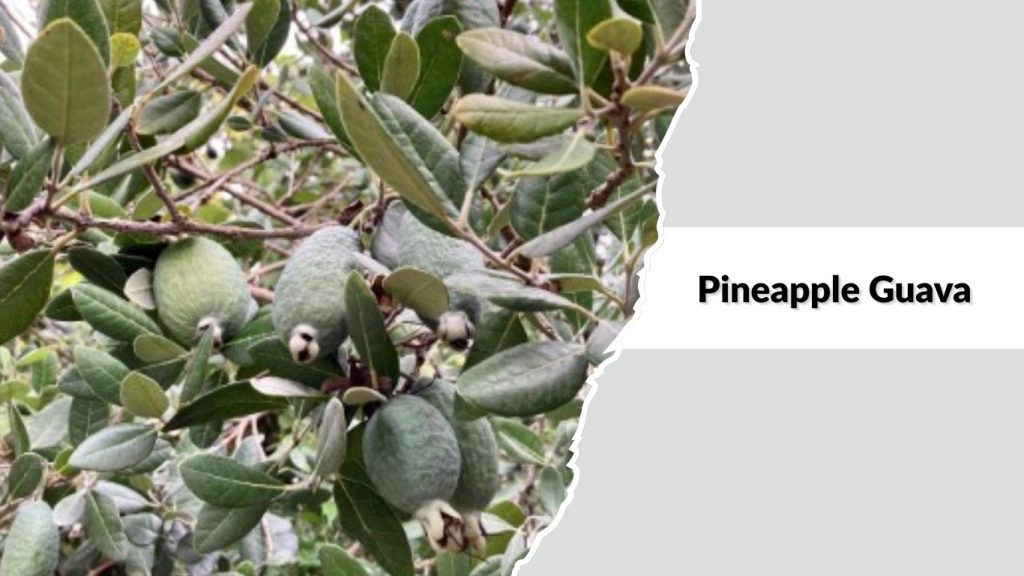
Pineapple guava, also known as feijoa, is a unique guava relative grown for both its ornamental beauty and flavorful fruit. The tree produces silvery-green leaves, showy flowers, and oval fruits with a tropical aroma often compared to pineapple, mint, and strawberry. It is more cold-tolerant than most guavas and is widely planted in gardens and orchards.
Identification
- Small evergreen tree or large shrub
- Thick, oval leaves with silvery undersides
- Smooth gray to light-brown bark
- Oval, egg-shaped green fruits
- Waxy fruit skin
- Creamy, jelly-like fragrant pulp
Tree Characteristics
Pineapple guava trees usually grow 8 to 20 feet tall and form dense, rounded crowns. They produce striking flowers with white petals and long red stamens, making them popular ornamental trees.
Fruit Description
The fruits are oval with green skin. Inside, the flesh is sweet, aromatic, and slightly gritty near the edges, with a soft, jelly-like center.
Growing Regions
Pineapple guava is commonly grown in South America, New Zealand, Australia, the southern United States, and Mediterranean climates.
Common Uses
Pineapple guava fruits are eaten fresh and used in desserts, jams, smoothies, ice creams, and fruit salads.
5. Tropical White Guava
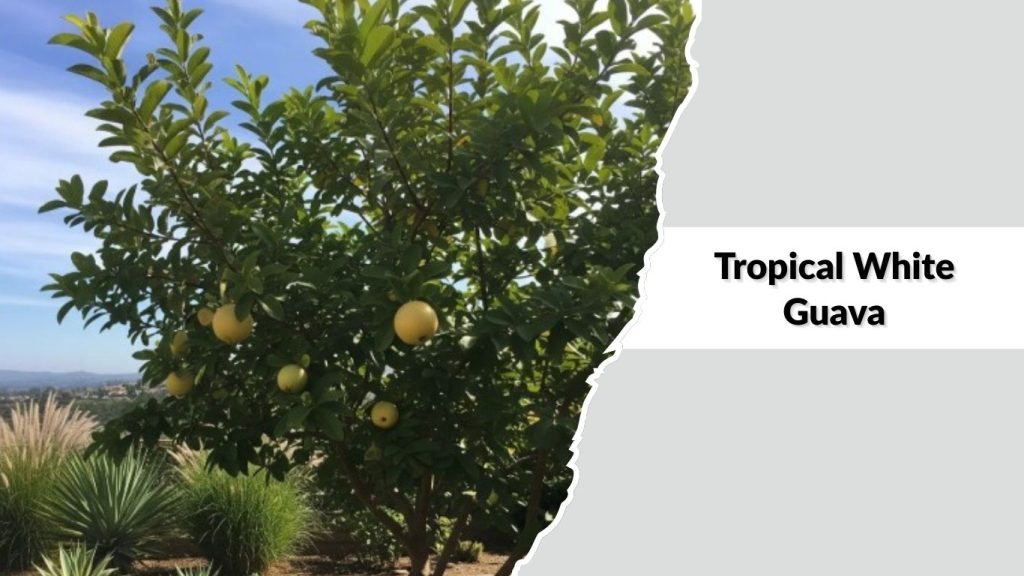
Tropical white guava is one of the most widely cultivated guava types in warm regions. It is known for its vigorous growth, heavy fruiting, and large, round fruits with pale, aromatic flesh. This guava tree is popular in home gardens and commercial farms because of its high yield and broad culinary uses.
Identification
- Medium-sized evergreen tree
- Smooth, peeling light-brown bark
- Broad, oval green leaves
- Large round to slightly oval fruits
- Light green to yellow skin when ripe
- White, juicy flesh with soft seeds
Tree Characteristics
Tropical white guava trees typically grow 10 to 30 feet tall with a spreading canopy. They flower multiple times a year in tropical climates and adapt well to different soil types.
Fruit Description
The fruits are large, thin-skinned, and aromatic. The flesh is white, mildly sweet, and juicy, with a central cluster of soft, edible seeds.
Growing Regions
Tropical white guava is widely grown in South Asia, Southeast Asia, Central America, South America, and tropical Africa.
Common Uses
The fruits are eaten fresh and commonly used for juices, jams, jellies, candies, and traditional desserts.
6. Tropical Pink Guava
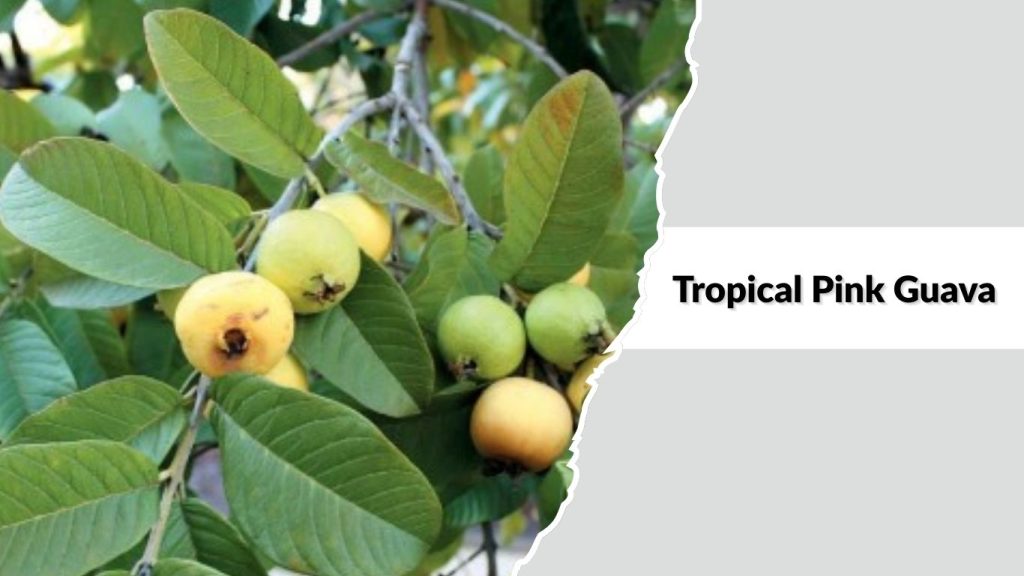
Tropical pink guava is a popular guava tree variety known for its vibrant pink flesh, sweet fragrance, and juicy texture. It is widely cultivated in tropical regions for both fresh fruit markets and processing industries. The tree is fast-growing, productive, and well adapted to warm, humid climates.
Identification
- Medium-sized evergreen tree
- Smooth, peeling light-brown bark
- Oval, deep-green leaves with visible veins
- Round to slightly oval fruits
- Green skin turning yellow when ripe
- Bright pink, juicy flesh with many soft seeds
Tree Characteristics
Tropical pink guava trees usually reach 10 to 25 feet in height and form broad, spreading crowns. They bloom with white, fragrant flowers and can produce fruit more than once a year in warm areas.
Fruit Description
The fruits are medium to large, thin-skinned, and aromatic. The flesh is soft, sweet to mildly tangy, and richly pink in color.
Growing Regions
Tropical pink guava is extensively grown in South Asia, Southeast Asia, Central and South America, and tropical island regions.
Common Uses
This guava is eaten fresh and widely used for juices, nectars, jams, candies, and flavored beverages.
7. Mexican Cream Guava
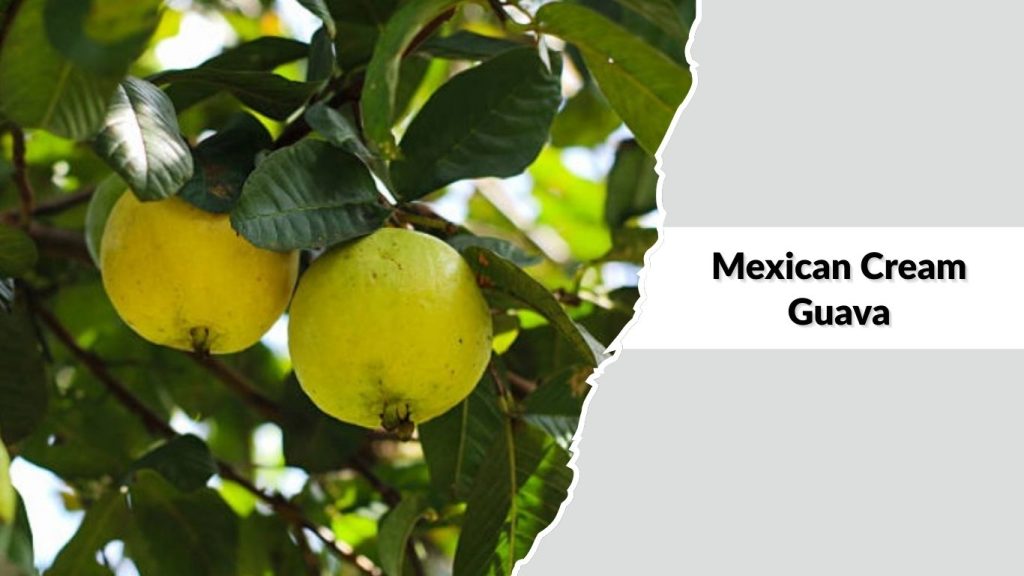
Mexican Cream guava is a highly prized guava variety known for its exceptionally sweet, creamy-textured flesh and rich tropical aroma. The tree is moderately vigorous, productive, and popular among home growers and specialty fruit farms. Its smooth, dessert-like flavor makes it one of the best guavas for fresh eating.
Identification
- Small to medium evergreen tree
- Smooth, light-brown peeling bark
- Oval, soft-green leaves
- Round to slightly oval fruits
- Light green to yellow skin when ripe
- Creamy white flesh with soft edible seeds
Tree Characteristics
Mexican Cream guava trees typically grow 8 to 20 feet tall and develop dense, rounded canopies. They flower with white, lightly fragrant blooms and bear fruit in warm seasons.
Fruit Description
The fruits are medium-sized, thin-skinned, and strongly aromatic. The flesh is very soft, sweet, and creamy, often described as custard-like.
Growing Regions
Mexican Cream guava is grown in Mexico, Central America, the southern United States, South Asia, and other tropical to subtropical regions.
Common Uses
It is mainly eaten fresh but is also used in smoothies, desserts, fruit bowls, and premium guava products.
8. Red Malaysian Guava
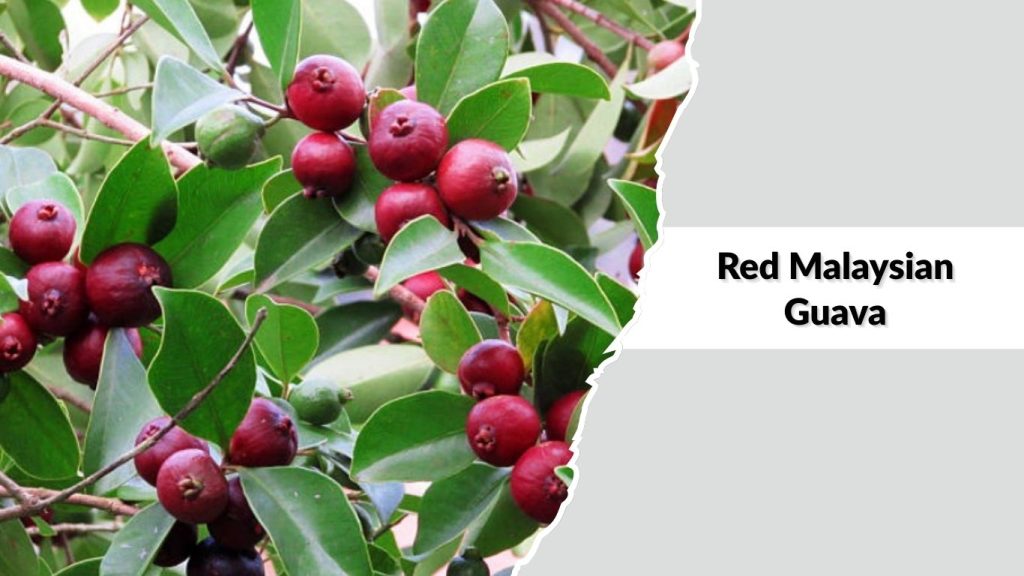
Red Malaysian guava is a striking guava variety famous for its deep red leaves, pink flowers, and dark pink to red-fleshed fruits. Beyond fruit production, this tree is widely grown as an ornamental plant because of its colorful foliage and attractive form. It is moderately fast-growing, productive, and well adapted to warm tropical climates.
Identification
- Medium-sized evergreen tree with reddish young leaves
- Smooth, light-brown to gray bark that peels in thin flakes
- Oval leaves with reddish veins and glossy surfaces
- Round to slightly pear-shaped fruits
- Green skin sometimes flushed with pink
- Dark pink to red flesh with many soft seeds
Tree Characteristics
Red Malaysian guava trees usually grow between 10 and 25 feet tall. Young shoots and new leaves emerge in shades of red or bronze, gradually turning green as they mature. The tree produces showy pink flowers, making it popular in landscaping as well as fruit gardens.
Fruit Description
The fruits are medium-sized, aromatic, and thin-skinned. Inside, the flesh ranges from deep pink to red, with a mildly sweet flavor and soft, edible seeds. The pulp is juicy and releases a pleasant tropical fragrance when ripe.
Growing Regions
Red Malaysian guava is commonly grown in Malaysia, Indonesia, Thailand, India, Sri Lanka, and other tropical parts of Asia, as well as in warm regions of Central America and island climates.
Climate and Soil Preferences
This guava thrives in full sun, warm temperatures, and well-drained soils. It tolerates sandy and loamy soils and performs best in areas with moderate rainfall and good air circulation.
Common Uses
Red Malaysian guava is eaten fresh and also used for juices, jams, fruit salads, desserts, and decorative garden planting due to its colorful foliage and fruit.
9. White Malaysian Guava

White Malaysian guava is a productive guava tree variety valued for its vigorous growth, attractive foliage, and large, aromatic fruits. Unlike the red Malaysian type, this variety is mainly grown for fruit production rather than ornamental color. It is well suited to tropical climates and is commonly found in home gardens and commercial orchards.
Identification
- Medium-sized evergreen tree
- Smooth, light-gray to brown peeling bark
- Broad, oval green leaves with prominent veins
- Large round to slightly pear-shaped fruits
- Light green skin turning yellowish when ripe
- White to creamy flesh with many soft seeds
Tree Characteristics
White Malaysian guava trees usually reach 12 to 30 feet tall and develop a wide, spreading canopy. They grow quickly, respond well to pruning, and can produce fruit one to two times per year in warm climates.
Fruit Description
The fruits are large, thin-skinned, and strongly aromatic. The flesh is white, juicy, mildly sweet, and slightly grainy near the center where the seeds cluster.
Growing Regions
White Malaysian guava is widely cultivated in Malaysia, Thailand, Indonesia, India, Bangladesh, Sri Lanka, and other tropical countries.
Climate and Soil Preferences
This variety prefers full sun, warm temperatures, and well-drained soils. It tolerates a wide range of soil types, including sandy and slightly clay soils, as long as drainage is good.
Common Uses
White Malaysian guava is eaten fresh and widely used for juices, jams, jellies, candies, and local fruit products.
10. Ruby Supreme Guava
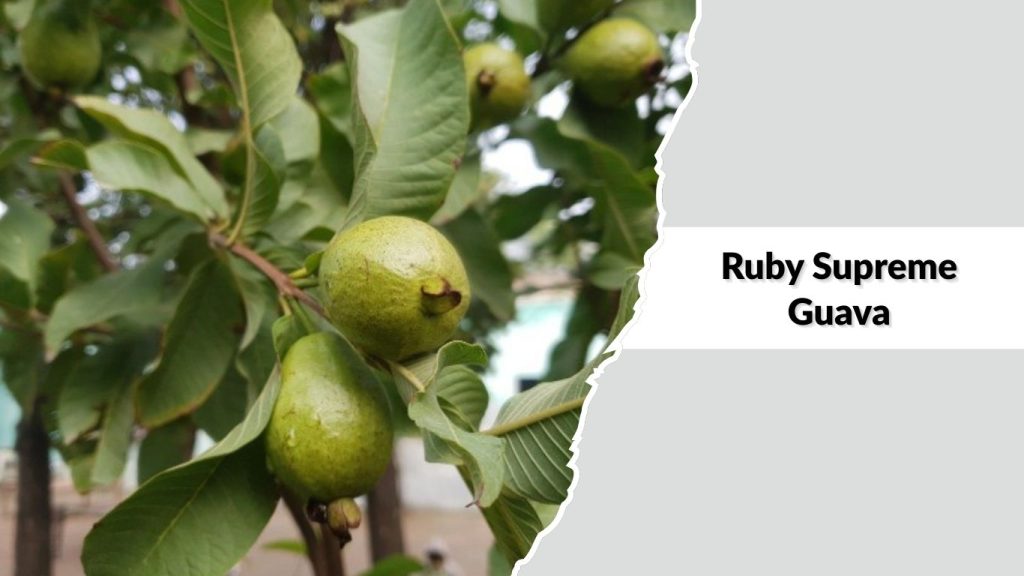
Ruby Supreme guava is a high-quality guava variety known for its rich ruby-pink flesh, strong aroma, and sweet tropical flavor. It is widely grown for fresh fruit markets because of its attractive color, smooth skin, and good fruit size. The tree is moderately vigorous, productive, and well suited to warm climates.
Identification
- Medium-sized evergreen tree
- Smooth, light-brown peeling bark
- Oval, deep-green leaves with clear veins
- Medium to large round fruits
- Green skin turning yellow when ripe
- Deep pink to ruby-colored flesh with soft seeds
Tree Characteristics
Ruby Supreme guava trees usually grow 10 to 22 feet tall and form open, spreading canopies. They bloom with white, lightly fragrant flowers and can bear fruit once or twice a year depending on climate.
Fruit Description
The fruits are round, thin-skinned, and highly aromatic. The flesh is juicy, sweet, and vividly pink to red, making it especially attractive for fresh consumption and processing.
Growing Regions
Ruby Supreme guava is cultivated in South Asia, Southeast Asia, Central America, and warm subtropical regions.
Climate and Soil Preferences
This variety performs best in full sun, warm temperatures, and fertile, well-drained soil. Regular pruning improves air circulation and fruit quality.
Common Uses
Ruby Supreme guava is eaten fresh and commonly used for juices, jams, smoothies, desserts, and guava paste.
11. Barbie Pink Guava
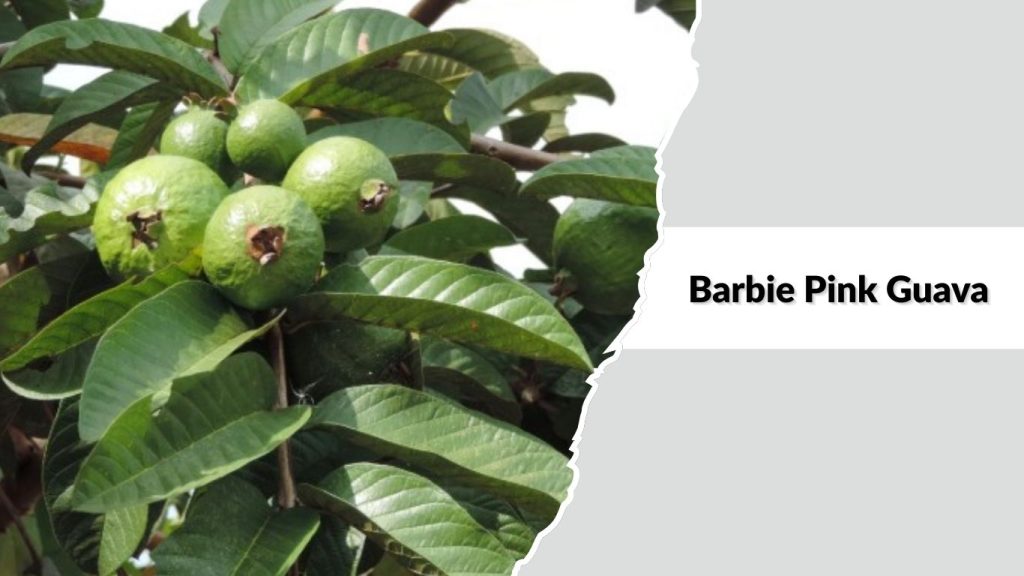
Barbie Pink guava is a modern guava variety valued for its bright pink flesh, sweet flavor, and attractive, market-friendly fruits. It is commonly grown in tropical fruit gardens and small orchards because of its productivity, appealing color, and pleasant aroma.
Identification
- Medium-sized evergreen tree
- Smooth, light-brown bark that peels in thin layers
- Broad, oval green leaves with visible veins
- Round to slightly oval fruits
- Green skin turning yellowish when ripe
- Bright pink, juicy flesh with soft edible seeds
Tree Characteristics
Barbie Pink guava trees usually grow 10 to 22 feet tall and develop rounded, moderately dense canopies. They flower with white, fragrant blossoms and produce reliable seasonal crops.
Fruit Description
The fruits are medium-sized, aromatic, and thin-skinned. The flesh is soft, juicy, and sweet with a rich pink color, making it visually attractive and flavorful.
Growing Regions
Barbie Pink guava is cultivated in South Asia, Southeast Asia, Central America, and other tropical fruit-growing regions.
Climate and Soil Preferences
This guava prefers warm temperatures, full sun, and well-drained fertile soil. It responds well to pruning and regular watering.
Common Uses
Barbie Pink guava is eaten fresh and used in juices, desserts, smoothies, jams, and fruit-based beverages.
12. Beaumont Guava
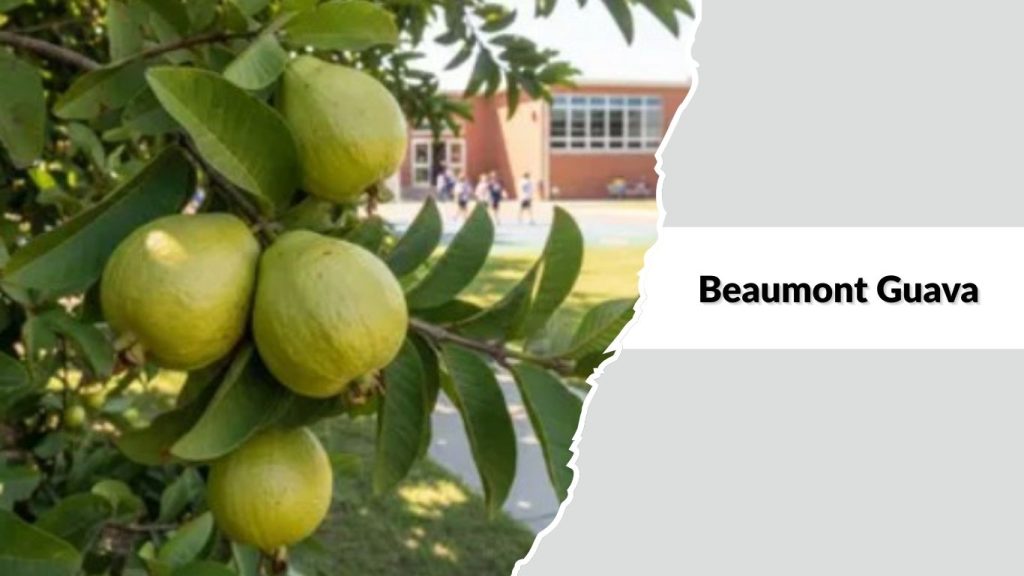
Beaumont guava is a hardy guava variety appreciated for its vigorous growth, heavy fruiting, and sweet, aromatic fruits. It is often grown in home gardens and mixed orchards because it adapts well to different soil conditions and produces reliable harvests in warm climates.
Identification
- Medium-sized evergreen tree
- Smooth, pale-brown bark that peels naturally
- Oval green leaves with prominent veins
- Medium to large round fruits
- Green skin turning yellow when ripe
- White to light pink flesh with many soft seeds
Tree Characteristics
Beaumont guava trees usually grow 12 to 25 feet tall and form wide, spreading canopies. They flower with white, lightly fragrant blooms and may fruit once or twice a year depending on climate.
Fruit Description
The fruits are round, thin-skinned, and strongly aromatic. The flesh is juicy, mildly sweet, and soft, suitable for both fresh eating and processing.
Growing Regions
Beaumont guava is grown in tropical and subtropical regions, including South Asia, Southeast Asia, the Americas, and warm island climates.
Climate and Soil Preferences
This variety thrives in full sun and warm temperatures. It tolerates a wide range of soils, provided they are well drained.
Common Uses
Beaumont guava is eaten fresh and widely used for juices, jams, jellies, and traditional guava products.
13. Detwiler Guava
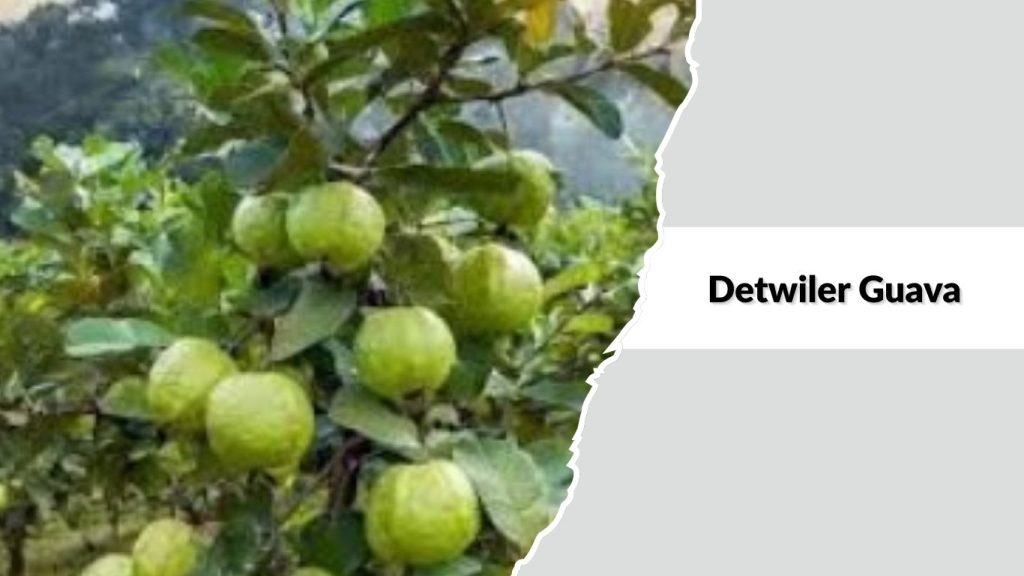
Detwiler guava is a high-quality guava variety known for its good fruit size, pleasant aroma, and balanced sweet-tart flavor. It is valued by growers for its productivity and adaptability, making it suitable for both home gardens and small commercial orchards in warm regions.
Identification
- Medium-sized evergreen tree
- Smooth, light-brown peeling bark
- Oval green leaves with visible veins
- Medium to large round fruits
- Light green skin turning yellow when ripe
- Creamy white to pale pink flesh with soft seeds
Tree Characteristics
Detwiler guava trees generally grow 10 to 22 feet tall and form rounded, spreading crowns. They flower with white blossoms and can produce one to two crops per year in favorable climates.
Fruit Description
The fruits are round, aromatic, and thin-skinned. The flesh is juicy, mildly sweet with slight acidity, and soft in texture, making it enjoyable for fresh eating.
Growing Regions
Detwiler guava is cultivated in tropical and subtropical areas, including South Asia, Southeast Asia, the Caribbean, and Central America.
Climate and Soil Preferences
This variety performs best in full sun, warm conditions, and fertile, well-drained soil. Regular watering supports better fruit development.
Common Uses
Detwiler guava is eaten fresh and also used in juices, jams, desserts, and guava-based products.
14. Indonesian White Guava
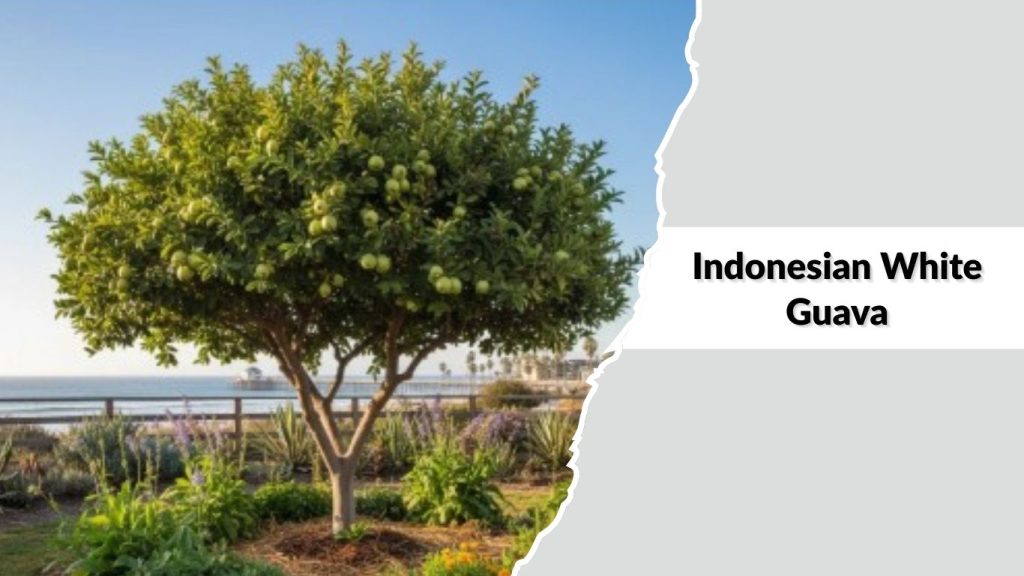
Indonesian white guava is a productive guava tree variety valued for its vigorous growth, large fruit size, and mildly sweet, aromatic flesh. It is commonly cultivated in tropical home gardens and orchards, where it performs well in warm, humid climates and a wide range of soils.
Identification
- Medium-sized evergreen tree
- Smooth, light-brown to gray peeling bark
- Broad, oval green leaves with strong veins
- Large round to slightly pear-shaped fruits
- Light green skin turning pale yellow when ripe
- White, juicy flesh with many soft seeds
Tree Characteristics
Indonesian white guava trees usually reach 12 to 28 feet tall and develop wide, spreading canopies. They grow quickly, respond well to pruning, and produce dependable seasonal harvests.
Fruit Description
The fruits are large, thin-skinned, and strongly aromatic. The flesh is white, crisp to soft, mildly sweet, and juicy, with a central seed cluster.
Growing Regions
This variety is widely grown in Indonesia, Malaysia, Thailand, the Philippines, and other Southeast Asian countries.
Climate and Soil Preferences
Indonesian white guava thrives in full sun, warm temperatures, and well-drained loamy soils, though it tolerates sandy soils well.
Common Uses
The fruits are eaten fresh and also used for juices, jams, fruit salads, candies, and local guava products.
15. Indonesian Red Guava
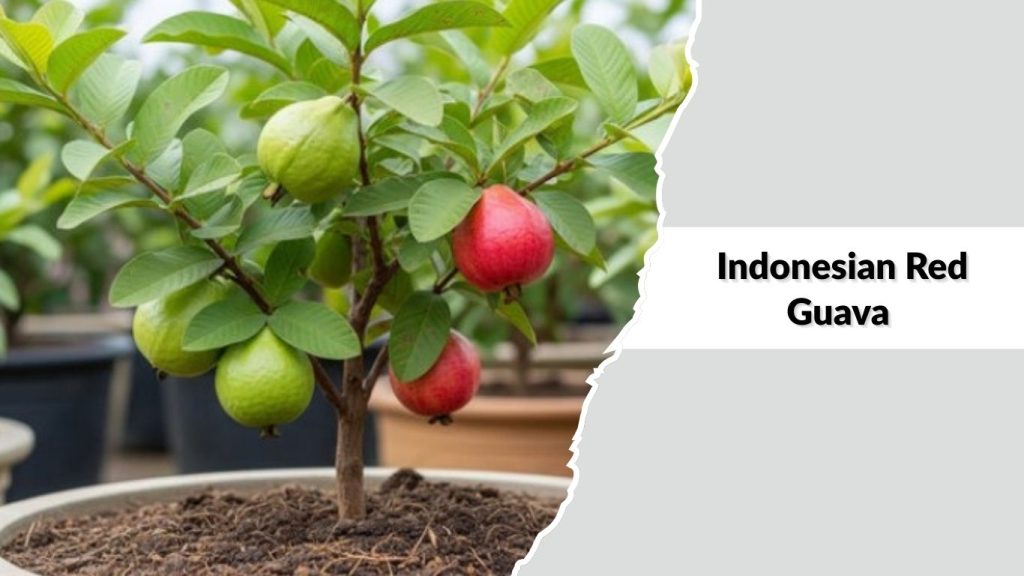
Indonesian red guava is a popular guava variety known for its attractive pink to red flesh, strong aroma, and juicy texture. It is widely cultivated in Southeast Asia for fresh markets and processing because of its good fruit size, appealing color, and pleasant flavor.
Identification
- Medium-sized evergreen tree
- Smooth, light-brown peeling bark
- Oval green leaves with prominent veins
- Medium to large round fruits
- Green skin turning yellow when ripe
- Pink to deep red, juicy flesh with soft seeds
Tree Characteristics
Indonesian red guava trees usually grow 10 to 25 feet tall and develop broad, spreading canopies. They flower with white blossoms and can produce fruit one to two times per year in warm climates.
Fruit Description
The fruits are round, thin-skinned, and highly aromatic. The flesh is soft, juicy, sweet to mildly tangy, and richly colored, making it attractive for consumption and processing.
Growing Regions
This guava is widely grown in Indonesia, Malaysia, Thailand, Vietnam, and other tropical regions.
Climate and Soil Preferences
It thrives in full sun, warm temperatures, and fertile, well-drained soils. Consistent watering improves fruit quality.
Common Uses
Indonesian red guava is eaten fresh and commonly used for juices, jams, smoothies, desserts, and guava-based beverages.
16. Vietnamese White Guava
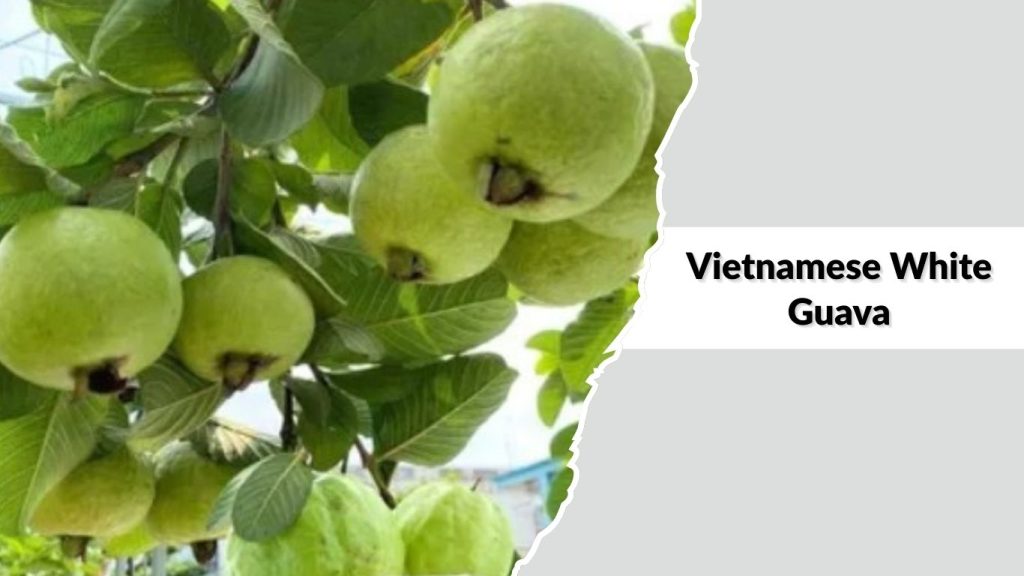
Vietnamese white guava is a widely grown guava variety valued for its crisp flesh, mild sweetness, and reliable fruiting. It is especially popular in Southeast Asia for fresh consumption and local markets. The tree is fast-growing, adaptable, and suitable for both home gardens and orchards.
Identification
- Medium-sized evergreen tree
- Smooth, light-gray to brown peeling bark
- Large oval green leaves with visible veins
- Medium to large round fruits
- Light green skin turning pale yellow when ripe
- White, firm to juicy flesh with soft seeds
Tree Characteristics
Vietnamese white guava trees typically grow 12 to 30 feet tall and form wide, spreading canopies. They grow vigorously, respond well to pruning, and may fruit more than once a year in warm climates.
Fruit Description
The fruits are round, aromatic, and thin-skinned. The flesh is white, slightly crisp, mildly sweet, and refreshing, with a central seed cluster.
Growing Regions
This variety is mainly grown in Vietnam, Thailand, Laos, Cambodia, and other tropical Southeast Asian regions.
Climate and Soil Preferences
Vietnamese white guava thrives in warm temperatures, full sun, and well-drained soils. It tolerates both sandy and loamy soil types.
Common Uses
It is eaten fresh, often with salt or chili, and used for juices, fruit salads, preserves, and local desserts.
17. Thai White Guava
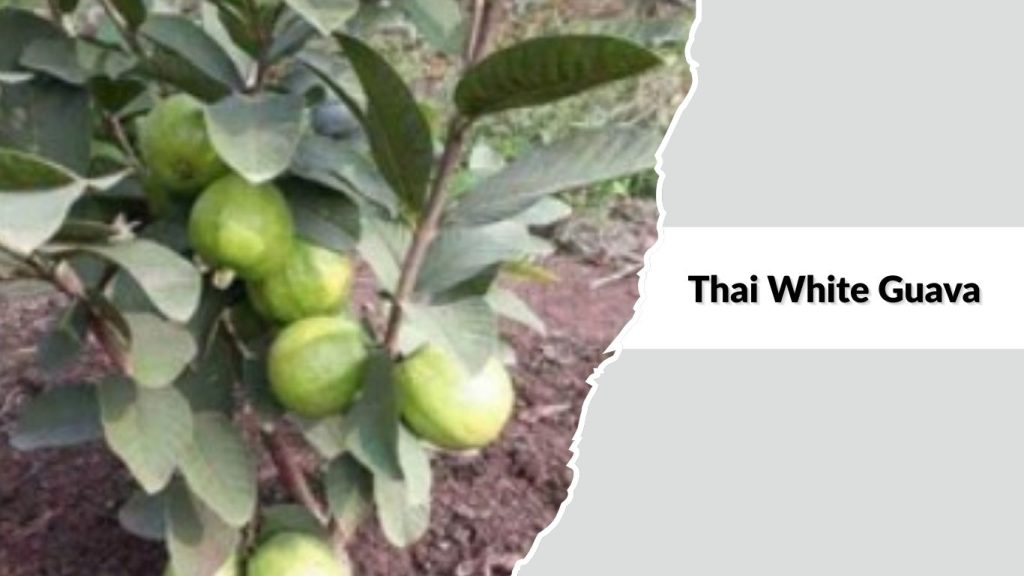
Thai white guava is a popular guava tree variety known for its large, crisp fruits, mild sweetness, and low-seed texture. It is widely cultivated in Thailand and neighboring countries for fresh fruit markets. The tree is vigorous, high-yielding, and well suited to warm tropical climates.
Identification
- Medium-sized evergreen tree
- Smooth, light-brown to gray peeling bark
- Large, oval green leaves with prominent veins
- Large round to slightly oval fruits
- Light green skin turning pale yellow when ripe
- White, firm, juicy flesh with few soft seeds
Tree Characteristics
Thai white guava trees usually grow 12 to 28 feet tall and form dense, spreading canopies. They are fast-growing, respond well to pruning, and can produce fruit more than once a year.
Fruit Description
The fruits are large, thin-skinned, and aromatic. The flesh is crisp, mildly sweet, and refreshing, often eaten while still slightly firm.
Growing Regions
This variety is mainly grown in Thailand, Vietnam, Malaysia, Indonesia, and other tropical Asian countries.
Climate and Soil Preferences
Thai white guava thrives in full sun, warm temperatures, and fertile, well-drained soils. Regular watering supports larger fruit size.
Common Uses
Thai white guava is eaten fresh, sliced for fruit plates, and used in juices, salads, and light desserts.
18. Thai Maroon Guava
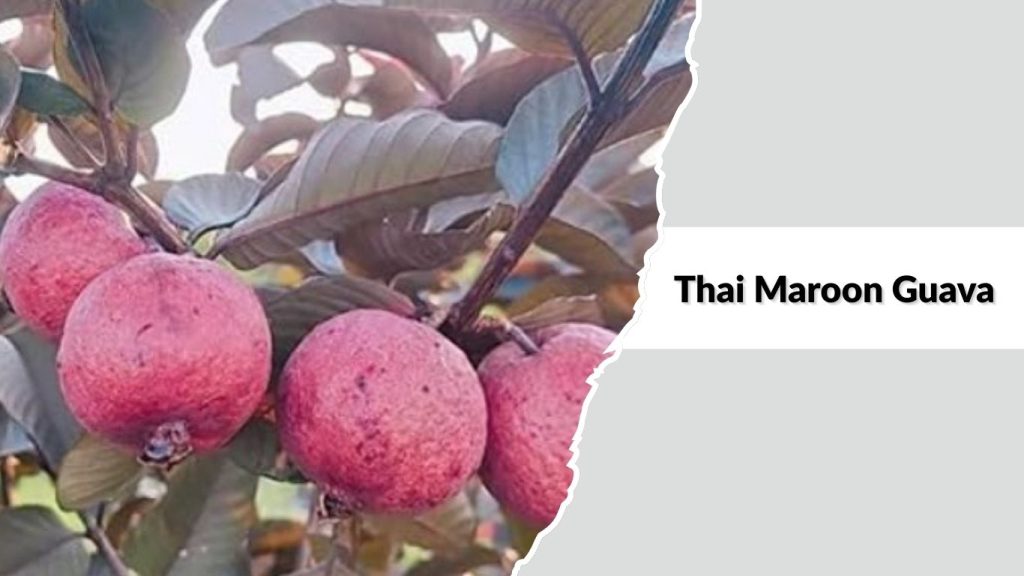
Thai maroon guava is a distinctive guava variety recognized for its darker skin tones and richly colored flesh. It is valued both for fruit production and visual appeal, producing aromatic fruits with a balanced sweet flavor. The tree grows well in warm climates and is commonly found in tropical orchards.
Identification
- Medium-sized evergreen tree
- Smooth, light-brown peeling bark
- Oval dark-green leaves with clear veins
- Medium to large round fruits
- Green skin often flushed with maroon tones
- Deep pink to reddish flesh with soft seeds
Tree Characteristics
Thai maroon guava trees usually grow 10 to 24 feet tall and form rounded, spreading crowns. They flower with white blossoms and can produce one or two fruiting seasons each year.
Fruit Description
The fruits are round, thin-skinned, and strongly aromatic. The flesh is juicy, sweet to mildly tangy, and darker in color than most pink guavas.
Growing Regions
This guava is primarily grown in Thailand, Vietnam, and other tropical Southeast Asian regions.
Climate and Soil Preferences
Thai maroon guava prefers full sun, warm temperatures, and fertile, well-drained soils. Moderate watering improves fruit quality.
Common Uses
The fruits are eaten fresh and also used for juices, jams, desserts, and colorful guava-based products.
19. Lucknow-49 Guava
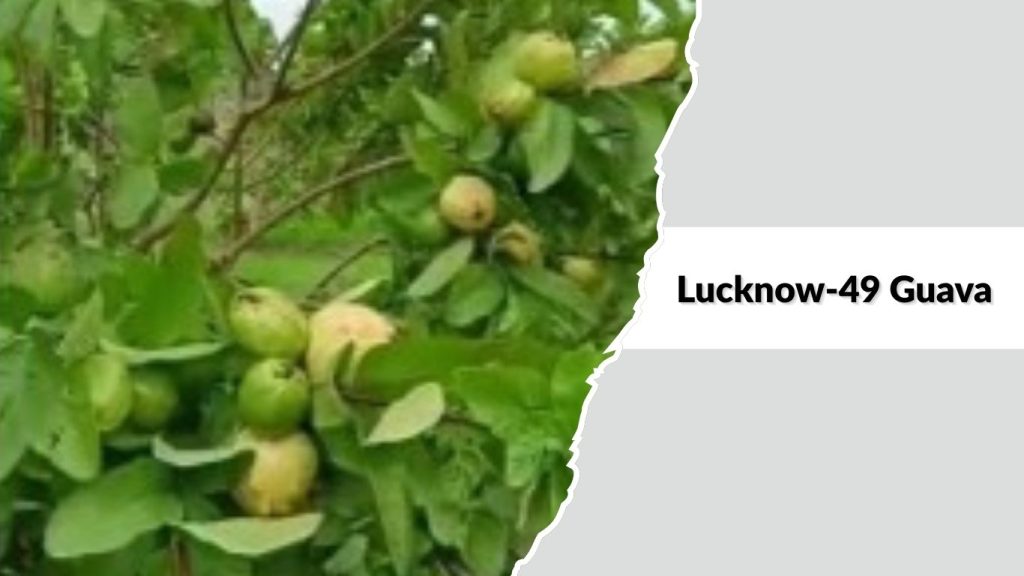
Lucknow-49 guava, also known as Sardar guava, is one of the most famous commercial guava varieties in South Asia. It is valued for its large fruit size, high productivity, and excellent eating quality. The tree is hardy, fast-growing, and widely cultivated in orchards.
Identification
- Medium-sized evergreen tree
- Smooth, light-gray to brown peeling bark
- Broad oval green leaves with strong veins
- Large round fruits
- Light green skin turning yellowish when ripe
- White to creamy flesh with soft edible seeds
Tree Characteristics
Lucknow-49 guava trees usually grow 12 to 30 feet tall and develop wide, spreading canopies. They are known for heavy flowering and consistent fruiting under warm conditions.
Fruit Description
The fruits are large, smooth-skinned, and aromatic. The flesh is firm, juicy, mildly sweet, and pleasantly flavored, making it ideal for both fresh markets and processing.
Growing Regions
Lucknow-49 is widely grown in India, Bangladesh, Pakistan, Sri Lanka, and other tropical to subtropical regions.
Climate and Soil Preferences
This variety thrives in full sun, warm temperatures, and well-drained loamy soils. It tolerates brief dry periods but performs best with regular watering.
Common Uses
Lucknow-49 guava is eaten fresh and widely used for juices, jams, jellies, candies, and commercial guava products.
20. Allahabad Safeda Guava
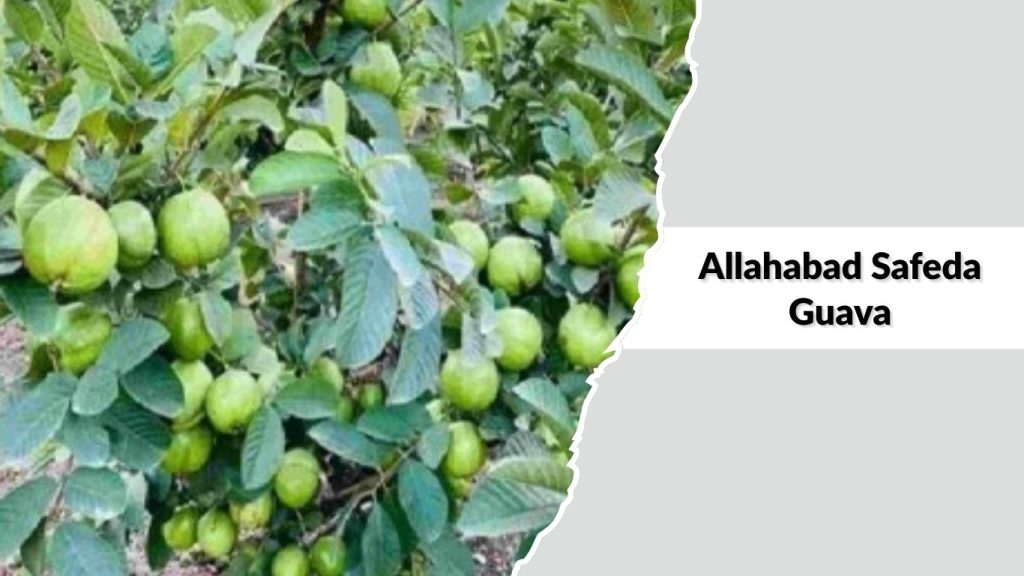
Allahabad Safeda guava is one of the most well-known guava varieties, famous for its snow-white flesh, pleasant sweetness, and strong aroma. It is a premium commercial guava grown widely in South Asia due to its good fruit size, smooth skin, and excellent market value.
Identification
- Medium-sized evergreen tree
- Smooth, pale-brown to gray peeling bark
- Broad, oval light-green leaves
- Medium to large round fruits
- Light green skin turning creamy yellow when ripe
- Pure white, soft, juicy flesh with fine seeds
Tree Characteristics
Allahabad Safeda guava trees usually grow 12 to 28 feet tall and develop wide, spreading canopies. They are early bearers and produce heavy seasonal crops under good management.
Fruit Description
The fruits are round, thin-skinned, and highly aromatic. The flesh is tender, juicy, mildly sweet, and very fragrant, with a soft seed core.
Growing Regions
This variety is extensively cultivated in India, Bangladesh, Nepal, Pakistan, and other tropical to subtropical regions.
Climate and Soil Preferences
Allahabad Safeda prefers full sun, warm temperatures, and fertile, well-drained loamy soils. Regular irrigation improves fruit size and sweetness.
Common Uses
Allahabad Safeda guava is eaten fresh and widely used for juices, jams, jellies, candies, and commercial guava processing.
21. Sardar Guava
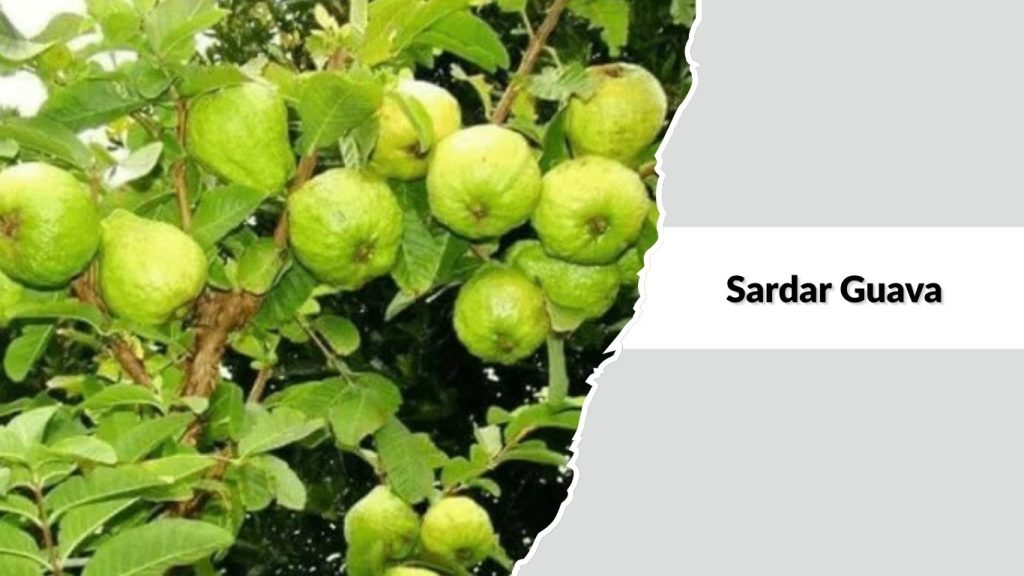
Sardar guava is a highly productive guava variety widely cultivated in South Asia for its large fruits, pleasant sweetness, and strong aroma. It is often grown commercially because of its reliable yields, adaptability, and good market demand. In many regions, it is considered closely related to or synonymous with Lucknow-49.
Identification
- Medium-sized evergreen tree
- Smooth, light-gray to brown peeling bark
- Broad, oval green leaves with visible veins
- Large round fruits
- Light green skin turning yellow when ripe
- White to creamy flesh with soft edible seeds
Tree Characteristics
Sardar guava trees usually grow 12 to 30 feet tall and form wide, spreading canopies. They are vigorous growers, respond well to pruning, and can produce heavy crops in warm climates.
Fruit Description
The fruits are large, thin-skinned, and strongly aromatic. The flesh is firm to juicy, mildly sweet, and pleasantly flavored.
Growing Regions
Sardar guava is widely grown in India, Bangladesh, Pakistan, Sri Lanka, and neighboring tropical regions.
Climate and Soil Preferences
This variety thrives in full sun, warm temperatures, and well-drained fertile soils. Moderate irrigation supports consistent fruiting.
Common Uses
Sardar guava is eaten fresh and commonly used for juices, jams, jellies, candies, and commercial guava products.
22. Crystal Guava
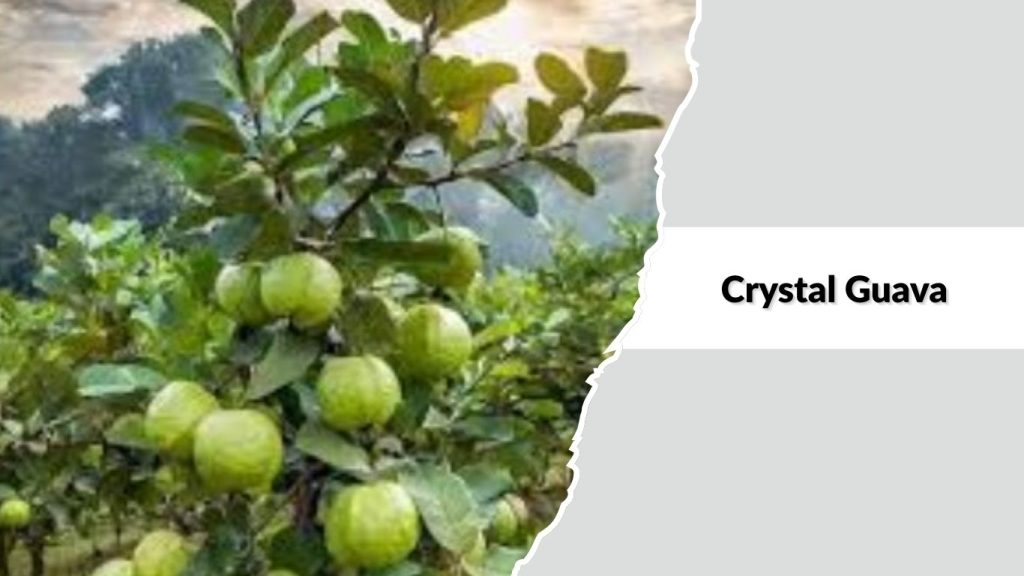
Crystal guava is a modern guava variety especially known for its very few seeds, crisp texture, and mild sweetness. It is popular in Southeast Asia for fresh fruit markets and home gardens because of its clean eating quality and attractive, smooth fruits.
Identification
- Medium-sized evergreen tree
- Smooth, light-brown to gray peeling bark
- Broad, oval glossy green leaves
- Medium to large round fruits
- Light green skin turning yellowish when ripe
- White, crisp flesh with very few soft seeds
Tree Characteristics
Crystal guava trees usually grow 10 to 25 feet tall and develop rounded, spreading canopies. They grow vigorously, respond well to pruning, and can produce fruit multiple times a year in warm climates.
Fruit Description
The fruits are round, thin-skinned, and lightly aromatic. The flesh is firm, crunchy, mildly sweet, and refreshing, often compared to apples or pears.
Growing Regions
Crystal guava is widely cultivated in Thailand, Indonesia, Vietnam, Malaysia, and other tropical Asian countries.
Climate and Soil Preferences
This guava thrives in full sun, warm temperatures, and fertile, well-drained soils. Consistent watering improves fruit size and crispness.
Common Uses
Crystal guava is mainly eaten fresh and used for fruit platters, salads, juices, and light desserts.
23. Yellow Cherry Guava
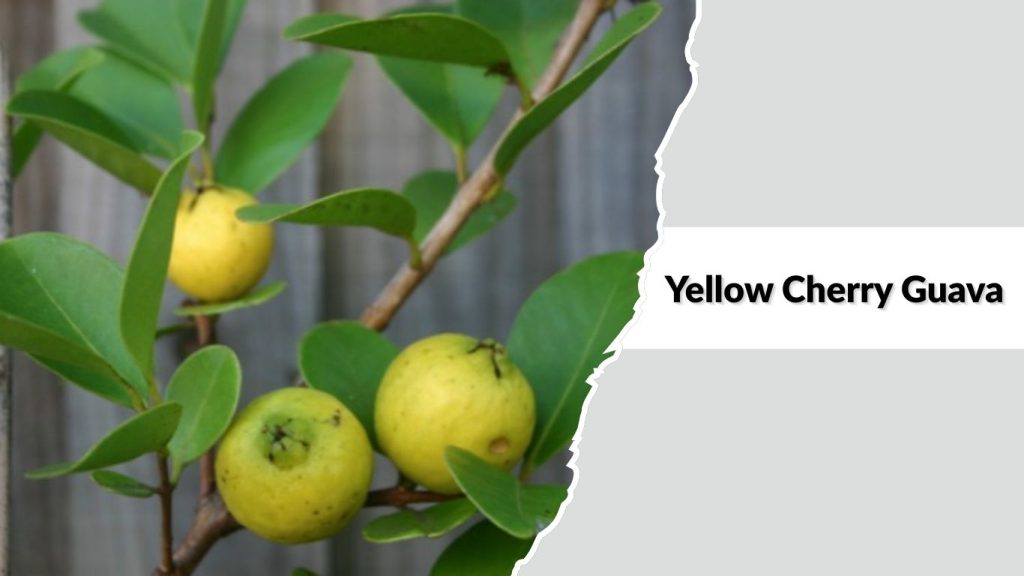
Yellow cherry guava is a small guava tree known for its compact size, glossy leaves, and small, bright yellow fruits. It is valued for its strong aroma, sweet-tart flavor, and ornamental appearance. This variety is often grown in home gardens, hedges, and tropical landscapes.
Identification
- Small evergreen tree or large shrub
- Smooth, light-brown bark
- Thick, glossy dark-green leaves
- Small round cherry-sized fruits
- Bright yellow skin when ripe
- Soft, aromatic yellow to cream-colored flesh with small seeds
Tree Characteristics
Yellow cherry guava trees usually grow 6 to 15 feet tall and form dense, bushy canopies. They tolerate pruning well and are suitable for container growing and decorative planting.
Fruit Description
The fruits are small, thin-skinned, and highly fragrant. The flesh is juicy, sweet to slightly tangy, and rich in aroma, similar to tropical berries.
Growing Regions
This guava is commonly grown in South America, Central America, the Caribbean, Southeast Asia, and tropical island regions.
Climate and Soil Preferences
Yellow cherry guava prefers warm temperatures, full sun, and well-drained soils. It tolerates light shade and adapts well to sandy soils.
Common Uses
Yellow cherry guava is eaten fresh and used for jams, jellies, juices, syrups, and ornamental garden planting.
FAQs
What is the most common type of guava tree?
Apple guava is considered the most common type of guava tree. It is widely grown in tropical and subtropical regions because it adapts easily to different soils, grows quickly, and produces abundant, sweet, aromatic fruits suitable for fresh eating and processing.
Which guava tree is best for home gardens?
Strawberry guava, lemon guava, and crystal guava are excellent choices for home gardens. They remain relatively small, tolerate pruning well, and can be grown in containers or small yards while still producing flavorful fruits throughout warm seasons.
How long does a guava tree take to bear fruit?
Most guava trees begin producing fruit within two to four years after planting. Grafted or air-layered trees often bear earlier than seed-grown plants, especially when grown in warm climates with good sunlight, watering, and proper pruning.
Do guava trees need full sun to grow well?
Yes, guava trees grow best in full sun. At least six to eight hours of direct sunlight daily supports strong growth, better flowering, and higher-quality fruits. While they tolerate light shade, heavy shade reduces fruit production significantly.
Are guava trees suitable for tropical countries like Bangladesh?
Guava trees are very suitable for Bangladesh’s climate. Warm temperatures, seasonal rainfall, and fertile soils support healthy growth and heavy fruiting, making guava one of the most popular and successful fruit trees in home gardens and commercial orchards.