





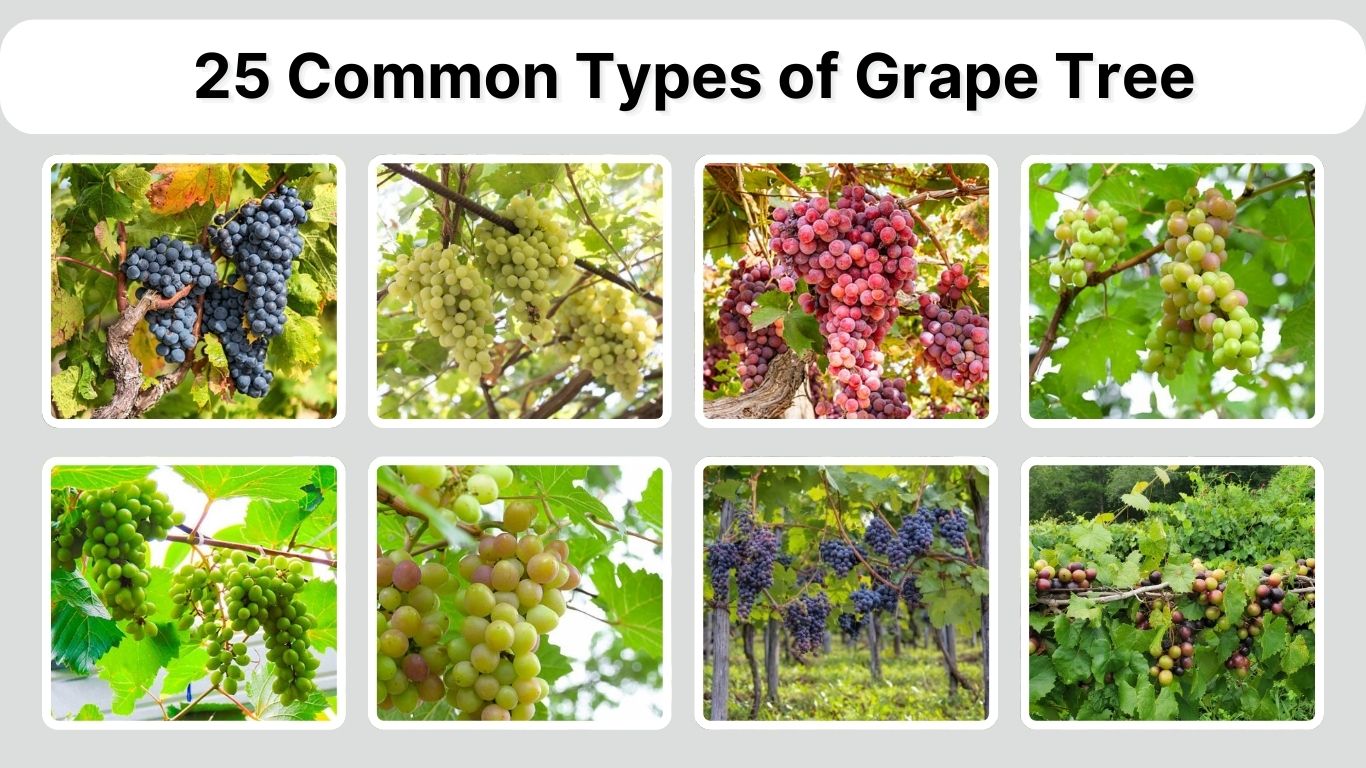
Grape trees, more accurately known as grapevines trained in a tree-like form, are among the most widely grown fruit plants in the world. They are valued for their sweet, juicy fruits, decorative growth, and wide range of uses—from fresh eating to juice, raisins, and wine production. With hundreds of varieties available, grape plants can be found in gardens, farms, and vineyards across many climates, offering differences in color, size, flavor, and harvest season.
1. Concord Grape
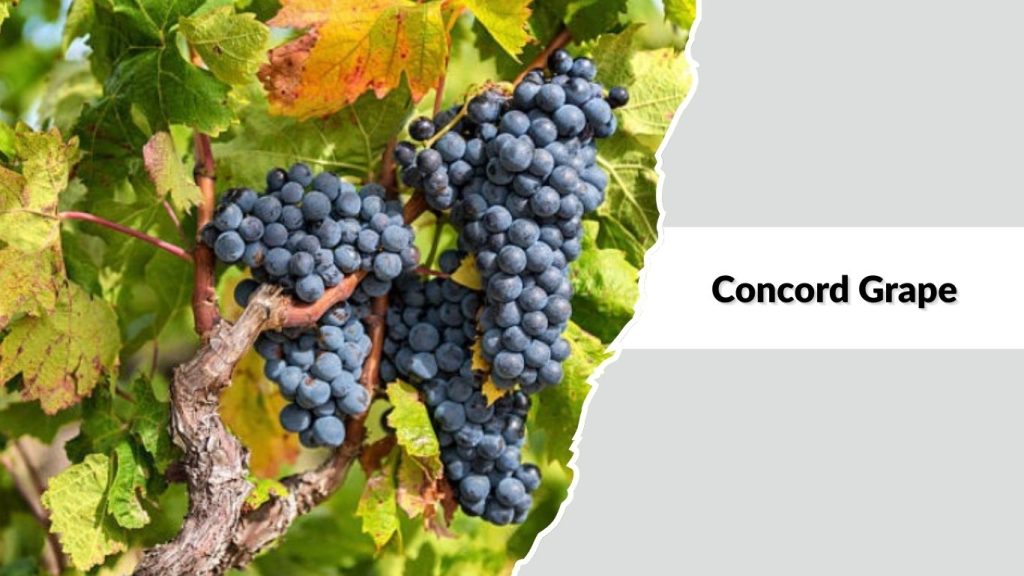
Concord grape is one of the most well-known grape varieties in the world, famous for its deep purple color, bold aroma, and sweet-tart flavor. It is widely used for grape juice, jelly, jams, desserts, and traditional grape products. This grape grows on vigorous climbing vines and is especially popular in North America for both home gardens and commercial cultivation.
Identification
- Deep purple to blue-black round grapes
- Thick skin with soft, juicy pulp
- Strong sweet, “grapey” aroma
- Medium to large clustered fruits
- Woody climbing vine with broad green leaves
Growing Habit
Concord grapes grow on strong, fast-spreading vines that climb trellises, fences, and arbors. They prefer full sunlight and well-drained soil. With proper pruning and support, the vine can live for decades and produce heavy fruit crops each season.
Fruit Characteristics
The grapes are round, medium-sized, and covered with a natural white bloom. Inside, the flesh is very juicy with a bold sweet-tart taste. The skin slips easily from the pulp, making Concord grapes ideal for juice and jelly production.
Common Uses
Concord grapes are most commonly used for grape juice, jams, jellies, syrups, and flavored products. They are also eaten fresh, dried into raisins, and used in traditional desserts and sauces.
2. Thompson Seedless Grape
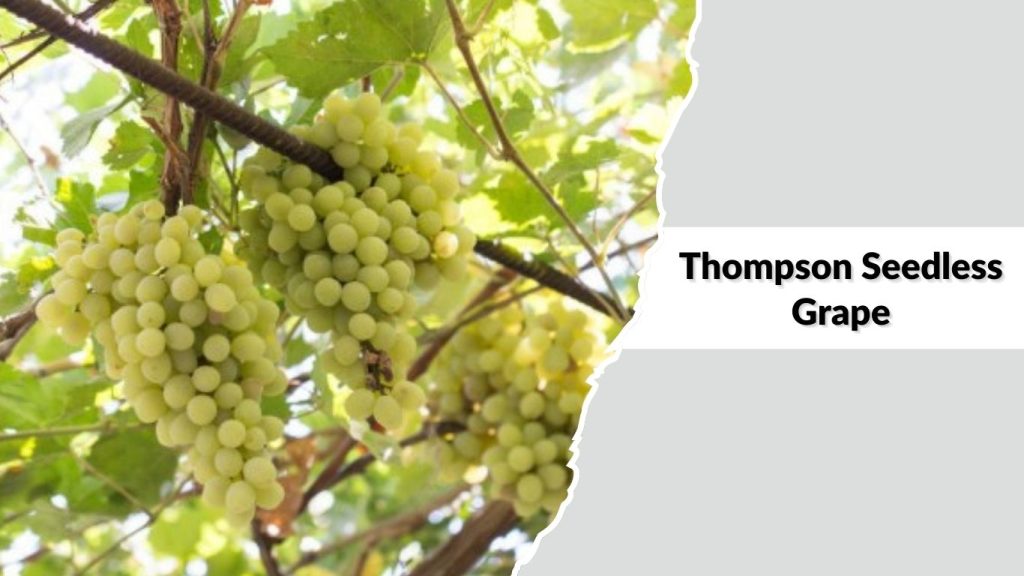
Thompson Seedless is one of the most widely grown grape varieties in the world, especially famous as the classic green table grape and main raisin grape. It is loved for its mild sweetness, soft flesh, and seedless nature. This variety grows on long, productive vines and is popular in home gardens and commercial vineyards.
Identification
- Light green to golden-yellow grapes
- Small to medium oval-shaped fruits
- Thin, smooth skin
- Sweet, mild flavor with soft flesh
- Seedless berries in large loose clusters
Growing Habit
Thompson Seedless grapes grow on fast-growing, climbing vines that need trellises or arbors for support. They thrive in full sun and warm climates, producing heavy crops when pruned correctly and watered regularly.
Fruit Characteristics
The grapes are tender, juicy, and mildly sweet, making them ideal for fresh eating. As they ripen, the color changes from bright green to a soft golden shade, especially in strong sunlight.
Common Uses
This grape is widely used as a table grape, for making raisins, grape juice, and dried fruit snacks. It is also used in desserts, fruit salads, and light wines due to its clean, neutral flavor.
3. Red Globe Grape
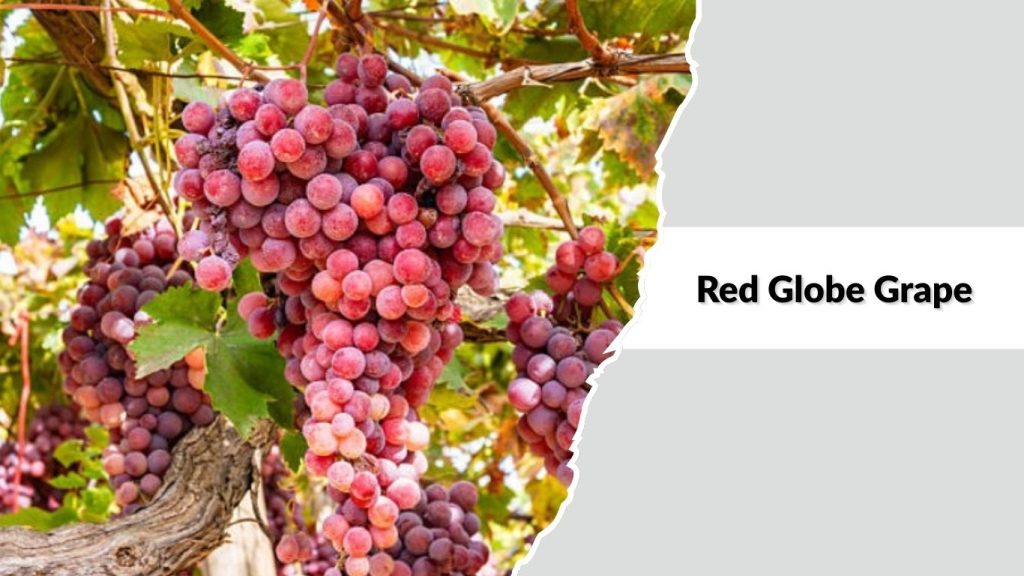
Red Globe grape is a popular large-fruited grape variety known for its striking red color, crisp texture, and mild sweetness. It is widely grown for fresh consumption because of its attractive appearance and long shelf life. The vine is vigorous, productive, and commonly cultivated in warm regions.
Identification
- Large, round red to pinkish-red grapes
- Thick skin with firm, crisp flesh
- Mildly sweet flavor
- Very large grape clusters
- Strong climbing vine with broad leaves
Growing Habit
Red Globe grapes grow on powerful, spreading vines that require strong support systems such as trellises or pergolas. They perform best in full sun and fertile, well-drained soil, producing heavy yields under proper care.
Fruit Characteristics
The grapes are among the largest table grapes, with firm pulp and thick skin that protects them during storage and transport. The color deepens as the fruit matures, giving clusters a glossy, appealing look.
Common Uses
Red Globe grapes are mainly eaten fresh as table grapes. They are also used in fruit platters, desserts, juices, and decorative food displays because of their size and bright appearance.
4. Flame Seedless Grape

Flame Seedless grape is an early-ripening red grape variety valued for its bright color, crisp bite, and balanced sweetness. It is one of the most popular seedless table grapes worldwide and is widely grown for fresh markets. The vine is vigorous and adapts well to warm climates.
Identification
- Bright red to crimson grapes
- Medium-sized, round berries
- Thin skin with crisp flesh
- Sweet, mildly tangy flavor
- Medium to large compact clusters
Growing Habit
Flame Seedless grows on fast-growing, climbing vines that need trellises or overhead support. It prefers full sun and well-drained soil and produces reliable harvests with regular pruning and watering.
Fruit Characteristics
The grapes are juicy, firm, and pleasantly sweet with a slight tang. Their thin skin and crunchy texture make them especially popular for fresh eating and fruit bowls.
Common Uses
Flame Seedless grapes are mainly eaten fresh. They are also used in fruit salads, fresh desserts, juice blends, and as a healthy snack grape.
5. Moon Drops (Sweet Sapphire) Grape
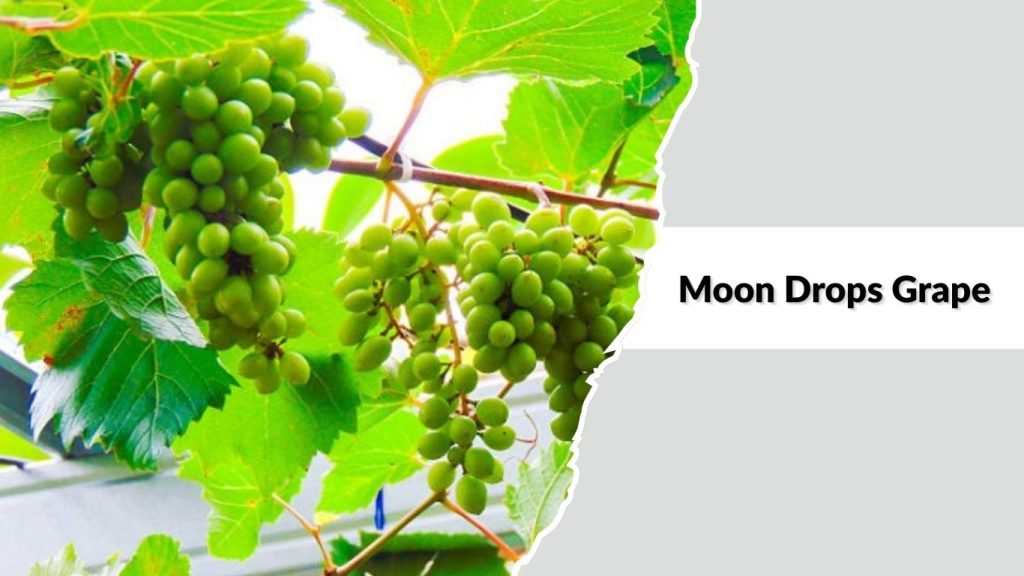
Moon Drops, also known as Sweet Sapphire, is a unique modern grape variety famous for its long, tube-shaped fruits and deep purple color. It is prized for its crisp texture, intense sweetness, and eye-catching appearance. This grape grows on vigorous vines and is mainly cultivated for premium fresh markets.
Identification
- Long, finger-shaped dark purple grapes
- Thick skin with very crisp flesh
- Very sweet flavor
- Medium to large loose clusters
- Distinctive tubular fruit shape
Growing Habit
Moon Drops grapes grow on strong climbing vines that require trellises or pergolas for support. They thrive in full sun and warm, dry climates, producing high-quality fruit when properly pruned and maintained.
Fruit Characteristics
The berries are unusually elongated, crunchy, and juicy, with a rich sweet taste. Their deep purple skin and novelty shape make them highly attractive in fruit displays.
Common Uses
Moon Drops grapes are mainly eaten fresh as a premium table grape. They are also used in fruit platters, gourmet desserts, and decorative food presentations because of their unique appearance.
6. Cotton Candy Grape
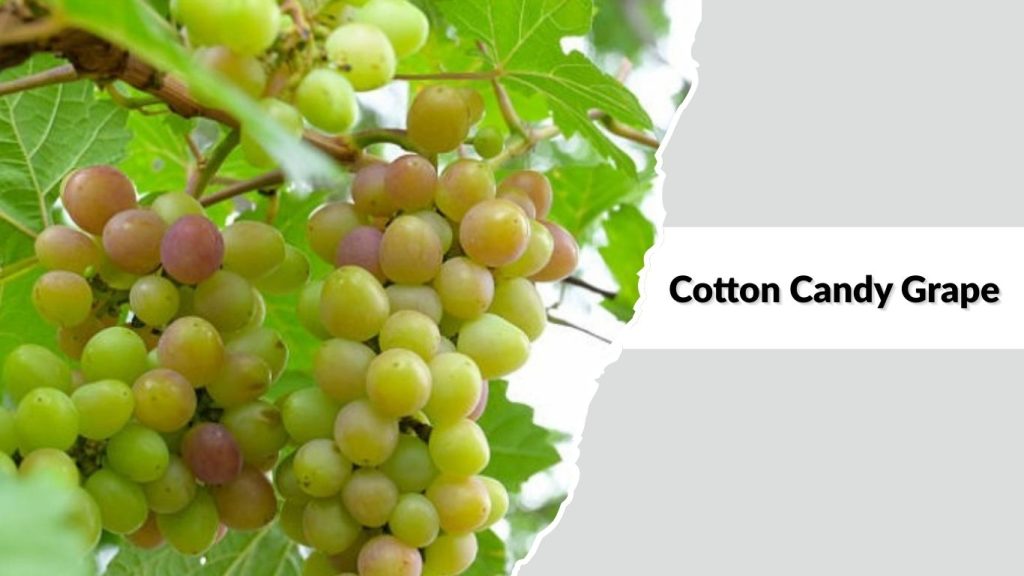
Cotton Candy grape is a specialty hybrid grape known for its remarkably sweet flavor that resembles cotton candy. It has light green to yellowish fruit and a crisp, juicy bite. This variety is mainly grown for fresh consumption and is popular in premium fruit markets.
Identification
- Light green to pale yellow grapes
- Medium-sized, oval berries
- Thin skin with very juicy flesh
- Extremely sweet, candy-like flavor
- Medium to large grape clusters
Growing Habit
Cotton Candy grapes grow on vigorous climbing vines that need sturdy trellises for support. They prefer full sun, warm temperatures, and well-drained soil to develop their signature sweetness.
Fruit Characteristics
The grapes are firm, juicy, and exceptionally sweet, with a flavor profile often compared to spun sugar or vanilla candy. The flesh is crisp, making them very appealing as a fresh snack.
Common Uses
Cotton Candy grapes are eaten almost entirely as fresh table grapes. They are also used in fruit bowls, desserts, kids’ snacks, and gourmet fruit arrangements.
7. Black Corinth Grape
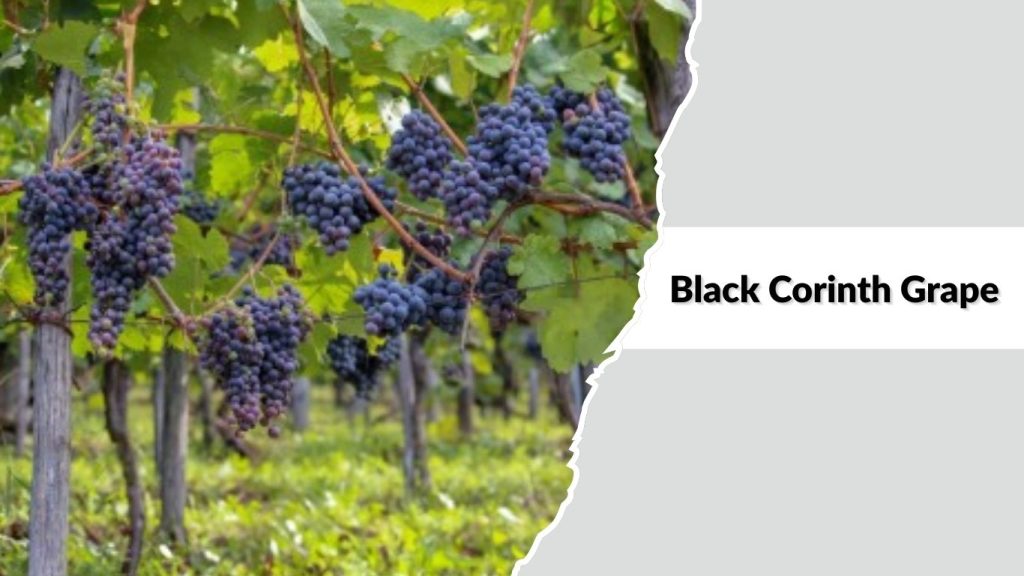
Black Corinth grape, often called “Zante currant,” is a small, dark grape variety famous for producing tiny seedless grapes that are commonly dried into currants. It is valued for its intense sweetness and rich flavor. The vine is vigorous and well adapted to warm, dry climates.
Identification
- Very small, round deep purple to black grapes
- Thin skin with soft, juicy flesh
- Very sweet, concentrated flavor
- Tight, compact clusters
- Naturally seedless berries
Growing Habit
Black Corinth grapes grow on fast-spreading vines that require trellises or wires for support. They thrive in full sun and well-drained soil, producing heavy crops when properly pruned.
Fruit Characteristics
The grapes are much smaller than most table grapes, but they are extremely sweet and aromatic. When dried, they shrink into dark currants widely used in baking and cooking.
Common Uses
Black Corinth grapes are used fresh in small quantities, but they are most famous for being dried into currants. They are widely used in breads, cakes, cookies, cereals, and traditional desserts.
8. Muscadine Grape
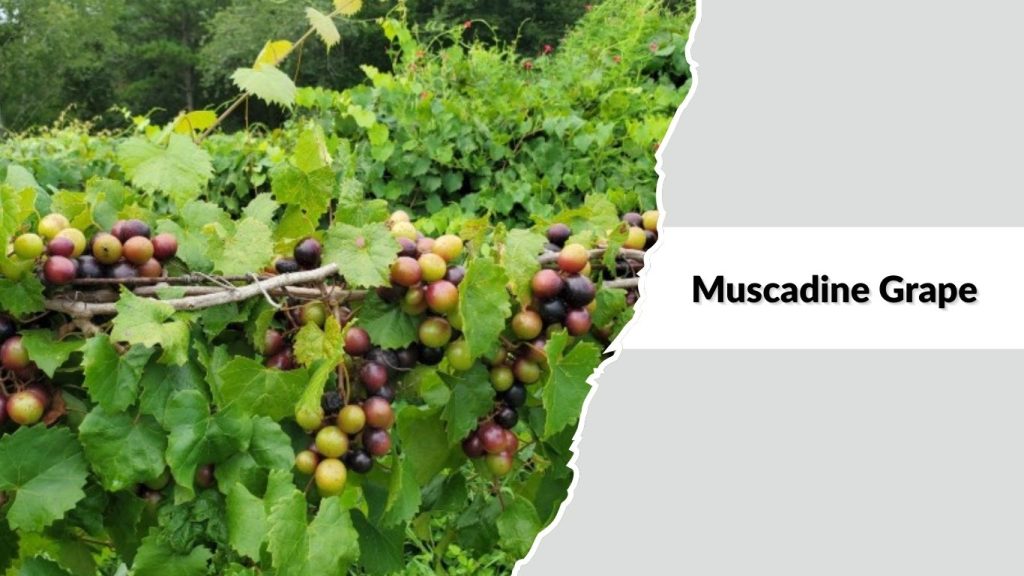
Muscadine grape is a native North American grape variety known for its thick skin, strong aroma, and high nutritional value. It is commonly grown in the southeastern United States and thrives in hot, humid climates. The fruit is larger than many other grapes and has a distinctive, bold flavor.
Identification
- Large round bronze, red, or dark purple grapes
- Very thick skin with soft, pulpy flesh
- Strong, musky-sweet aroma
- Small, loose grape clusters
- Tough-skinned berries with seeds
Growing Habit
Muscadine grapes grow on powerful, long-lived vines that tolerate heat, humidity, and many diseases. They require sturdy trellises and regular pruning to manage their rapid growth.
Fruit Characteristics
The grapes are juicy and aromatic, with a thick skin that separates easily from the pulp. They can vary in color from bronze to nearly black depending on the variety.
Common Uses
Muscadine grapes are eaten fresh, made into juice, jams, jellies, and wines, and used in traditional Southern recipes.
9. Scuppernong Grape
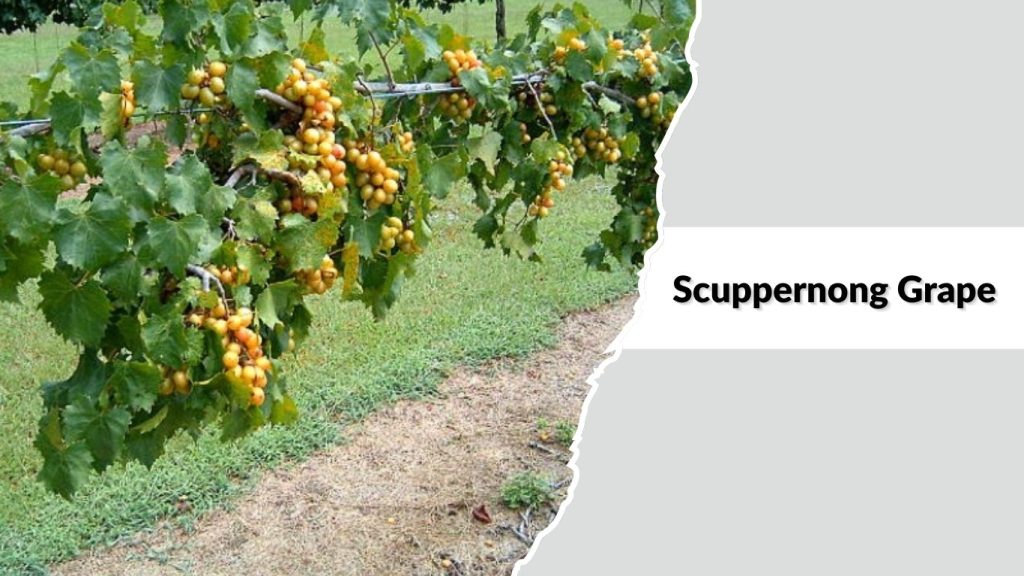
Scuppernong grape is a famous type of muscadine grape known for its large bronze-colored fruit and very sweet, fragrant flavor. It is one of the oldest cultivated grape varieties in North America and is especially popular in warm, humid regions.
Identification
- Large round bronze to golden-green grapes
- Very thick skin with soft, juicy pulp
- Strong sweet, musky aroma
- Small loose clusters
- Tough skin with noticeable seeds
Growing Habit
Scuppernong grapes grow on strong, long-lived vines that spread widely and require sturdy trellises or arbors. They thrive in hot, humid climates and are naturally resistant to many grape diseases.
Fruit Characteristics
The fruit is very juicy with a sweet, rich taste and a strong grape fragrance. The thick skin protects the pulp and allows the grapes to stay fresh longer on the vine.
Common Uses
Scuppernong grapes are eaten fresh and widely used for juice, jelly, jam, syrup, and traditional wines.
10. Kyoho Grape
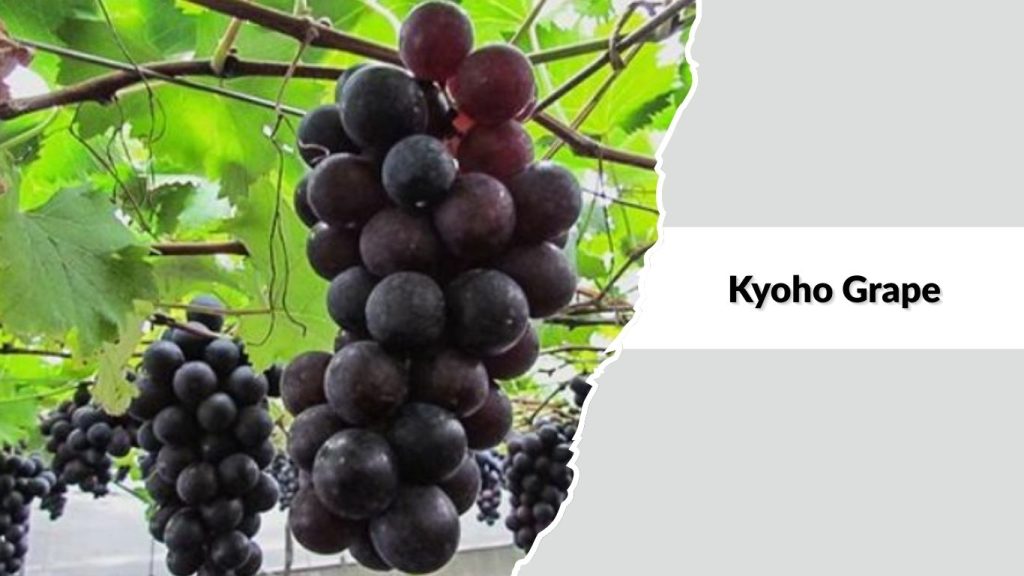
Kyoho grape is a large, premium grape variety originally developed in Japan, known for its deep purple skin, very juicy flesh, and rich sweetness. It is often called the “king of grapes” in East Asia because of its impressive size and flavor. The vine is vigorous and highly productive.
Identification
- Very large round dark purple grapes
- Thick skin with extremely juicy flesh
- Sweet, rich flavor with mild tartness
- Large, loose grape clusters
- Usually contains seeds
Growing Habit
Kyoho grapes grow on strong climbing vines that need trellises or pergolas for support. They prefer full sun, fertile soil, and careful pruning to support their large fruit size.
Fruit Characteristics
The grapes are among the largest in the world, with soft, juicy pulp and a strong grape aroma. The skin peels away easily from the flesh, making them enjoyable to eat fresh.
Common Uses
Kyoho grapes are mainly eaten fresh as luxury table grapes. They are also used in juices, fruit desserts, and premium fruit gift boxes.
11. Isabella Grape
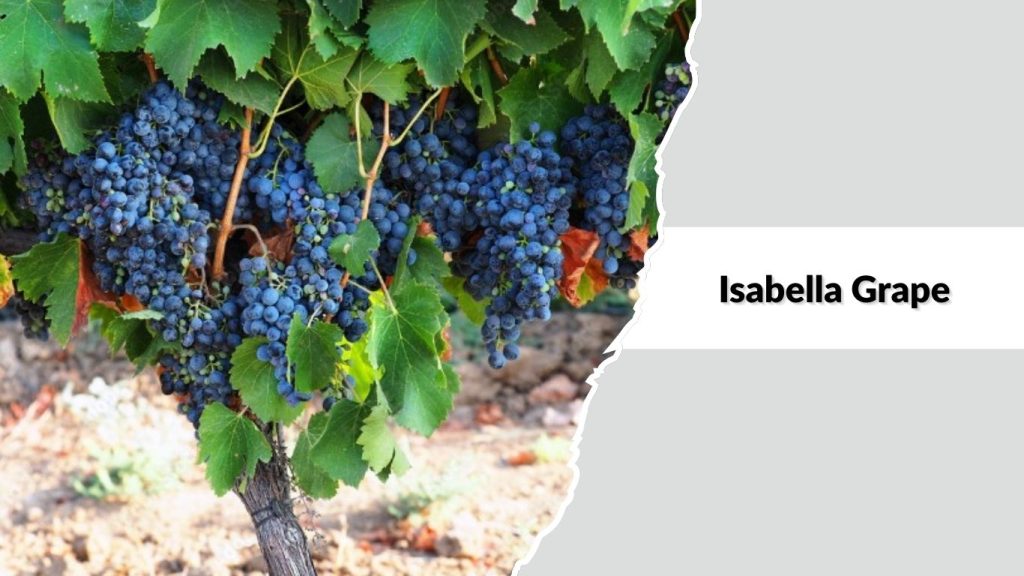
Isabella grape is a classic American grape variety known for its strong aroma, dark purple skin, and sweet-tart flavor. It is a hardy grape that grows well in a wide range of climates and is often used for both fresh eating and traditional grape products.
Identification
- Medium-sized round dark purple to black grapes
- Thick skin with soft, juicy pulp
- Strong, distinctive “foxy” aroma
- Medium grape clusters
- Usually contains seeds
Growing Habit
Isabella grapes grow on fast-growing, climbing vines that adapt well to different soils and climates. They prefer full sun and good air circulation to maintain healthy growth.
Fruit Characteristics
The grapes are juicy and flavorful with a sweet taste balanced by mild acidity. Their strong aroma makes them easily recognizable among grape varieties.
Common Uses
Isabella grapes are used for fresh eating, juices, jams, jellies, and homemade wines.
12. Riesling Grape
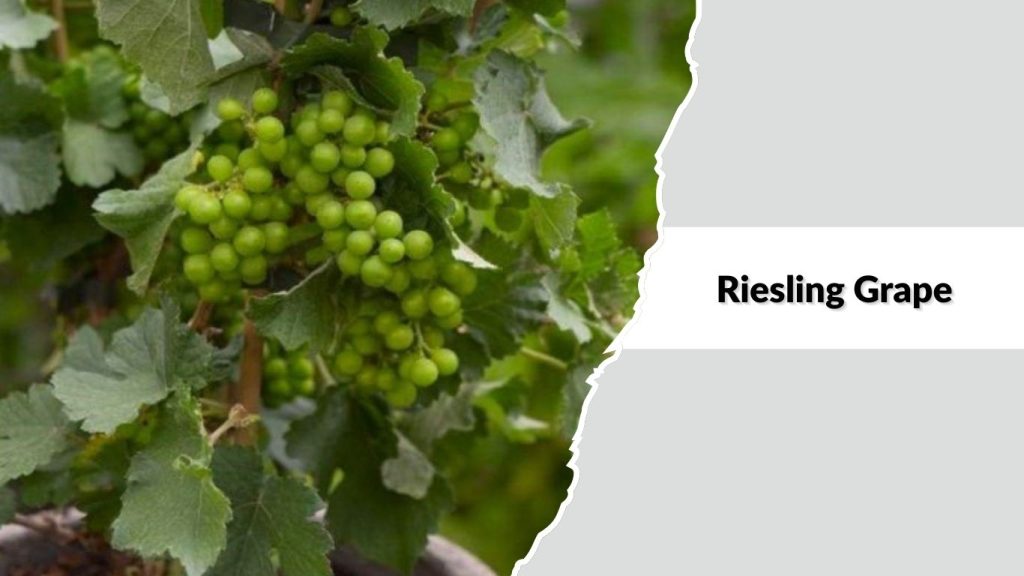
Riesling grape is a famous white grape variety best known for producing highly aromatic and flavorful wines. It has light green to yellowish grapes with high natural acidity and complex fruity notes. The vine grows well in cooler climates and is prized for its adaptability to different soils.
Identification
- Small to medium round pale green to yellow grapes
- Thin skin with very juicy flesh
- Strong floral and fruity aroma
- Compact grape clusters
- High natural acidity
Growing Habit
Riesling grapes grow on moderately vigorous climbing vines that prefer cool to temperate climates. They thrive in full sun with well-drained soil and benefit from careful pruning and canopy management.
Fruit Characteristics
The grapes are very juicy with bright acidity and layered flavors that may include apple, citrus, peach, and floral notes. Their high juice content makes them ideal for winemaking.
Common Uses
Riesling grapes are mainly used for white wine production, including dry, semi-sweet, and sweet wines. They are also used in juices and culinary sauces.
13. Cabernet Sauvignon Grape
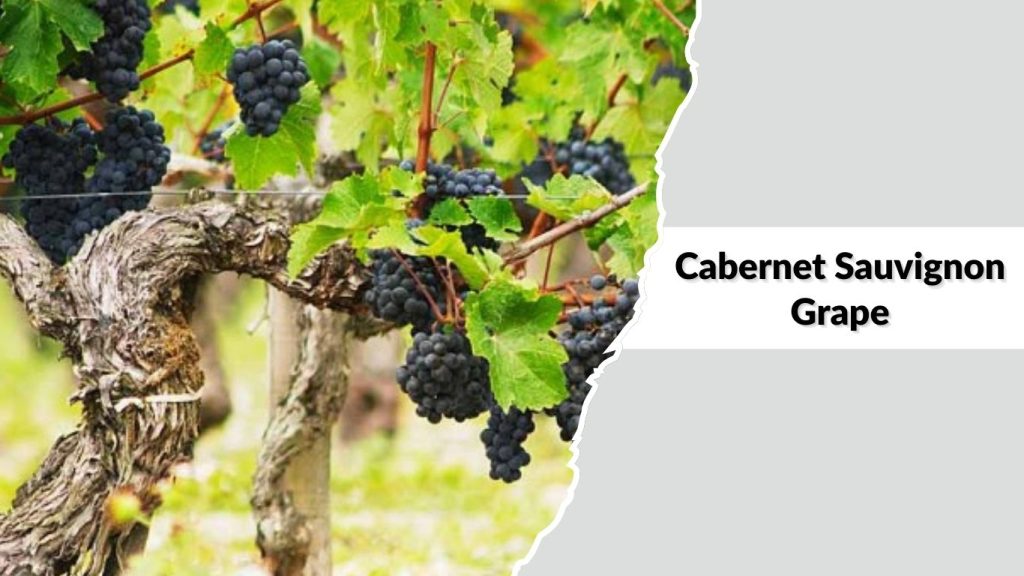
Cabernet Sauvignon is one of the most famous wine grape varieties in the world, known for its small dark berries, thick skins, and rich, complex flavor. It is widely grown across many continents and is valued for producing deep-colored, full-bodied wines.
Identification
- Small, round dark blue to black grapes
- Thick skin with firm, juicy flesh
- Rich, slightly herbal aroma
- Small to medium compact clusters
- High skin-to-juice ratio
Growing Habit
Cabernet Sauvignon grows on moderately vigorous vines that adapt well to many climates, especially warm regions with good sunlight. The vines require trellising, regular pruning, and good air circulation for healthy fruit development.
Fruit Characteristics
The grapes are rich in color compounds and tannins, giving them a bold taste and strong structure. They ripen relatively late and develop deeper flavor with longer time on the vine.
Common Uses
Cabernet Sauvignon grapes are mainly used for red wine production. They are also sometimes used in blends, grape concentrates, and specialty juices.
14. Merlot Grape
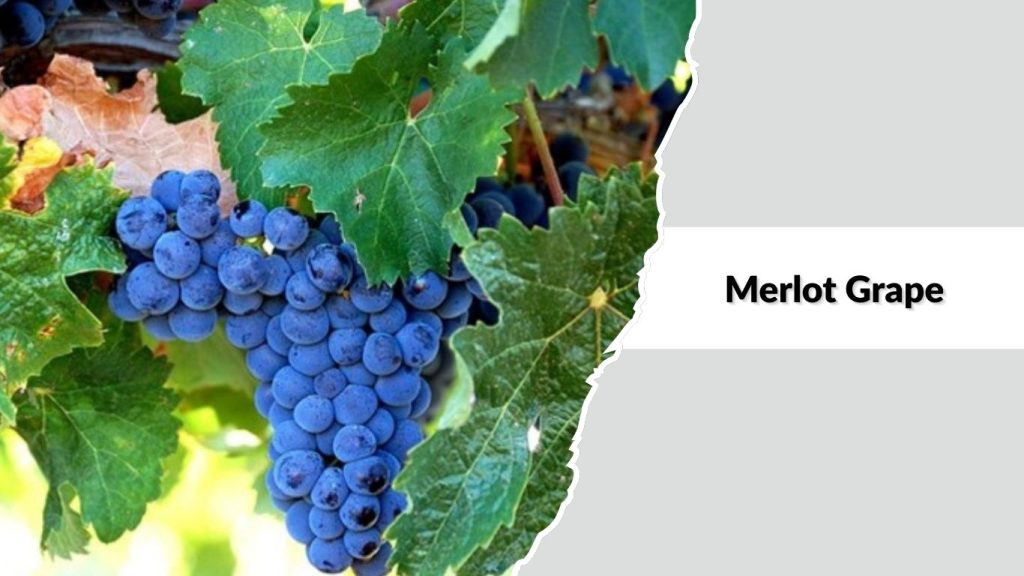
Merlot grape is a popular red wine grape known for its smooth flavor, soft tannins, and dark blue skin. It is widely cultivated around the world and is appreciated for producing approachable, fruit-forward wines. The vine is adaptable and performs well in many wine-growing regions.
Identification
- Medium-sized round dark blue to black grapes
- Thin to medium-thick skin
- Juicy flesh with mild sweetness
- Medium compact grape clusters
- Soft aromatic profile
Growing Habit
Merlot grapes grow on moderately vigorous vines that thrive in well-drained soil and full sun. They are earlier ripening than many red wine grapes and respond well to careful pruning and training.
Fruit Characteristics
The grapes are juicy with balanced sugar and acidity levels. Their softer skin and lower tannin content compared to some other wine grapes make them ideal for smooth wine styles.
Common Uses
Merlot grapes are primarily used for red wine production, either alone or blended with other varieties to create balanced wines.
15. Pinot Noir Grape
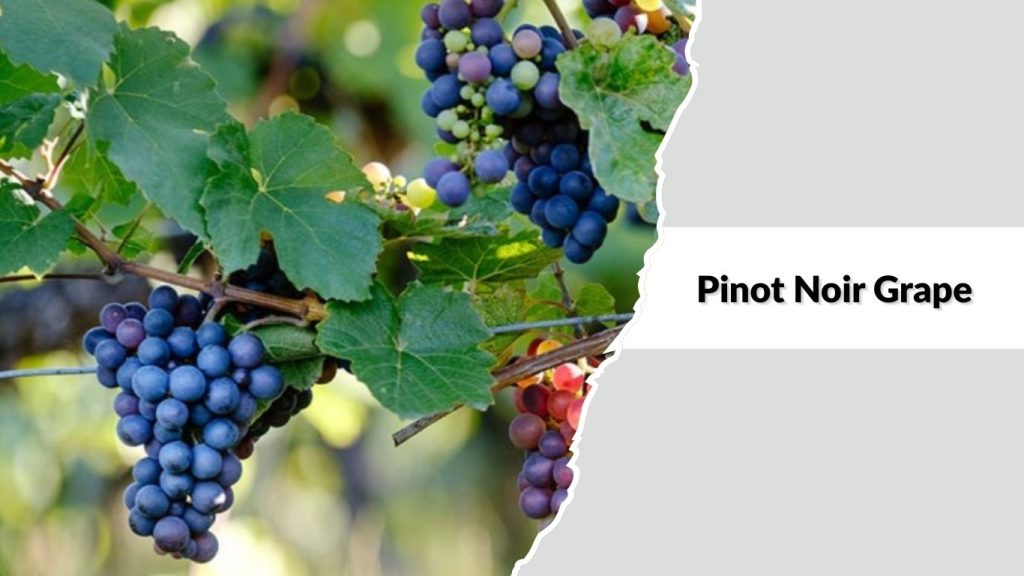
Pinot Noir grape is a prestigious red grape variety valued for its thin skin, delicate structure, and complex flavor. It is famous for producing elegant red wines and is also used in sparkling wine production. The vine is sensitive to climate and requires careful cultivation.
Identification
- Small round dark red to purplish-black grapes
- Very thin skin with soft, juicy flesh
- Subtle, fruity aroma
- Small, tightly packed clusters
- Delicate berries that bruise easily
Growing Habit
Pinot Noir grapes grow on moderately vigorous vines that prefer cool to mild climates. They require well-drained soil, careful pruning, and precise vineyard management to maintain fruit quality.
Fruit Characteristics
The grapes are juicy with light color and refined flavors, often showing cherry, raspberry, and earthy notes. Their thin skins contribute to lighter-colored wines.
Common Uses
Pinot Noir grapes are mainly used for red wines and rosé wines. They are also a key grape in many sparkling wines.
16. Chardonnay Grape
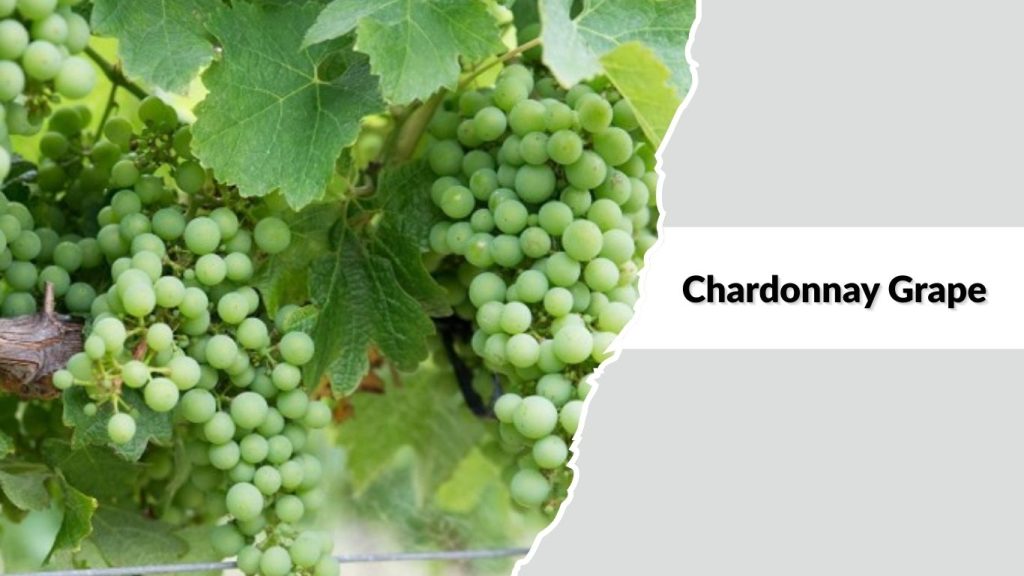
Chardonnay grape is one of the most widely planted white grape varieties in the world. It is known for its light green fruit, balanced acidity, and versatility in flavor. The vine adapts easily to many climates, making it popular in both cool and warm wine-growing regions.
Identification
- Small to medium round pale green grapes
- Thin skin with juicy flesh
- Mild, neutral aroma
- Compact grape clusters
- Light-colored juice
Growing Habit
Chardonnay grapes grow on moderately vigorous vines that perform well in diverse climates. They prefer full sun, well-drained soil, and regular pruning to control growth and fruit load.
Fruit Characteristics
The grapes are juicy and gently flavored, allowing winemaking methods to shape their final taste. They can show notes of apple, citrus, and melon when fresh.
Common Uses
Chardonnay grapes are mainly used for white wine and sparkling wine production. They are also used in grape juice and culinary sauces.
17. Zinfandel Grape
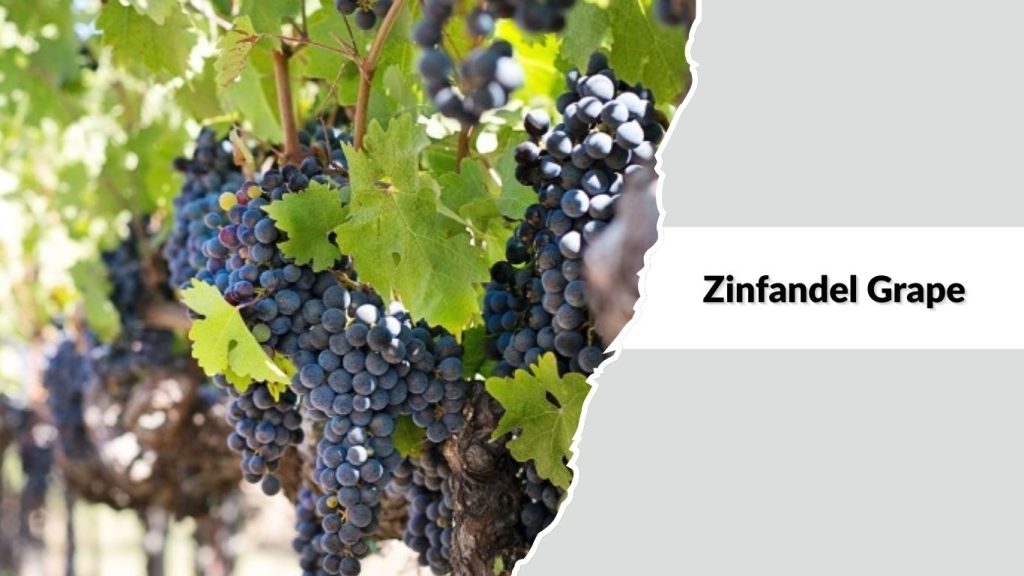
Zinfandel grape is a famous wine grape variety known for its dark skin, high sugar content, and bold, fruit-forward flavor. It is especially popular in the United States and is valued for producing both rich red wines and lighter rosé-style wines. The vine is productive, adaptable, and capable of developing very complex fruit characteristics under the right growing conditions.
Identification
- Medium to small round dark red to nearly black grapes
- Thin but tough skin
- Very juicy flesh with high sugar levels
- Medium, compact grape clusters
- Deeply colored berries with noticeable bloom
Growing Habit
Zinfandel grapes grow on vigorous climbing vines that need strong trellises for proper support. They prefer warm, sunny climates and well-drained soil. The vines are known for uneven ripening, so careful vineyard management and pruning are important to achieve balanced fruit quality.
Fruit Characteristics
The grapes are rich in natural sugars and develop intense flavors as they ripen. Depending on climate and soil, the fruit may show notes of blackberry, cherry, plum, spice, and even pepper. Their thin skins allow fast juice release, while still contributing strong color and aroma.
Common Uses
Zinfandel grapes are mainly used to make red wines and rosé wines, including the well-known White Zinfandel style. They are also used in grape concentrates and specialty fruit wines.
18. Sultana Grape
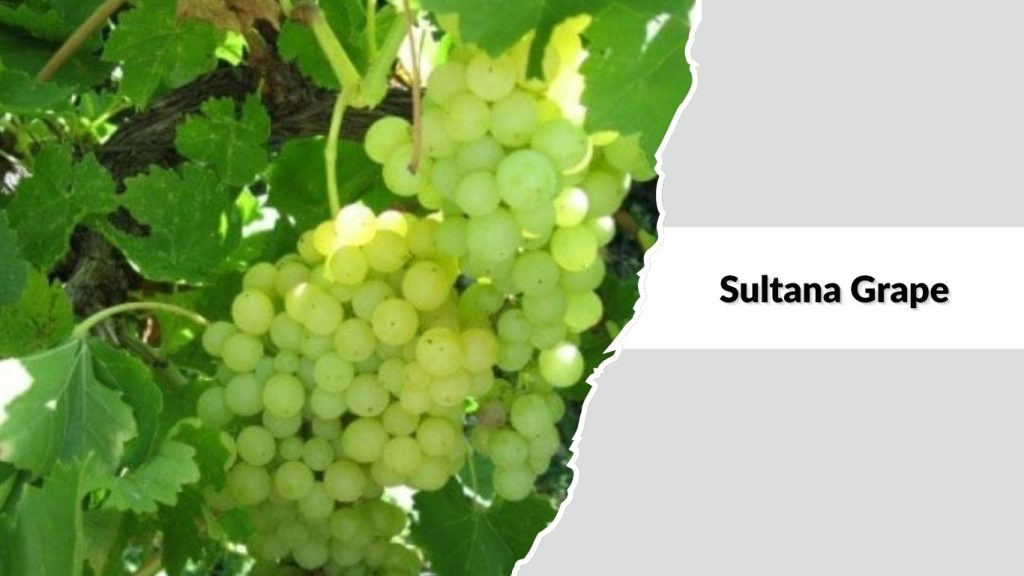
Sultana grape is a well-known light-colored grape variety famous for its sweetness, soft texture, and wide use in raisin production. It is closely related to Thompson Seedless and is grown extensively in warm, dry regions. The vine is highly productive and valued for both fresh eating and drying.
Identification
- Small to medium oval light green grapes
- Thin, smooth skin
- Soft, juicy flesh
- Very sweet flavor
- Large, loose grape clusters
Growing Habit
Sultana grapes grow on fast-growing, climbing vines that require trellises or overhead support. They thrive in full sun and well-drained soil. With regular pruning and irrigation, the vines produce heavy, reliable harvests.
Fruit Characteristics
The grapes are tender, juicy, and naturally sweet with very low acidity. When dried, they shrink into golden raisins with concentrated sweetness and soft texture.
Common Uses
Sultana grapes are used as fresh table grapes, dried into raisins, and processed into juice, desserts, baked goods, and sweet snacks.
19. Perlette Grape
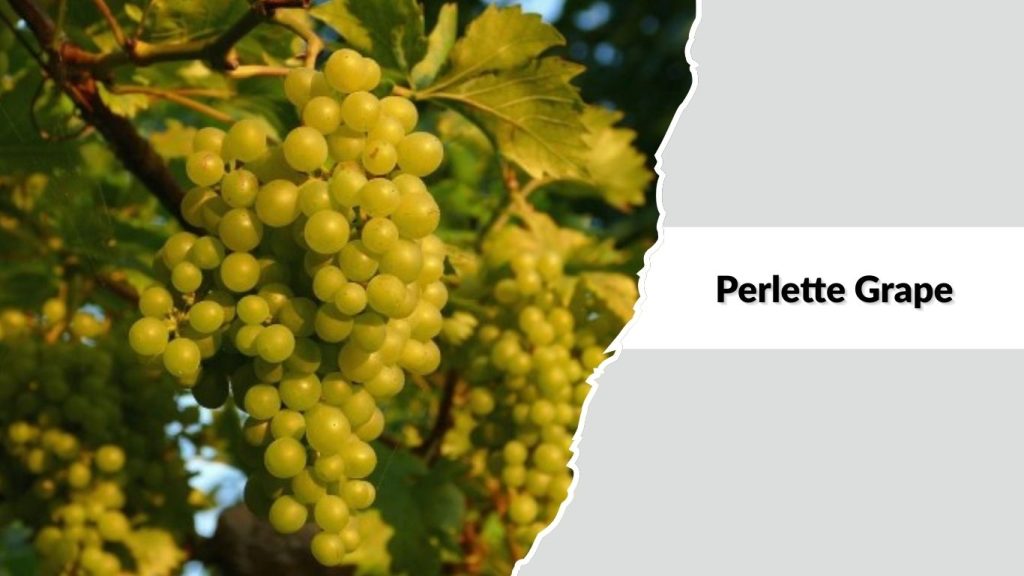
Perlette grape is an early-ripening seedless grape variety known for its light green color, crisp texture, and pleasant sweetness. It is popular in warm regions because it matures quickly and produces attractive table grapes early in the season. The vine is productive and vigorous.
Identification
- Small to medium round light green grapes
- Thin skin with crisp, juicy flesh
- Sweet, mild flavor
- Medium loose clusters
- Naturally seedless berries
Growing Habit
Perlette grapes grow on fast-growing vines that require trellises or wires for support. They perform best in full sun and fertile, well-drained soil, producing early and consistent harvests.
Fruit Characteristics
The grapes are firm, juicy, and refreshing, with balanced sweetness and low acidity. Their early ripening makes them one of the first fresh grapes available in many markets.
Common Uses
Perlette grapes are mainly eaten fresh. They are also used in fruit salads, juice blends, light desserts, and as an early-season table grape.
20. Autumn Royal Grape
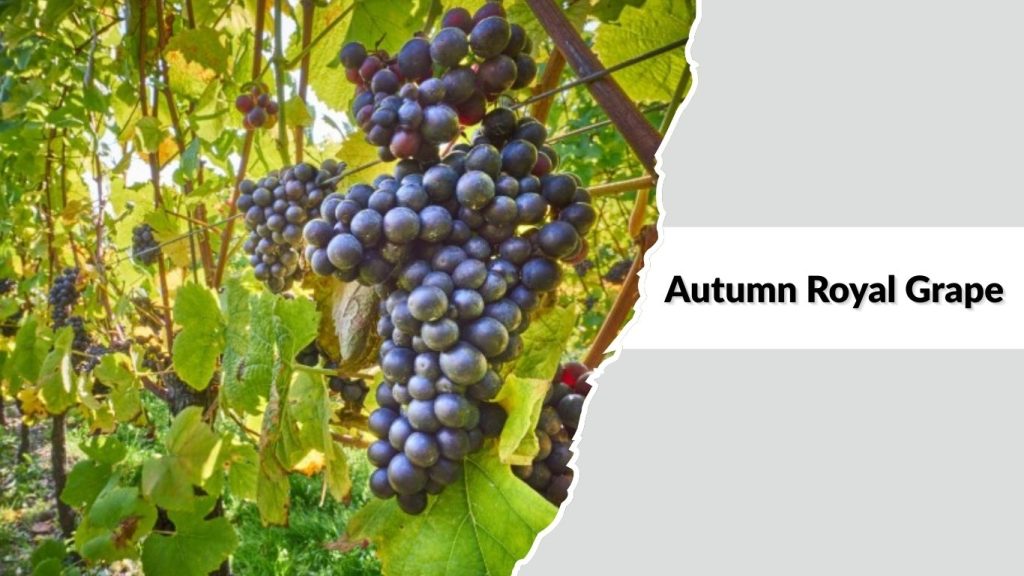
Autumn Royal grape is a large, late-season seedless grape variety known for its deep black color, rich sweetness, and firm texture. It is highly valued in fresh fruit markets for its attractive appearance and long shelf life. The vine is vigorous and well suited to warm growing regions.
Identification
- Large oval dark purple to black grapes
- Thick skin with firm, juicy flesh
- Sweet, rich flavor
- Large grape clusters
- Naturally seedless berries
Growing Habit
Autumn Royal grapes grow on strong, fast-growing vines that need trellises or pergolas for support. They thrive in full sun and well-drained soil, producing heavy yields late in the grape season.
Fruit Characteristics
The grapes are plump, crunchy, and very sweet. Their dark skin protects the flesh well, making them suitable for storage and long-distance transport.
Common Uses
Autumn Royal grapes are mainly eaten fresh. They are also used in fruit trays, desserts, fresh juice blends, and premium table grape markets.
21. Crimson Seedless Grape
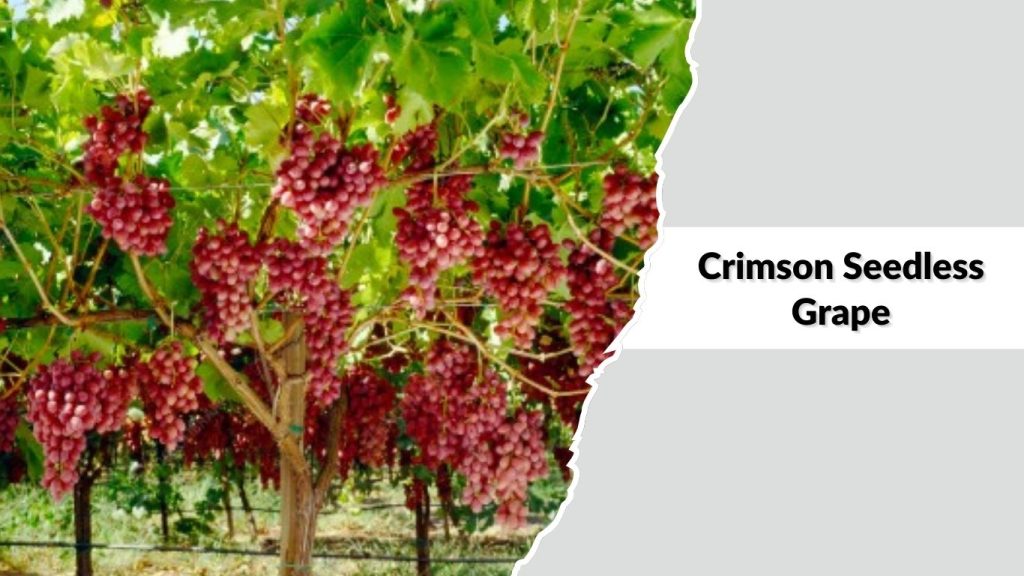
Crimson Seedless grape is a popular late-season red grape variety known for its bright crimson color, crisp texture, and balanced sweetness. It is widely grown for fresh consumption and is valued for its long shelf life and attractive appearance. The vine is productive and vigorous.
Identification
- Medium to large oval crimson-red grapes
- Thin to medium skin with crisp flesh
- Sweet flavor with mild tang
- Large, loose grape clusters
- Naturally seedless berries
Growing Habit
Crimson Seedless grapes grow on strong climbing vines that require trellises for support. They prefer full sun and fertile, well-drained soil and are known for consistent late-season production.
Fruit Characteristics
The grapes are crunchy, juicy, and pleasantly sweet. Their bright red skin and firm texture make them ideal for fresh markets and long storage.
Common Uses
Crimson Seedless grapes are mainly eaten fresh. They are also used in fruit bowls, fresh desserts, juices, and healthy snack packs.
22. Ruby Seedless Grape
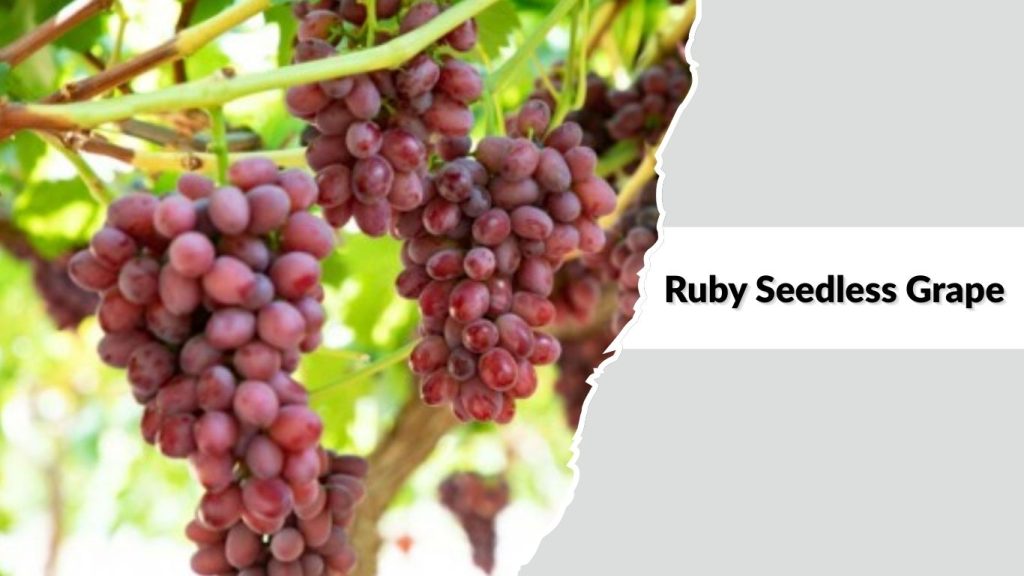
Ruby Seedless grape is a bright red seedless grape variety valued for its sweet flavor, firm texture, and attractive color. It is commonly grown for fresh markets and is one of the earlier red seedless grapes to ripen. The vine is productive and easy to manage.
Identification
- Medium-sized round to oval bright red grapes
- Thin skin with crisp, juicy flesh
- Sweet, mild flavor
- Medium to large grape clusters
- Naturally seedless berries
Growing Habit
Ruby Seedless grapes grow on moderately vigorous vines that perform well in warm climates. They require trellises, full sun, and regular pruning to maintain fruit quality and airflow.
Fruit Characteristics
The grapes are juicy and crunchy with a pleasant sweetness. Their bright red skin and early ripening make them popular in commercial grape production.
Common Uses
Ruby Seedless grapes are mainly eaten fresh. They are also used in fruit salads, juices, desserts, and lunchbox snacks.
23. Niagara Grape
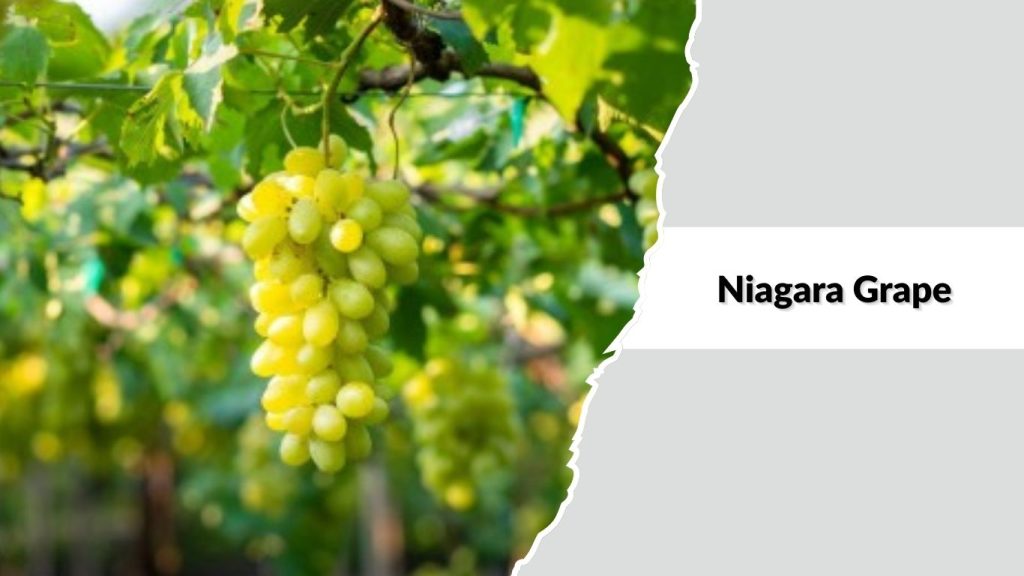
Niagara grape is a light-colored American grape variety known for its strong aroma, juicy flesh, and sweet-tart flavor. It is a hybrid grape widely grown for juice and fresh consumption. The vine is hardy and productive, especially in temperate climates.
Identification
- Medium round pale green to yellow grapes
- Thin to medium skin
- Very juicy flesh
- Strong, sweet grape aroma
- Medium compact clusters
Growing Habit
Niagara grapes grow on vigorous climbing vines that adapt well to cooler and moderate climates. They thrive in full sun and well-drained soil and are resistant to several common grape diseases.
Fruit Characteristics
The grapes are soft, juicy, and aromatic with a sweet taste and slight acidity. Their high juice content makes them especially suitable for processing.
Common Uses
Niagara grapes are widely used for grape juice, jams, jellies, and fresh eating. They are also used in traditional wines and desserts.
24. Delaware Grape
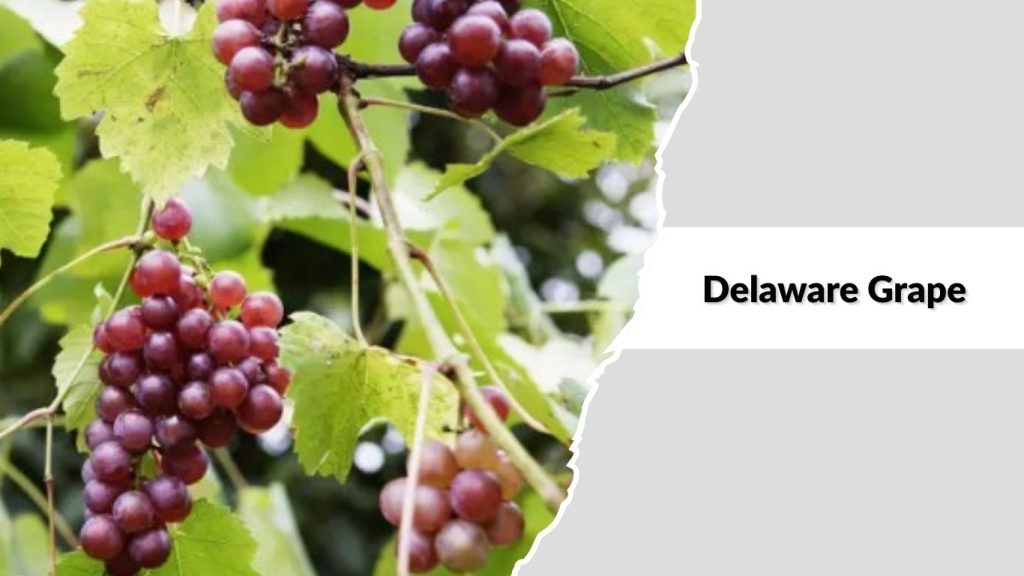
Delaware grape is a classic American grape variety valued for its small size, thin skin, and sweet, aromatic flavor. It is often considered both a table grape and a wine grape, making it very versatile. The vine is hardy and performs well in temperate regions.
Identification
- Small round pinkish-red to light purple grapes
- Thin, tender skin
- Very juicy flesh
- Sweet, aromatic flavor
- Small compact clusters
Growing Habit
Delaware grapes grow on moderately vigorous vines that adapt well to cooler climates. They prefer full sun and well-drained soil, producing reliable harvests with proper pruning.
Fruit Characteristics
The grapes are delicate, juicy, and pleasantly sweet with a rich aroma. Their thin skin makes them enjoyable to eat fresh.
Common Uses
Delaware grapes are eaten fresh, used in juices, jams, jellies, and made into light, aromatic wines.
25. Tokay Grape
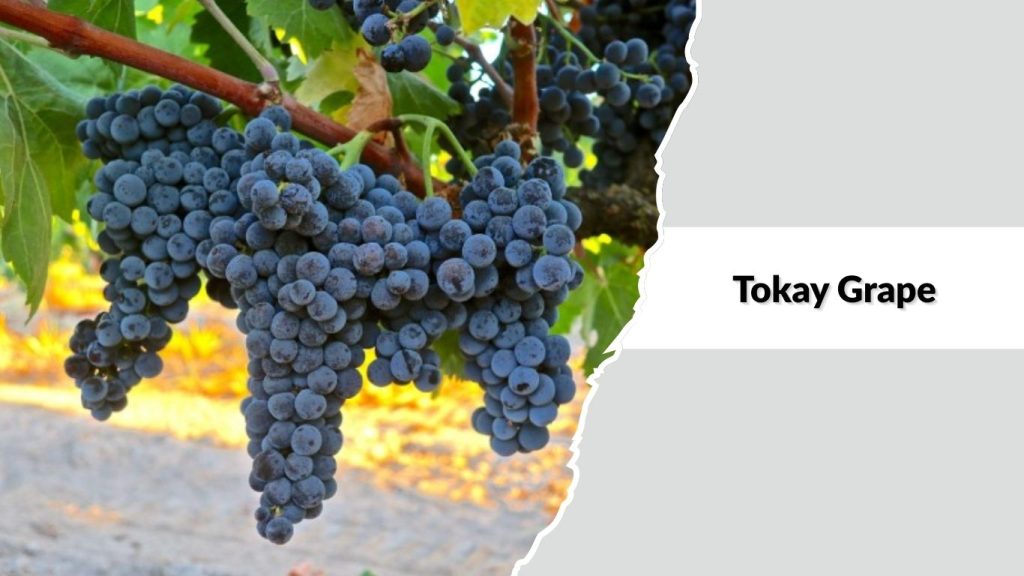
Tokay grape is a traditional grape variety known for its large berries, attractive reddish color, and mild, sweet flavor. It has been widely cultivated as a table grape and also used historically in wine production. The vine is vigorous and well adapted to warm, sunny climates.
Identification
- Large round to oval pinkish-red grapes
- Thick skin with juicy flesh
- Mildly sweet flavor
- Large, showy grape clusters
- Usually contains seeds
Growing Habit
Tokay grapes grow on strong, fast-growing vines that require trellises or pergolas for support. They prefer full sun and fertile, well-drained soil to develop large, high-quality fruit.
Fruit Characteristics
The grapes are plump, juicy, and mildly sweet with a refreshing taste. Their bright color and large size make them attractive in fresh fruit displays.
Common Uses
Tokay grapes are mainly eaten fresh as table grapes. They are also used in juices, fruit desserts, and traditional wine styles.
FAQs
What is a grape tree?
A grape tree usually refers to a grapevine trained to grow on a strong trunk, trellis, or arbor so it looks tree-like. Botanically, grapes are climbing vines, but with proper pruning and support, they can form a permanent woody structure that resembles a small tree.
How long does a grape vine take to produce fruit?
Most grape vines start producing fruit within 2 to 3 years after planting. Full production usually begins around the third or fourth year, when the root system is strong enough to support consistent flowering and healthy fruit development.
Do grape vines need full sun to grow well?
Yes, grape vines need full sun for best growth and fruit quality. At least six to eight hours of direct sunlight daily helps improve flowering, sweetness, and overall grape size, while also reducing disease problems.
Can grapes be grown in home gardens?
Grapes grow very well in home gardens if they have strong support, good air circulation, and regular pruning. They can be trained on fences, pergolas, or trellises and are suitable for backyards, rooftops, and small orchards.
Are all grapes good for fresh eating?
Not all grapes are mainly for fresh eating. Some varieties are best for juice, raisins, or wine because of their skin thickness, acidity, or sugar balance. Table grapes are specially bred to be sweet, juicy, and pleasant to eat fresh.