


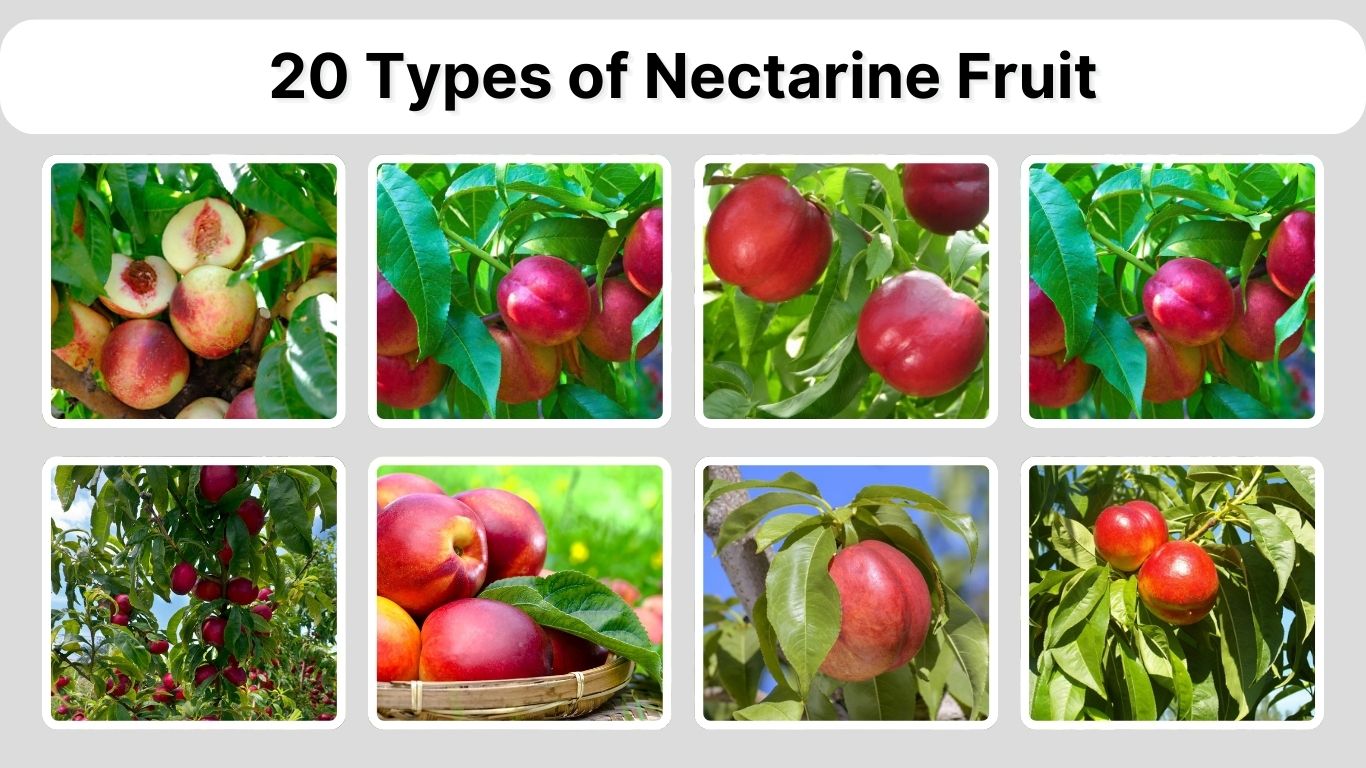
Nectarines are delicious stone fruits celebrated for their smooth skin, juicy flesh, and wide range of flavors. From early-season varieties to late-summer favorites, nectarines come in both yellow and white flesh, each offering a unique balance of sweetness and acidity. Their versatility makes them popular for fresh eating, baking, and cooking. With many cultivars available, nectarines are enjoyed worldwide for their taste, nutrition, and vibrant appearance.
1. Arctic Jay Nectarine
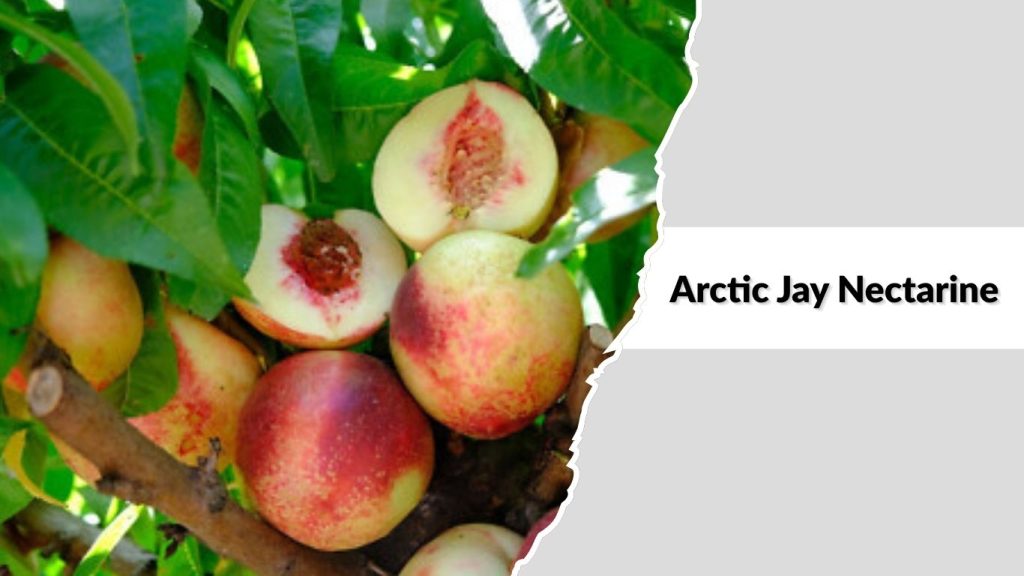
Arctic Jay Nectarine is a premium white-fleshed nectarine variety known for its striking appearance, sweet flavor, and excellent eating quality. It is especially popular among home gardeners and commercial growers who value low acidity, firm texture, and reliable productivity.
Identification
- White flesh with bright red skin
- Medium to large fruit size
- Round to slightly oval shape
- Smooth, fuzz-free skin typical of nectarines
Flavor Profile
Arctic Jay Nectarine has a very sweet, low-acid flavor with subtle floral notes. The flesh is juicy yet firm, making it enjoyable both fresh and slightly chilled.
Texture
The fruit features dense, crisp flesh that holds well after harvesting. This firmness helps prevent bruising and makes it suitable for transport and storage.
Growing Season
Arctic Jay Nectarines typically ripen in mid to late summer, depending on climate and growing conditions.
Tree Characteristics
The tree is vigorous and productive, producing consistent yields when properly pruned and maintained. It thrives in regions with adequate winter chill hours.
Culinary Uses
This nectarine is best enjoyed fresh but also works well in desserts, fruit salads, and light baking where its sweetness can shine without added sugar.
2. Arctic Rose Nectarine
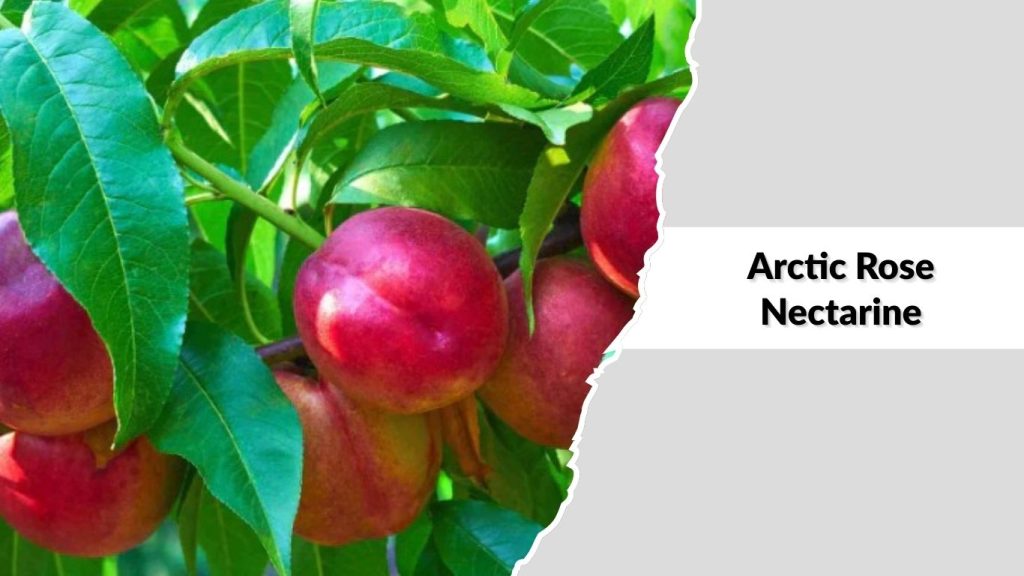
Arctic Rose Nectarine is a popular white-fleshed nectarine variety prized for its beautiful coloration, rich sweetness, and low acidity. It is well-loved for fresh consumption due to its aromatic flavor and smooth, attractive skin.
Identification
- White flesh with deep red to pink skin
- Medium to large fruit size
- Round shape with smooth skin
- Freestone variety when fully ripe
Flavor Profile
Arctic Rose Nectarine offers a very sweet, mildly floral flavor with low acidity. Its taste is rich yet delicate, making it appealing to those who prefer less tangy fruits.
Texture
The flesh is firm, crisp, and juicy, maintaining good structure even at full ripeness. This texture enhances its eating quality and shelf life.
Growing Season
This variety typically ripens in mid-summer, slightly earlier in warmer climates.
Tree Characteristics
Arctic Rose trees are vigorous and productive, performing best in areas with sufficient chill hours and full sun exposure.
Culinary Uses
Arctic Rose Nectarines are ideal for eating fresh, slicing into salads, or using in light desserts where natural sweetness is the highlight.
3. Arctic Sweet Nectarine
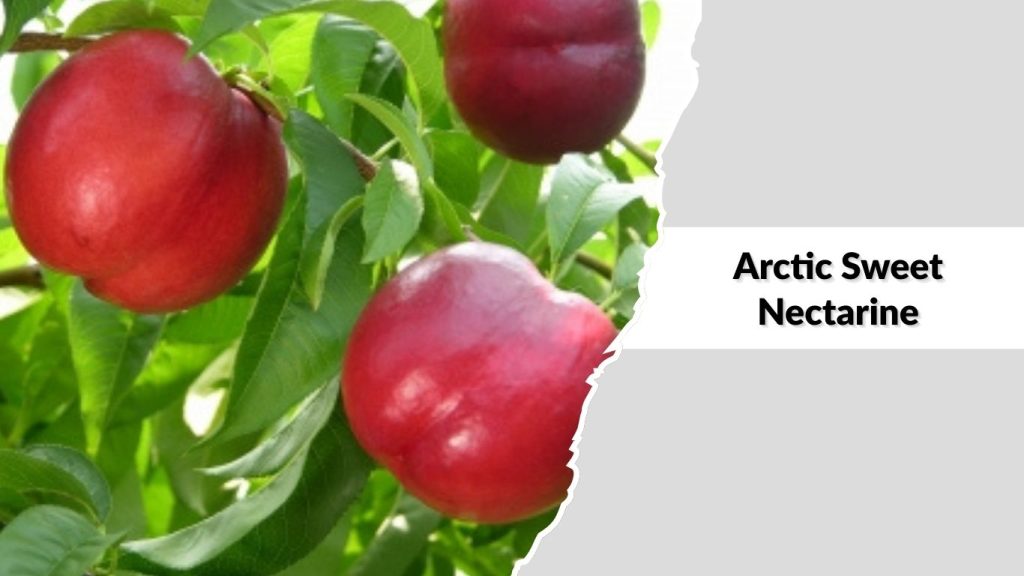
Arctic Sweet Nectarine is a highly desirable white-fleshed nectarine known for its exceptionally high sugar content and low acidity. This variety is favored by growers and consumers alike for its balanced sweetness, attractive appearance, and consistent performance in orchards.
Identification
- White flesh with red-blushed skin
- Medium to large fruit size
- Smooth, glossy skin
- Round to slightly oval shape
Flavor Profile
As the name suggests, Arctic Sweet Nectarine delivers an intensely sweet flavor with minimal tartness. The taste is clean and refreshing, making it ideal for those who prefer dessert-like fruits.
Texture
The flesh is firm, dense, and juicy, offering a satisfying bite. Its firmness helps the fruit maintain quality during handling and storage.
Growing Season
Arctic Sweet Nectarines generally ripen in mid to late summer, depending on regional climate and cultivation practices.
Tree Characteristics
The tree is vigorous and productive, requiring regular pruning to manage growth and ensure good fruit size. It performs best in areas with adequate winter chill.
Culinary Uses
This nectarine is excellent for fresh eating, fruit platters, smoothies, and chilled desserts. Its natural sweetness often eliminates the need for added sugar in recipes.
4. Fantasia Nectarine

Fantasia Nectarine is one of the most widely grown yellow-fleshed nectarine varieties, valued for its bold flavor, attractive color, and dependable harvest. It is a classic choice for both commercial orchards and home gardens due to its adaptability and strong performance.
Identification
- Yellow flesh with deep red over golden skin
- Medium to large fruit size
- Round shape
- Smooth, glossy skin
Flavor Profile
Fantasia Nectarine offers a rich, well-balanced flavor that combines sweetness with a pleasant tang. The taste becomes more intense as the fruit fully ripens, making it especially enjoyable fresh off the tree.
Texture
The flesh is firm yet juicy, providing a satisfying bite. When fully ripe, it softens slightly while maintaining good structure, which enhances its eating quality.
Growing Season
Fantasia Nectarines typically ripen in mid to late summer. Harvest timing can vary depending on climate and growing conditions.
Tree Characteristics
The tree is vigorous and productive, known for heavy yields when properly thinned. It requires moderate winter chill and benefits from regular pruning to maintain fruit quality.
Culinary Uses
Fantasia Nectarines are versatile and well-suited for fresh eating, baking, grilling, and preserves. Their balanced flavor holds up well in pies, cobblers, and jams without losing intensity.
5. Flavortop Nectarine
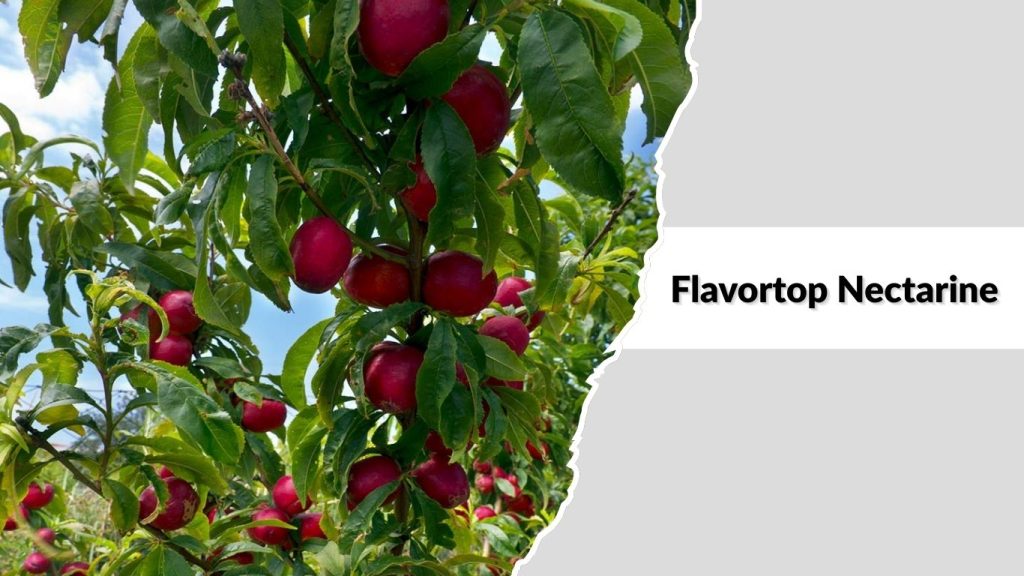
Flavortop Nectarine is a classic yellow-fleshed nectarine variety widely appreciated for its large size, striking red skin, and bold, traditional nectarine flavor. It has long been a favorite in both commercial production and home orchards due to its reliability and excellent eating quality.
Identification
- Yellow flesh with bright red over golden skin
- Large fruit size
- Round to slightly flattened shape
- Smooth, glossy skin
Flavor Profile
Flavortop Nectarine delivers a rich, sweet flavor balanced by moderate acidity. This combination creates a bold, refreshing taste that becomes more pronounced as the fruit reaches full ripeness.
Texture
The flesh is firm, dense, and juicy, making it resistant to bruising and suitable for transport. When fully ripe, it softens slightly while retaining a satisfying bite.
Growing Season
Flavortop Nectarines generally ripen in mid-summer, with harvest times varying by region and climate conditions.
Tree Characteristics
The tree is vigorous and highly productive, often requiring fruit thinning to achieve optimal size and quality. It performs best in areas with adequate winter chill and full sun exposure.
Culinary Uses
This variety is excellent for fresh eating, slicing, grilling, and baking. Its strong flavor holds up well in desserts such as pies, tarts, and cobblers, as well as in preserves and jams.
6. Harko Nectarine
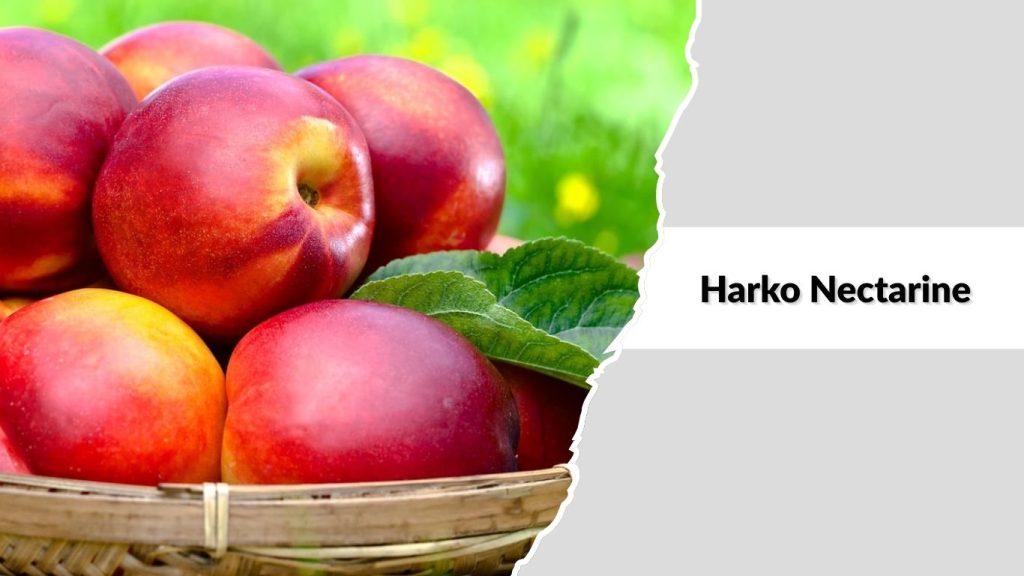
Harko Nectarine is a cold-hardy nectarine variety developed for regions with cooler climates. It is well known for its reliable yields, attractive appearance, and pleasantly balanced flavor, making it a dependable choice for home growers.
Identification
- Yellow flesh with red-blushed skin
- Medium-sized fruit
- Round shape
- Smooth, fuzz-free skin
Flavor Profile
Harko Nectarine offers a mild sweetness combined with gentle acidity, creating a well-rounded and refreshing taste. The flavor is not overpowering, making it enjoyable for a wide range of palates.
Texture
The flesh is firm yet juicy, holding its shape well after harvesting. This texture helps the fruit resist bruising and maintains quality during short-term storage.
Growing Season
Harko Nectarines usually ripen in mid to late summer, with timing influenced by local climate conditions.
Tree Characteristics
The tree is exceptionally hardy and can tolerate colder winters better than many other nectarine varieties. It is productive and relatively low-maintenance, responding well to basic pruning practices.
Culinary Uses
Harko Nectarines are ideal for fresh eating but also work well in cooking and baking. They are suitable for pies, sauces, and preserves, where their balanced flavor remains consistent after heat exposure.
7. Independence Nectarine
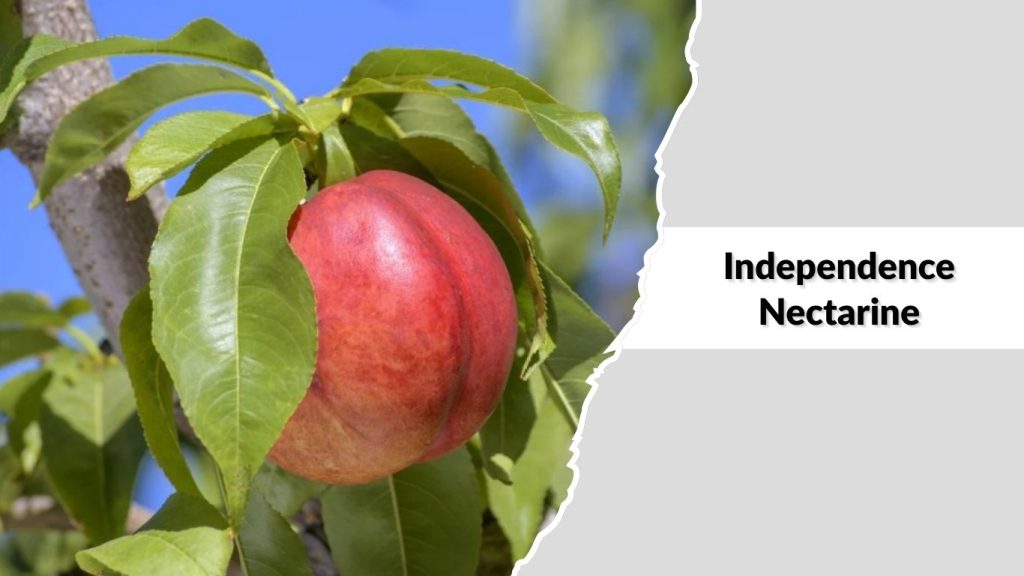
Independence Nectarine is an early-ripening nectarine variety valued for its dependable productivity and pleasant, well-balanced flavor. It is especially appreciated by growers who want an early summer harvest with consistent fruit quality.
Identification
- Yellow flesh with red-blushed skin
- Medium-sized fruit
- Round to slightly oval shape
- Smooth, glossy skin
Flavor Profile
Independence Nectarine has a sweet flavor with light acidity, giving it a refreshing and approachable taste. While not overly intense, its flavor improves noticeably when tree-ripened.
Texture
The flesh is firm and moderately juicy, allowing the fruit to hold up well during handling and short storage. As it ripens, the texture softens slightly without becoming mushy.
Growing Season
This variety ripens early in the season, often in early to mid-summer, making it one of the first nectarines available.
Tree Characteristics
Independence Nectarine trees are vigorous and productive, producing reliable crops year after year. They perform best in areas with sufficient chill hours and benefit from regular pruning.
Culinary Uses
Independence Nectarines are best enjoyed fresh due to their early-season appeal. They can also be used in light desserts, fruit salads, and simple baked dishes where a mild, sweet flavor is desired.
8. May Fire Nectarine
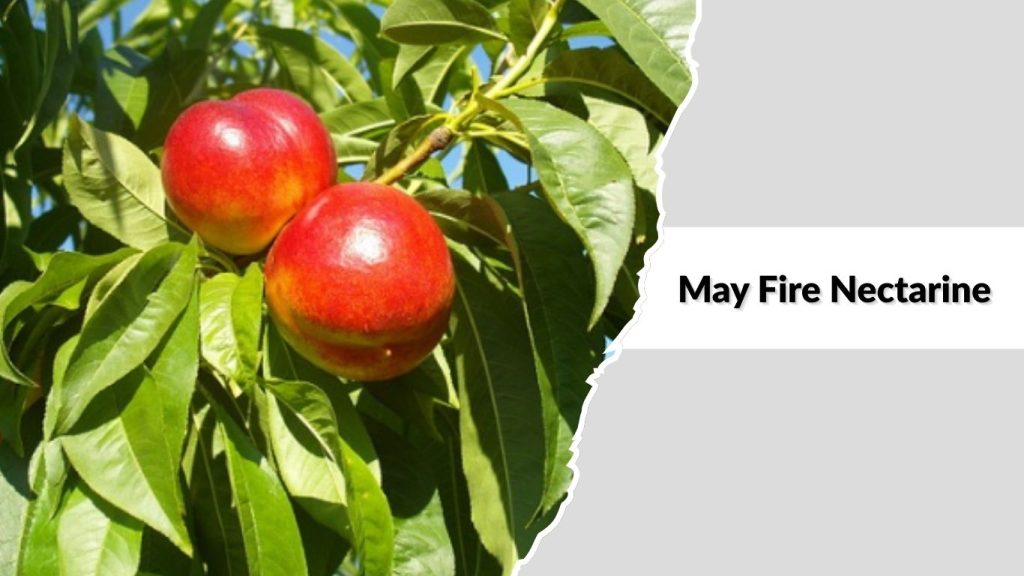
May Fire Nectarine is an early-season nectarine variety prized for its vibrant color, attractive appearance, and refreshing flavor. Its early ripening time makes it a favorite among growers looking to start the nectarine season ahead of schedule.
Identification
- Yellow flesh with deep red skin
- Medium-sized fruit
- Round shape
- Smooth, shiny skin
Flavor Profile
May Fire Nectarine offers a bright, sweet-tart flavor that feels lively and refreshing. The balance between sweetness and acidity makes it especially enjoyable when eaten fresh.
Texture
The flesh is firm and moderately juicy, providing a clean bite without excessive softness. This firmness allows the fruit to maintain quality during early harvest and short transport.
Growing Season
As its name suggests, May Fire Nectarine ripens very early, often in late spring to early summer, depending on climate and growing conditions.
Tree Characteristics
The tree is moderately vigorous and productive, adapting well to warm growing regions. Regular thinning helps improve fruit size and overall quality.
Culinary Uses
May Fire Nectarines are best suited for fresh consumption due to their early-season freshness. They also work well in fruit bowls, light desserts, and simple recipes that highlight their bright, natural flavor.
9. Mericrest Nectarine
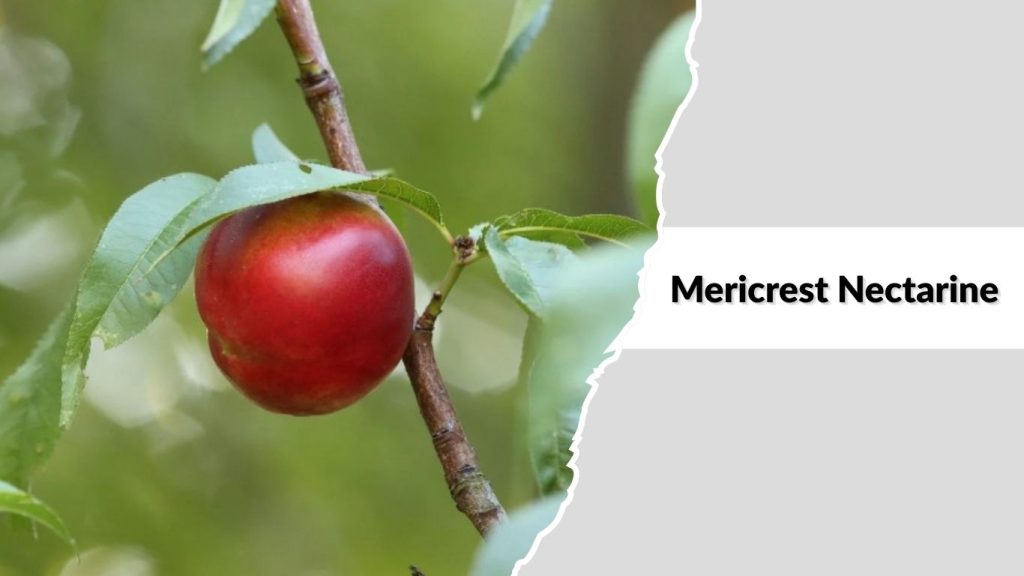
Mericrest Nectarine is a well-established yellow-fleshed nectarine variety known for its attractive appearance, dependable yields, and classic nectarine flavor. It is a reliable choice for both commercial orchards and home gardens.
Identification
- Yellow flesh with bright red over golden skin
- Medium to large fruit size
- Round shape
- Smooth, glossy skin
Flavor Profile
Mericrest Nectarine offers a sweet flavor balanced with noticeable acidity, giving it a bold and refreshing taste. The flavor intensifies as the fruit ripens fully on the tree.
Texture
The flesh is firm, dense, and juicy, making it suitable for handling and short-term storage. When ripe, it softens slightly while retaining good structure.
Growing Season
This variety typically ripens in early to mid-summer, depending on local climate and growing conditions.
Tree Characteristics
Mericrest trees are vigorous and productive, often producing heavy crops that benefit from proper thinning. They perform best in regions with adequate winter chill and full sun.
Culinary Uses
Mericrest Nectarines are versatile and well-suited for fresh eating, baking, grilling, and preserves. Their strong flavor and firm texture make them an excellent choice for pies, cobblers, and jams.
10. Red Gold Nectarine
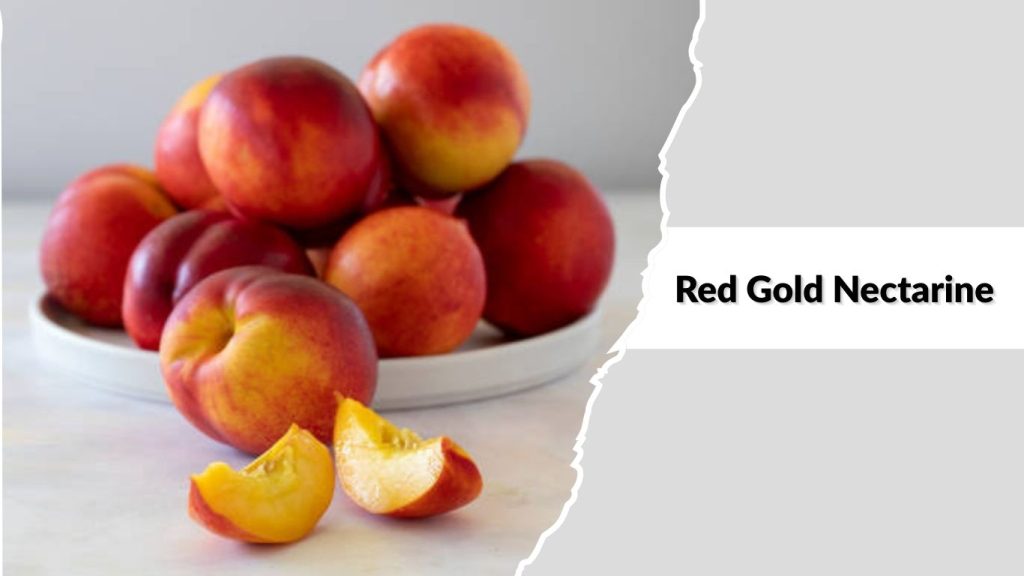
Red Gold Nectarine is a popular yellow-fleshed nectarine variety admired for its vibrant red skin, juicy flesh, and well-balanced flavor. It is widely grown due to its consistent quality and broad consumer appeal.
Identification
- Yellow flesh with deep red over golden skin
- Medium to large fruit size
- Round shape
- Smooth, glossy skin
Flavor Profile
Red Gold Nectarine delivers a sweet flavor with moderate acidity, creating a classic nectarine taste that is both rich and refreshing. The balance makes it enjoyable at various stages of ripeness.
Texture
The flesh is firm, juicy, and tender when ripe. It holds up well during handling and provides a satisfying bite without becoming overly soft.
Growing Season
This variety typically ripens in mid-summer, with harvest timing varying based on climate and orchard conditions.
Tree Characteristics
Red Gold Nectarine trees are vigorous and productive, producing reliable yields year after year. Regular pruning and thinning help maintain fruit size and quality.
Culinary Uses
Red Gold Nectarines are excellent for fresh eating and also perform well in baking, grilling, and preserving. Their balanced flavor and juicy texture make them suitable for desserts, sauces, and jams.
11. Ruby Diamond Nectarine
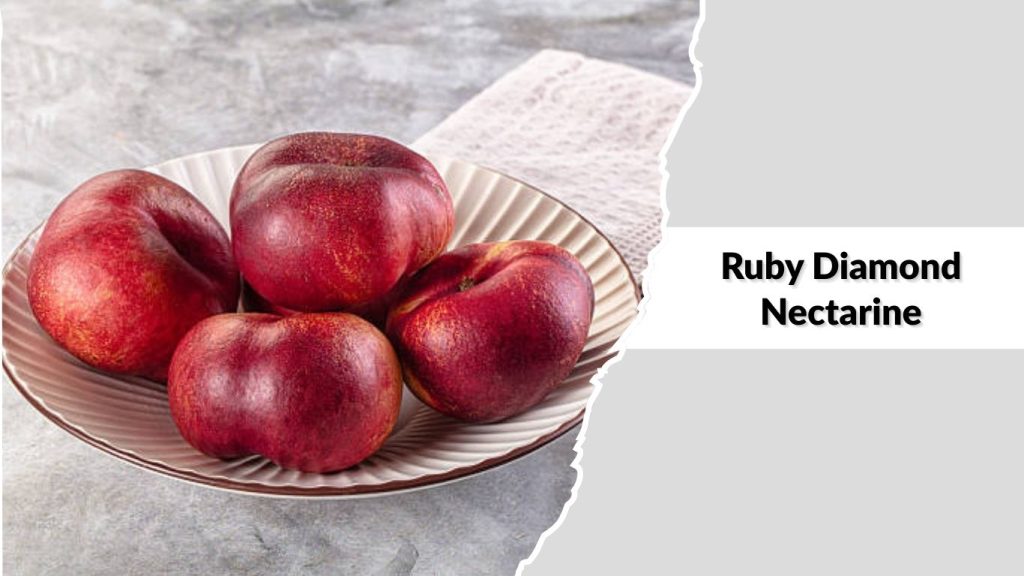
Ruby Diamond Nectarine is a striking yellow-fleshed nectarine variety known for its deep red skin, excellent sweetness, and attractive market appeal. It is favored by growers for its consistent performance and eye-catching fruit.
Identification
- Yellow flesh with dark red skin
- Medium to large fruit size
- Round to slightly oval shape
- Smooth, glossy skin
Flavor Profile
Ruby Diamond Nectarine offers a rich sweetness balanced with mild acidity. The flavor is smooth and full-bodied, becoming more pronounced as the fruit reaches peak ripeness.
Texture
The flesh is firm, juicy, and moderately dense, providing a pleasant bite. Its firmness helps the fruit maintain quality during harvesting and transport.
Growing Season
This variety generally ripens in mid to late summer, depending on climate and growing conditions.
Tree Characteristics
Ruby Diamond trees are vigorous and productive, producing heavy crops under proper care. They thrive in regions with sufficient winter chill and benefit from regular pruning.
Culinary Uses
Ruby Diamond Nectarines are ideal for fresh eating and fruit displays due to their sweetness and vibrant color. They also work well in baked desserts, preserves, and sauces where flavor and appearance matter.
12. Snow Queen Nectarine
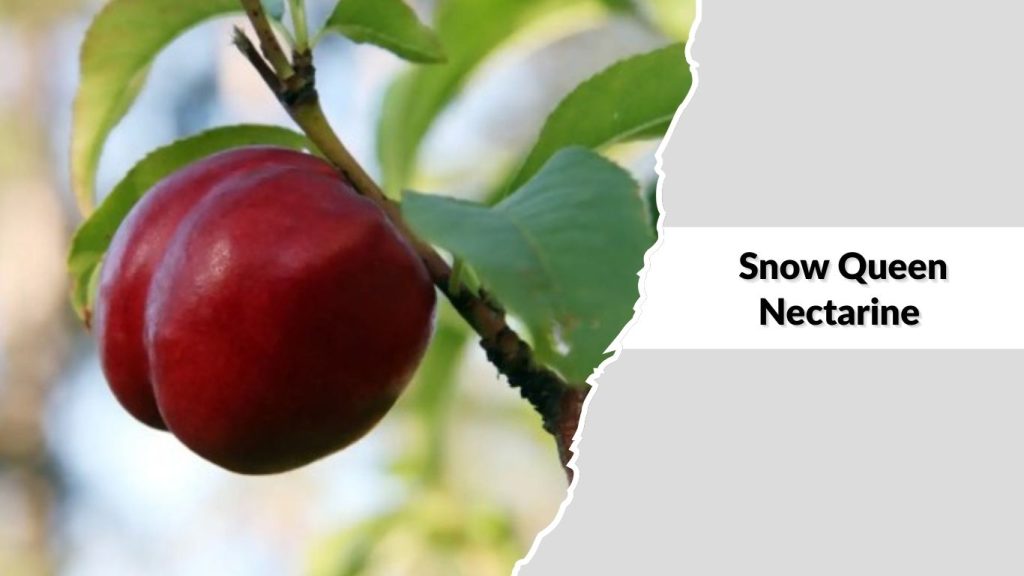
Snow Queen Nectarine is a premium white-fleshed nectarine variety celebrated for its exceptionally sweet flavor, low acidity, and elegant appearance. It is a favorite among consumers who prefer mild, dessert-like fruits.
Identification
- White flesh with bright red over creamy skin
- Medium to large fruit size
- Round shape
- Smooth, glossy skin
Flavor Profile
Snow Queen Nectarine delivers intense sweetness with very low acidity, resulting in a smooth, honey-like flavor. Its taste is delicate yet rich, especially when fully tree-ripened.
Texture
The flesh is firm, crisp, and juicy, offering a refreshing bite. This firm texture also contributes to good shelf life and resistance to bruising.
Growing Season
This variety typically ripens in early to mid-summer, depending on climate conditions and orchard management.
Tree Characteristics
Snow Queen trees are moderately vigorous and productive, performing best in regions with adequate chill hours. Regular pruning helps maintain fruit size and quality.
Culinary Uses
Snow Queen Nectarines are best enjoyed fresh to appreciate their natural sweetness. They also pair well with light desserts, fruit salads, and chilled preparations where their subtle flavor can shine.
13. Sparkling White Nectarine
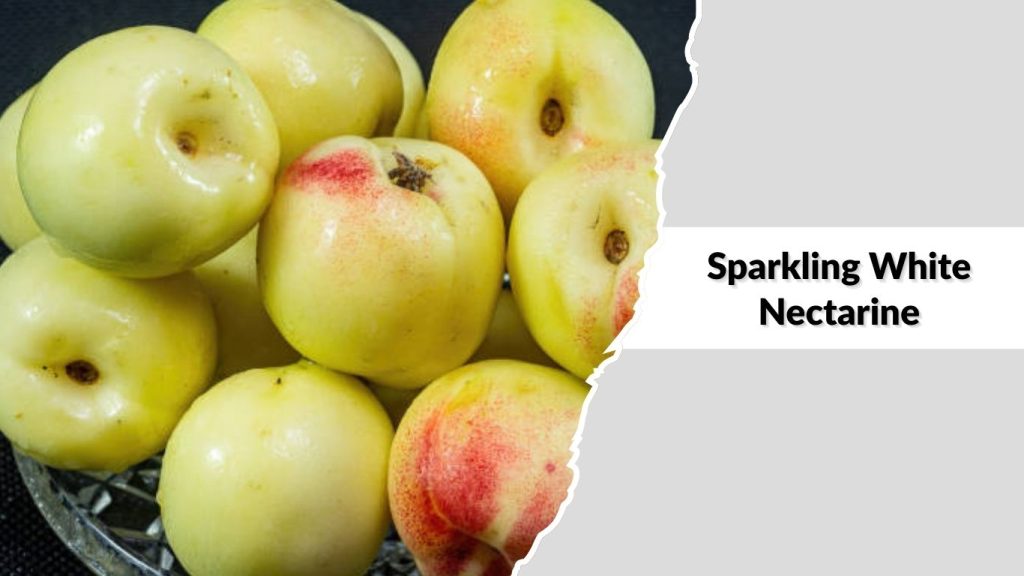
Sparkling White Nectarine is a distinctive white-fleshed nectarine variety appreciated for its crisp texture, bright sweetness, and attractive, glossy skin. It is especially popular for fresh consumption due to its clean, refreshing taste.
Identification
- White flesh with red-blushed skin
- Medium-sized fruit
- Round shape
- Smooth, shiny skin
Flavor Profile
Sparkling White Nectarine offers a very sweet flavor with low acidity, creating a mild and refreshing taste. The flavor is light yet satisfying, making it ideal for those who enjoy less tart fruits.
Texture
The flesh is crisp, firm, and juicy, delivering a pleasant crunch when bitten. This texture helps the fruit maintain quality during handling and short-term storage.
Growing Season
This variety usually ripens in mid-summer, with harvest timing influenced by regional climate and growing practices.
Tree Characteristics
Sparkling White trees are moderately vigorous and productive, adapting well to a range of growing conditions with proper care and pruning.
Culinary Uses
Sparkling White Nectarines are best eaten fresh to enjoy their crisp texture and sweetness. They also work well in fruit salads, smoothies, and light desserts where their clean flavor is highlighted.
14. Sun Grand Nectarine
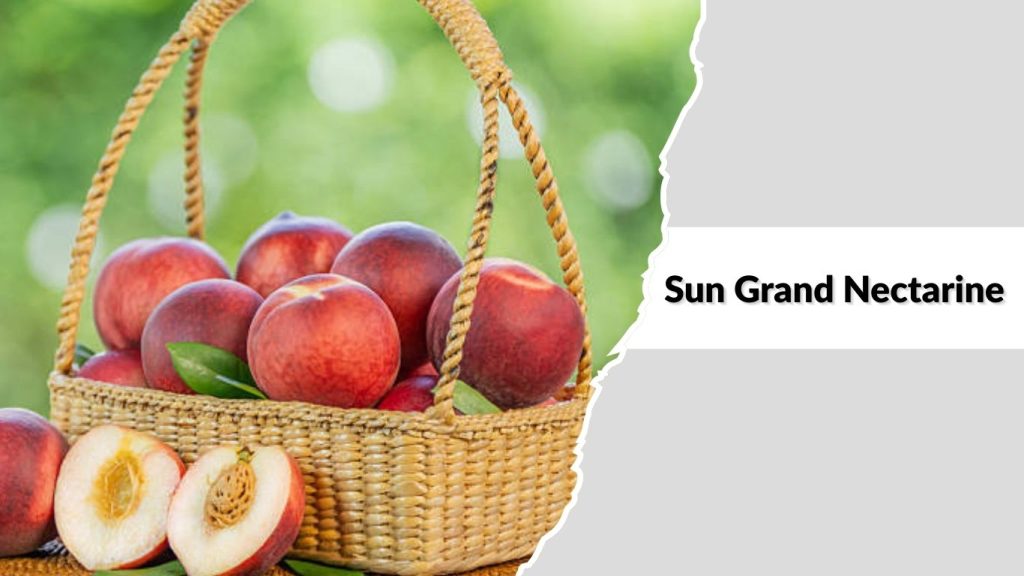
Sun Grand Nectarine is a classic yellow-fleshed nectarine variety known for its large size, attractive red coloring, and rich, traditional nectarine flavor. It is a dependable choice for growers seeking both quality and yield.
Identification
- Yellow flesh with deep red over golden skin
- Large fruit size
- Round to slightly oval shape
- Smooth, glossy skin
Flavor Profile
Sun Grand Nectarine offers a bold, sweet flavor balanced by noticeable acidity. This combination creates a robust taste that intensifies as the fruit fully ripens.
Texture
The flesh is firm, dense, and juicy, providing a satisfying bite. Its firmness allows the fruit to hold up well during handling and transportation.
Growing Season
This variety typically ripens in mid to late summer, depending on climate and orchard conditions.
Tree Characteristics
Sun Grand trees are vigorous and highly productive, often requiring thinning to ensure optimal fruit size and quality. They perform best in regions with adequate winter chill and full sun.
Culinary Uses
Sun Grand Nectarines are versatile and suitable for fresh eating, baking, grilling, and preserves. Their strong flavor makes them an excellent choice for pies, cobblers, and jams.
15. Sunraycer Nectarine
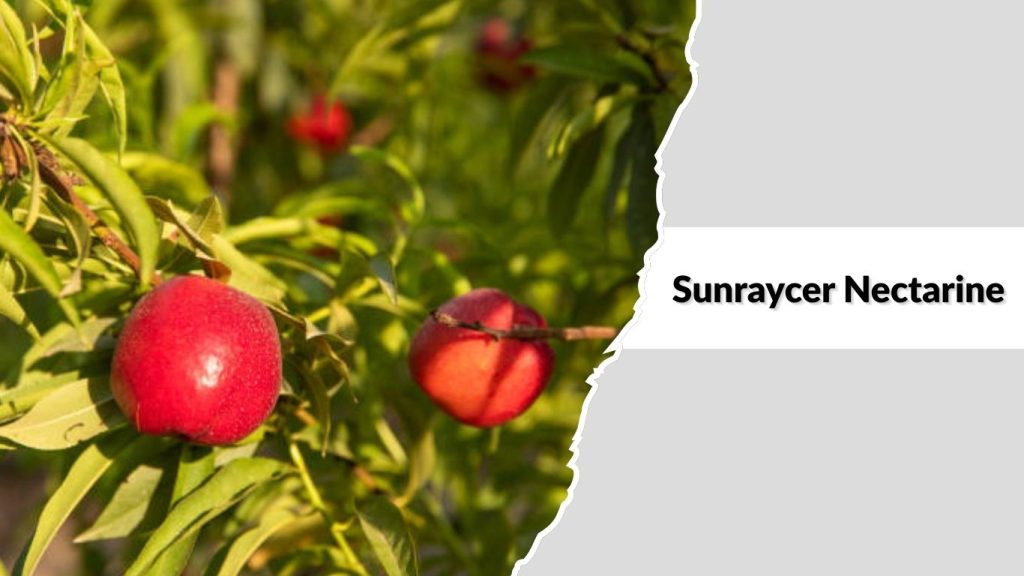
Sunraycer Nectarine is an early-ripening yellow-fleshed nectarine variety valued for its attractive color, dependable production, and pleasant, mild flavor. It is often chosen by growers who want an early harvest with good fruit quality.
Identification
- Yellow flesh with red-blushed skin
- Medium-sized fruit
- Round shape
- Smooth, glossy skin
Flavor Profile
Sunraycer Nectarine has a sweet flavor with light acidity, resulting in a mild and refreshing taste. The flavor is gentle rather than intense, making it appealing to a wide range of consumers.
Texture
The flesh is firm and moderately juicy, holding its shape well after harvest. When fully ripe, it softens slightly while remaining pleasant to eat.
Growing Season
This variety ripens early in the season, often in early summer, depending on regional climate conditions.
Tree Characteristics
Sunraycer trees are moderately vigorous and productive, adapting well to warm climates. Regular thinning helps improve fruit size and consistency.
Culinary Uses
Sunraycer Nectarines are best enjoyed fresh due to their early-season availability. They also work well in fruit salads, light desserts, and simple baked dishes that highlight their natural sweetness.
16. Sweet Home Nectarine
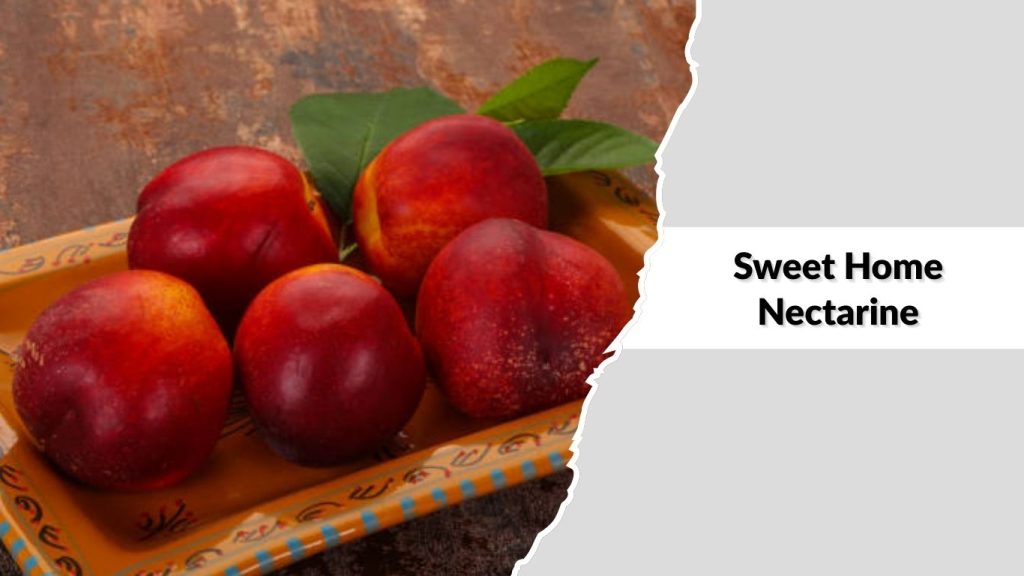
Sweet Home Nectarine is a yellow-fleshed nectarine variety prized for its rich sweetness, attractive appearance, and reliable production. It is well suited for growers and home gardeners seeking high-quality fruit with excellent flavor.
Identification
- Yellow flesh with red-blushed skin
- Medium to large fruit size
- Round shape
- Smooth, glossy skin
Flavor Profile
Sweet Home Nectarine delivers a pronounced sweetness with mild acidity, creating a smooth and pleasing flavor. The taste is rich without being overpowering, especially when fully ripe.
Texture
The flesh is firm, juicy, and tender, offering a satisfying bite. Its firmness helps the fruit retain quality during harvesting and handling.
Growing Season
This variety typically ripens in mid-summer, though exact timing can vary by climate and growing conditions.
Tree Characteristics
Sweet Home trees are vigorous and productive, benefiting from regular pruning and thinning to maintain fruit size and tree health. They perform best in areas with adequate winter chill.
Culinary Uses
Sweet Home Nectarines are excellent for fresh eating, fruit bowls, and desserts. They also work well in baking and preserves, where their sweetness remains consistent after cooking.
17. Venus Nectarine
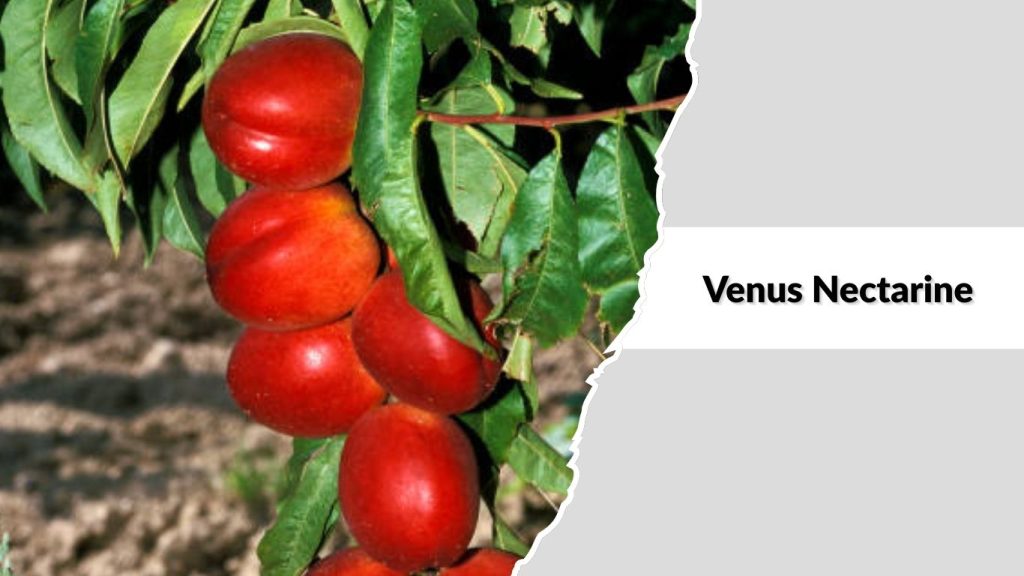
Venus Nectarine is a white-fleshed nectarine variety admired for its elegant appearance, juicy texture, and sweet, low-acid flavor. It is especially popular among consumers who enjoy mild, aromatic fruits.
Identification
- White flesh with bright red skin
- Medium to large fruit size
- Round shape
- Smooth, glossy skin
Flavor Profile
Venus Nectarine offers a rich sweetness with very low acidity, resulting in a smooth and dessert-like taste. The flavor is fragrant and becomes more pronounced when fully tree-ripened.
Texture
The flesh is firm, crisp, and juicy, providing a refreshing bite. Its structure allows the fruit to maintain quality during handling and short storage.
Growing Season
This variety typically ripens in mid to late summer, depending on regional climate conditions.
Tree Characteristics
Venus trees are moderately vigorous and productive, thriving in areas with sufficient chill hours. Regular pruning supports healthy growth and consistent yields.
Culinary Uses
Venus Nectarines are best enjoyed fresh to appreciate their natural sweetness. They also pair well with fruit salads, light desserts, and chilled dishes where their delicate flavor stands out.
18. White Lady Nectarine
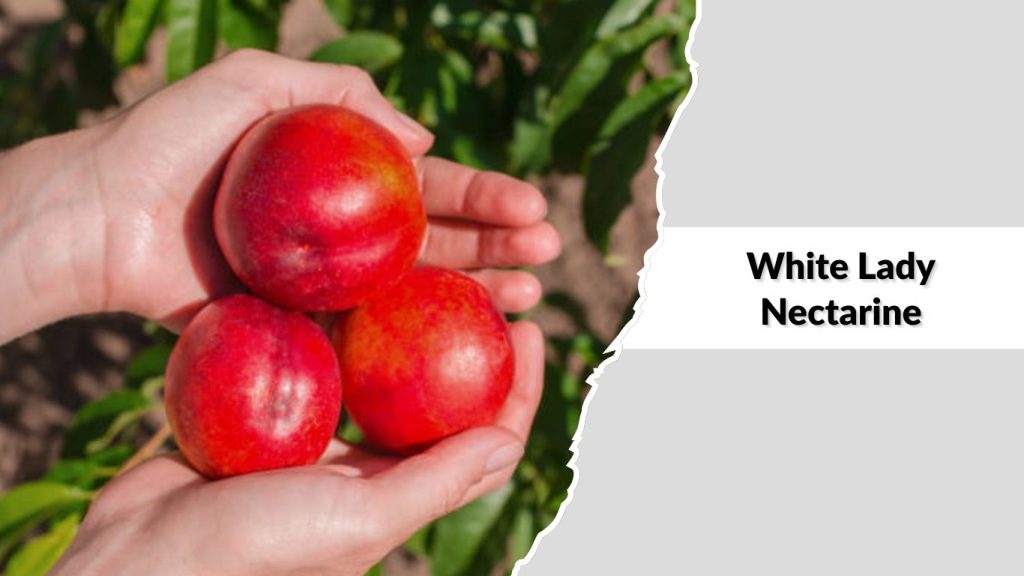
White Lady Nectarine is a premium white-fleshed nectarine variety known for its refined sweetness, low acidity, and attractive appearance. It is widely appreciated for its excellent eating quality and smooth, dessert-like flavor.
Identification
- White flesh with creamy skin and red blush
- Medium to large fruit size
- Round shape
- Smooth, glossy skin
Flavor Profile
White Lady Nectarine offers a rich, sweet flavor with very low acidity, creating a mellow and pleasing taste. Its flavor is delicate yet satisfying, especially when allowed to fully ripen on the tree.
Texture
The flesh is firm, dense, and juicy, providing a crisp bite without being overly hard. This texture helps maintain freshness and reduces bruising during handling.
Growing Season
This variety generally ripens in mid to late summer, depending on climate and orchard management practices.
Tree Characteristics
White Lady trees are vigorous and productive, performing best in regions with adequate winter chill. Proper pruning and thinning help ensure consistent fruit size and quality.
Culinary Uses
White Lady Nectarines are ideal for fresh eating and elegant fruit presentations. They also work well in light desserts, salads, and chilled recipes where their subtle sweetness can shine.
19. Zee Grand Nectarine
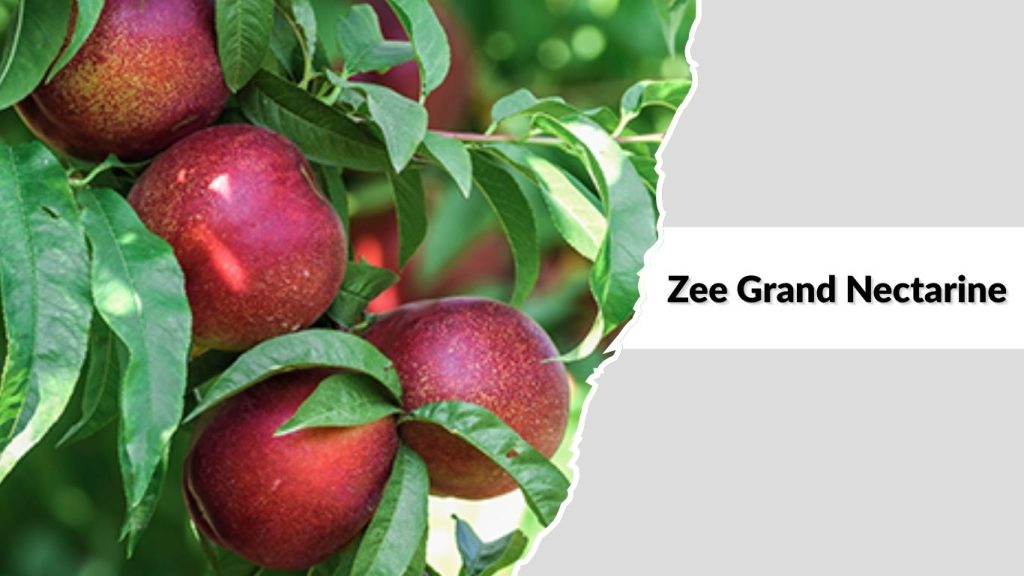
Zee Grand Nectarine is a yellow-fleshed nectarine variety recognized for its large fruit size, vibrant color, and robust, classic nectarine flavor. It is a strong performer in orchards and is valued for both appearance and taste.
Identification
- Yellow flesh with deep red over golden skin
- Large fruit size
- Round to slightly oval shape
- Smooth, glossy skin
Flavor Profile
Zee Grand Nectarine delivers a rich sweetness balanced by moderate acidity. The flavor is bold and full-bodied, becoming more intense as the fruit reaches peak ripeness on the tree.
Texture
The flesh is firm, dense, and juicy, offering a satisfying bite. Its firmness allows the fruit to withstand handling and short-distance transport without losing quality.
Growing Season
This variety typically ripens in mid to late summer, depending on regional climate and growing conditions.
Tree Characteristics
Zee Grand trees are vigorous and highly productive, often producing heavy crops that benefit from proper thinning. They thrive in sunny locations with sufficient winter chill.
Culinary Uses
Zee Grand Nectarines are excellent for fresh eating, slicing, and baking. Their strong flavor and firm texture make them well suited for pies, cobblers, grilling, and preserves.
20. Zee Fire Nectarine
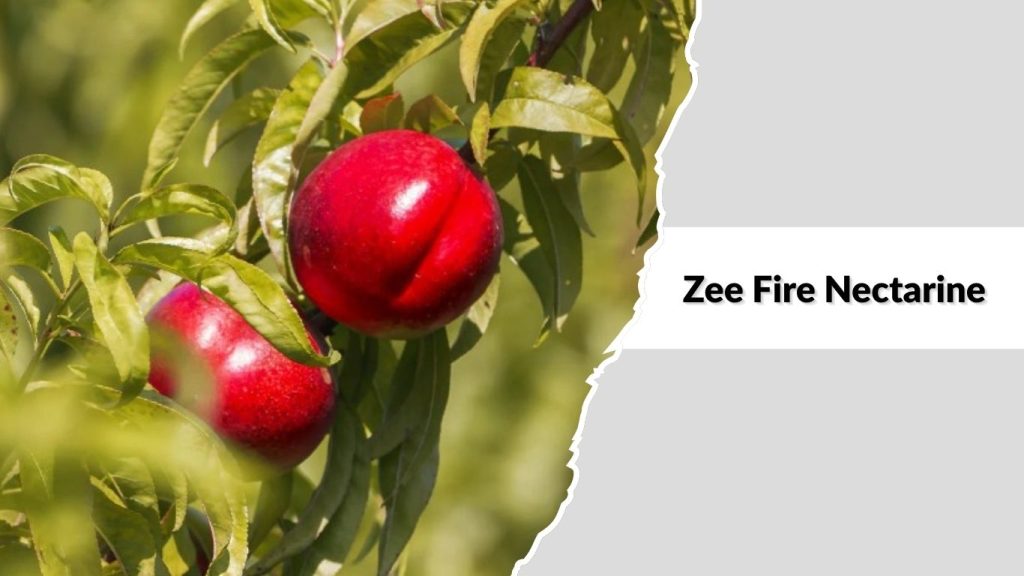
Zee Fire Nectarine is a popular yellow-fleshed nectarine variety known for its early ripening, attractive red coloration, and bright, refreshing flavor. It is often chosen by growers seeking an early-season nectarine with strong visual appeal.
Identification
- Yellow flesh with vivid red over golden skin
- Medium to large fruit size
- Round shape
- Smooth, glossy skin
Flavor Profile
Zee Fire Nectarine offers a sweet flavor with noticeable acidity, creating a lively and refreshing taste. The balance of sweetness and tartness makes it especially enjoyable when eaten fresh.
Texture
The flesh is firm and juicy, holding its shape well during harvesting and handling. As it ripens, it softens slightly while maintaining a pleasant bite.
Growing Season
This variety ripens early, usually in early to mid-summer, depending on climate and growing conditions.
Tree Characteristics
Zee Fire trees are moderately vigorous and productive, performing best in warm growing regions with adequate sunlight. Regular pruning and thinning help maintain fruit quality.
Culinary Uses
Zee Fire Nectarines are best enjoyed fresh due to their early availability. They also work well in fruit salads, light desserts, and simple baked recipes that highlight their bright, natural flavor.
FAQs
What is the difference between nectarines and peaches?
Nectarines and peaches are closely related, but nectarines have smooth, fuzz-free skin while peaches have fuzzy skin. Nectarines are often slightly firmer and can taste a bit sweeter or more aromatic, depending on the variety.
Are nectarines good for health?
Yes, nectarines are rich in vitamins A and C, antioxidants, and dietary fiber. They support digestion, boost immunity, and contribute to overall skin and eye health when included in a balanced diet.
When is the best time to eat nectarines?
Nectarines are best enjoyed during their peak season, which typically runs from late spring through summer. Eating them when fully ripe ensures the best flavor, sweetness, and juiciness.
Can nectarines be used for cooking and baking?
Absolutely. Nectarines are versatile fruits that work well in pies, tarts, cobblers, jams, grilling, and even savory dishes. Both yellow- and white-fleshed varieties can be cooked, though yellow types usually hold flavor better when heated.
How should nectarines be stored?
Unripe nectarines should be kept at room temperature until they soften. Once ripe, they can be stored in the refrigerator for a few days to slow ripening and maintain freshness.