





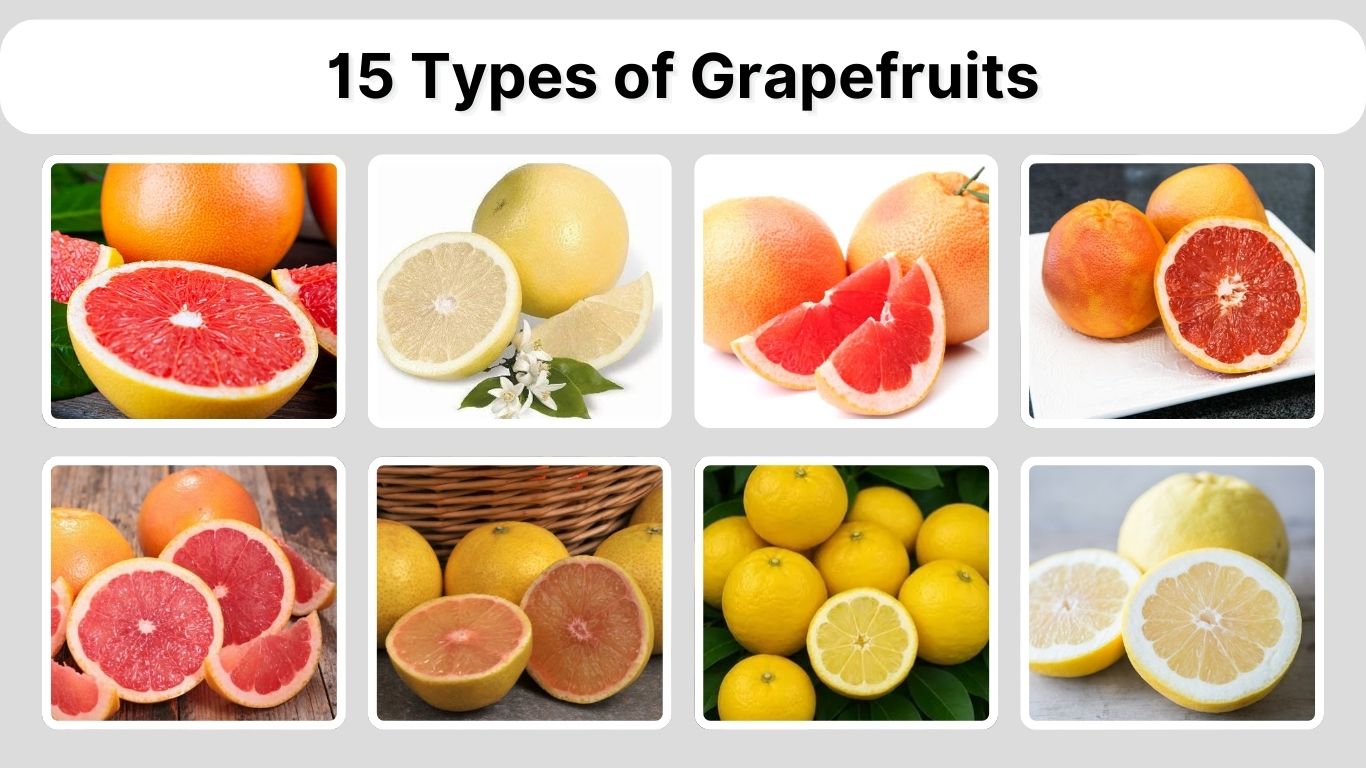
Grapefruits are a popular citrus fruit known for their refreshing taste, vibrant colors, and impressive nutritional value. They come in a wide range of varieties, from sweet red-fleshed types to classic white grapefruits with a bold, tangy flavor. Each variety differs in color, sweetness, and level of bitterness, making grapefruits suitable for fresh eating, juicing, and cooking. Understanding the different types of grapefruits helps in choosing the right one for your taste and culinary needs.
1. Ruby Red Grapefruit
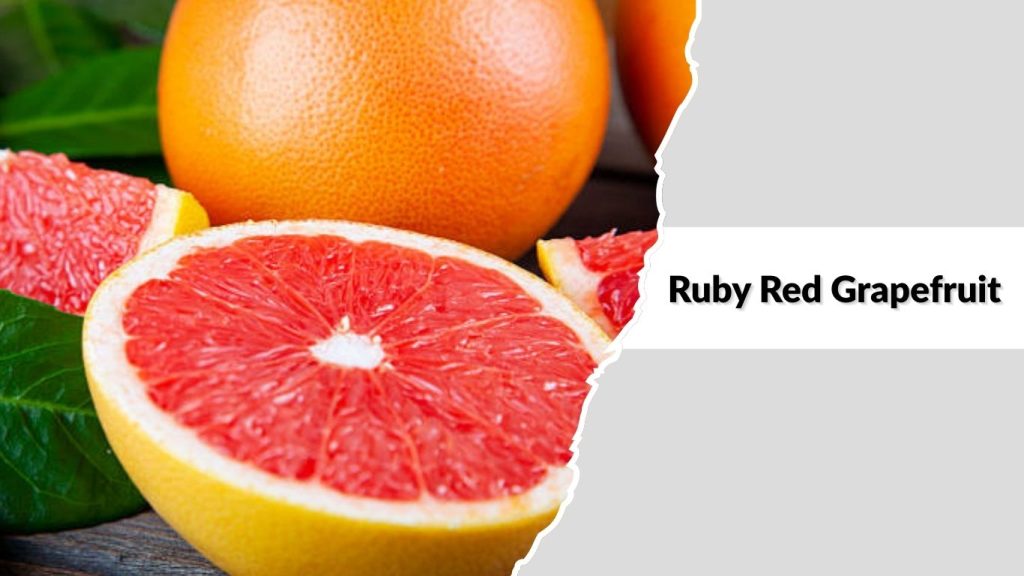
Ruby Red Grapefruit is a well-known grapefruit variety celebrated for its striking red flesh and naturally sweeter taste compared to many traditional grapefruits. First discovered in Texas, this variety quickly gained popularity due to its appealing color, reduced bitterness, and refreshing flavor. It is widely consumed fresh and is also a favorite for juicing because of its balanced sweetness and acidity. Rich in vitamin C, antioxidants, and dietary fiber, Ruby Red Grapefruit is often associated with healthy eating and refreshing diets.
Identification
- Skin color: Yellow with a noticeable red or pink blush
- Flesh color: Deep ruby red
- Shape: Round to slightly oval
- Size: Medium to large
- Seeds: Few to none
- Taste: Sweet with mild tartness
Flavor Profile
Ruby Red Grapefruit offers a smooth, juicy texture with a flavor that is pleasantly sweet and only lightly acidic. Compared to white grapefruit, it has significantly less bitterness, making it appealing even to those who usually avoid grapefruit. Its natural sugars enhance its refreshing quality without overpowering the citrus tang.
Uses
This grapefruit is commonly eaten fresh by itself or sprinkled with a little sugar. It is widely used for fresh juice, smoothies, fruit salads, and breakfast dishes. Ruby Red Grapefruit is also popular in desserts, marmalades, and as a bright garnish in savory recipes.
Growing Regions
Ruby Red Grapefruit thrives in warm, sunny climates and is mainly grown in Texas, Florida, and parts of California. It also grows well in other subtropical regions around the world where winters are mild and summers are long and warm.
2. White Grapefruit
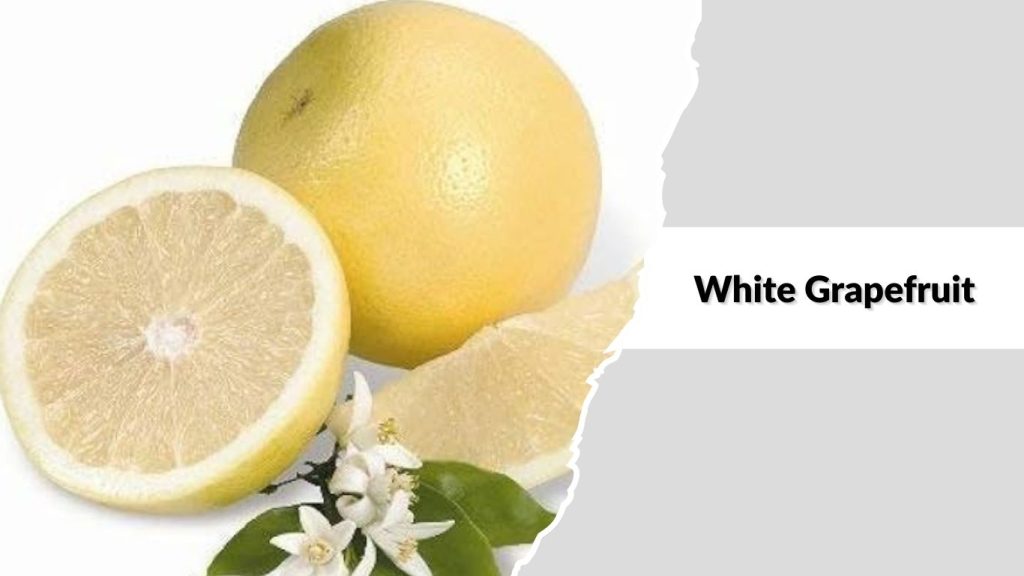
White Grapefruit is one of the oldest and most traditional grapefruit varieties, known for its pale flesh and distinctly tart, slightly bitter flavor. It is often considered the classic grapefruit taste and has been cultivated for centuries. While it lacks the vibrant color of red varieties, White Grapefruit is highly valued for its strong citrus aroma, high juice content, and nutritional benefits. It is rich in vitamin C, fiber, and antioxidants, making it a popular choice for health-focused diets.
Identification
- Skin color: Pale yellow
- Flesh color: Light yellow to white
- Shape: Round
- Size: Medium to large
- Seeds: Usually many
- Taste: Tart with noticeable bitterness
Flavor Profile
White Grapefruit has a bold, sharp citrus flavor that is more acidic and bitter than red or pink varieties. Its intense tang appeals to those who enjoy a classic, robust grapefruit taste. The flesh is juicy and refreshing, though less sweet, making it ideal for people who prefer less sugar-forward fruits.
Uses
This variety is commonly used for fresh juice, especially in blends where its strong flavor balances sweeter fruits. It is also eaten fresh, often with sugar or honey to reduce bitterness. White Grapefruit works well in marmalades, citrus sauces, and savory dishes that benefit from a sharp citrus note.
Growing Regions
White Grapefruit grows best in warm, subtropical climates. It is widely cultivated in Florida, California, Texas, and several Mediterranean and Caribbean regions, where long growing seasons support its full flavor development.
3. Pink Grapefruit
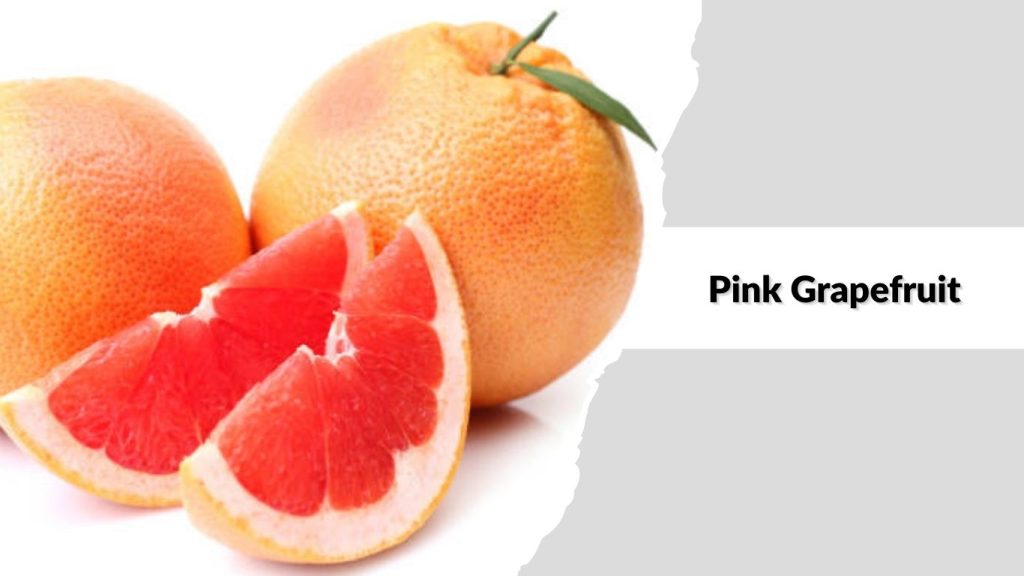
Pink Grapefruit is a popular grapefruit variety recognized for its soft pink flesh and balanced sweet-tart flavor. It sits between white and red grapefruits in both color and taste, offering less bitterness than white grapefruit while not being as sweet as red varieties. This makes it a versatile and widely enjoyed citrus fruit. Pink Grapefruit is rich in vitamin C and antioxidants, and it is commonly included in breakfast menus and refreshing diets around the world.
Identification
- Skin color: Yellow with a light pink blush
- Flesh color: Pale to medium pink
- Shape: Round
- Size: Medium to large
- Seeds: Few to moderate
- Taste: Mildly sweet with gentle tartness
Flavor Profile
Pink Grapefruit delivers a refreshing citrus flavor that balances sweetness and acidity. It has a softer bitterness compared to white grapefruit, making it smoother and easier to eat fresh. The juicy flesh provides a clean, crisp taste that is not overpowering, which contributes to its broad appeal.
Uses
This grapefruit is commonly eaten fresh, either plain or lightly sweetened. It is widely used in juices, smoothies, and fruit salads due to its attractive color and balanced flavor. Pink Grapefruit is also used in desserts, jams, and light savory dishes such as seafood salads.
Growing Regions
Pink Grapefruit thrives in warm, sunny climates with mild winters. It is commonly grown in Florida, Texas, California, and other subtropical regions worldwide where citrus production is well established.
4. Star Ruby Grapefruit
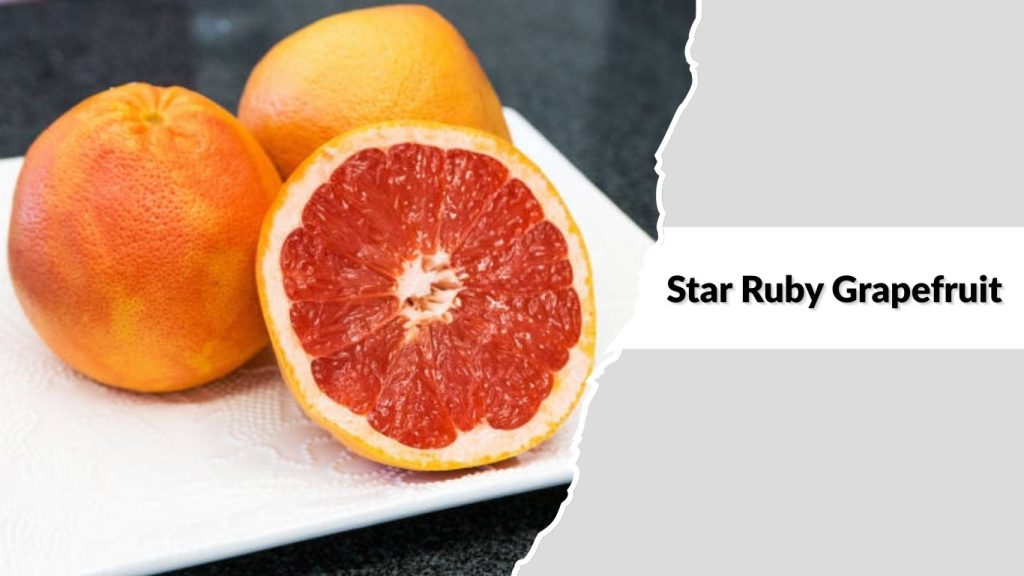
Star Ruby Grapefruit is a premium grapefruit variety prized for its deep red flesh and exceptionally sweet flavor. It is one of the most richly colored grapefruit types available, making it visually striking as well as flavorful. Developed in Texas, Star Ruby is known for having very low bitterness and high juice content, which has helped it become a favorite for both fresh consumption and juicing. Its high antioxidant content also adds to its nutritional appeal.
Identification
- Skin color: Yellow with a pink to red blush
- Flesh color: Deep ruby red
- Shape: Round
- Size: Medium
- Seeds: Very few or none
- Taste: Sweet with very low bitterness
Flavor Profile
Star Ruby Grapefruit has a notably sweet and smooth flavor, with minimal tartness compared to other grapefruit varieties. The reduced bitterness allows the natural sugars to shine, creating a juicy and refreshing eating experience. Its tender flesh and high juice content make it especially enjoyable when eaten fresh.
Uses
This variety is ideal for eating fresh, as its sweetness requires little to no added sugar. It is also excellent for fresh juice, fruit bowls, and smoothies. Star Ruby Grapefruit is often used in desserts and visually appealing dishes where its rich red color enhances presentation.
Growing Regions
Star Ruby Grapefruit grows best in warm, arid to subtropical climates. It is primarily cultivated in Texas, with additional production in Florida, California, and other citrus-growing regions with long, sunny growing seasons.
5. Flame Grapefruit
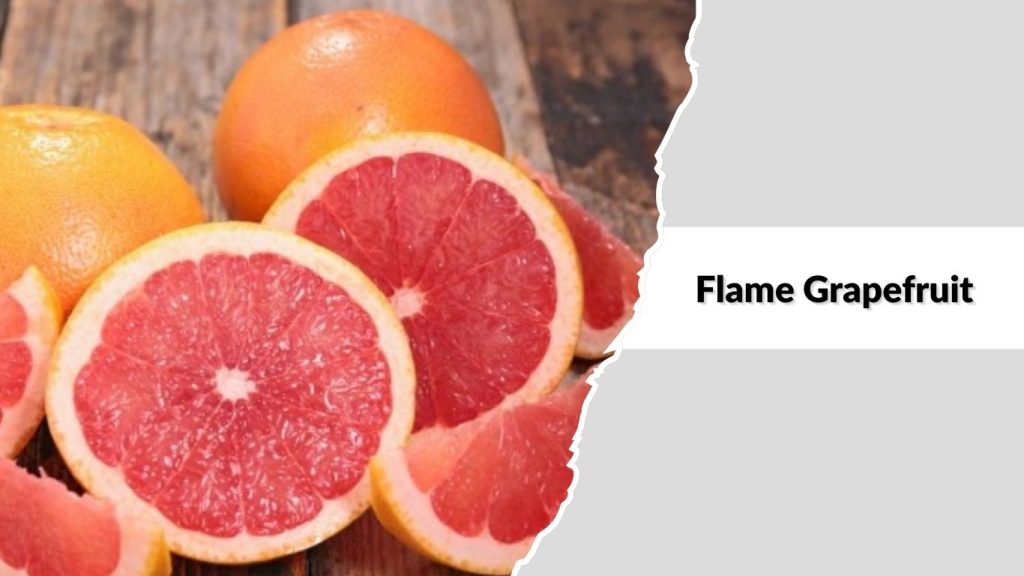
Flame Grapefruit is a bright, attractive grapefruit variety known for its vivid red flesh and pleasantly sweet flavor. It is a hybrid variety developed to enhance color and sweetness while reducing the bitterness commonly found in traditional grapefruits. Flame Grapefruit is appreciated for its juicy texture, appealing appearance, and refreshing taste, making it popular for both fresh eating and juice production. Its rich nutrient profile, including vitamin C and antioxidants, adds to its overall value.
Identification
- Skin color: Yellow with a red blush
- Flesh color: Bright red
- Shape: Round
- Size: Medium to large
- Seeds: Few
- Taste: Sweet with mild acidity
Flavor Profile
Flame Grapefruit offers a smooth, juicy bite with a noticeable sweetness and only light tartness. The bitterness is significantly reduced compared to white grapefruit, allowing for a clean and refreshing citrus flavor. Its well-balanced taste makes it enjoyable on its own without the need for added sweeteners.
Uses
This grapefruit is commonly eaten fresh or sliced for breakfast and snacks. It is also widely used for fresh juice, smoothies, and fruit salads. Flame Grapefruit works well in desserts and light savory dishes where a touch of sweetness and citrus brightness is desired.
Growing Regions
Flame Grapefruit grows best in warm, subtropical climates with plenty of sunshine. It is primarily cultivated in Texas and Florida, along with other citrus-producing regions that offer long growing seasons and mild winters.
6. Marsh Grapefruit
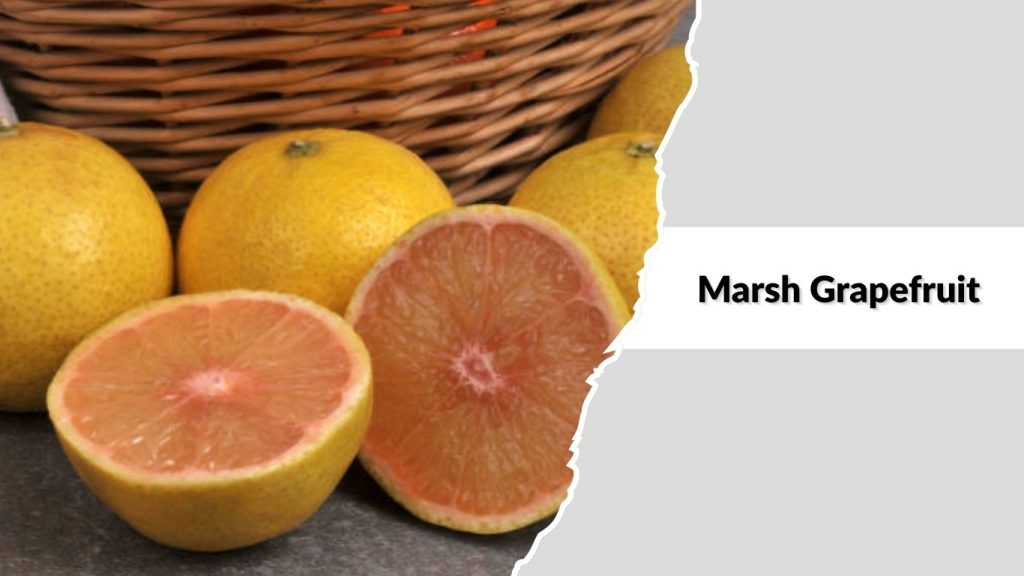
Marsh Grapefruit, also known as Marsh White Grapefruit, is a classic grapefruit variety valued for its high juice content and mild, clean citrus flavor. It has been widely grown for both fresh consumption and commercial juice production due to its consistent quality and productivity. Although its flesh is pale compared to red varieties, Marsh Grapefruit remains popular for its refreshing taste and nutritional benefits, including vitamin C and fiber.
Identification
- Skin color: Smooth, pale yellow
- Flesh color: Light yellow to white
- Shape: Round
- Size: Medium to large
- Seeds: Few or none
- Taste: Mildly tart with light bitterness
Flavor Profile
Marsh Grapefruit has a gentle citrus flavor that is less bitter than many other white grapefruit varieties. Its taste is clean, crisp, and refreshing, with moderate acidity and subtle sweetness. The juicy flesh makes it especially appealing for those who prefer a traditional grapefruit flavor without excessive sharpness.
Uses
This variety is widely used in commercial juice production due to its high juice yield. It is also eaten fresh, often sprinkled with sugar or honey. Marsh Grapefruit works well in fruit salads, marmalades, and recipes that call for a mild citrus flavor.
Growing Regions
Marsh Grapefruit thrives in warm, humid, subtropical climates. It is commonly grown in Florida, Texas, California, and other citrus-producing regions around the world where mild winters support healthy fruit development.
7. Duncan Grapefruit
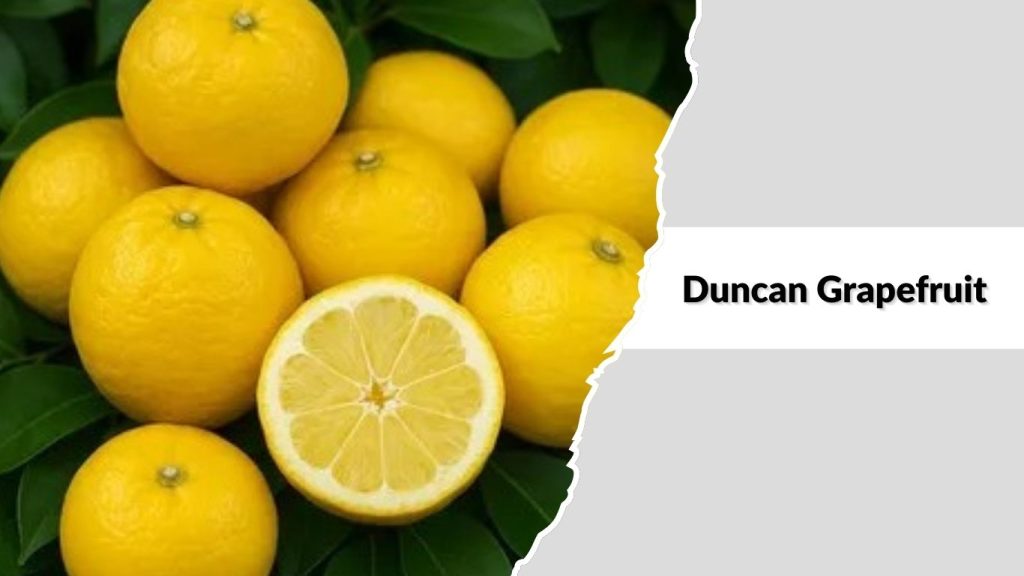
Duncan Grapefruit is one of the oldest known grapefruit varieties and is often regarded as the original classic grapefruit. It is especially valued for its rich, traditional citrus flavor and very high juice content. Although it contains more seeds than modern varieties, Duncan Grapefruit remains important in juice production and for those who appreciate a strong, authentic grapefruit taste. Its pale flesh and robust flavor make it a standout among white grapefruits.
Identification
- Skin color: Pale yellow
- Flesh color: Light yellow to white
- Shape: Round
- Size: Medium to large
- Seeds: Many
- Taste: Tart with pronounced bitterness
Flavor Profile
Duncan Grapefruit has a bold and intense citrus flavor with noticeable acidity and bitterness. It is less sweet than red or pink varieties, delivering a sharp, refreshing taste that grapefruit purists often enjoy. The flesh is very juicy, making it particularly suitable for juicing despite its higher seed count.
Uses
This variety is primarily used for fresh juice, especially in commercial production. It can also be eaten fresh, usually with added sugar to balance its tartness. Duncan Grapefruit is suitable for marmalades, citrus sauces, and recipes that benefit from a strong grapefruit flavor.
Growing Regions
Duncan Grapefruit grows best in warm, subtropical climates. It is commonly cultivated in Florida and other citrus-growing regions where long, warm seasons allow the fruit to fully develop its intense flavor.
8. Oro Blanco Grapefruit
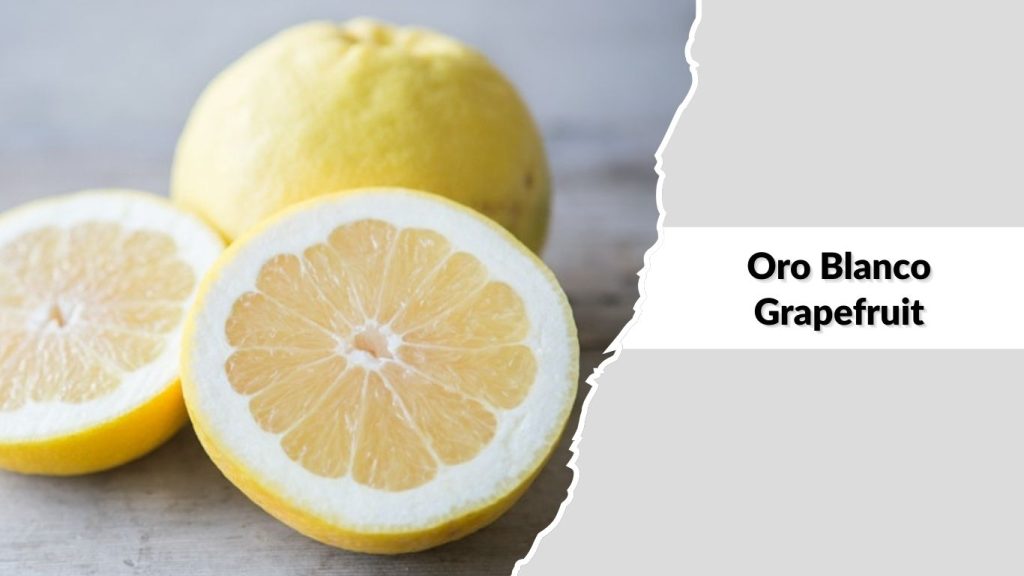
Oro Blanco Grapefruit is a unique grapefruit variety known for its pale greenish-yellow skin and exceptionally sweet, mild flavor. It is a hybrid developed to reduce bitterness while enhancing sweetness, making it one of the least acidic grapefruit types available. Oro Blanco is popular among those who prefer a gentle citrus taste and is often enjoyed fresh without any added sweeteners. Its juicy flesh and pleasant aroma add to its appeal.
Identification
- Skin color: Pale green to yellow
- Flesh color: Light yellow
- Shape: Round
- Size: Large
- Seeds: Few or none
- Taste: Very sweet with low acidity
Flavor Profile
Oro Blanco Grapefruit offers a smooth, mellow flavor with very little bitterness. Its sweetness stands out more than its acidity, creating a mild and refreshing citrus experience. The flesh is tender and juicy, making it especially enjoyable for fresh eating.
Uses
This variety is most commonly eaten fresh due to its naturally sweet flavor. It is also used in fruit salads, light desserts, and refreshing snacks. Oro Blanco Grapefruit can be juiced, though it is more often preferred whole because of its gentle taste.
Growing Regions
Oro Blanco Grapefruit grows best in warm, sunny climates with mild winters. It is widely cultivated in California, Israel, and other subtropical regions where conditions support its slow, flavor-enhancing ripening process.
9. Melogold Grapefruit
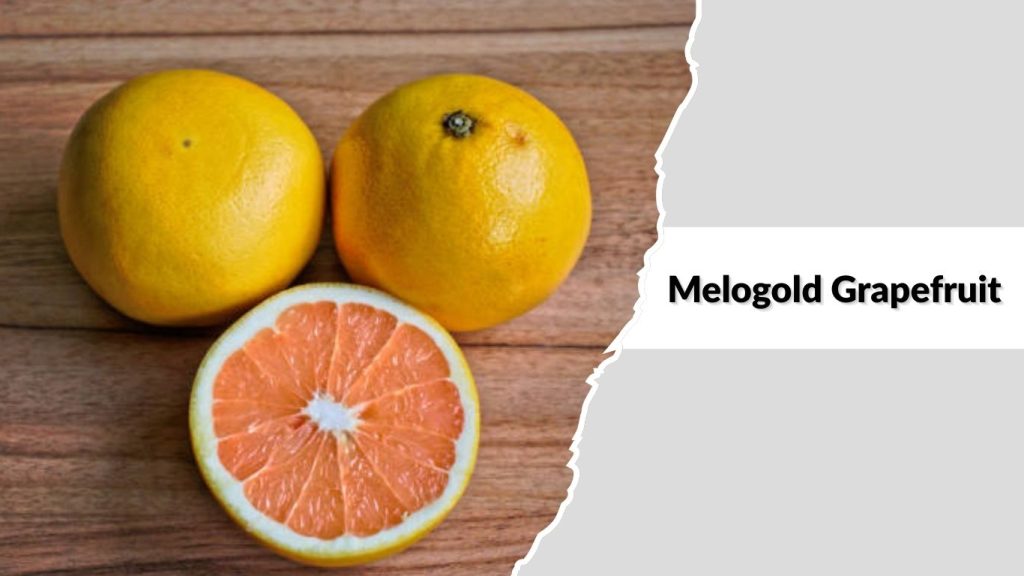
Melogold Grapefruit is a large, attractive grapefruit variety known for its smooth texture and pleasantly sweet, mild flavor. It is a hybrid developed to combine the best qualities of pomelo and grapefruit, resulting in reduced bitterness and low acidity. Melogold is appreciated for its thick rind, juicy flesh, and gentle citrus taste, making it ideal for those who prefer a less sharp grapefruit experience.
Identification
- Skin color: Yellow to light green
- Flesh color: Pale yellow
- Shape: Round to slightly flattened
- Size: Large
- Seeds: Few or none
- Taste: Sweet with very mild acidity
Flavor Profile
Melogold Grapefruit has a smooth, lightly sweet flavor with minimal bitterness. The acidity is subtle, allowing its natural sweetness to dominate. Its juicy, tender flesh offers a soft and refreshing citrus taste that is easy to enjoy, even for people who usually avoid traditional grapefruit.
Uses
This variety is commonly eaten fresh, as its mild flavor requires no added sugar. It works well in fruit salads, desserts, and light breakfast dishes. Melogold Grapefruit can also be juiced, though it is more often enjoyed whole due to its gentle taste.
Growing Regions
Melogold Grapefruit thrives in warm, sunny climates with mild winters. It is primarily grown in California and other subtropical regions where long growing seasons allow the fruit to reach its full size and sweetness.
10. Thompson Grapefruit
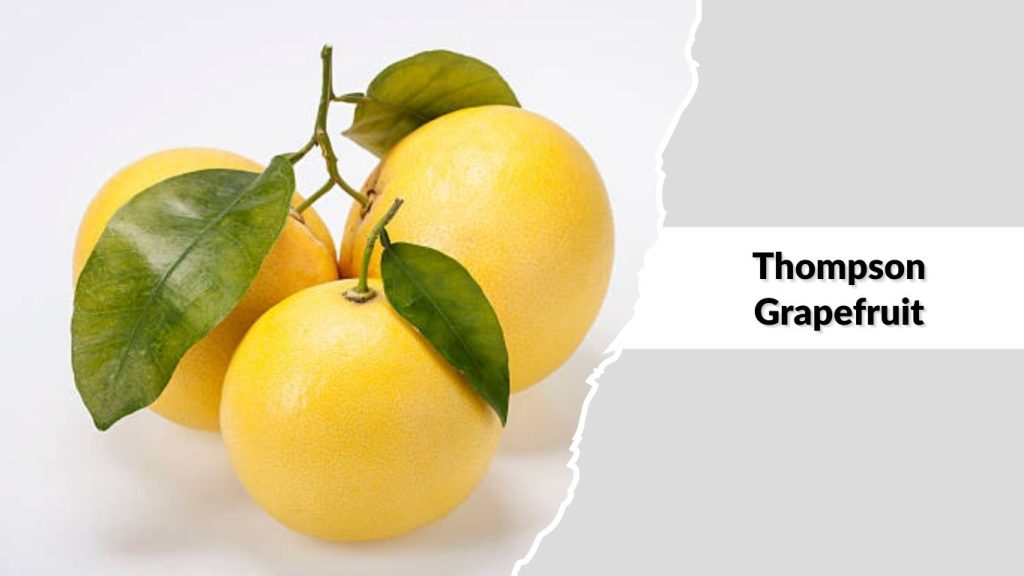
Thompson Grapefruit is an older grapefruit variety best known for its pale flesh and traditional citrus flavor. It is sometimes considered a selection related to white grapefruit types and has historically been used for both fresh consumption and juice production. While it lacks the vibrant color of red varieties, Thompson Grapefruit is valued for its balanced acidity, refreshing taste, and reliable yield.
Identification
- Skin color: Light yellow
- Flesh color: Pale yellow to white
- Shape: Round
- Size: Medium to large
- Seeds: Moderate
- Taste: Tart with mild bitterness
Flavor Profile
Thompson Grapefruit has a classic grapefruit flavor that is moderately tart with a gentle bitterness. It is less intense than Duncan Grapefruit but sharper than many modern sweet varieties. The flavor is clean and refreshing, appealing to those who enjoy a traditional citrus taste.
Uses
This variety is commonly used for fresh juice and can also be eaten fresh, often with a bit of sweetener. Thompson Grapefruit works well in marmalades, citrus-based sauces, and recipes that benefit from a balanced tart flavor.
Growing Regions
Thompson Grapefruit grows best in warm, subtropical climates. It has been cultivated in Florida, Texas, and other citrus-producing regions where mild winters and long growing seasons support consistent fruit development.
11. Foster Grapefruit
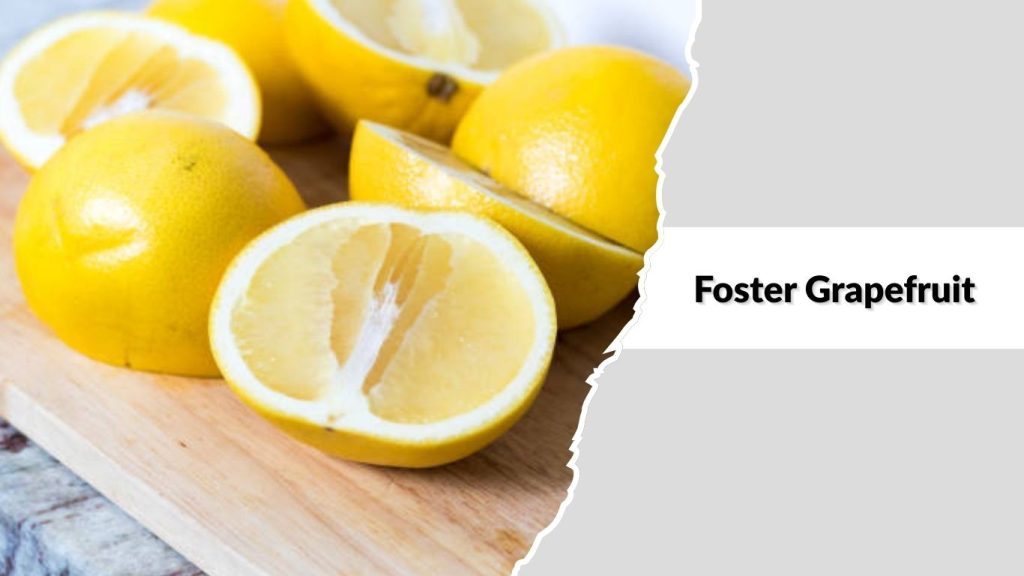
Foster Grapefruit is a historic grapefruit variety known for its pink-tinged flesh and slightly sweeter flavor compared to traditional white grapefruits. It is believed to be one of the early mutations that led to the development of modern pink and red grapefruit varieties. Foster Grapefruit combines a mild sweetness with classic citrus tartness, making it an important variety in grapefruit history.
Identification
- Skin color: Yellow with a light pink blush
- Flesh color: Light pink
- Shape: Round
- Size: Medium to large
- Seeds: Moderate
- Taste: Mildly sweet with noticeable tartness
Flavor Profile
Foster Grapefruit offers a balanced flavor that blends gentle sweetness with traditional grapefruit acidity. It is less bitter than white grapefruit but not as sweet as red varieties. The taste is refreshing and crisp, providing a smooth transition between classic and modern grapefruit flavors.
Uses
This variety is eaten fresh and used for juicing, especially when a slightly sweeter juice is desired. It also works well in fruit salads, breakfast dishes, and light desserts. Foster Grapefruit is suitable for marmalades and preserves due to its balanced flavor.
Growing Regions
Foster Grapefruit grows best in warm, subtropical climates. It has historically been cultivated in Florida and other citrus-growing regions where conditions support its color development and flavor balance.
12. Henderson Grapefruit
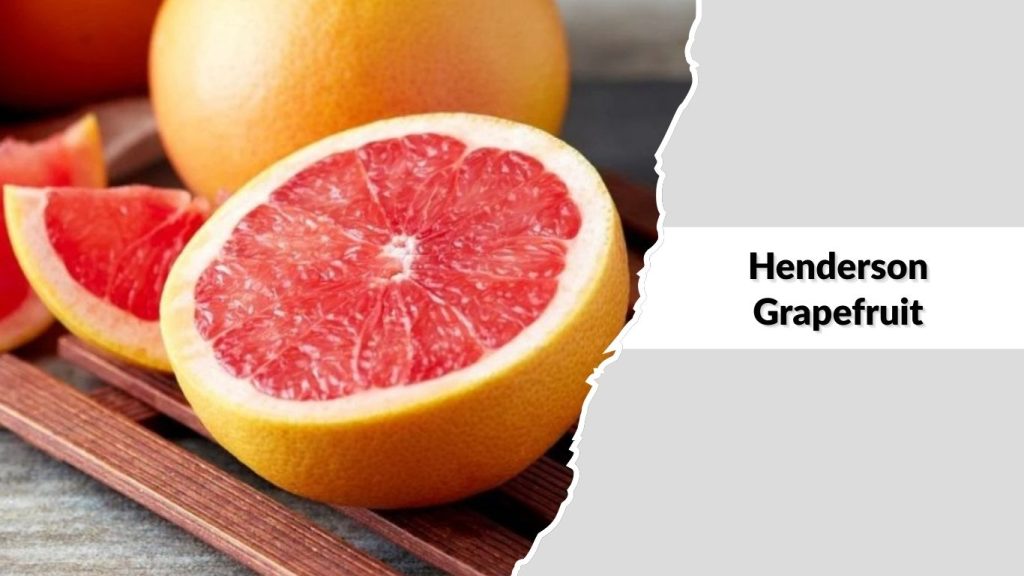
Henderson Grapefruit is a red-fleshed grapefruit variety appreciated for its attractive color and pleasantly sweet flavor. It is considered an improvement over earlier pink varieties, offering better color intensity and reduced bitterness. Henderson Grapefruit is commonly enjoyed fresh and is valued for its juicy texture and balanced taste, making it a popular choice for everyday consumption.
Identification
- Skin color: Yellow with a pink to red blush
- Flesh color: Deep pink to red
- Shape: Round
- Size: Medium
- Seeds: Few
- Taste: Sweet with mild acidity
Flavor Profile
Henderson Grapefruit has a smooth, refreshing flavor that leans toward sweetness while maintaining a light citrus tang. The bitterness is minimal, allowing the natural sugars to stand out. Its juicy flesh and clean taste make it enjoyable both fresh and in beverages.
Uses
This variety is commonly eaten fresh or sliced for breakfast. It is also popular for fresh juice, smoothies, and fruit salads. Henderson Grapefruit works well in desserts and light savory dishes where a mild, sweet citrus flavor is desired.
Growing Regions
Henderson Grapefruit thrives in warm, sunny climates with mild winters. It is mainly grown in Florida and other subtropical citrus-producing regions that support consistent color and flavor development.
13. Rio Red Grapefruit
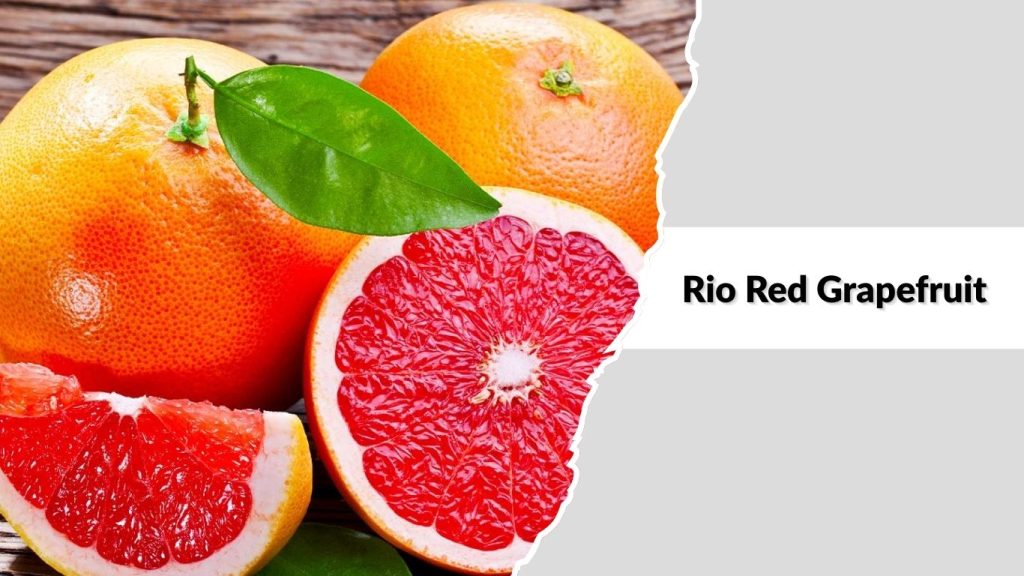
Rio Red Grapefruit is a highly popular grapefruit variety known for its intense red flesh and notably sweet flavor. It is one of the sweetest grapefruit types available and contains very low bitterness, making it widely appealing. Developed in Texas, Rio Red is prized for its deep color, high juice content, and excellent nutritional value, including high levels of antioxidants and vitamin C.
Identification
- Skin color: Yellow with a deep red blush
- Flesh color: Dark red
- Shape: Round
- Size: Medium to large
- Seeds: Few or none
- Taste: Very sweet with low acidity
Flavor Profile
Rio Red Grapefruit offers a rich, juicy flavor with a strong sweetness and minimal tartness. Its reduced bitterness allows for a smooth, refreshing eating experience. The flesh is tender and succulent, making it ideal for those who prefer a naturally sweet grapefruit.
Uses
This variety is excellent for eating fresh, as it requires no added sweeteners. It is also widely used for fresh juice, smoothies, and fruit bowls. Rio Red Grapefruit is commonly featured in desserts and visually appealing dishes due to its vibrant red color.
Growing Regions
Rio Red Grapefruit grows best in warm, subtropical climates with long sunny seasons. It is primarily cultivated in Texas, with additional production in Florida and other citrus-growing regions with similar environmental conditions.
14. Triumph Grapefruit

Triumph Grapefruit is an early grapefruit variety known for its pale flesh and classic citrus flavor. It is historically significant, as it is believed to be one of the first cultivated grapefruit types. While newer varieties have largely replaced it in commercial markets, Triumph Grapefruit remains important for its role in grapefruit development and its traditional taste profile.
Identification
- Skin color: Pale yellow
- Flesh color: Light yellow to white
- Shape: Round
- Size: Medium
- Seeds: Many
- Taste: Tart with noticeable bitterness
Flavor Profile
Triumph Grapefruit has a sharp, traditional grapefruit flavor characterized by strong acidity and bitterness. It lacks the sweetness of modern red varieties, offering a bold citrus taste that appeals to those who enjoy old-style grapefruit flavors. The flesh is moderately juicy and refreshing.
Uses
This variety is primarily used for juice production and processing rather than fresh consumption. When eaten fresh, it is often sweetened to balance its tartness. Triumph Grapefruit is suitable for marmalades, preserves, and citrus-based sauces.
Growing Regions
Triumph Grapefruit grows best in warm, subtropical climates. It has historically been cultivated in Florida and other early citrus-growing regions where long growing seasons support its full flavor development.
15. Lavender Gem Grapefruit
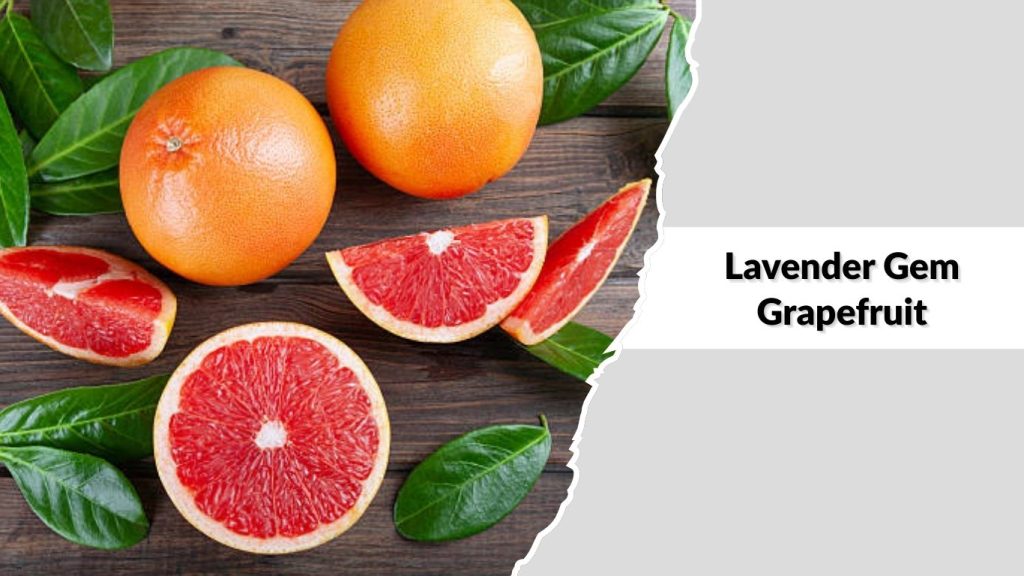
Lavender Gem Grapefruit is a rare and distinctive grapefruit variety known for its unique name and subtle citrus character. Unlike more common commercial types, this variety is less widely cultivated and is often associated with specialty or heirloom citrus collections. It is appreciated for its gentle flavor, aromatic qualities, and ornamental appeal, making it of interest to citrus enthusiasts and collectors.
Identification
- Skin color: Pale yellow
- Flesh color: Light pink to pale yellow
- Shape: Round
- Size: Medium
- Seeds: Moderate
- Taste: Mildly sweet with light tartness
Flavor Profile
Lavender Gem Grapefruit offers a delicate citrus flavor with low bitterness and soft acidity. Its taste is mild and smooth rather than bold, providing a gentle grapefruit experience. The aroma is pleasant and lightly floral, which adds to its uniqueness among grapefruit varieties.
Uses
This variety is typically eaten fresh or used in specialty fruit dishes. It can be juiced for a mild, aromatic citrus beverage and works well in light desserts or fruit salads where a subtle grapefruit flavor is preferred.
Growing Regions
Lavender Gem Grapefruit grows best in warm, subtropical climates. It is usually found in small-scale orchards or private gardens in citrus-growing regions, particularly where heirloom and specialty citrus varieties are preserved.
FAQs
What is the sweetest type of grapefruit?
The sweetest grapefruit varieties are generally red-fleshed types such as Ruby Red, Rio Red, and Star Ruby. These varieties have lower bitterness and higher natural sugar content compared to white grapefruits.
Which grapefruit has the least bitterness?
Oro Blanco and Melogold grapefruits are known for having very low bitterness. They were developed specifically to reduce the sharp, bitter taste often associated with traditional grapefruit varieties.
Are red grapefruits healthier than white grapefruits?
Red grapefruits are often considered more nutritious because they contain higher levels of antioxidants like lycopene. However, white grapefruits are still rich in vitamin C, fiber, and other beneficial nutrients.
Can grapefruit be eaten every day?
Yes, grapefruit can be eaten daily as part of a balanced diet for most people. However, individuals taking certain medications should consult a healthcare professional, as grapefruit can interact with some drugs.
Where do grapefruits grow best?
Grapefruits grow best in warm, subtropical climates with plenty of sunshine. Major growing regions include Florida, Texas, California, and several Mediterranean and Caribbean countries.