



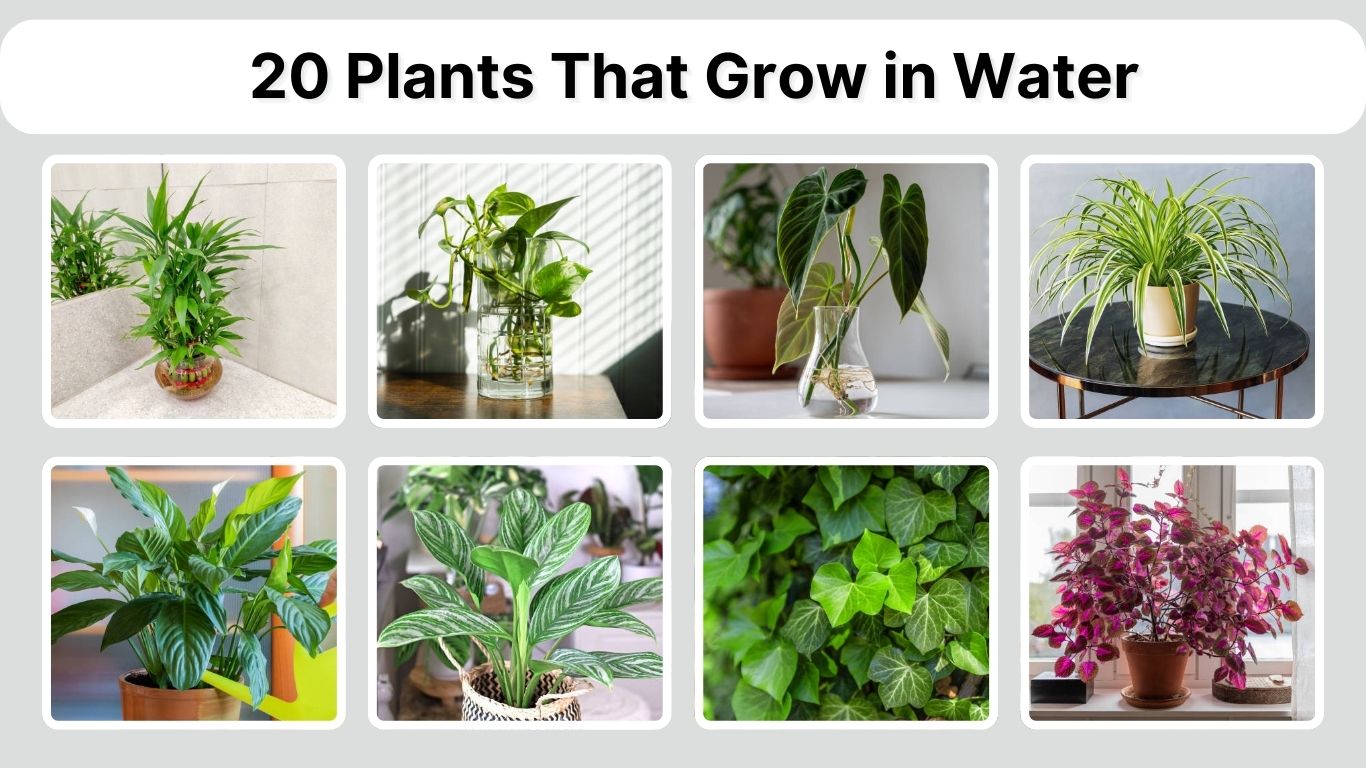
Growing plants in water is a simple and stylish way to enjoy greenery without the mess of soil. Many houseplants, herbs, and aquatic species can thrive in water alone, making them ideal for small spaces, beginners, and modern home décor. Water-grown plants are easy to maintain, visually appealing, and perfect for kitchens, offices, and tabletops. Whether you prefer leafy vines, fragrant herbs, or floating aquatic plants, these water-loving plants offer a refreshing and low-maintenance way to bring nature indoors.
1. Lucky Bamboo
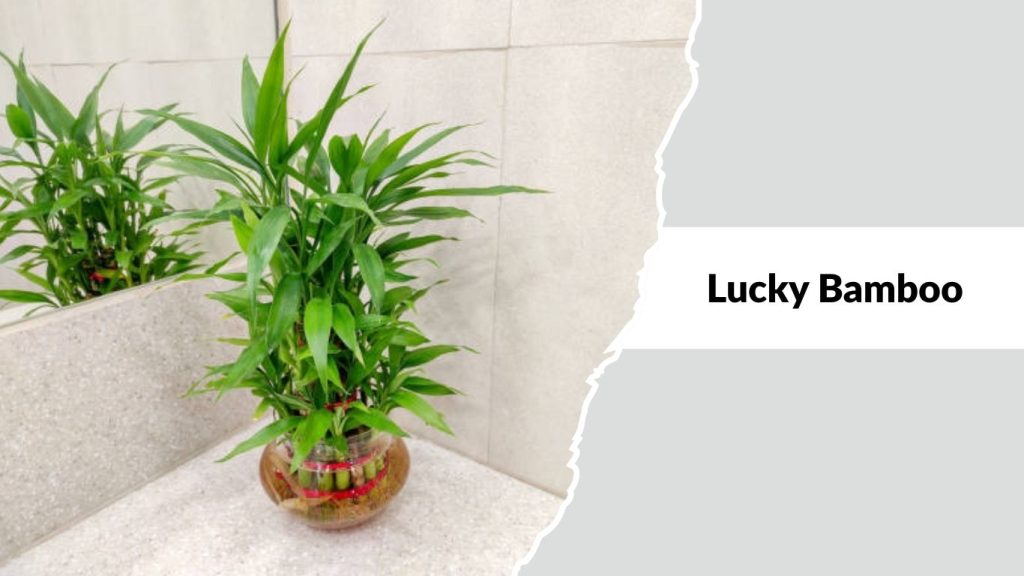
Lucky Bamboo (Dracaena sanderiana) is a popular indoor plant known for its elegant stalks and low-maintenance nature. Despite its name, it is not a true bamboo but a member of the Dracaena family. It grows exceptionally well in water, making it a favorite for homes and offices. Often associated with good luck and positive energy in Feng Shui, Lucky Bamboo thrives in indirect light and requires minimal care.
Identification
- Scientific name: Dracaena sanderiana
- Common names: Lucky Bamboo, Ribbon Dracaena
- Plant type: Perennial evergreen houseplant
- Growth habit: Upright stalks with narrow, arching leaves
- Stem color: Green, sometimes with yellow tones
- Leaf shape: Lance-shaped, smooth edges
- Typical height: 1–3 feet indoors
Water Growth Habit
Lucky Bamboo grows well in plain water as long as the roots are submerged and the stems remain above the water line. Clean, chlorine-free water is ideal, and it should be changed every one to two weeks to prevent odor and algae buildup.
Light Requirements
This plant prefers bright, indirect light but can tolerate low-light conditions. Direct sunlight should be avoided, as it can scorch the leaves and cause yellowing.
Basic Care Tips
Lucky Bamboo requires very little maintenance. Keeping the water clean, providing indirect light, and trimming yellow or damaged leaves occasionally will help the plant stay healthy and attractive.
2. Pothos
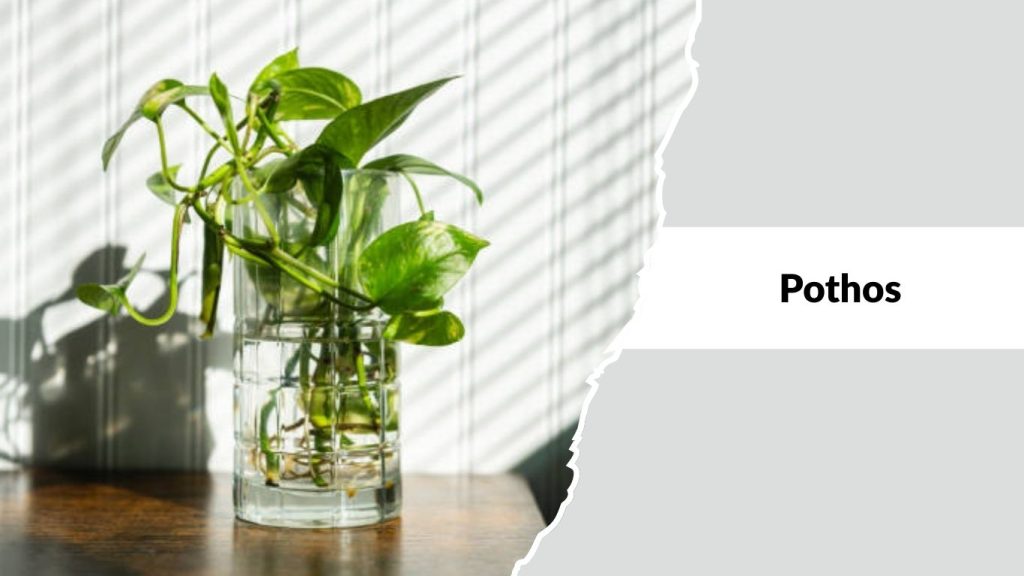
Pothos (Epipremnum aureum) is a hardy, fast-growing houseplant famous for its trailing vines and heart-shaped leaves. It adapts easily to water growth, making it an excellent choice for beginners. Known for its air-purifying qualities, Pothos thrives indoors with minimal attention and adds a lush, decorative touch to shelves, jars, and hanging containers.
Identification
- Scientific name: Epipremnum aureum
- Common names: Pothos, Devil’s Ivy, Golden Pothos
- Plant type: Evergreen vine
- Growth habit: Trailing or climbing
- Leaf shape: Heart-shaped
- Leaf color: Green, often variegated with yellow or cream
- Typical length: 6–10 feet indoors
Water Growth Habit
Pothos grow easily in water when cuttings are placed with the nodes submerged. Roots develop quickly, and the plant can live long-term in water if it is refreshed regularly.
Light Requirements
This plant prefers bright, indirect light but tolerates low-light conditions well. Variegated varieties maintain better color with more light, while direct sun can damage the leaves.
Basic Care Tips
Change the water every one to two weeks and rinse the roots occasionally. Trimming long vines encourages fuller growth and keeps the plant looking neat.
3. Philodendron
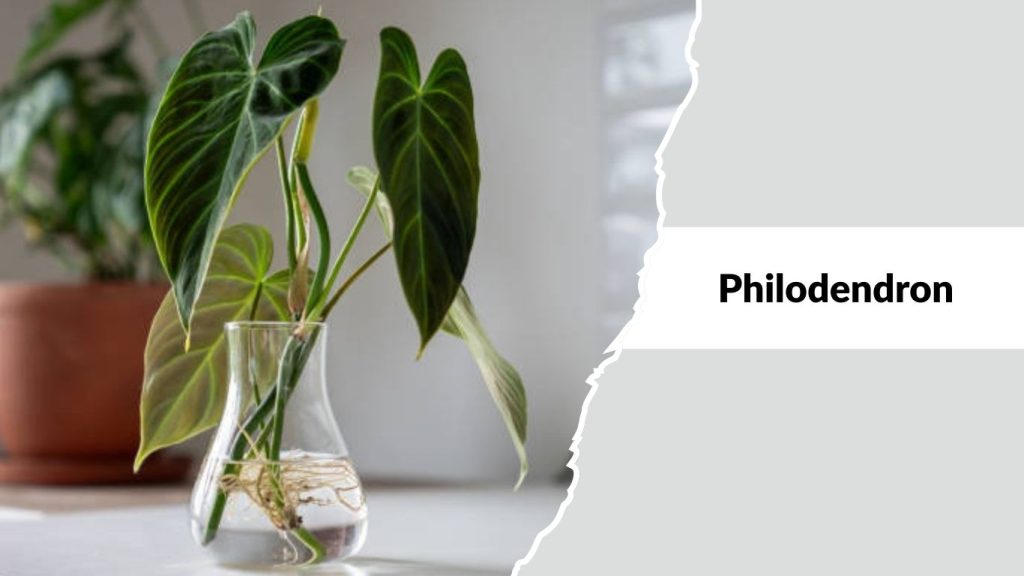
Philodendron is a classic indoor plant admired for its glossy leaves and easy-going nature. It grows very well in water, especially from stem cuttings, and adapts smoothly to indoor environments. Because of its attractive foliage and low care needs, Philodendron is commonly used for home décor and office spaces.
Identification
- Scientific name: Philodendron spp.
- Common names: Philodendron, Heartleaf Philodendron
- Plant type: Tropical perennial
- Growth habit: Trailing or climbing
- Leaf shape: Heart-shaped or elongated (varies by species)
- Leaf color: Deep green, sometimes variegated
- Typical length: 4–8 feet indoors
Water Growth Habit
Philodendron grows easily in water when nodes are submerged. Roots form quickly, and the plant can continue growing in water for long periods if the water is kept clean.
Light Requirements
It prefers bright, indirect light but can tolerate low-light conditions. Direct sunlight may cause leaf discoloration or burning.
Basic Care Tips
Replace the water every one to two weeks and keep the container clean. Occasional pruning helps maintain shape and encourages healthier growth.
4. Spider Plant
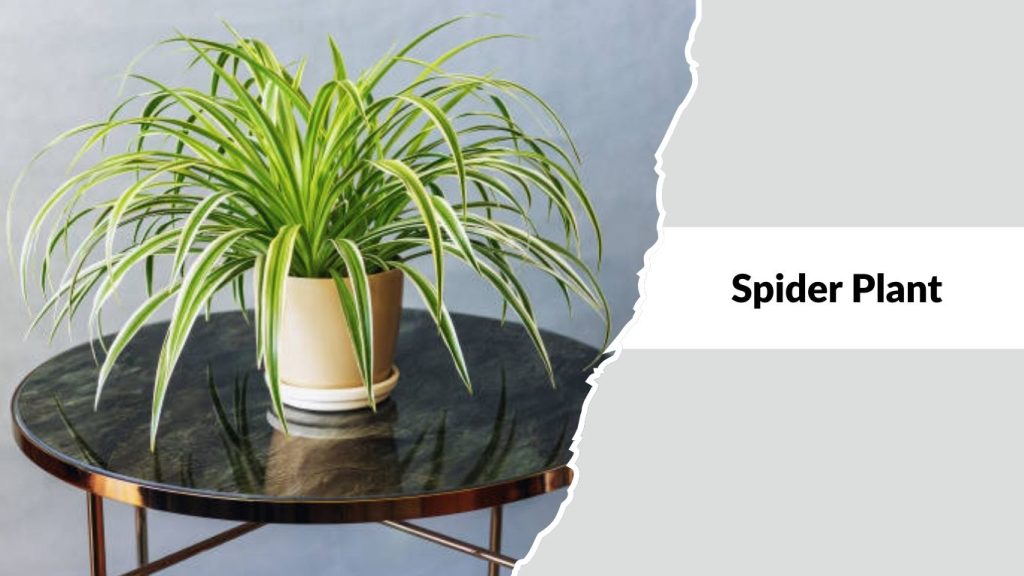
Spider Plant (Chlorophytum comosum) is a resilient and fast-growing houseplant known for its arching leaves and baby plantlets. It adapts well to growing in water, especially when propagated from its offshoots. This plant is also valued for its air-purifying abilities and beginner-friendly care.
Identification
- Scientific name: Chlorophytum comosum
- Common names: Spider Plant, Airplane Plant
- Plant type: Perennial houseplant
- Growth habit: Clumping with arching leaves
- Leaf shape: Long, narrow, strap-like
- Leaf color: Green or green with white stripes
- Typical height: 12–18 inches
Water Growth Habit
Spider Plant grows well in water when its plantlets or young roots are submerged. Roots develop quickly, making it suitable for long-term water growth with regular water changes.
Light Requirements
It prefers bright, indirect light but can tolerate partial shade. Too much direct sunlight may cause leaf tips to brown.
Basic Care Tips
Change the water weekly to keep roots healthy. Trim brown tips and remove dead leaves to maintain a fresh appearance.
5. Peace Lily
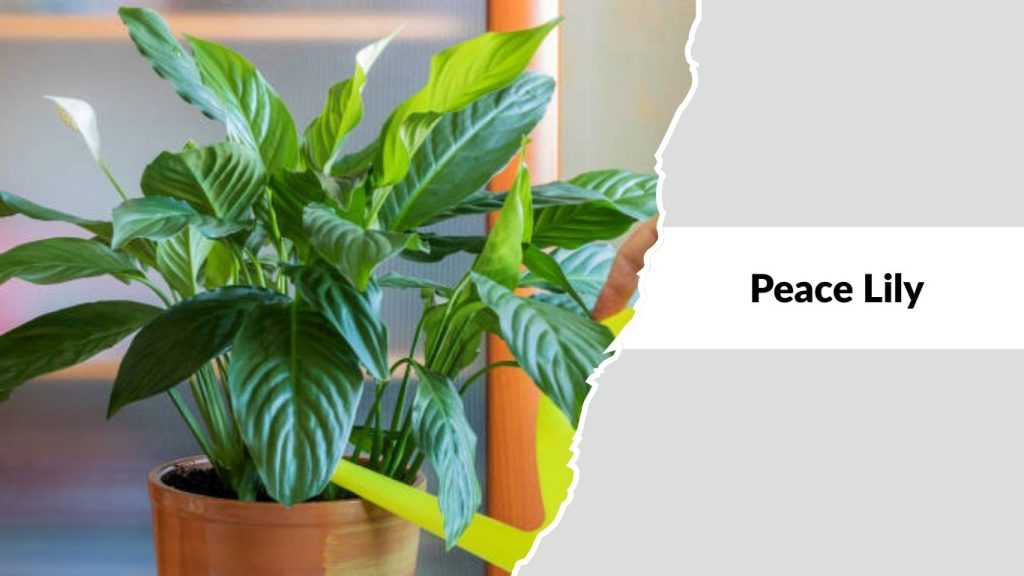
Peace Lily (Spathiphyllum) is an elegant indoor plant known for its dark green leaves and white, sail-shaped flowers. It grows well in water and is often used in minimalist or decorative containers. Peace Lily is also popular for its ability to improve indoor air quality and its tolerance of low-light conditions.
Identification
- Scientific name: Spathiphyllum spp.
- Common names: Peace Lily, White Sail Plant
- Plant type: Tropical perennial
- Growth habit: Clump-forming
- Leaf shape: Broad, oval to lance-shaped
- Leaf color: Deep green
- Flower color: White spathe with a central spadix
- Typical height: 1–3 feet indoors
Water Growth Habit
Peace Lily can grow in water with its roots fully submerged while keeping the crown above water. Clean water is essential to prevent root rot and odor.
Light Requirements
It thrives in bright, indirect light but adapts well to low-light environments. Direct sunlight can scorch the leaves and reduce flowering.
Basic Care Tips
Change the water every one to two weeks and rinse the roots gently. Remove yellowing leaves and spent flowers to keep the plant healthy and attractive.
6. Chinese Evergreen
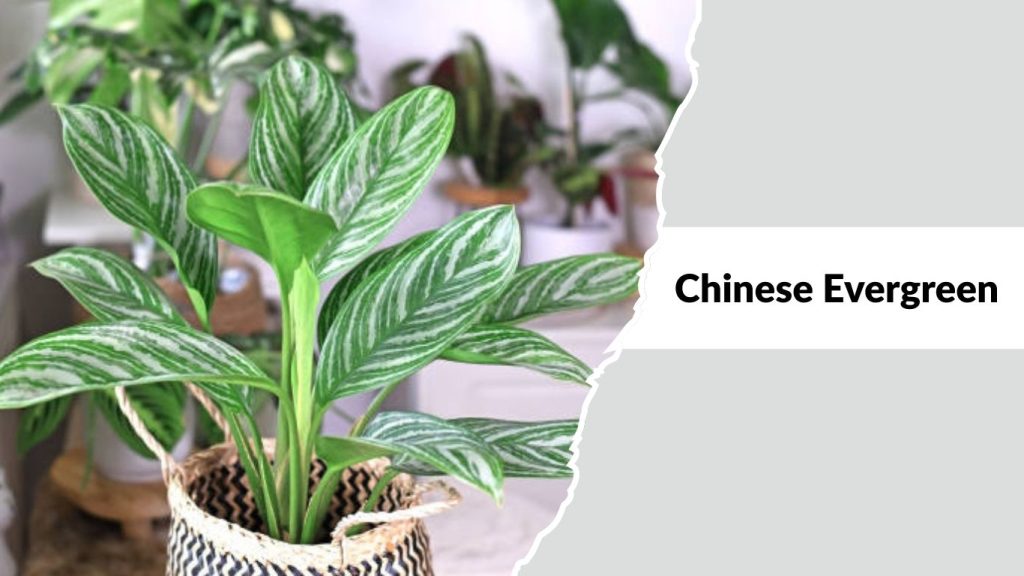
Chinese evergreen (Aglaonema) is a durable and attractive houseplant prized for its patterned foliage and adaptability. It grows well in water, especially when started from healthy cuttings, and is ideal for indoor spaces with limited light. This plant is commonly used for decorative displays due to its colorful leaves.
Identification
- Scientific name: Aglaonema spp.
- Common names: Chinese Evergreen
- Plant type: Tropical perennial
- Growth habit: Upright and bushy
- Leaf shape: Oval to lance-shaped
- Leaf color: Green, silver, red, or pink variegation
- Typical height: 1–3 feet indoors
Water Growth Habit
Chinese Evergreen can grow in water with its roots submerged. Regular water changes help prevent bacterial buildup and keep the roots healthy.
Light Requirements
It prefers low to medium indirect light. Bright light enhances leaf color, but direct sunlight may cause leaf burn.
Basic Care Tips
Refresh the water every one to two weeks and clean the container occasionally. Remove yellow or damaged leaves to maintain plant health and appearance.
7. English Ivy
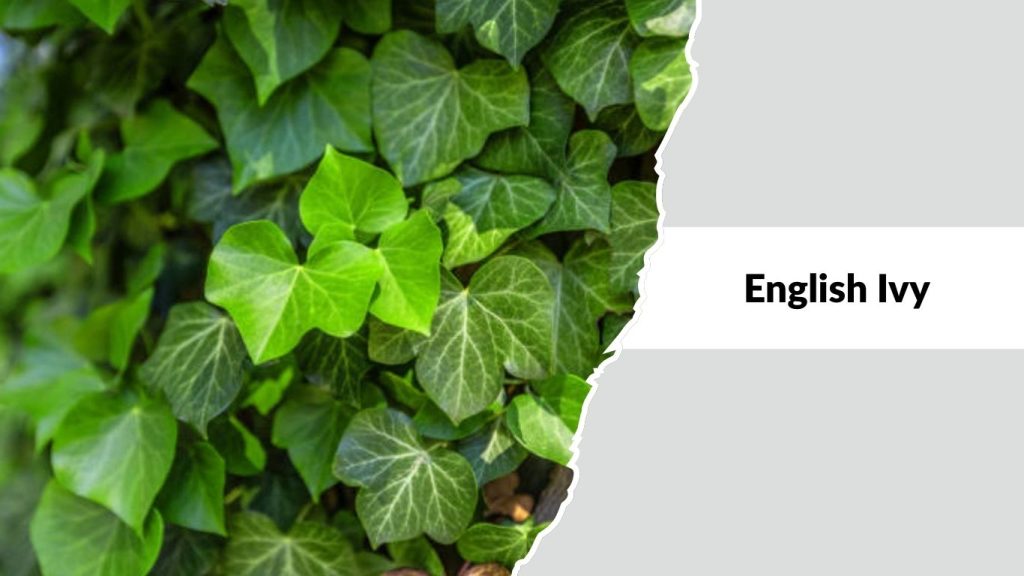
English Ivy (Hedera helix) is a classic trailing plant known for its elegant, lobed leaves and versatile growth habit. It grows well in water, especially from stem cuttings, and is often used in jars, vases, or hanging displays. This plant adds a lush, cascading look to indoor spaces and is relatively easy to maintain.
Identification
- Scientific name: Hedera helix
- Common names: English Ivy, Common Ivy
- Plant type: Evergreen vine
- Growth habit: Trailing or climbing
- Leaf shape: Lobed, pointed
- Leaf color: Green or variegated with white or yellow
- Typical length: 6–10 feet indoors
Water Growth Habit
English Ivy grows in water when stem nodes are submerged. Roots form steadily, and the plant can be maintained in water with regular changes to keep it fresh.
Light Requirements
It prefers bright, indirect light but can tolerate medium light. Low light may slow growth, while direct sunlight can scorch the leaves.
Basic Care Tips
Change the water weekly and rinse the roots occasionally. Prune long vines to control growth and encourage a fuller appearance.
8. Coleus
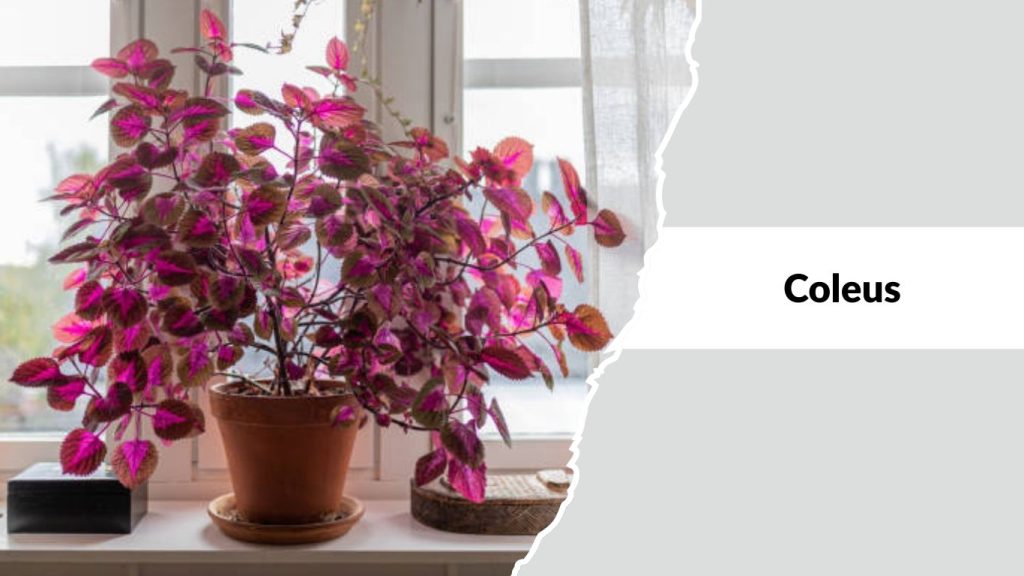
Coleus (Plectranthus scutellarioides) is a vibrant foliage plant known for its colorful and patterned leaves. It grows very easily in water, especially from stem cuttings, making it a popular choice for propagation and decorative water containers. Its striking colors add instant visual interest to indoor spaces.
Identification
- Scientific name: Plectranthus scutellarioides
- Common names: Coleus
- Plant type: Tender perennial
- Growth habit: Upright and bushy
- Leaf shape: Oval with serrated edges
- Leaf color: Red, purple, pink, green, yellow (variegated)
- Typical height: 1–3 feet indoors
Water Growth Habit
Coleus roots quickly in water when cuttings are placed with nodes submerged. It can continue growing in water if the water is changed regularly.
Light Requirements
It prefers bright, indirect light to maintain vibrant leaf color. Low light may cause colors to fade, while direct sunlight can scorch the leaves.
Basic Care Tips
Replace the water every few days to a week. Pinch back stems occasionally to encourage bushier growth and remove any faded leaves.
9. Begonia
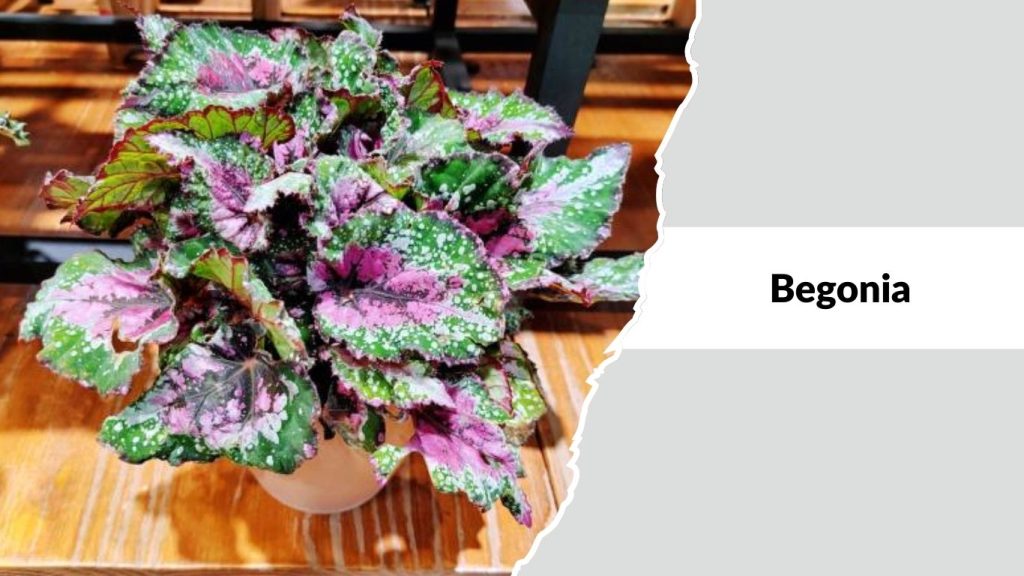
Begonia is a popular ornamental plant valued for its decorative leaves and delicate flowers. Many begonia varieties grow well in water, especially when propagated from stem cuttings. Its compact size and attractive foliage make it suitable for tabletops and indoor displays.
Identification
- Scientific name: Begonia spp.
- Common names: Begonia
- Plant type: Perennial (varies by species)
- Growth habit: Bushy or trailing
- Leaf shape: Asymmetrical, oval or heart-shaped
- Leaf color: Green, bronze, or patterned
- Flower color: Pink, red, white, or yellow
- Typical height: 6–18 inches
Water Growth Habit
Begonia cuts roots easily in water when nodes are submerged. With clean water and proper care, they can survive and grow in water for extended periods.
Light Requirements
Begonias prefer bright, indirect light. Too much direct sunlight can damage leaves, while insufficient light may reduce flowering.
Basic Care Tips
Change the water every week and keep the container clean. Remove decaying leaves promptly to prevent rot and maintain plant health.
10. Wandering Jew
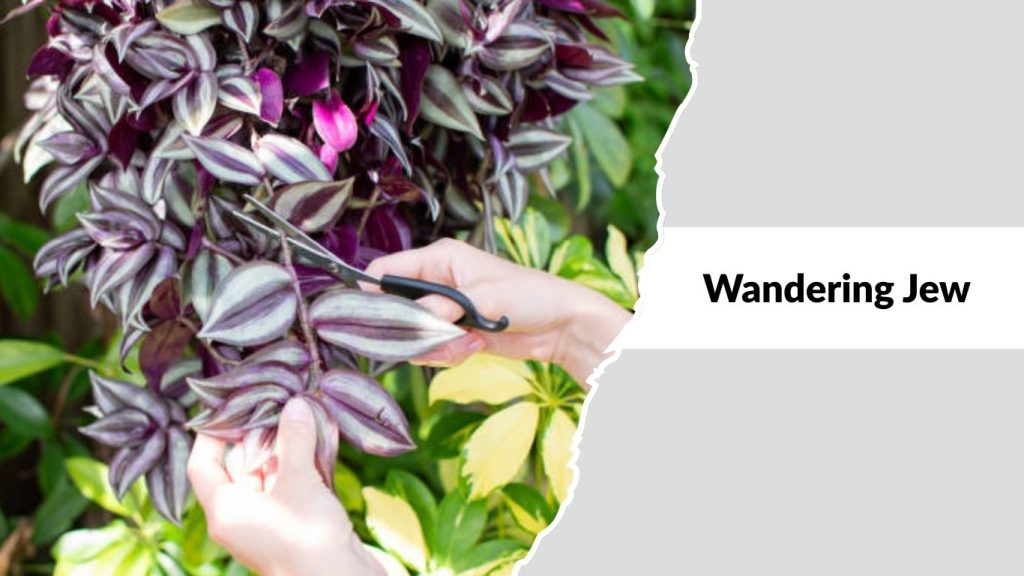
Wandering Jew (Tradescantia zebrina) is a fast-growing trailing plant known for its purple and silver-striped leaves. It grows exceptionally well in water and is one of the easiest plants to propagate. Because of its vibrant color and cascading habit, it is commonly used in hanging or tabletop water displays.
Identification
- Scientific name: Tradescantia zebrina
- Common names: Wandering Jew, Inch Plant
- Plant type: Perennial groundcover
- Growth habit: Trailing
- Leaf shape: Oval with pointed tips
- Leaf color: Purple, green, and silver stripes
- Typical length: 6–12 feet indoors
Water Growth Habit
Wandering Jew roots very quickly in water when stem nodes are submerged. It can continue growing in water long-term if the water is refreshed regularly.
Light Requirements
It prefers bright, indirect light to maintain strong coloration. Low light may cause fading, while direct sunlight can scorch the leaves.
Basic Care Tips
Change the water weekly and trim long stems to encourage fuller growth. Remove yellowing leaves to keep the plant healthy and vibrant.
11. Syngonium
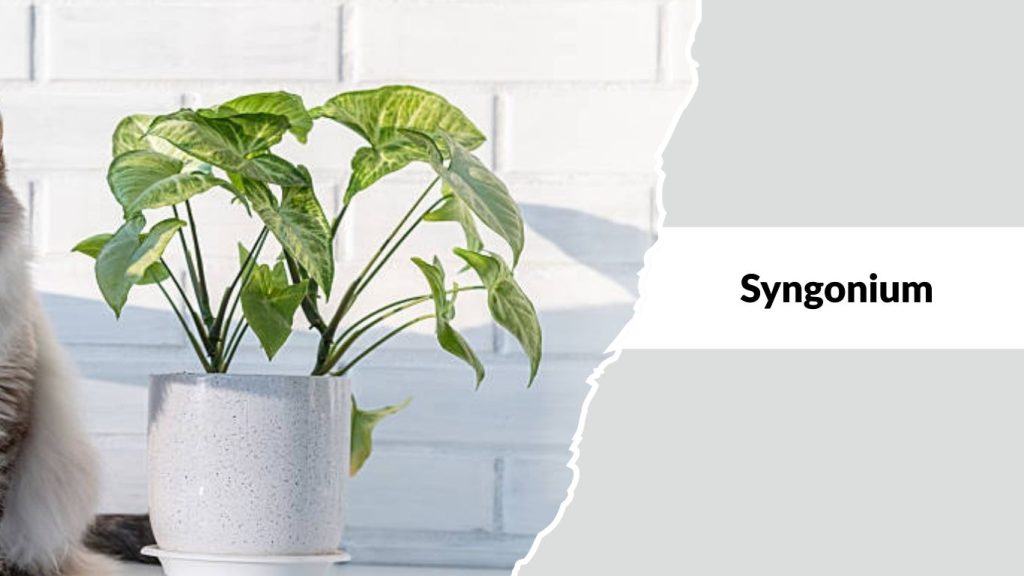
Syngonium (Syngonium podophyllum), also known as Arrowhead Plant, is a versatile indoor plant with attractive arrow-shaped leaves. It adapts very well to growing in water and is commonly displayed in glass containers. Its soft foliage and trailing habit make it a popular choice for modern indoor décor.
Identification
- Scientific name: Syngonium podophyllum
- Common names: Syngonium, Arrowhead Plant
- Plant type: Tropical perennial
- Growth habit: Trailing or climbing
- Leaf shape: Arrow-shaped, becoming lobed with maturity
- Leaf color: Green, white, pink, or variegated
- Typical length: 3–6 feet indoors
Water Growth Habit
Syngonium grows easily in water when stem nodes are submerged. Roots develop quickly, and the plant can thrive long-term with clean, regularly changed water.
Light Requirements
It prefers bright, indirect light but tolerates low-light conditions. Direct sunlight can damage leaves and fade coloration.
Basic Care Tips
Refresh the water every one to two weeks and clean the roots occasionally. Pruning helps maintain shape and encourages healthy new growth.
12. Monstera
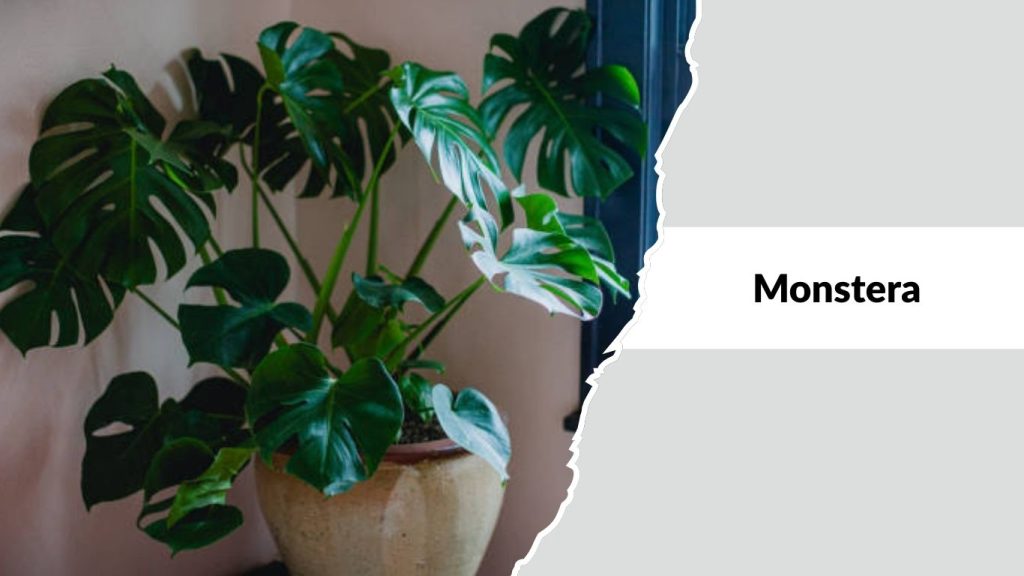
Monstera (Monstera deliciosa) is a bold, tropical plant famous for its large, split leaves. It grows well in water, especially when propagated from stem cuttings with visible nodes. Monstera adds a dramatic, modern look to interiors and is often grown in glass vases for decorative appeal.
Identification
- Scientific name: Monstera deliciosa
- Common names: Monstera, Swiss Cheese Plant
- Plant type: Tropical perennial
- Growth habit: Climbing or trailing
- Leaf shape: Large, heart-shaped with natural splits
- Leaf color: Deep green
- Typical height: 3–6 feet indoors
Water Growth Habit
Monstera cuttings grow successfully in water when nodes and aerial roots are submerged. With regular water changes, the plant can continue growing in water for long periods.
Light Requirements
It prefers bright, indirect light but tolerates medium light. Direct sunlight can scorch the leaves.
Basic Care Tips
Change the water every one to two weeks and rinse the roots gently. Provide support if the plant begins to climb and trim damaged leaves as needed.
13. Dieffenbachia

Dieffenbachia, commonly known as Dumb Cane, is a striking indoor plant with large, patterned leaves. It can grow in water when started from healthy stem cuttings and is often used in decorative containers. Its bold foliage makes it a popular choice for homes and offices.
Identification
- Scientific name: Dieffenbachia spp.
- Common names: Dieffenbachia, Dumb Cane
- Plant type: Tropical perennial
- Growth habit: Upright, cane-like
- Leaf shape: Large, oval to oblong
- Leaf color: Green with cream or yellow patterns
- Typical height: 3–6 feet indoors
Water Growth Habit
Dieffenbachia can grow in water with the lower stem and roots submerged. Regular water changes are important to prevent rot and maintain healthy growth.
Light Requirements
It prefers bright, indirect light but adapts to medium light. Direct sunlight may scorch the leaves.
Basic Care Tips
Change the water every one to two weeks and clean the container. Remove yellowing leaves and handle the plant carefully, as its sap can be irritating.
14. Mint
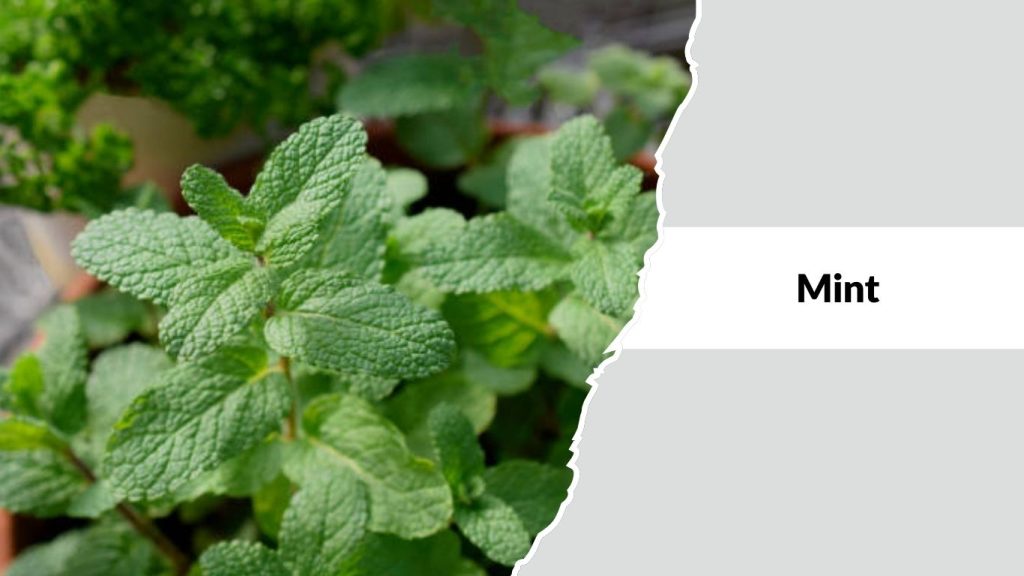
Mint (Mentha) is a fragrant, fast-growing herb that thrives in water when grown from cuttings. It is commonly placed on kitchen windowsills in jars or glasses, providing fresh leaves for culinary use. Mint’s vigorous growth and refreshing aroma make it both practical and decorative.
Identification
- Scientific name: Mentha spp.
- Common names: Mint, Spearmint, Peppermint
- Plant type: Perennial herb
- Growth habit: Spreading
- Leaf shape: Oval with serrated edges
- Leaf color: Bright green
- Typical height: 12–24 inches
Water Growth Habit
Mint grows quickly in water when stem nodes are submerged. It can live long-term in water if refreshed frequently to keep roots healthy.
Light Requirements
It prefers bright, indirect light or gentle morning sun. Low light may slow growth, while strong direct sunlight can stress the plant.
Basic Care Tips
Change the water every few days and trim stems regularly to encourage bushy growth. Remove any yellowing leaves to keep the plant fresh.
15. Basil
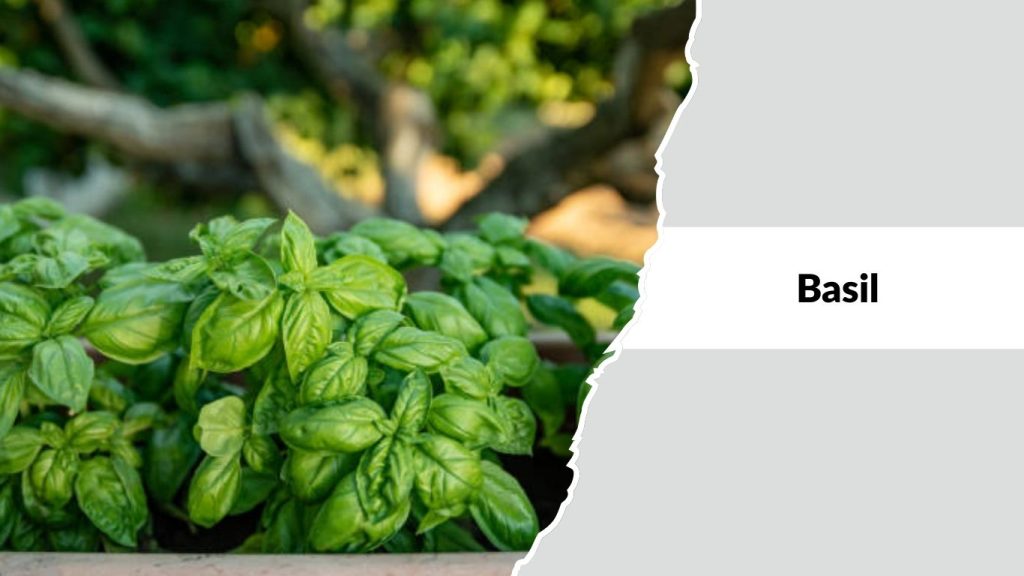
Basil (Ocimum basilicum) is a popular culinary herb that grows well in water, especially from fresh cuttings. It is often kept in jars on kitchen counters or windowsills for easy access. Basil’s fragrant leaves and rapid growth make it an excellent plant for water cultivation.
Identification
- Scientific name: Ocimum basilicum
- Common names: Basil, Sweet Basil
- Plant type: Annual herb
- Growth habit: Upright and bushy
- Leaf shape: Oval, smooth-edged
- Leaf color: Bright green
- Typical height: 12–24 inches
Water Growth Habit
Basil roots easily in water when stem nodes are submerged. It can continue growing in water if the water is changed frequently and kept clean.
Light Requirements
It prefers bright light, including a few hours of gentle sunlight daily. Insufficient light may cause weak growth.
Basic Care Tips
Change the water every two to three days and pinch off flower buds to promote leaf production. Harvest regularly to keep the plant healthy.
16. Rosemary
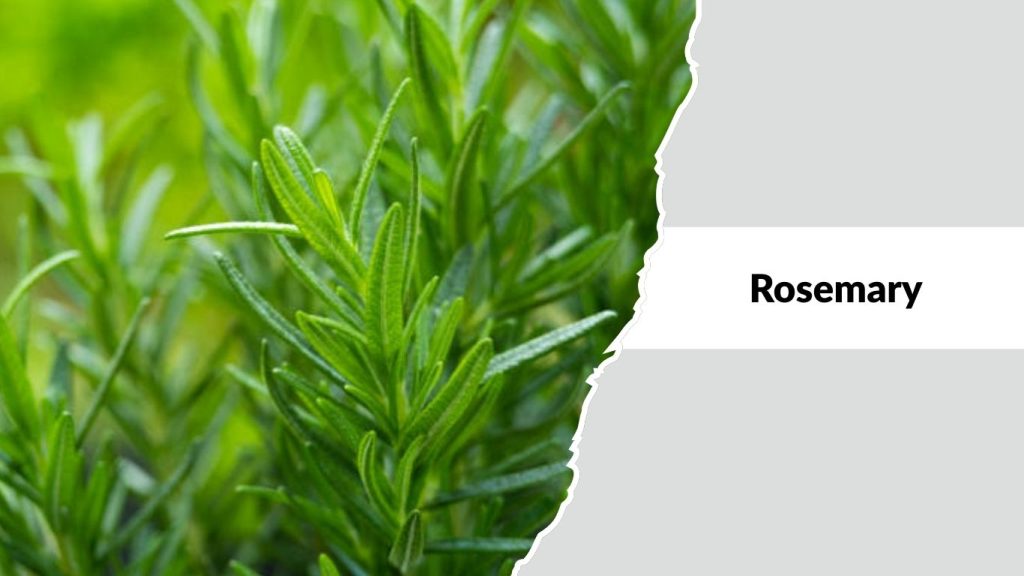
Rosemary (Salvia rosmarinus) is a woody, aromatic herb that can grow in water during its early stages, especially from fresh cuttings. While it prefers soil long-term, rosemary can thrive in water for extended periods when properly maintained. Its needle-like leaves and pleasant fragrance make it a favorite for kitchens.
Identification
- Scientific name: Salvia rosmarinus
- Common names: Rosemary
- Plant type: Perennial herb
- Growth habit: Upright, woody stems
- Leaf shape: Narrow, needle-like
- Leaf color: Dark green
- Typical height: 1–3 feet
Water Growth Habit
Rosemary cuttings root slowly in water compared to softer herbs. Clean water and patience are essential for successful water growth.
Light Requirements
It prefers bright light and some direct sunlight. Low light may result in weak or leggy growth.
Basic Care Tips
Change the water every few days and remove any submerged leaves to prevent rot. Once roots are well developed, the plant can be transferred to soil if desired.
17. Oregano
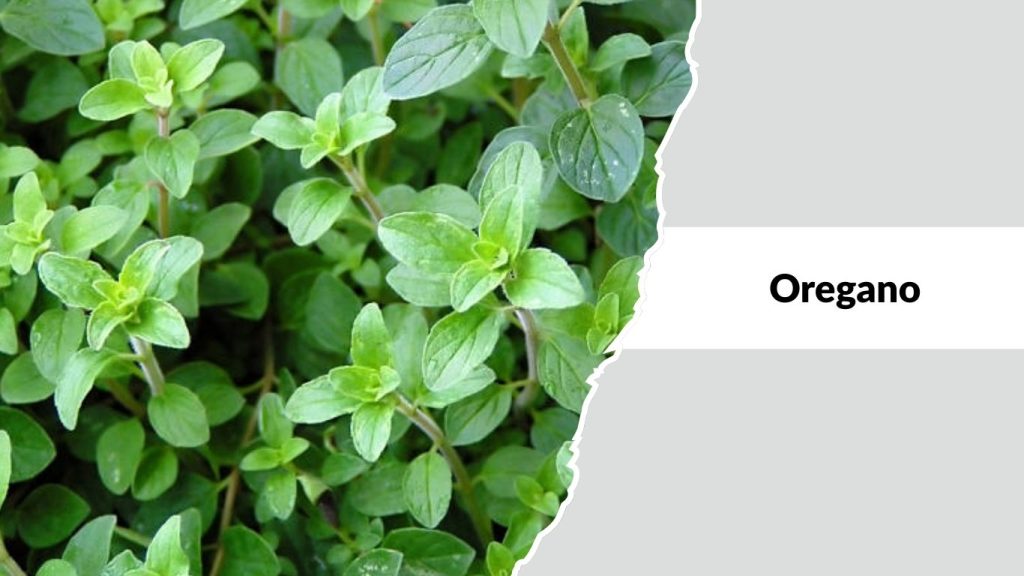
Oregano (Origanum vulgare) is a flavorful culinary herb that adapts well to growing in water from stem cuttings. It is easy to maintain indoors and is often kept in small jars near kitchen windows. Oregano’s compact growth and aromatic leaves make it both useful and attractive.
Identification
- Scientific name: Origanum vulgare
- Common names: Oregano, Wild Marjoram
- Plant type: Perennial herb
- Growth habit: Low-growing, spreading
- Leaf shape: Small, oval
- Leaf color: Medium green
- Typical height: 12–24 inches
Water Growth Habit
Oregano roots readily in water when healthy cuttings are used. It can remain in water long-term with frequent water changes.
Light Requirements
It prefers bright light, including some direct sunlight. Low light may reduce leaf flavor and slow growth.
Basic Care Tips
Change the water every few days and trim stems regularly to encourage bushy growth. Remove any yellow or damaged leaves promptly.
18. Water Hyacinth
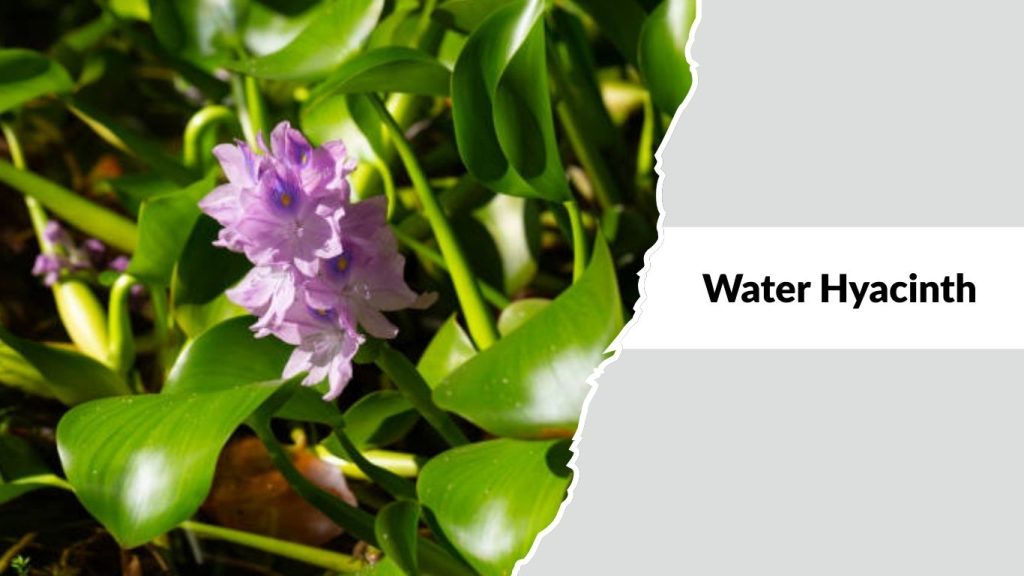
Water Hyacinth (Eichhornia crassipes) is a free-floating aquatic plant known for its glossy leaves and beautiful lavender flowers. Unlike many houseplants grown in water, it naturally lives in water and thrives in ponds, aquariums, and water gardens. Its rapid growth and ornamental appeal make it a standout aquatic plant.
Identification
- Scientific name: Eichhornia crassipes
- Common names: Water Hyacinth
- Plant type: Floating aquatic perennial
- Growth habit: Free-floating
- Leaf shape: Rounded, thick, glossy
- Leaf color: Bright green
- Flower color: Lavender to violet
- Typical height: 1–3 feet above water
Water Growth Habit
Water Hyacinth floats freely on the water surface, with roots hanging below to absorb nutrients directly from the water. It does not require soil at any stage.
Light Requirements
It prefers full sun to partial sun for optimal growth and flowering. Insufficient light may limit bloom production.
Basic Care Tips
Ensure clean, nutrient-rich water and adequate space, as the plant spreads quickly. Remove excess plants regularly to prevent overcrowding.
19. Water Lettuce
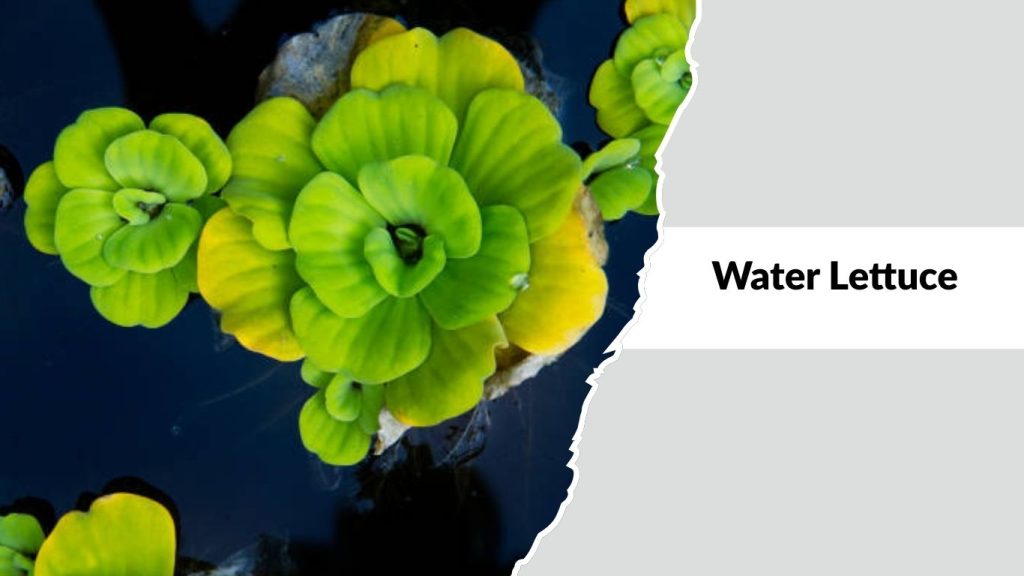
Water Lettuce (Pistia stratiotes) is a floating aquatic plant recognized by its soft, velvety leaves that form a rosette shape. It naturally grows on the surface of still or slow-moving water and is commonly used in ponds and aquariums. Its unique texture and floating habit make it visually appealing.
Identification
- Scientific name: Pistia stratiotes
- Common names: Water Lettuce
- Plant type: Floating aquatic perennial
- Growth habit: Rosette-forming, free-floating
- Leaf shape: Broad, ribbed, and fuzzy
- Leaf color: Light green
- Typical size: 4–6 inches wide
Water Growth Habit
Water Lettuce floats on the water surface with long, feathery roots extending below. It absorbs nutrients directly from the water and does not need soil.
Light Requirements
It prefers bright light to full sun. Low light conditions may slow growth and reduce plant size.
Basic Care Tips
Maintain clean water and remove excess plants to avoid overcrowding. Protect from cold temperatures, as it is sensitive to frost.
20. Duckweed
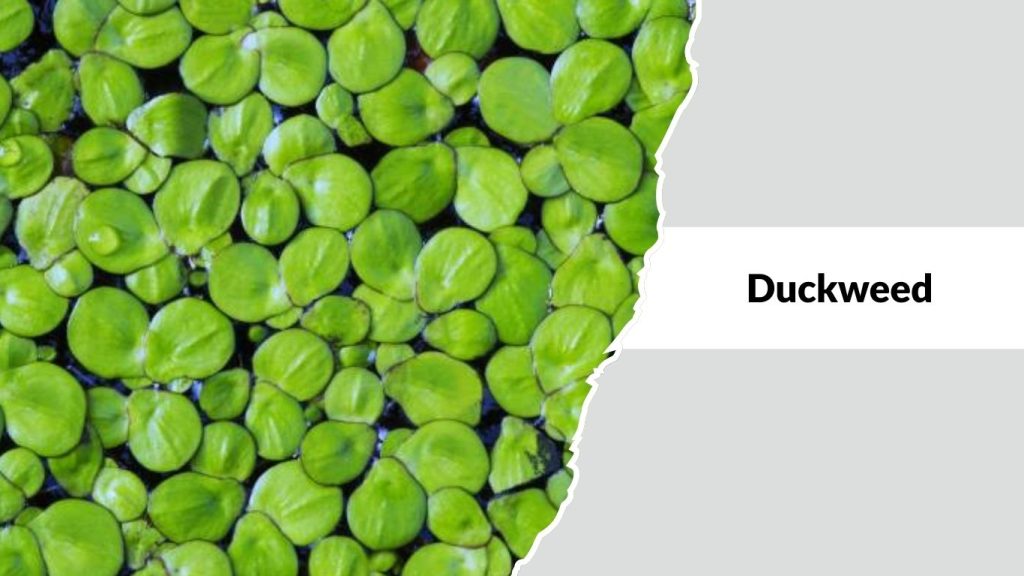
Duckweed (Lemna spp.) is one of the smallest flowering plants in the world and naturally grows on the surface of still water. It forms a green carpet across ponds and aquariums and plays an important role in aquatic ecosystems. Its simple structure and rapid reproduction make it unique among water-growing plants.
Identification
- Scientific name: Lemna spp.
- Common names: Duckweed
- Plant type: Floating aquatic plant
- Growth habit: Free-floating
- Leaf shape: Tiny, round to oval fronds
- Leaf color: Bright green
- Typical size: 1–5 mm per frond
Water Growth Habit
Duckweed floats freely on the water surface and absorbs nutrients directly from the water. It reproduces rapidly through division, covering water surfaces quickly.
Light Requirements
It grows best in bright light to full sun. Low light may slow its growth and reduce coverage.
Basic Care Tips
Thin the plants regularly to prevent excessive coverage. Keep water clean and avoid overcrowding to maintain a healthy aquatic environment.
FAQs
Can plants really grow without soil?
Yes, many plants can grow without soil by absorbing nutrients directly from water. These plants rely on their roots to take in oxygen and dissolved nutrients instead of minerals from soil.
Do water-grown plants need fertilizer?
Most water-grown plants benefit from occasional liquid fertilizer, especially non-aquatic houseplants. Aquatic plants in ponds may get enough nutrients naturally, but indoor plants usually need supplementation.
How often should water be changed for plants grown in water?
For indoor plants grown in containers, water should generally be changed every 1–2 weeks. Herbs and fast-growing plants may need more frequent changes to prevent root rot and odor.
Can water-grown plants live permanently in water?
Some plants, especially aquatic plants like duckweed and water hyacinth, can live permanently in water. Many houseplants can survive long-term in water but may grow slower than in soil.
What type of water is best for growing plants?
Clean, chlorine-free water is best. If using tap water, letting it sit for 12–24 hours before use helps chlorine evaporate, making it safer for plant roots.
Do water-grown plants need sunlight?
Yes, light is essential. Most water-grown plants prefer bright, indirect light, while aquatic plants often need direct sunlight to grow and reproduce well.