





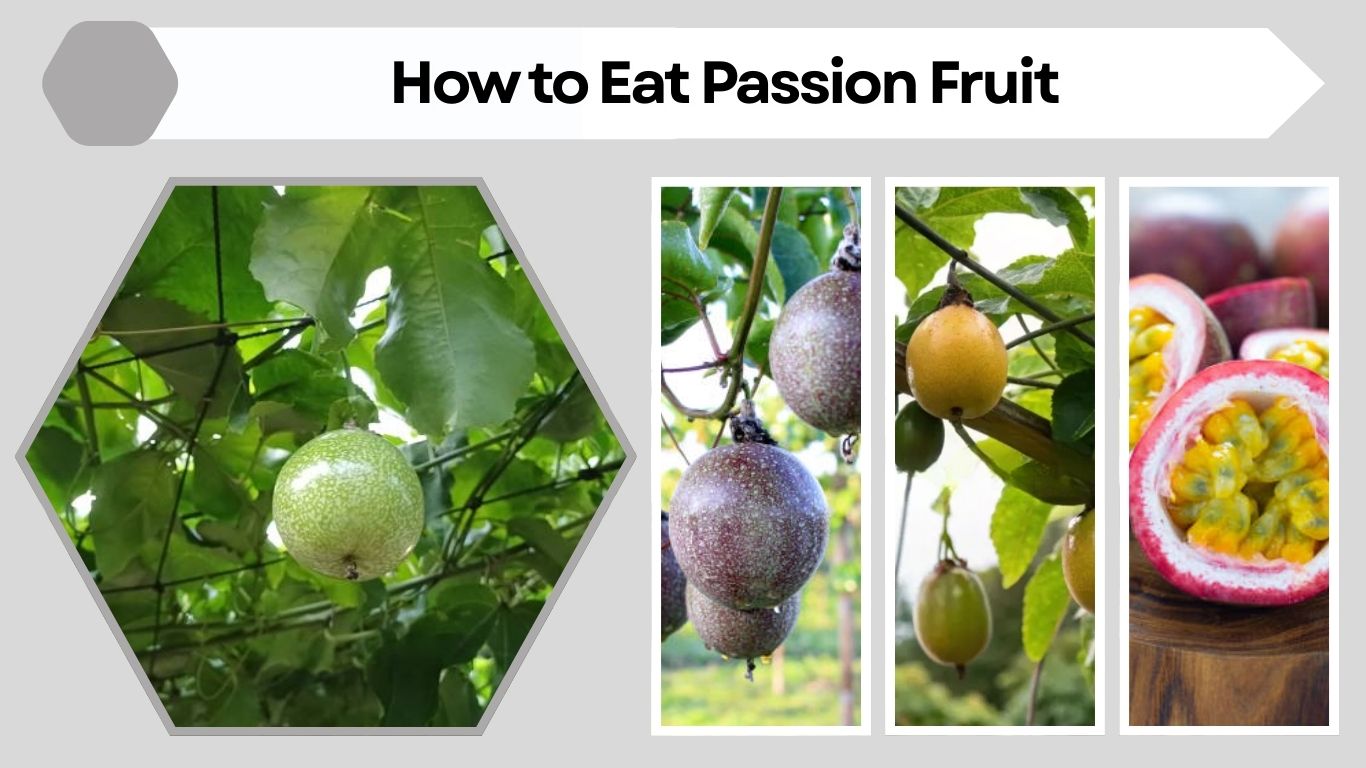
Passion fruit may look small and simple on the outside, but many people feel confused when it comes to eating it. With its thick shell, jelly-like pulp, and crunchy seeds, it’s not immediately obvious what parts are edible or how to prepare it. The good news is that passion fruit is one of the easiest fruits to enjoy once you know the basics. In this guide, you’ll learn what passion fruit is, how to choose a ripe one, how to cut it properly, and the best ways to eat it step by step.
What Is Passion Fruit?
Passion fruit is a tropical fruit known for its bold aroma and tangy-sweet flavor. It grows on a vine and is commonly found in warm regions such as South America, Australia, Africa, and parts of Asia. The fruit has a hard outer shell (rind) and a soft, juicy interior filled with seeds surrounded by bright pulp.
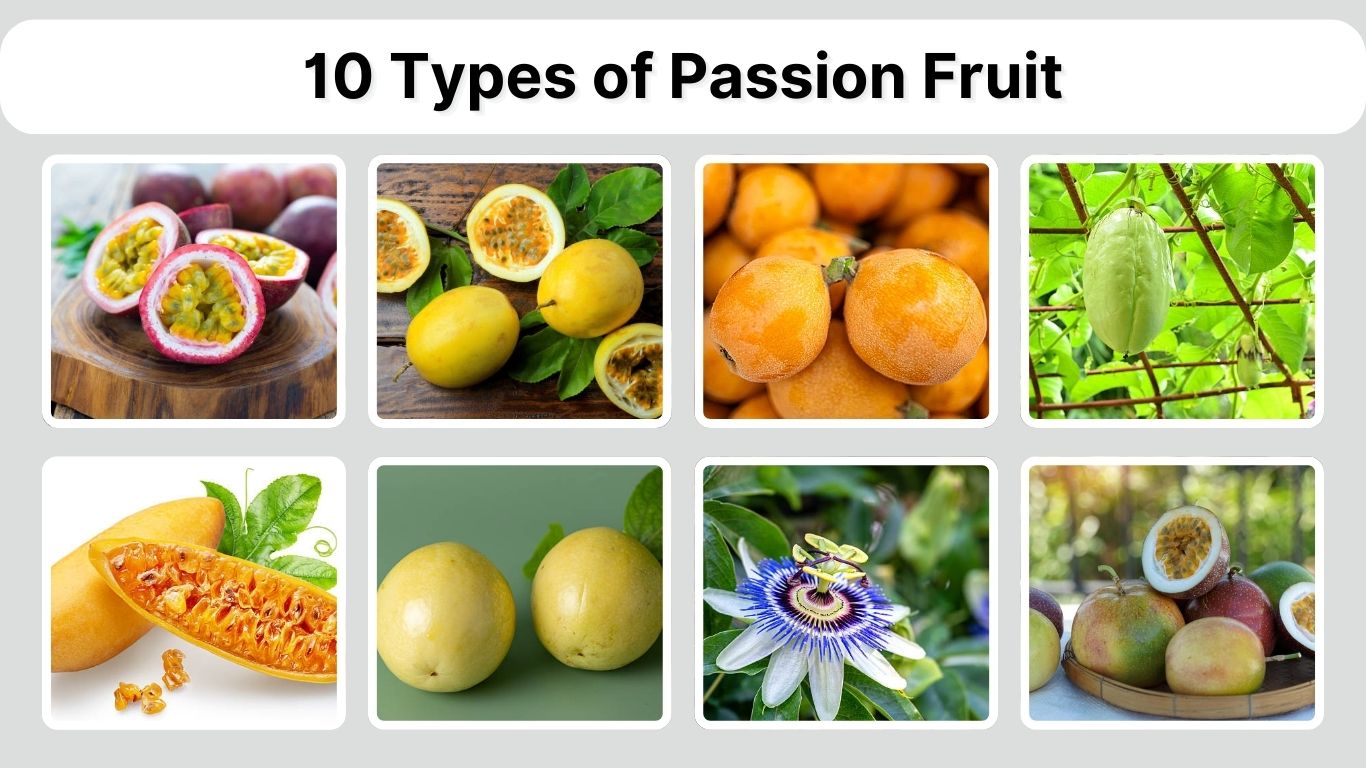
There are two common varieties of passion fruit: purple passion fruit and yellow passion fruit. Purple passion fruit is smaller, sweeter, and more commonly eaten fresh, while yellow passion fruit is larger and often used for juice because of its stronger tartness. Both varieties are eaten in similar ways.
What Does Passion Fruit Taste Like?
Passion fruit has a unique flavor that is hard to compare to other fruits. It is a mix of sweet and tart with a tropical, slightly citrusy taste. Some people describe it as refreshing and aromatic, while others find it pleasantly sharp. The pulp has a jelly-like texture, and the seeds add a crunchy contrast. When fully ripe, passion fruit tastes sweeter and less acidic than unripe fruit.
How to Choose a Ripe Passion Fruit
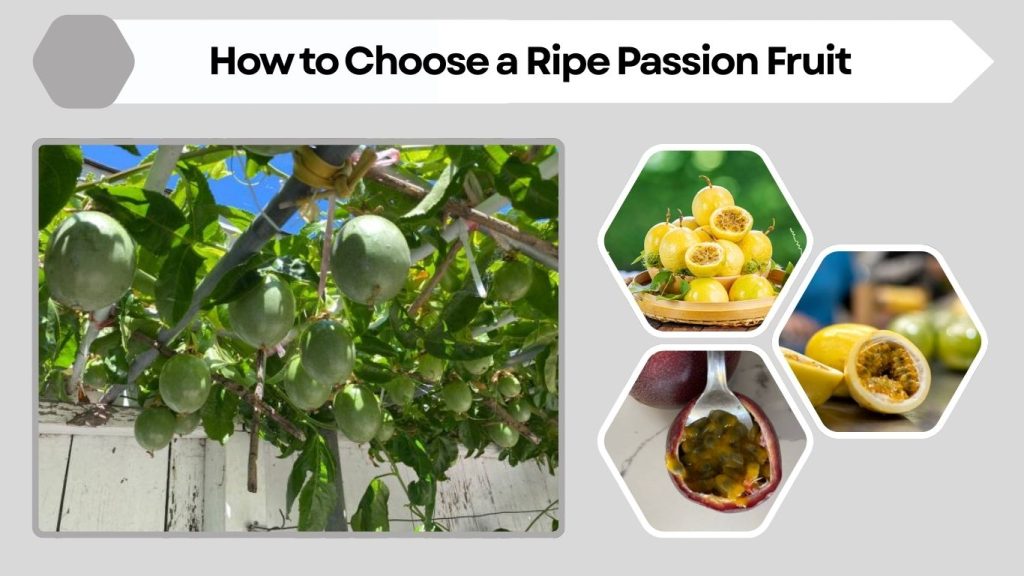
Choosing a ripe passion fruit makes a big difference in taste and enjoyment. Many beginners mistakenly pick smooth fruits, but appearance alone can be misleading.
Visual Signs of a Ripe Passion Fruit
A ripe passion fruit usually has wrinkled or dimpled skin. While wrinkles might suggest spoilage in other fruits, they are actually a sign of ripeness in passion fruit. The color should be deep purple or bright yellow, depending on the variety. Avoid fruits with green patches, as these are often unripe.
Touch and Weight Test
Pick up the fruit and feel its weight. A good passion fruit should feel heavy for its size, which indicates plenty of juicy pulp inside. It should be firm but not rock hard. If it feels very light, it may be dried out inside.
Signs of an Unripe or Overripe Passion Fruit
Unripe passion fruit usually has smooth skin, little aroma, and very sour pulp. Overripe fruit may have mold, leaking juice, or a strong fermented smell. If you notice visible mold or an unpleasant odor, it’s best to discard the fruit.
What You Need Before Eating Passion Fruit

Eating passion fruit doesn’t require special tools, but having a few basics ready makes the process easier:
- A small sharp knife
- A cutting board
- A spoon
- A bowl (optional, if you don’t want to eat directly from the shell)
How to Cut and Open Passion Fruit (Step-by-Step)
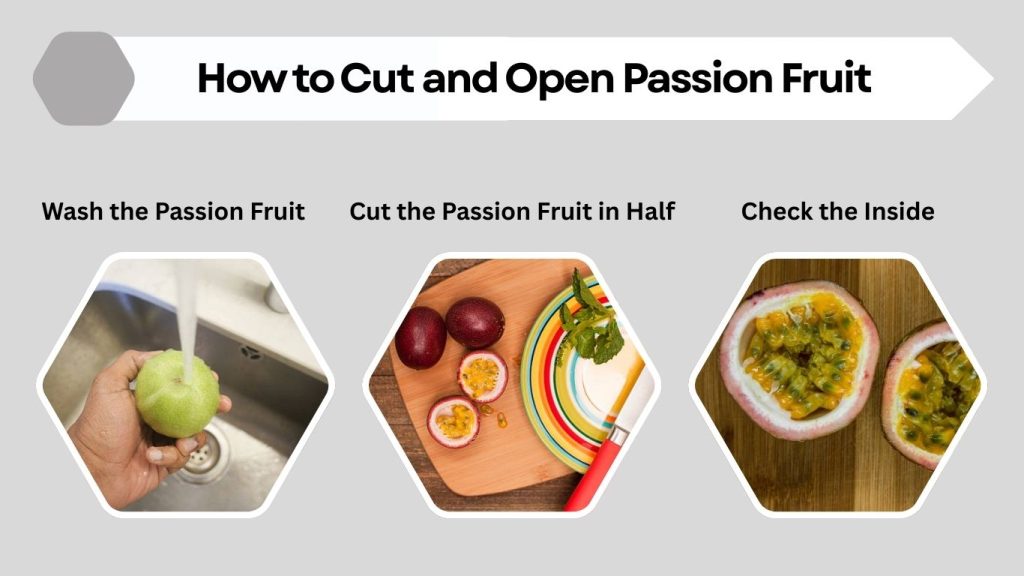
Opening passion fruit is simple and quick, even for first-time eaters.
Step 1 – Wash the Passion Fruit
Rinse the fruit under clean running water and dry it with a paper towel. Even though you won’t eat the skin, washing helps prevent dirt or bacteria from transferring to the pulp when cutting.
Step 2 – Cut the Passion Fruit in Half
Place the fruit on a cutting board and hold it steady. Using a sharp knife, slice the fruit across the middle, not lengthwise. The shell is firm but easy to cut through with gentle pressure.
Step 3 – Check the Inside
Once opened, you should see glossy, seed-filled pulp. Healthy pulp looks bright yellow or orange and smells fresh and fruity. If the inside looks extremely dark, dry, or moldy, discard the fruit.
How to Eat Passion Fruit
After opening the fruit, you can eat it in several simple ways, depending on your preference.
Eat It Raw with a Spoon
The most common way to eat passion fruit is to scoop the pulp directly from the shell using a spoon. You can eat it plain to enjoy its natural flavor or transfer the pulp to a bowl. This method preserves the full taste and texture of the fruit.
Can You Eat Passion Fruit Seeds?
Yes, passion fruit seeds are completely edible. They are crunchy and slightly bitter, but most people enjoy the contrast they add to the soft pulp. If you dislike the texture, you can strain the pulp to remove the seeds, but this is optional.
Should You Sweeten Passion Fruit?
Passion fruit naturally has a tart flavor, especially if it is slightly underripe. Some people enjoy this sharp taste, while others prefer it sweeter. If the fruit tastes too sour for you, adding a small amount of sweetener can help balance the flavor. Natural options like honey, maple syrup, or a sprinkle of sugar work well. It’s best to mix the sweetener into the pulp rather than pouring it on top, so the flavor stays evenly balanced.
Can You Eat the Skin of Passion Fruit?
The outer skin, or rind, of passion fruit is generally not eaten raw. It is thick, tough, and bitter, making it unpleasant to chew. Most people discard the shell after scooping out the pulp. In some cultures, the peel is cooked, candied, or used in jams, but this requires special preparation. For beginners, it’s safest and most enjoyable to stick to eating only the pulp and seeds.
Easy Ways to Use Passion Fruit Pulp

Passion fruit is very versatile and can be used in many dishes beyond eating it straight from the shell.
Passion Fruit for Breakfast
Adding passion fruit pulp to breakfast foods is a great way to brighten your morning. You can spoon it over yogurt, oatmeal, or chia pudding. Its tangy flavor pairs well with creamy textures and adds a refreshing contrast.
Drinks and Beverages
Passion fruit pulp is commonly used in drinks. You can mix it with water and a bit of sweetener to make fresh juice, or blend it into smoothies with banana, mango, or pineapple. It also works well in lemonade, iced tea, and mocktails for a tropical twist.
Desserts and Sweet Dishes
Passion fruit is popular in desserts because of its strong flavor. It can be used as a topping for cheesecake, ice cream, pancakes, or waffles. The pulp also works well in sorbets, mousses, and fruit salads, where its acidity helps balance sweetness.
Savory Uses
Although less common, passion fruit can be used in savory dishes. The pulp can be turned into salad dressings, sauces, or glazes for chicken and fish. Its tangy taste adds depth and brightness to savory meals.
Health Benefits of Passion Fruit
Passion fruit is not only tasty but also nutritious. It contains vitamins, minerals, and plant compounds that support overall health.
Vitamins and Antioxidants
Passion fruit is a good source of vitamin C, which supports the immune system and helps protect cells from damage. It also contains antioxidants that help fight oxidative stress in the body.
Fiber and Digestive Health
The seeds and pulp of passion fruit provide dietary fiber, which supports digestion and helps you feel full longer. Fiber can also help regulate blood sugar levels when eaten as part of a balanced diet.
How Many Passion Fruits Should You Eat Per Day?
Most people can safely enjoy one to two passion fruits per day. While the fruit is healthy, it is also acidic, so eating too much at once may cause discomfort for people with sensitive stomachs. Moderation helps you enjoy the benefits without irritation.
How to Store Passion Fruit Properly
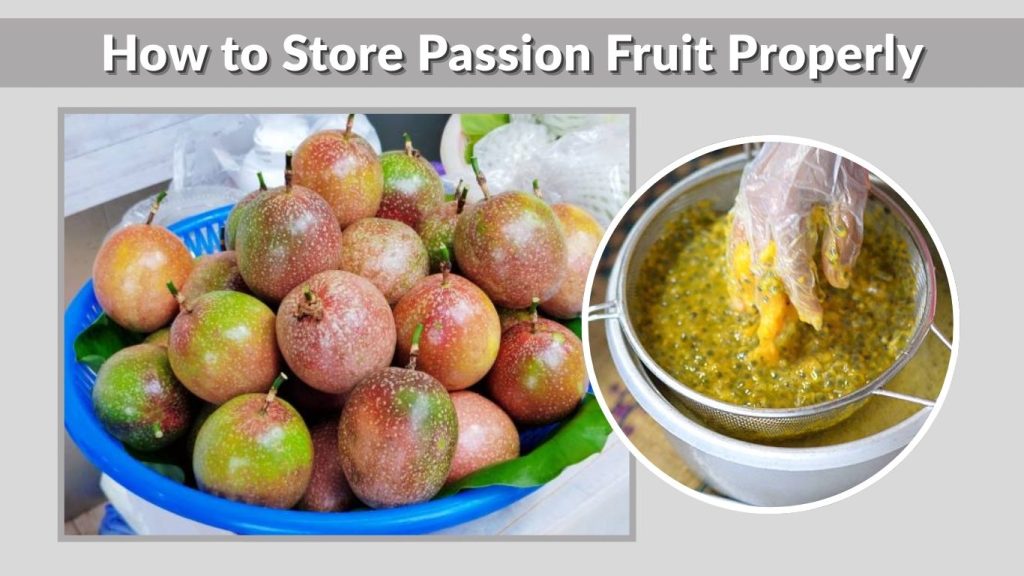
Proper storage helps maintain flavor and freshness.
Storing Whole Passion Fruit
Unripe passion fruit can be kept at room temperature until it wrinkles and ripens. Once ripe, storing it in the refrigerator can extend its shelf life for several days.
Storing Passion Fruit Pulp
If you scoop out the pulp and don’t plan to use it immediately, store it in an airtight container in the refrigerator. For longer storage, passion fruit pulp can be frozen in small portions, such as ice cube trays.
Common Mistakes When Eating Passion Fruit
One common mistake is throwing away wrinkled fruit, which is often the sweetest. Another is eating the fruit before it is fully ripe, resulting in a very sour taste. Always check the inside before eating and avoid fruit with mold or a strong fermented smell.
FAQs
Is passion fruit too acidic for sensitive stomachs?
Some people may find it acidic. Eating smaller portions or mixing it with other foods can help.
Can children eat passion fruit?
Yes, children can eat passion fruit, but supervision is recommended due to the seeds.
Can you eat passion fruit every day?
Yes, in moderation, passion fruit can be part of a healthy daily diet.
Why is my passion fruit sour?
Sour taste usually means the fruit is unripe or not fully sweetened.
How do you make passion fruit juice at home?
Scoop the pulp, mix with water, strain if desired, and sweeten to taste.
Conclusion
Passion fruit may seem confusing at first, but once you understand how to choose, cut, and eat it, the process becomes simple and enjoyable. Whether eaten fresh with a spoon, added to drinks, or used in recipes, passion fruit offers a bold flavor and valuable nutrients. By selecting ripe fruit and storing it properly, you can enjoy this tropical favorite in many delicious ways.