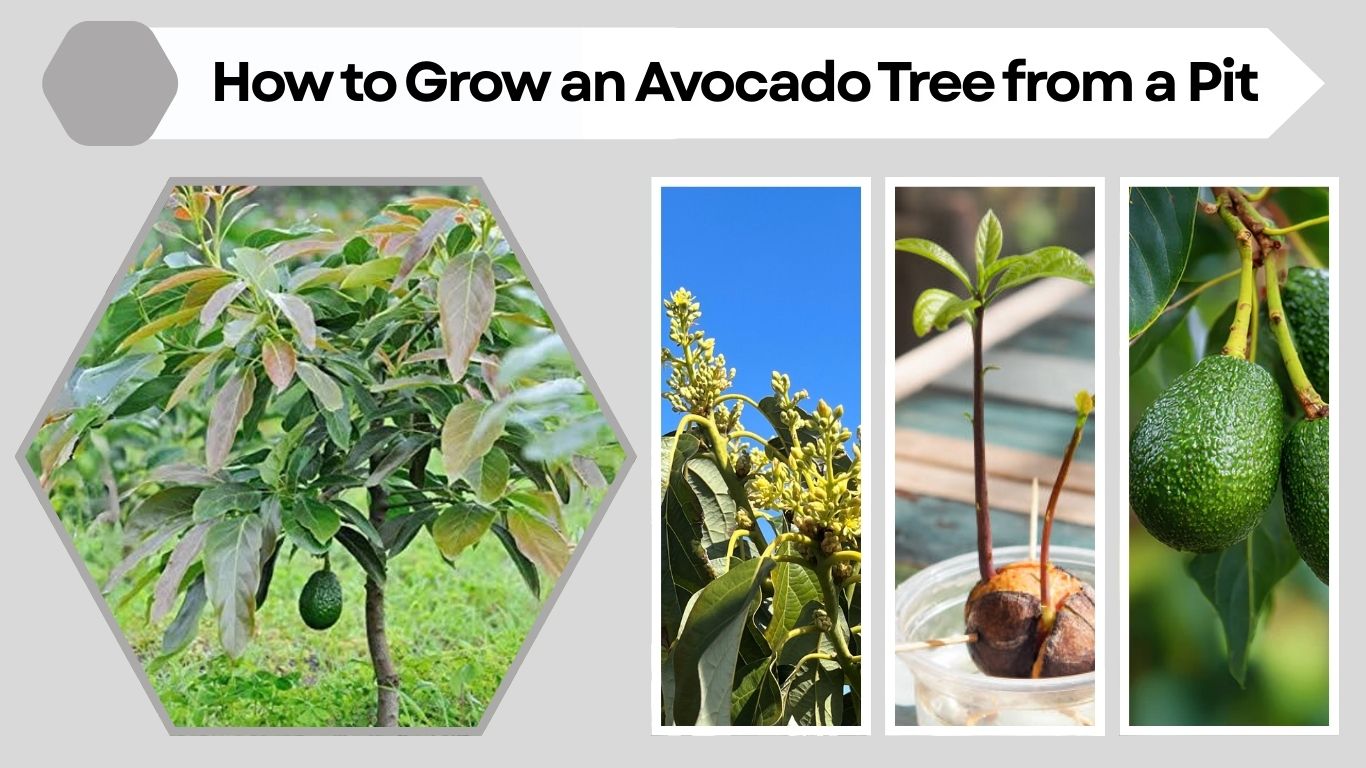


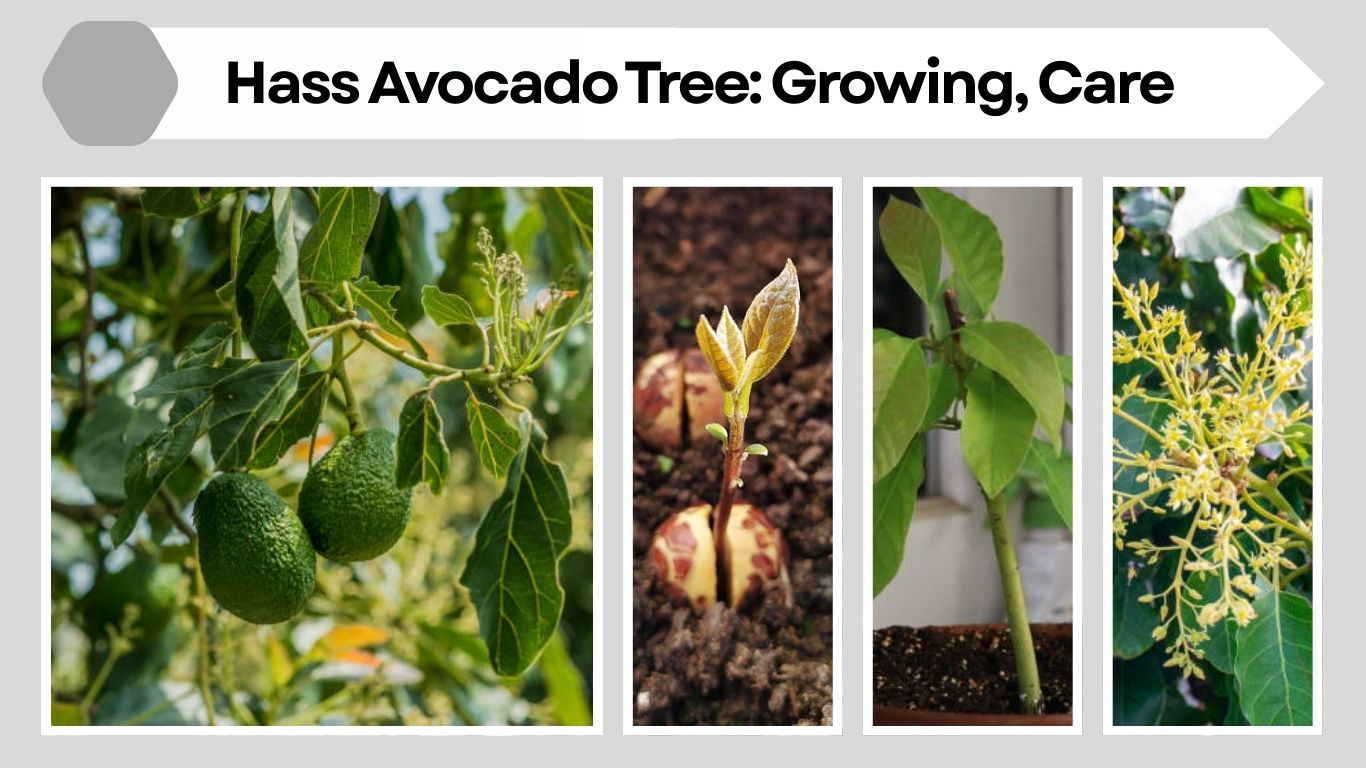
The Hass avocado tree is the most widely grown and recognized avocado variety in the world, valued for its rich flavor, creamy texture, and year-round availability. Whether you’re a home gardener or a fruit enthusiast, growing a Hass avocado tree can be both rewarding and productive when done correctly. From understanding the right climate to proper planting and care, this guide covers everything you need to know to grow a healthy Hass avocado tree. With the right conditions, patience, and maintenance, your tree can thrive and eventually produce delicious avocados at home.
What Is a Hass Avocado Tree?
The Hass avocado tree (Persea americana) originated in California in the early 20th century and quickly became the dominant avocado variety worldwide. Unlike smooth-skinned avocados, Hass avocados have thick, pebbly skin that darkens as the fruit ripens. The tree itself is evergreen, with glossy green leaves and a dense canopy.
A mature Hass avocado tree can grow between 15 and 30 feet tall, depending on pruning and growing conditions. It has a long lifespan and, when properly cared for, can produce fruit for decades. The popularity of the Hass variety comes from its consistent quality, high oil content, and excellent shelf life.
How to Grow a Hass Avocado Tree
Growing From Seed vs Grafted Tree
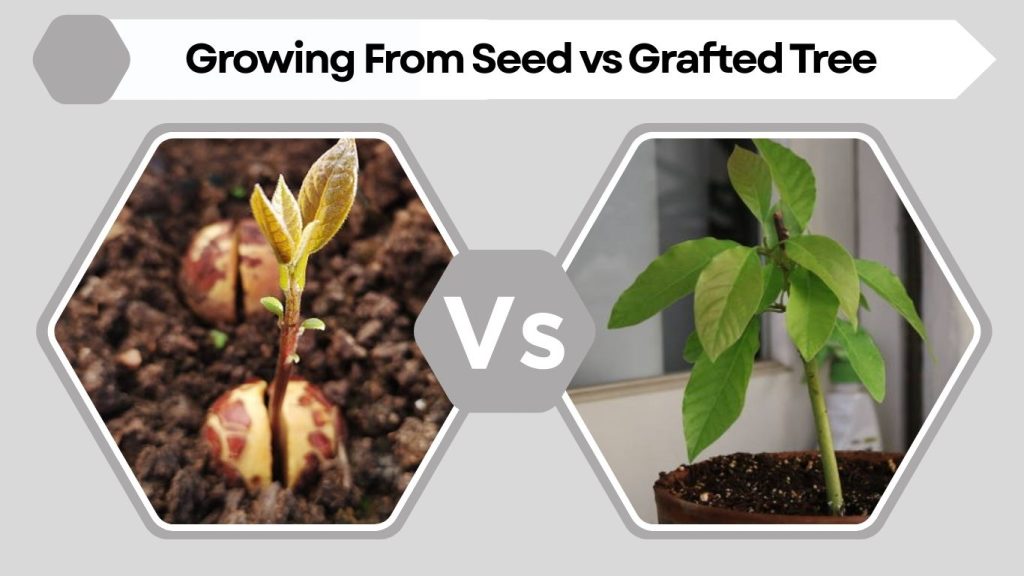
Hass avocado trees can be grown from seed, but seed-grown trees are unpredictable. They may take 8 to 12 years to produce fruit and often do not yield true Hass avocados. Growing from seed is best suited for ornamental purposes or learning projects.
Grafted Hass avocado trees are the preferred choice for home growers. These trees typically begin producing fruit within 3 to 5 years and deliver consistent fruit quality. Grafting also improves disease resistance and overall tree performance, making it the most reliable option for successful avocado production.
Climate and Temperature Requirements
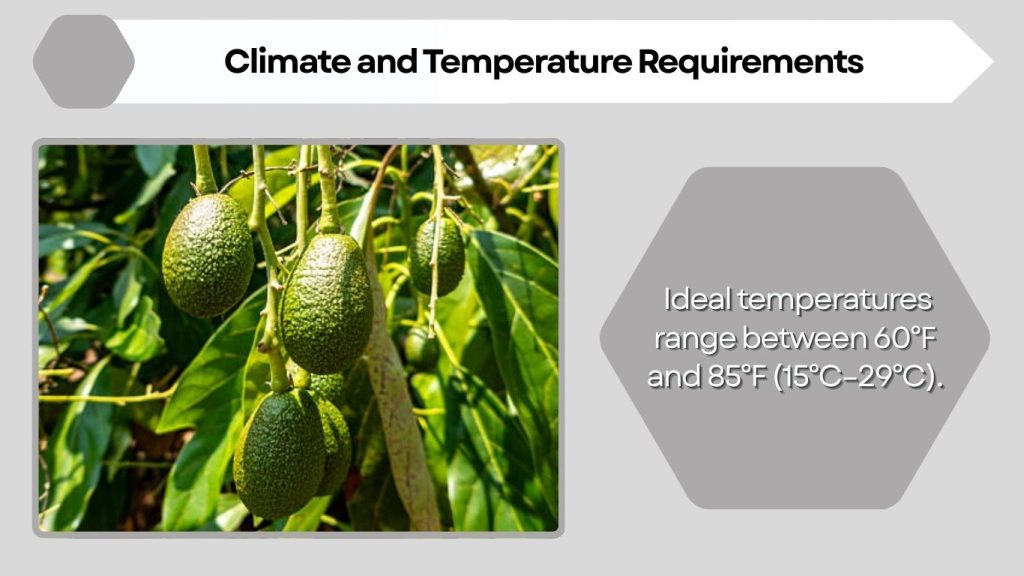
Hass avocado trees thrive in warm, subtropical to tropical climates. They grow best in USDA hardiness zones 9 to 11, where temperatures remain mild year-round. Ideal temperatures range between 60°F and 85°F (15°C–29°C).
Cold temperatures can damage or kill young trees, especially when exposed to frost. Temperatures below 30°F (-1°C) may cause leaf burn, flower drop, and reduced fruiting. In cooler regions, planting near a south-facing wall or using frost protection covers can help protect the tree during winter.
Sunlight Requirements
Full sun is essential for healthy growth and fruit production. Hass avocado trees need at least 6 to 8 hours of direct sunlight daily. Insufficient light can lead to weak growth, poor flowering, and reduced yields.
When grown indoors, providing adequate light becomes more challenging. Bright south-facing windows or supplemental grow lights are often necessary to maintain proper development.
Planting a Hass Avocado Tree
Best Soil for Hass Avocado Trees
Well-draining soil is one of the most critical factors for growing a Hass avocado tree successfully. Avocado roots are highly sensitive to excess moisture, and poorly drained soil can quickly lead to root rot.
The ideal soil should be loose, aerated, and rich in organic matter, with a slightly acidic to neutral pH range of 6.0 to 7.0. Sandy loam soils work best, but heavy clay soil can be improved by adding compost and planting the tree on a raised mound.
How to Plant a Hass Avocado Tree
Start by digging a hole slightly wider than the root ball and just as deep. Carefully place the tree into the hole, ensuring the top of the root ball sits slightly above ground level to prevent water buildup.
Backfill with native soil mixed with organic compost and gently firm the soil to eliminate air pockets. Water thoroughly after planting to help the roots settle. Avoid planting too deep, as this can stress the tree and slow growth.
Spacing and Location
Outdoor Hass avocado trees require adequate space to grow and spread. Plant trees at least 15 to 20 feet apart from buildings or other trees. Choose a location protected from strong winds and with good air circulation to reduce disease risk.
Hass Avocado Tree Care Guide
Watering a Hass Avocado Tree
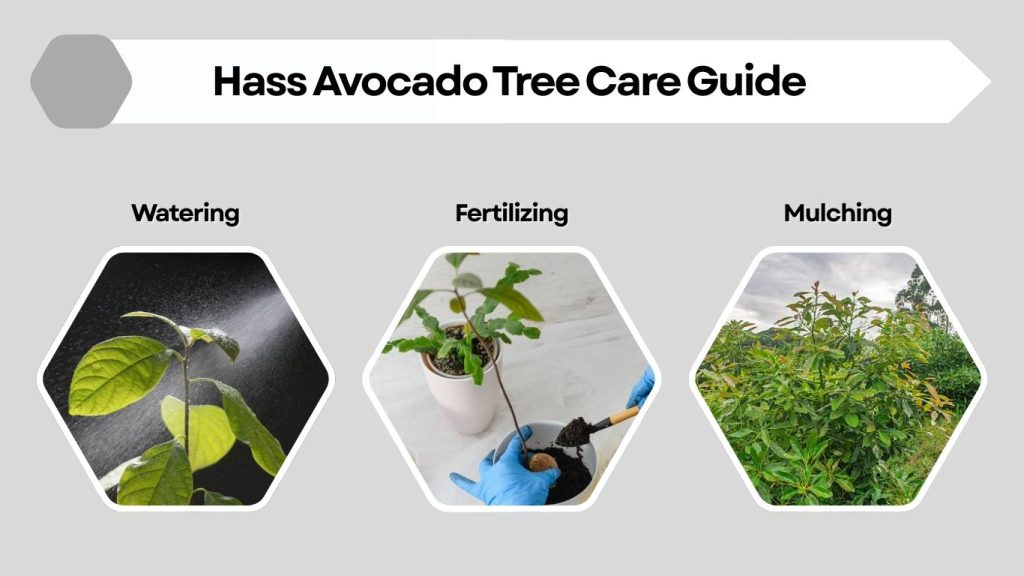
Proper watering is essential for a healthy Hass avocado tree. Young trees need frequent but light watering to establish strong roots, while mature trees require deeper, less frequent watering.
Overwatering is a common mistake and often leads to yellowing leaves and root rot. Allow the top layer of soil to dry slightly between watering sessions. Consistent moisture, rather than saturation, is the key to optimal growth.
Fertilizing Schedule
Hass avocado trees benefit from regular feeding to support healthy foliage, strong roots, and fruit production. A balanced fertilizer that includes nitrogen, phosphorus, potassium, and essential micronutrients such as zinc and iron works best. Young trees should be fertilized lightly every two to three months during the growing season, while mature trees can be fertilized two to three times per year.
Avoid over-fertilizing, as excessive nitrogen can promote leafy growth at the expense of flowers and fruit. Applying fertilizer evenly around the drip line of the tree and watering thoroughly afterward helps nutrients reach the root zone effectively.
Mulching Benefits
Mulching plays an important role in maintaining soil moisture and protecting the shallow root system of Hass avocado trees. A thick layer of organic mulch such as wood chips, bark, or compost helps regulate soil temperature and improves soil structure over time.
Apply mulch in a 2 to 4-inch layer around the base of the tree, keeping it a few inches away from the trunk to prevent rot. Mulching also suppresses weeds, which compete with the tree for nutrients and water.
Pruning and Maintenance
Pruning helps shape the tree, encourages strong branch development, and improves air circulation. Young Hass avocado trees benefit from light pruning to establish a balanced structure. Removing weak or crossing branches early prevents future problems.
For mature trees, pruning is mainly used to control size and remove dead or diseased branches. The best time to prune is late winter or early spring, before the growing season begins. Avoid heavy pruning during hot weather, as exposed branches can suffer from sunburn.
Growing Hass Avocado Tree Indoors
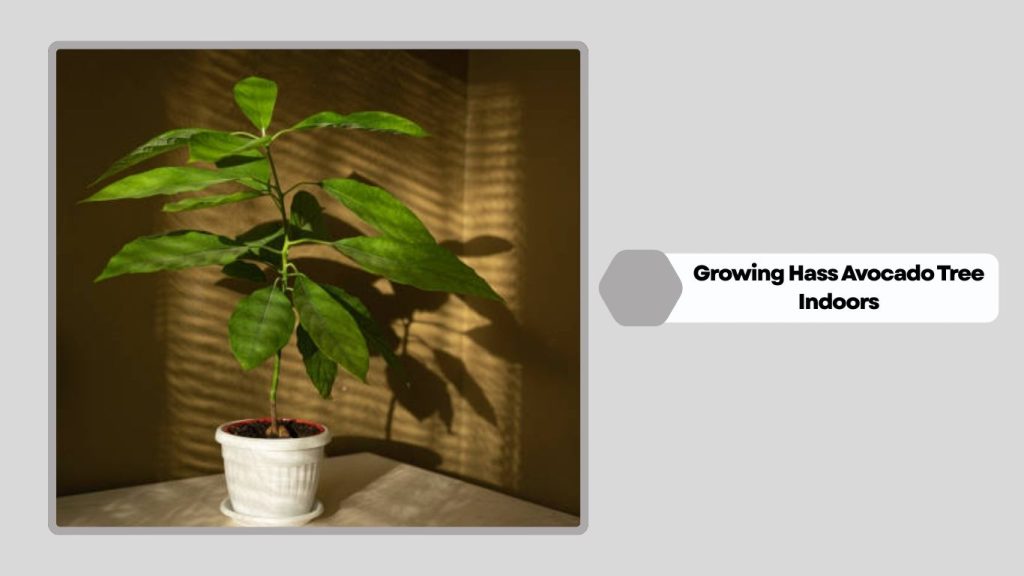
Growing a Hass avocado tree indoors is possible, but it comes with challenges. Indoor trees typically remain smaller and may not produce fruit due to limited light and pollination. Choose a large container with drainage holes to prevent water accumulation.
Place the tree near a bright window where it receives maximum sunlight, ideally supplemented with grow lights. Maintaining proper humidity and rotating the plant regularly ensures even growth. While indoor trees can be attractive, outdoor planting provides better results for fruit production.
Common Problems With Hass Avocado Trees
Pests
Several pests can affect Hass avocado trees, including spider mites, thrips, and scale insects. These pests feed on leaves and stems, causing discoloration, leaf drop, and reduced vigor. Regular inspection helps catch infestations early.
Natural control methods such as neem oil or insecticidal soap are effective and safe for home gardens. Encouraging beneficial insects also helps keep pest populations under control.
Diseases
Root rot is the most common disease affecting Hass avocado trees and is usually caused by poor drainage or overwatering. Symptoms include yellowing leaves, stunted growth, and branch dieback. Improving soil drainage and adjusting watering practices are the best preventive measures.
Fungal diseases such as leaf spot can occur in humid conditions. Proper spacing, good air circulation, and removing infected leaves help reduce disease spread.
Growth Problems
Yellowing leaves often indicate nutrient deficiencies or overwatering. Flower and fruit drop can result from temperature fluctuations, water stress, or lack of pollination. Maintaining consistent care and proper growing conditions helps minimize these issues.
Flowering, Pollination, and Fruiting
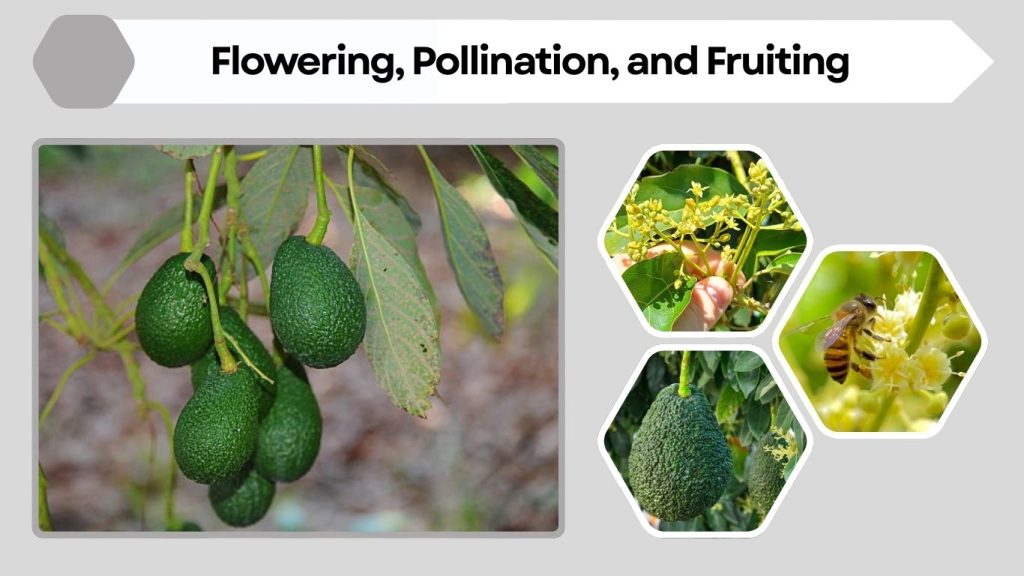
Hass avocado trees are classified as Type A flowering, meaning their flowers open as female in the morning and male in the afternoon. While a single tree can produce fruit, cross-pollination with a Type B avocado variety may improve yields.
Most grafted Hass avocado trees begin producing fruit within 3 to 5 years. Environmental factors such as temperature, sunlight, and water availability greatly influence flowering and fruit set.
Harvesting Hass Avocados
Hass avocados do not ripen on the tree, so knowing when to harvest is essential. The fruit is ready when it reaches full size and detaches easily from the stem. Mature avocados can be harvested and allowed to ripen at room temperature.
Harvesting regularly encourages continued production and prevents overloading the tree. Proper handling during harvest helps avoid bruising and damage to the fruit.
FAQs
How long does a Hass avocado tree take to bear fruit?
Grafted trees typically produce fruit within 3 to 5 years, while seed-grown trees may take much longer.
How tall does a Hass avocado tree grow?
With pruning, most trees remain between 15 and 30 feet tall.
Why is my Hass avocado tree not producing fruit?
Lack of sunlight, improper watering, or young tree age are common causes.
Can Hass avocado trees survive cold weather?
They are sensitive to frost and require protection in cold climates.
Conclusion
Growing a Hass avocado tree requires patience, proper care, and the right growing conditions, but the rewards are well worth the effort. By providing adequate sunlight, well-draining soil, consistent watering, and regular maintenance, you can enjoy a healthy tree and homegrown avocados for years to come. Whether grown outdoors or in containers, the Hass avocado tree remains a valuable and productive addition to any garden.