





Green fruits are not only visually appealing but also offer a variety of flavors and health benefits. From the crispness of green apples to the creamy texture of avocados, these fruits are packed with essential nutrients and antioxidants. Incorporating a diverse range of green fruits into your diet can enhance overall well-being and add vibrant flavors to your meals.
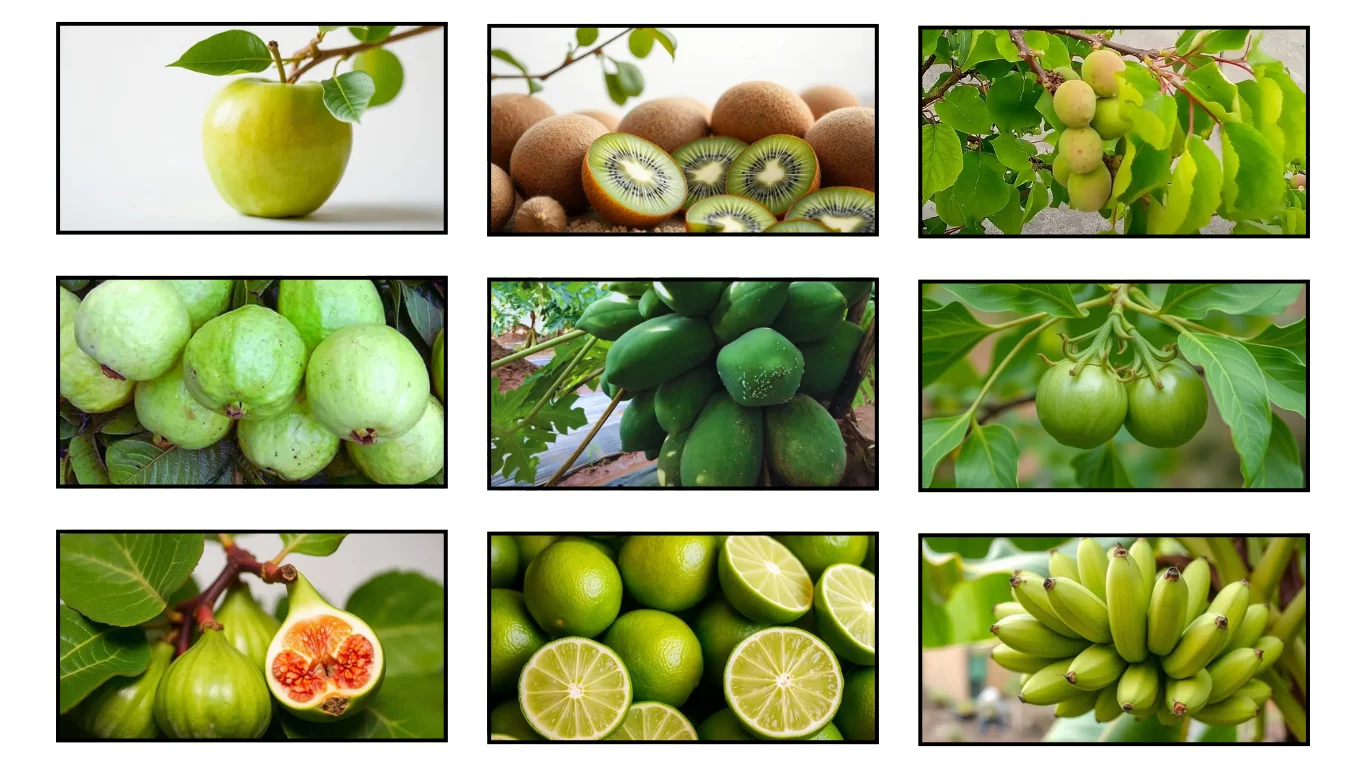
1. Green Apple
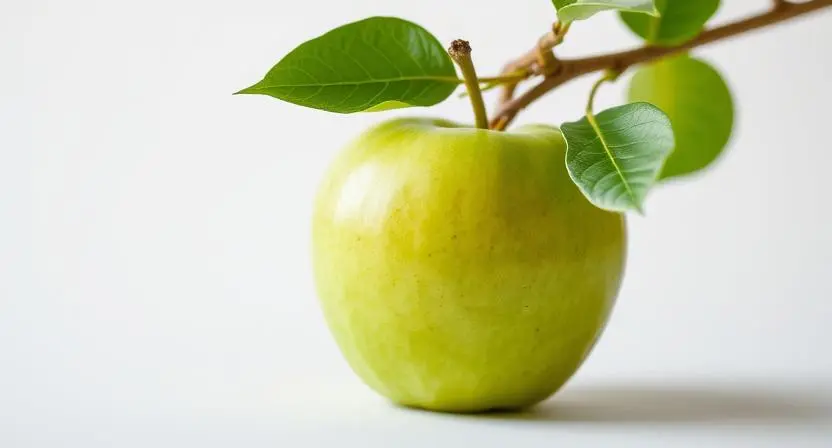
Green apples are crisp, tart, and refreshing fruits that are often used in salads, juices, and desserts. Unlike their red counterparts, green apples are known for their tangy flavor and high acidity. The most popular variety is the Granny Smith apple, which originated in Australia.
Identification
- Medium to large in size with smooth, glossy skin
- Bright green color, which may fade slightly as they ripen
- Firm, white, crunchy flesh with a juicy bite
- Grow on medium-sized trees with broad leaves
- Typically harvested in late summer to early autumn
Health Benefits
Green apples are low in calories and packed with dietary fiber, especially pectin, which aids digestion. They are rich in vitamin C, boosting immunity, and contain antioxidants that support heart health and reduce the risk of chronic diseases. Their tartness also helps stimulate saliva production, promoting better oral hygiene.
2. Kiwi
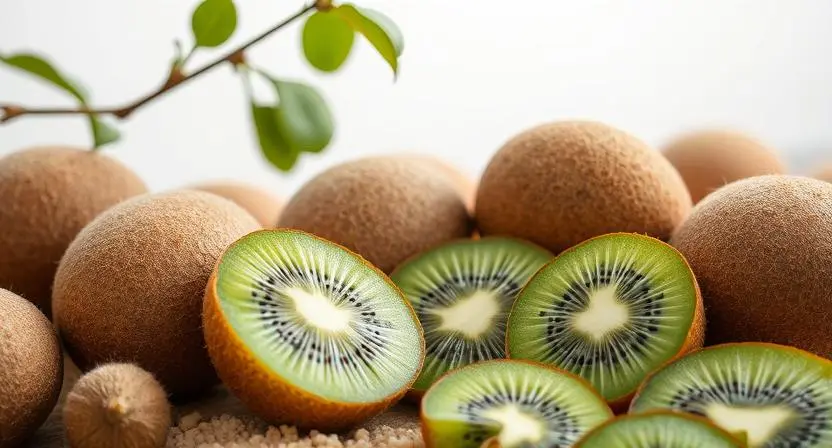
Kiwi, also known as Chinese gooseberry, is a small fruit with a fuzzy brown exterior and vibrant green flesh inside. It’s prized for its unique sweet-tart flavor and beautiful appearance when sliced. Kiwi is enjoyed fresh, in smoothies, or as a garnish.
Identification
- Oval-shaped, about the size of a large egg
- Brown, hairy outer skin
- Bright green pulp with tiny black edible seeds
- Soft to the touch when ripe
- Grows on woody vines in mild, sunny climates
Health Benefits
Kiwis are rich in vitamin C—more than oranges—and also provide vitamin K, E, potassium, and folate. They promote immune health, improve digestion due to their natural enzymes, and support healthy skin. The antioxidants in kiwi also help reduce oxidative stress and inflammation.
3. Green Grapes
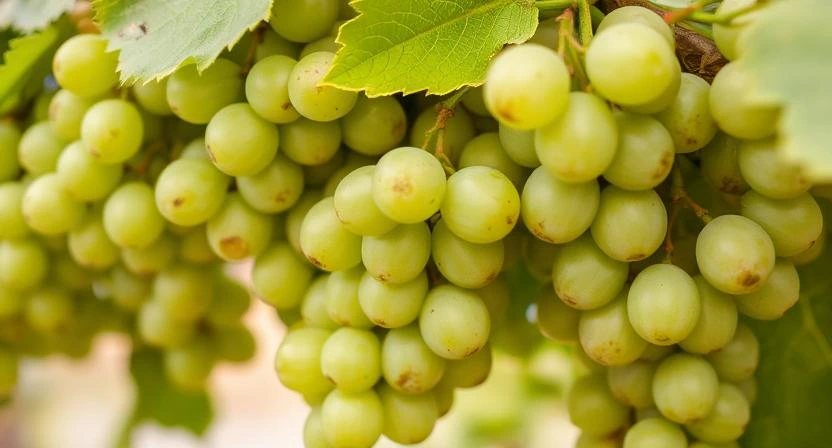
Green grapes are sweet and juicy bite-sized fruits that are commonly eaten fresh, dried into raisins, or used in juices and wine. They’re a popular snack due to their refreshing flavor and convenience. Seedless varieties are especially favored for daily consumption.
Identification
- Grows in tight clusters on climbing vines
- Individual grapes are round or oval
- Smooth, semi-translucent green skin
- Vary slightly in size depending on the variety
- Typically harvested in summer months
Health Benefits
Green grapes are rich in antioxidants, especially resveratrol, which supports heart health and may slow aging. They contain vitamins C and K and are hydrating due to their high water content. Grapes also provide fiber and natural sugars, making them a healthy energy-boosting snack.
4. Avocado
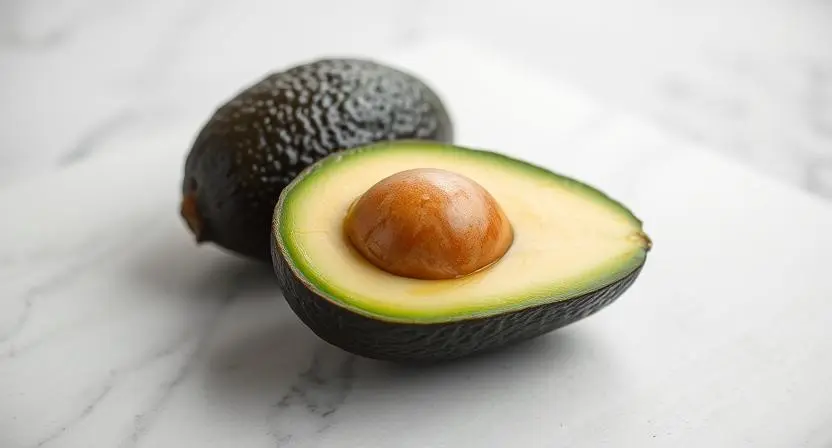
Avocados are creamy, nutrient-dense fruits that are often mistaken for vegetables due to their savory flavor. They’re a key ingredient in guacamole and are widely used in salads, sandwiches, and smoothies. The most common variety is the Hass avocado.
Identification
- Pear-shaped or oval with rough, bumpy skin
- Skin color ranges from dark green to nearly black
- Pale green, creamy flesh with a large central seed
- Grows on evergreen trees in warm climates
- Typically matures in late winter to spring
Health Benefits
Avocados are a powerhouse of healthy fats, especially monounsaturated fats, which support heart health. They also offer potassium, fiber, and vitamins C, E, K, and B6. Eating avocado can improve skin health, reduce bad cholesterol, and promote feelings of fullness, aiding in weight management.
5. Green Pear
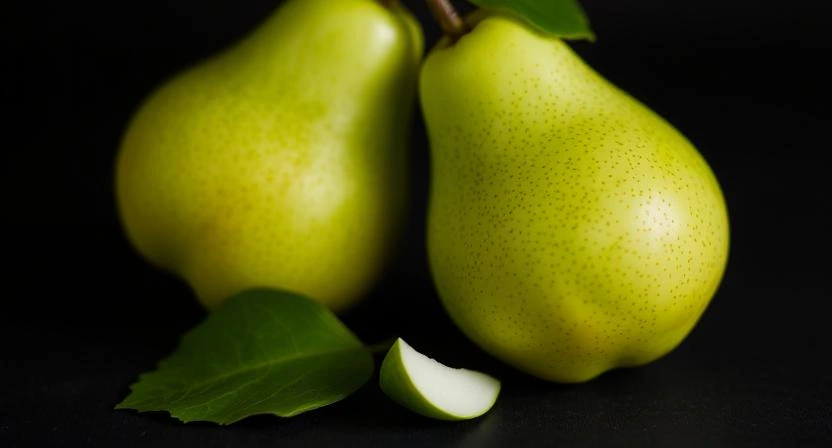
Green pears are juicy, sweet fruits known for their smooth, buttery texture. They are a favorite for fresh eating, poaching, and baking. Varieties like Bartlett and Anjou are among the most commonly available green pears in markets.
Identification
- Bell-shaped with smooth or slightly bumpy skin
- Skin ranges from light green to bright green
- Soft, white, juicy flesh when ripe
- Grows on deciduous trees in temperate regions
- Harvested from late summer into autumn
Health Benefits
Green pears are high in dietary fiber, which supports digestive health and helps regulate blood sugar levels. They are a good source of vitamin C, potassium, and antioxidants. Regular consumption may reduce the risk of heart disease, improve gut health, and support hydration.
6. Honeydew Melon
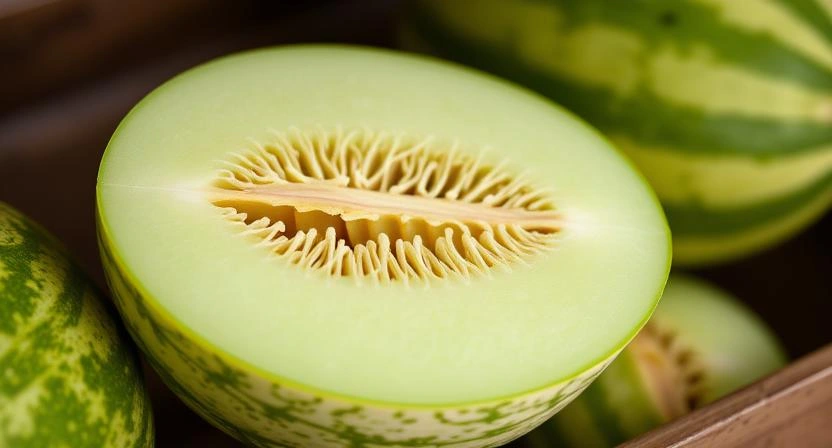
Honeydew melon is a refreshing fruit known for its sweet, juicy flavor and pale green flesh. It’s a popular choice during hot seasons, often enjoyed fresh, in fruit salads, or blended into smoothies. This melon belongs to the same family as cantaloupes and watermelons.
Identification
- Round to slightly oval shape with smooth, pale yellow-green skin
- Light green, juicy, and tender flesh inside
- Typically weighs between 4 to 8 pounds
- Grows on trailing vines in warm climates
- Harvested in late summer or early fall
Health Benefits
Honeydew melon is rich in vitamin C and potassium, which help support hydration and heart health. Its high water content makes it ideal for keeping cool and replenishing fluids. The fruit is low in calories and contains B vitamins that support energy metabolism and overall wellness.
7. Green Plum
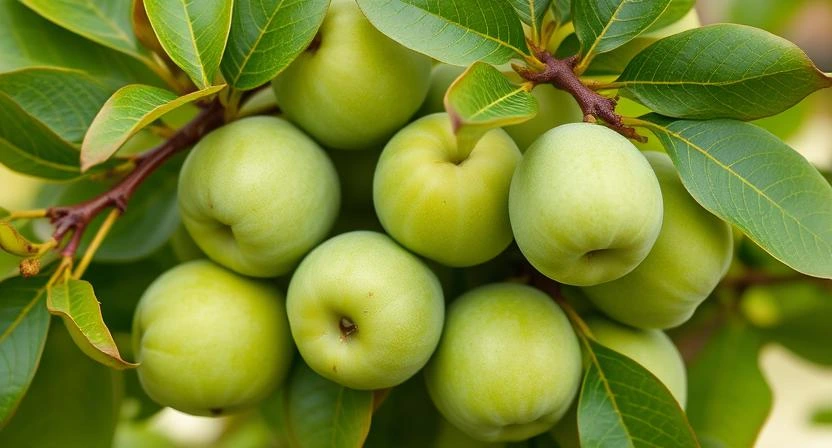
Green plums are small, tart fruits that are often eaten fresh or pickled. In many cultures, they’re consumed before they ripen fully, giving them a tangy and crunchy character. They’re especially popular in the Middle East and parts of Asia.
Identification
- Small, round shape with shiny green skin
- Crisp, juicy flesh with a tart flavor
- Contains a single hard pit in the center
- Grows on small deciduous trees
- Typically harvested in early spring to mid-summer
Health Benefits
Green plums are rich in antioxidants and fiber, supporting digestive health and boosting immunity. They are low in calories and contain vitamins A and C, which are essential for eye and skin health. The tartness can also help stimulate appetite and digestion.
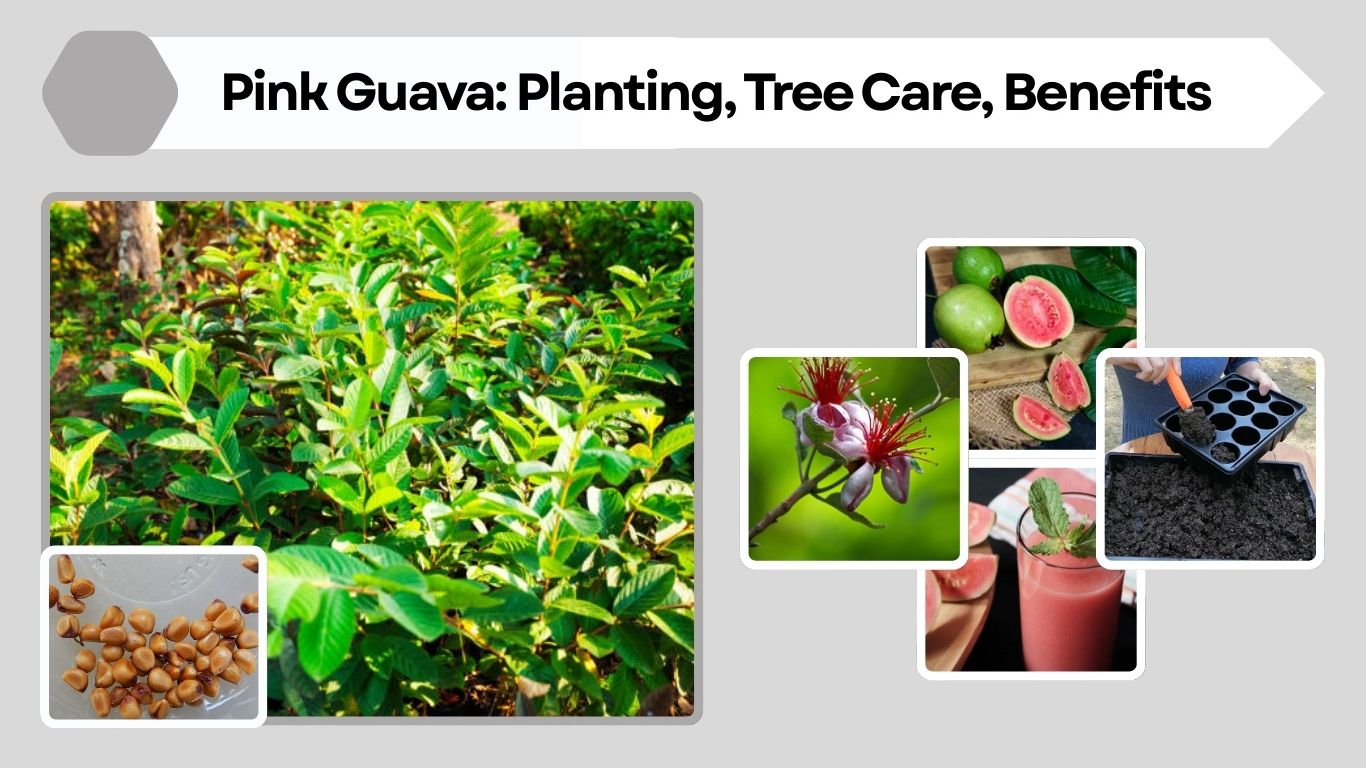
8. Guava
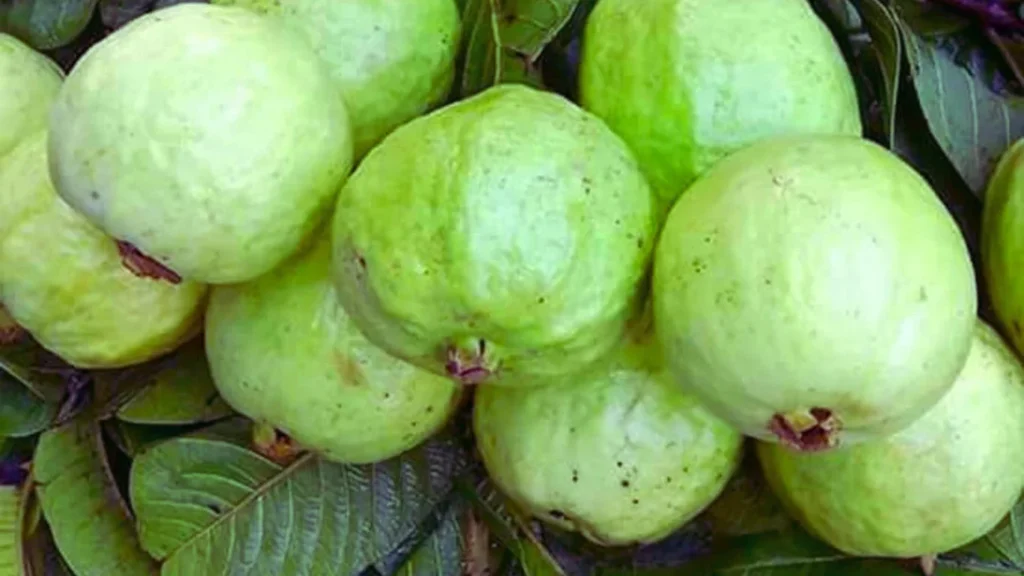
Guava is a tropical fruit that can range in color, but green guava is often consumed unripe for its crisp texture and tangy flavor. It’s commonly eaten with salt or chili powder in many cultures or juiced for a refreshing drink.
Identification
- Oval or round shape with firm, green skin
- Flesh can be white or pink with numerous edible seeds
- Strong, sweet aroma even when unripe
- Grows on small tropical trees or shrubs
- Harvested throughout the year in warm climates
Health Benefits
Guava is extremely rich in vitamin C, providing more than an orange. It also contains fiber, potassium, and antioxidants, which help regulate blood pressure and improve digestion. Guava supports immune function, boosts heart health, and promotes glowing skin.
9. Gooseberry
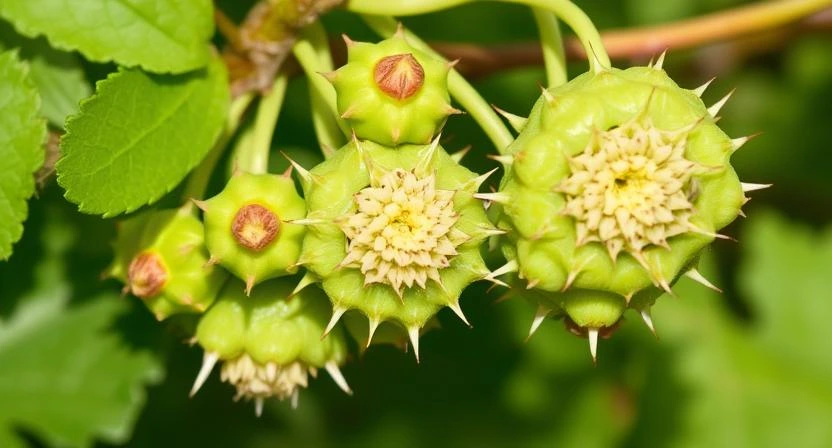
Gooseberries are small, green fruits that grow in cooler regions and are known for their tartness. They’re often used in jams, jellies, and pies or consumed raw for a sour, refreshing snack. Different varieties range from mildly sweet to very sour.
Identification
- Small, round, or oval with translucent green skin
- Often have visible stripes or veins on the surface
- Grows on thorny shrubs in cooler climates
- Fruit hangs singly or in small clusters
- Harvested from late spring to midsummer
Health Benefits
Gooseberries are rich in vitamin C and antioxidants, particularly flavonoids, which fight inflammation and support immune health. They aid digestion, improve liver function, and can help regulate blood sugar levels. They also promote hair and skin health when consumed regularly.
10. Green Fig
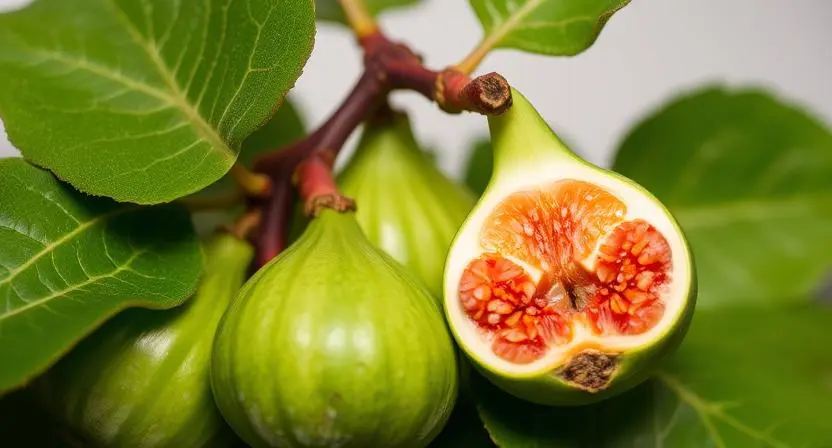
Green figs are sweet and soft fruits with a light green outer skin and honey-like flavor. They are eaten fresh, dried, or used in baking. Unlike their darker varieties, green figs are often milder and less earthy in taste.
Identification
- Small to medium size with smooth, green skin
- Pink or red flesh filled with tiny edible seeds
- Pear-shaped and soft when ripe
- Grows on fig trees in warm, dry climates
- Typically harvested in summer and early fall
Health Benefits
Green figs are high in dietary fiber, promoting healthy digestion and bowel movements. They also contain calcium, potassium, and magnesium, which support bone and heart health. Their natural sugars provide quick energy, while antioxidants in figs support overall wellness.
11. Green Mango
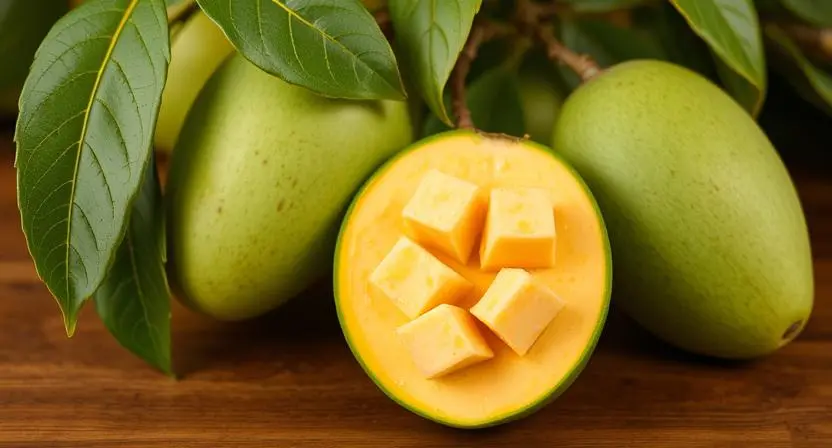
Green mangoes are unripe mangoes prized for their tangy and slightly sour flavor. They are widely used in salads, pickles, chutneys, and juices, especially in Asian and tropical cuisines. Green mangoes add a refreshing zing to both sweet and savory dishes.
Identification
- Firm and oval or kidney-shaped
- Smooth green skin, sometimes with a light sheen
- Pale yellow to white crunchy flesh
- Grows on large tropical trees
- Harvested before fully ripening, mainly in spring and summer
Health Benefits
Green mangoes are rich in vitamin C and antioxidants, which support the immune system and skin health. They aid in digestion and help regulate bowel movements. The sourness stimulates appetite and salivation, which can improve digestive efficiency. Green mangoes also contain pectin, which benefits the gut.
12. Limes
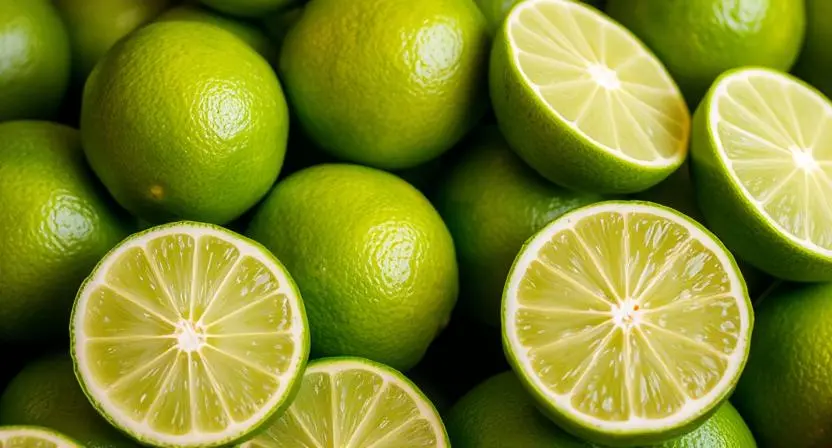
Limes are small, juicy citrus fruits known for their acidic, zesty flavor. They are essential in cooking, baking, and beverages, adding brightness and freshness to recipes. Limes are used worldwide in everything from marinades to cocktails.
Identification
- Small, round to oval-shaped with glossy green skin
- Juicy, pale green to yellow flesh
- Grows on small citrus trees with dark green leaves
- Strong, aromatic citrus scent
- Harvested year-round in tropical and subtropical climates
Health Benefits
Limes are packed with vitamin C, supporting immune health and collagen production. Their acidity helps with iron absorption and acts as a natural detoxifier. Limes also have antimicrobial properties and promote hydration. The antioxidants in limes fight inflammation and oxidative stress.
13. Green Banana
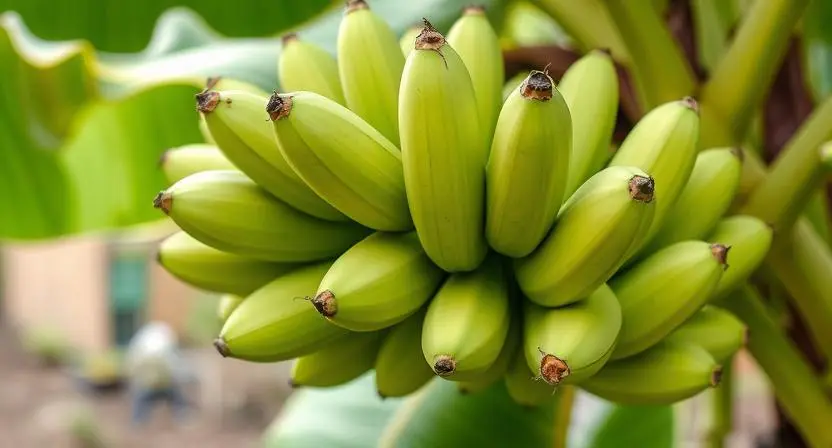
Green bananas are unripe bananas that are firmer and starchier than ripe ones. They are commonly boiled, fried, or mashed and are a staple in many tropical cuisines. Their mild taste and texture make them ideal for savory dishes.
Identification
- Elongated shape with thick green peel
- Firm, pale white or light yellow flesh
- Grows in large bunches on banana plants
- Heavier and more rigid than ripe bananas
- Harvested before the skin turns yellow
Health Benefits
Green bananas are rich in resistant starch, which acts like fiber and helps control blood sugar levels. They aid in digestion, support gut health, and can help with weight management. Green bananas also contain potassium and vitamin B6, essential for heart and nerve health.
14. Green Papaya

Green papaya is the unripe version of the common orange papaya. It’s used as a vegetable in many cuisines, especially in Thai, Filipino, and Indian dishes. Its mild flavor and crunchy texture make it perfect for salads, curries, and stews.
Identification
- Large and oval with smooth, green outer skin
- Crisp, pale white to light green flesh
- Contains small, white immature seeds inside
- Grows on tall herbaceous plants
- Harvested before ripening, usually year-round in warm climates
Health Benefits
Green papaya is a digestive aid due to the enzyme papain, which breaks down proteins. It’s rich in vitamin C and folate, supporting immunity and cell repair. Its low calorie and high fiber content make it great for weight management and digestive wellness.
15. Cucumber
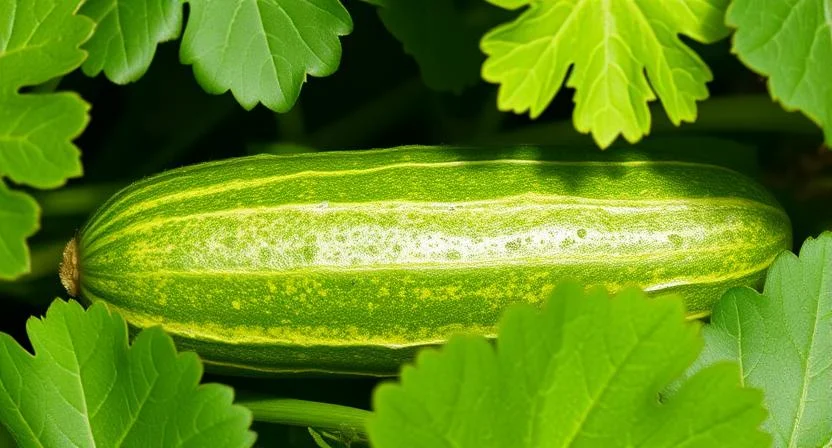
Cucumber is technically a fruit, though often treated as a vegetable in cooking. It’s known for its refreshing, high-water content and mild flavor. Cucumbers are commonly used in salads, pickles, smoothies, and spa water.
Identification
- Cylindrical shape with smooth or slightly bumpy green skin
- Pale green to white, crisp, watery flesh
- Contains soft edible seeds
- Grows on trailing vines with large leaves
- Harvested when young and tender, often in summer
Health Benefits
Cucumbers are extremely hydrating, containing over 95% water. They help flush out toxins, support skin health, and regulate body temperature. They also provide small amounts of vitamin K, potassium, and magnesium. Cucumbers can soothe inflammation and aid in weight loss due to their low-calorie content.
16. Green Starfruit
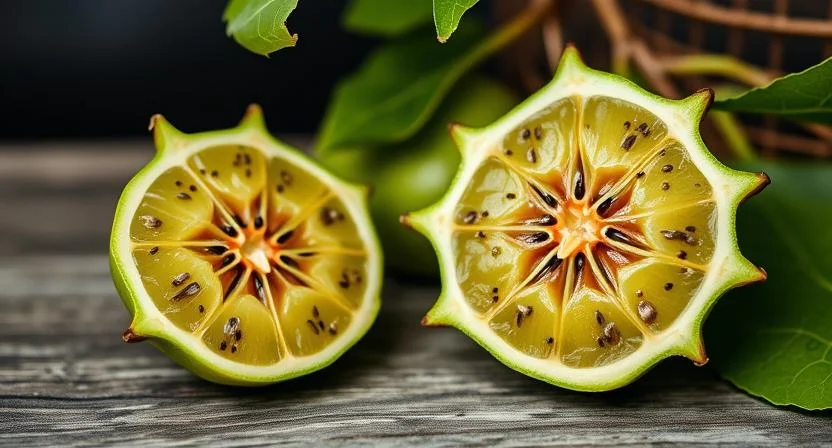
Green starfruit, also known as carambola, is a tropical fruit recognized for its distinctive star shape when sliced. Unripe green starfruit has a tart flavor, making it suitable for culinary uses where a sour note is desired. As it ripens, the fruit turns yellow and develops a sweeter taste.
Identification
- Distinctive five-pointed star shape when sliced.
- Smooth, waxy green skin that turns yellow upon ripening
- Juicy, translucent flesh with a crisp texture
- Small, dark seeds embedded in the center
- Grows on small to medium-sized evergreen trees in tropical climates
Health Benefits
Green starfruit is low in calories and rich in vitamin C, which supports immune function and skin health. It contains dietary fiber that aids digestion and helps regulate blood sugar levels. Additionally, starfruit provides antioxidants with anti-inflammatory properties, contributing to overall health. However, individuals with kidney issues should exercise caution, as starfruit contains compounds that may be harmful in such conditions.
17. Green Jujube
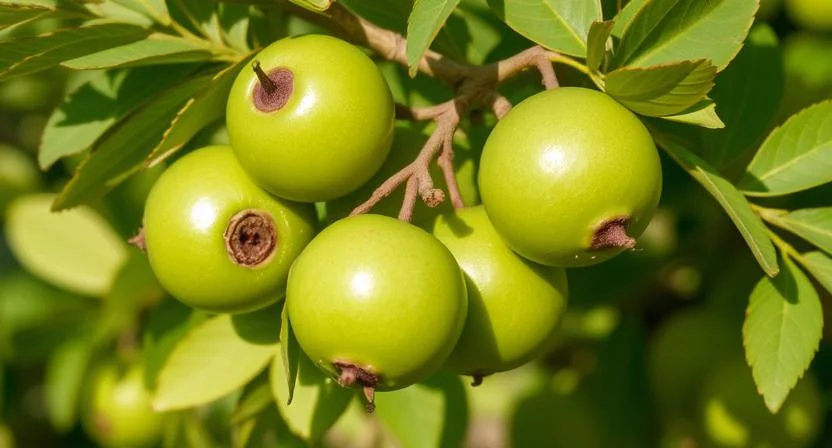
Green jujube, often referred to as Chinese date, is the unripe form of the jujube fruit. In its green stage, it has a crisp texture and a mildly sweet flavor, resembling that of an apple. It’s commonly consumed fresh or used in various culinary applications.
Identification
- Small, round to oval shape
- Smooth, shiny green skin that turns reddish-brown when ripe
- Crisp, white flesh with a mildly sweet taste
- Contains a single hard seed in the center
- Grows on deciduous trees in warm climates.
Health Benefits
Green jujube is a good source of vitamin C, which boosts the immune system and promotes skin health. It also contains antioxidants that help combat free radicals and reduce inflammation. Traditionally, jujube has been used to improve sleep quality and support digestive health.
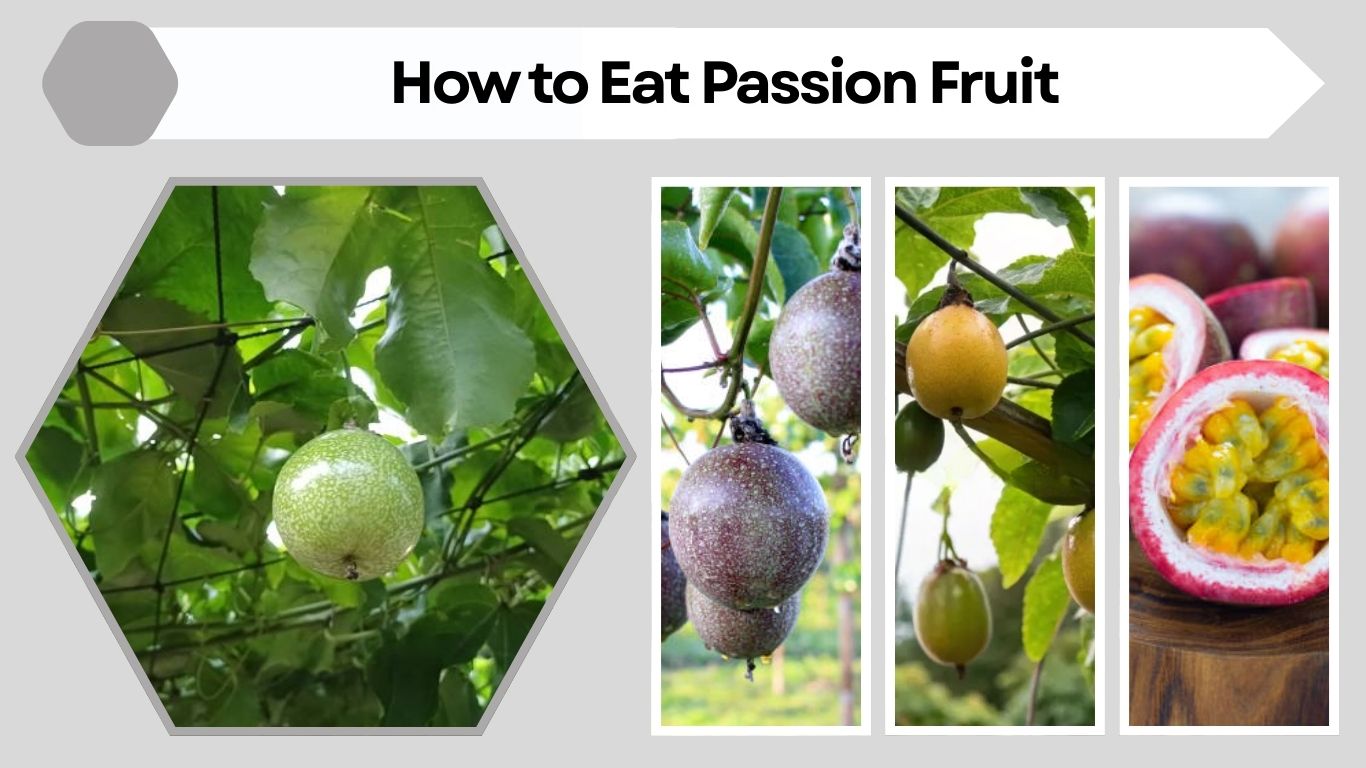
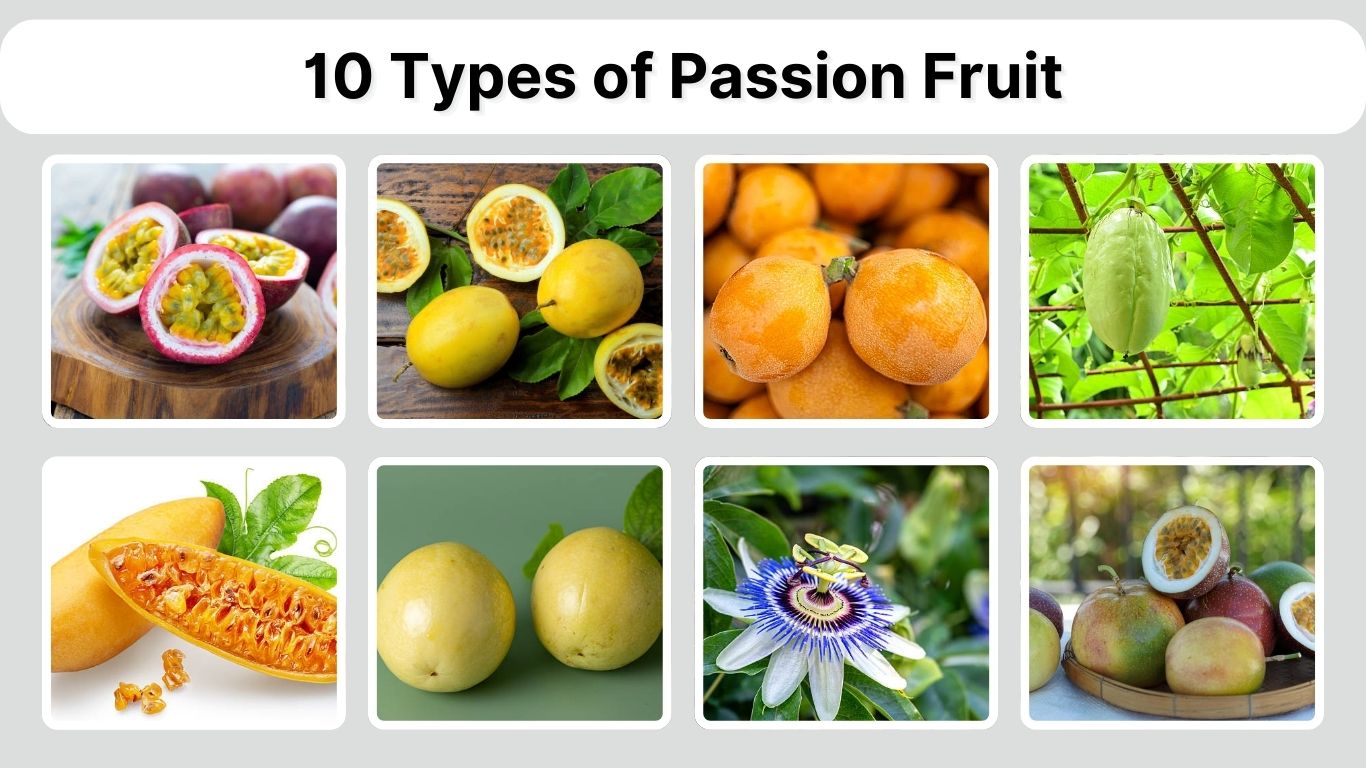
18. Green Passion Fruit
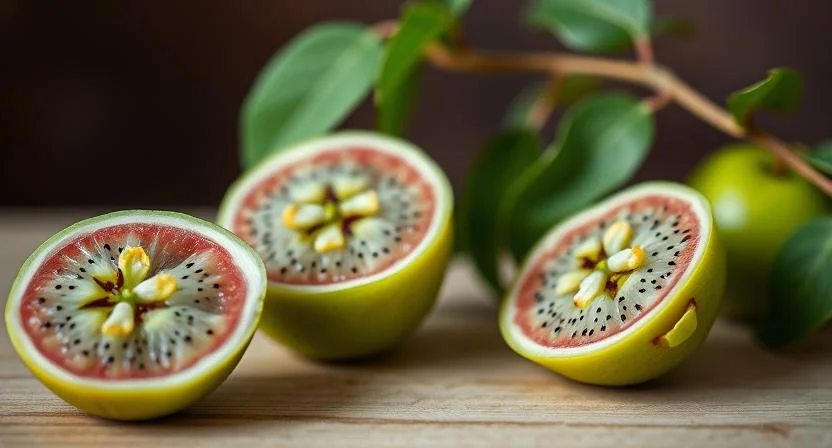
Green passion fruit is the unripe form of the tropical passion fruit. While the ripe fruit is known for its sweet-tart flavor and aromatic seeds, the green, unripe version is firmer and more acidic. It’s often used in cooking or allowed to ripen to develop its characteristic flavor.
Identification
- Round to oval shape with smooth green skin
- Firm outer shell that wrinkles as it ripen.
- Contains numerous small, black edible seeds surrounded by juicy pulp
- Grows on climbing vines in tropical and subtropical regions
- Harvested when still green and firm, ripening off the vine
Health Benefits
Green passion fruit is rich in dietary fiber, which aids digestion and promotes a feeling of fullness. It provides vitamin C, supporting immune function and skin health. The fruit also contains plant compounds with antioxidant properties, contributing to overall wellness.
19. Breadfruit

Breadfruit is a large, green tropical fruit known for its starchy texture and versatility in cooking. When cooked, it has a potato-like consistency and a mild flavor, making it a staple food in many tropical regions.
Identification
- Large, round to oval shape, typically 6–10 inches in diameter
- Green, bumpy skin that becomes slightly yellowish when ripe
- Creamy white to pale yellow flesh with a starchy texture
- Grows on large evergreen trees in tropical climates
- Usually harvested while still green and firm for cooking purposes
Health Benefits
Breadfruit is rich in complex carbohydrates, providing a good source of energy. It contains dietary fiber, aiding in digestion and promoting gut health. The fruit also offers essential nutrients like potassium, vitamin C, and various antioxidants, supporting heart health and boosting the immune system.
20. Green Tomato
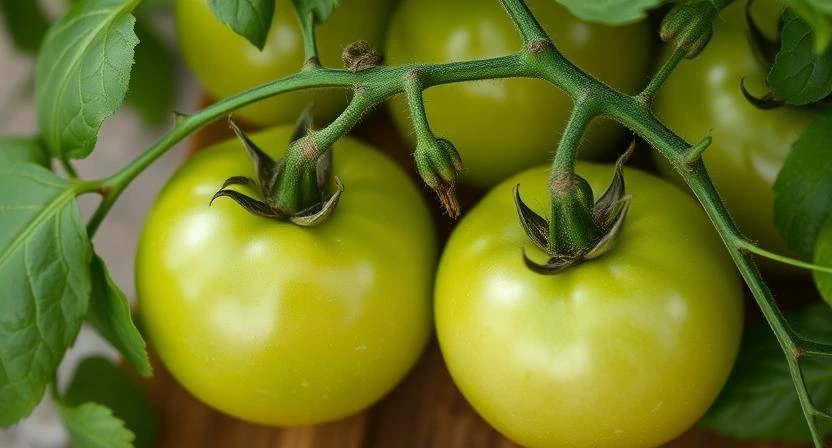
Green tomatoes are unripe tomatoes that are firm and have a tart flavor. They are commonly used in cooking, especially in dishes like fried green tomatoes, pickles, and salsas.
Identification
- Medium to large size with smooth, firm green skin
- Dense, pale green flesh with a slightly sour taste
- Contains small, edible seeds
- Grows on tomato plants as the unripe stage of red tomatoes
- Harvested while still green for specific culinary uses
Health Benefits
Green tomatoes are a good source of vitamins A and C, which support immune function and skin health. They contain antioxidants that help combat free radicals and reduce inflammation. Additionally, green tomatoes provide dietary fiber, aiding in digestion and promoting satiety.
21. Chayote
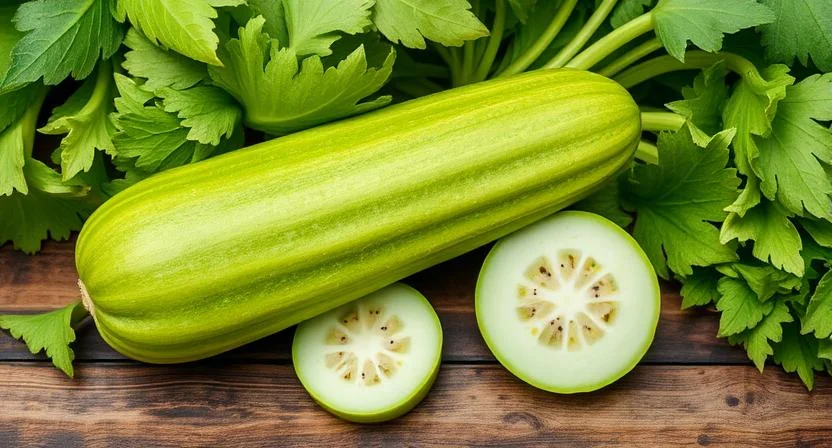
Chayote, also known as vegetable pear or mirliton, is a green, wrinkled fruit that belongs to the gourd family. It has a mild, crisp texture and is commonly used in salads, stir-fries, and soups. Chayote is a staple in Latin American and Asian cuisines.
Identification
- Pear-shaped with a wrinkled, green skin
- Typically 10–20 cm in length
- Pale green to white, crisp flesh
- Contains a single, flat, edible seed
- Grows on climbing vines in warm climates
Health Benefits
Chayote is low in calories and rich in nutrients like vitamin C, potassium, and fiber. It contains antioxidants, including myricetin, which may help lower cholesterol levels and reduce inflammation. Additionally, chayote has been associated with improved blood sugar control and supporting heart health.
22. Green Almond
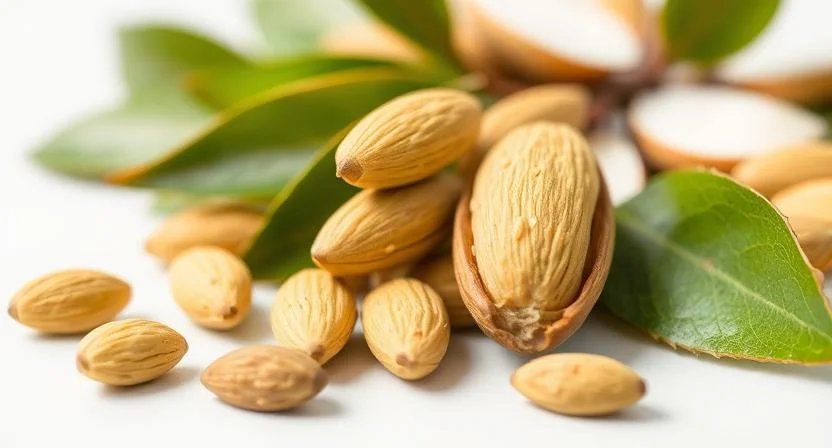
Green almonds are the young, unripe fruits of the almond tree, harvested before the outer shell hardens. They have a soft, fuzzy green exterior and a jelly-like kernel inside. Green almonds are often enjoyed fresh or pickled.
Identification
- Small, oval-shaped with a fuzzy green outer skin
- Soft, gelatinous kernel inside
- Typically harvested in spring
- Grows on deciduous trees in temperate climates.
- Available for a limited time during the early growing season
Health Benefits
Green almonds are rich in antioxidants, particularly vitamin E, which helps flush out toxins and enhance immune function. They are also high in fiber, aiding digestion, and contain healthy fats that support heart health. Additionally, green almonds provide essential nutrients like protein, zinc, and vitamin K, contributing to bone health.
23. Green Orange (Unripe Orange)

Green oranges are unripe oranges that have not yet developed their characteristic orange color. They are firmer and more acidic than ripe oranges and are sometimes used in cooking or juicing for their tart flavor.
Identification
- Round shape with a green, slightly bumpy skin
- Firm texture with a sour taste
- Pale, juicy flesh divided into segments
- Grows on evergreen citrus trees
- Typically harvested before full ripeness.
Health Benefits
Green oranges are high in vitamin C, which supports immune function and skin health. They also contain flavonoids and B vitamins that aid in mood regulation and calming the nervous system. Additionally, green oranges provide antioxidants that help reduce inflammation and may lower the risk of chronic diseases.
24. Uvilla (Cape Gooseberry)
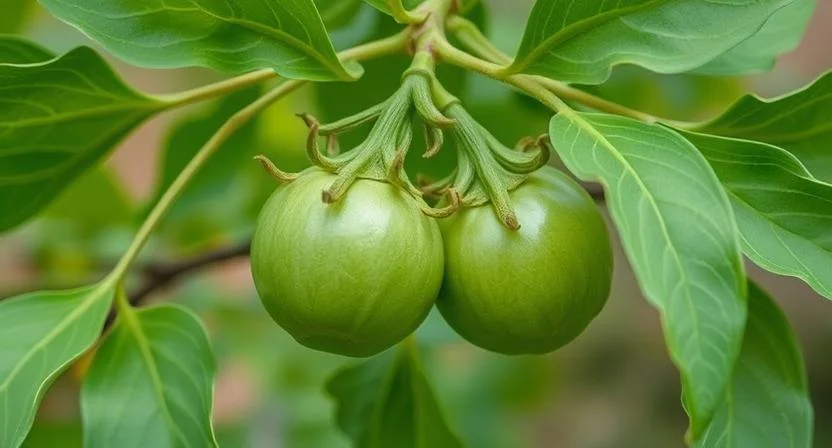
Uvilla, commonly known as cape gooseberry or golden berry, is a small, round fruit encased in a papery husk. It has a sweet-tart flavor and is often used in desserts, jams, and salads.
Identification
- Small, spherical shape with a smooth, orange skin when ripe
- Enclosed in a distinctive papery husk
- Juicy, yellow-orange flesh with tiny edible seeds
- Grows on low, bushy plants
- Harvested in late summer to early autumn
Health Benefits
Cape gooseberries are rich in antioxidants, including carotenoids and polyphenols, which help protect cells from damage. They are a good source of vitamin C, supporting immune function, and contain vitamin A, which promotes eye health. Additionally, these berries have anti-inflammatory properties and may help improve cholesterol levels.
25. Nopal (Prickly Pear Cactus Fruit)
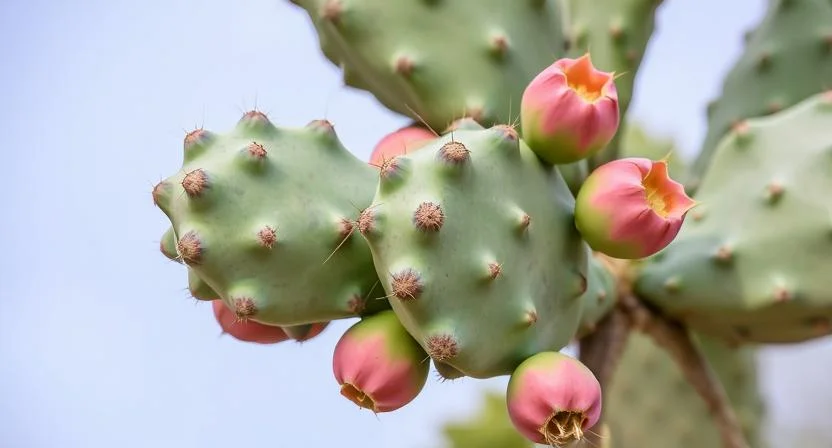
Nopal, also known as prickly pear, is the fruit of the prickly pear cactus. It has a sweet, melon-like flavor and is commonly used in Mexican cuisine, either fresh or in juices and jams.
Identification
- Oval-shaped with a green, spiny outer skin
- Vibrant, juicy flesh that can be red, orange, or green
- Contains small, hard seeds
- Grows on the pads of prickly pear cacti in arid regions
- Harvested in late summer to early fall
Health Benefits
Nopal is high in fiber, which aids digestion and helps regulate blood sugar levels. It contains antioxidants that protect cells from damage and reduce inflammation. Additionally, nopal provides vitamins C and B, magnesium, and potassium, supporting overall health. Some studies suggest it may help lower cholesterol and improve liver health.
26. Green Lychee
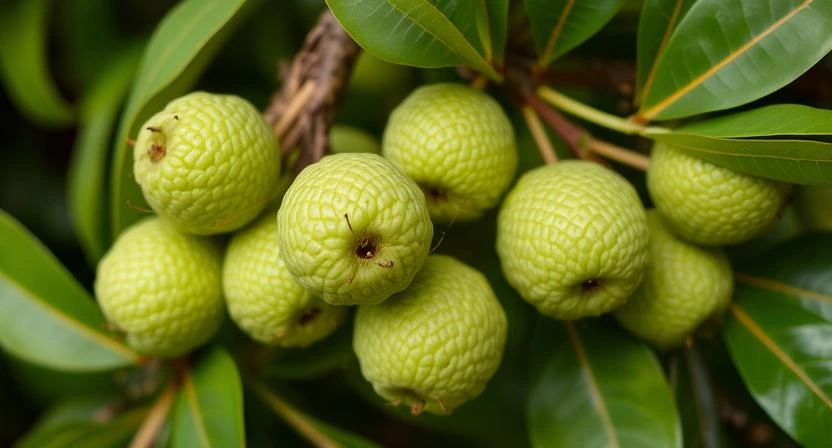
Green lychee is the unripe form of the popular tropical fruit known for its sweet and aromatic flavor. While typically consumed when ripe and red, the green, unripe lychee offers a firmer texture and a more tart taste, making it suitable for certain culinary applications.
Identification
- Small, round to oval shape with a rough, green outer skin
- Firm, translucent white flesh
- Contains a single, glossy brown seed in the center
- Grows in clusters on evergreen trees in subtropical regions
- Harvested in late spring to early summer
Health Benefits
Green lychees are rich in vitamin C, which supports immune function and skin health. They also provide antioxidants that help combat free radicals, reducing oxidative stress. Additionally, lychees contain potassium, which aids in maintaining healthy blood pressure levels.
27. Green Apricot

Green apricots are unripe apricots harvested before they reach full maturity. They have a firm texture and a tart flavor, making them ideal for pickling, preserves, or culinary uses where a sour note is desired.
Identification
- Small, round to oval shape with smooth, green skin
- Firm, pale green to white flesh
- Contains a central pit or stone
- Grows on deciduous trees in temperate climates
- Typically harvested in late spring
Health Benefits
Green apricots are a good source of dietary fiber, aiding in digestion and promoting gut health. They contain vitamin A, which is essential for eye health, and vitamin C, supporting the immune system. The antioxidants present help protect cells from damage.
28. Green Paprika (Bell Pepper)
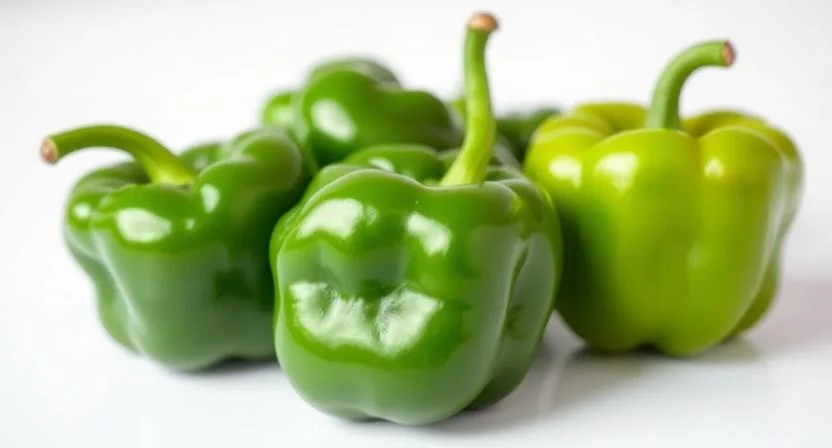
Green paprika, commonly known as green bell pepper, is a crisp and mildly flavored vegetable often used in salads, stir-fries, and as a stuffing vessel. Unlike its red or yellow counterparts, the green variety is harvested before fully ripening.
Identification
- Medium to large size with a blocky, bell shape
- Smooth, shiny green skin
- Crisp, juicy flesh with a hollow interior
- Contains small, flat, cream-colored seeds attached to a white membrane
- Grows on bushy plants in warm climates
Health Benefits
Green bell peppers are low in calories and rich in vitamins C and A, which support immune function and eye health. They provide antioxidants that help reduce inflammation and protect against chronic diseases. The fiber content aids in digestion and promotes satiety.
29. Green Cherimoya
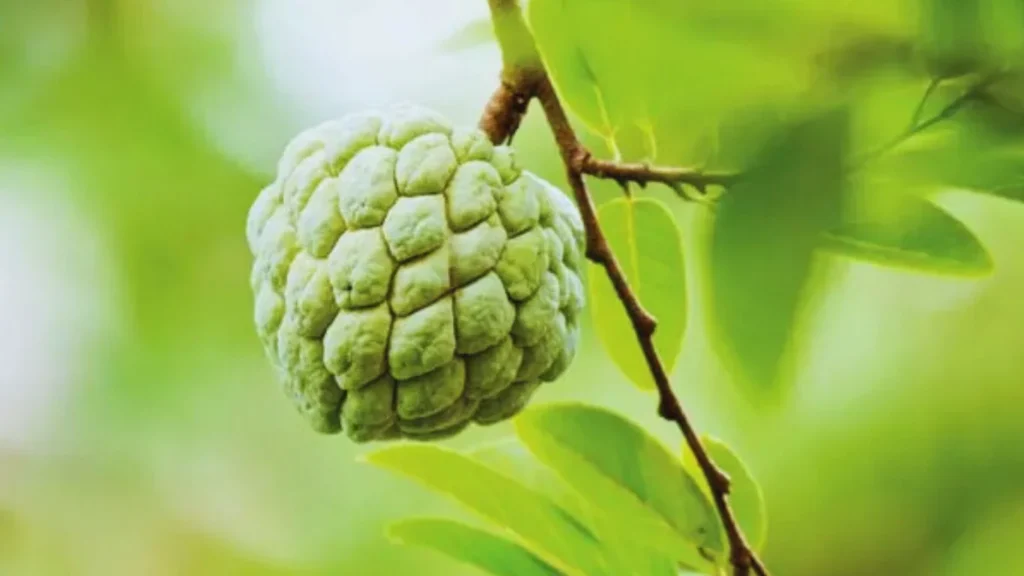
Green cherimoya, often referred to as the “custard apple,” is a tropical fruit known for its creamy texture and sweet flavor, reminiscent of a blend of banana, pineapple, and strawberry. The green variety is harvested before full ripeness and is firmer and less sweet.
Identification
- Heart-shaped with a scaly, green skin.
- Creamy white flesh with a custard-like consistency
- Contains several large, black, inedible seeds.
- Grows on deciduous trees in subtropical regions
- Typically harvested in late autumn to early winter
Health Benefits
Green cherimoya is rich in vitamin C, supporting immune health, and provides a good amount of dietary fiber, aiding digestion. It contains potassium and magnesium, which help regulate blood pressure and support heart health. The antioxidants present contribute to reducing oxidative stress.
30. Green Sapote
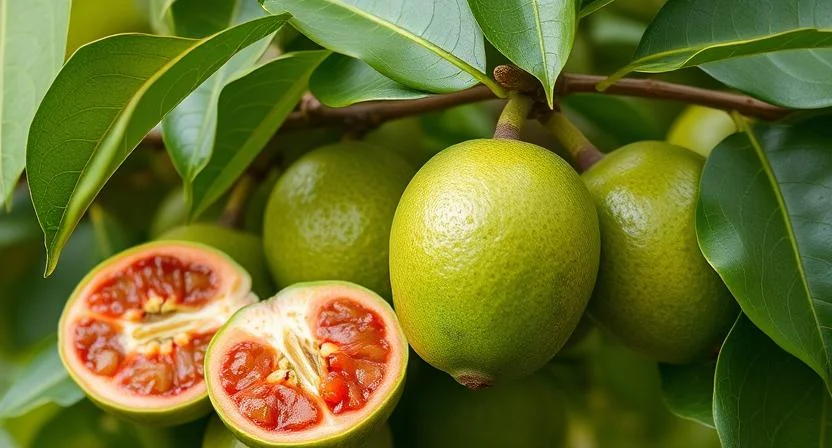
Green sapote is a lesser-known tropical fruit related to the mamey sapote. It has a smooth, green skin and a sweet, creamy orange to pink flesh when ripe. The unripe green sapote is firmer and less sweet, often used in cooking or allowed to ripen off the tree.
Identification
- Oval to egg-shaped with smooth, green skin
- Firm, pale flesh when unripe; becomes soft and orange to pink when ripe
- Contains a large, central seed
- Grows on evergreen trees in tropical climates
- Harvested in late summer to early fall
Health Benefits
Green sapote is a good source of vitamins A and C, which support vision and immune function. It provides dietary fiber, promoting digestive health, and contains potassium, aiding in maintaining healthy blood pressure levels. The fruit also offers antioxidants that help protect the body from oxidative stress.
31. Feijoa (Pineapple Guava)
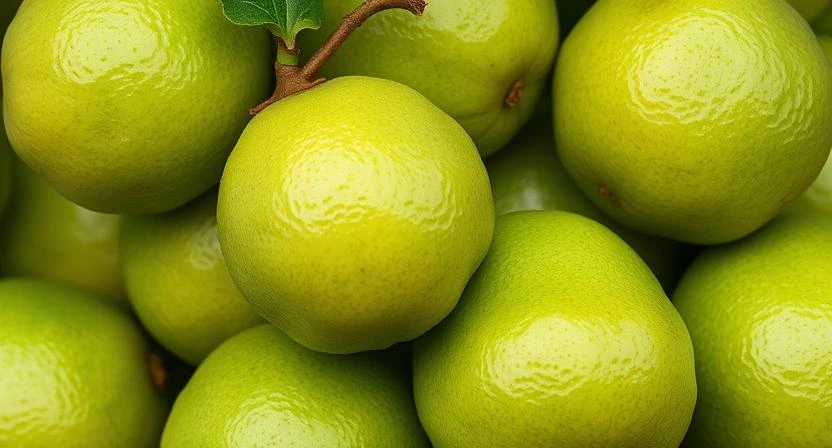
Feijoa, also known as pineapple guava, is an egg-shaped green fruit with a sweet, aromatic flavor reminiscent of pineapple, apple, and mint. Native to South America, it’s commonly eaten fresh or used in jams, jellies, and desserts.
Identification
- Oval-shaped, approximately 5–8 cm in length
- Smooth, green skin
- Grainy, cream-colored flesh with a jelly-like seed pulp.
- Grows on evergreen shrubs or small trees
- Typically harvested in autumn
Health Benefits
Feijoa is rich in vitamin C, which supports immune function and skin health. It also provides dietary fiber, aiding digestion and promoting a healthy gut. Additionally, feijoa contains antioxidants that help combat oxidative stress in the body.
32. Soursop (Unripe)
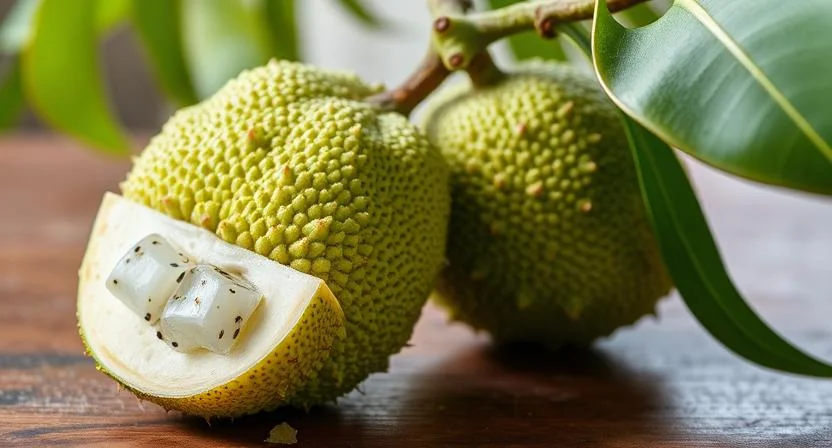
Soursop, also known as graviola, is a tropical fruit with a spiky green exterior and soft, white flesh. While typically consumed when ripe and sweet, unripe soursop is firmer and has a more acidic flavor, often used in cooking and traditional remedies.
Identification
- Large, heart-shaped fruit with a spiky green skin
- Weighs between 2 to 5 kg
- Firm, white flesh with inedible black seeds when unripe
- Grows on small, evergreen trees in tropical climates
- Harvested year-round in suitable conditions
Health Benefits
Unripe soursop is high in vitamin C, which boosts immune health and protects against pathogens. It also contains antioxidants that help reduce inflammation and may have antibacterial properties. Additionally, soursop provides dietary fiber, supporting digestive health.
33. Green Mulberry
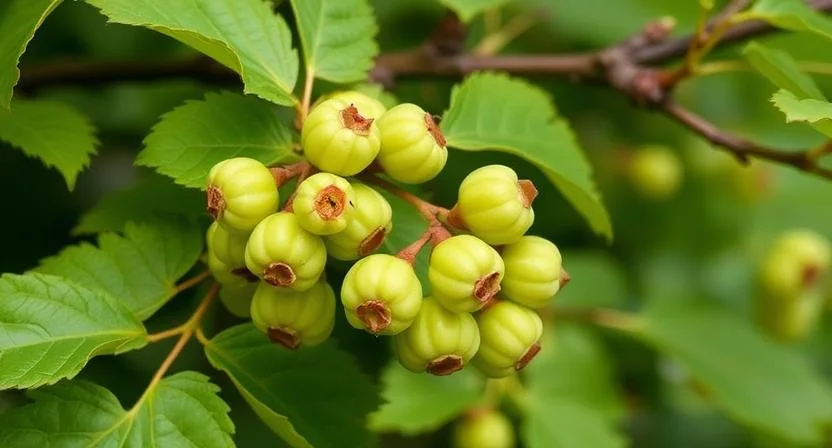
Green mulberries are the unripe fruits of the mulberry tree, known for their tart flavor. While ripe mulberries are sweet and commonly consumed, the green, unripe versions are often used in traditional medicine and culinary applications for their unique taste and potential health benefits.
Identification
- Small, cylindrical, and clustered berries
- Green when unripe, turning red or black as they mature
- Grows on deciduous trees in temperate regions
- Typically harvested in late spring to early summer
- Leaves are broad and heart-shaped
Health Benefits
Green mulberries are rich in vitamin C and iron, supporting immune function and red blood cell production. They contain antioxidants that help reduce oxidative stress and may aid in lowering cholesterol levels. Additionally, compounds in mulberries have been studied for their potential to regulate blood sugar levels.
34. Green Loquat
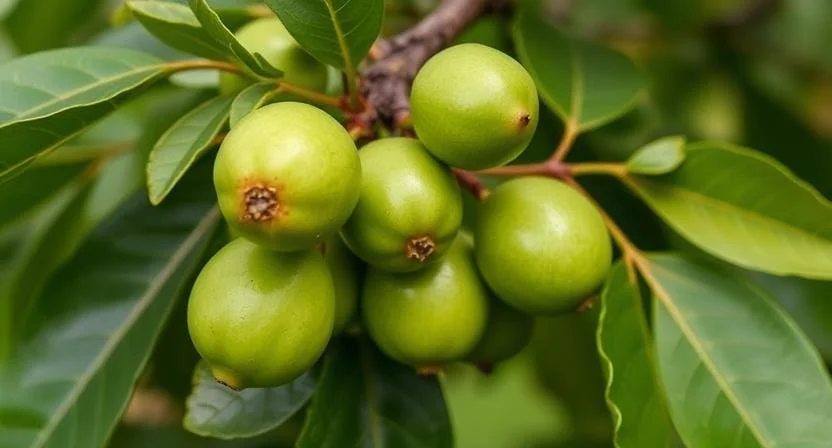
Green loquats are the unripe fruits of the loquat tree, known for their firm texture and tart flavor. While typically consumed when ripe and sweet, green loquats are sometimes used in cooking or traditional remedies.
Identification
- Small, oval-shaped fruit with smooth green skin when unripe
- Firm, pale flesh with a slightly acidic taste
- Contains several large, brown seeds
- Grows in clusters on evergreen trees
- Harvested in late winter to early spring
Health Benefits
Green loquats are a good source of antioxidants, including carotenoids, which support eye health and reduce inflammation. They provide vitamin C, aiding immune function, and dietary fiber, promoting digestive health. Additionally, compounds in loquats have been studied for their potential to improve metabolic health by reducing blood sugar and triglyceride levels.
35. Green Persimmon
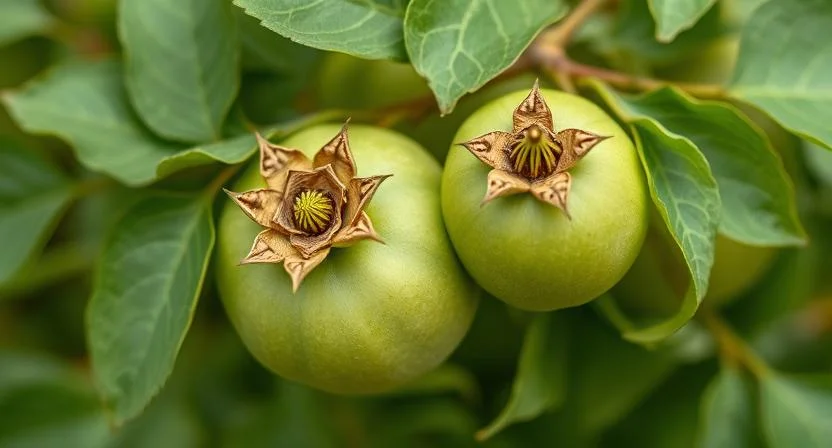
Green persimmons are the unripe versions of the sweet, orange fruit known for their astringent taste due to high tannin content. They are often used in traditional recipes or allowed to ripen to develop their characteristic sweetness.
Identification
- Round or acorn-shaped with smooth, green skin when unripe
- Firm, pale flesh with a highly astringent taste
- Contains several flat, brown seeds (in some varieties)
- Grows on deciduous trees with broad leaves
- Harvested in late autumn to early winter
Health Benefits
Green persimmons are rich in tannins, which have antioxidant properties and may help reduce inflammation. They provide vitamins A and C, supporting vision and immune health. Additionally, persimmons contain dietary fiber, aiding in digestion and promoting heart health.
36. Green Olive
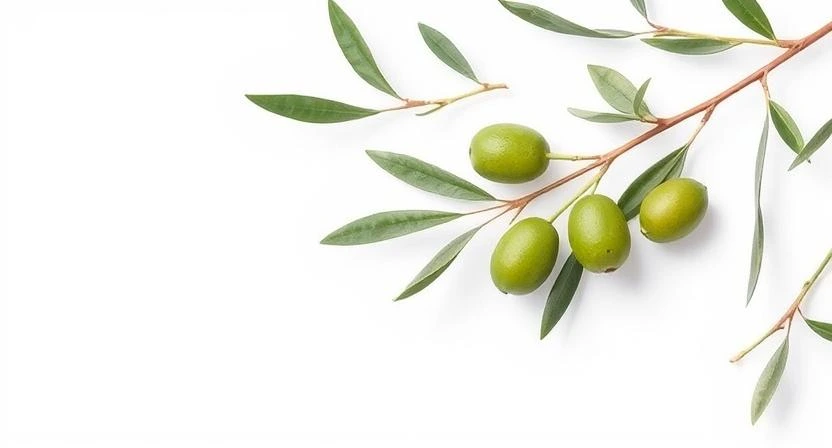
Green olives are unripe olives harvested before they fully mature and change color to black. They are commonly consumed as snacks, in salads, or used to produce olive oil. Green olives have a firm texture and a slightly bitter, tangy flavor.
Identification
- Small, oval-shaped with smooth, green skin
- Firm flesh with a dense texture
- Contains a single, hard pit or stone
- Grows on evergreen trees native to the Mediterranean region
- Typically harvested in late summer to early autumn
Health Benefits
Green olives are rich in monounsaturated fats, particularly oleic acid, which supports heart health by reducing bad cholesterol levels. They are also a good source of vitamin E, an antioxidant that protects cells from oxidative damage. Additionally, compounds in olives have anti-inflammatory properties and may contribute to bone health.
37. Green Cherry
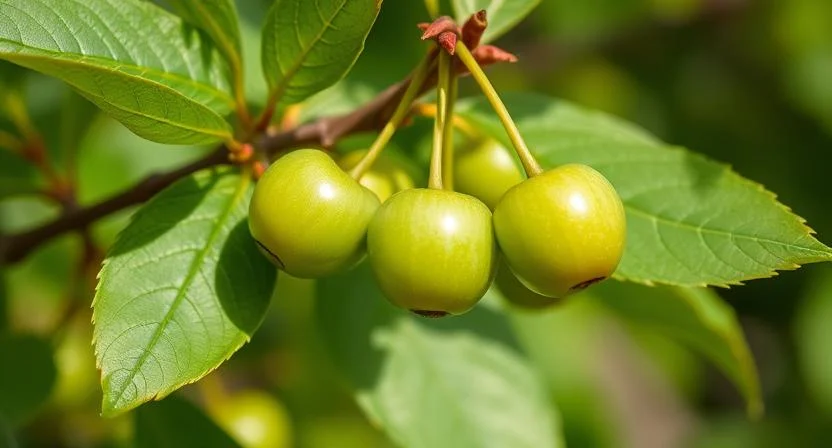
Green cherries are the unripe form of the common cherry fruit. They have a firm texture and a tart, slightly sour flavor. While typically consumed when ripe and sweet, green cherries can be used in pickling or culinary applications where a sour note is desired.
Identification
- Small, round shape with smooth, green skin
- Firm, pale green flesh
- Contains a single, hard seed or pit
- Grows on deciduous trees in temperate regions
- Harvested in late spring to early summer
Health Benefits
Green cherries are rich in vitamins A and C, which support immune function and skin health. They also contain antioxidants that help combat oxidative stress and reduce inflammation. Additionally, cherries provide dietary fiber, aiding in digestion and promoting a healthy gut.
38. Green Apricot

Green apricots are unripe apricots harvested before they reach full maturity. They have a firm texture and a tart flavor, making them ideal for pickling, preserves, or culinary uses where a sour note is desired.
Identification
- Small, round to oval shape with smooth, green skin
- Firm, pale green to white flesh
- Contains a central pit or stone
- Grows on deciduous trees in temperate climates
- Typically harvested in late spring
Health Benefits
Green apricots are a good source of dietary fiber, aiding in digestion and promoting gut health. They contain vitamin A, which is essential for eye health, and vitamin C, supporting the immune system. The antioxidants present help protect cells from damage and may reduce the risk of chronic diseases.