





Lemons come in a surprising variety of shapes, sizes, and flavors—ranging from the tart and juicy Eureka to the sweet, mild Dorshapo and the fragrant Sorrento from Italy. Whether you’re growing lemons at home, selecting the best variety for your climate, or exploring new flavors for culinary use, understanding the differences among lemon types can be both practical and rewarding. In this guide, you’ll discover 25 unique lemon varieties from around the world, complete with their names, appearance, taste profiles, and growing characteristics. Perfect for gardeners, chefs, and citrus lovers alike.
1. Eureka Lemon
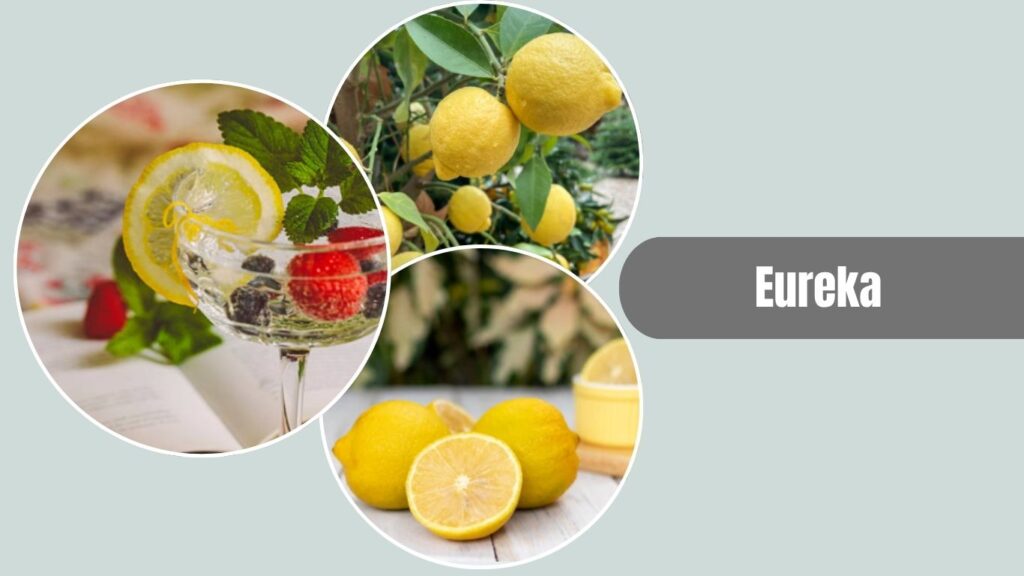
Eureka lemon is one of the most common and widely grown lemon varieties in the world. Known for its classic bright yellow skin, strong acidic flavor, and year-round fruit production, it’s a favorite for both commercial farming and home gardens.
Identification
- Fruit Color: Bright yellow
- Fruit Shape: Oblong with a slight neck
- Tree Size: Medium, upright growth
- Skin Texture: Medium-thick, slightly bumpy
- Seeds: Few to none
- Taste: Strongly acidic and tangy
Growth and Seasonality
Eureka lemon trees are everbearing, meaning they can produce fruit all year, with peak harvests in winter and spring. They grow best in warm, sunny climates and are hardy in USDA zones 9–11.
Uses and Benefits
Ideal for cooking, juicing, and zesting. Eureka lemons are rich in vitamin C and citric acid, supporting immune health, aiding digestion, and enhancing flavor in culinary dishes.
2. Lisbon Lemon

Lisbon lemon is a highly productive and cold-tolerant variety that closely resembles Eureka in appearance and flavor. It’s widely cultivated for its classic lemon taste and vigorous growth.
Identification
- Fruit Color: Bright yellow
- Fruit Shape: Oblong, symmetrical
- Tree Size: Large and spreading
- Skin Texture: Smooth to slightly bumpy
- Seeds: Few
- Taste: Strongly acidic and aromatic
Growth and Seasonality
Lisbon lemon trees produce most heavily in winter and early spring but can bear fruit year-round in ideal climates. They tolerate cooler temperatures better than Eureka and thrive in USDA zones 9–10.
Uses and Benefits
Excellent for juicing, cooking, and baking. Lisbon lemons are high in vitamin C, flavonoids, and citric acid, boosting immunity and acting as a natural preservative.
3. Meyer Lemon
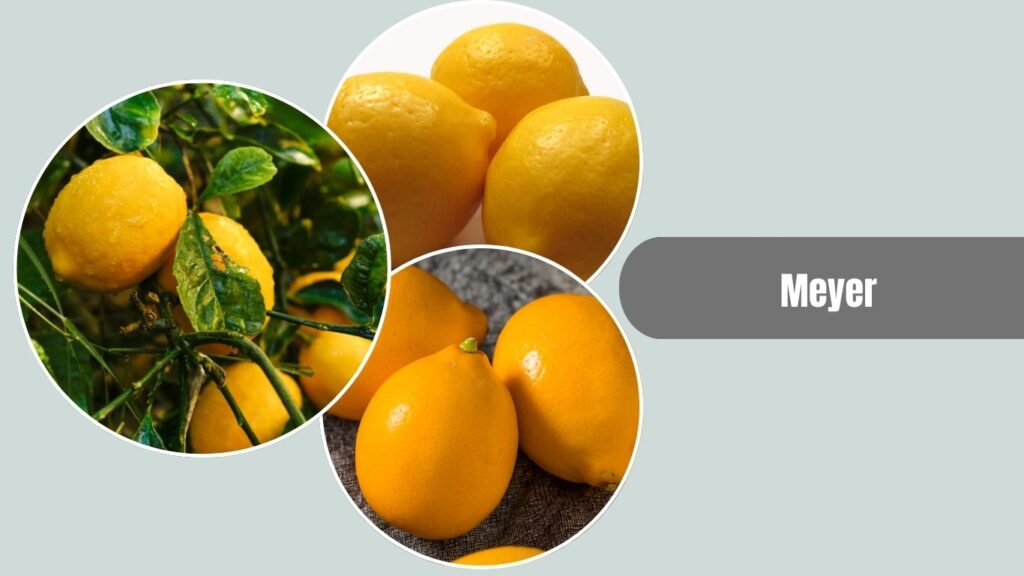
Meyer lemon is a hybrid between a true lemon and a mandarin orange, making it sweeter, less acidic, and highly fragrant. It’s a favorite for home gardeners and culinary uses.
Identification
- Fruit Color: Deep yellow to orange-yellow
- Fruit Shape: Rounder and smaller than typical lemons
- Tree Size: Small and bushy
- Skin Texture: Thin, smooth, and glossy
- Seeds: Few
- Taste: Sweet, floral, and mildly acidic
Growth and Seasonality
Meyer lemons grow well in containers or small gardens and fruit throughout the year, with peak harvests in winter. Ideal for USDA zones 9–11 or indoors in cooler climates.
Uses and Benefits
Perfect for salad dressings, desserts, and drinks. Meyer lemons are rich in vitamin C and prized for their sweet flavor, making them ideal for recipes requiring less tartness.
4. Ponderosa Lemon
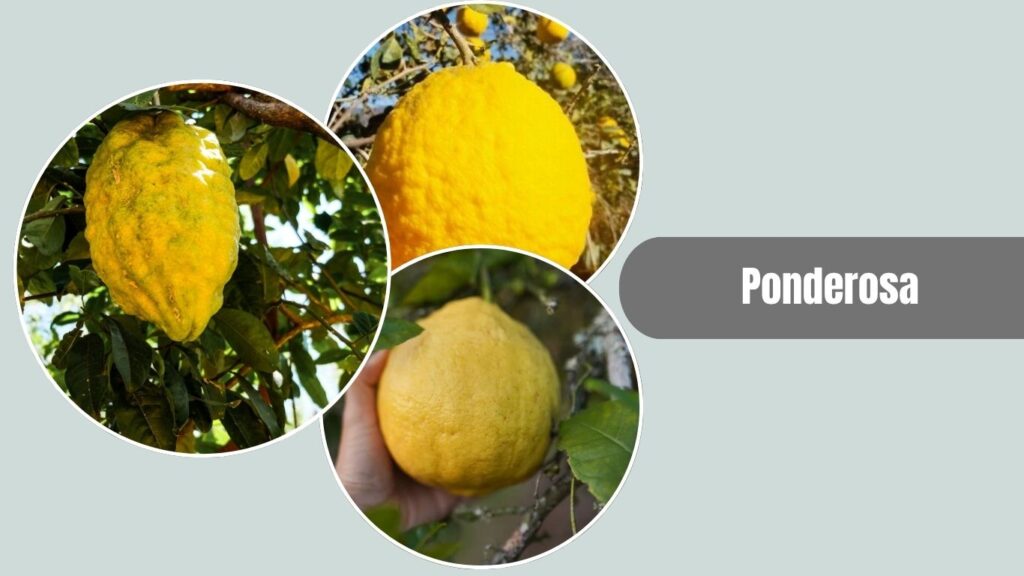
Ponderosa lemon is a hybrid between a lemon and a citron, known for its extremely large fruits and thick, bumpy skin. Though not commonly grown commercially, it’s a popular novelty tree in home gardens.
Identification
- Fruit Color: Bright yellow
- Fruit Shape: Very large and round to oval
- Tree Size: Small to medium, bushy growth
- Skin Texture: Thick, rough, and bumpy
- Seeds: Many
- Taste: Very acidic with a strong lemon flavor
Growth and Seasonality
Ponderosa lemons grow year-round in warm climates or as indoor potted trees in colder zones. They thrive in USDA zones 9–11.
Uses and Benefits
Used in cooking and juicing when large amounts of lemon juice or zest are needed. While not as sweet as Meyer, it’s high in vitamin C and excellent for ornamental use.
5. Femminello Lemon

Femminello is a traditional Italian lemon group with several sub-varieties, widely grown in southern Italy. These lemons are prized for their aromatic zest and high juice content.
Identification
- Fruit Color: Bright to pale yellow
- Fruit Shape: Medium, elliptical
- Tree Size: Medium to large
- Skin Texture: Thin to medium-thick, smooth
- Seeds: Few
- Taste: Very acidic and fragrant
Growth and Seasonality
Femminello trees are productive and bloom multiple times per year. They thrive in Mediterranean climates and USDA zones 9–11.
Uses and Benefits
Ideal for limoncello, zesting, and cooking. Femminello lemons are packed with essential oils and vitamin C, enhancing flavor in desserts, seafood, and beverages.
6. Villafranca Lemon
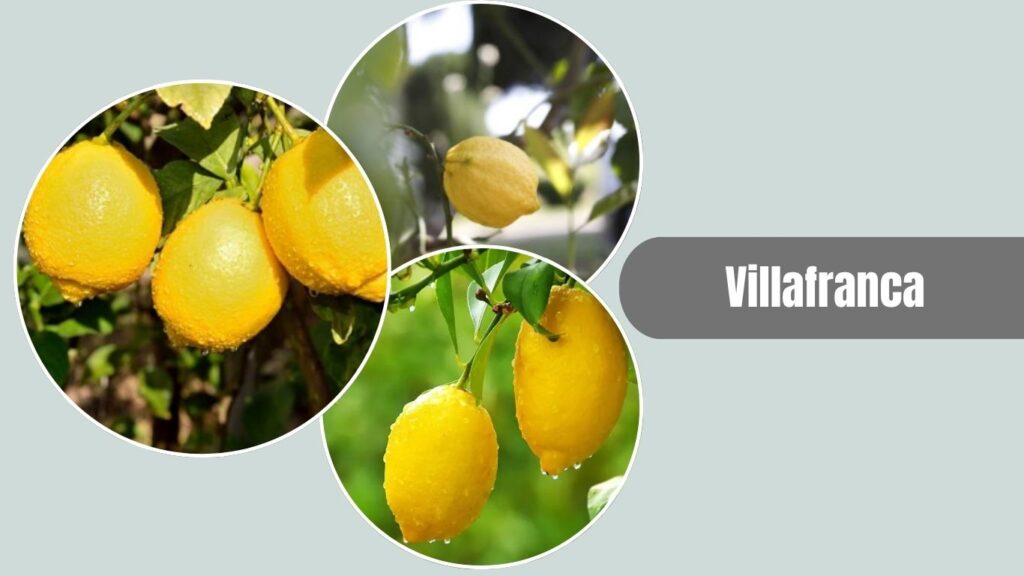
Villafranca lemon is an old European variety similar to Lisbon and Eureka in appearance and flavor. It’s a vigorous grower and produces high yields of classic, acidic lemons, especially in warmer climates.
Identification
- Fruit Color: Bright yellow
- Fruit Shape: Oblong and slightly pointed
- Tree Size: Medium to large
- Skin Texture: Medium-thick and slightly rough
- Seeds: Few
- Taste: Strongly acidic and sharp
Growth and Seasonality
Villafranca trees bloom in spring and typically produce fruit in winter. They thrive in USDA zones 9–10 and prefer full sun and well-drained soil.
Uses and Benefits
Great for juicing, zesting, and culinary uses. Villafranca lemons are rich in vitamin C and citric acid, making them excellent for boosting flavor and preserving food naturally.
7. Genoa Lemon

Genoa lemon is an Italian variety similar to Eureka, known for its cold tolerance and consistent fruiting. It’s a compact tree, making it suitable for smaller spaces or container growing.
Identification
- Fruit Color: Bright yellow
- Fruit Shape: Oval with a blunt tip
- Tree Size: Small to medium
- Skin Texture: Smooth to slightly rough
- Seeds: Few
- Taste: Strong lemon flavor with good acidity
Growth and Seasonality
Genoa lemon trees are productive and can bear fruit nearly year-round. They are well-suited for USDA zones 9–10 and tolerate cooler conditions better than some other varieties.
Uses and Benefits
Ideal for home use in cooking, baking, and fresh juicing. Genoa lemons offer high vitamin C and aromatic oils, beneficial for flavor and immune support.
8. Yen Ben Lemon
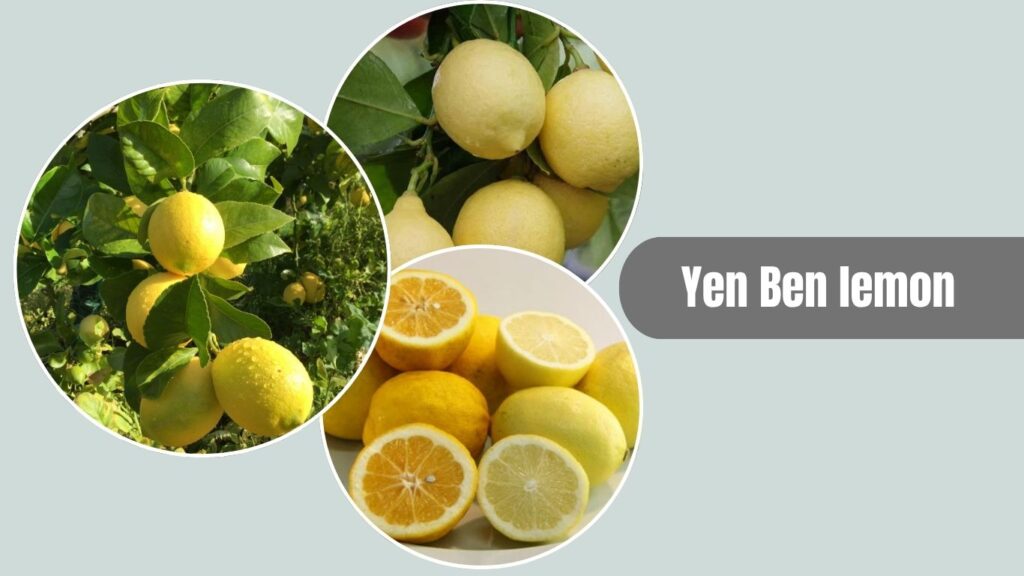
Yen Ben is a smooth-skinned, seedless lemon variety originating from Australia and New Zealand. It is prized for its high juice content and extended shelf life, making it popular in both commercial and home settings.
Identification
- Fruit Color: Bright yellow
- Fruit Shape: Uniform, oblong
- Tree Size: Medium and upright
- Skin Texture: Thin and smooth
- Seeds: Few to none
- Taste: Tart, clean, and refreshing
Growth and Seasonality
Yen Ben lemons are summer-bearing and thrive in mild, coastal climates. Best suited for USDA zones 9–11, with good yields in both backyard gardens and orchards.
Uses and Benefits
Excellent for juicing and cooking due to its seedless nature and rich juice content. High in vitamin C and low in bitterness, making it ideal for beverages and preserves.
9. Interdonato Lemon

Interdonato lemon is an early-ripening Italian variety, often harvested before many other types. It features mild acidity and a long, slender shape, and is sometimes considered a hybrid with citron ancestry.
Identification
- Fruit Color: Pale yellow
- Fruit Shape: Long and tapered
- Tree Size: Medium
- Skin Texture: Smooth and thin
- Seeds: Very few
- Taste: Mildly acidic with a subtle flavor
Growth and Seasonality
Interdonato lemons mature early, often ready for harvest in autumn. They grow well in Mediterranean climates and USDA zones 9–10.
Uses and Benefits
Ideal for fresh squeezing and light seasoning. Interdonato lemons are known for their gentle flavor and low bitterness, making them suitable for gourmet dishes and teas.
10. Verna Lemon

Verna lemon is a popular Spanish variety known for its large size, juicy pulp, and minimal seeds. It is highly valued for producing fruit in the off-season, especially during summer months when other lemons are scarce.
Identification
- Fruit Color: Bright to pale yellow
- Fruit Shape: Oval, slightly pointed at both ends
- Tree Size: Large and vigorous
- Skin Texture: Medium-thick and slightly rough
- Seeds: Few to none
- Taste: Tart, juicy, and flavorful
Growth and Seasonality
Verna lemon trees produce two to three flushes of fruit per year, with the main crop in spring and a secondary crop in summer. Best suited for USDA zones 9–11 and Mediterranean climates.
Uses and Benefits
Great for juicing, cooking, and preserving. Verna lemons are high in vitamin C and citric acid and are widely used in both households and the food industry across Europe.
11. Primofiori Lemon
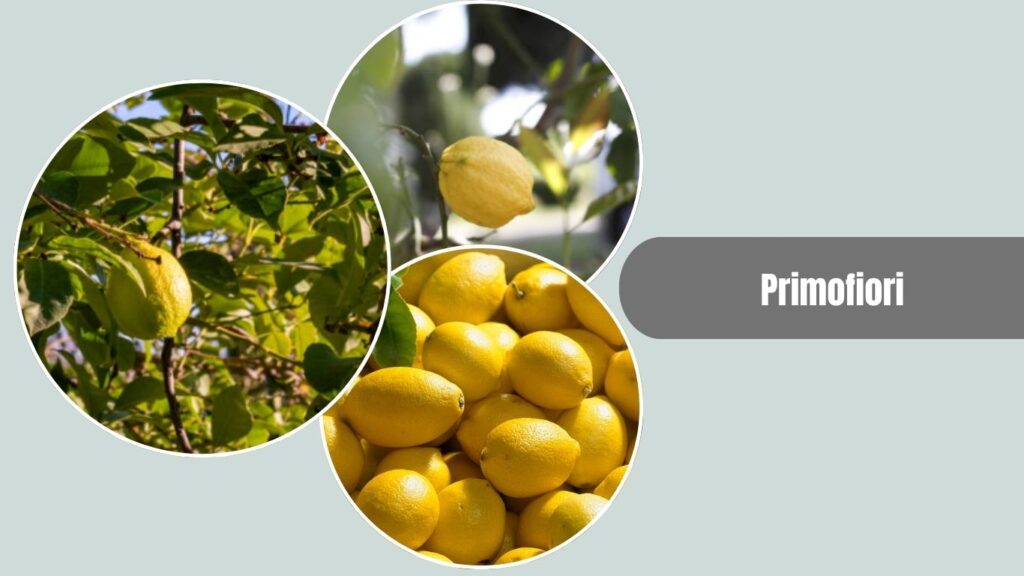
Primofiori, also known as Fino, is Spain’s most commercially grown lemon. It’s an early-ripening variety known for its thin skin, high juice content, and classic acidic flavor.
Identification
- Fruit Color: Bright yellow
- Fruit Shape: Oval and uniform
- Tree Size: Medium with dense canopy
- Skin Texture: Thin and smooth
- Seeds: Few
- Taste: Sharp and highly acidic
Growth and Seasonality
Primofiori lemons ripen in autumn and winter and are known for their consistent production. Ideal for USDA zones 9–10, especially in areas with warm, dry weather.
Uses and Benefits
Perfect for lemon juice production and fresh use. This variety is rich in vitamin C and essential oils, making it a top choice for cooking, seasoning, and health drinks.
12. Avon Lemon
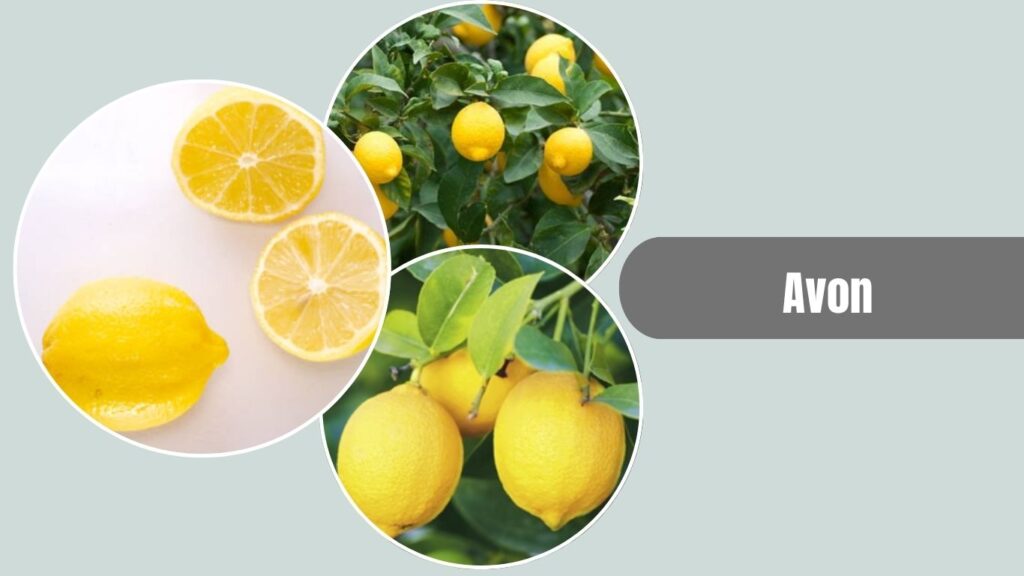
Avon lemon is a Florida-developed variety valued for its large fruit size, cold tolerance, and suitability for juicing. It’s commonly grown in the southeastern United States and performs well in subtropical climates.
Identification
- Fruit Color: Bright yellow
- Fruit Shape: Large and round to oval
- Tree Size: Medium to large
- Skin Texture: Medium-thick and slightly bumpy
- Seeds: Moderate
- Taste: Tart and juicy
Growth and Seasonality
Avon lemons ripen in winter and are well-suited for USDA zones 9–10. The tree is cold-hardy for a lemon and thrives in humid, warm regions.
Uses and Benefits
Excellent for juicing and home use. Avon lemons offer high juice yield, are rich in vitamin C, and are a reliable source for lemonade and culinary use in the southeastern U.S.
13. Bearss Lemon
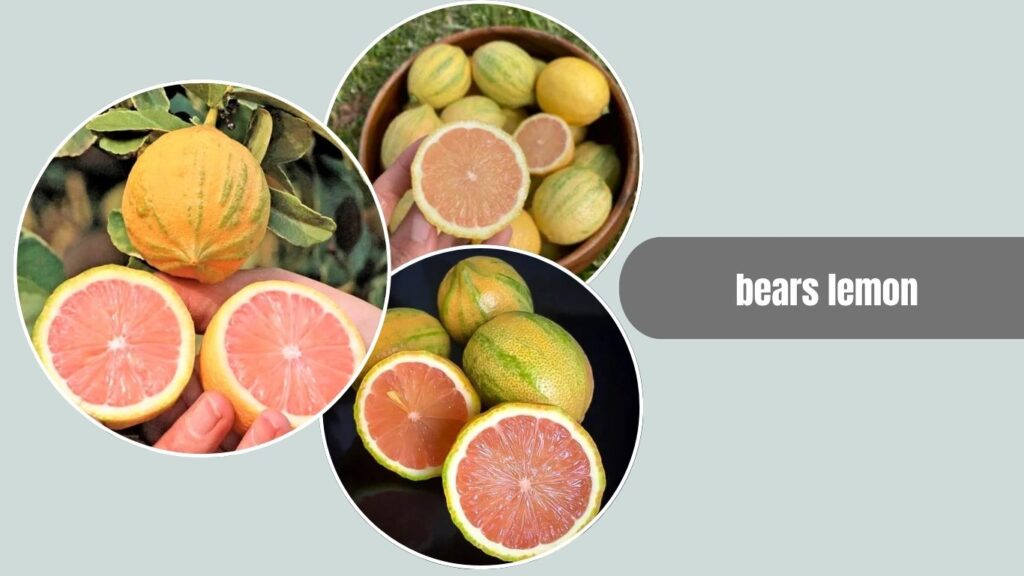
Bearss lemon, also known as the Sicilian lemon, is a vigorous, seedless variety with high juice content and a classic tart lemon flavor. It’s a favorite among home growers and chefs alike.
Identification
- Fruit Color: Bright yellow
- Fruit Shape: Oval with slightly pointed ends
- Tree Size: Medium and upright
- Skin Texture: Smooth and thin
- Seeds: Seedless or very few
- Taste: Strongly acidic and fragrant
Growth and Seasonality
Bearss lemon trees produce fruit in winter through spring, often continuously in warm climates. They grow best in USDA zones 9–11 and require full sun and good drainage.
Uses and Benefits
Perfect for cooking, beverages, and zesting. Bearss lemons are packed with citric acid and vitamin C, ideal for health drinks, marinades, and fresh dressings.
14. Jhambiri (Rough Lemon)
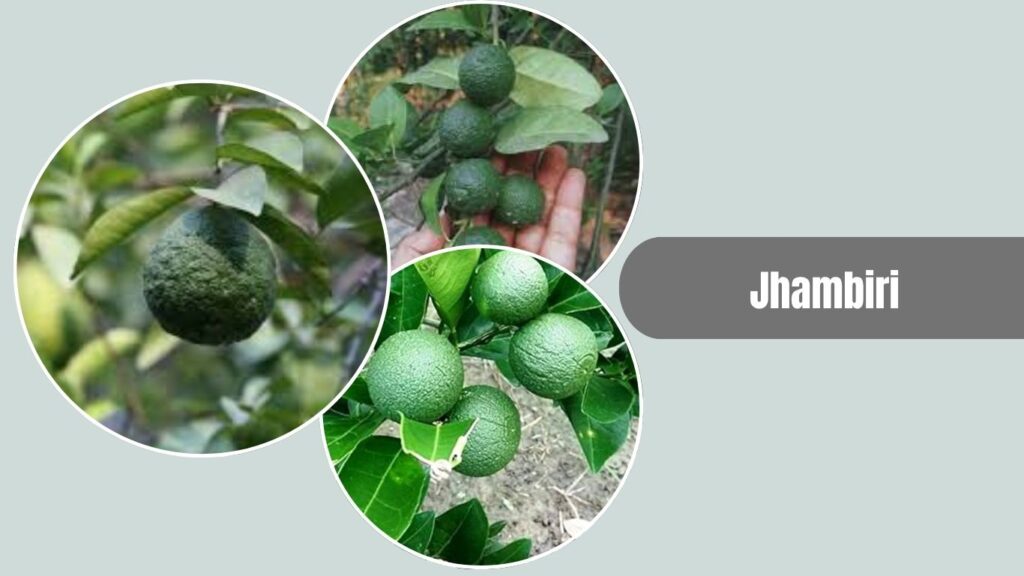
Jhambiri, also known as Rough Lemon, is a hardy Indian lemon variety often used as a rootstock due to its vigorous growth and adaptability. It produces large, thick-skinned, highly acidic fruits.
Identification
- Fruit Color: Bright yellow to greenish-yellow
- Fruit Shape: Round to slightly flattened
- Tree Size: Large and bushy
- Skin Texture: Very thick, rough, and bumpy
- Seeds: Many
- Taste: Very sour and acidic
Growth and Seasonality
Jhambiri grows vigorously in tropical and subtropical climates and is highly tolerant of drought and poor soils. It thrives in USDA zones 10–11.
Uses and Benefits
Primarily used in traditional medicine, pickling, and as a lemon rootstock. Rich in vitamin C and widely used in Ayurvedic remedies for digestive and skin issues.
15. Assam Lemon
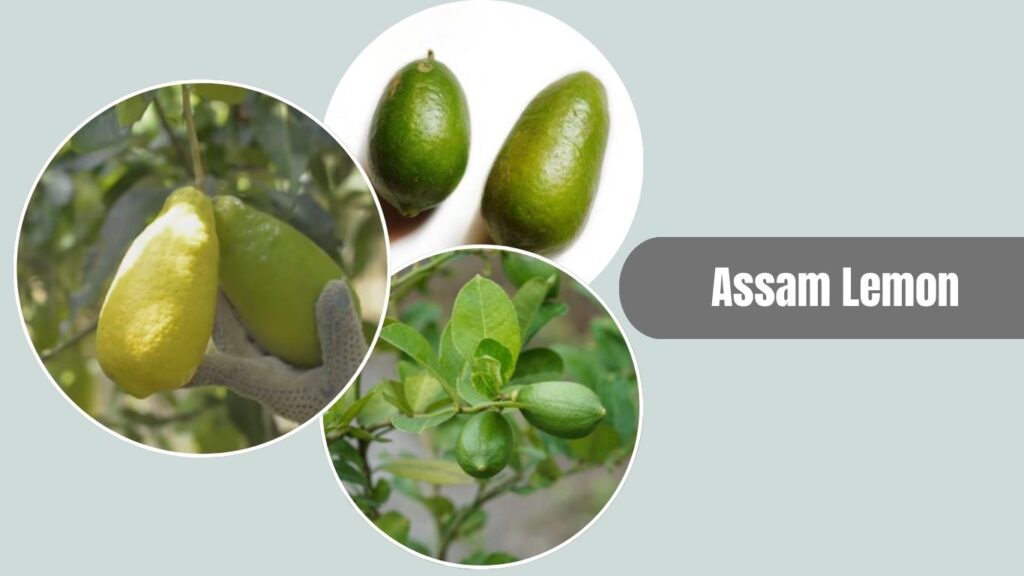
Assam lemon is a popular regional variety from Northeast India, known for its long, slender shape and strong aromatic flavor. It is commonly used in Indian cuisine and traditional remedies.
Identification
- Fruit Color: Pale yellow to light green
- Fruit Shape: Elongated and tapered
- Tree Size: Medium
- Skin Texture: Thin and smooth
- Seeds: Few
- Taste: Intensely sour and fragrant
Growth and Seasonality
Assam lemon trees thrive in humid tropical climates and bear fruit almost year-round, especially in monsoon and post-monsoon seasons.
Uses and Benefits
Widely used in Indian cooking, pickles, and herbal treatments. Rich in vitamin C and essential oils, it aids digestion, boosts immunity, and adds bold flavor to dishes.
16. Patnei Lemon
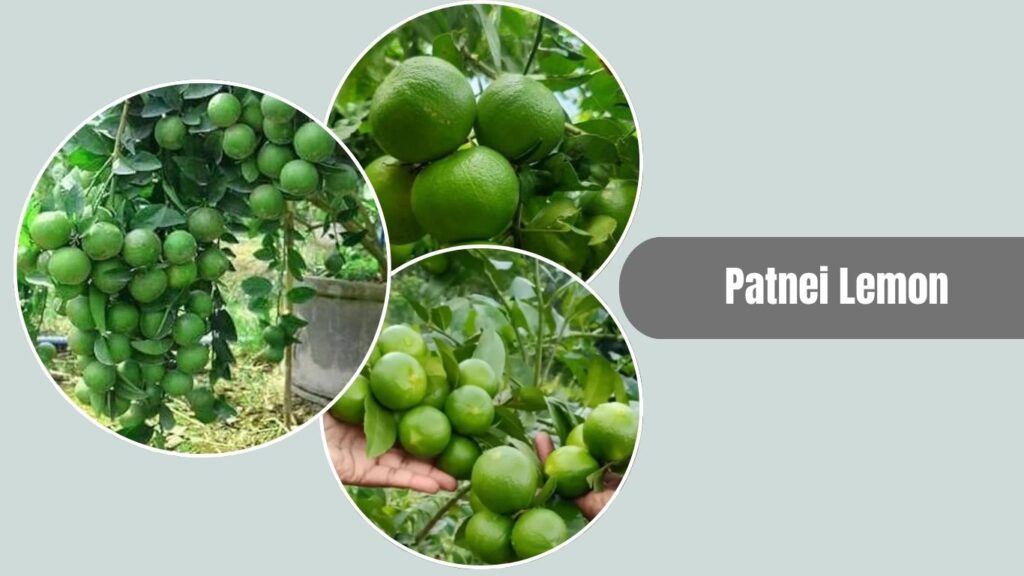
Patnei lemon is a well-known Indian variety, appreciated for its medium-sized fruits and consistent yield. It is widely cultivated in parts of North India for both culinary and medicinal uses.
Identification
- Fruit Color: Light yellow
- Fruit Shape: Round to oval
- Tree Size: Medium and dense
- Skin Texture: Smooth, medium-thick
- Seeds: Moderate
- Taste: Sharp, acidic flavor
Growth and Seasonality
Patnei lemon trees grow well in tropical to subtropical climates and produce fruit mainly during the monsoon and post-monsoon seasons. Suitable for USDA zones 10–11.
Uses and Benefits
Used for fresh juice, pickling, and home remedies. High in vitamin C and antioxidants, Patnei lemons help boost immunity and aid digestion.
17. Kagzi Kalan Lemon
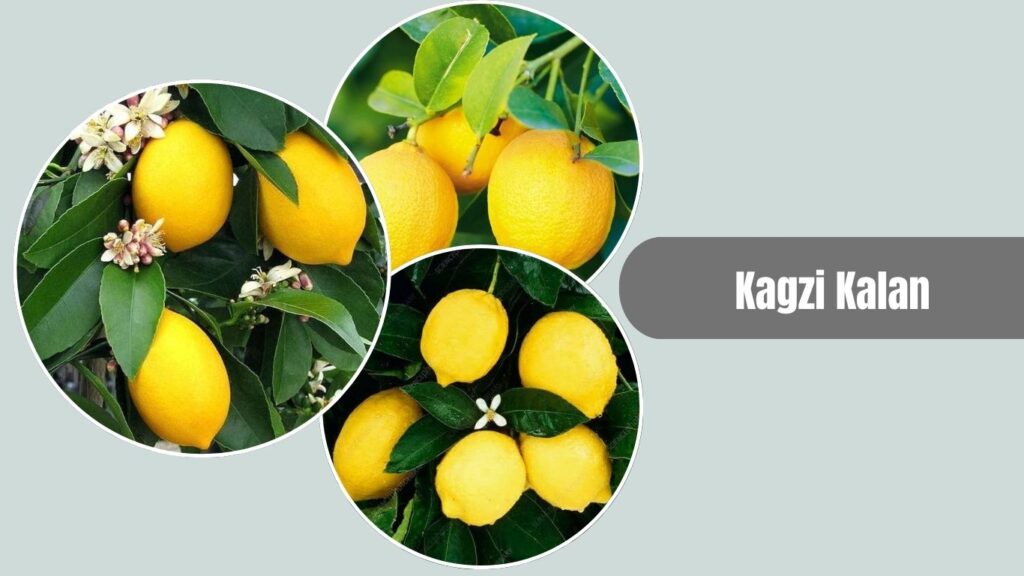
Kagzi Kalan is one of the most common and commercially important lemon varieties in India. Known for its thin skin and high juice content, it is favored by both farmers and consumers.
Identification
- Fruit Color: Bright yellow
- Fruit Shape: Small to medium, round
- Tree Size: Medium and upright
- Skin Texture: Thin and smooth
- Seeds: Few
- Taste: Highly acidic and juicy
Growth and Seasonality
Kagzi Kalan trees produce year-round with peak fruiting in the rainy and winter seasons. They grow best in warm, sunny regions and tolerate some drought.
Uses and Benefits
Ideal for lemon juice, pickles, and garnishes. Known for its high vitamin C content and refreshing acidity, making it popular in kitchens and street beverages like lemon water.
18. Nepali Oblong Lemon
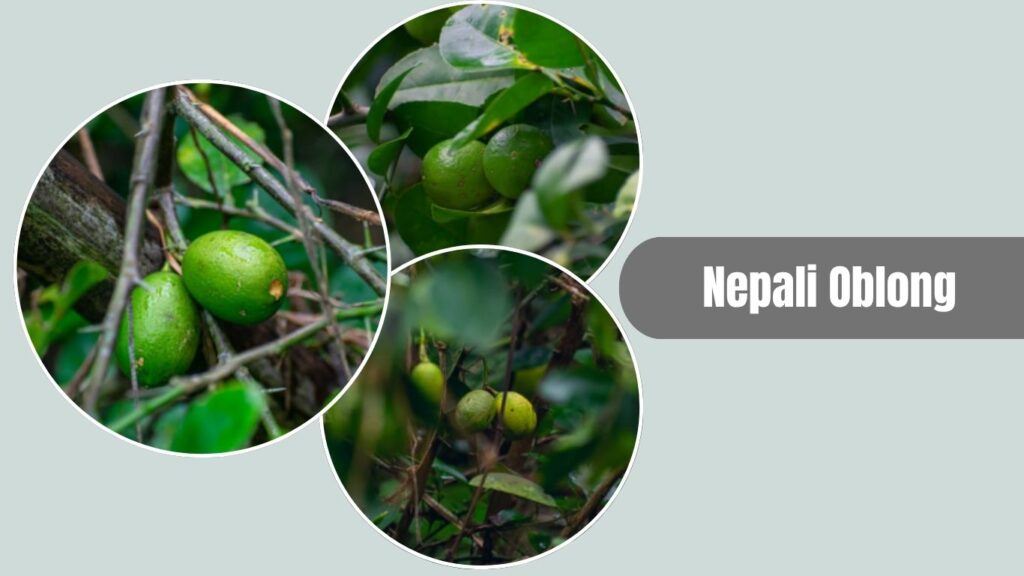
Nepali Oblong is a traditional lemon variety found in the hilly regions of Nepal and northern India. It’s known for its unique elongated shape and strong citrus aroma, commonly used in local cuisine and herbal remedies.
Identification
- Fruit Color: Pale yellow to greenish
- Fruit Shape: Elongated and oblong
- Tree Size: Medium
- Skin Texture: Medium-thick and slightly rough
- Seeds: Moderate
- Taste: Strongly acidic and aromatic
Growth and Seasonality
This variety thrives in cooler, high-altitude climates and typically fruits once or twice per year, depending on rainfall and temperature.
Uses and Benefits
Used in teas, pickles, and medicinal infusions. High in vitamin C and traditional value, it’s known for aiding digestion and soothing sore throats.
19. Karna Khatta
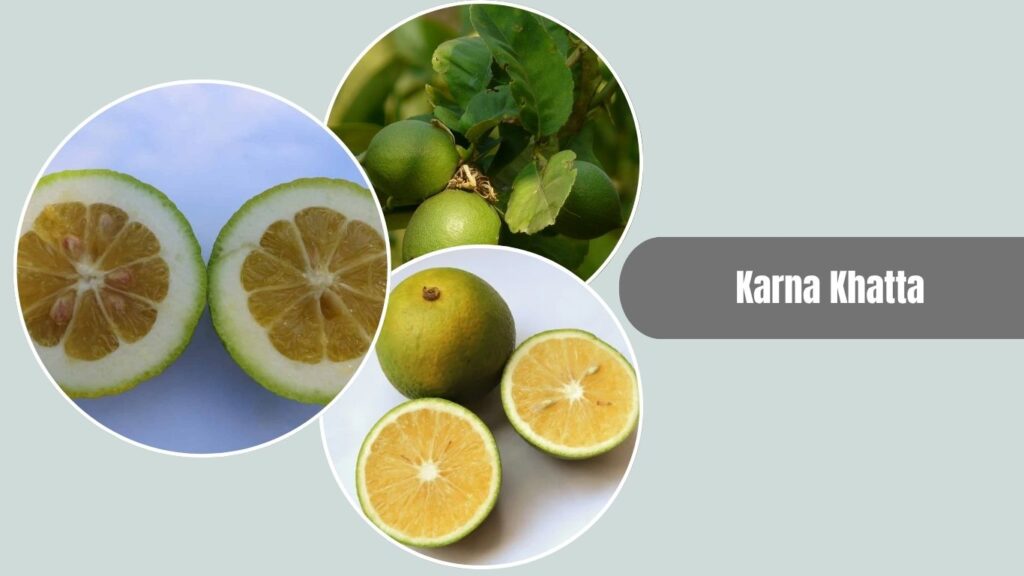
Karna Khatta is an Indian citrus hybrid believed to be a cross between lemon and pummelo. It’s often used in Ayurvedic medicine and regional pickles due to its thick rind and mild sourness.
Identification
- Fruit Color: Light green to yellow
- Fruit Shape: Large and round
- Tree Size: Medium to large
- Skin Texture: Thick, bumpy, and firm
- Seeds: Numerous
- Taste: Mildly acidic with bitter undertones
Growth and Seasonality
Grows well in tropical climates and is harvested in late monsoon or early winter seasons. It prefers full sun and moderate rainfall.
Uses and Benefits
Mostly used for making pickles and traditional remedies. The fruit is rich in vitamin C and known for detoxifying and purifying properties in herbal treatments.
20. Greek Citron
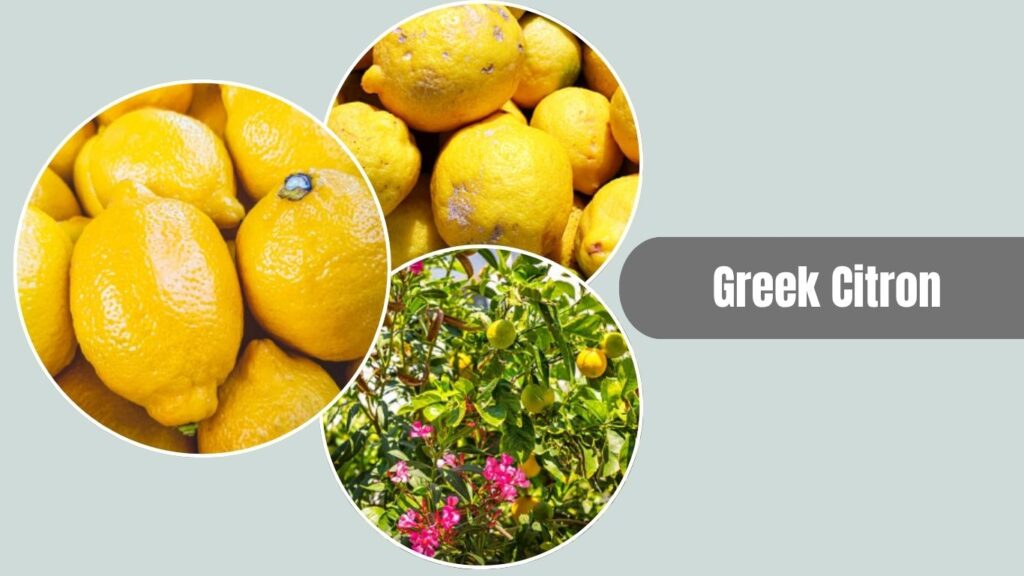
Greek Citron is one of the oldest citrus fruits, believed to be an ancestor of modern lemons. It is prized for its thick aromatic rind rather than its pulp and is traditionally used in religious and cultural rituals.
Identification
- Fruit Color: Yellow when ripe
- Fruit Shape: Large, oblong to irregular
- Tree Size: Medium
- Skin Texture: Very thick, rough, and fragrant
- Seeds: Many
- Taste: Mildly acidic, mostly dry pulp
Growth and Seasonality
Greek Citron grows best in warm Mediterranean climates and is typically harvested in autumn and winter. It thrives in USDA zones 10–11.
Uses and Benefits
Used in making candied peel, perfumes, and traditional ceremonies (e.g., Jewish Sukkot). The thick rind contains essential oils with digestive and aromatic properties.
21. Amalfi Lemon
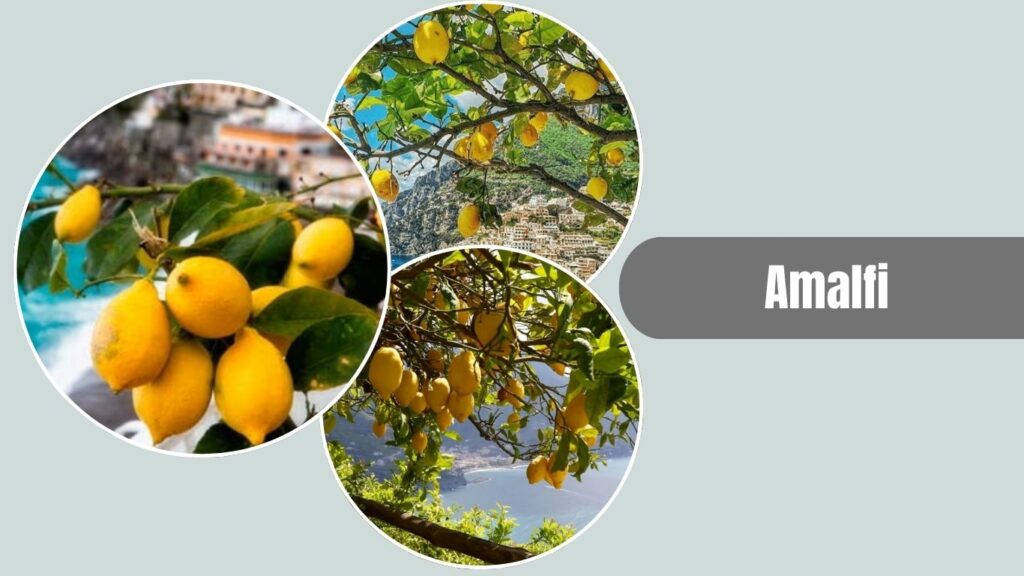
Amalfi lemon, also known as Sfusato Amalfitano, is a famous Italian variety grown along the Amalfi Coast. It’s highly aromatic, with a sweet-tart flavor and large, juicy fruits ideal for culinary use.
Identification
- Fruit Color: Bright yellow
- Fruit Shape: Elongated and pointed at both ends
- Tree Size: Medium
- Skin Texture: Thick, smooth, and very fragrant
- Seeds: Few
- Taste: Mildly acidic and sweet
Growth and Seasonality
Amalfi lemons are typically harvested from February to October. They thrive in mild coastal climates and well-drained, terraced soils.
Uses and Benefits
Famous for making limoncello, desserts, and zest-heavy dishes. Rich in vitamin C and essential oils, Amalfi lemons are both flavorful and aromatic.
22. Santa Teresa Lemon
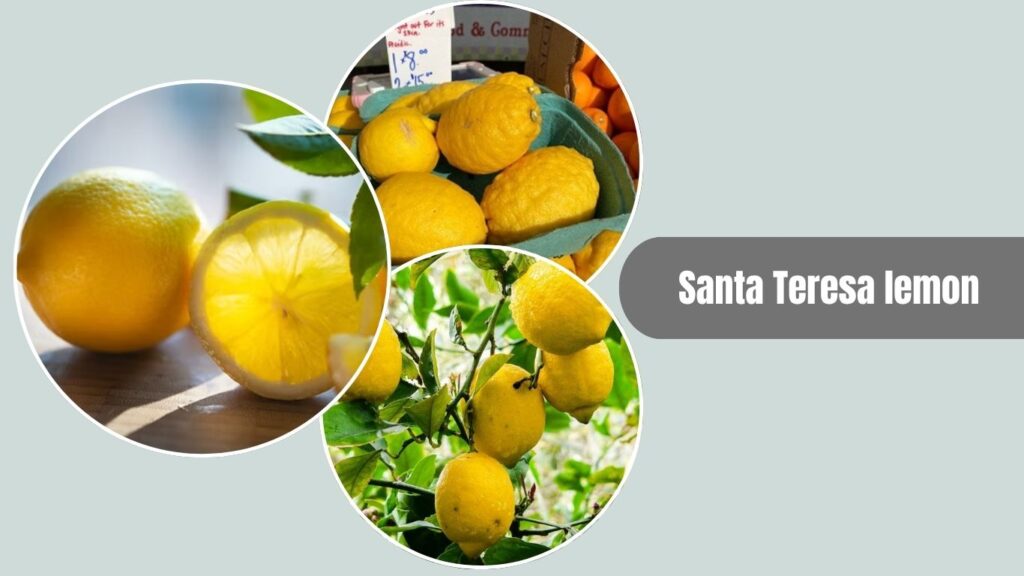
Santa Teresa is a high-quality Italian lemon variety, considered a clone of the Femminello group. It’s valued for its strong fragrance, high juice content, and disease resistance, especially against mal secco (a citrus disease).
Identification
- Fruit Color: Bright yellow
- Fruit Shape: Medium-sized, oval
- Tree Size: Medium
- Skin Texture: Thin to medium, smooth
- Seeds: Few
- Taste: Tart, aromatic, and juicy
Growth and Seasonality
Santa Teresa trees bloom and fruit multiple times a year in Mediterranean climates, with main harvests in winter and spring. Suited for USDA zones 9–11.
Uses and Benefits
Excellent for cooking, beverages, and zesting. This variety is high in citric acid and vitamin C, making it ideal for culinary use and home remedies.
23. Dorshapo Lemon
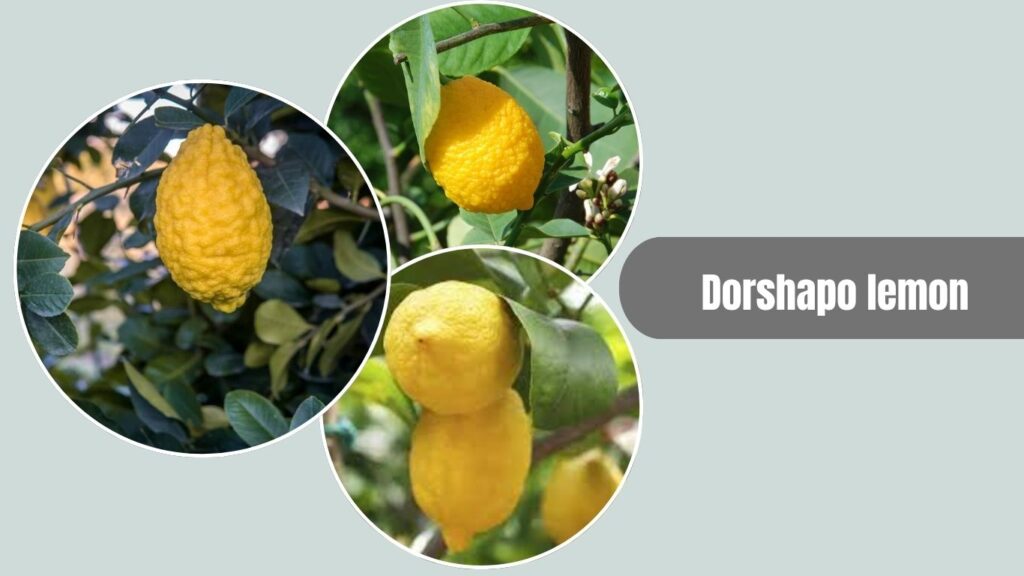
Dorshapo lemon is a low-acid, sweet lemon variety developed in the U.S. It resembles Eureka in appearance but offers a much milder taste, making it suitable for fresh eating.
Identification
- Fruit Color: Light yellow
- Fruit Shape: Oval and slightly flattened
- Tree Size: Medium and bushy
- Skin Texture: Thin and smooth
- Seeds: Few
- Taste: Mild, sweet, and low in acidity
Growth and Seasonality
Dorshapo produces fruit in late winter to spring. It grows well in USDA zones 9–11 and prefers full sun and moderate watering.
Uses and Benefits
Great for those who prefer less tartness in lemon juice or fresh slices. Though low in acidity, it still contains vitamin C and is popular for snacking, salads, and mild-flavored dishes.
24. Perkin Lemon
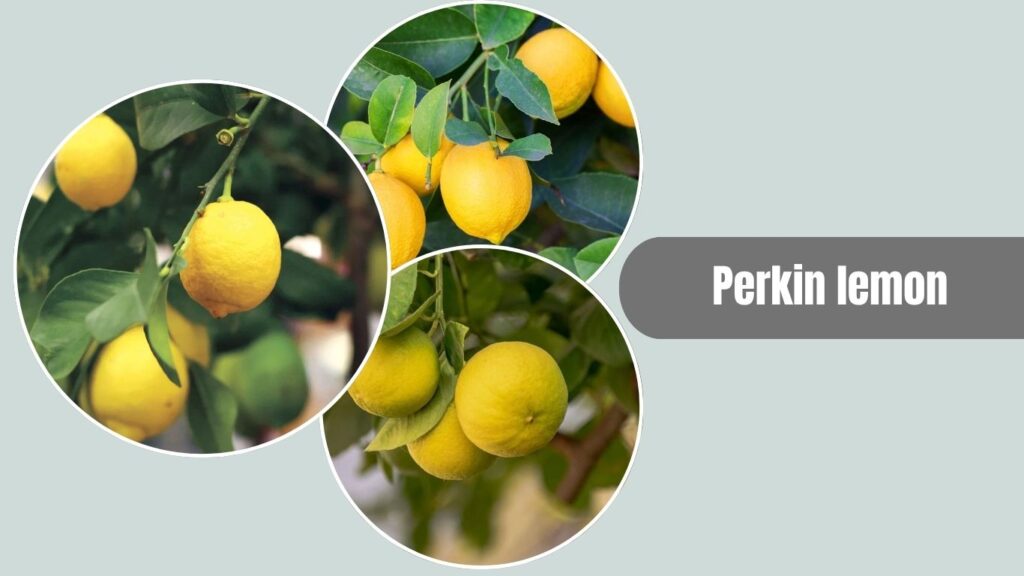
Perkin lemon is a lesser-known variety appreciated for its adaptability and high yield. It produces medium-sized fruits with a well-balanced flavor and is sometimes used as a rootstock in citrus breeding.
Identification
- Fruit Color: Pale to bright yellow
- Fruit Shape: Oval, slightly pointed
- Tree Size: Medium with spreading canopy
- Skin Texture: Medium-thick and smooth
- Seeds: Moderate
- Taste: Balanced acidity and aroma
Growth and Seasonality
Perkin lemon trees fruit mainly in winter and spring. They grow well in warm regions and can tolerate slight drought, performing best in USDA zones 9–10.
Uses and Benefits
Good for juicing and everyday culinary use. Perkin lemons contain high levels of vitamin C and are used in households for cleaning, health drinks, and flavoring.
25. Sorrento Lemon
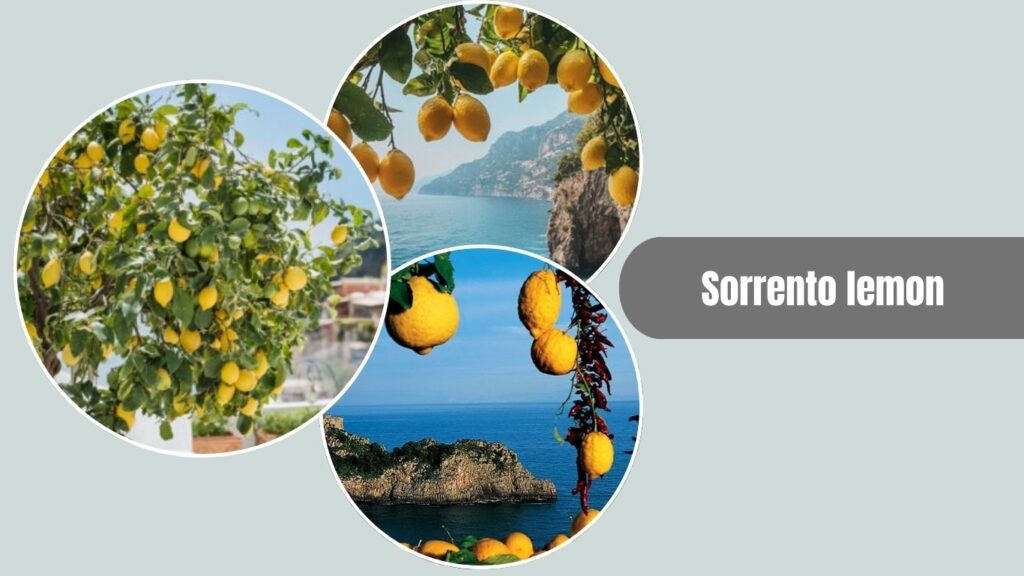
Sorrento lemon, also known as Limone di Sorrento, is a prized Italian lemon used primarily for making limoncello. It is larger and more fragrant than typical lemons, with thick, flavorful skin.
Identification
- Fruit Color: Bright yellow
- Fruit Shape: Large, elongated, and slightly curved
- Tree Size: Medium
- Skin Texture: Thick, aromatic, and slightly bumpy
- Seeds: Few
- Taste: Intensely fragrant, sweet-acidic balance
Growth and Seasonality
Grown mainly along the Sorrento Peninsula, these lemons are harvested from late winter through summer. Ideal for coastal Mediterranean climates and USDA zones 9–11.
Uses and Benefits
Perfect for zesting, infusion (limoncello), and baking. Sorrento lemons are rich in essential oils, vitamin C, and flavor—offering a true gourmet citrus experience.