






Blue lily flowers have fascinated people for thousands of years because of their rare color, spiritual associations, and striking beauty. Often connected with ancient Egyptian culture, peace, and rebirth, blue lilies are admired both as ornamental plants and symbolic flowers. Unlike common white or pink lilies, true blue lilies are uncommon in nature, which makes them even more desirable. This guide explores what blue lilies are, how to identify them, their most well-known types, and where they naturally grow.
What Is a Blue Lily Flower?
The term “blue lily flower” is used for several different plants that produce blue or bluish flowers and resemble lilies in appearance or cultural meaning. Botanically, many blue lilies are not true members of the Lilium genus. The most famous blue lily is the blue water lily (Nymphaea caerulea), often called the Egyptian blue lotus.
True Lilium species rarely produce naturally blue flowers. As a result, most modern “blue lilies” seen in gardens are either water lilies, related flowering plants, or specially bred hybrids with bluish or violet tones. Some blue lilies grow in ponds and lakes, while others are terrestrial plants adapted to garden soil.
Because of this diversity, blue lilies can refer to both aquatic and land-based plants, each with different care needs, habitats, and cultural importance.
Blue Lily Flower Identification

- Petal colors ranging from pale sky blue to deep indigo
- Star-shaped or bowl-shaped flowers
- Multiple narrow or broad petals arranged symmetrically
- Bright yellow or golden central stamens
- Mild to sweet fragrance in many species
- Floating round leaves in aquatic types
- Upright stems and lance-shaped leaves in terrestrial forms
- Blooms that open during the day and close at night (common in water lilies)
- Flowering season from late spring to early autumn
- Growth form that may be floating, creeping, or upright
Common Types of Blue Lily Flowers

Blue Water Lily (Nymphaea caerulea)
The blue water lily is the most historically significant and widely recognized blue lily. Native to the Nile region and parts of East Africa, this aquatic plant produces fragrant, sky-blue flowers with yellow centers that float on the surface of still water.
Its blooms open in the morning and close in the afternoon, repeating this cycle for several days. The plant has round floating leaves and thick underwater rhizomes anchored in pond or lake beds. The blue water lily was sacred in ancient Egypt and frequently appears in temple carvings, art, and mythology.
Egyptian Blue Lily (Blue Lotus)
Often considered the same plant as Nymphaea caerulea, the Egyptian blue lily or blue lotus holds deep spiritual and cultural importance. Ancient Egyptians associated it with the sun, rebirth, and creation. The flower’s daily opening and closing symbolized the sun’s journey across the sky.
The blue lotus was used in religious ceremonies, decorative garlands, and traditional preparations. Today, it remains popular in water gardens and symbolic plant collections due to its fragrance, vivid color, and historical background.
Himalayan Blue Poppy (Often Called Blue Lily)
The Himalayan blue poppy (Meconopsis betonicifolia) is sometimes called a “blue lily” because of its rare blue petals and large, elegant flowers. Although it is not a true lily, it is valued for its intense sky-blue color, which is extremely rare among garden plants.
Native to the cool, moist mountain regions of the Himalayas, this plant prefers mild temperatures, rich soil, and partial shade. Its delicate blooms and striking color make it one of the most sought-after blue flowering plants in ornamental gardens.
Tropical Blue Lily Hybrids
Modern horticulture has produced several tropical water lily hybrids with vivid blue and violet shades. These varieties are bred for longer blooming seasons, stronger color, and improved adaptability to garden ponds.
Tropical blue lilies usually bloom more frequently than hardy types and thrive in warm water and full sunlight. They are commonly used in decorative ponds, botanical gardens, and ornamental water features.
Natural Habitat and Distribution
Blue lily flowers originate from different regions depending on the species. The blue water lily is native to northeastern Africa, particularly Egypt and surrounding countries, where it grows in slow-moving rivers, ponds, and shallow lakes. Himalayan blue poppies naturally occur in high-altitude regions with cool temperatures, frequent mist, and rich, moist soil.
Aquatic blue lilies thrive in calm, freshwater environments with full sun exposure, while terrestrial blue lily-type plants prefer well-drained but consistently moist soil. Today, blue lilies are cultivated worldwide in ponds, water gardens, greenhouses, and specialty flower collections.
How to Grow Blue Lily Flowers

- Choose healthy rhizomes or nursery-grown plants
- Use wide, shallow containers for aquatic types
- Prepare heavy loam or aquatic planting soil
- Place aquatic lilies in still, clean water
- Maintain water depth of 12–24 inches
- Ensure at least 5–6 hours of direct sunlight daily
- Keep water temperatures warm for tropical varieties
- Fertilize using aquatic plant tablets
- Avoid strong water movement
- Remove yellowing leaves regularly
Blue Lily Flower Care Guide

Watering and Moisture
Aquatic blue lilies require constant immersion in water, while terrestrial blue lily-type plants need consistently moist but well-drained soil. Water lilies should never be allowed to dry out. For garden types, deep watering encourages strong root development.
Light Requirements
Blue lilies grow best in full sun. Bright sunlight encourages healthy leaves and frequent flowering. Without enough sun, plants may grow weak and produce few or no blooms.
Fertilizing Blue Lilies
Use slow-release aquatic fertilizer tablets for pond-grown blue lilies. Terrestrial types benefit from balanced, organic-rich fertilizer during the active growing season. Feeding every four to six weeks supports strong blooms.
Seasonal Maintenance
Remove spent flowers and damaged leaves to maintain plant health. In colder regions, tropical blue lilies must be overwintered indoors, while hardy water lilies can survive beneath ice as long as rhizomes are below the freeze line.
Blue Lily Flower Meaning and Symbolism
Blue lilies symbolize peace, wisdom, rebirth, and spiritual awakening. In ancient Egypt, the blue lily represented the rising sun and the cycle of creation. The flower’s daily opening and closing made it a powerful symbol of renewal and eternal life.
In modern symbolism, blue lilies are associated with calm emotions, mystery, loyalty, and higher awareness. They are often used in spiritual art, meditation spaces, and symbolic gardens.
Blue Lily Flower Lifecycle
- Dormant rhizome or root stage
- Sprouting of underwater or soil-based shoots
- Leaf development on water surface or upright stems
- Bud formation
- Flower opening and closing cycles
- Pollination by insects
- Seed development
- Rest period before regrowth
Ecological and Cultural Importance
Blue water lilies provide shelter for small aquatic creatures and shade that helps regulate pond temperature. Their flowers support pollinating insects and contribute to balanced aquatic ecosystems.
Culturally, blue lilies have appeared in ancient art, temple carvings, and ceremonial practices. Today, they continue to be valued for ornamental beauty, historical symbolism, and water-garden design.
Common Problems and Pests
Pests
Aphids, water beetles, and snails may feed on leaves and buds. In aquatic environments, pests can often be controlled by removing affected leaves or introducing natural predators such as fish.
Diseases
Fungal leaf spot, crown rot, and rhizome rot may occur in poorly maintained water or overly wet soil. Proper sunlight, clean water, and good circulation help prevent disease.
Propagation of Blue Lily Flowers
Blue lilies are most often propagated by dividing rhizomes in spring or early summer. Healthy sections with growing points are replanted in fresh soil or containers. Some varieties can also be grown from seed, though flowering may take several seasons.
Blue Lily in Gardens, Ponds, and Design
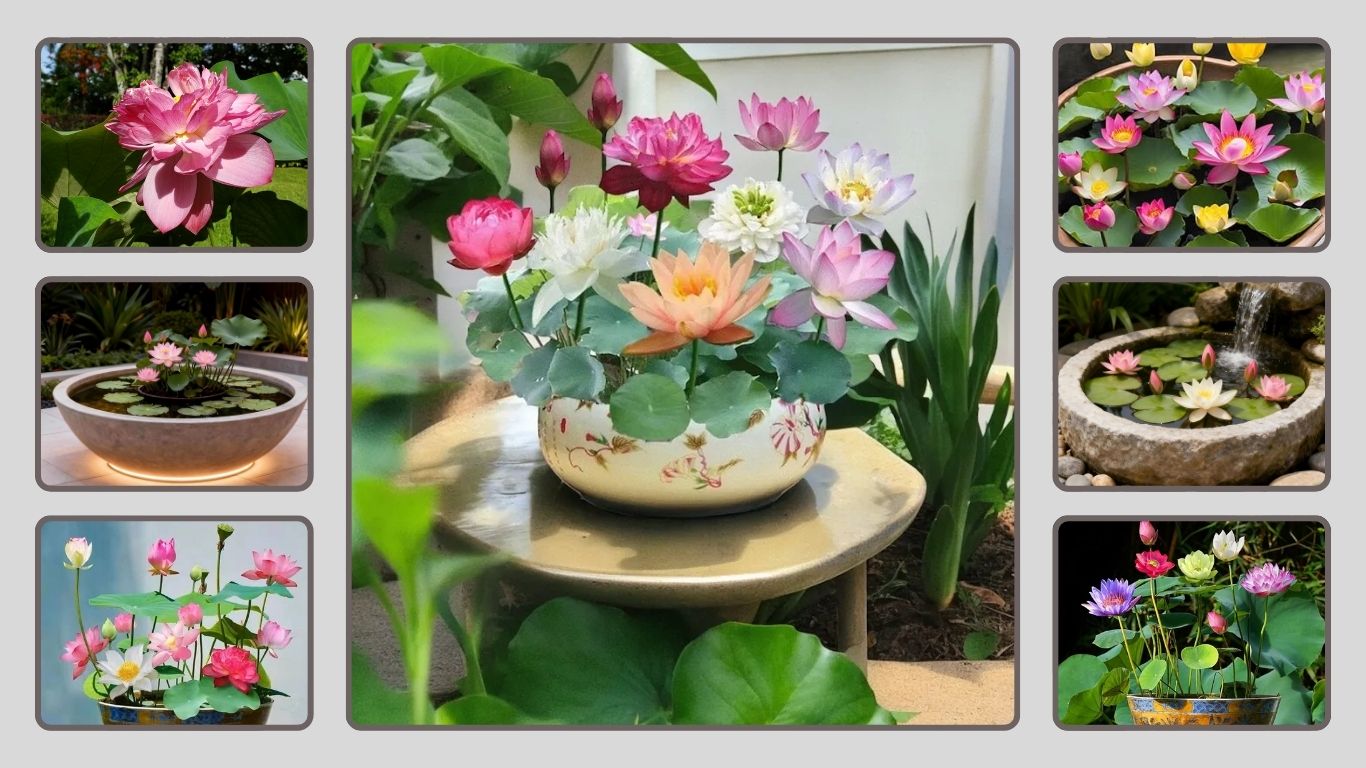
Blue lilies are centerpiece plants in ponds, fountains, and water gardens. Their rare color creates strong contrast with green foliage and other aquatic plants. Terrestrial blue lily-type flowers are used in shaded borders, woodland gardens, and specialty collections.
In design and art, blue lilies often symbolize tranquility, spirituality, and mystery, making them popular for meditation gardens and ornamental displays.
FAQs
What is a true blue lily flower?
The most recognized true blue lily is the blue water lily (Nymphaea caerulea), often called the Egyptian blue lotus. True Lilium species rarely produce natural blue flowers.
Are blue lilies real or symbolic?
Blue lilies are real flowers, but many plants called blue lilies are not true lilies. The term is often used for water lilies or rare blue-flowering plants with lily-like appearances.
Can blue lilies grow in home ponds?
Yes, blue water lilies grow well in home ponds if water is still, clean, and receives enough sunlight. They are popular ornamental plants for backyard water gardens.
What does the blue lily symbolize?
Blue lilies symbolize peace, rebirth, wisdom, and spiritual awakening. In ancient cultures, especially Egypt, they represented the sun, creation, and eternal life.
Are blue lilies difficult to grow?
Blue lilies are not difficult to grow when their environmental needs are met. Aquatic types need sunlight and clean water, while terrestrial types require cool temperatures and moist, well-drained soil.