





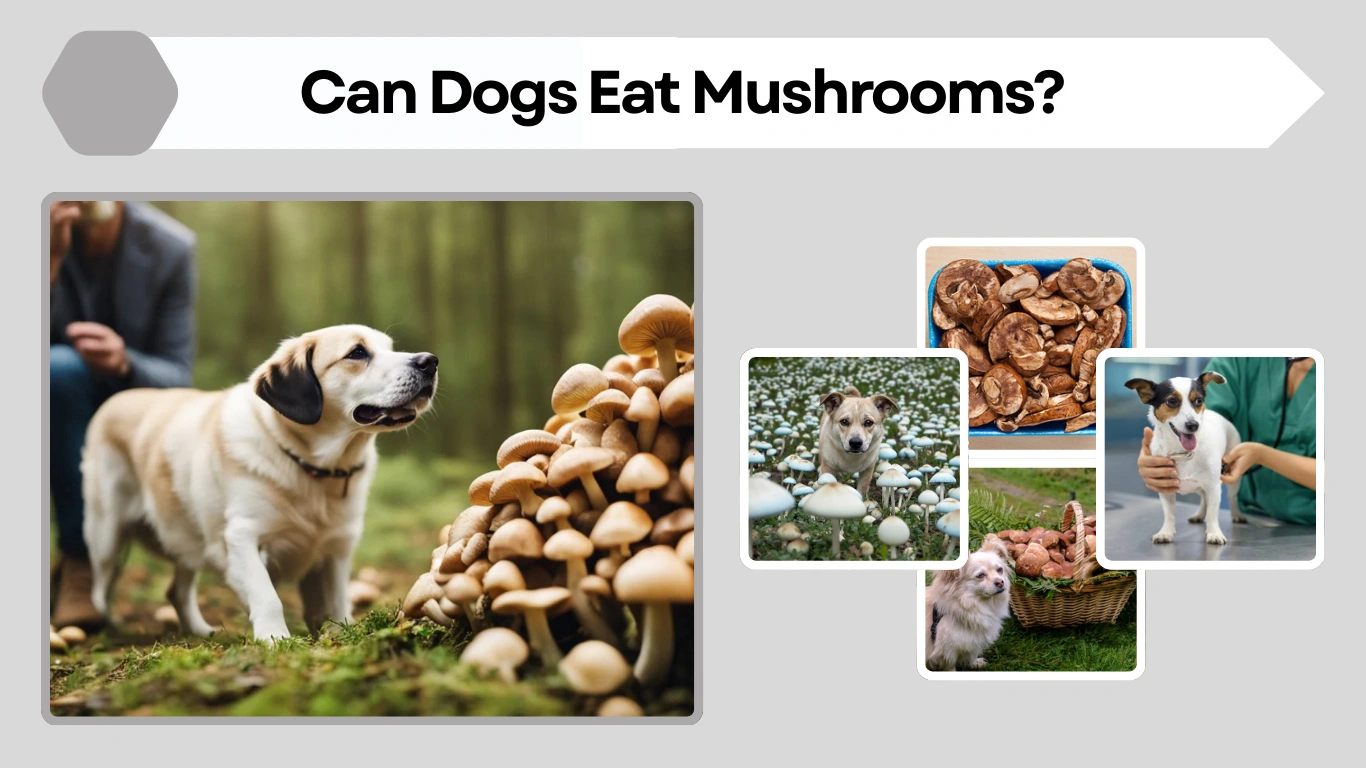
Many dog owners worry when they see their dog sniffing—or eating—a mushroom, whether it’s dropped in the kitchen or growing in the yard. The concern is justified. While some mushrooms are safe for humans and even dogs in limited situations, others can be extremely toxic and potentially fatal. The biggest danger lies in confusion between harmless store-bought mushrooms and wild varieties. This article explains when mushrooms are safe for dogs, when they are dangerous, and what every dog owner should know to protect their pet.
Understanding Mushrooms and Dogs
Why Dogs Are Attracted to Mushrooms
Dogs explore the world with their noses and mouths. Mushrooms have strong earthy smells and soft textures that can easily attract a curious dog, especially puppies and high-energy breeds. Mushrooms growing in yards, parks, or wooded areas may be mistaken for food scraps or toys, making accidental ingestion common during walks or outdoor play.
Some dogs are natural scavengers and will eat almost anything they find, increasing the risk of exposure to potentially harmful substances, including toxic mushrooms.
How Dogs Digest Mushrooms
Dogs digest food differently than humans. Their bodies process toxins faster in some cases, but they are also more sensitive to certain compounds found in mushrooms. Foods that are harmless or even healthy for people can cause digestive upset or poisoning in dogs. This difference is especially important when it comes to mushrooms, which can contain complex chemicals that affect the nervous system, liver, or kidneys.
Can Dogs Eat Store-Bought Mushrooms?

Mushrooms That Are Generally Safe
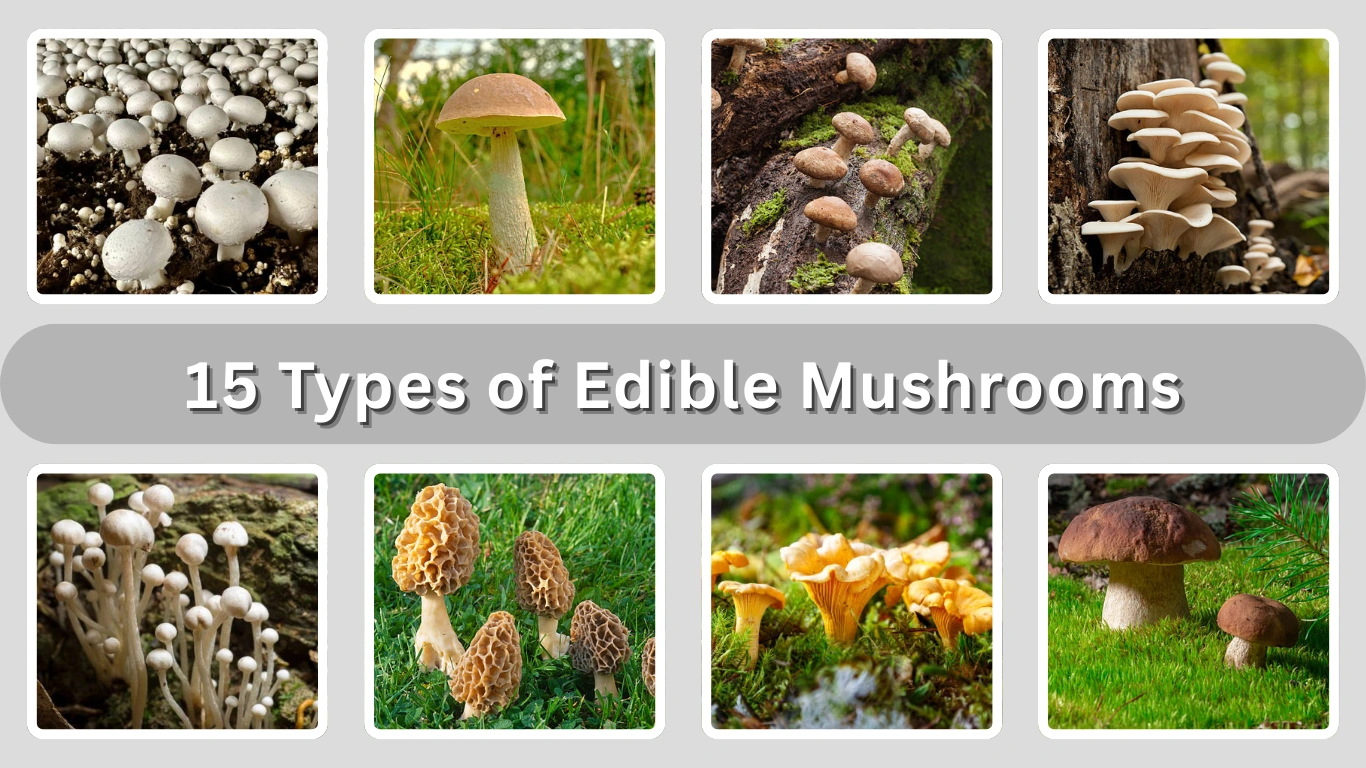
Plain, store-bought mushrooms—such as those commonly sold in grocery stores—are generally considered safe for dogs when cooked and served in very small amounts. Cooking breaks down tough cell walls, making mushrooms easier to digest. When prepared properly, these mushrooms are not toxic to dogs and may provide small amounts of nutrients such as fiber and antioxidants.
However, mushrooms should never be a significant part of a dog’s diet. Dogs do not need mushrooms nutritionally, and too much can cause stomach upset.
How Mushrooms Should Not Be Served
Even safe store-bought mushrooms can become dangerous if prepared incorrectly. Dogs should never eat:
- Raw mushrooms
- Mushrooms cooked with butter, oil, salt, or spices
- Mushrooms containing garlic or onions
- Fried, breaded, or heavily processed mushrooms
Garlic and onions are toxic to dogs, and fatty or seasoned foods can cause digestive distress or pancreatitis. Mushrooms taken directly from a human plate are especially risky due to hidden ingredients.
Possible Side Effects From Safe Mushrooms
Some dogs may still react poorly to mushrooms, even when they are cooked and plain. Possible side effects include gas, diarrhea, vomiting, or mild allergic reactions. Dogs with sensitive stomachs, food allergies, or underlying health conditions are more likely to experience problems.
If mushrooms are offered at all, they should be given in very small portions and only occasionally, while closely monitoring the dog for any adverse reactions.
Can Dogs Eat Wild Mushrooms?
Why Wild Mushrooms Are Dangerous
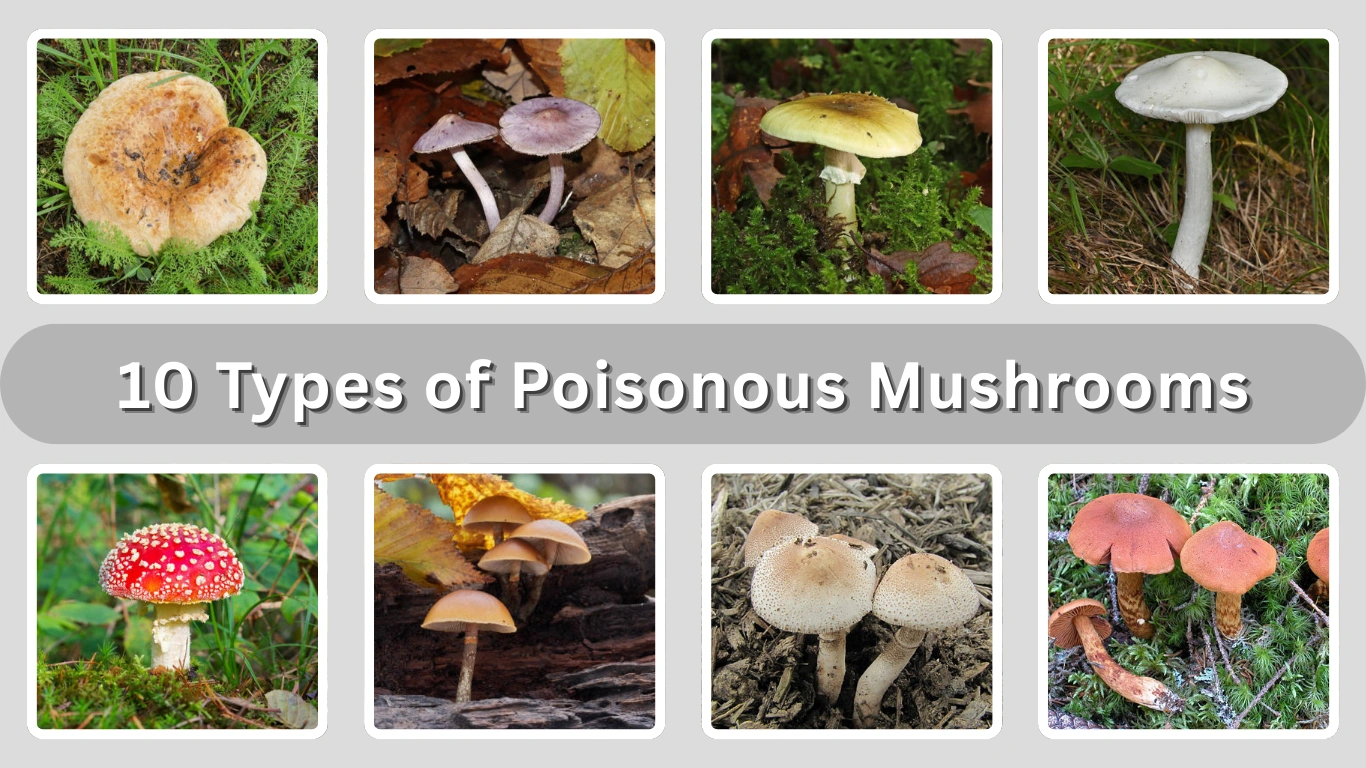
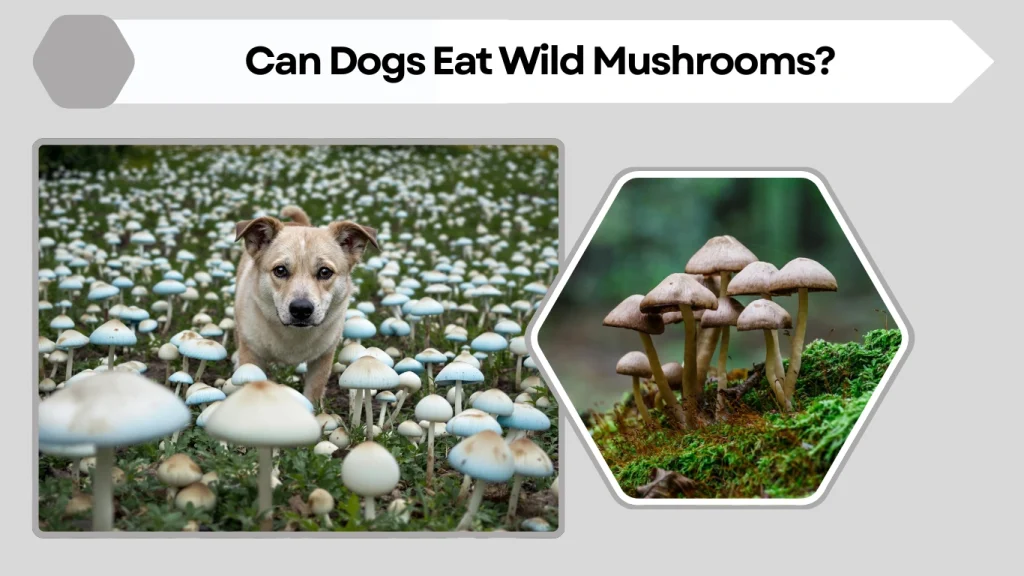
Wild mushrooms pose a serious and immediate risk to dogs. Unlike store-bought mushrooms, wild varieties are difficult to identify accurately and may contain powerful toxins. Many toxic mushrooms closely resemble harmless ones, making visual identification unreliable even for experienced foragers.
Some wild mushrooms can cause severe poisoning in dogs after just a small bite. These toxins may affect the digestive system, nervous system, liver, or kidneys, and in severe cases, can be fatal.
Cooking Does Not Make Wild Mushrooms Safe
A dangerous misconception is that cooking makes all mushrooms safe. This is false. Many mushroom toxins are heat-stable and remain deadly even after cooking, drying, or freezing. Because of this, dogs should never be allowed to eat any wild mushroom under any circumstances, regardless of appearance or preparation.
Symptoms of Mushroom Poisoning in Dogs
The symptoms of mushroom poisoning in dogs can vary widely depending on the type of mushroom consumed, the amount eaten, and the dog’s size and health. Some reactions occur within minutes, while others may be delayed for several hours or even days, making them especially dangerous.
Early Symptoms
Early signs often appear within 30 minutes to a few hours and may include vomiting, diarrhea, drooling, abdominal pain, lethargy, or loss of coordination. These symptoms should never be ignored, especially if mushroom ingestion is suspected.
Severe and Delayed Symptoms
Some toxic mushrooms cause delayed but severe reactions. These may include tremors, seizures, jaundice (yellowing of the eyes or gums), excessive thirst or urination, collapse, or coma. Delayed symptoms often indicate liver or kidney damage and require immediate emergency treatment.
What to Do If Your Dog Eats a Mushroom
Immediate Steps
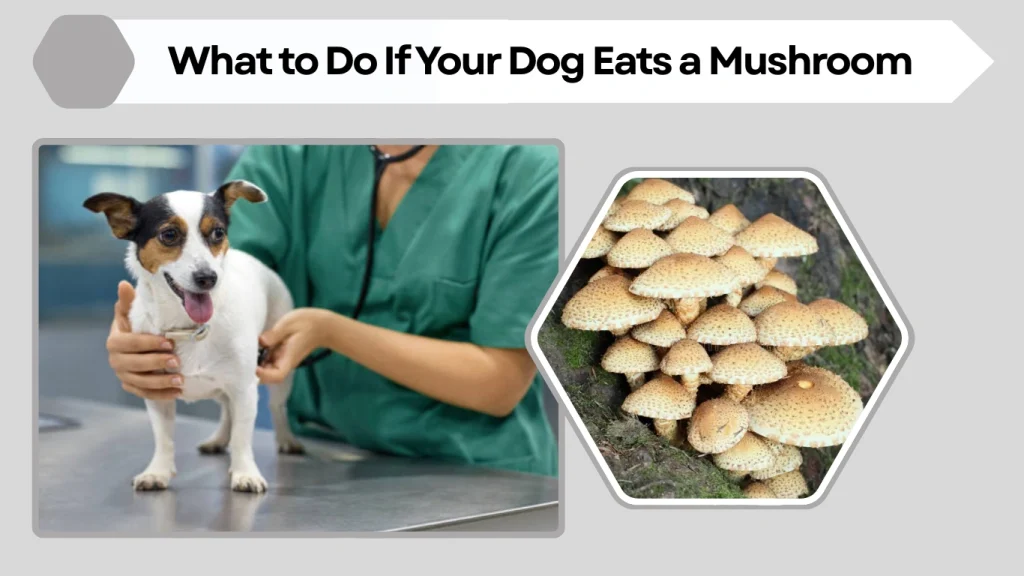
If you believe your dog has eaten a mushroom, act quickly. Remove your dog from the area to prevent further ingestion and check the mouth for remaining pieces. Do not induce vomiting unless specifically instructed by a veterinarian, as this can sometimes cause more harm.
If possible, collect a sample of the mushroom using gloves or a bag. This can help veterinarians or poison specialists identify the toxin and choose the best treatment.
When to Contact a Veterinarian
Contact your veterinarian or an emergency animal clinic immediately if your dog eats:
- Any wild mushroom
- An unidentified mushroom
- A mushroom followed by any symptoms
Even if your dog appears normal, delayed poisoning is possible. Early medical intervention greatly improves the chances of recovery.
Why Time Is Critical
Mushroom toxins can be absorbed rapidly and begin damaging organs before symptoms appear. The sooner treatment begins, the more options veterinarians have to limit toxin absorption and support affected organs.
Preventing Mushroom Exposure
Yard and Garden Safety
Regularly inspect your yard, especially after rain or during warm, humid conditions when mushrooms are more likely to grow. Remove mushrooms promptly, including the base, and dispose of them safely. Improving drainage and reducing shaded, damp areas can help limit regrowth.
Safety During Walks and Outdoor Activities
Keep dogs on a leash in areas where mushrooms are common. Training commands such as “leave it” can be lifesaving. Be extra cautious in wooded areas, parks, and trails, particularly in spring and fall when mushrooms are most abundant.
Puppies and High-Risk Dogs
Puppies, young dogs, and highly food-motivated breeds are at higher risk because they explore quickly and chew indiscriminately. Supervision is especially important for these dogs, as they may ingest mushrooms before an owner can react.
Are Mushroom Ingredients in Dog Food Safe?
Some commercial dog foods and treats contain mushroom-based ingredients or extracts. These products are generally safe because they use non-toxic species and are processed under strict safety standards. The mushrooms are typically included in controlled amounts and are very different from wild mushrooms found outdoors.
However, owners should always check ingredient labels and consult their veterinarian if they have concerns.
Conclusion
So, can dogs eat mushrooms? In limited cases, plain, cooked store-bought mushrooms may be safe in small amounts, but they offer little nutritional benefit. Wild mushrooms, on the other hand, are extremely dangerous and should always be treated as a medical emergency if ingested.